Artwork
The Mass of Saint Gregory
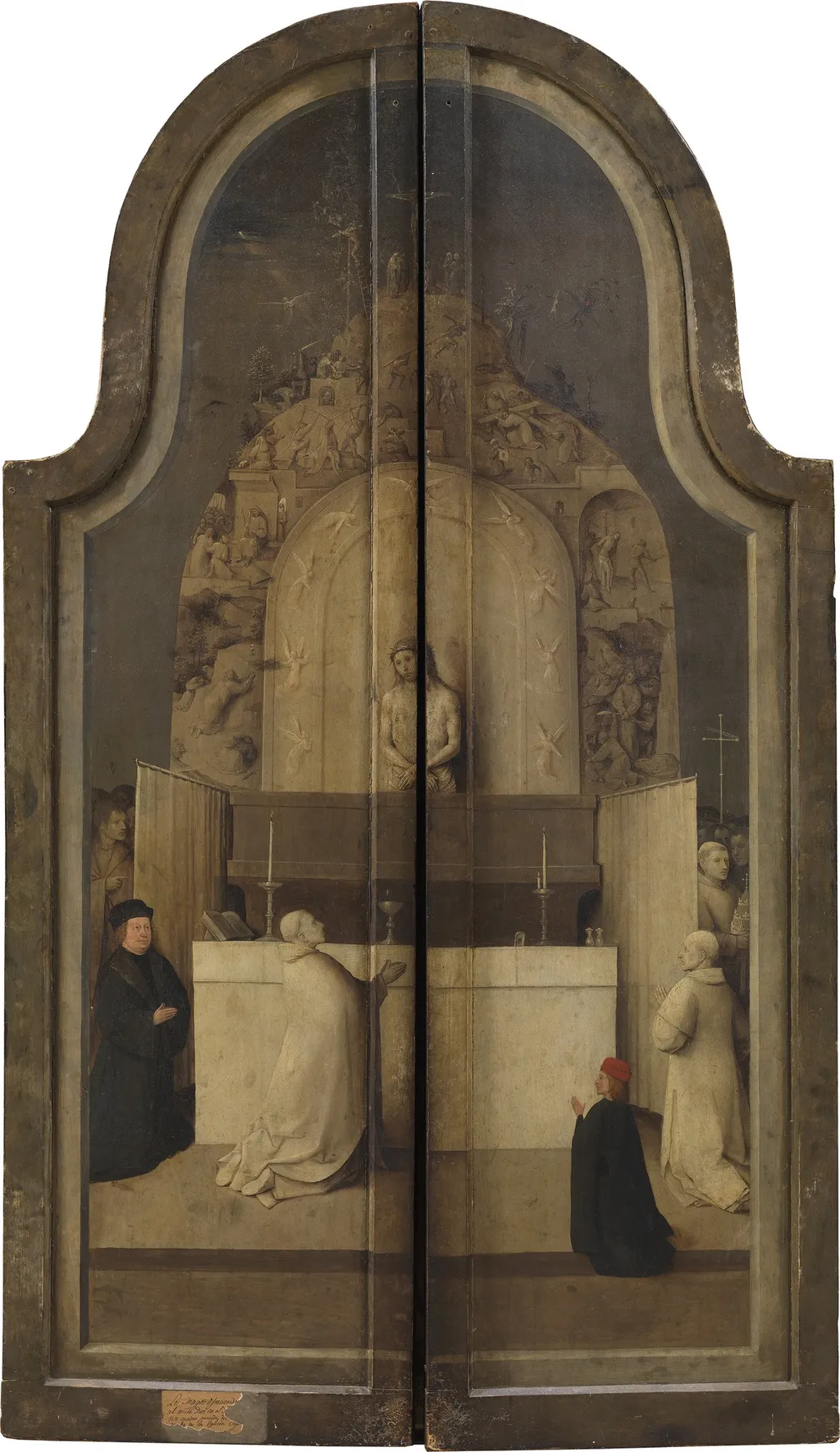
The Mass of Saint Gregory is an oil painting by the Northern Renaissance artist Hieronymus Bosch. It dates from 1498 and is held in the collection of the Museo del Prado.
About this work
Subject & Meaning
The painting depicts the Mass of Saint Gregory, a visionary religious scene that also includes the Christ Child. By combining the Eucharistic vision with the infant Christ, the work underscores the theological link between the incarnation and the sacrifice of the Mass, presenting the Mass of Saint Gregory as a devotional image of Christ’s real presence in the liturgy.
Technique & Style
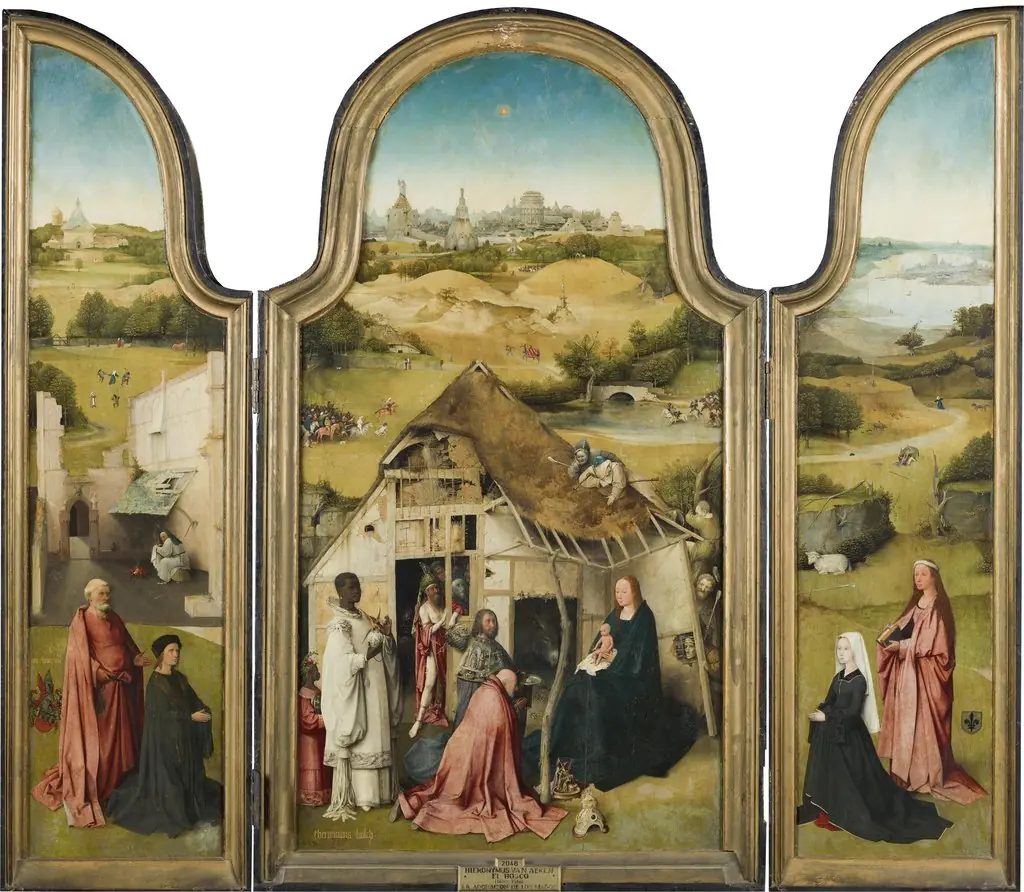
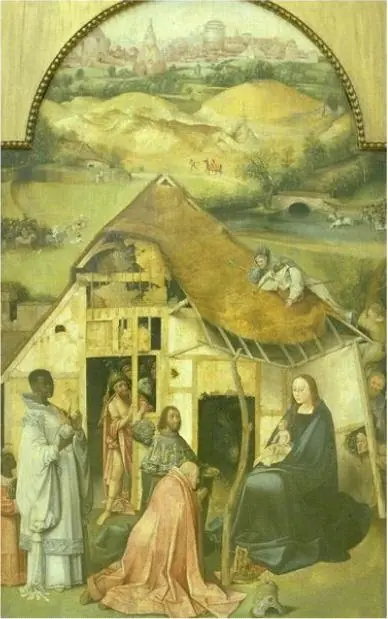
Created in 1494, this religious work by Hieronymus Bosch is executed in oil paint on an oakwood support. As a product of the Early Netherlandish painting movement, the piece measures 146.7 cm in height and 84 cm in width. The composition depicts the Mass of Saint Gregory alongside the Adoration of the Magi, with the Christ Child serving as a central subject within the scene.
History & Provenance
Today, the artwork is held in the collection of the Museo del Prado in Madrid, where it remains part of the museum's holdings of religious art.
The Mass of Saint Gregory was created in 1494 by the Early Netherlandish painter Hieronymus Bosch. Executed in oil paint on an oak panel, the work measures 146.7 cm in height and 84 cm in width. The painting depicts a religious scene centered on the Mass of Saint Gregory, which includes the figure of the Christ Child.
Today, the artwork is held in the collection of the Museo del Prado in Madrid, where it remains part of the museum's holdings of religious art.
Context
The work occupies a pivotal position within Bosch's oeuvre as an early Netherlandish religious painting that bridges devotional practice and mystical narrative. Executed in oil on oakwood panel in 1494, it exemplifies the artist's engagement with contemporary devotional currents while transforming traditional iconography through complex spatial storytelling. The Museo del Prado holds the painting within its core collection of Early Netherlandish masters, where it functions as a key reference point for understanding Bosch's synthesis of adoration motifs and Eucharistic themes.
Scholarly analysis situates this piece alongside other religious works of the period in examining how Bosch reinterpreted sacred narratives to reflect evolving theological discourses of the late 15th century. Its subject matter combines the Mass of Saint Gregory with adoration of the Magi, demonstrating the artist's characteristic layering of theological symbolism within a single composition.
Overview
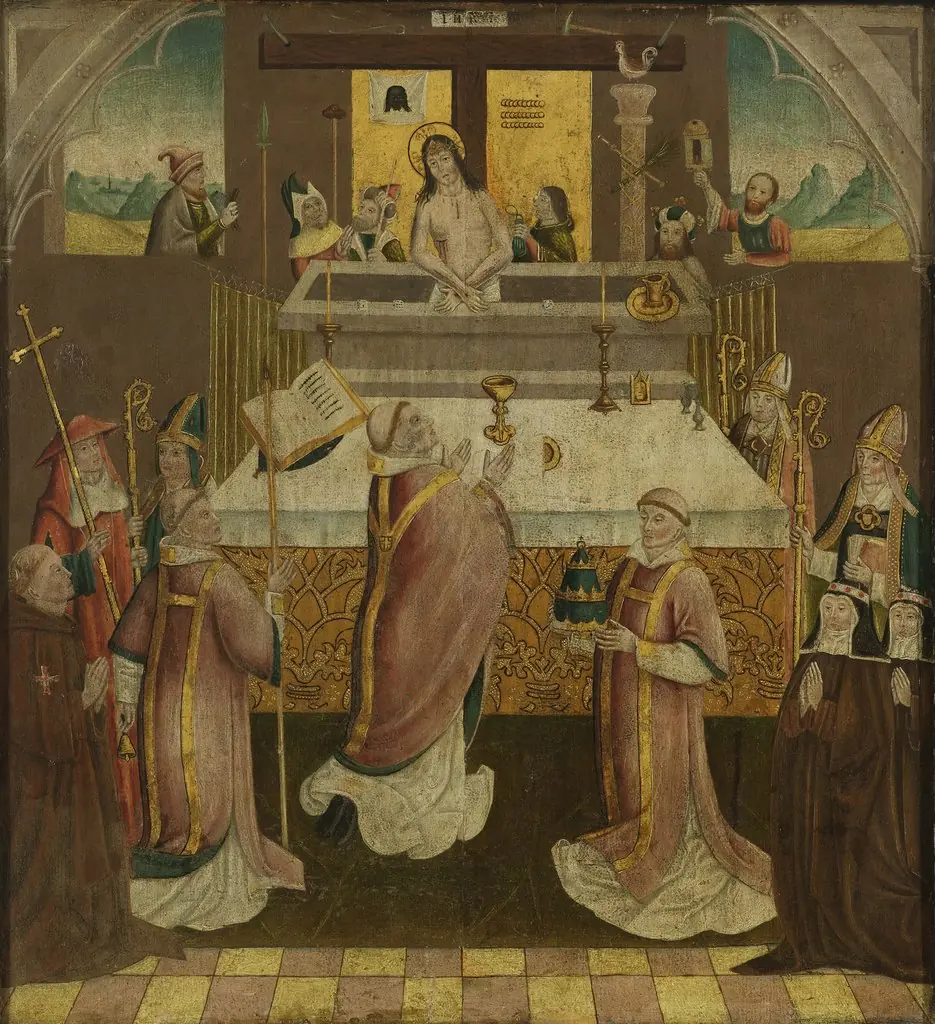
The Mass of Saint Gregory is a religious oil painting created by Hieronymus Bosch in 1498. Characteristic of the Early Netherlandish school, the work showcases Bosch's distinctive blend of imaginative and spiritual themes.
Artist & collection
Artist
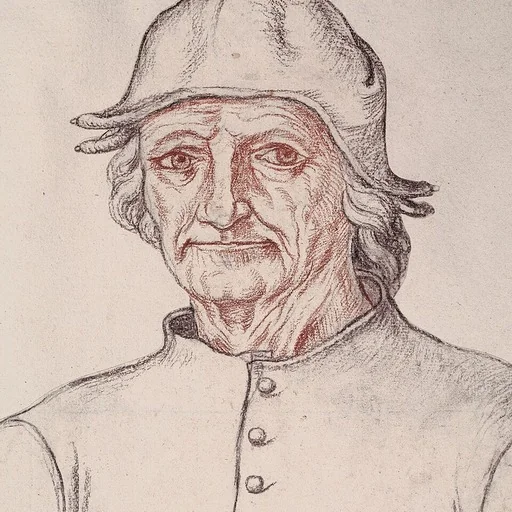
Hieronymus Bosch (; Dutch:; born Jheronimus van Aken; c. 1450 – 9 August 1516) was a Dutch painter from Brabant. He is one of the most notable representatives of the Early Netherlandish painting school. His work,…

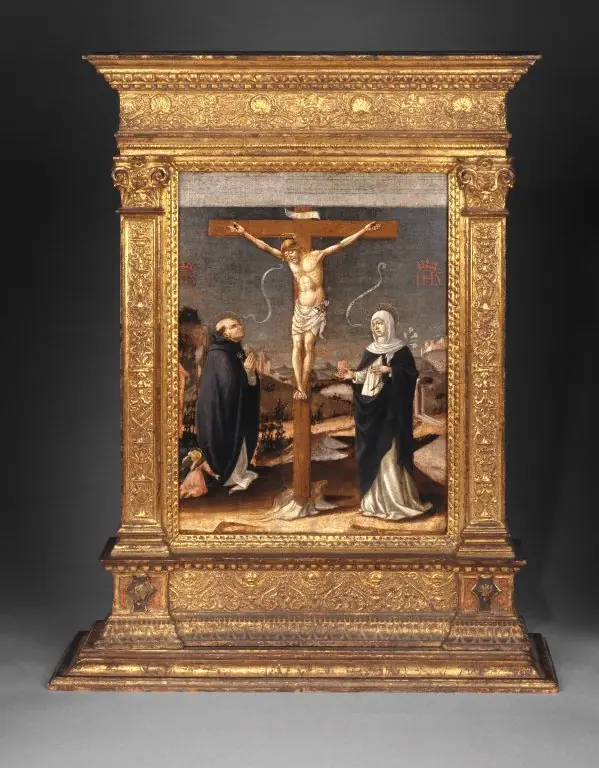 Christ on the Cross Adored by Saints Thomas Aquinas and Catherine of Siena
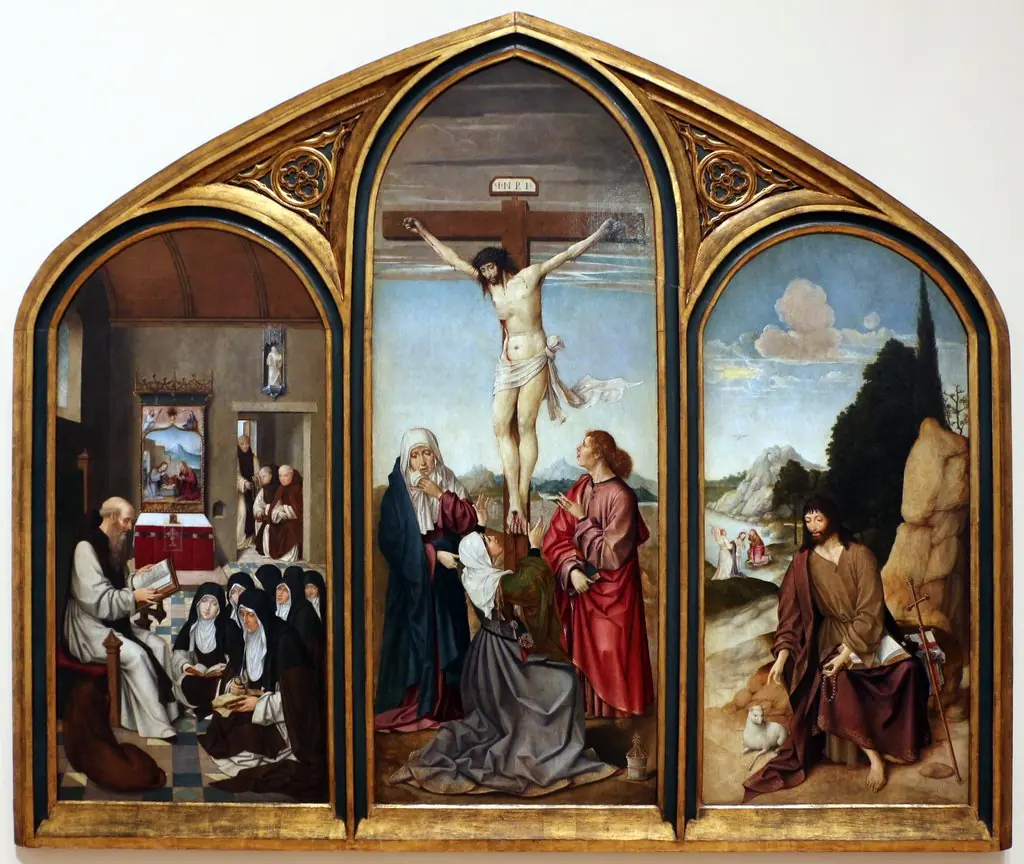 Triptych of Calvary
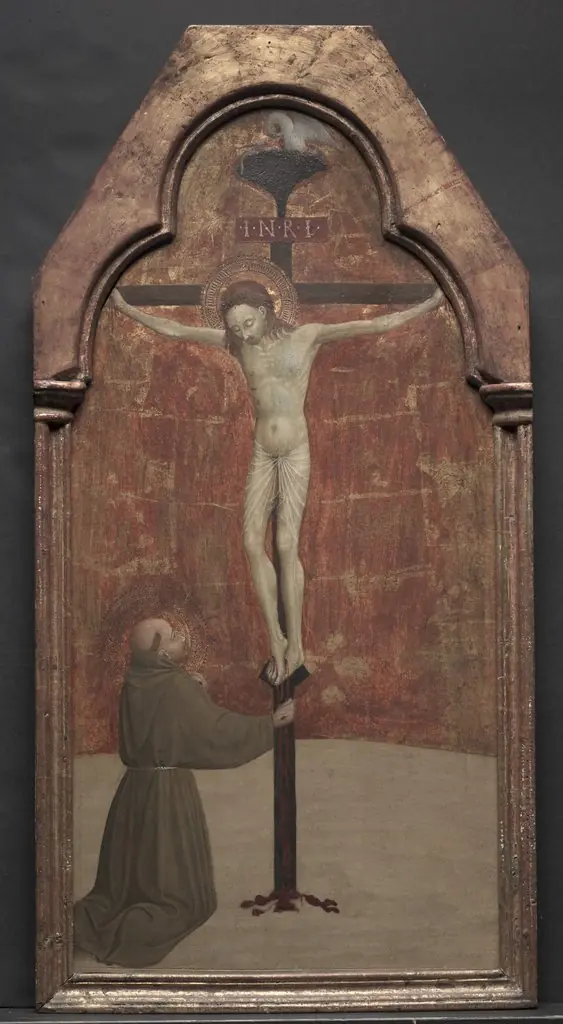 St. Francis Kneeling before Christ on the Cross
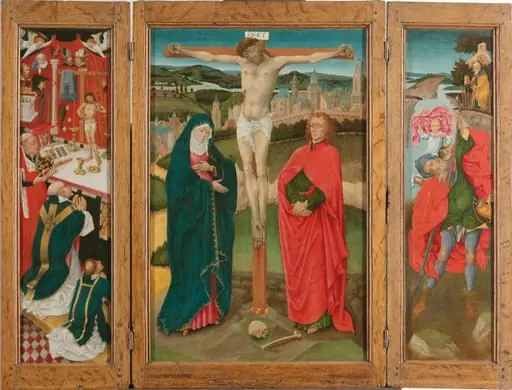 Drieluik met de kruisiging
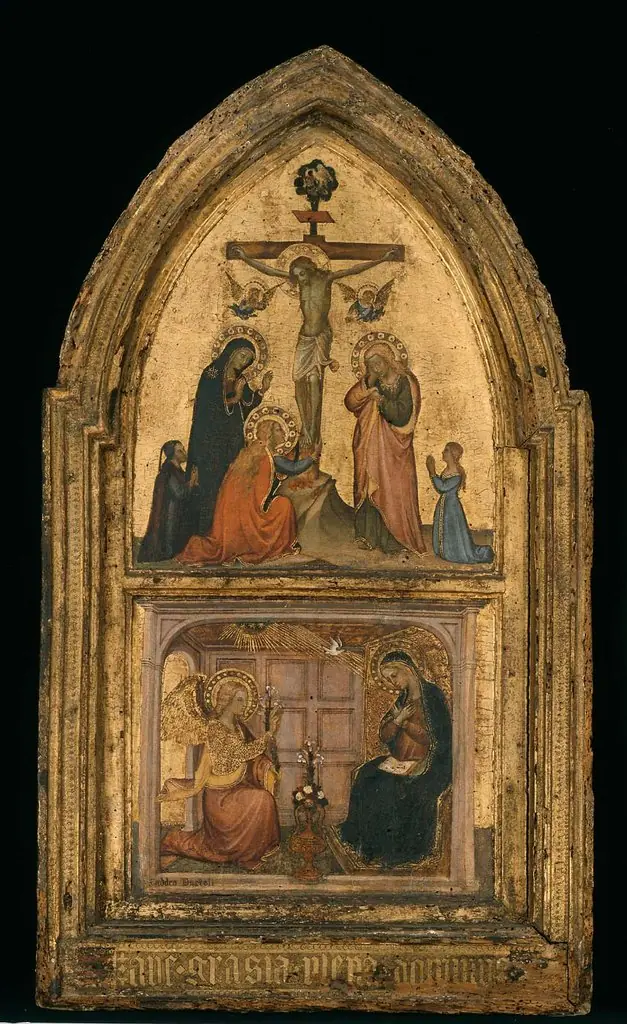 Annunication; Crucifixion
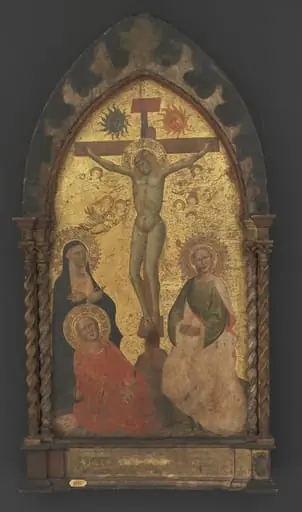 Christ on the Cross mourned by the Virgin Mary and Saints Mary Magdalene and John
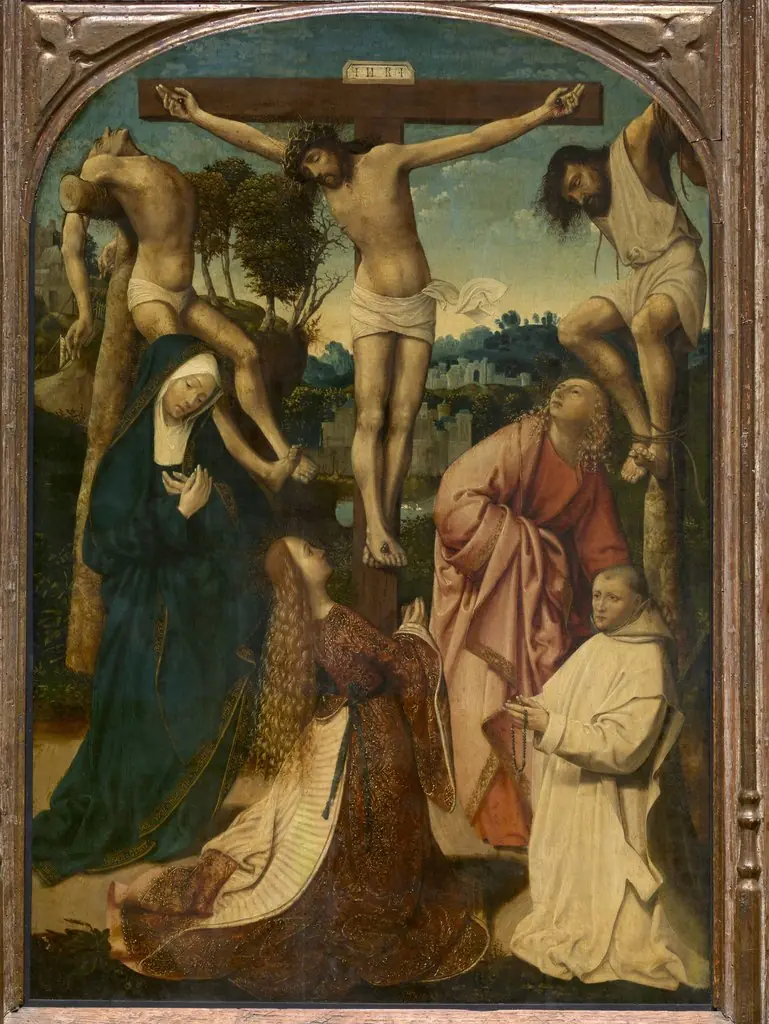 Crucifixion
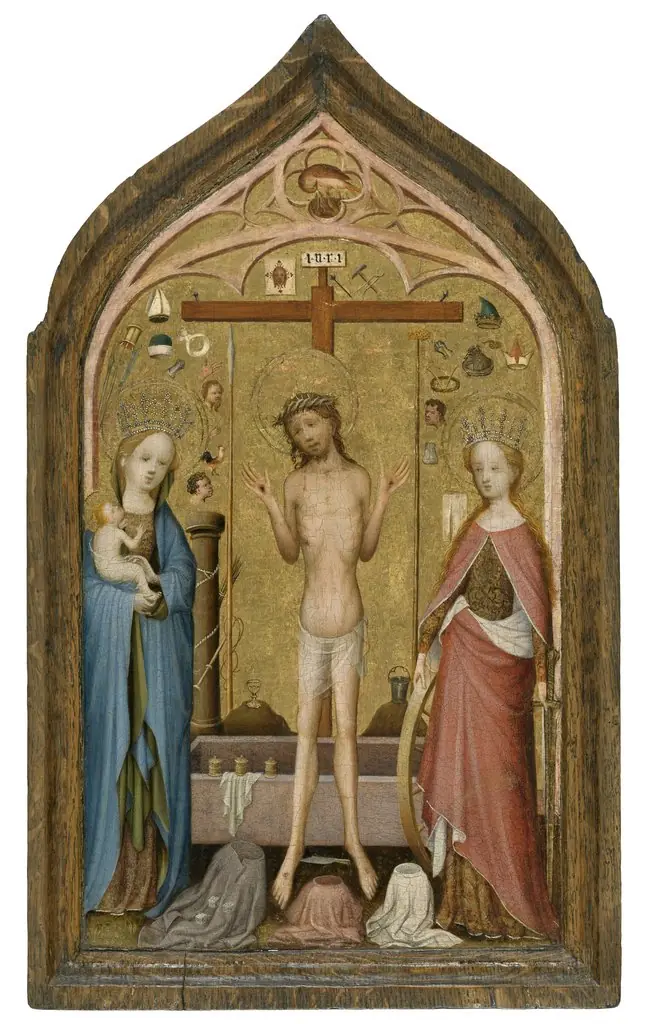 Man of Sorrows with Madonna and Saint Catherine of Alexandria
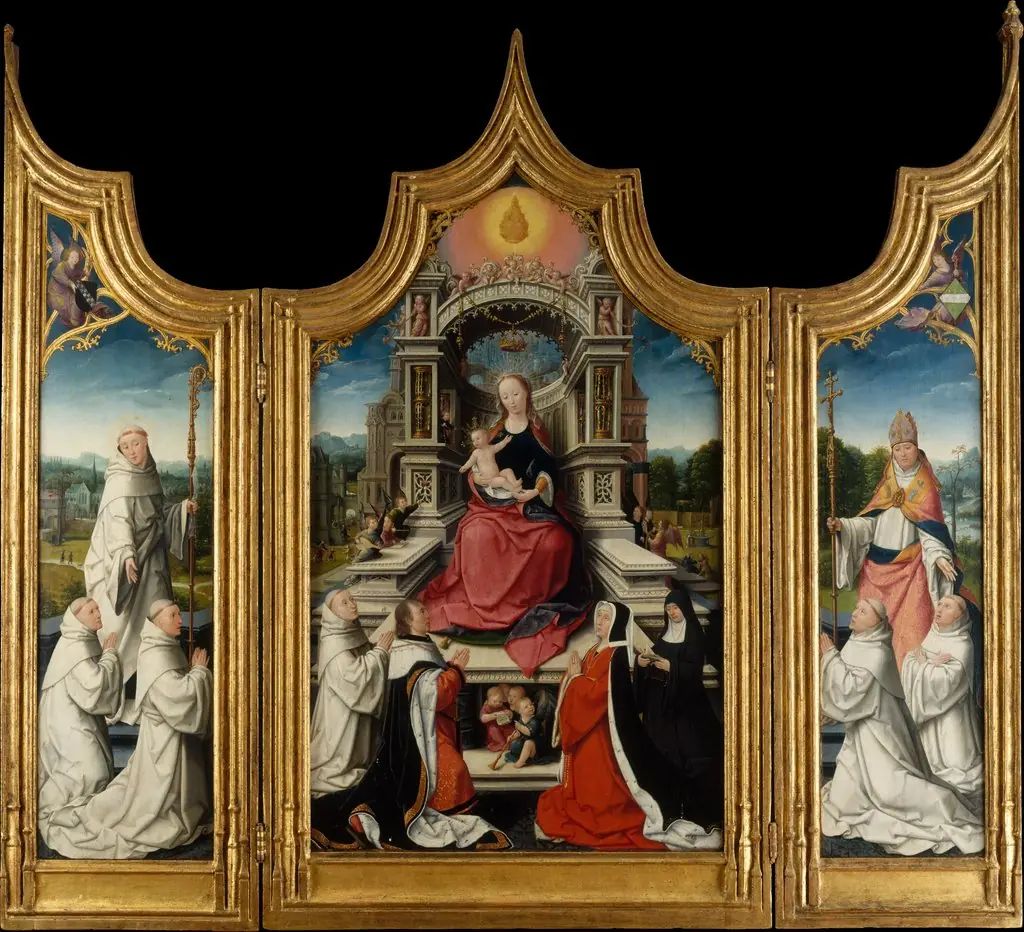 The Le Cellier Altarpiece
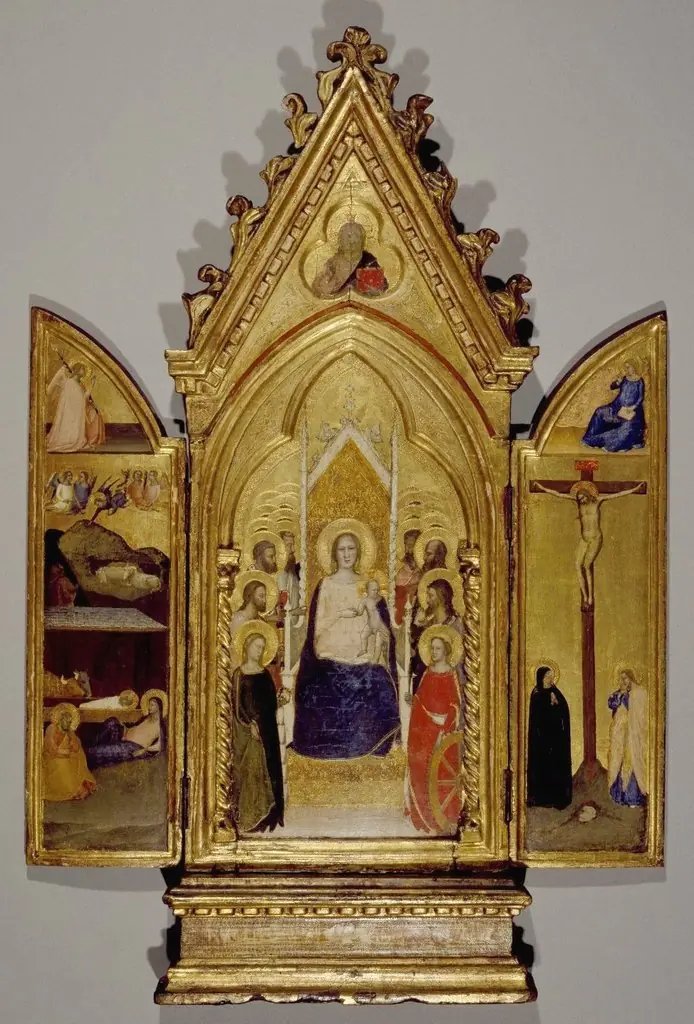 Triptych: Madonna with Saints and Christ Blessing (Center); The Nativity and the Annunciate Angel (Left Wing); Crucifixion and the Virgin Annunciate (Right Wing)