Artwork
Moses choosing the seventy elders
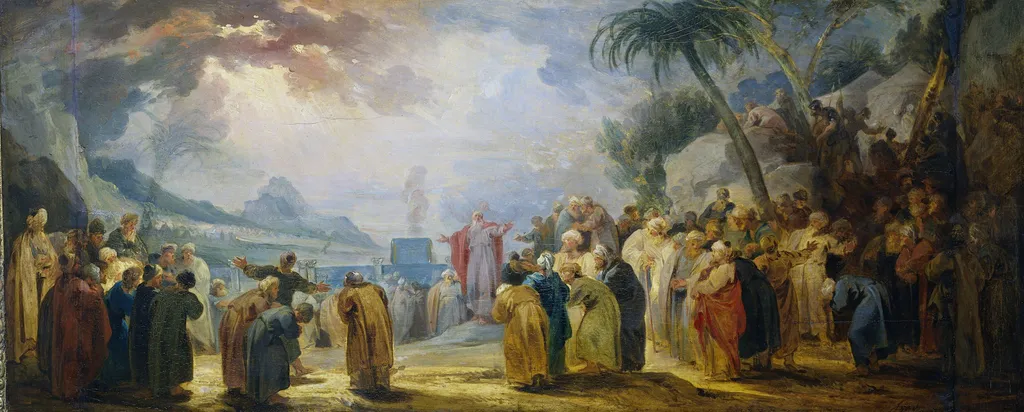
Moses choosing the seventy elders is an oil painting by the Rococo painting artist Jacob de Wit. It dates from 1737 and is held in the collection of the Rijksmuseum.
About this work
Technique & Style
The work measures 32 cm in height and 73 cm in width, presenting a horizontal format typical of the artist's religious compositions.
Jacob de Wit's Moses choosing the seventy elders, created in 1737, is executed in oil paint on a panel support. The work measures 32 cm in height and 73 cm in width, presenting a horizontal format typical of the artist's religious compositions. As a religious painting, the piece utilizes the traditional medium and support combination common in 18th-century Dutch art, allowing for detailed narrative depiction within a compact scale.
History & Provenance
The painting Moses choosing the seventy elders was created by Jacob de Wit in 1737. Executed in oil paint on a panel, the work measures 32 cm in height and 73 cm in width. It is currently held in the collection of the Rijksmuseum. The piece is classified within the religious art genre.
Overview
Jacob de Wit’s oil painting Moses Choosing the Seventy Elders (1737) presents a biblical episode in which Moses selects a council of elders to assist him. Executed during the Rococo era, the work reflects the period’s graceful composition and delicate palette. It is part of the Rijksmuseum’s collection, illustrating de Wit’s dual role as painter and interior decorator.
Subject & Meaning
The scene captures the moment Moses, clothed in white, addresses a gathered multitude beside a watercourse, pointing outward as he designates the seventy elders. A figure in a blue robe stands nearby, possibly representing a senior advisor. The surrounding crowd, rendered in modest attire, emphasizes the communal nature of the covenant and the transmission of authority within the Israelite community.
Context
The composition aligns with the 18th‑century Dutch interest in biblical narratives that could be integrated into domestic interiors. De Wit’s background as an interior decorator informed the painting’s balanced arrangement, making it suitable for both ecclesiastical and secular settings. The inclusion of palm trees and a bright sky also reflects contemporary tastes for exotic, idyllic landscapes within religious storytelling.
Artist & collection
Artist
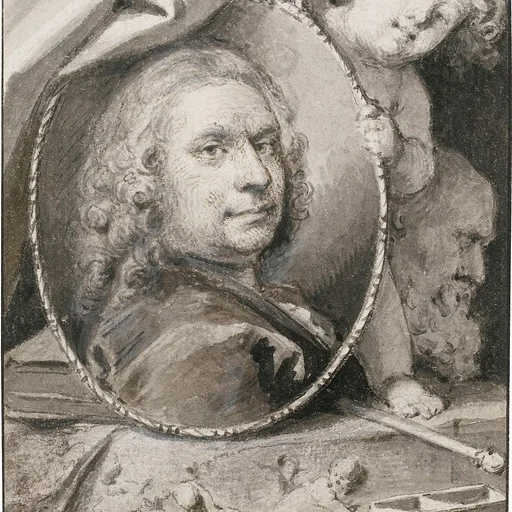
Jacob de Wit (19 December 1695 – 12 November 1754) was a Dutch painter and interior decorator. He is best known for his depictions of religious scenes.

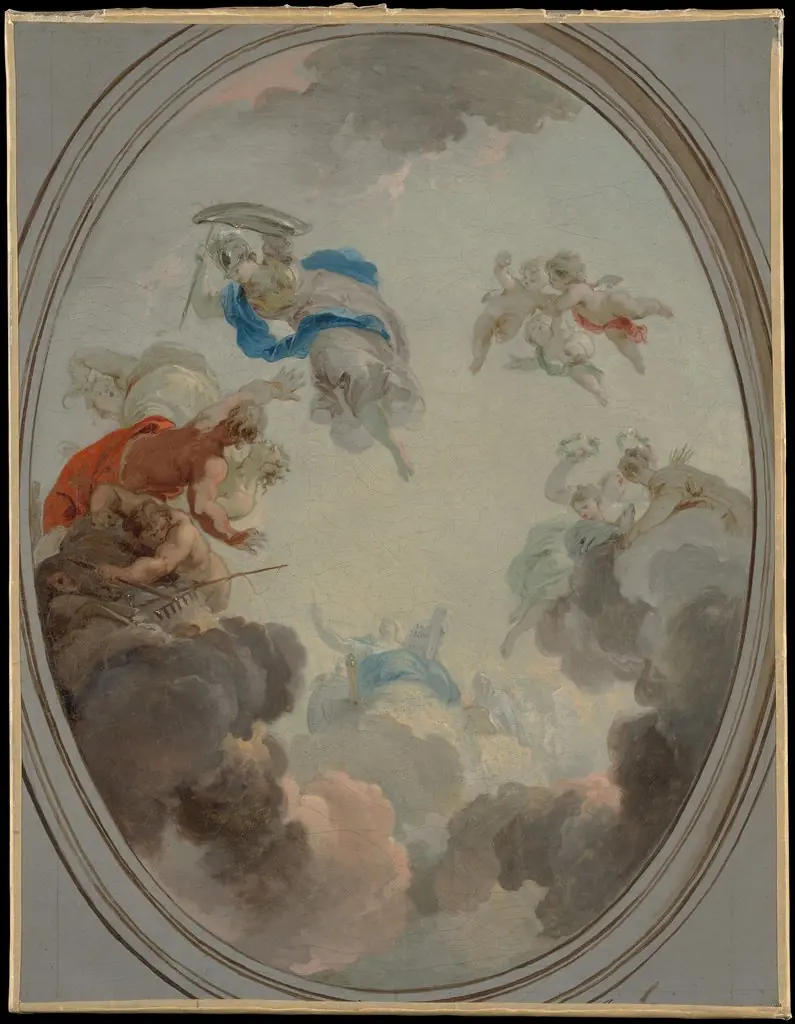
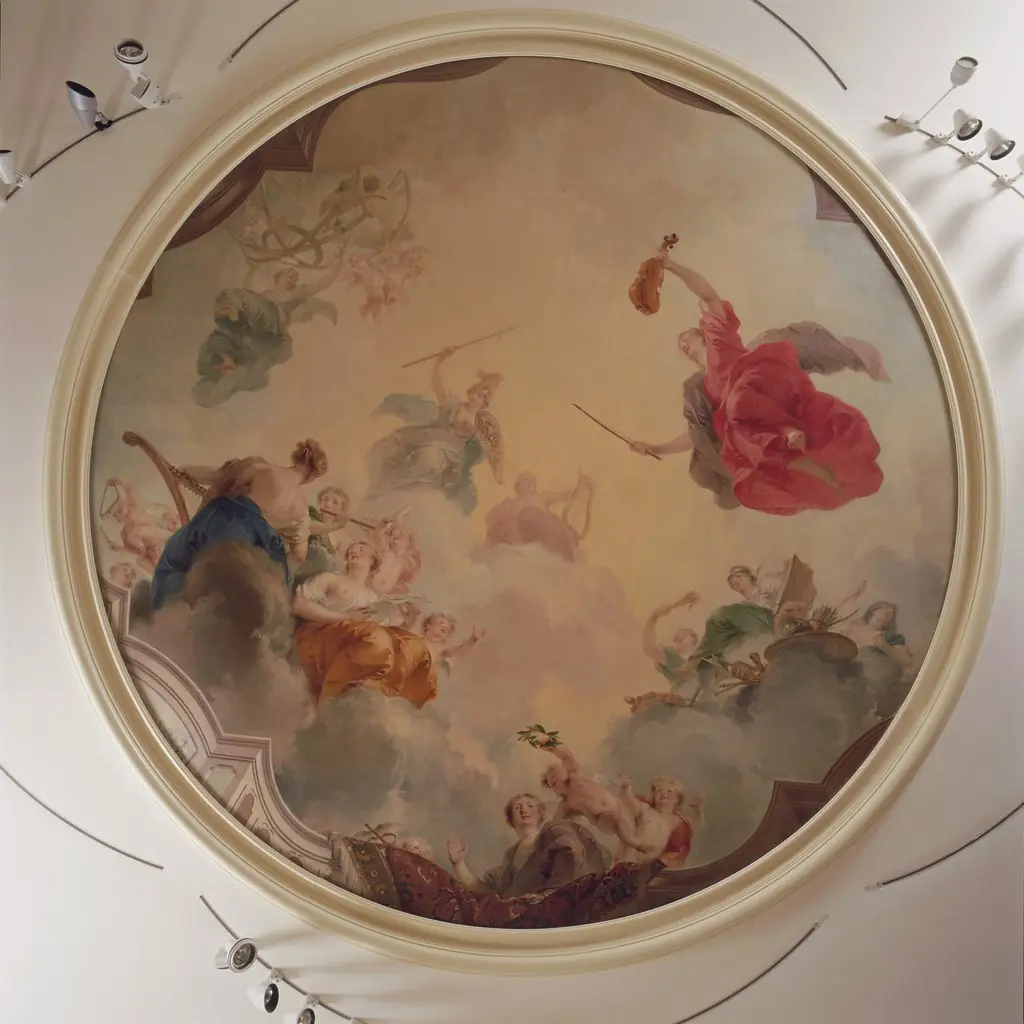
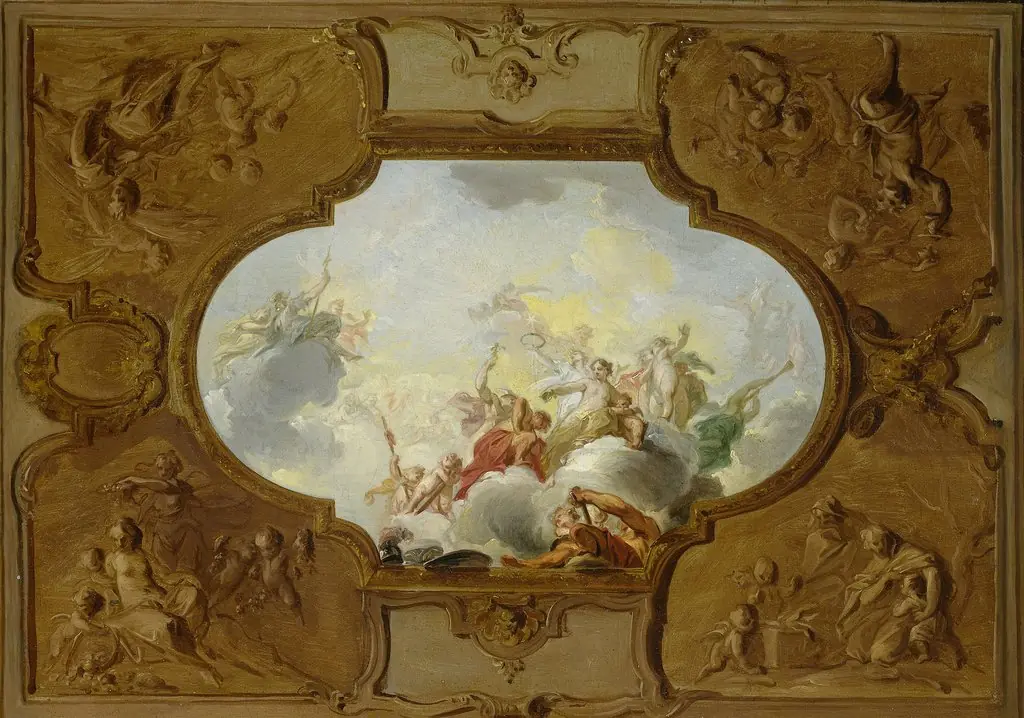
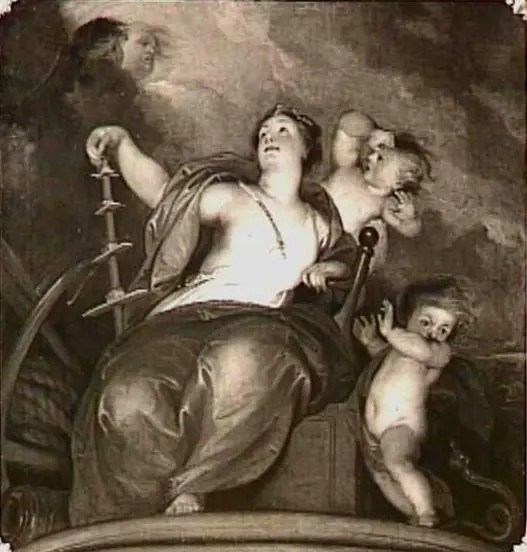
- Scene from Ancient History
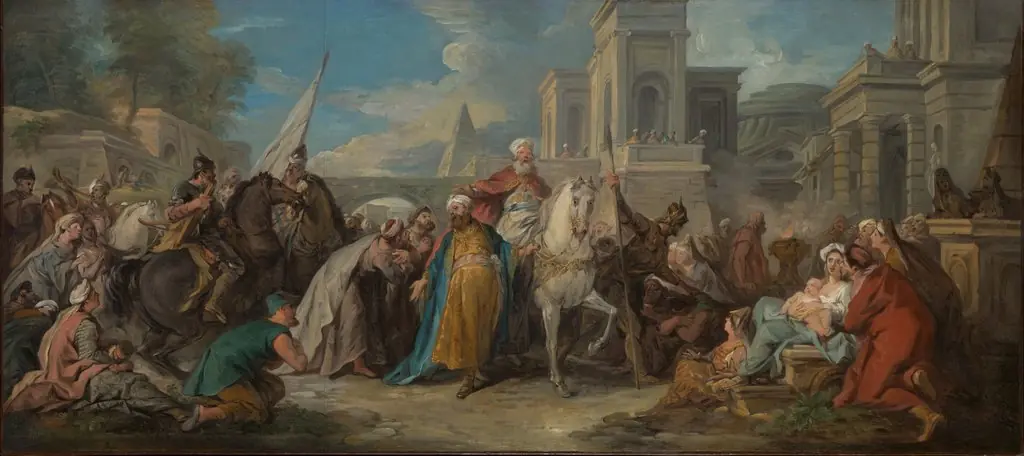 The Triumph of Mordecai
 Armenian Wedding
 Wedding procession on the Bosphorus
 Christos tămăduitorul
 Procesiune și călugăr binecuvântând
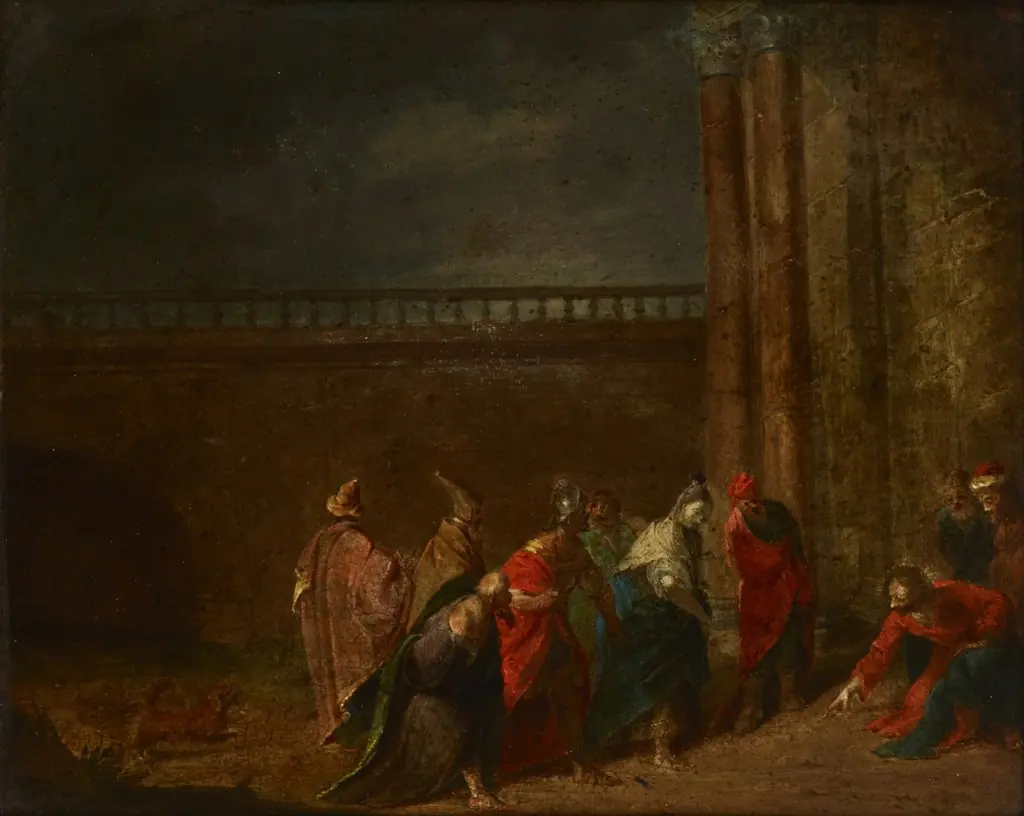 Christ and the Woman Cught in Adultery with Pharisees
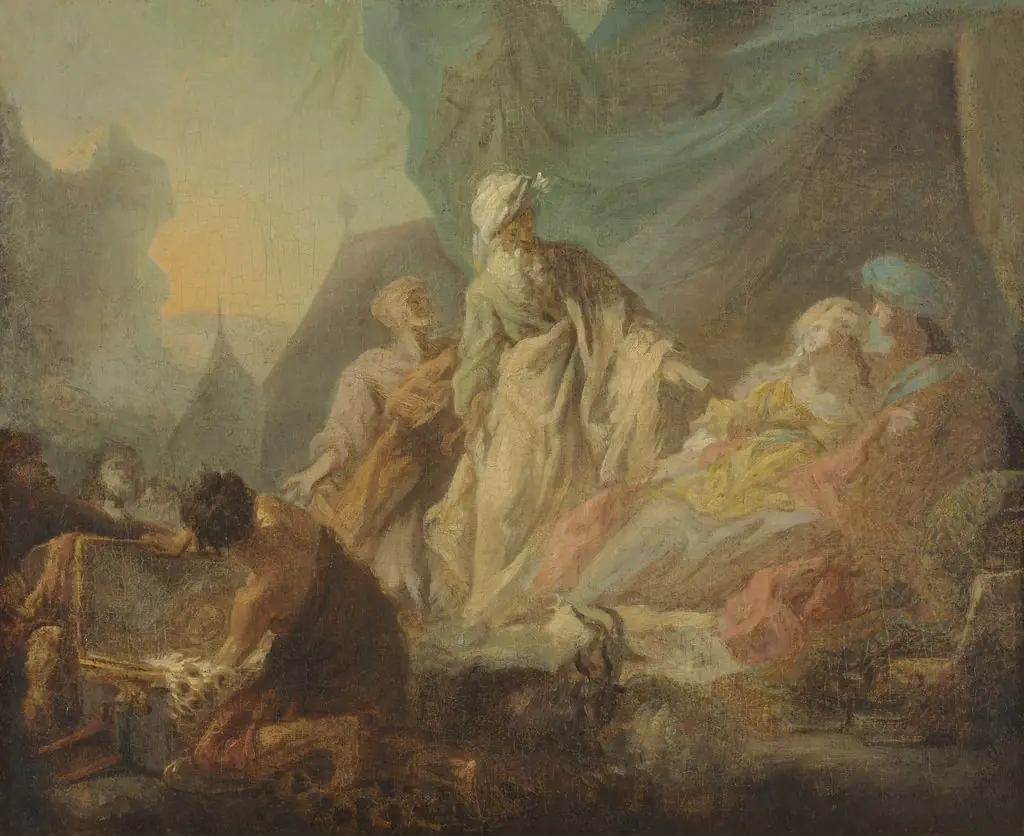 Laban Searching for His Stolen Gods
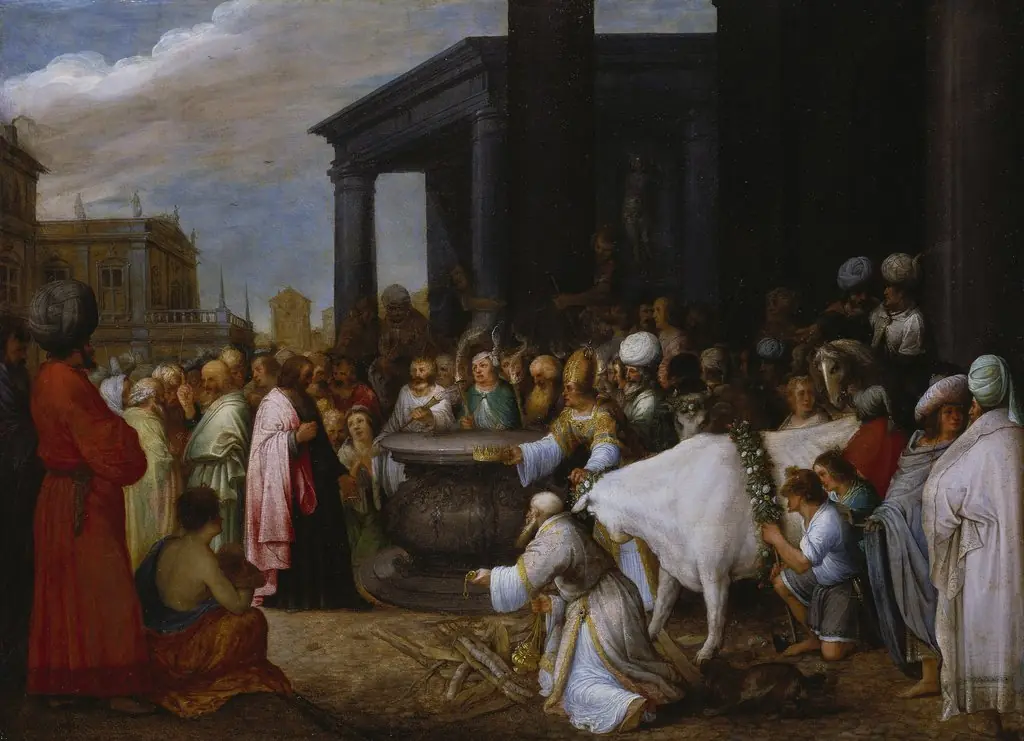 Paul and Barnabas are worshiped as gods in Lystra
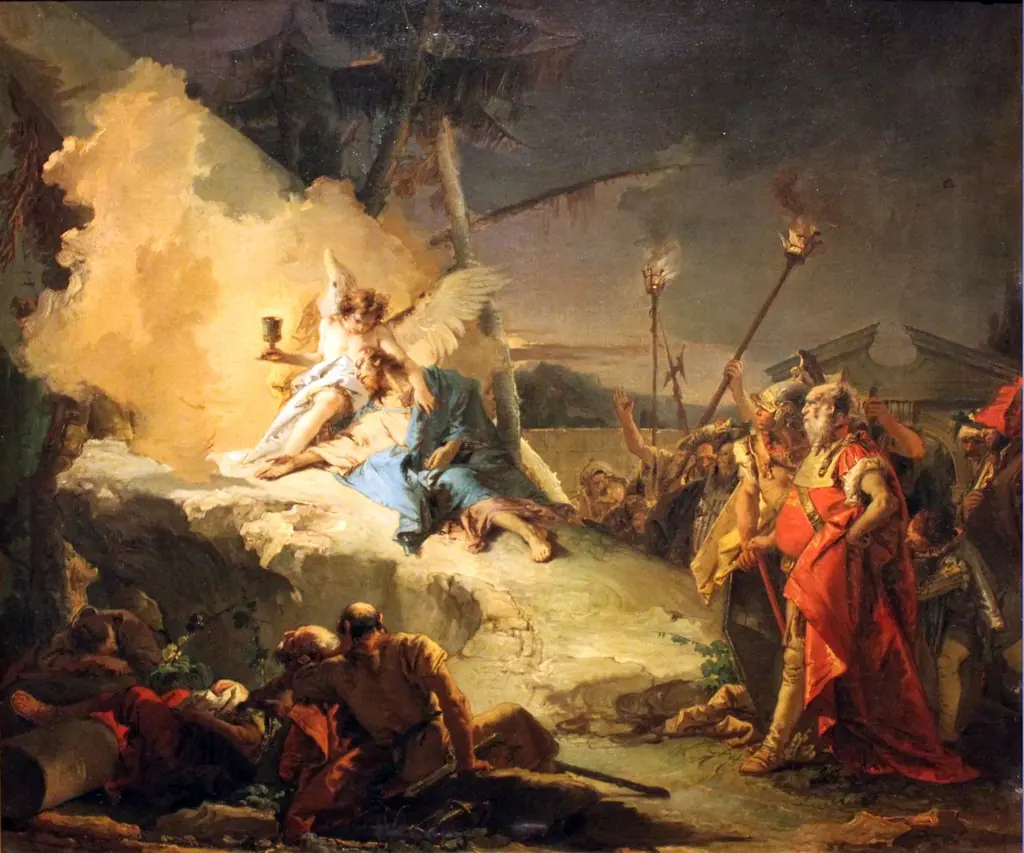 Christ in the Garden of Gethsemane
 Salomo ontvangt geschenken
 Alexander at the Tomb of Cyrus the Great