Artwork
Aankomst der boten
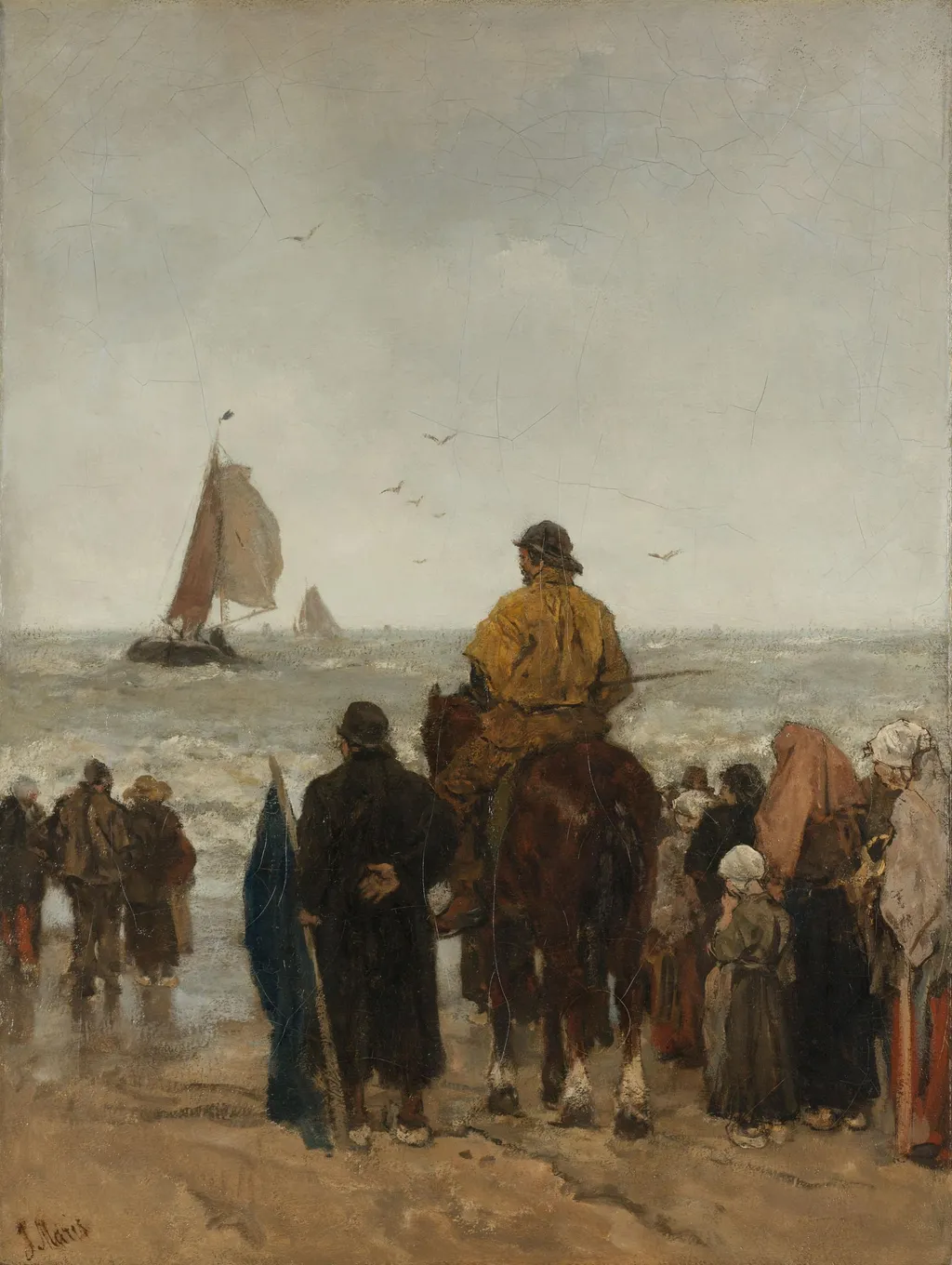
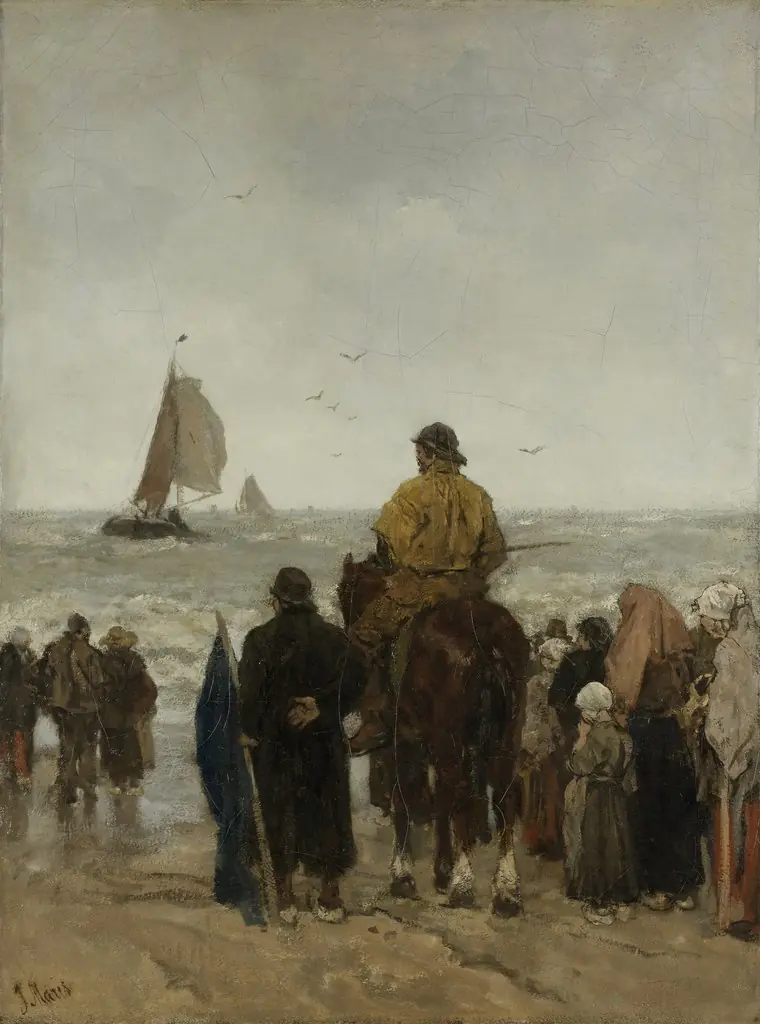
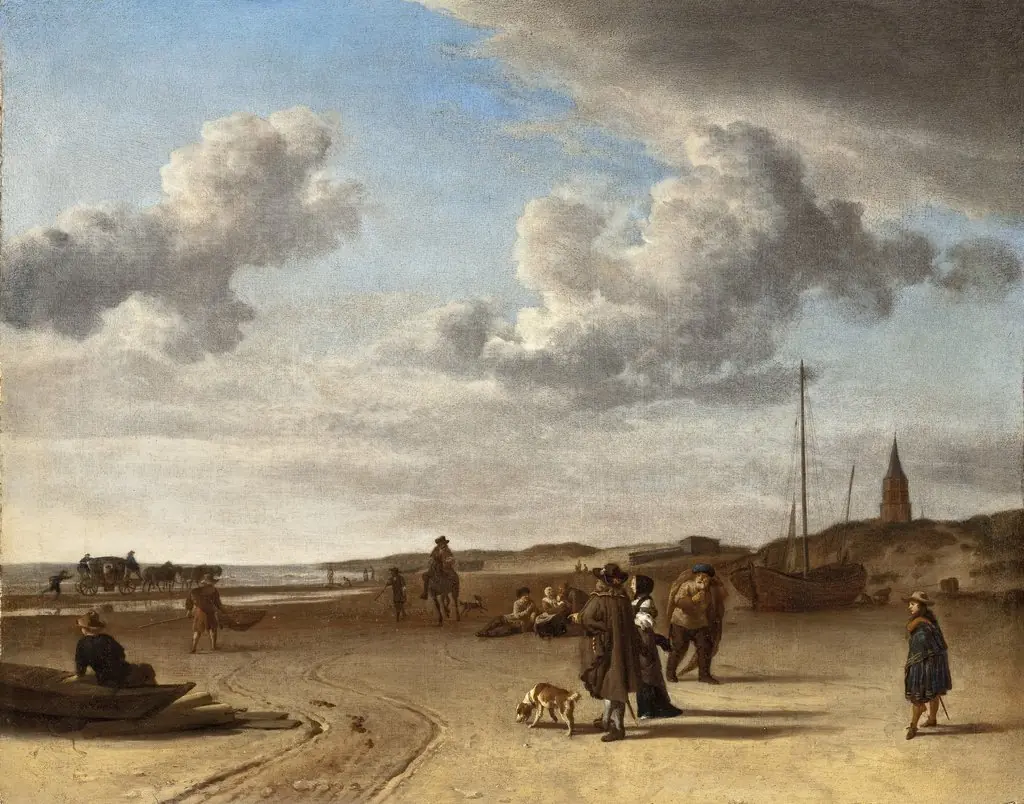
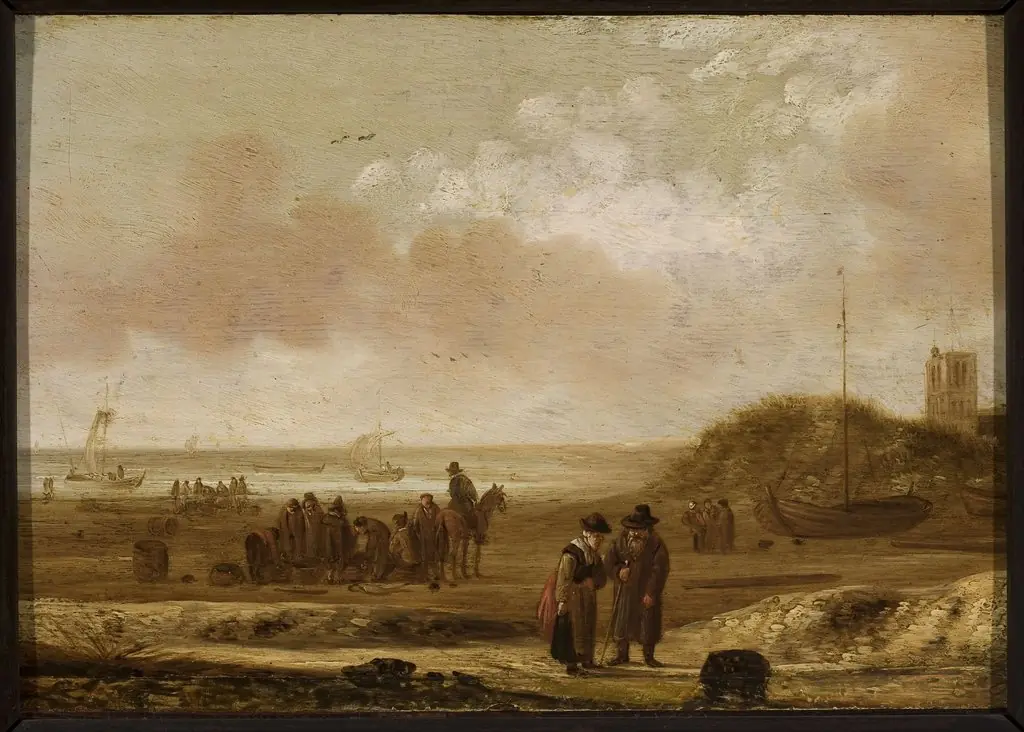
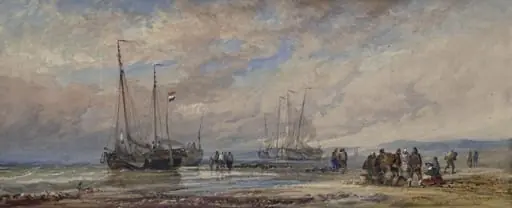
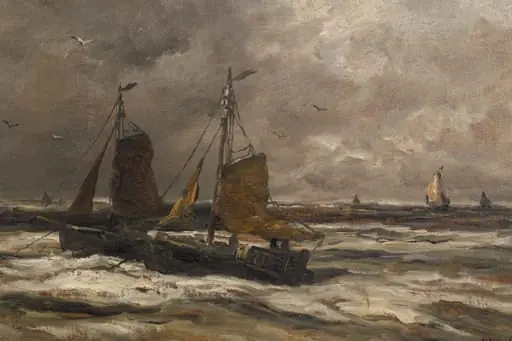
Aankomst der boten is an unspecified painting by the Plein Air artist Jacob Maris. It dates from 1884 and is held in the collection of the Rijksmuseum. The canvas captures a bustling evening on Scheveningen’s shoreline, where locals gather to haul fishing vessels onto the sand using horses.
About this work
Technique & Style
Aankomst der boten is an oil painting created in 1884 by Jacob Maris, a central figure of the Hague School.
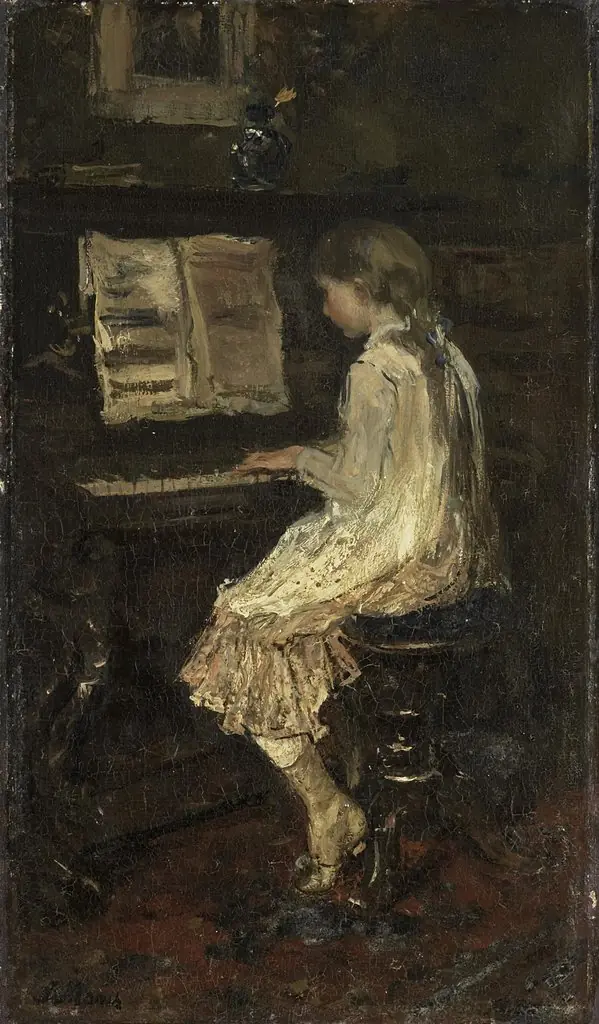
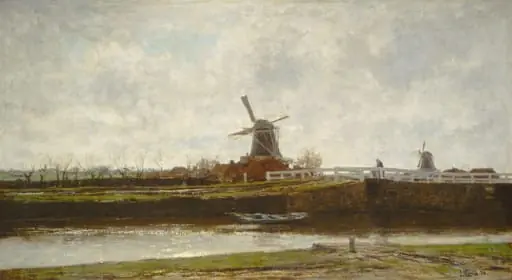
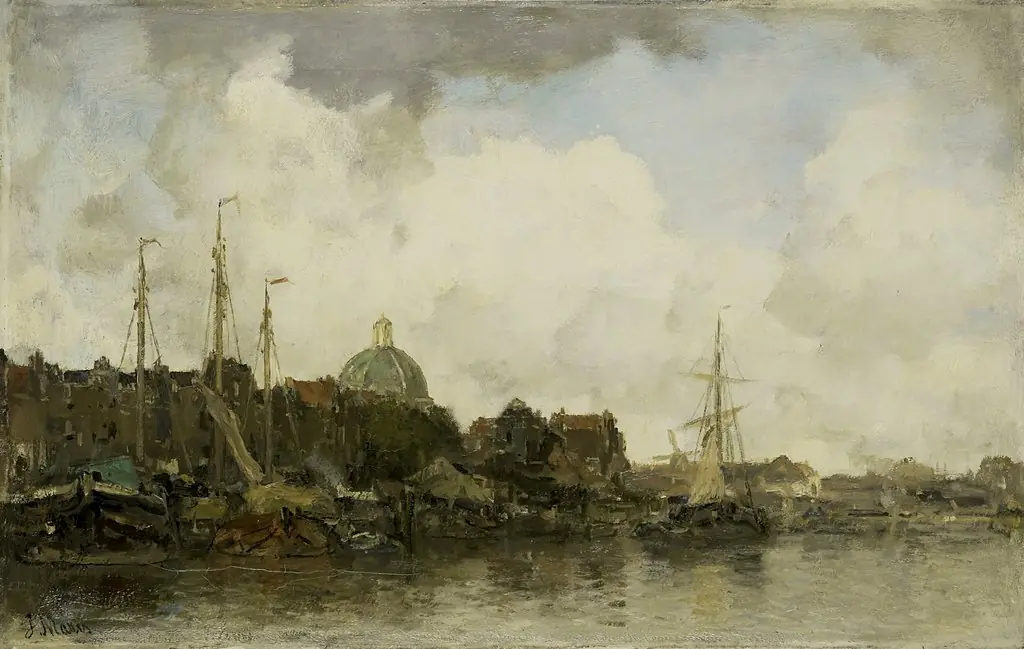
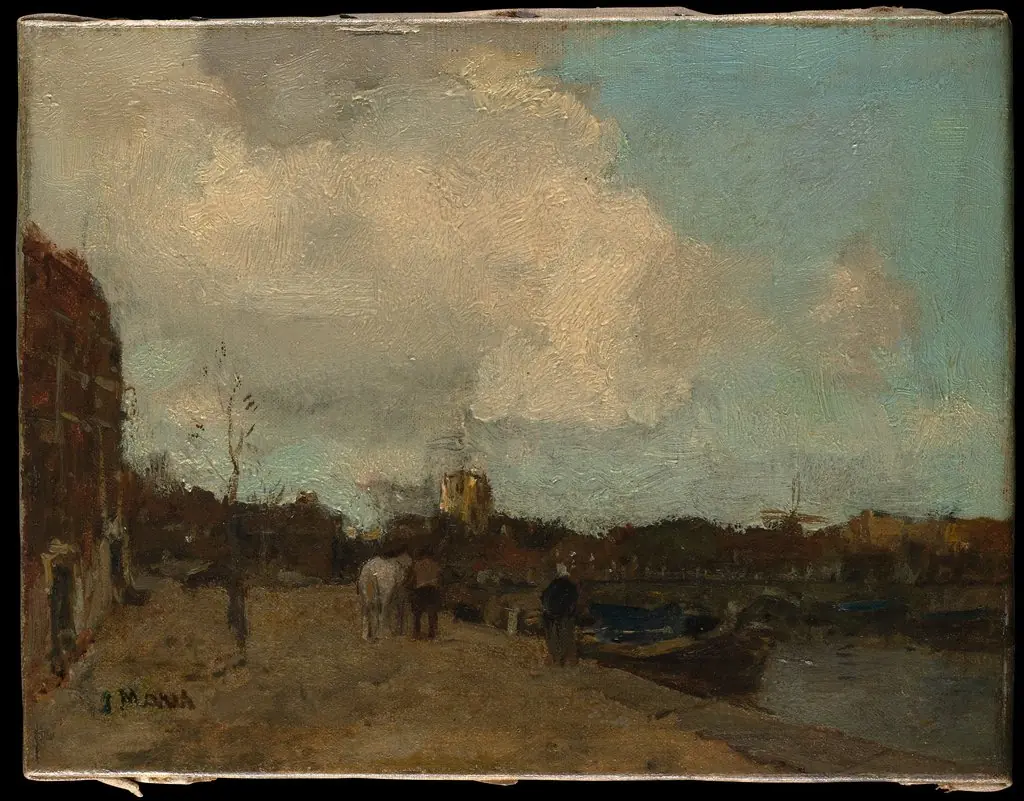
Aankomst der boten is an oil painting created in 1884 by Jacob Maris, a central figure of the Hague School. The work exemplifies Maris's mature technique, characterized by broad, thickly applied brushstrokes that build up the paint surface to establish color harmony before finer details are added. His handling of the medium focuses on atmospheric effects, utilizing a subdued palette of misty grays and browns to depict the luminous, hazy weather typical of the Dutch landscape. Maris is noted for applying paint heavily and manipulating it to create a solid yet airy composition, often completing figures with lively, thin strokes only after the major directions of the scene are established. This approach aligns with his reputation for expressing ethereal light and remote horizons blurred by haze, moving away from strict drawing to a method where the painting is constructed first and drawn afterwards.
History & Provenance
Jacob Maris's painting Aankomst der boten is held in the collection of the Rijksmuseum in Amsterdam, where it is listed under inventory number SK-A-2548. The work was first exhibited publicly in 1884 at the Pulchri Studio in The Hague, and later appeared in the 1886 retrospective of Hague School painters at the Royal Academy in Amsterdam. It was included in the 1907 publication The Hague School by Charles Holme, which documented its provenance and exhibition record.
Context
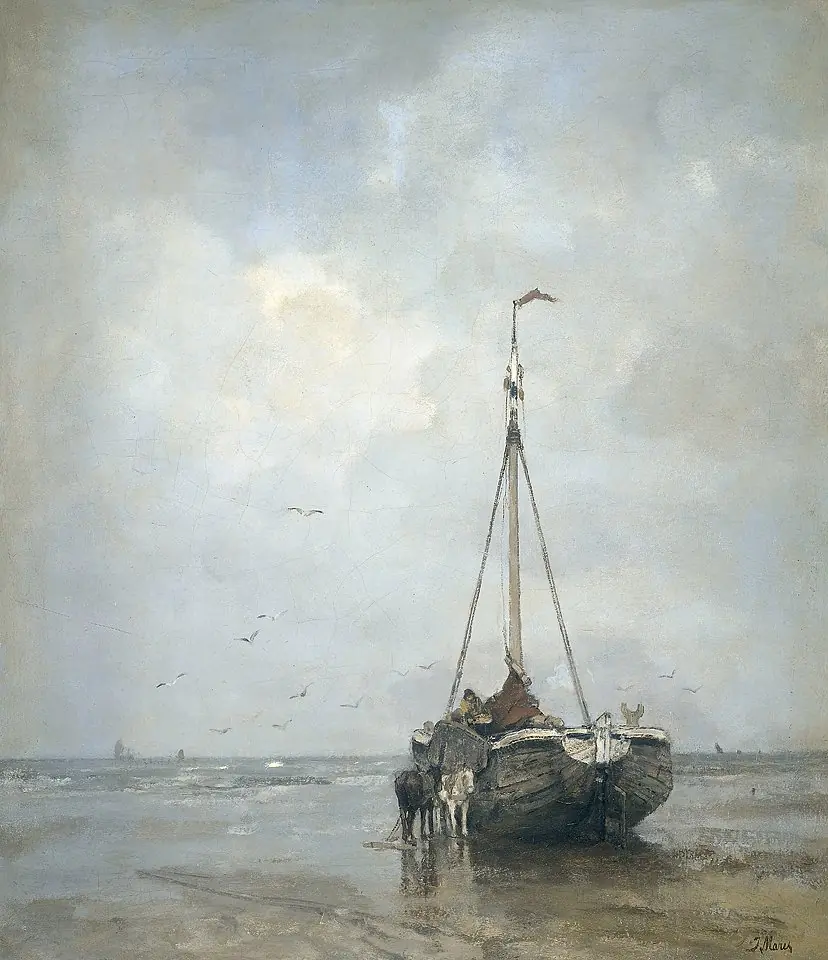
Jacob Maris (1837-1899) was a leading figure of the Hague School, a movement defined by its focus on atmospheric Dutch landscapes and everyday realism. He trained under J.A.B. Stroebel and Hubertus van Hove, later joining his brothers Willem and Matthijs in shared studios in The Hague and Antwerp. After study trips to Germany, Switzerland, and France, Maris developed a distinctive style marked by broad brushwork, subdued tonalities, and evocative cloudscapes, drawing comparisons to 17th-century masters like van Goyen and Ruisdael. Though initially overshadowed by his brothers, he became a central influence within the School, later mentoring only Willem de Zwart. His works, such as Ship on the Scheveningen beach, were collected internationally, with major holdings in institutions including the Rijksmuseum, the National Gallery in London, and the Musée d'Orsay. Scholarship emphasizes his role in shaping Dutch landscape painting’s transition into Impressionism.
Own this work as a print
Artist & collection
Artist
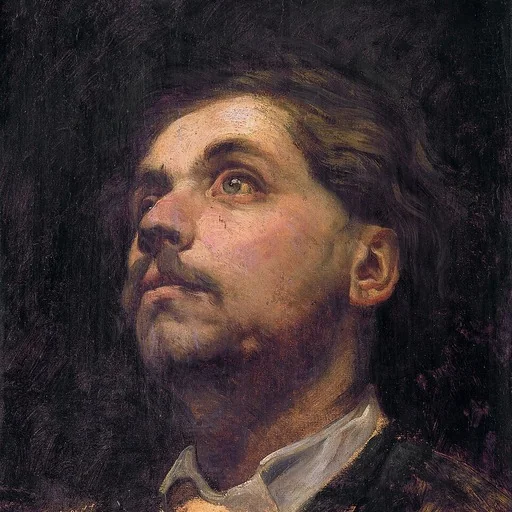
Jacob Henricus Maris (August 25, 1837 – August 7, 1899) was a Dutch painter, who with his brothers Willem and Matthijs belonged to what has come to be known as the Hague School of painters.