Artwork
Portrait of a Young Lady
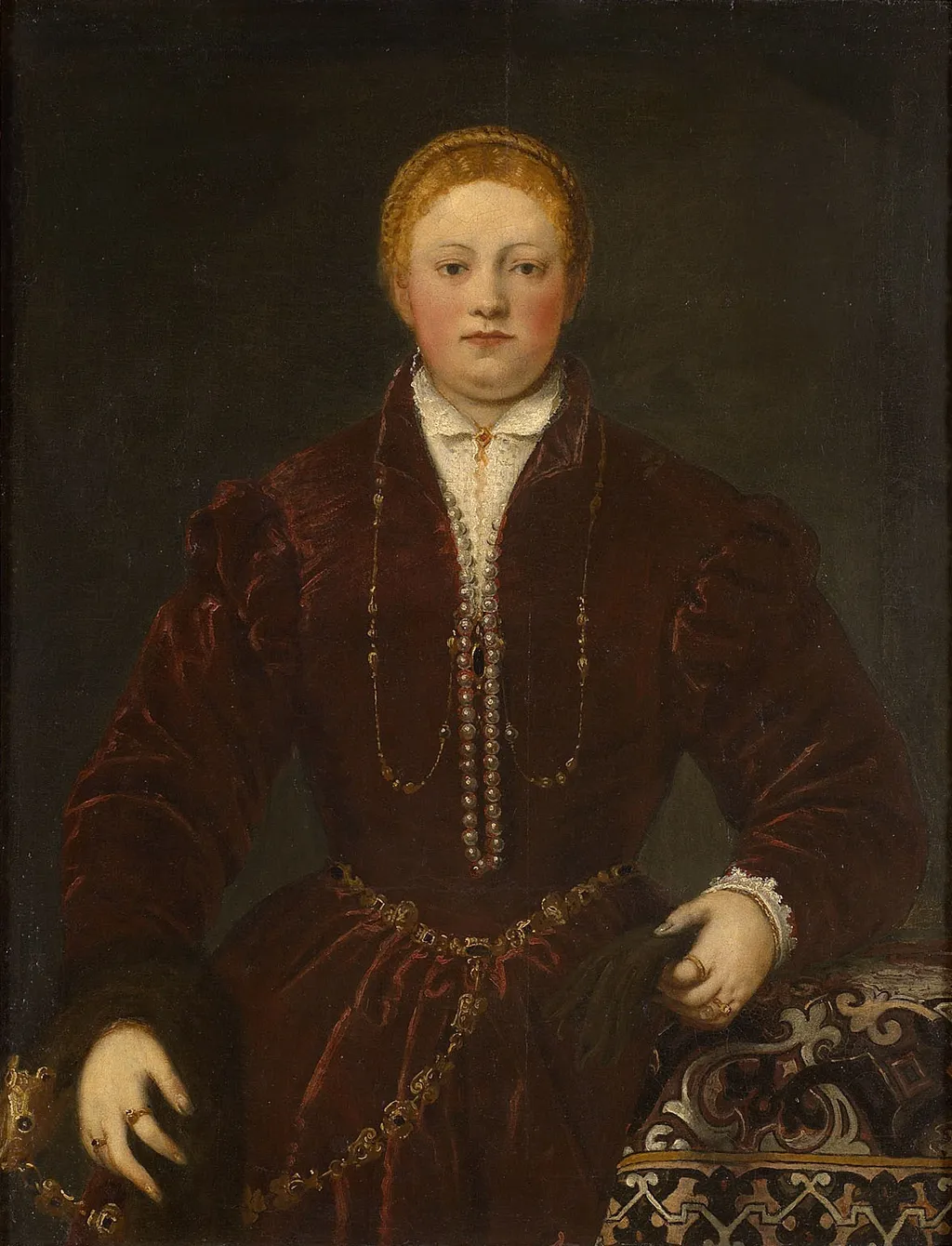
Portrait of a Young Lady is an oil painting by the Mannerist artist Jacopo Tintoretto. It dates from 1554 and is held in the collection of the Kunsthistorisches Museum.
About this work
Technique & Style
Jacopo Tintoretto executed the Portrait of a Young Lady in 1554 using oil paint applied to a canvas support.
Jacopo Tintoretto executed the Portrait of a Young Lady in 1554 using oil paint applied to a canvas support. The work measures 98 cm in height and 75.5 cm in width, depicting a female figure accompanied by a table and a zibellino. As a portrait genre piece, the painting demonstrates the artist's handling of oil media to render the sitter and associated objects within a defined spatial arrangement.
History & Provenance
Jacopo Tintoretto executed the oil painting Portrait of a Young Lady in 1554. The work was created on canvas and depicts a woman seated at a table with a zibellino. Historically, the painting entered the collection of Archduke Leopold Wilhelm of Austria. It currently resides within the painting collection of the Kunsthistorisches Museum, which maintains ownership of the piece.
The painting is held by the Kunsthistorisches Museum in Vienna, where it is inventoried as part of the Painting Collection of Archduke Leopold Wilhelm of Austria.
It is recorded as accessioned in the museum’s holdings with dimensions of 98 cm in height and 75.5 cm in width.
Overview
Created in 1554, this oil painting by Jacopo Tintoretto presents a young woman seated before a carved table. She is dressed in a dark brown fur coat with a high collar, gold buttons lining the front, and her light hair is neatly arranged. The composition is set against a deep, shadowed background that isolates the figure, emphasizing her presence within the space.
Subject & Meaning
The sitter holds a zibellino, a fashionable fur accessory of the period, suggesting her status and the courtly customs of mid‑sixteenth‑century Venice. Her pose, with one hand resting on the table and the other poised, conveys a poised yet intimate moment, inviting contemplation of the social roles and personal identity of women in Renaissance portraiture.
Context
Tintoretto, a leading figure of the Venetian school, was known for integrating the vigor of the High Renaissance with the expressive distortions of Mannerism. This portrait exemplifies his ability to merge refined portraiture with the dramatic flair that distinguished his larger narrative scenes, situating the painting within the broader evolution of Venetian art in the mid‑1500s.
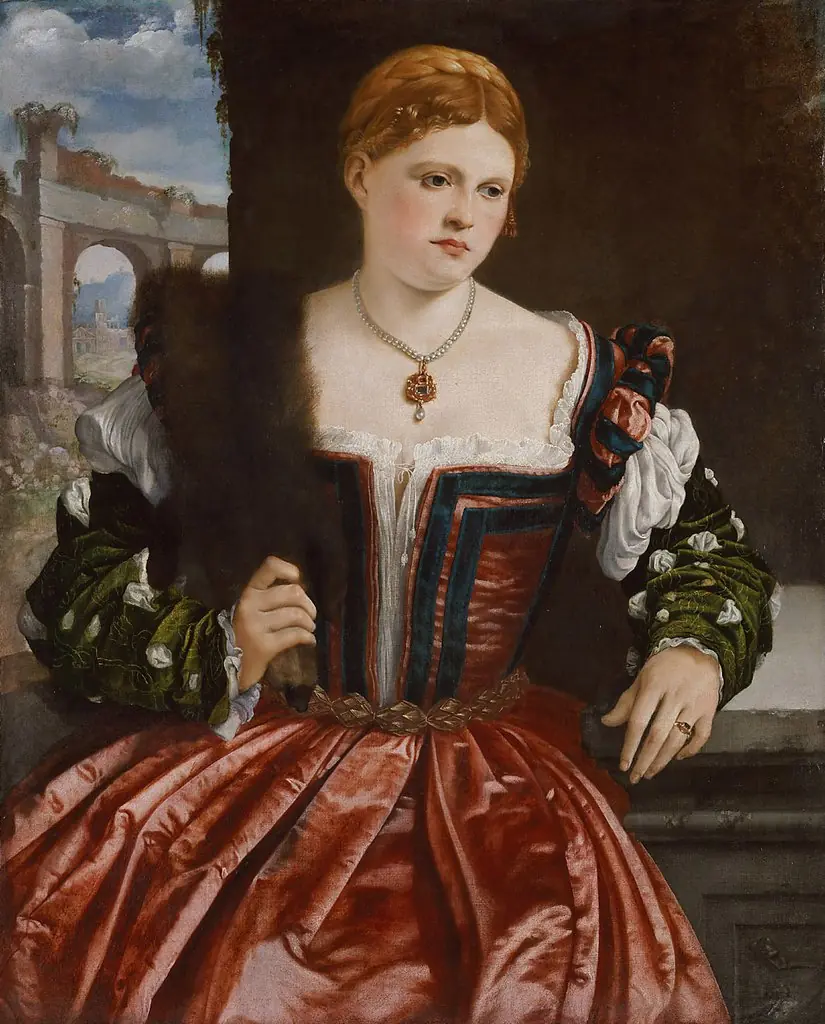
Artist & collection
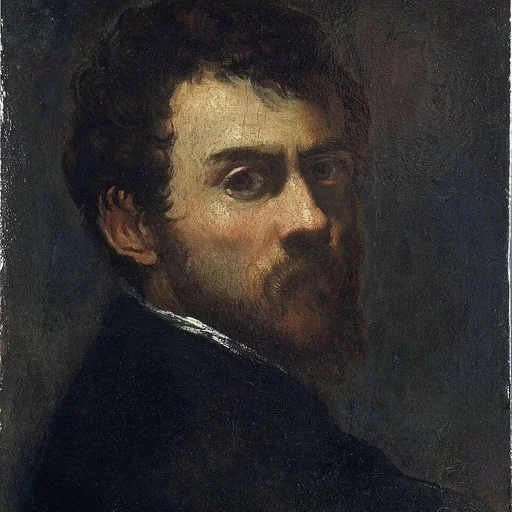
Artist
Jacopo Robusti (late September or early October 1518 – 31 May 1594), best known as Tintoretto ( TIN-tə-RET-oh; Italian:; Venetian: ), was an Italian Renaissance painter of the Venetian school.

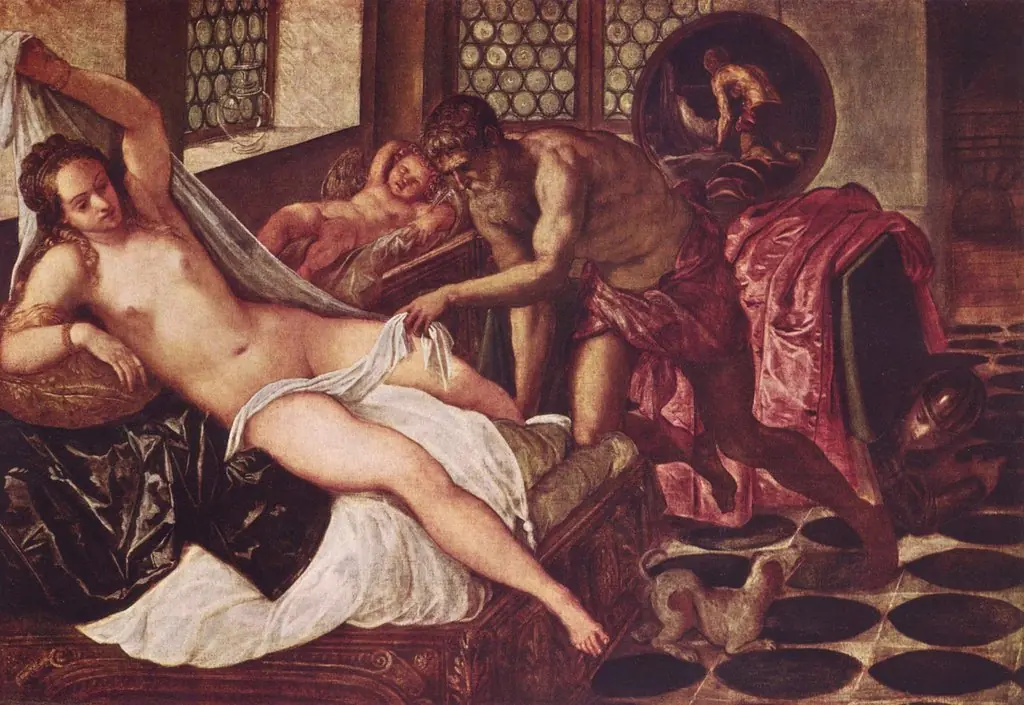
 Portrait of a Young Woman
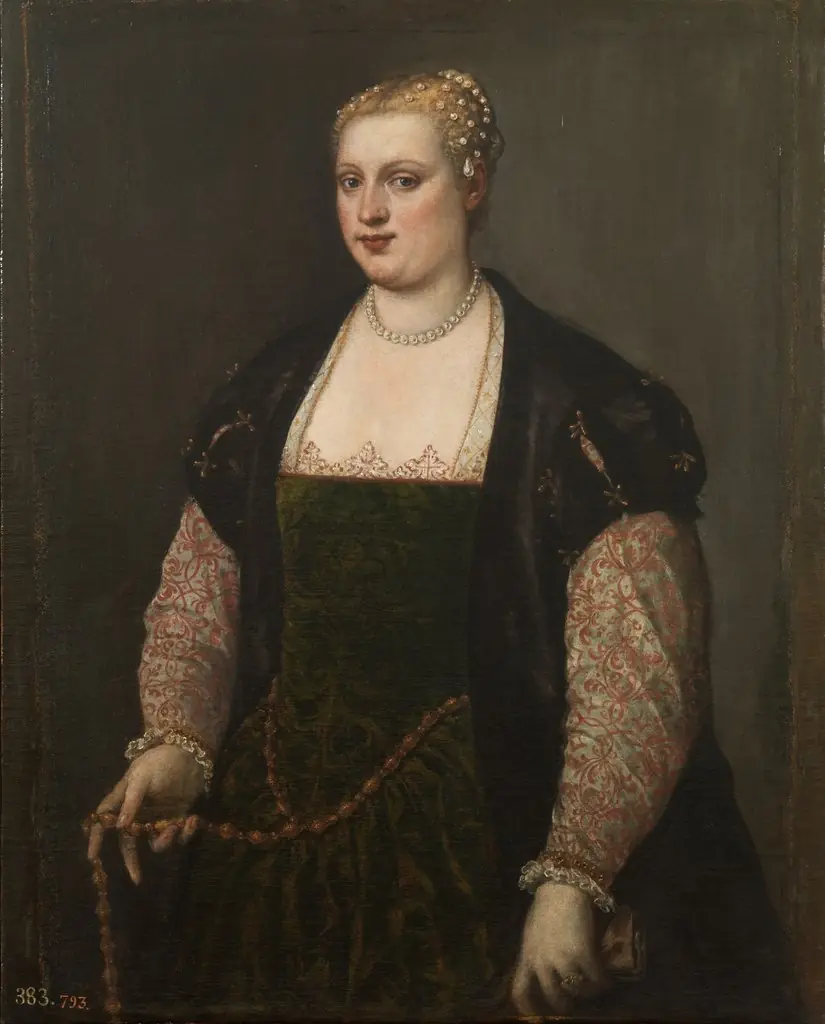 Portrait of a Woman
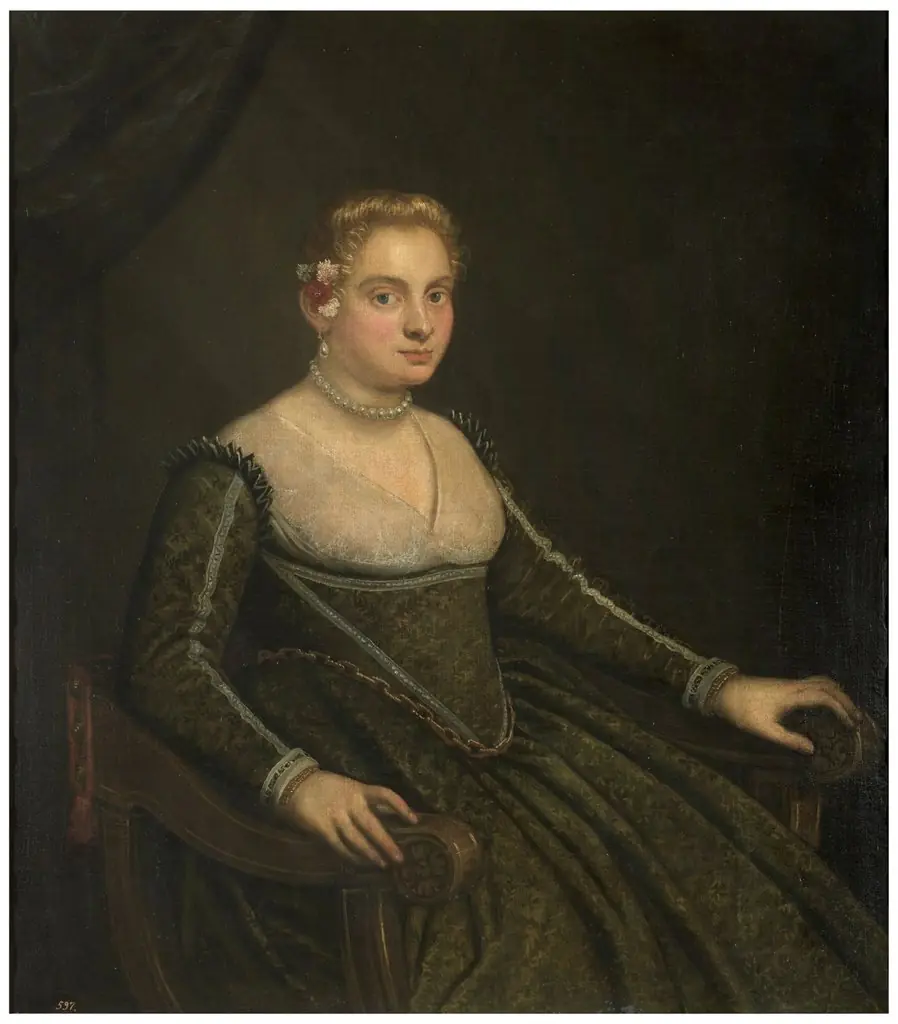 Portrait of a Young Woman
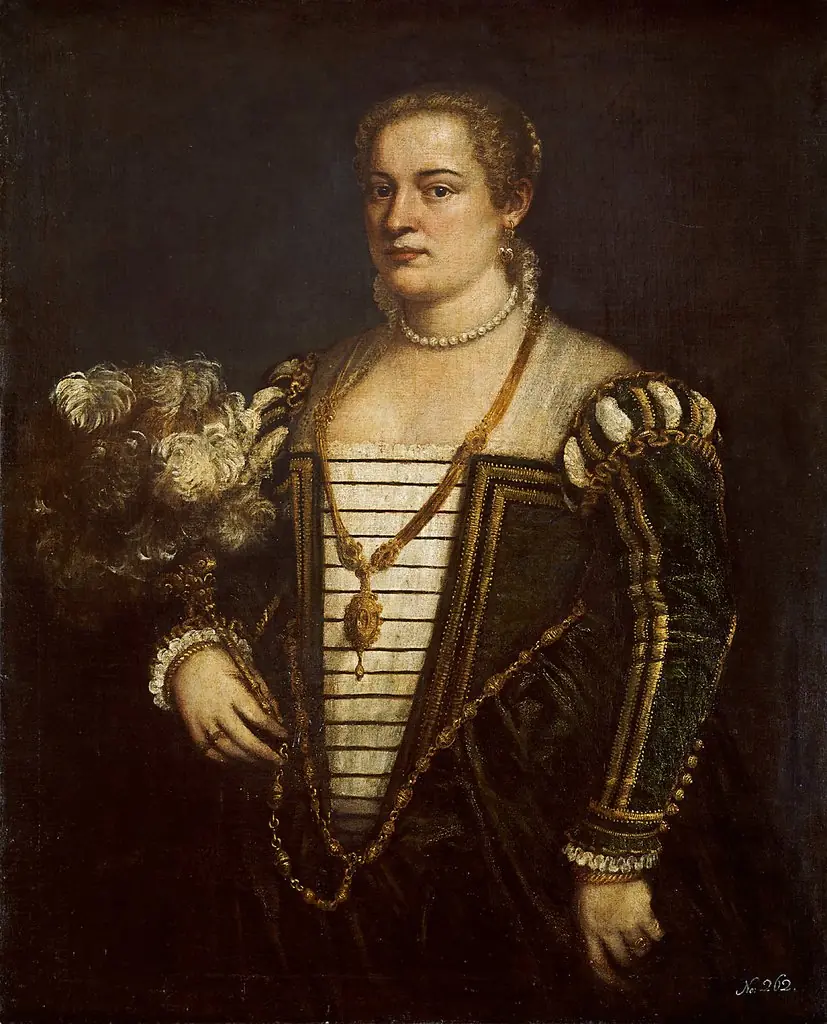 Portrait of the Artist's daughter Lavinia
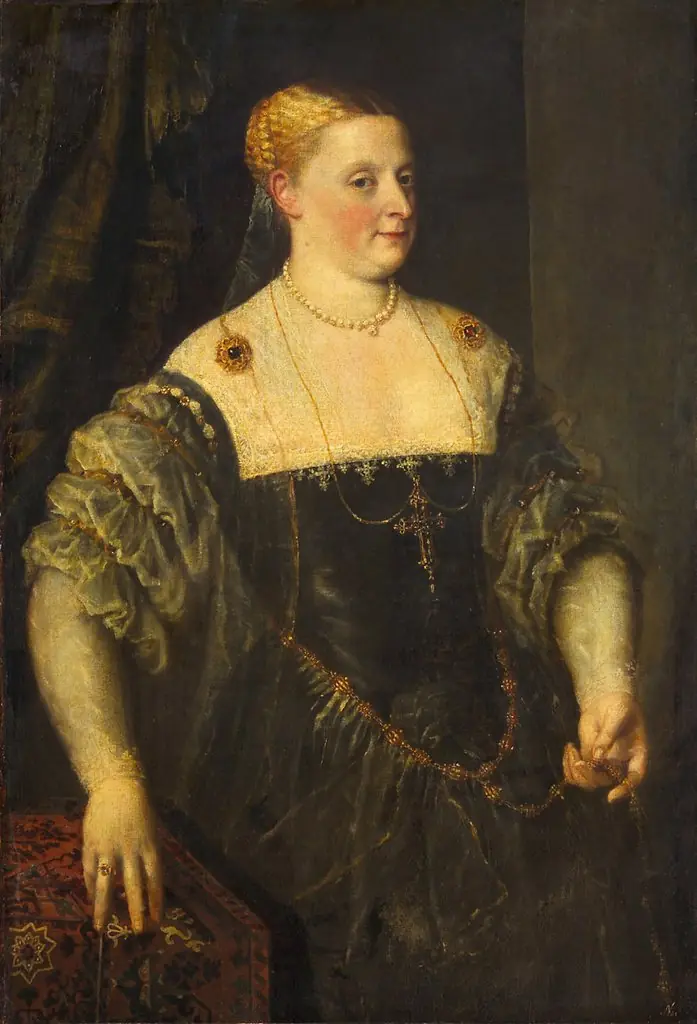 Portrait of a noblewoman
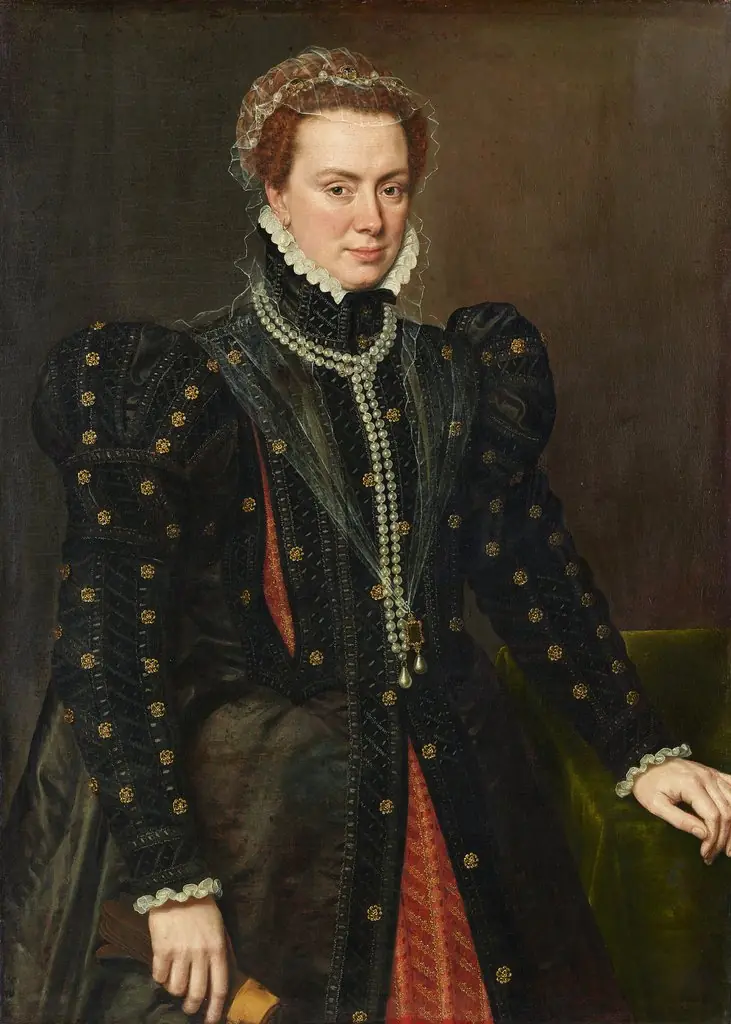 Margaret, Duchess of Parma
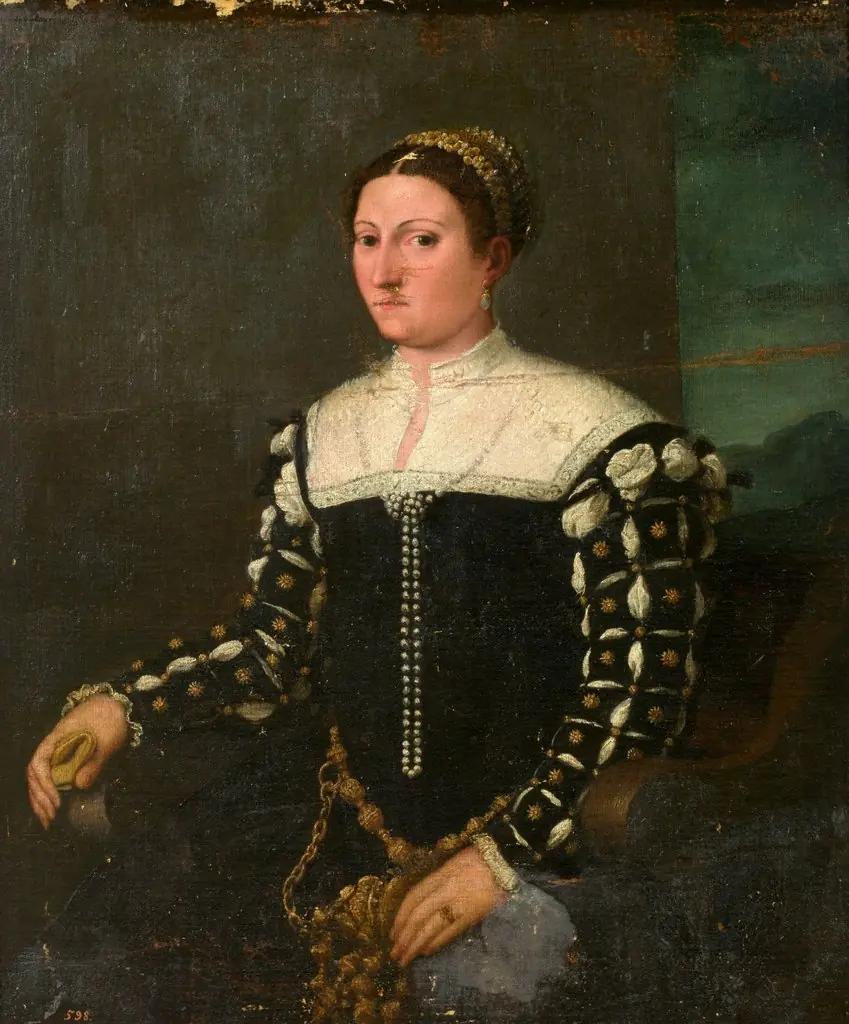 Portrait of an unknown woman
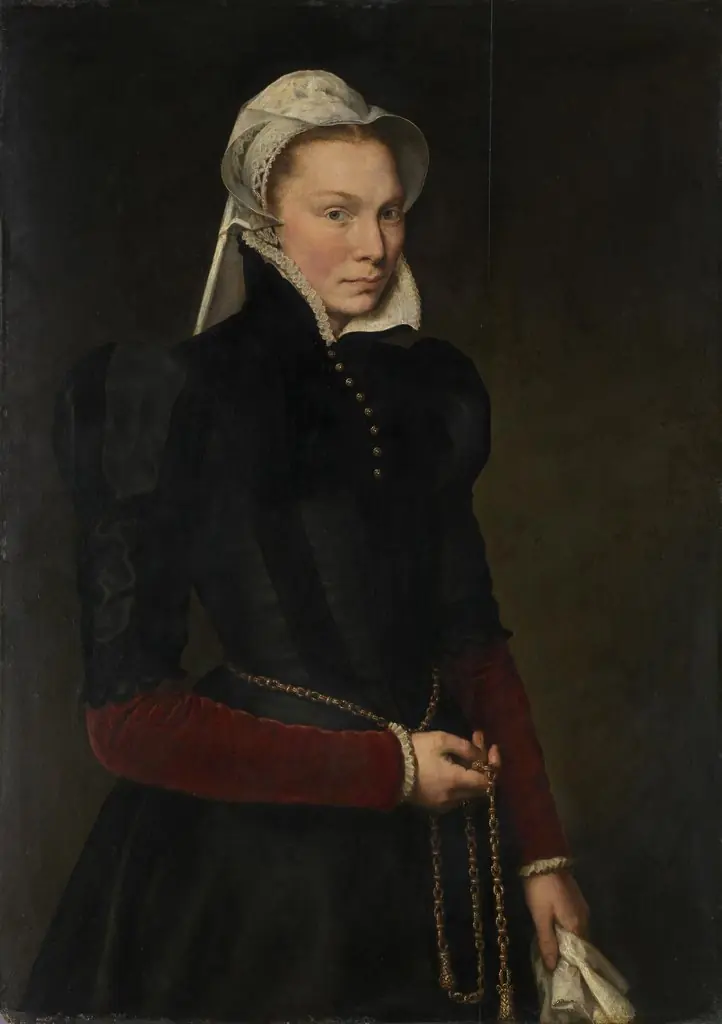 Portrait of a lady
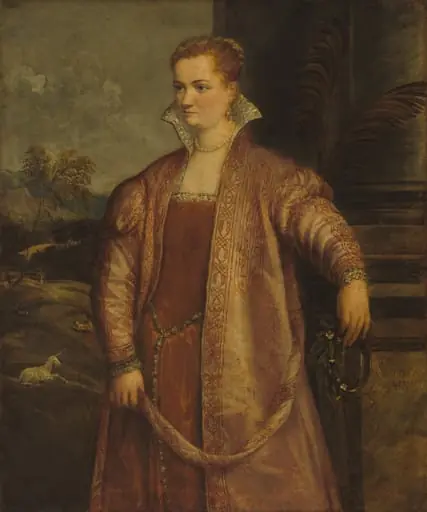 Irene di Spilimbergo
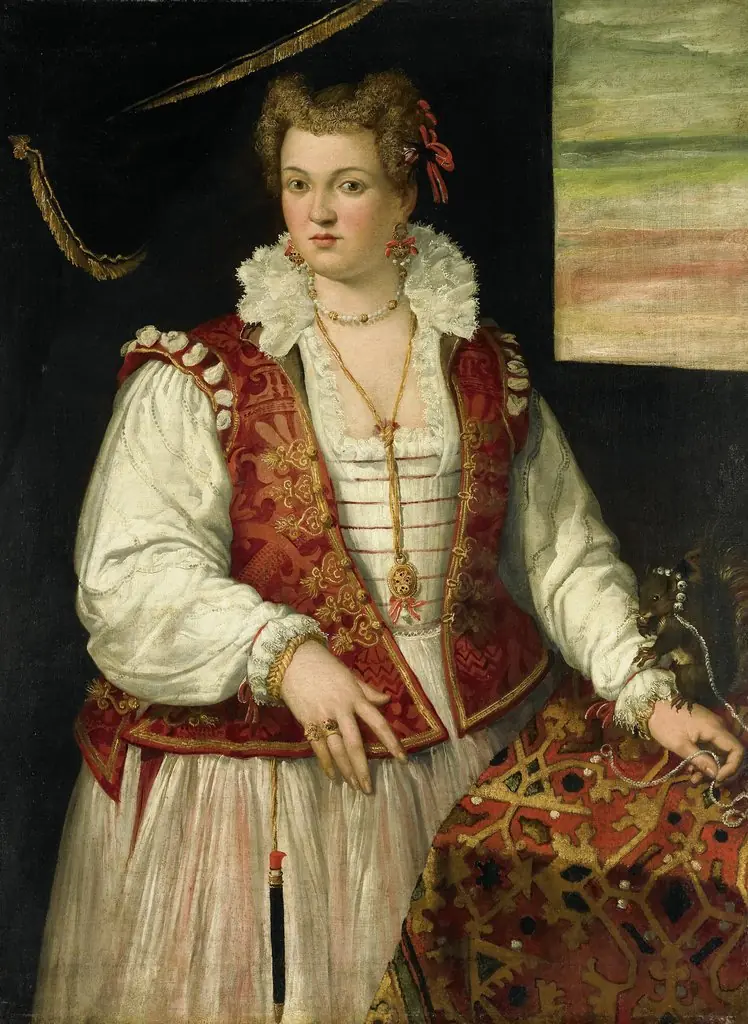 Portrait of a Woman with a Squirrel
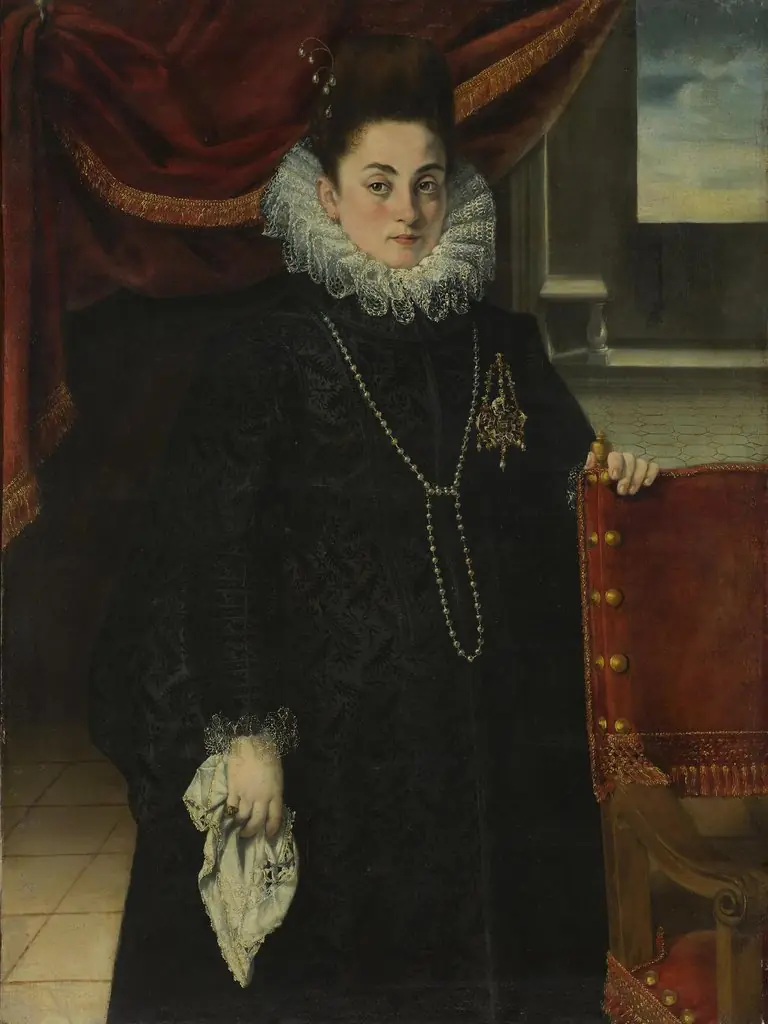 Female Portrait
- Portrait of a Young Lady