Artwork
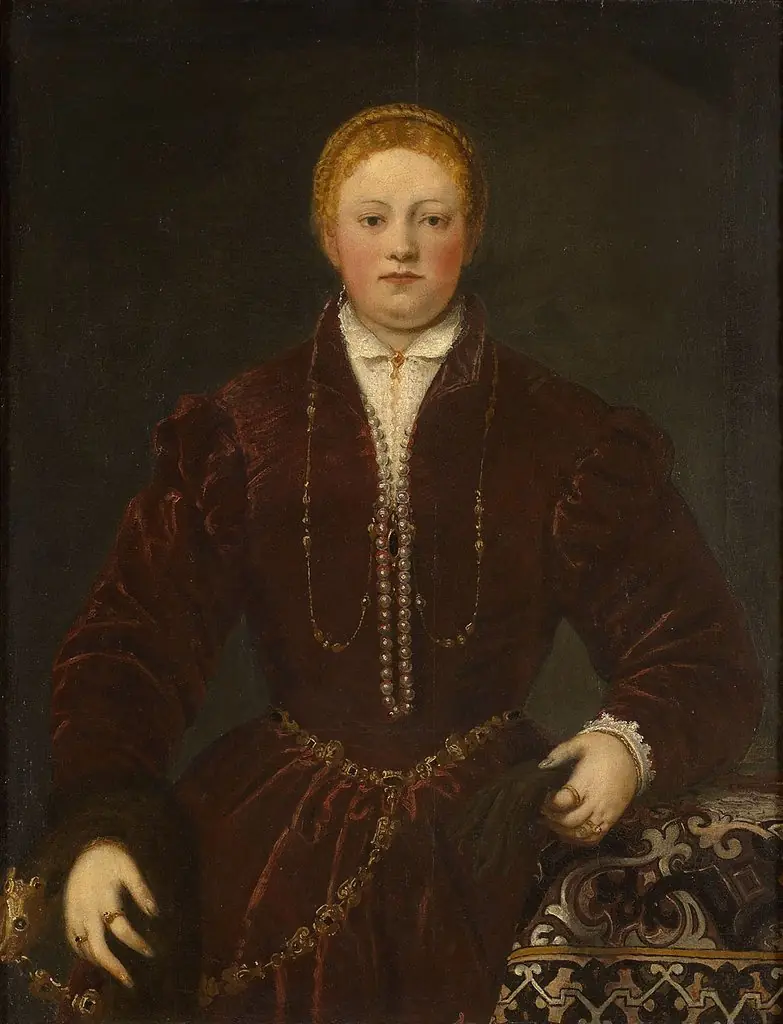
Portrait of a Young Woman
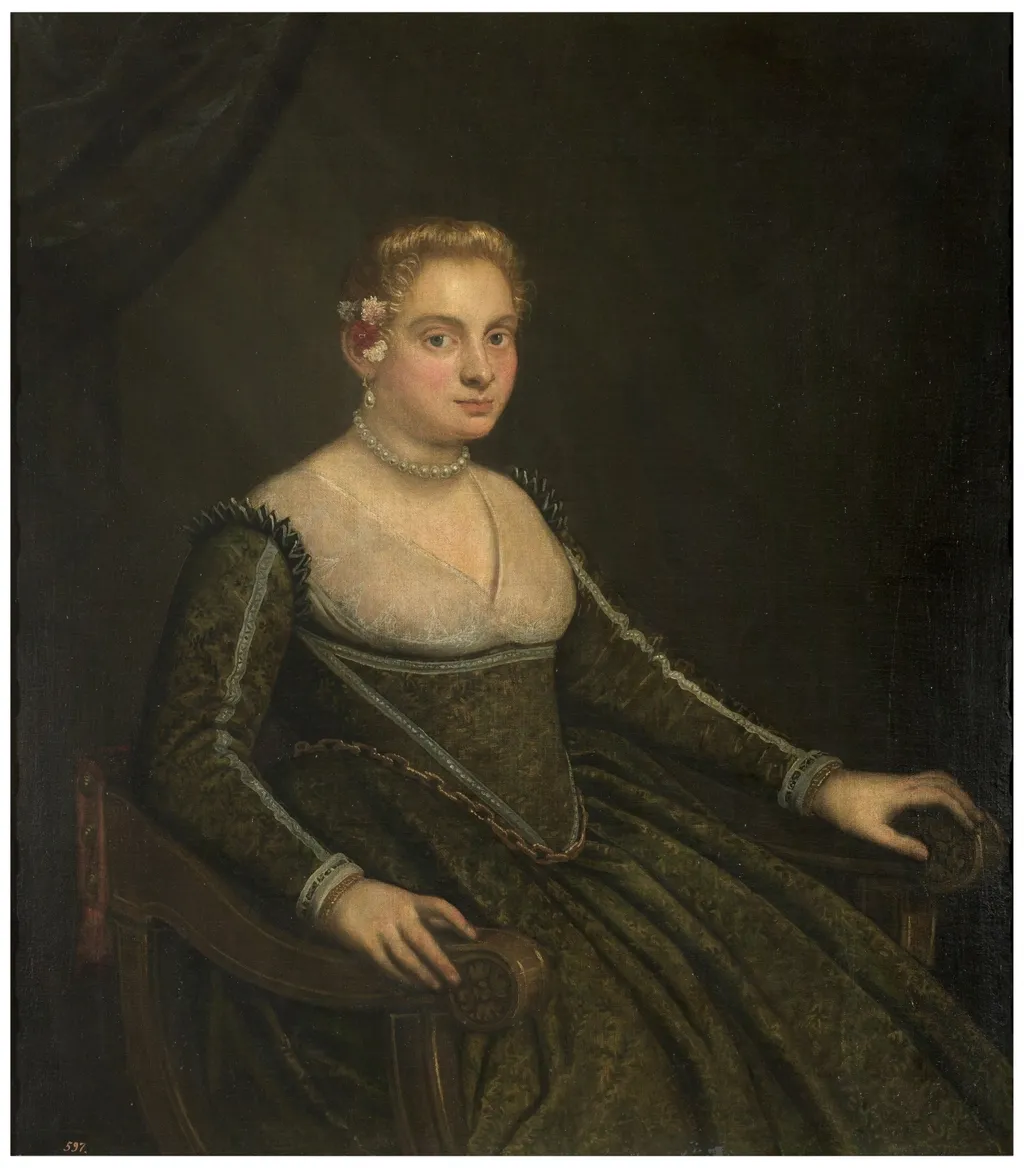
Portrait of a Young Woman is an oil painting by the Mannerist artist Jacopo Tintoretto. It dates from 1501 and is held in the collection of the Museo del Prado.
About this work
Subject & Meaning
The painting depicts a young woman, identified as the main subject, rendered in oil on canvas. Its iconography centers on the figure's presence without overt symbolic attributes, reflecting a straightforward portrait tradition. The work's meaning is tied to its function as a likeness within the context of Renaissance portraiture, emphasizing the sitter's identity through direct representation.
Technique & Style
The painting is held in the collection of the Museo del Prado, where its condition has been maintained as part of the institution's holdings.
Portrait of a Young Woman is executed in oil paint on canvas, a medium characteristic of Jacopo Tintoretto's portrait practice. The work is classified as a painting within the portrait genre. Its canvas support measures 114 cm in height by 100 cm in width.
Stylistically, the composition centers on a female sitter, with the depicted visual elements including a gemstone, suggesting careful attention to surface detail and material rendering typical of Tintoretto's handling of oil glazes on canvas.
The painting is held in the collection of the Museo del Prado, where its condition has been maintained as part of the institution's holdings.
History & Provenance
The Portrait of a Young Woman was created by Jacopo Tintoretto in 1501 as an oil painting on canvas, classified as a portrait genre work. It was later acquired by the Museo del Prado, where it remains in the museum's collection as of the latest provenance records.
Overview
The oil painting titled Portrait of a Young Woman is attributed to the Venetian artist Jacopo Tintoretto and dated to 1501. Executed on canvas, the work presents a seated female figure against a dark, unadorned backdrop, allowing the sitter’s features and attire to dominate the visual field.
Context
Created during the early phase of the Italian Renaissance’s transition to Mannerism, the portrait exemplifies the period’s shift toward heightened expressiveness and experimental perspective. It aligns with the broader Venetian tradition of portraiture that emphasized individual presence within a restrained compositional space.
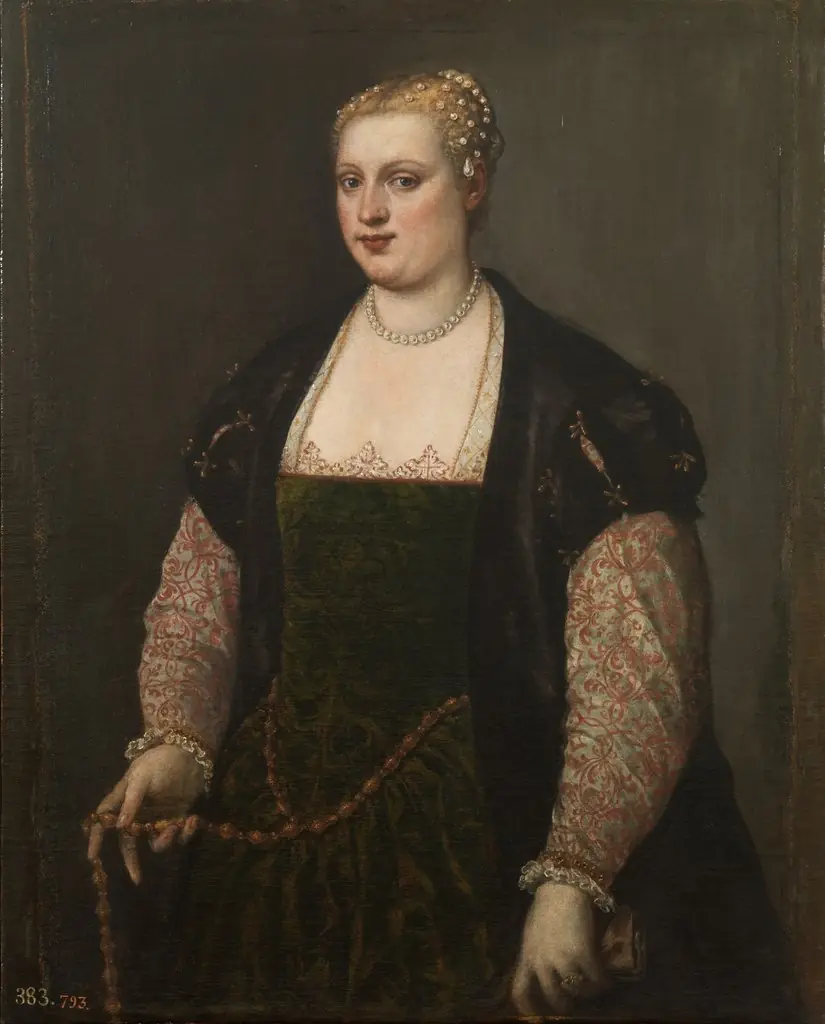
Own this work as a print
Artist & collection
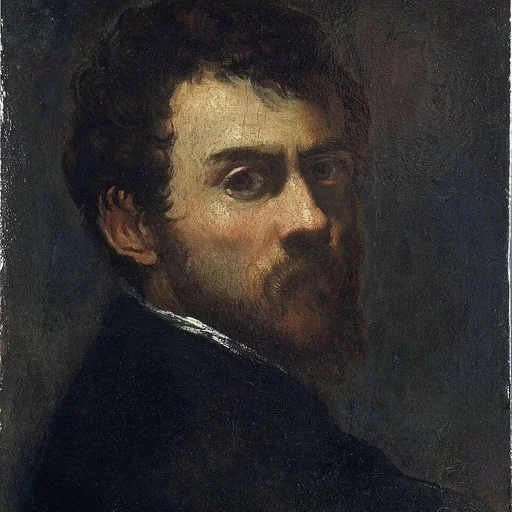
Artist
Jacopo Robusti (late September or early October 1518 – 31 May 1594), best known as Tintoretto ( TIN-tə-RET-oh; Italian:; Venetian: ), was an Italian Renaissance painter of the Venetian school.

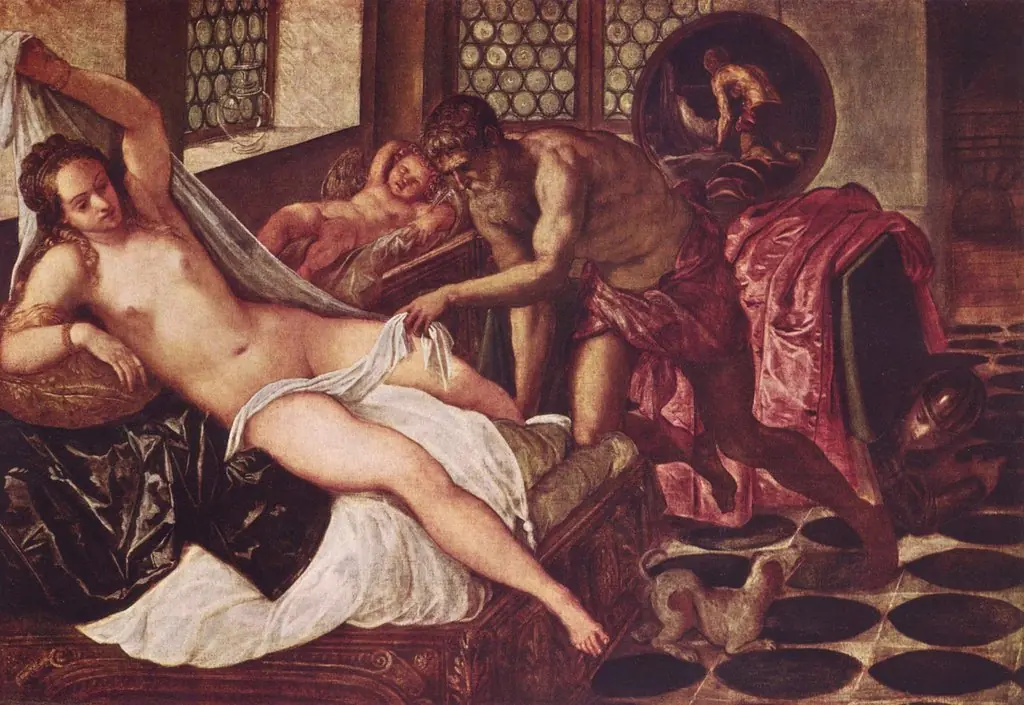
- Portrait of a Woman
 Portrait of a Young Lady
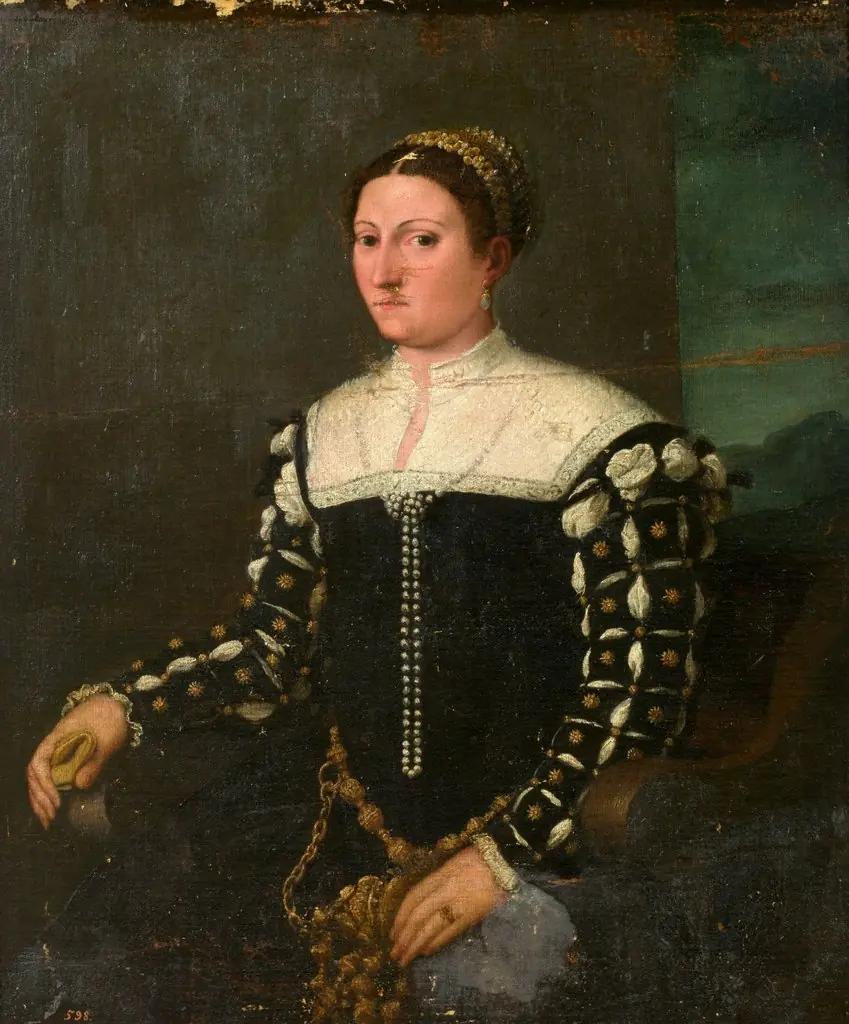 Portrait of an unknown woman
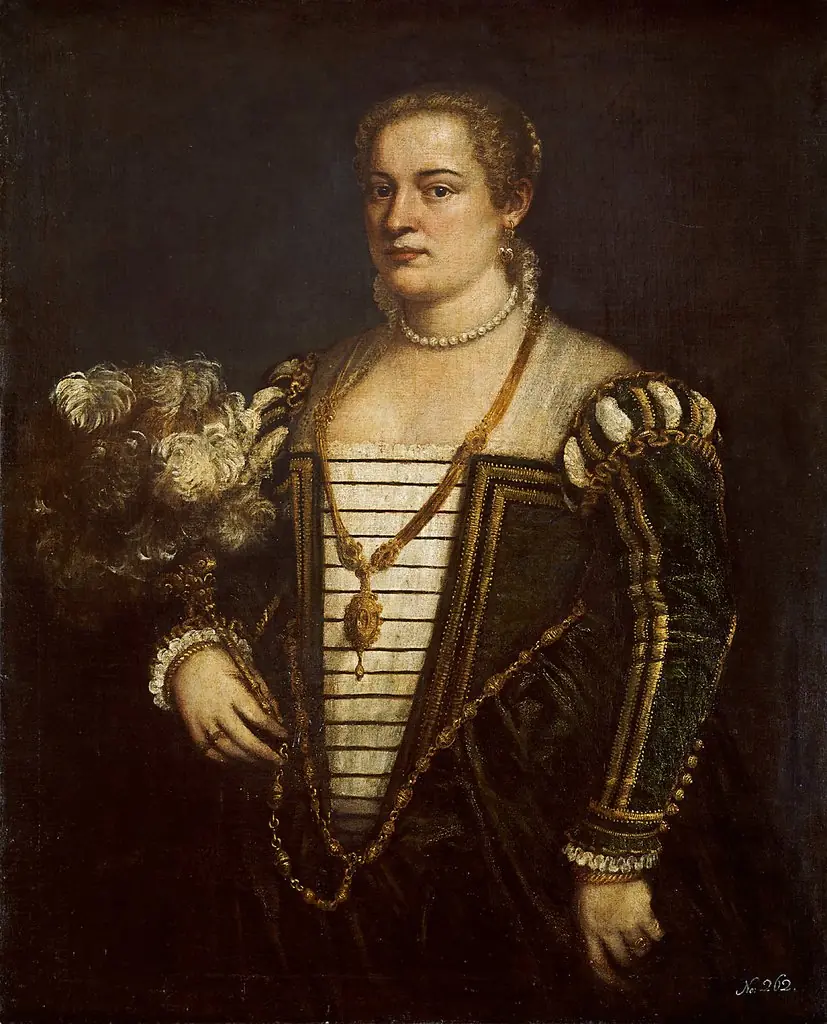 Portrait of the Artist's daughter Lavinia
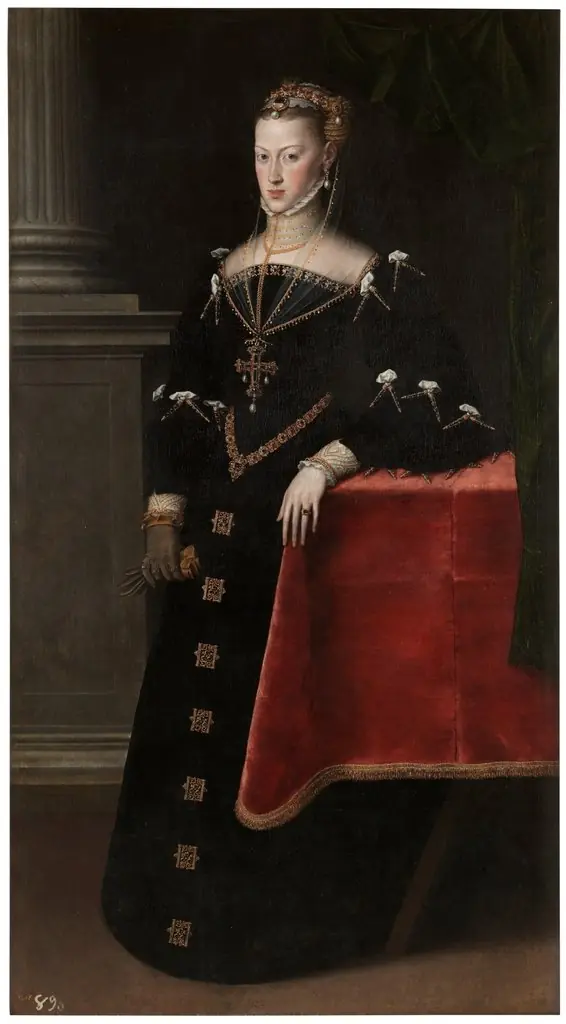 Empress Maria of Austria, Wife of Maximilian II
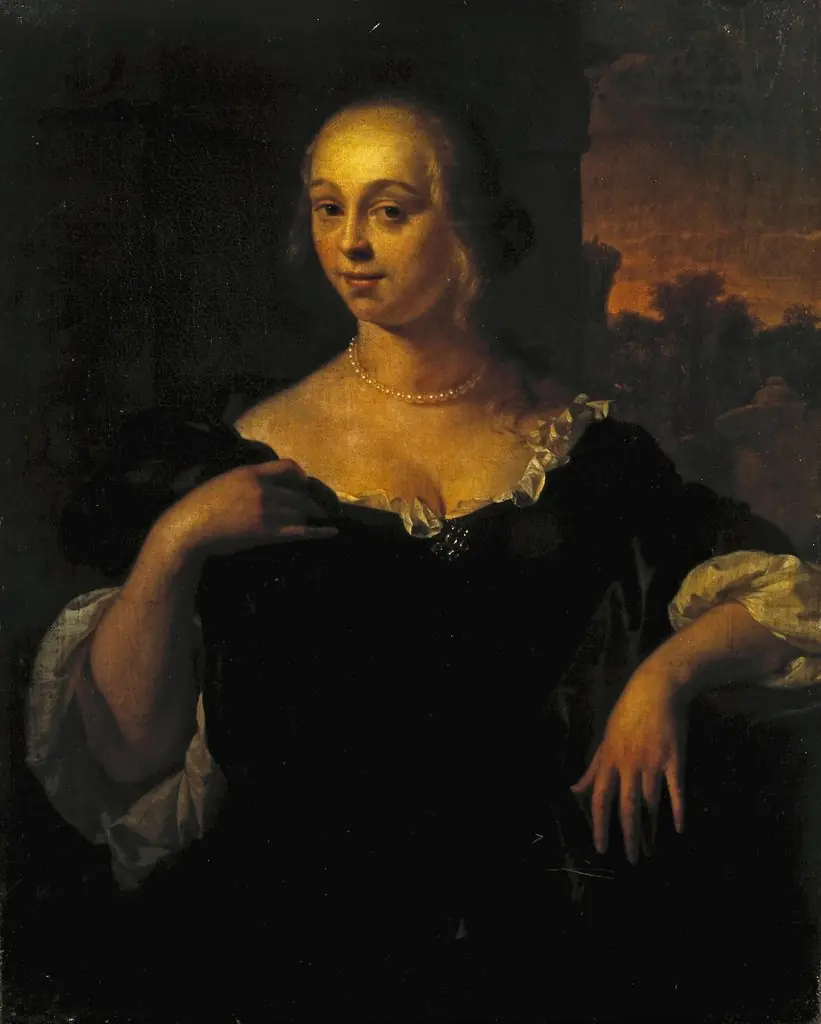 Portrait of a Young Woman
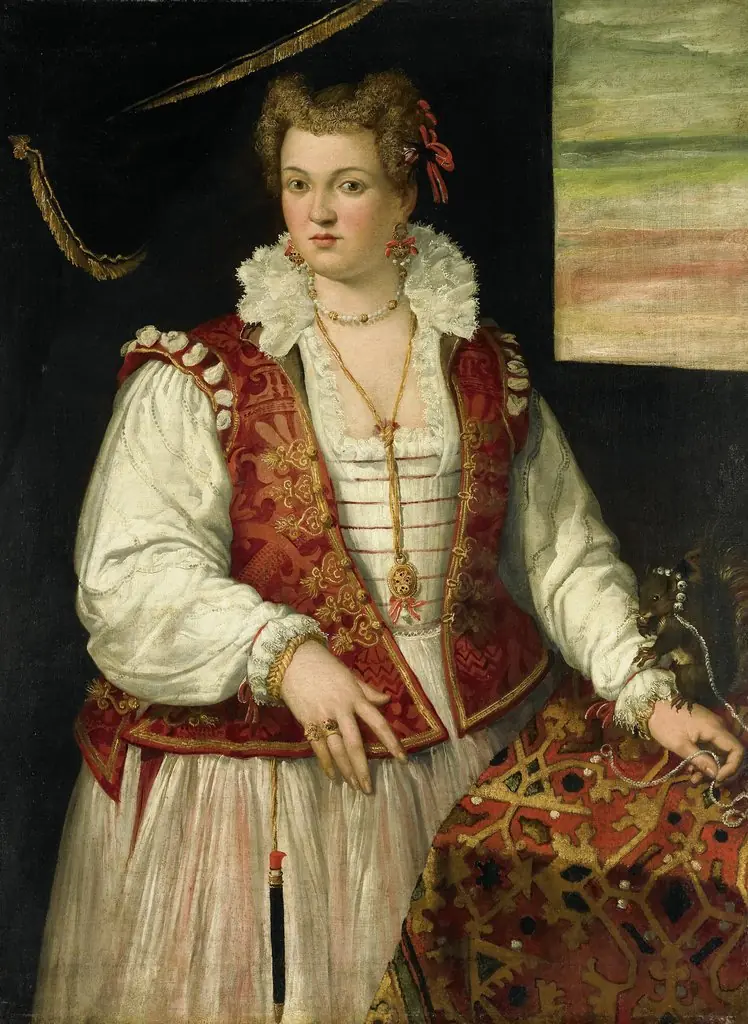 Portrait of a Woman with a Squirrel
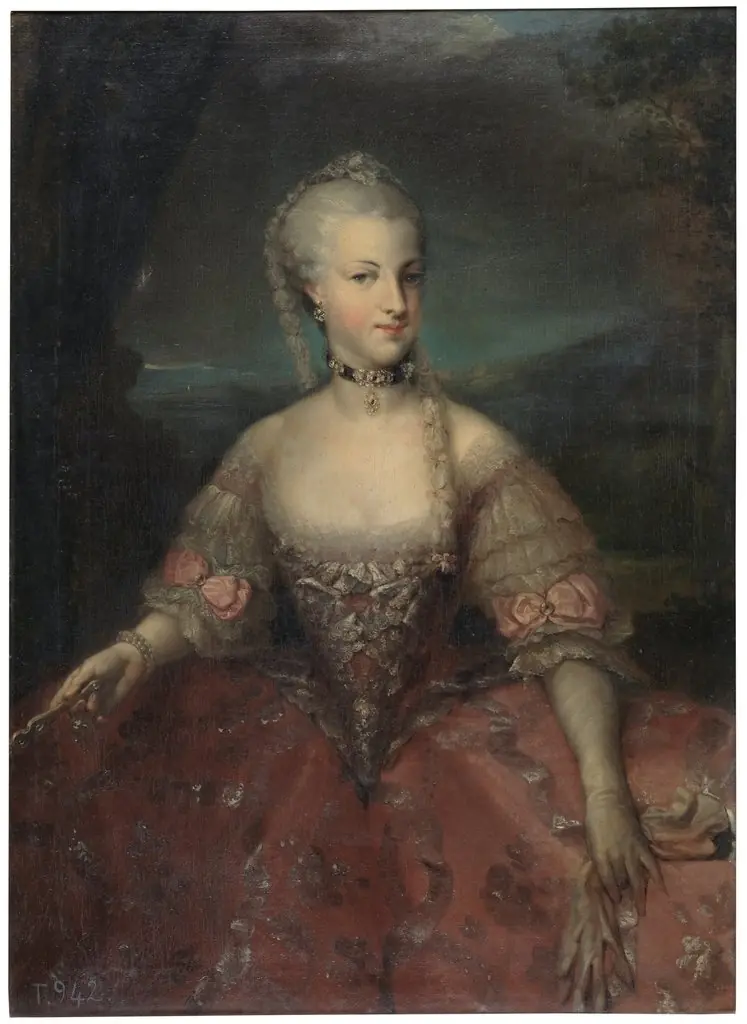 Maria Carolina of Habsburg-Lorraine, Queen of Naples
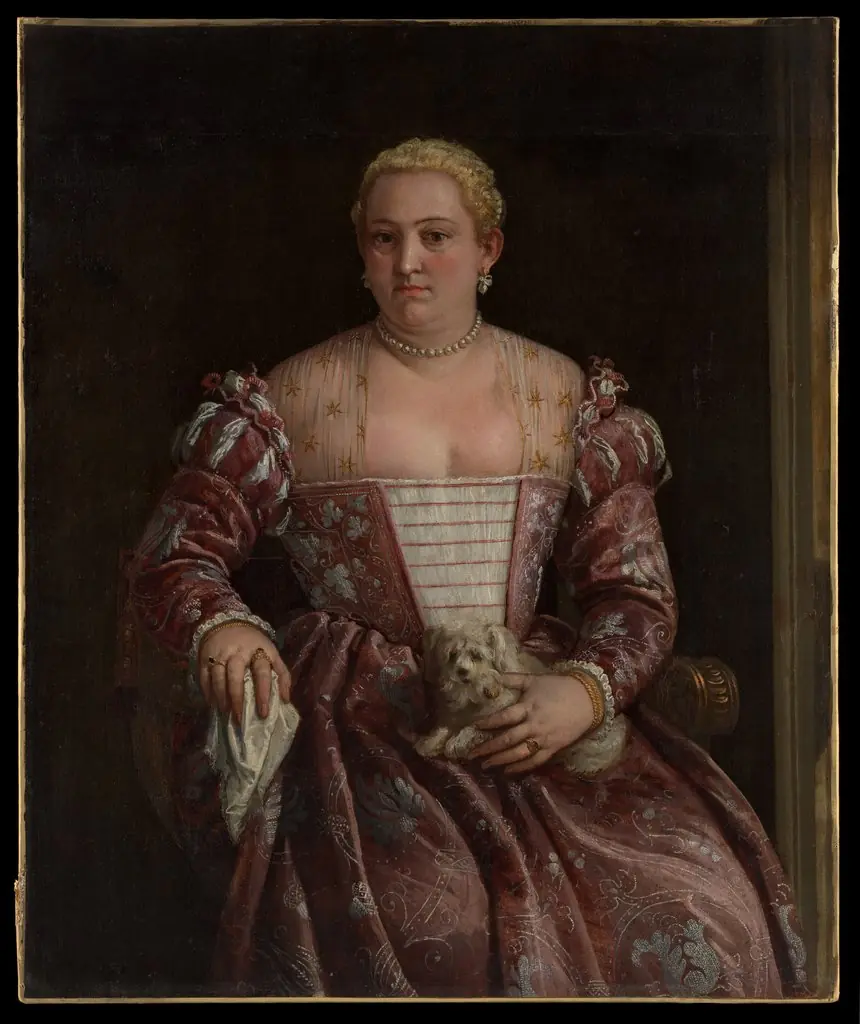 Portrait of a Woman
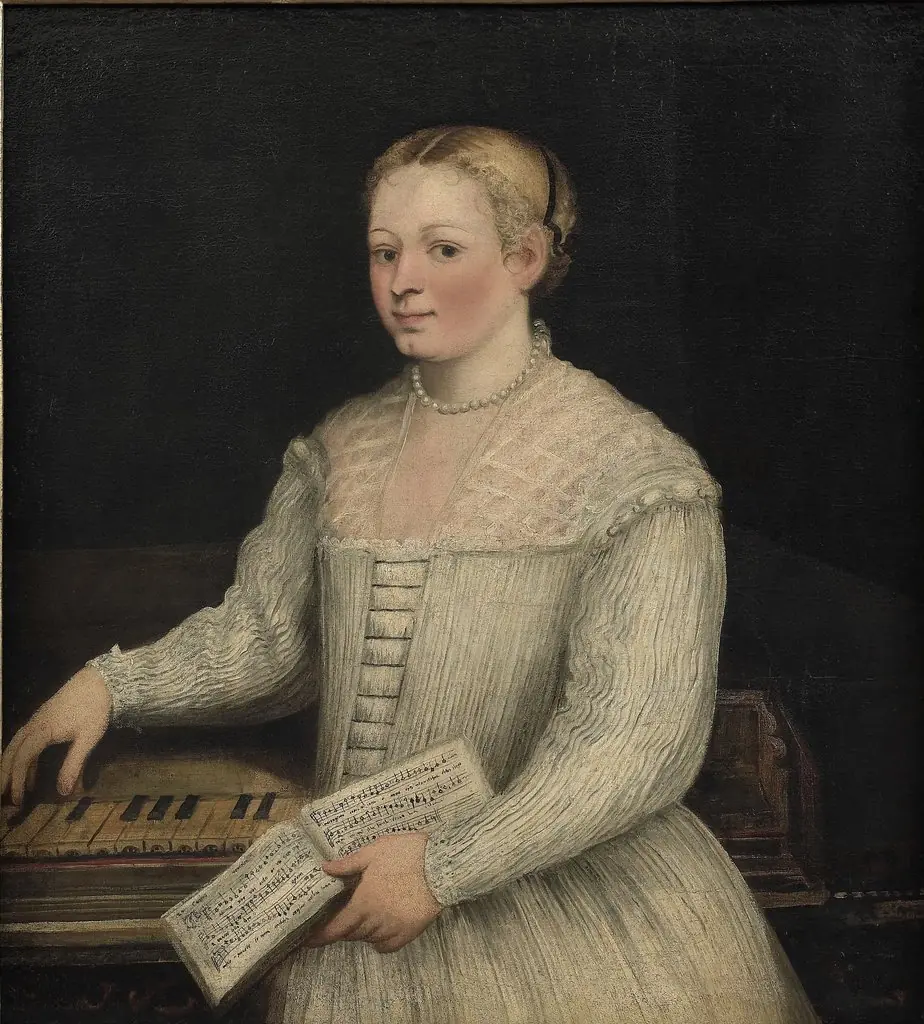 Self-portrait with madrigal
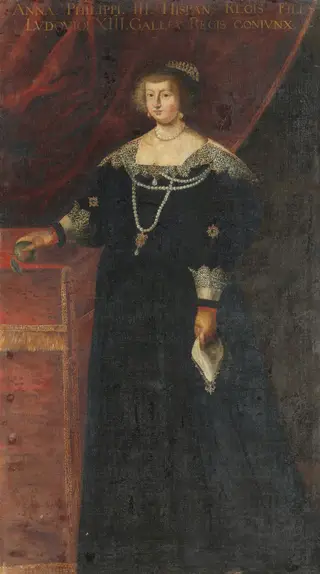 Anna von Österreich (1601-1666)
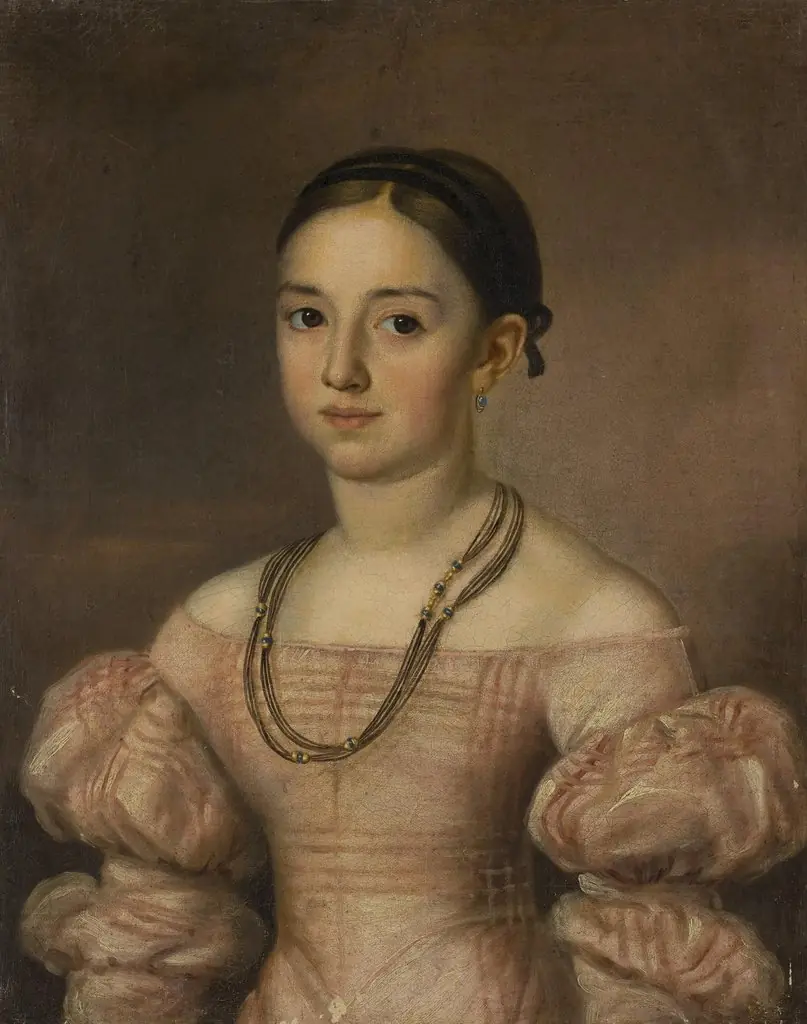 Portrait of an Adolescent Girl