Artwork
Irene di Spilimbergo
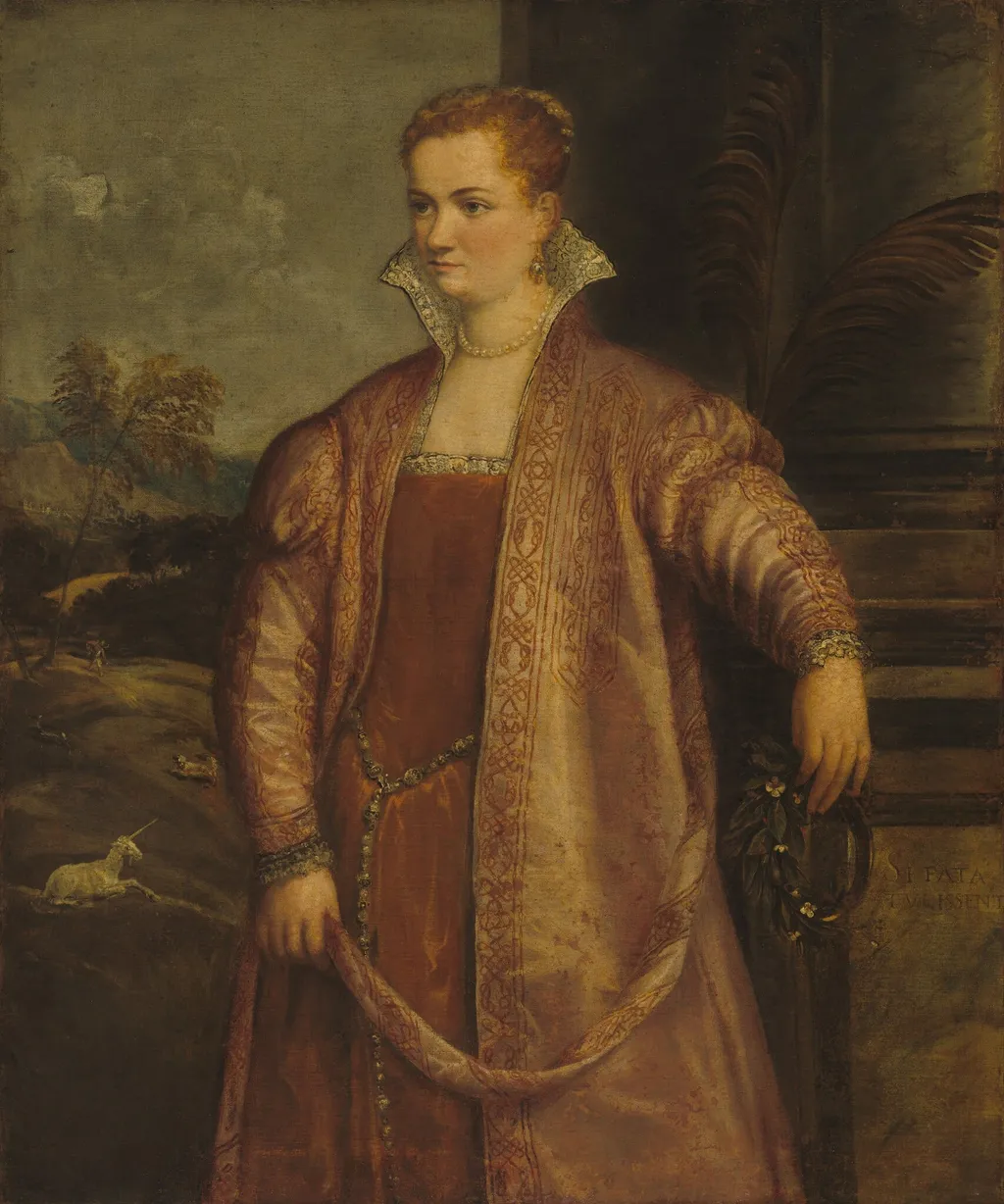
Irene di Spilimbergo is an oil painting by the Renaissance artist Titian. It dates from 1560 and is held in the collection of the National Gallery of Art.
- Inscription
- Inscribed:lower right on base of column: SI FATA / TVLISSENT (If the fates had allowed)
About this work
Subject & Meaning
The canvas portrays Irene di Spilimbergo, a member of the Venetian‑origin Spilimbergo noble family of Friuli, as a pendant portrait that emphasizes her aristocratic lineage. Executed in oil on canvas around 1560, the work was commissioned by the family and later passed through several generations before entering the National Gallery of Art. As a Renaissance portrait, its iconography functions primarily to assert social status rather than convey allegorical narrative, reflecting the cultural value placed on lineage and prestige among the Spilimbergo.
Technique & Style
No remarks on condition, surface state, or specific stylistic traits such as brushwork, palette, or modeling are documented in the available sources.
Irene di Spilimbergo is executed in oil on canvas, a standard Venetian support for mid-sixteenth-century portraiture. The painting measures 122 by 106.5 centimeters, a near-square format suited to a half-length or three-quarter-length composition. Attribution remains contested: while the work has historically been associated with Titian, the corpus record notes it as possibly by Gian Paolo Pace, reflecting ongoing uncertainty about the hand responsible for the execution.
The portrait genre places emphasis on the sitter's likeness and bearing rather than narrative action, and the canvas support would have permitted the layered, blended handling characteristic of Venetian practice. No remarks on condition, surface state, or specific stylistic traits such as brushwork, palette, or modeling are documented in the available sources.
History & Provenance
Created in 1560, this oil on canvas portrait was originally commissioned by the Spilimbergo family in Italy. The work remained within the family lineage, passing by inheritance to Count Giulio di Spilimbergo in Domanins by 1819, and subsequently to Count Niccolò d'Attimis Maniago in Florence by 1904. Upon Niccolò's death, it passed to Count Enrico d'Attimis Maniago, who retained it until 1909.
That year, the painting was acquired by the dealer Elia Volpi in Florence and quickly sold to Duveen Brothers, Inc. In October 1909, Duveen sold the work to Peter A.B. Widener of Elkins Park, Pennsylvania. Following Widener's death, the painting entered the National Gallery of Art through a gift from his son, Joseph E. Widener, executed via power of appointment from the estate.
The work is housed in the National Gallery of Art, Washington, D.C., where it is listed under accession number 1942.9.82. Its provenance traces from the Spilimbergo family through several Venetian counts to Elia Volpi, then to Duveen Brothers, and finally to Peter A. B. Widener, whose estate donated it to the museum. No exhibition history is documented in the supplied sources.
The painting’s creation is dated to 1560, and it depicts Irene di Spilimbergo, as recorded in both the provenance documentation and the Wikidata entry.
Overview
Irene di Spilimbergo, painted around 1560 by Titian, is an oil on canvas portrait from the Venetian Renaissance. This work showcases the artist's proficiency in capturing individual likenesses, a significant aspect of his extensive artistic output. The painting depicts its namesake, Irene di Spilimbergo, reflecting the period's interest in detailed and expressive portraiture. It stands as an example of Titian's contribution to the genre during his influential career.
Context
Born Tiziano Vecellio, Titian emerged as the preeminent painter of the Venetian Renaissance, shaping the artistic landscape of his time. While renowned for his innovative application of color, his practice encompassed a wide array of subjects beyond portraiture, including religious narratives, mythological scenes, and landscapes. Irene di Spilimbergo exemplifies his mastery in capturing human subjects, a facet of his enduring influence on subsequent generations of artists.
Own this work as a print
Artist & collection

Artist
Tiziano Vecellio (Italian:; c. 1488/1490 – 27 August 1576), Latinized as Titianus, hence known in English as Titian ( TISH-ən), was an Italian Renaissance painter. The most important artist of Renaissance Venetian…



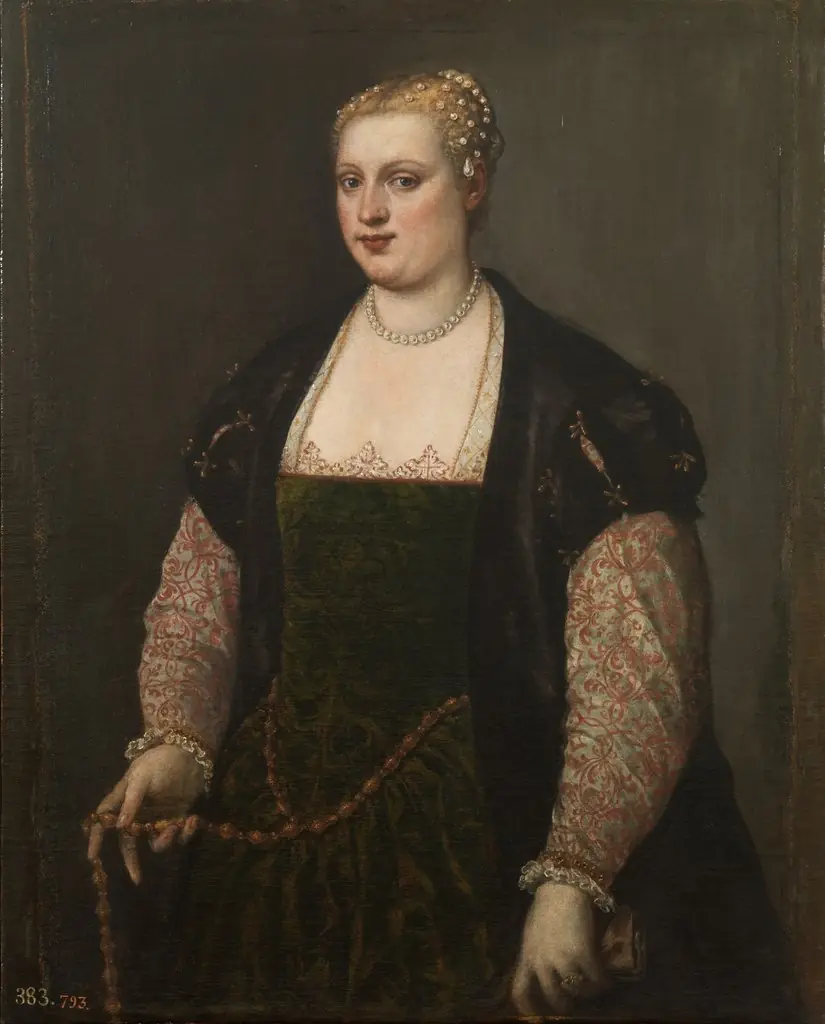 Portrait of a Woman
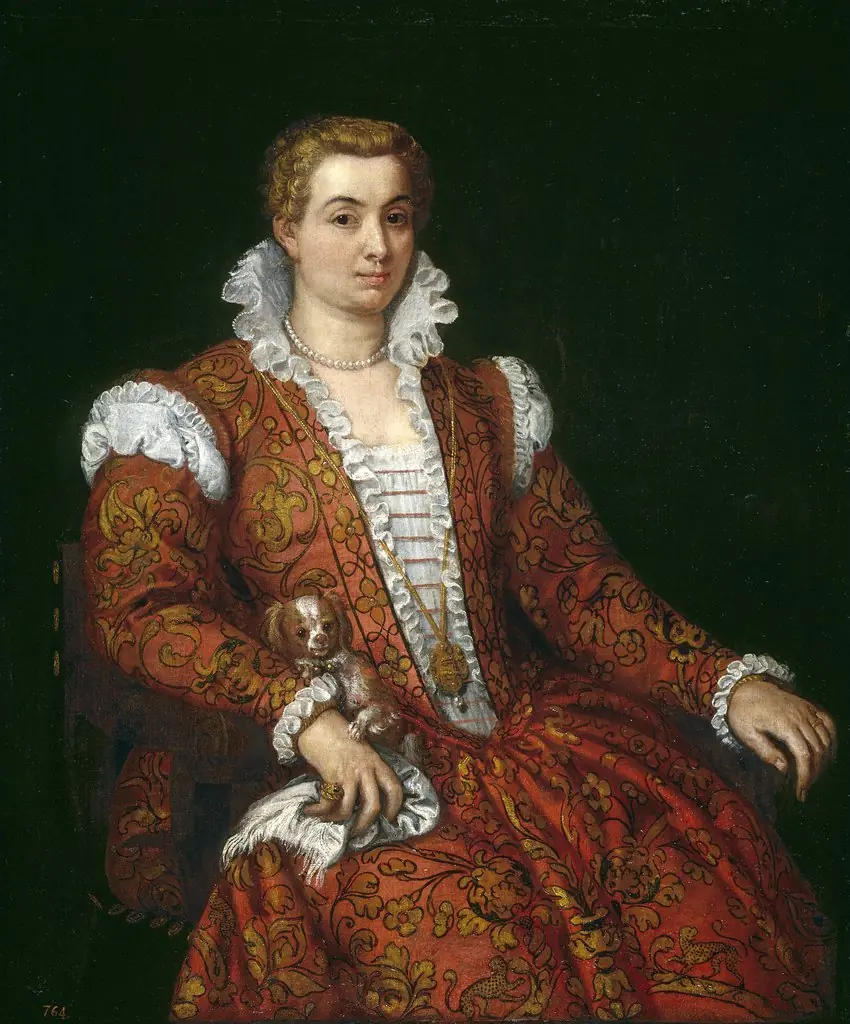 Livia Colonna
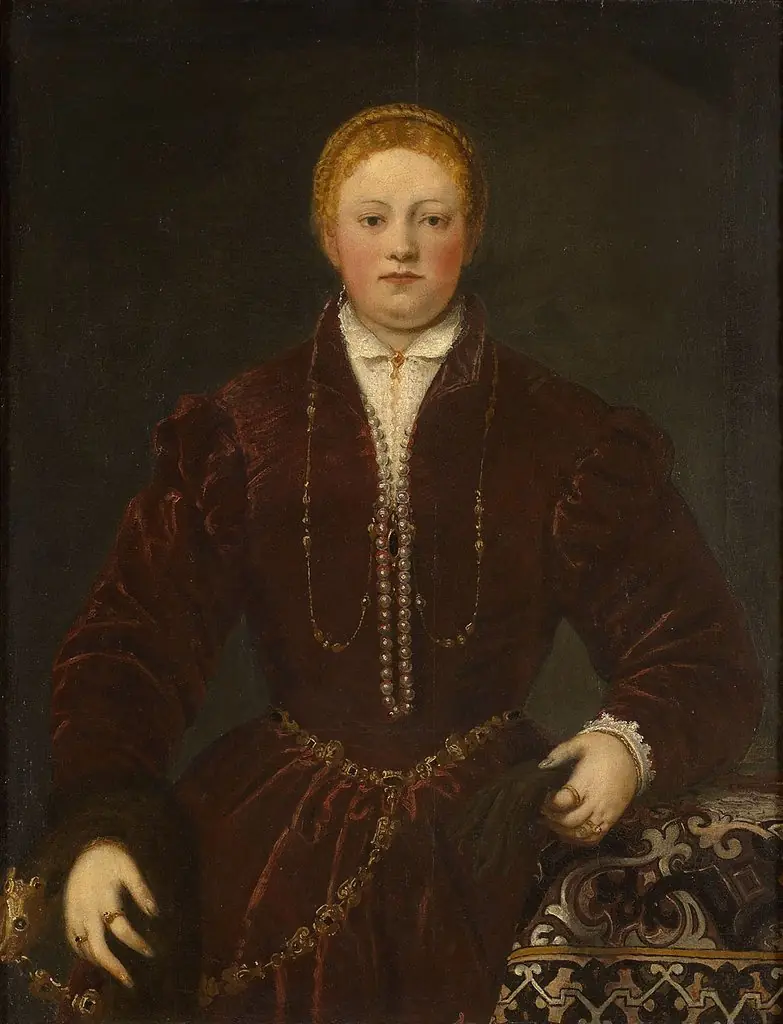 Portrait of a Young Lady
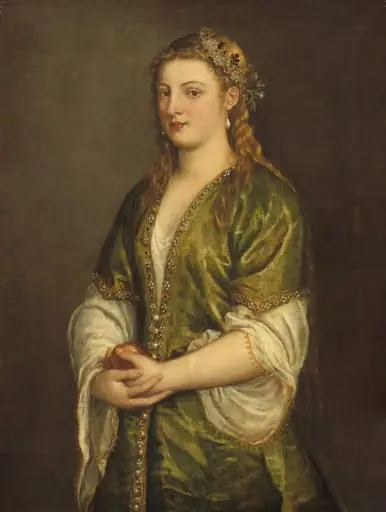 Woman Holding an Apple
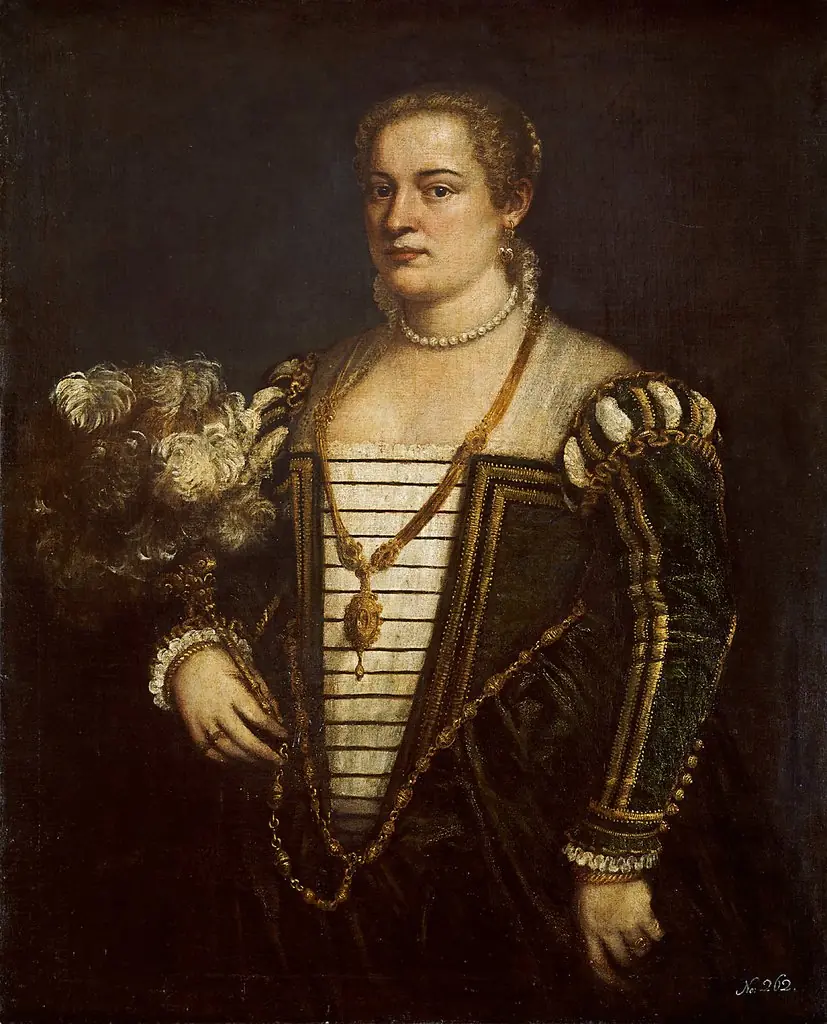 Portrait of the Artist's daughter Lavinia
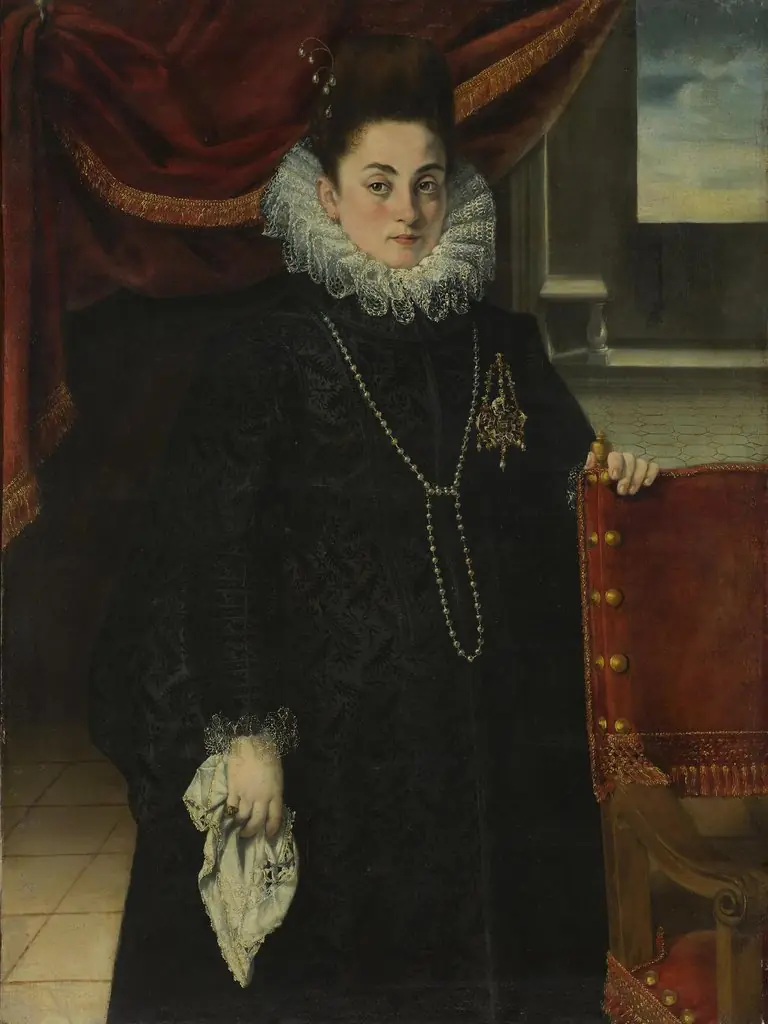 Female Portrait
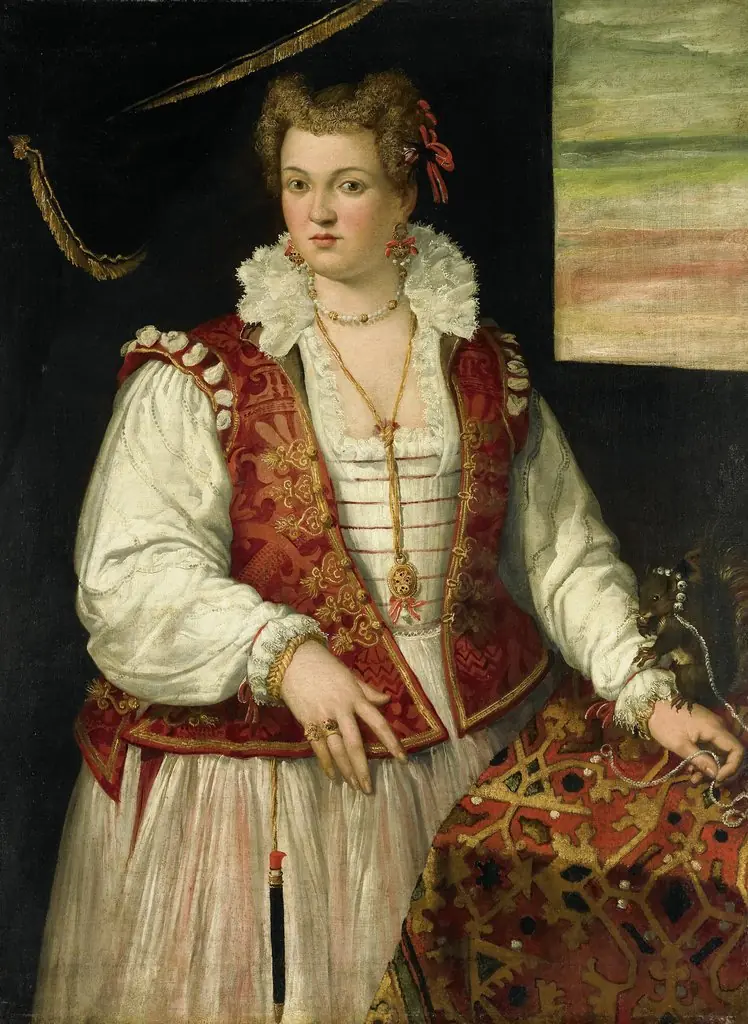 Portrait of a Woman with a Squirrel
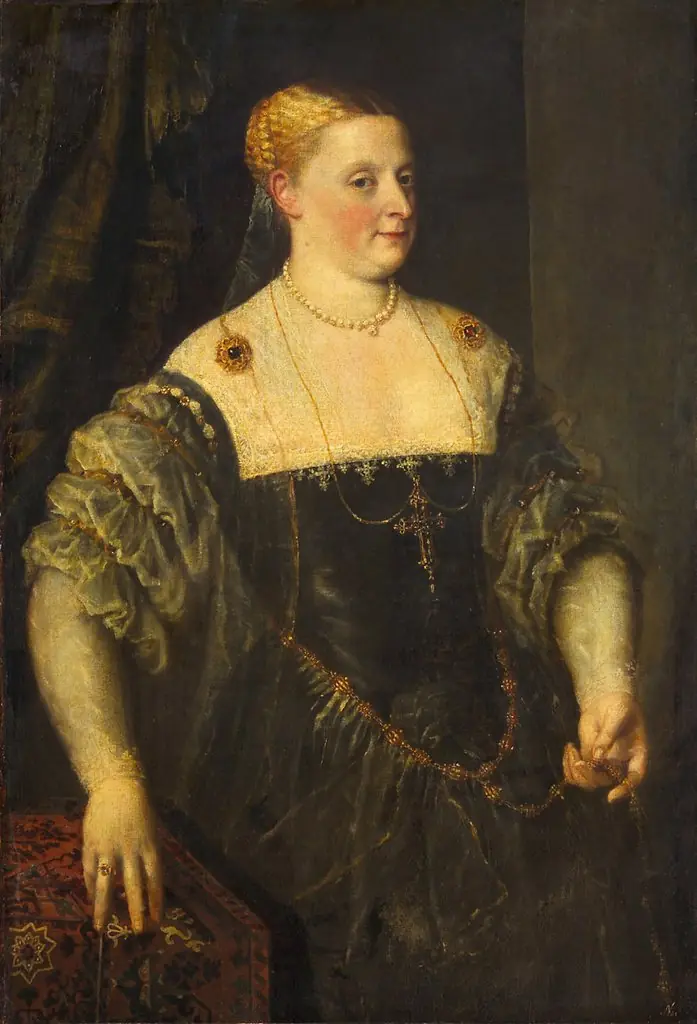 Portrait of a noblewoman
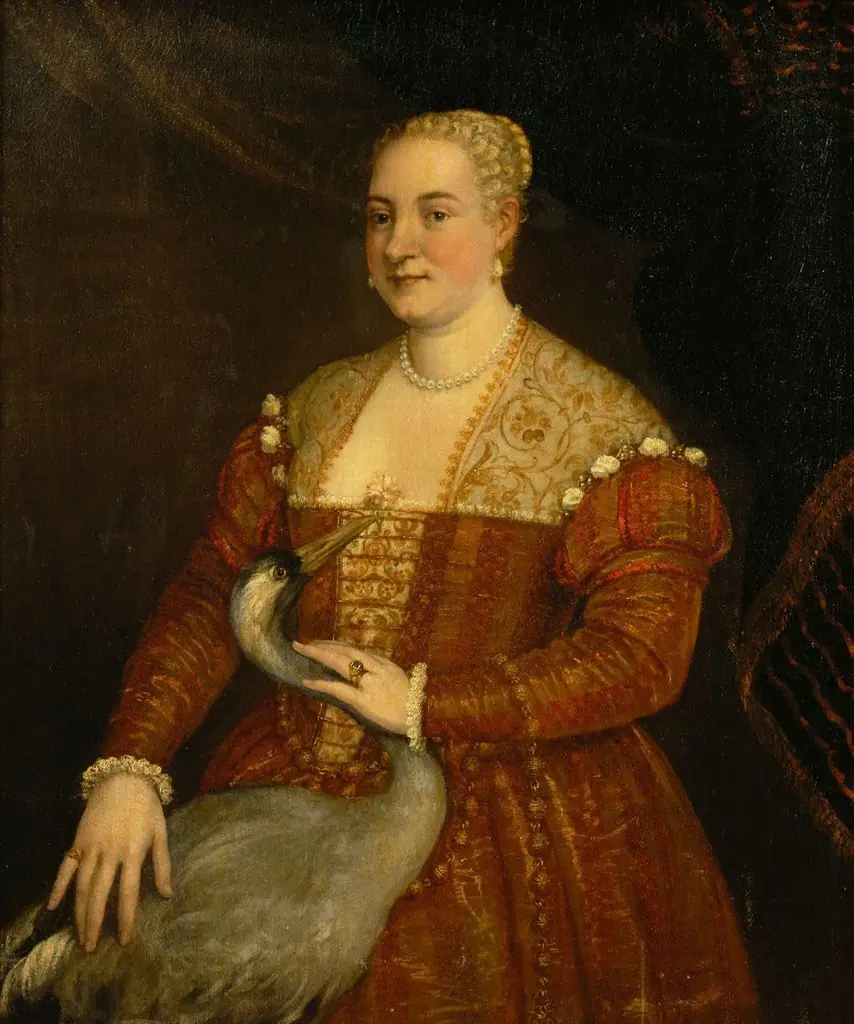 Bildnis einer Dame mit einem Kranich
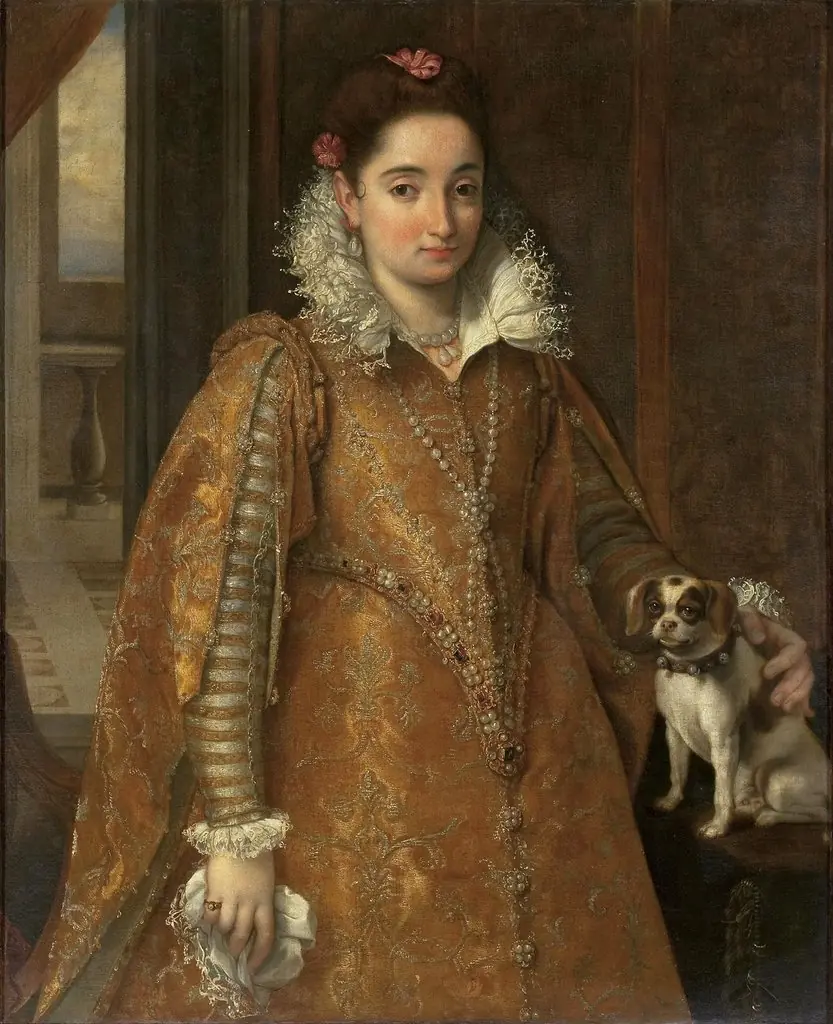 Portrait of a Lady
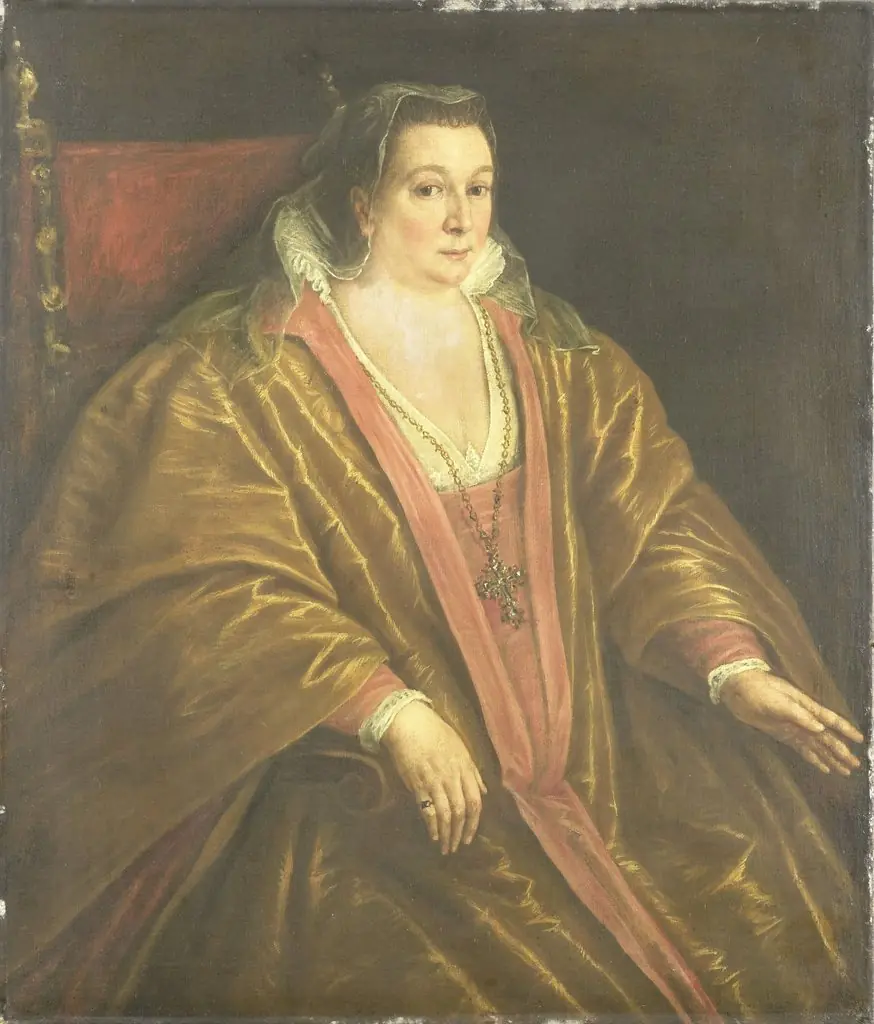 Portrait of a Woman, probably Morosina Morosini, Wife of Marino Grimani, the Doge of Venice
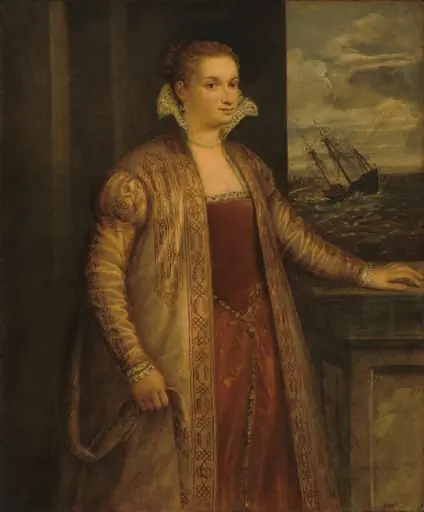
- Emilia di Spilimbergo