Artwork
The Mufti, Supreme Religious Leader
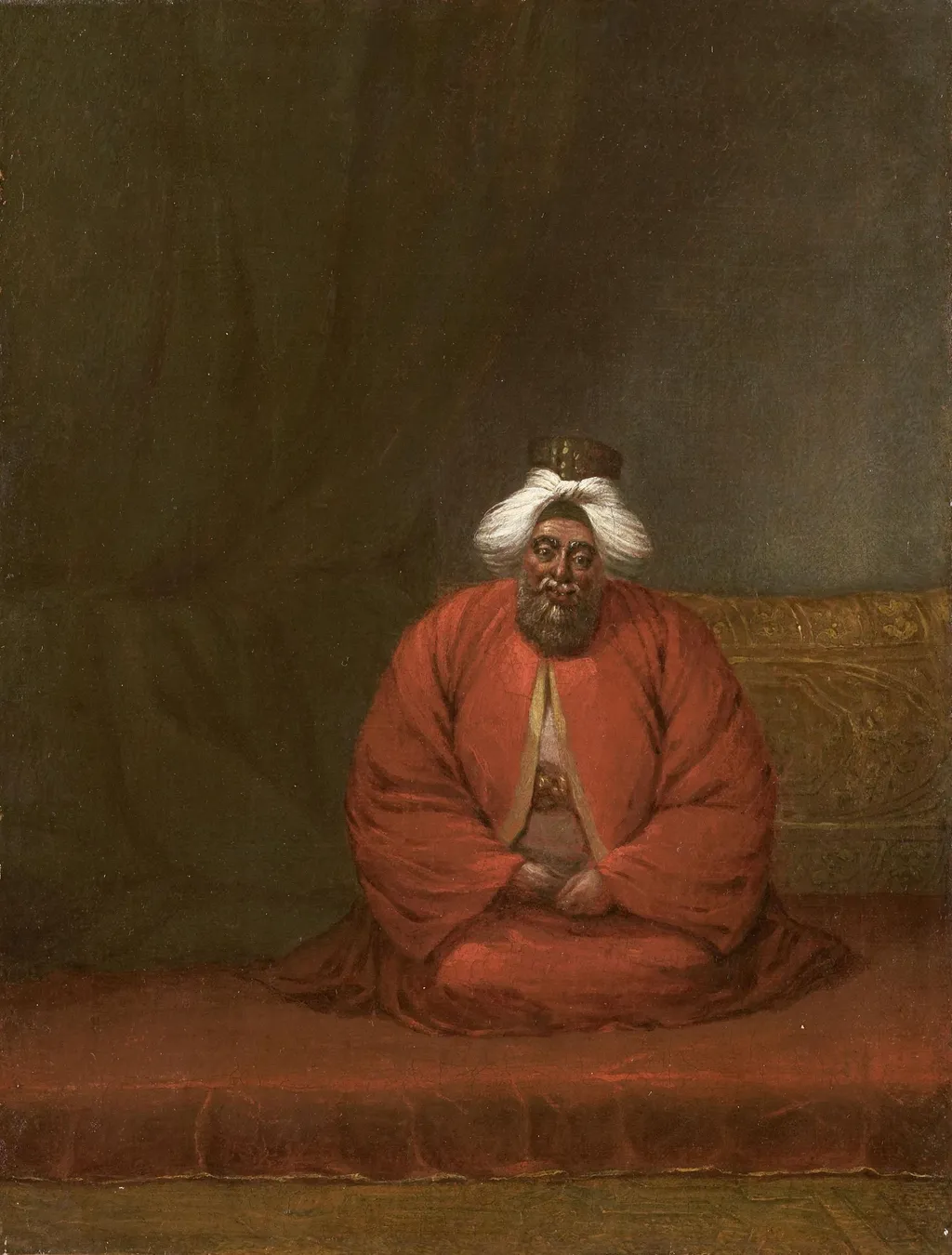
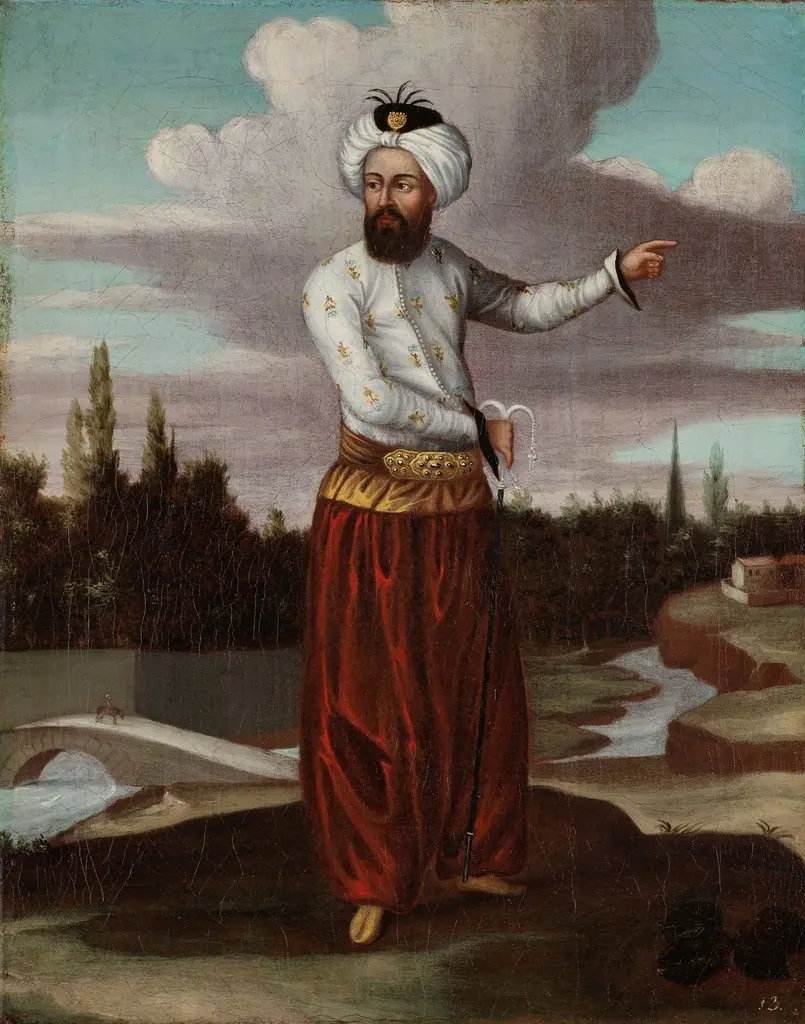
The Mufti, Supreme Religious Leader is an oil painting by the Rococo painting artist Jean Baptiste Vanmour. It dates from 1728 and is held in the collection of the Rijksmuseum.
About this work
Technique & Style
The composition follows formal portrait conventions of the period, with a restrained pose and direct gaze that underscore the sitter's institutional role.
The painting is executed in oil on canvas, a standard support for 18th-century portraiture. The work measures 34 cm in height by 26 cm in width and depicts a mufti, likely representing a senior religious figure within the Ottoman hierarchy. Vanmour's handling of oil emphasizes fine modeling of facial features and rich, muted tonalities that convey authority.
The composition follows formal portrait conventions of the period, with a restrained pose and direct gaze that underscore the sitter's institutional role.
History & Provenance
Jean Baptiste Vanmour executed this oil-on-canvas portrait in 1728. The work measures 34 cm in height and 26 cm in width. Historical records indicate the painting was owned by Cornelis Calkoen and subsequently by Nicolaas Calkoen.
Over time, the piece entered several institutional collections, including the Koninklijk Kabinet van Zeldzaamheden and the Nederlandsch Museum voor Geschiedenis en Kunst. It was also associated with the Directie van de Levantse handel en de Navigatie op de Middellandse Zee before becoming part of the holdings at the Rijksmuseum.
The painting is part of the Rijksmuseum collection. It entered the museum's holdings through inheritance from Cornelis Calkoen and later passed to Nicolaas Calkoen. The work has been displayed in exhibitions at the Rijksmuseum focusing on 18th-century portraiture and Levantine trade history.
Overview
Jean Baptiste Van Mour, a painter of Flemish origin who worked in France, completed an oil portrait in 1728 that depicts a senior Islamic jurist. The canvas is part of the Rijksmuseum’s holdings and reflects the artist’s focus on Ottoman subjects during the early eighteenth‑century Tulip Era.
Subject & Meaning
The sitter is presented as a mufti, a high‑ranking religious authority in the Islamic world. He is shown seated on a low platform, cross‑legged, his gaze directed outward, suggesting both solemnity and a degree of personal engagement with the viewer.
Context
Van Mour’s career was defined by his documentation of Ottoman court life under Sultan Ahmed III, a period known for cultural flourishing and diplomatic exchange with Europe. This portrait exemplifies the Western fascination with Eastern officials during that era, serving both as a visual record and a cultural bridge.
Own this work as a print
Artist & collection
Artist
Jean Baptiste Vanmour or Van Mour (9 January 1671 – 22 January 1737) was a Flemish-French painter, remembered for his detailed portrayal of life in the Ottoman Empire during the Tulip Era and the rule of Sultan Ahmed III.

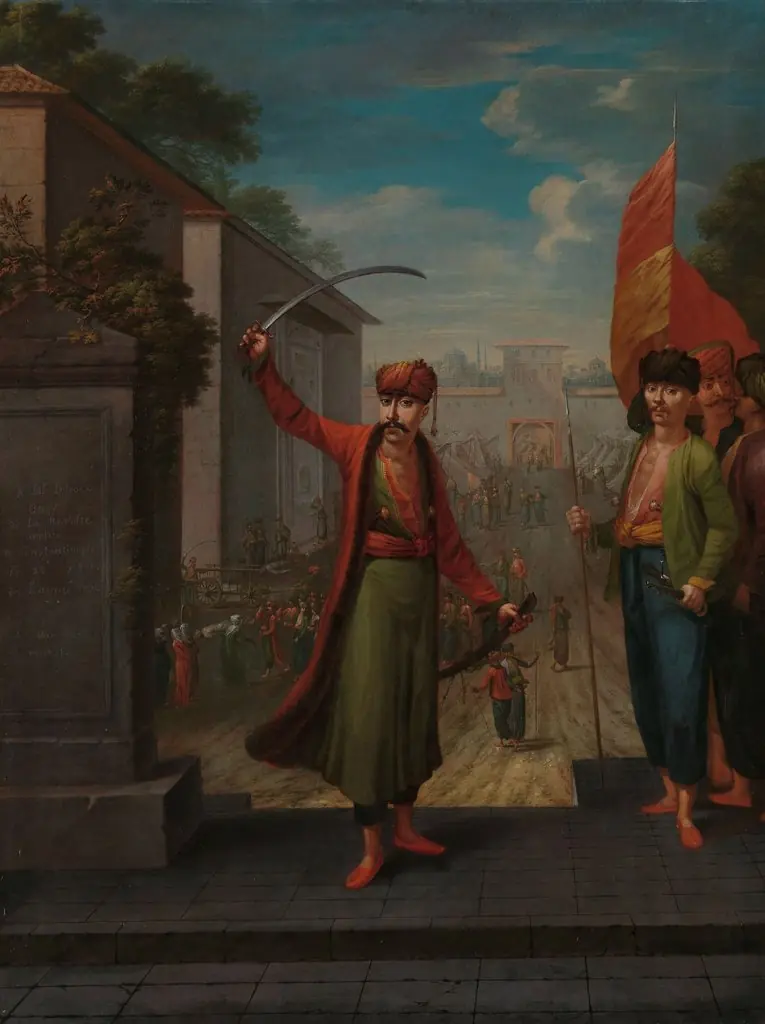
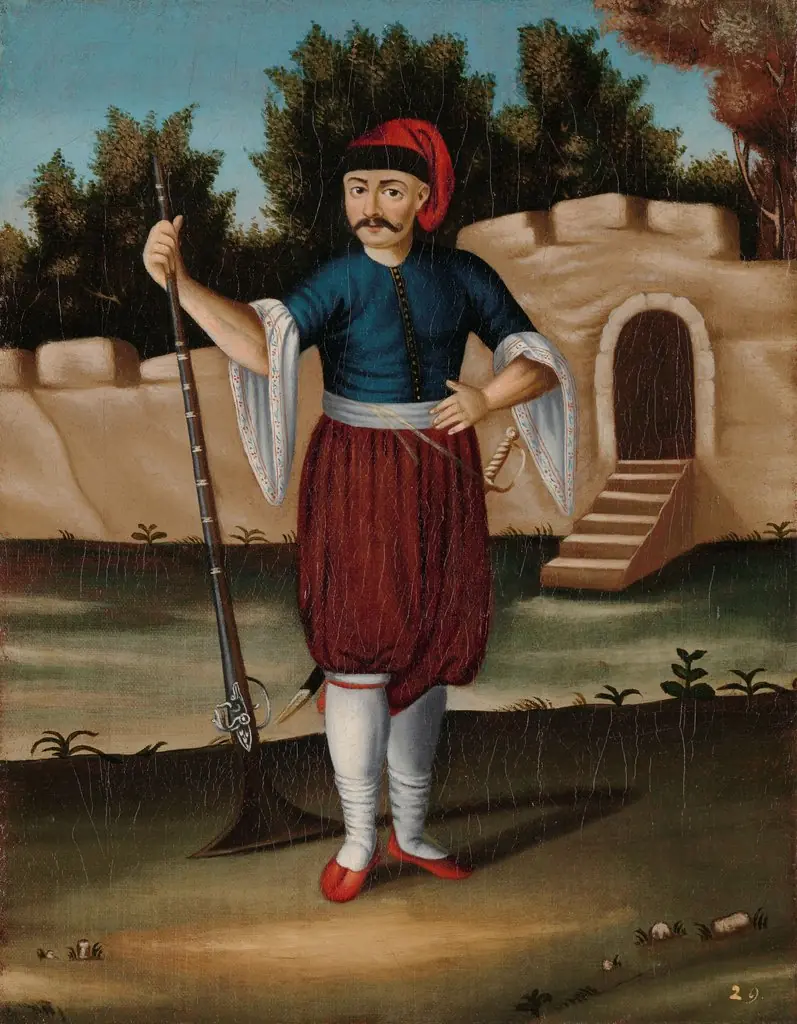
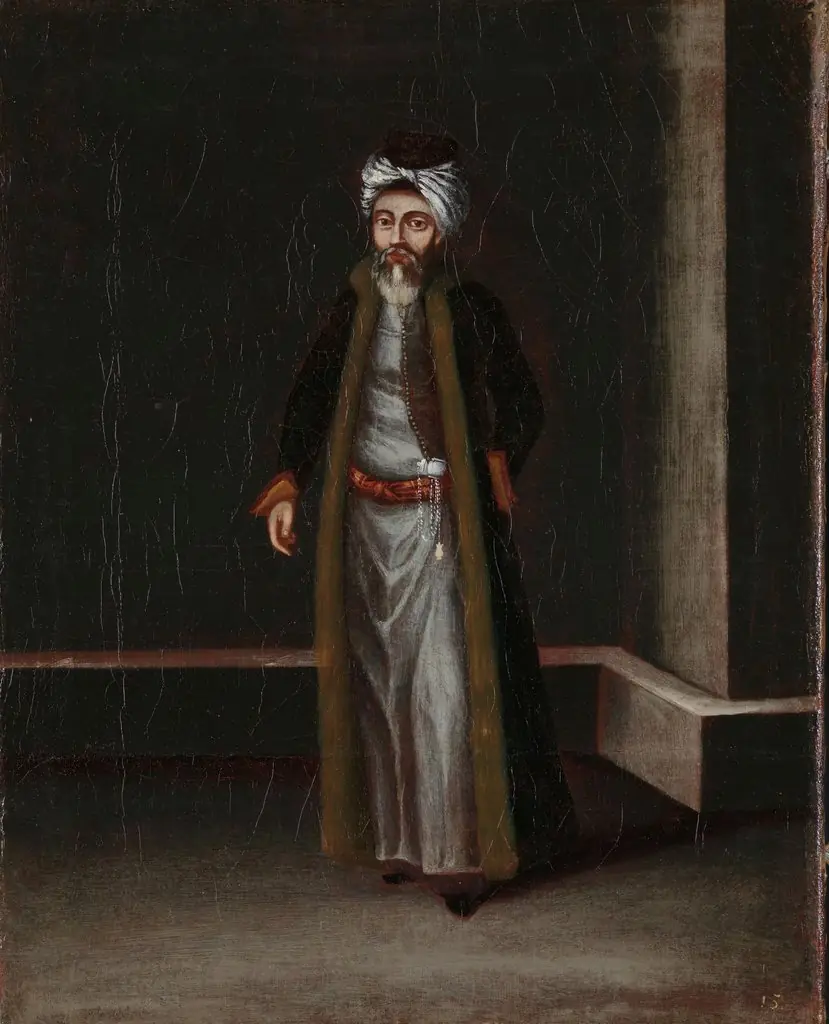
- Mehmet, the vizir kâhyasi
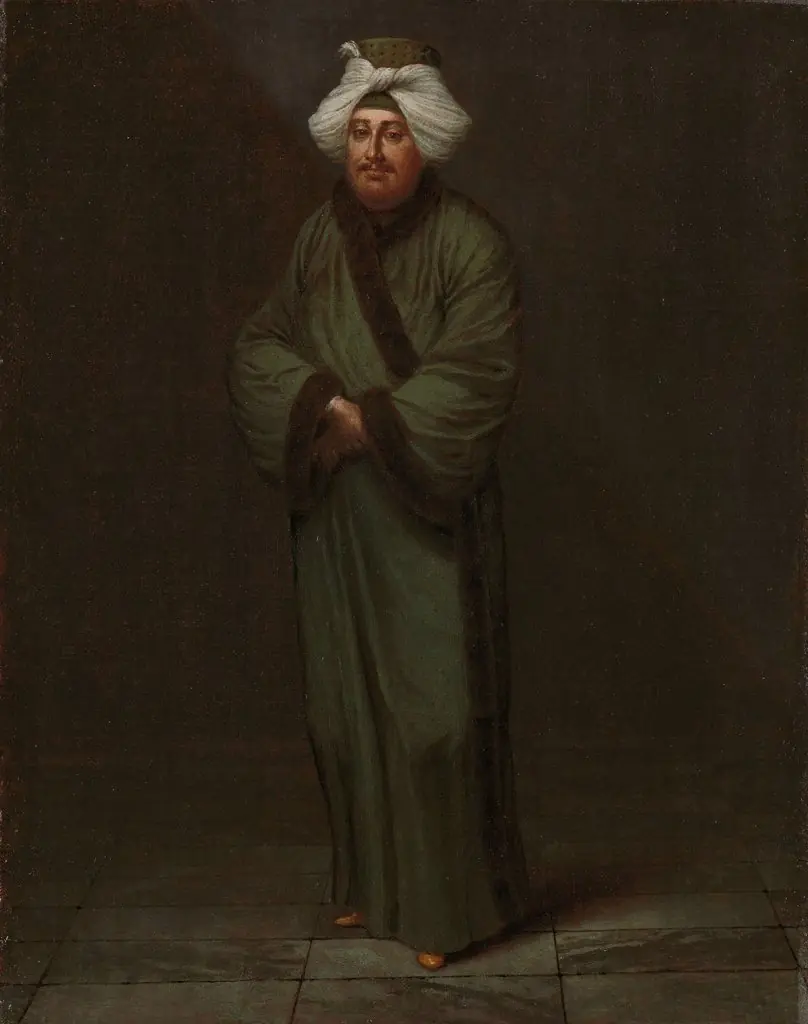
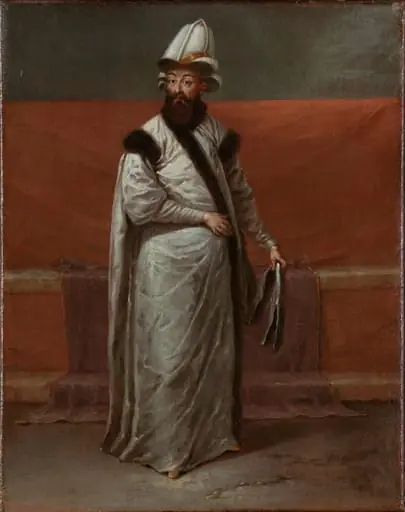 De grootvizier Nevşehirli Damat Ĭbrahim Pasa
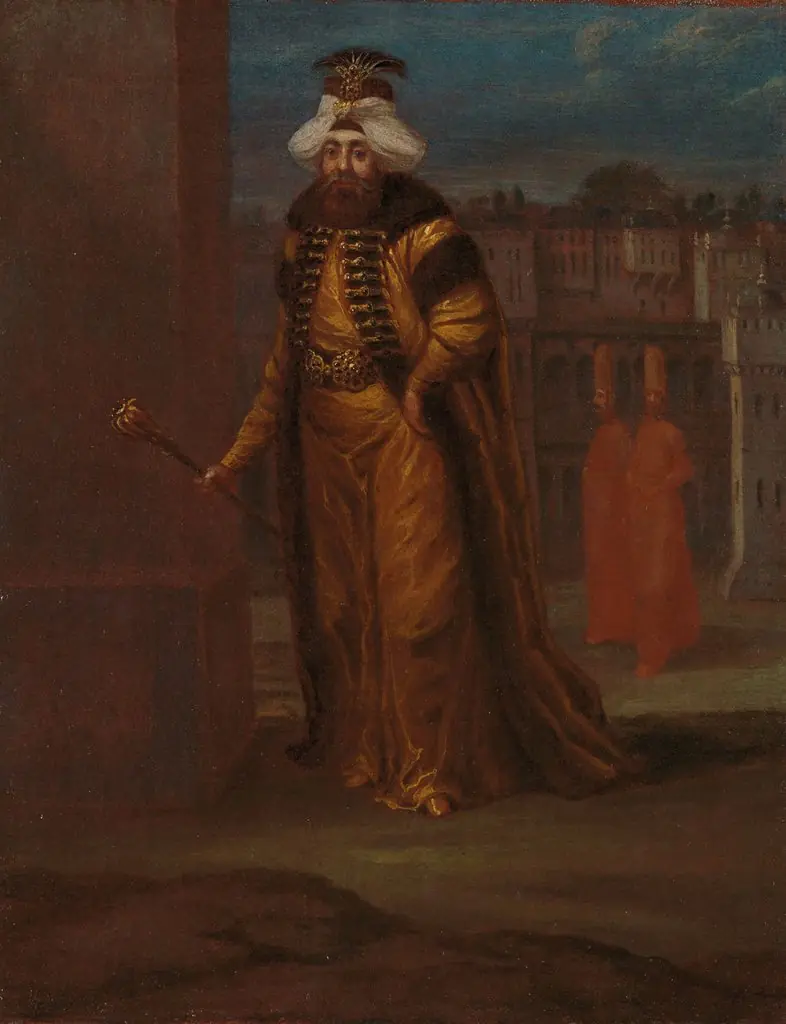 Sultan Mahmud I
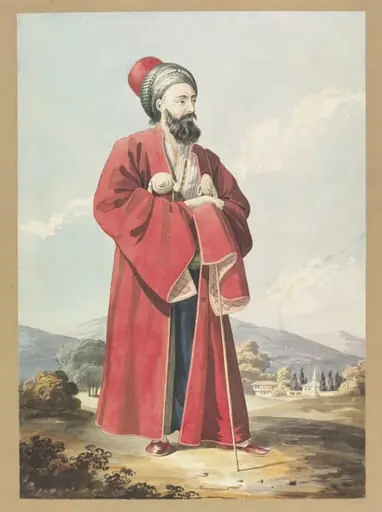 Colonel of Artillery
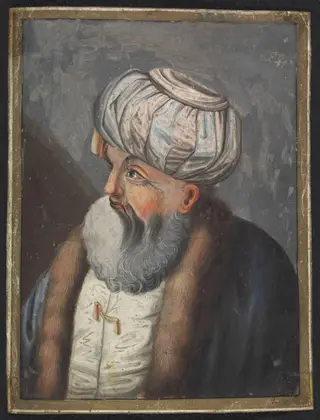 Portrait, head and shoulders, facing left, possibly of an Ottoman Pasha
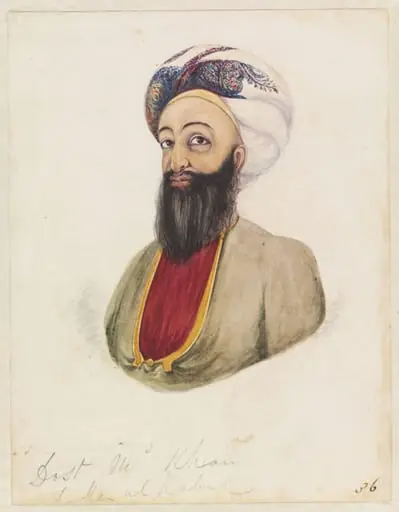 Dost Md Khan taken at Kabul
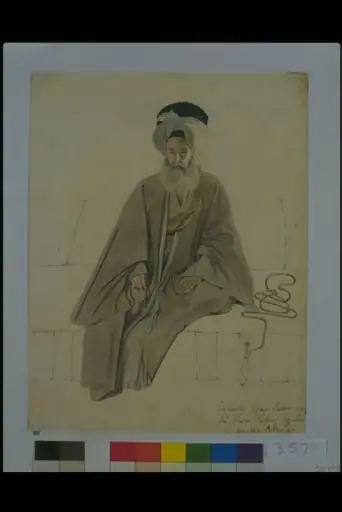 Mehmet Aga Salam
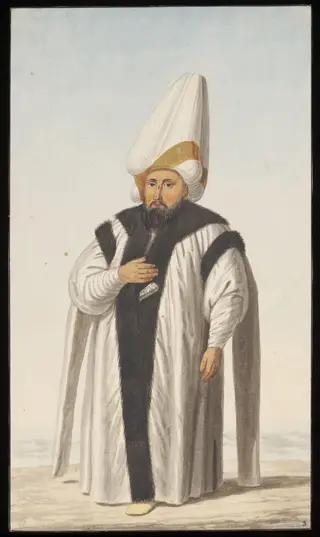 Sadrazam or Grand Vizier
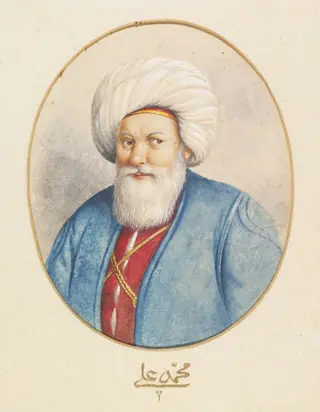 Portrait of Muhammad Ali
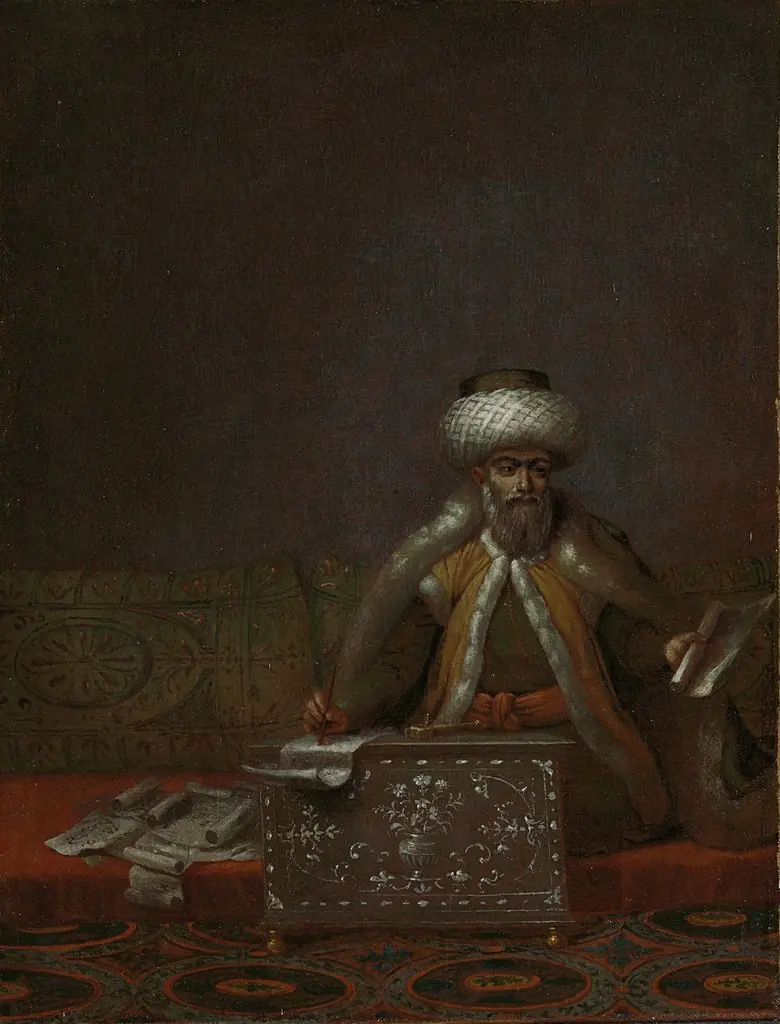 The Reis Effendi, Head of the Chancery
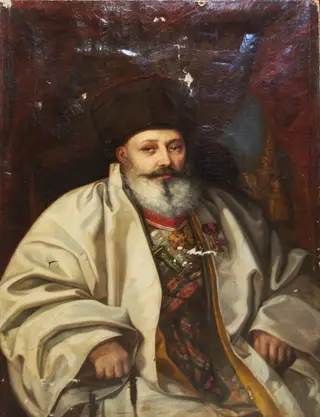 Filip de Linche, mare vistier și logofăt
 A Chaous, a Courier to the Sultan