Artwork
Saint Praxedis
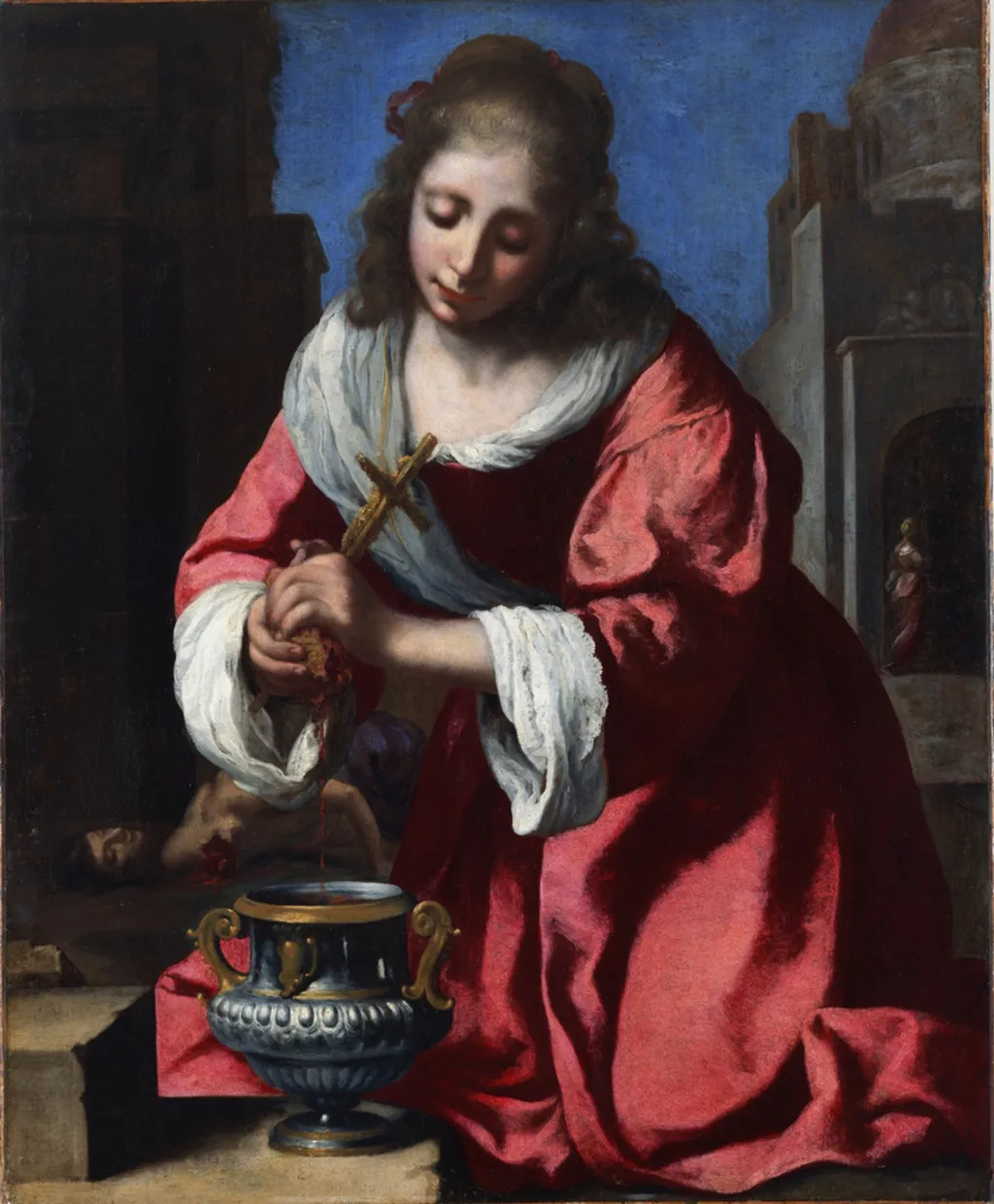
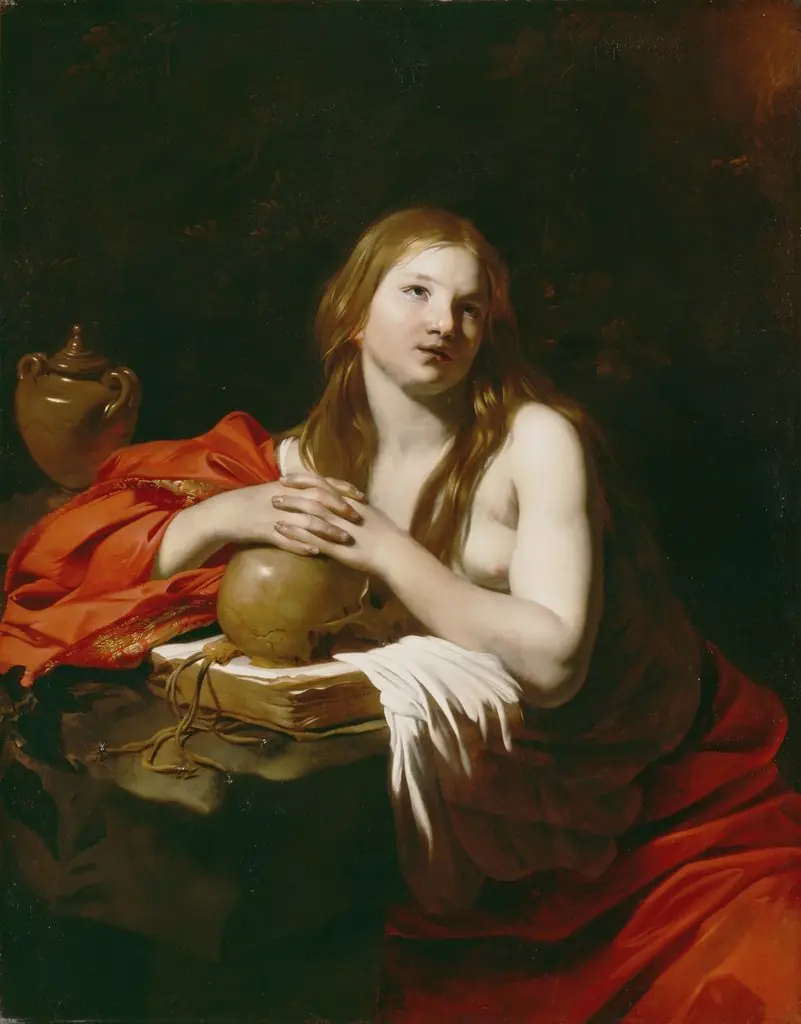
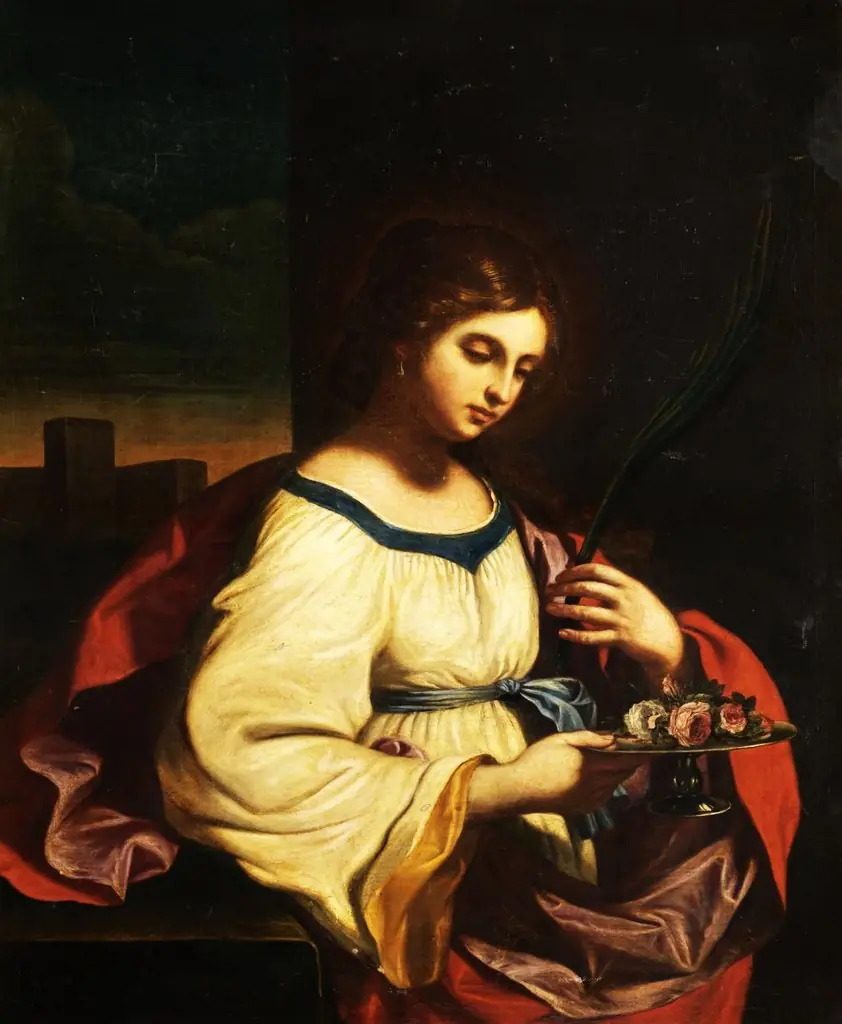
Saint Praxedis is an oil painting by the Dutch Golden Age artist Johannes Vermeer. It dates from 1655 and is held in the collection of the National Museum of Western Art.
About this work
Overview
Saint Praxedis is an oil on canvas depicting the early Roman martyr Praxedes. The composition presents the saint in a modest interior, rendered with the subdued palette and careful handling of light typical of mid‑17th‑century Dutch painting. The work measures roughly a standard size for Vermeer’s early output and reflects a quiet, devotional atmosphere.
Context
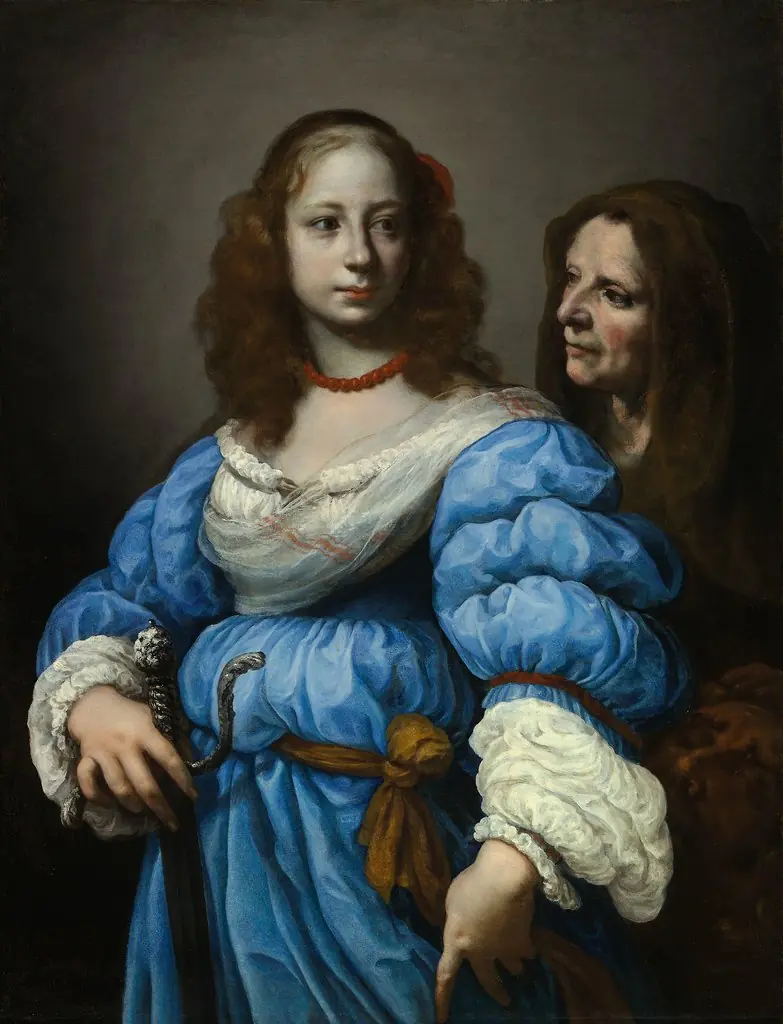
Initially regarded as a copy after the Florentine painter Felice Ficherelli, whose original portrayed the same saint, the work was later re‑examined.
The painting’s authorship has been contested since its appearance in the art market. Initially regarded as a copy after the Florentine painter Felice Ficherelli, whose original portrayed the same saint, the work was later re‑examined. In 2014 Christie's technical study concluded that the hand belonged to Johannes Vermeer, a view subsequently endorsed by the Rijksmuseum ahead of its 2023 Vermeer exhibition, solidifying the attribution.
Technique & Style
Executed in oil, the piece demonstrates Vermeer’s early mastery of glazing, layering translucent pigments to achieve depth and luminosity. The delicate rendering of fabric and the subtle modulation of shadows anticipate the artist’s later, more celebrated interiors, while the restrained color scheme aligns with the austere devotional subjects common in the period.
History & Provenance
After passing through private collections, the painting entered the auction market where it attracted scholarly attention. Christie's investigation in 2014 prompted renewed interest, leading to its inclusion in the 2023 Rijksmuseum exhibition of Vermeer’s oeuvre, where the museum publicly affirmed the painting’s attribution to the Dutch master.
Own this work as a print
Artist & collection
Artist
Johannes Vermeer ( vər-MEER, vər-MAIR, Dutch:; see below; also known as Jan Vermeer; October 1632 – 15 December 1675) was a Dutch painter who specialized in domestic interior scenes of middle-class life.