Artwork
A Boy with a Flying Squirrel (Henry Pelham)
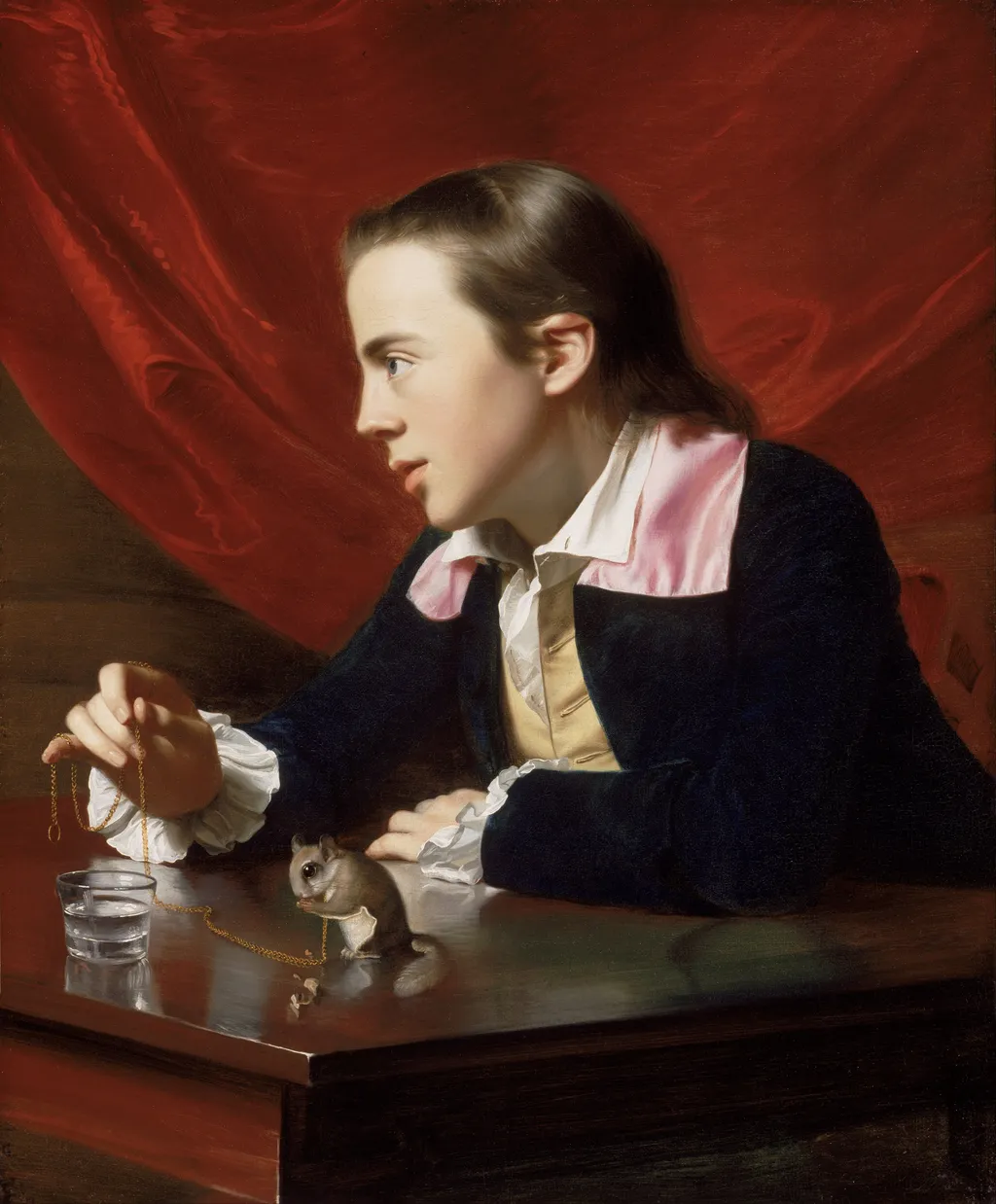
A Boy with a Flying Squirrel (Henry Pelham) is an oil painting by the Rococo painting artist John Singleton Copley. It dates from 1765 and is held in the collection of the Museum of Fine Arts Boston.
About this work
Overview
82 cm, the painting depicts Copley's teenaged half-brother Henry Pelham seated at a polished table with a pet flying squirrel restrained by a gold chain.
A Boy with a Flying Squirrel (Henry Pelham) is a 1765 oil on canvas portrait by the American-born painter John Singleton Copley. Measuring 77.15 by 63.82 cm, the painting depicts Copley's teenaged half-brother Henry Pelham seated at a polished table with a pet flying squirrel restrained by a gold chain. Now held by the Museum of Fine Arts, Boston, the work occupies a pivotal position in both Copley's career and the broader history of American art. Painted in Boston as a deliberate test of Copley's ability to meet European standards, it was shipped to London for the 1766 exhibition of the Society of Artists of Great Britain, where it garnered significant critical attention and helped establish Copley's international reputation.
Subject & Meaning
The sitter, Henry Pelham, was born in 1749, the son of Copley's widowed mother and her second husband, Peter Pelham. Under Copley's tutelage, Pelham became a painter, engraver, and his half-brother's business manager and assistant. The flying squirrel itself carries layered significance. In colonial American portraiture, chained squirrels held by women and children were conventional symbols of refinement and education; the successful domestication of such a creature demonstrated the owner's capacity to civilize nature. The squirrel's presence thus signals Pelham's social status and cultivated character. Additional iconographic details reinforce this reading: the squirrel is shown cracking a nut, a gesture that in colonial American art symbolizes patience and perseverance. A small playing card, the five of diamonds, appears in the lower right corner of the drapery, though its specific meaning remains open to interpretation. The gold chain attaching the squirrel to Pelham's hand further underscores assertions of social superiority, while the clear glass of water beside the chain adds to the tableau of cultivated domesticity.
Technique & Style
Copley executed the portrait in oil on canvas, employing a palette centered on saturated crimson, deep blue, warm yellow, and pink against dark browns. Light enters from the left, illuminating the face, hands, and squirrel while casting soft shadows. The brushwork is smooth and refined, with careful attention to textures of fabric, fur, and wood grain. The artist rendered the red drapery in deep folds behind the figure, the highly polished mahogany table, and the delicate reflections in the glass of water with particular precision. Special attention was given to the squirrel, notably in the meticulous portrayal of its eyes and gliding membrane. Copley adapted his style to appeal to English viewers by idealizing the sitter's face while maintaining precise realism for material details. Technical examination has revealed that the artist carefully adjusted proportions and modified certain elements, including the table and arms, to achieve compositional balance.
History & Provenance
Copley completed the painting by early fall 1765 in Boston, intending it for a London audience. Aware of the risks of transatlantic shipment, he had previously lost pastels in a shipwreck that spring. For this work, he assembled a professional team to ensure safe passage; the painting crossed as part of Mr. Roger Hale's baggage. Hale delivered it to Captain R. G. Bruce in London, who took it to the studio of Sir Joshua Reynolds. Benjamin West examined it beforehand and, despite lost attribution, deduced its American origin from the American pine stretcher. A letter from Copley eventually confirmed authorship, though the work was still mislabeled as by "Mr. William Copley, of Boston, New England" at the Society of Artists exhibition in 1766. Following the exhibition, the Society elected Copley a fellow and encouraged him to come to London for training. The painting later entered the collection of the Museum of Fine Arts, Boston, where it remains. It has also been exhibited at the National Gallery of Art.
Context
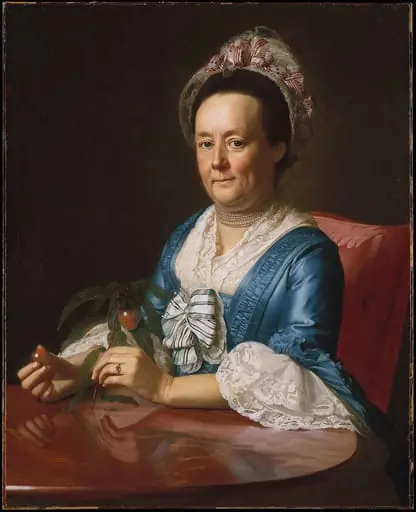
By 1765, Copley had established himself as the foremost portraitist of Boston's mercantile elite, yet he remained largely self-taught and had never left New England. He aspired to become a European-style history painter and used this work to test whether his art met English standards. The painting belongs to a broader colonial American tradition of limners, marked by what art historian Barbara Novak has described as a "primitive" concern for exactitude combined with an "archaic" desire to penetrate the mystery of British court painting. Copley was not alone in his squirrel motif: in 1765 alone he produced two other squirrel paintings, Mrs. Theodore Atkinson and Boy with a Squirrel, John Bee Holmes, and he later included a squirrel in his 1771 portrait of Daniel C. Verplanck. According to critic Henry Theodore Tuckerman, Copley was intimately acquainted with the flying squirrel's natural history and kept several pet flying squirrels. Art historian Alfred Neumeyer situated the child-with-animal convention within European practice since the seventeenth century, noting its function in depicting subjects engaged in habitual leisure activity.
Legacy
The 1766 London reception proved decisive for Copley's career. Joshua Reynolds commended the work as a "very wonderfull Performance" while noting "a little Hardness in the Drawing, Coldness in the Shades, An over minuteness." Reynolds advised that Copley needed proper training before his "Manner and Taste were corrupted or fixed by working in [his] little way at Boston." Despite this qualified critique, the overall praise from Reynolds and contemporaries like Benjamin West, who exclaimed "What delicious coloring! worthy of Titian himself!" confirmed Copley's international potential. Later historians and critics have assessed the painting as a turning point in Copley's career and a marker in American art history. The work has drawn sustained scholarly attention, including observations by historian Jennifer Rogers on the subtle formal echoes between the boy's ear, the squirrel's membrane, the spacing of fingers, the water glass, and the drapery folds. Neurologist Geoffrey Schott has also examined these perceived correspondences, though their intentional status remains debated.
Own this work as a print
Artist & collection

Artist
John Singleton Copley (July 3, 1738 – September 9, 1815) was an American-born British painter active in both the Thirteen Colonies and England.

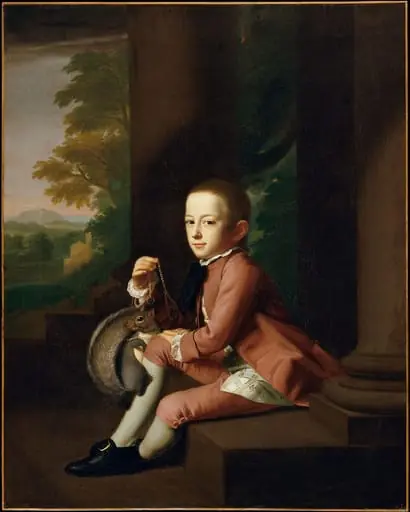 Daniel Crommelin Verplanck
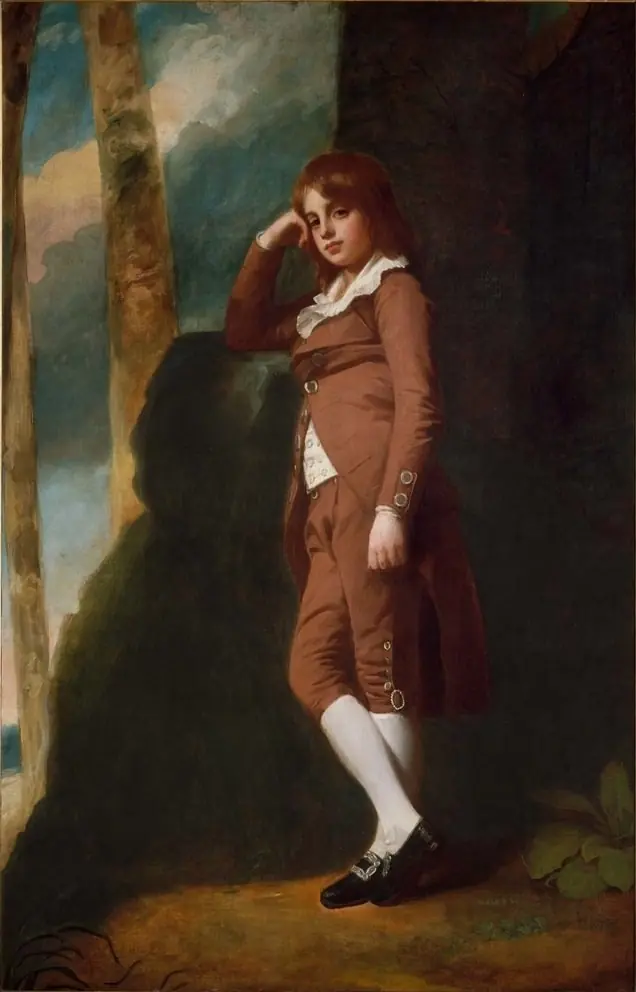 John Bensley Thornhill (1773–1841) as a Boy
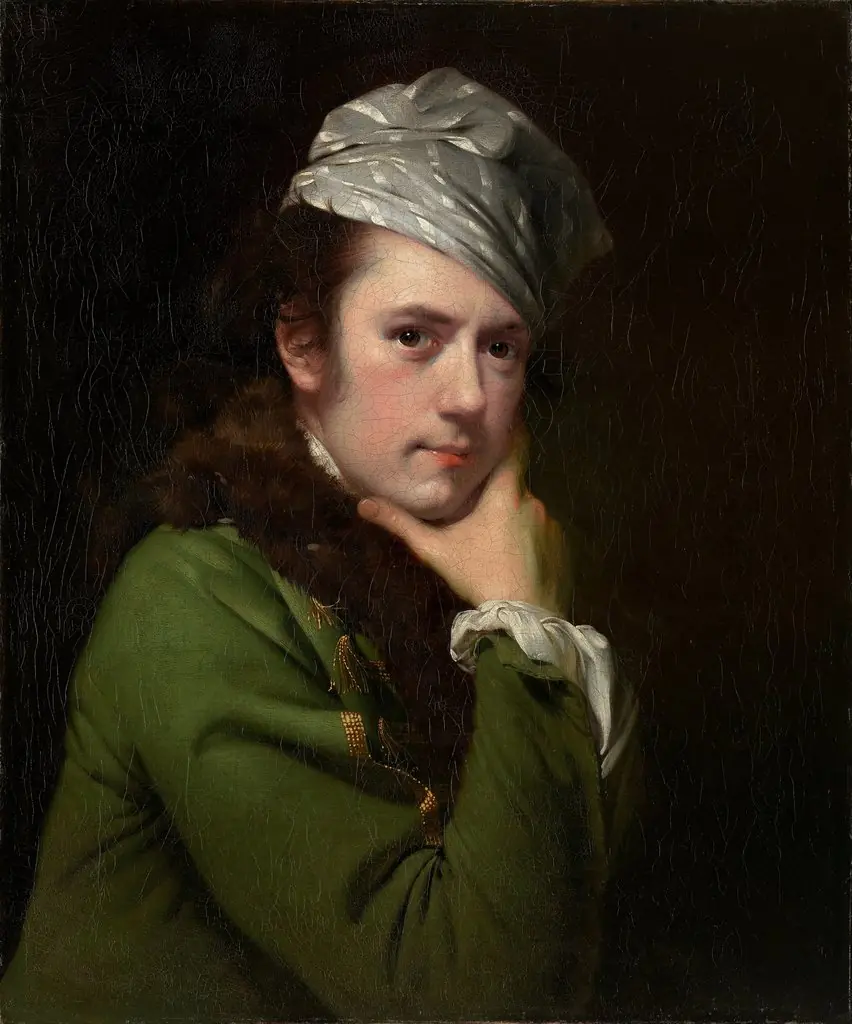 Self-portrait
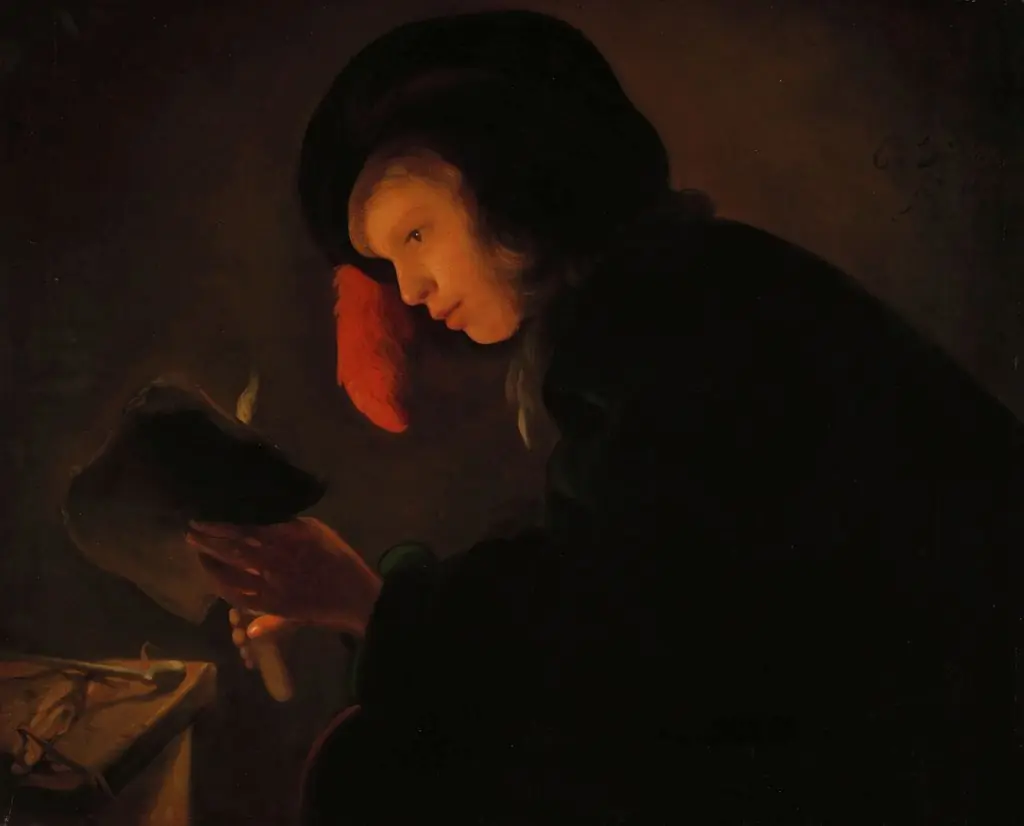 Young man by candle light
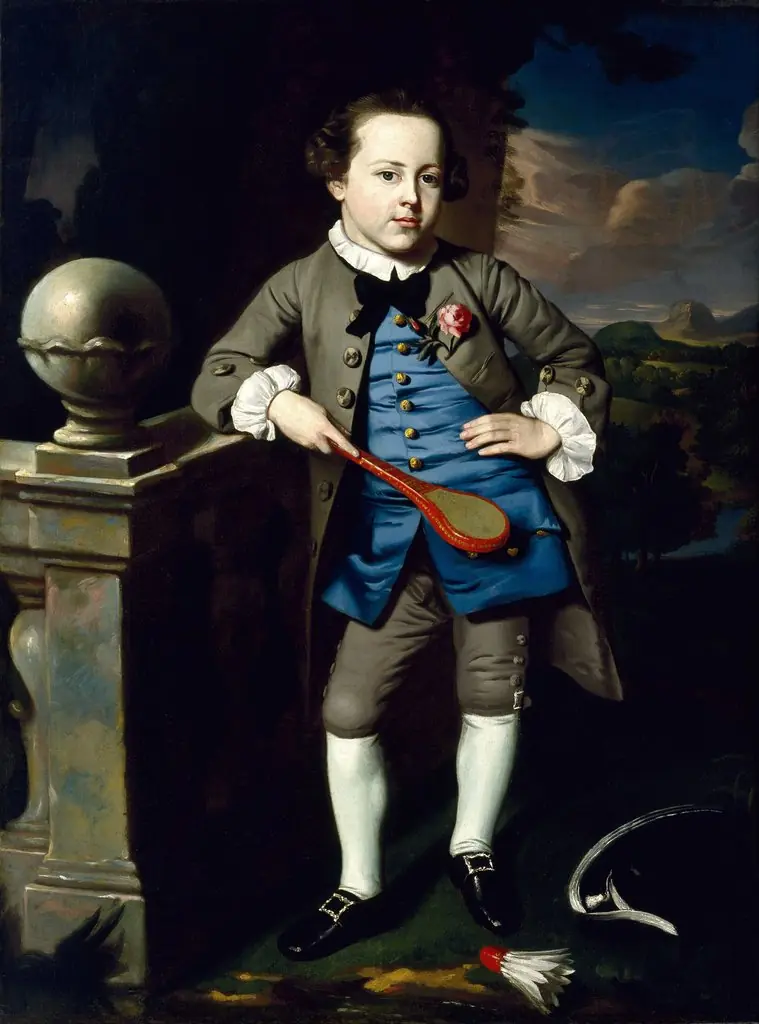 Portrait of a Boy
 Young Man by Candlelight
 A Boy with a Lesson-book
 Portrait of a Boy (Horace Hone), Sketching
 Portrait of a Young Man
 Portrait of Auguste Gabriel Godefroy
 Girl with a Doll
- A fisher boy