Artwork
Catherine Greene
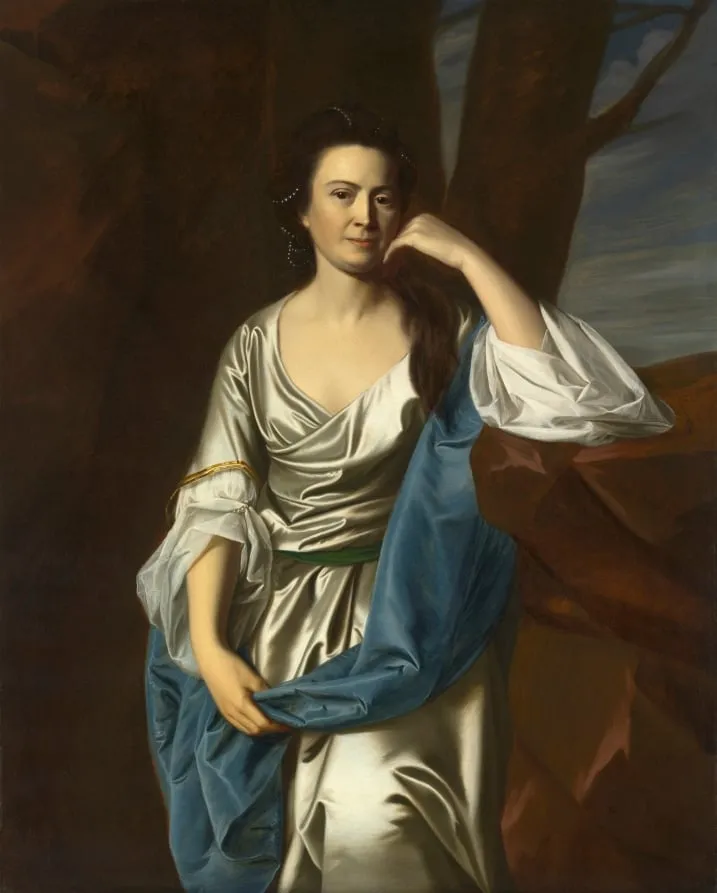
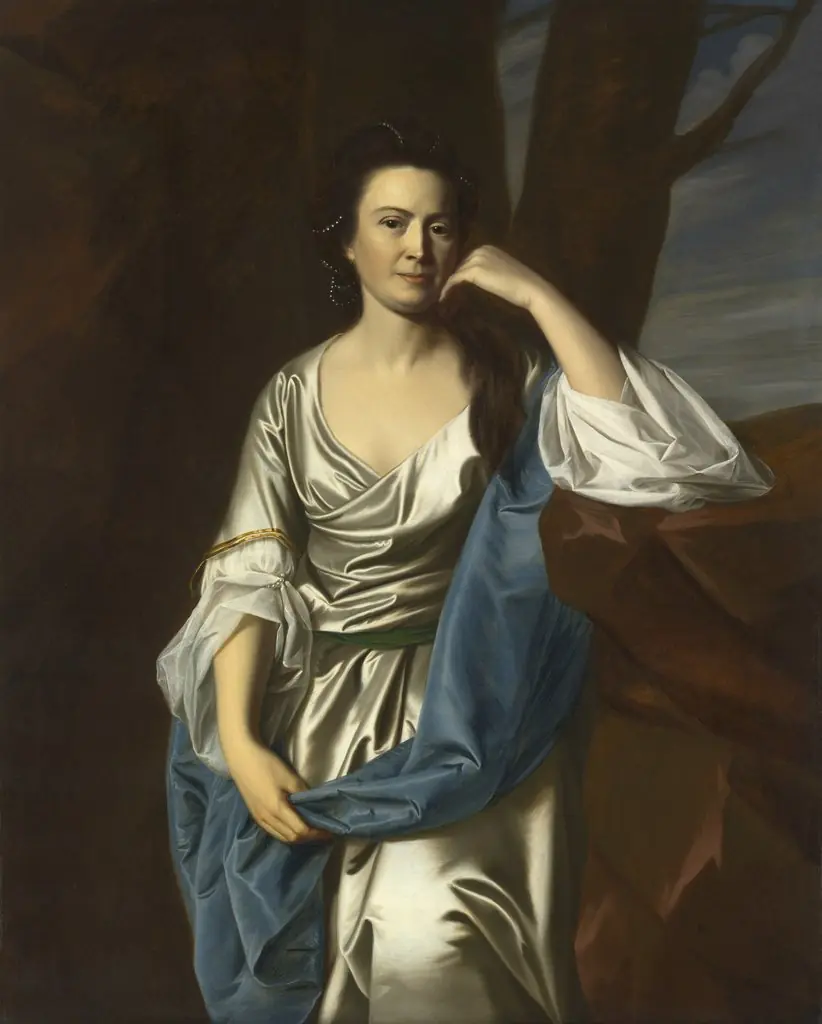
Catherine Greene is an unspecified painting by the Rococo painting artist John Singleton Copley. It dates from 1769 and is held in the collection of the Cleveland Museum of Art.
- Accession no.
- 1915.527
About this work
The pose and costume were copied from an English print, but the details feel distinctly American, soft, precise, and a little stiff.
A woman in a pale blue gown stands against a dark background. Her dress has puffy sleeves and a sash tied in a bow. She leans on what looks like a rock, but it’s clearly painted, not real.
This portrait was made in 1769, after 13 years of marriage. The artist, Copley, was known for making fabrics look rich and real. The pose and costume were copied from an English print, but the details feel distinctly American, soft, precise, and a little stiff.
If you like this, look up more portraits by John Singleton Copley (American, 1738–1815).
Overview
John Singleton Copley painted Catherine Greene in 1769, commemorating thirteen years of marriage to merchant John Greene. The portrait presents the 34‑year‑old wife in a light blue gown with puffed sleeves, a bow‑tied sash, and a pose that suggests she is leaning against a painted rock. The original frame remains intact, preserving the work’s early presentation.
Subject & Meaning
Catherine Greene is depicted in an elaborate costume that draws on antiquarian fashion, positioning her within an idealized, almost theatrical realm. The composition elevates her status beyond everyday life, presenting her as a figure of refined elegance and genteel poise, reflecting the aspirations of her social class.
Technique & Style
Copley’s skill in rendering textiles is evident in the meticulous depiction of the gown’s sheen and the delicate folds of the sleeves. The painted rock, rendered with subtle shading, functions as a decorative prop rather than a realistic element, underscoring the work’s staged quality while showcasing the artist’s precise brushwork.
History & Provenance
The portrait was commissioned by John Greene, a prosperous Boston merchant, as a companion piece to his own likeness. Both paintings have remained together since their creation, and the original frame has survived, indicating continuous ownership or careful preservation through successive generations.
Context
Created in pre‑Revolutionary Boston, the work reflects the colonial elite’s desire to emulate European tastes while asserting a distinct American identity. Copley’s adoption of an English engraving for the pose demonstrates transatlantic artistic exchange, yet his handling of light and texture retains a uniquely New England sensibility.
Legacy
Catherine Greene stands as an exemplar of Copley’s portraiture during his Boston period, illustrating his capacity to blend European conventions with local nuance. The painting continues to inform studies of colonial fashion, patronage, and the development of American portraiture in the decades preceding independence.
Artist & collection

Artist
John Singleton Copley (July 3, 1738 – September 9, 1815) was an American-born British painter active in both the Thirteen Colonies and England.


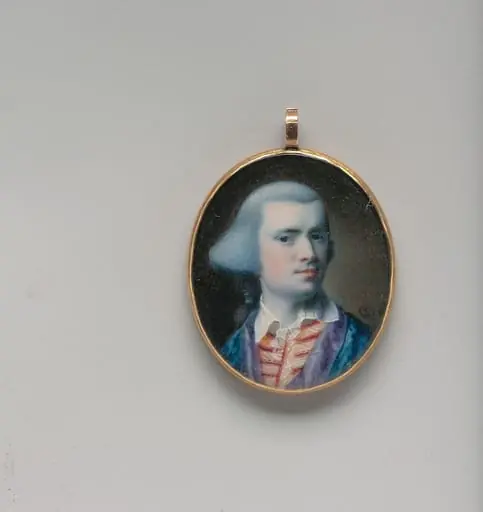
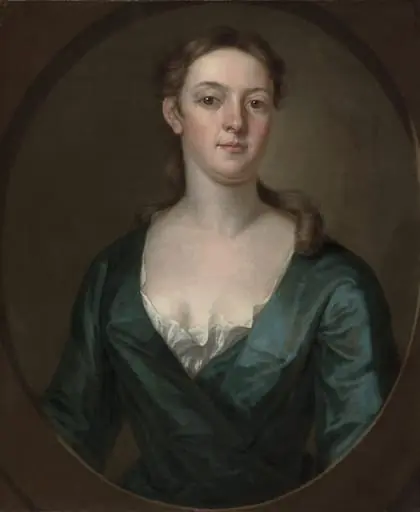 Portrait of a Woman (Judith Colman Bulfinch?)
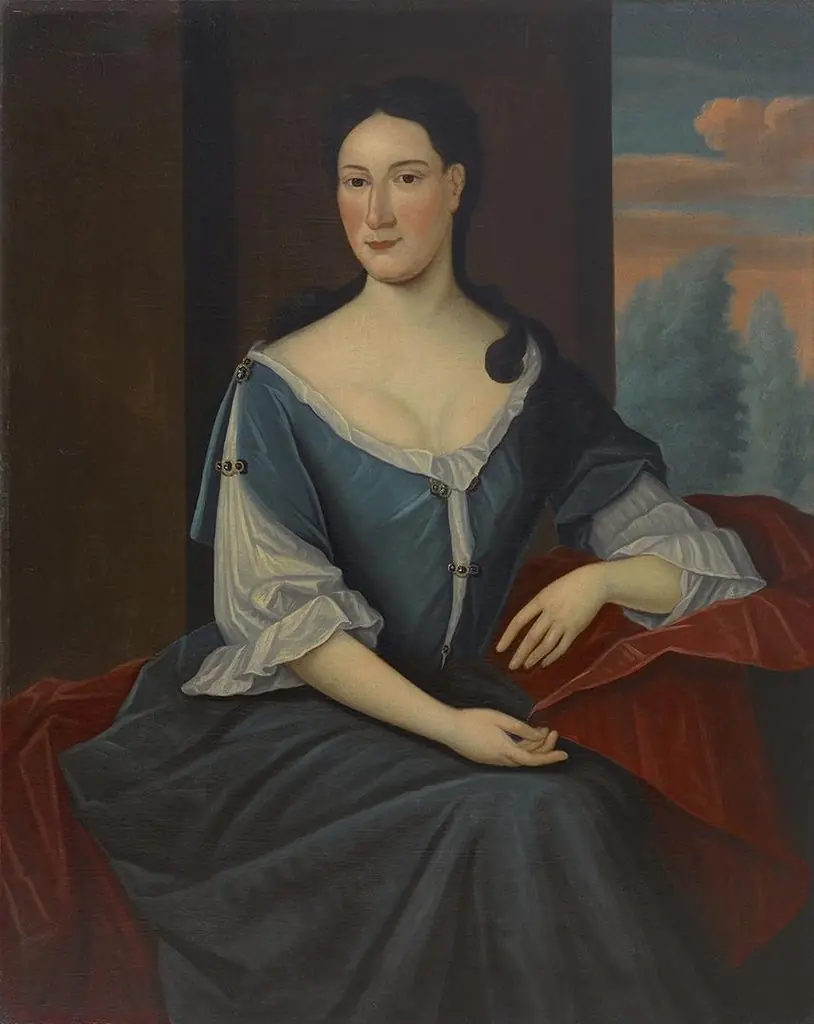 Mrs. Jacob Franks (Abigaill Levy)
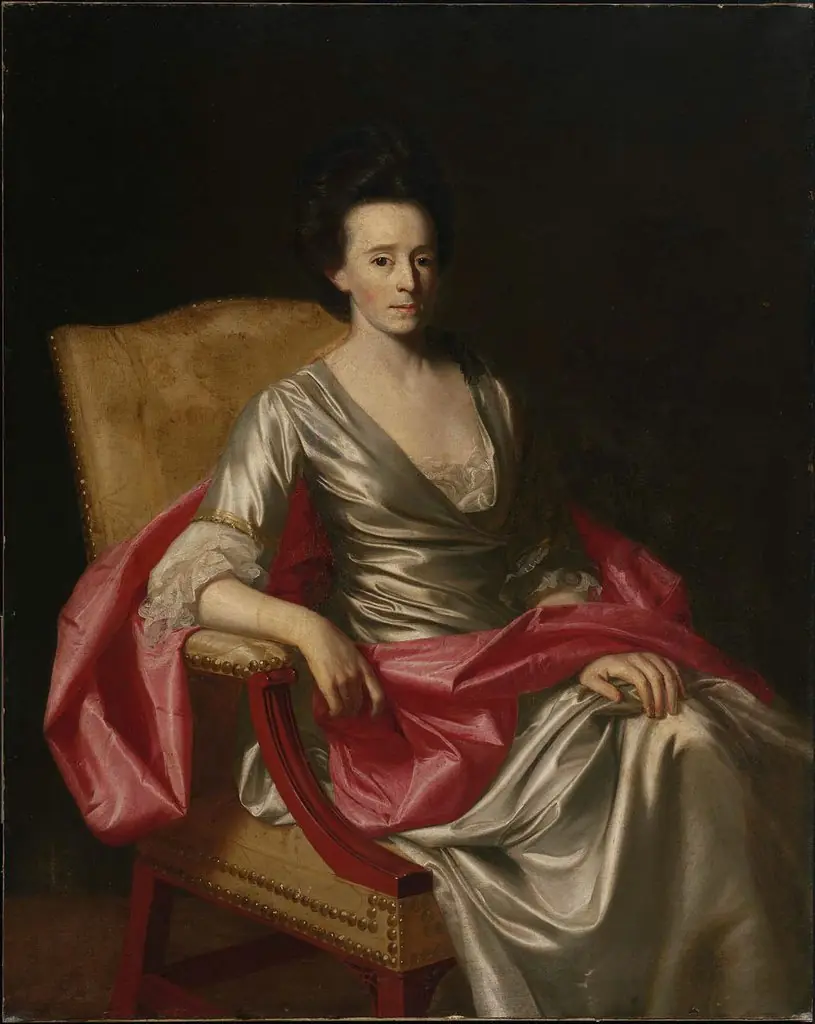 Mrs. Timothy Rogers (Lucy Boylston)
 Portrait of a Woman, Called Maria Taylor Byrd
 Portrait of Elizabeth Chew Smith
 Barbara, Countess of Pembroke & Mont
 Mrs. Joseph Warren (Elizabeth Hooton)
 Susan Apthorp (Mrs. Thomas Bulfinch)
 Possible Portrait of Hester Vanhomrigh ('Vanessa') (1690-1723)
 Mrs. Samuel Cutts
 Elizabeth, Lady Blunt
- Catherine Greene