Artwork
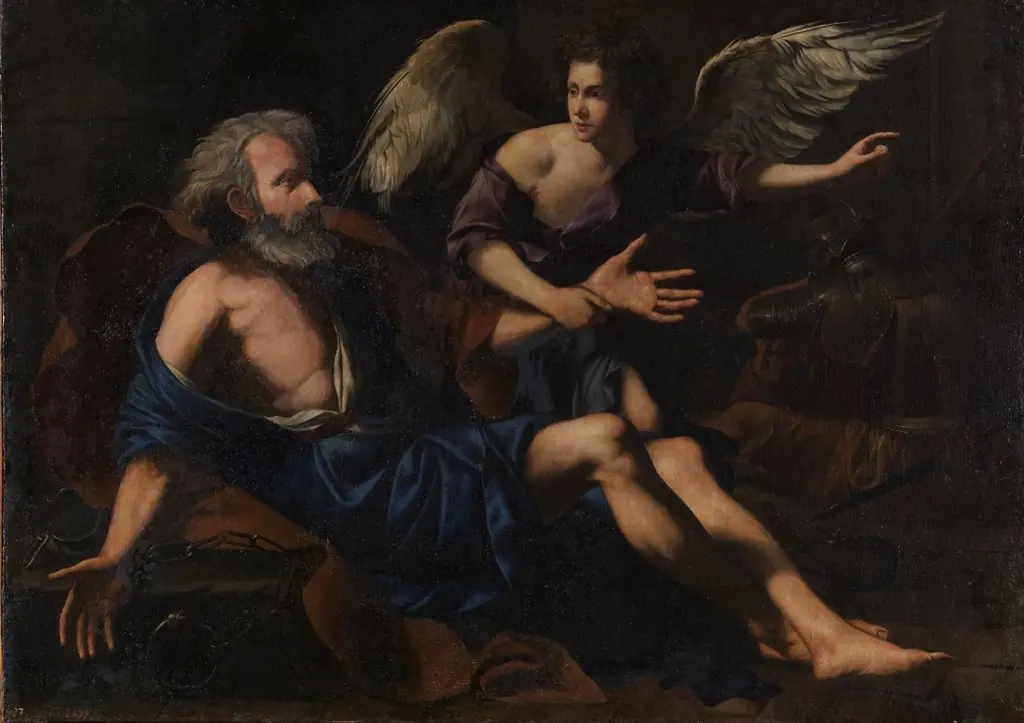
Liberation of Saint Peter
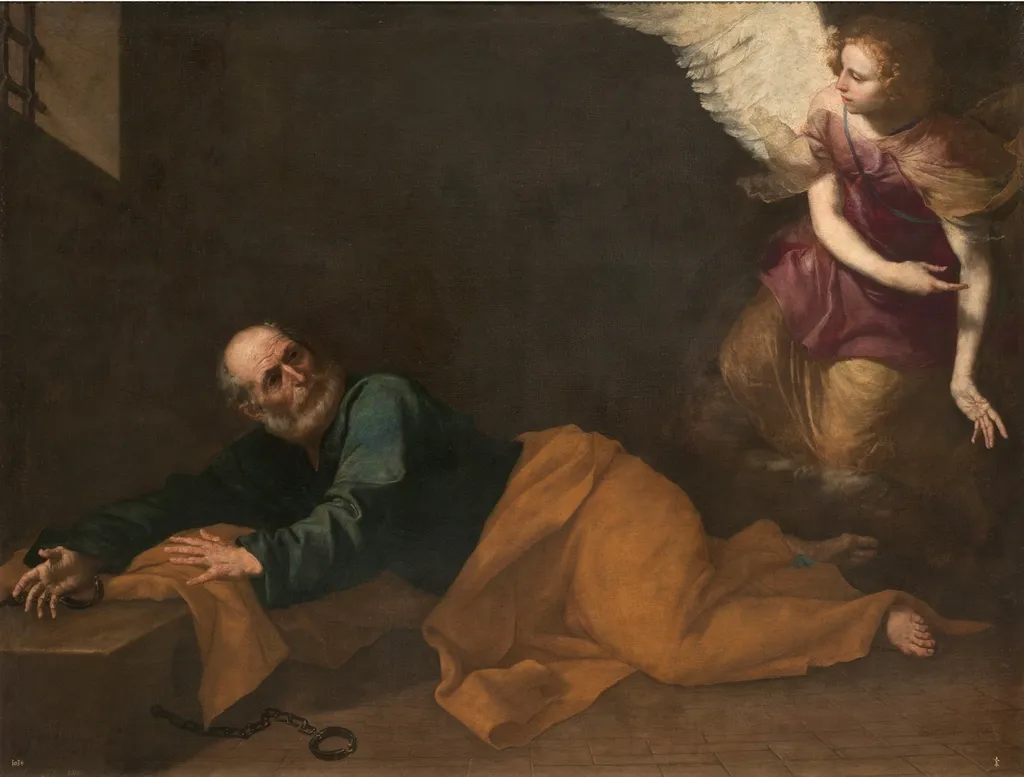
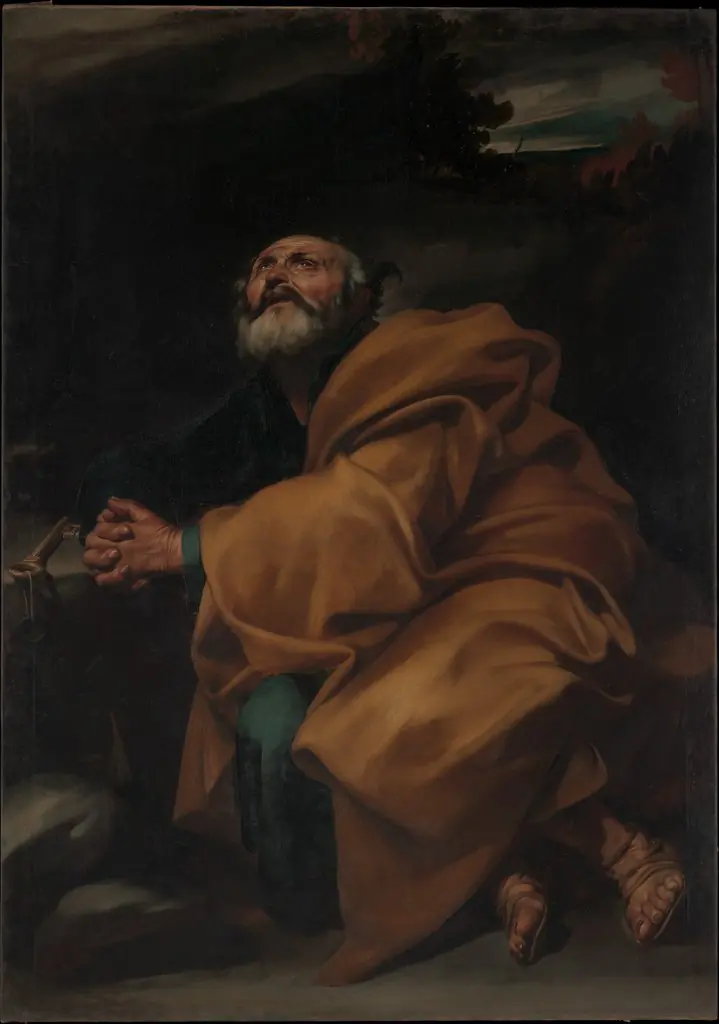
Liberation of Saint Peter is an oil painting by the Early Baroque Italian artist Jusepe de Ribera. It dates from 1639 and is held in the collection of the Museo del Prado.
About this work
Subject & Meaning
The composition illustrates the narrative of Peter's deliverance, a common theme in Christian iconography that symbolizes faith and miraculous intervention.
Jusepe de Ribera's 1639 oil painting depicts the biblical episode of Saint Peter's liberation from prison. As a work of religious art, the subject centers on the apostle Saint Peter, capturing the moment of his divine rescue. The composition illustrates the narrative of Peter's deliverance, a common theme in Christian iconography that symbolizes faith and miraculous intervention.
The painting serves as a visual representation of this foundational story from the Acts of the Apostles, emphasizing the spiritual significance of the event within the context of seventeenth-century religious devotion.
Technique & Style
Jusepe de Ribera executed the Liberation of Saint Peter in 1639 using oil paint applied to a canvas support. The work measures 177 cm in height and 232 cm in width, establishing it as a substantial religious painting within the artist's oeuvre. Created during the Baroque period, the piece depicts the biblical narrative of Saint Peter's escape from prison, a subject treated with the dramatic intensity characteristic of Ribera's style.
The composition remains in the collection of the Museo del Prado, having passed through the holdings of the Spanish royal family, including Ferdinand VII and Charles III.
History & Provenance
Jusepe de Ribera's Liberation of Saint Peter was created in 1639, executed in oil paint on canvas. The painting subsequently entered the Spanish royal collection, passing through the hands of successive monarchs. Its documented ownership chain includes Philip V of Spain, Elisabeth Farnese, Charles III of Spain, and Ferdinand VII of Spain.
The work is now held by the Museo del Prado, with associated locations recorded at the Royal Palace of Aranjuez and the Royal Palace of La Granja de San Ildefonso, indicating its movement among royal residences before its present institutional custody.
The painting Liberation of Saint Peter by Jusepe de Ribera is held in the collection of the Museo del Prado. The work, created in 1639, measures 177 cm in height and 232 cm in width. Historical records indicate the piece was previously owned by a succession of Spanish monarchs, including Philip V, Elisabeth Farnese, Charles III, and Ferdinand VII.
While the artwork is associated with the Museo del Prado, it has also been located at the Royal Palace of Aranjuez and the Royal Palace of La Granja de San Ildefonso. The provided sources do not contain specific details regarding public exhibition history or a distinct inventory accession number.
Overview
The Liberation of Saint Peter is a 1639 oil painting by Jusepe de Ribera, a prominent figure in the Neapolitan art scene during the early Italian Baroque period.
Own this work as a print
Artist & collection
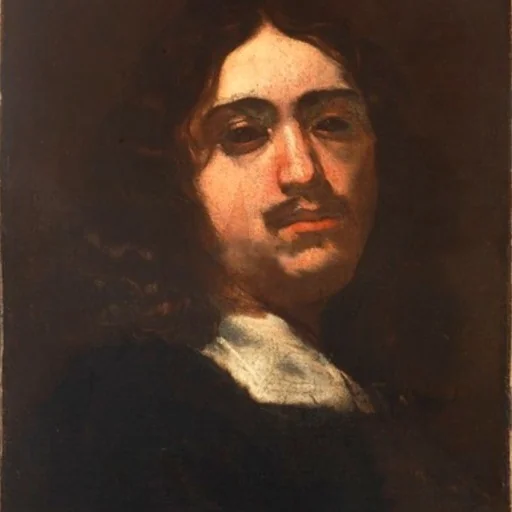
Artist
Jusepe de Ribera (Valencian:; baptised 17 February 1591 – 3 November 1652) was a Spanish painter and printmaker.