Artwork
明 佚名 禮佛圖 軸|Shakyamuni with luohan, heavenly king, and boys
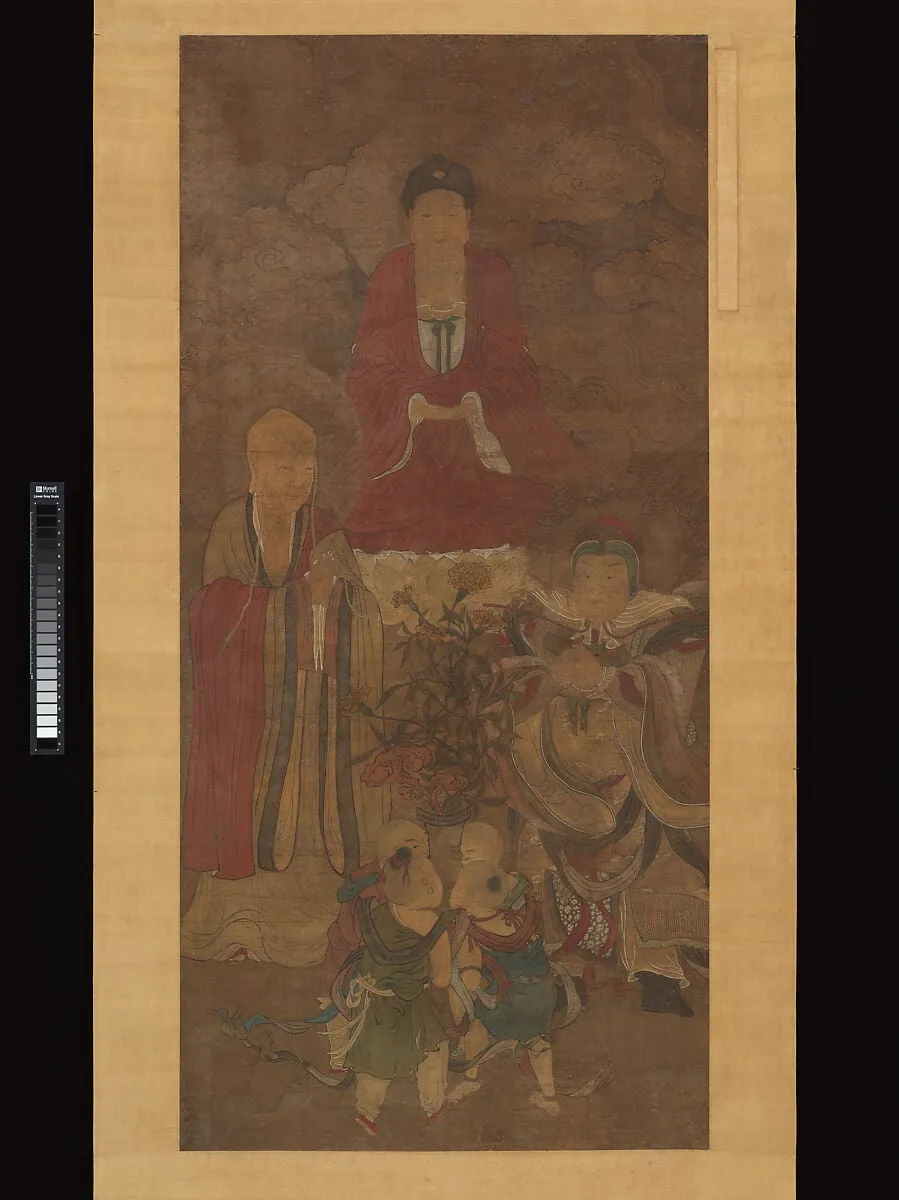
明 佚名 禮佛圖 軸|Shakyamuni with luohan, heavenly king, and boys is an ink painting. It dates from 1616 and is held in the collection of the Metropolitan Museum of Art. This hanging scroll, titled Shakyamuni with Luohan, Heavenly King, and Boys, is an anonymous work from China's Ming dynasty.
About this work
Subject & Meaning
By combining ink and color on silk, the painter renders these sacred personages to convey spiritual authority and the protective nature of the dharma.
Created in 1616 by an anonymous Chinese artist, this hanging scroll depicts a religious scene centered on Shakyamuni Buddha. The composition includes a luohan (arhat), a heavenly king, and boys gathered around the central figure, illustrating a specific moment of devotion or teaching within the Buddhist tradition. The presence of these diverse figures, ranging from enlightened beings and celestial guardians to lay children, symbolizes the broad reach of Buddhist doctrine across different realms of existence.
The work serves as a visual representation of reverence, likely intended for ritual use or contemplation, emphasizing the hierarchy and community inherent in the faith. By combining ink and color on silk, the painter renders these sacred personages to convey spiritual authority and the protective nature of the dharma.
Technique & Style
The work is a hanging scroll painted in ink and polychrome pigments on silk, produced in 1616 in China. Its support is silk, with the image executed in brush ink outlines supplemented by colored washes typical of early‑Ming religious painting. The composition shows Shakyamuni Buddha flanked by luohans, a heavenly king and attendant boys, a program of Buddhist iconography that defines its formal program.
As an anonymous piece in the Metropolitan Museum of Art, the scroll reflects the stylistic conventions of Chinese Buddhist art of the period, employing balanced figure placement and subtle color modulation. The painting’s condition is noted only as part of the museum’s collection, implying careful preservation.
History & Provenance
The hanging scroll Shakyamuni with luohan, heavenly king, and boys is dated 1616 and is attributed to an anonymous Ming-dynasty painter. The work entered the collection of the Metropolitan Museum of Art, where it is currently held. Its provenance prior to the museum’s acquisition is not specified in available records, and no documented commissioning history or original ownership chain has been identified.
The hanging scroll titled Shakyamuni with luohan, heavenly king, and boys, created in 1616 by an unknown artist, is currently held in the collection of the Metropolitan Museum of Art. The work, executed in ink and color on silk, is classified as a religious painting depicting Buddhist figures. While the specific accession or inventory number is not detailed in the provided records, the piece is cataloged within the museum's holdings as a significant example of Chinese religious art from the early seventeenth century.
The provided sources confirm the artwork's location and institutional ownership but do not list any specific past or present exhibition history for this particular piece.
Overview
This hanging scroll, titled Shakyamuni with Luohan, Heavenly King, and Boys, is an anonymous work from China's Ming dynasty. Executed with ink and color on silk, the painting depicts the Buddha Shakyamuni surrounded by a retinue of figures. This artwork exemplifies the devotional painting tradition prevalent during its era, offering insight into religious iconography and artistic practices of the period.
Context
This anonymous Ming dynasty painting offers a glimpse into the artistic landscape of its time. Its style resonates with other Chinese paintings from the same period, reflecting shared aesthetic principles and iconographic traditions. Examining this work alongside other examples from institutions like The Metropolitan Museum of Art can further illuminate the broader artistic currents and devotional practices that shaped Chinese art history.
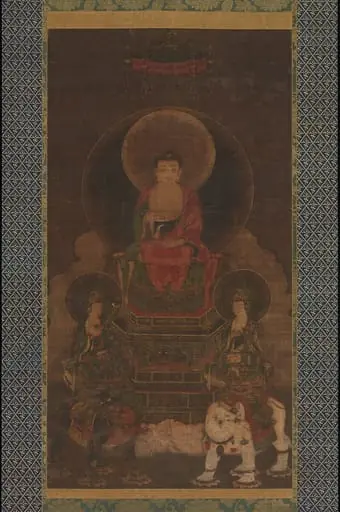
Artist & collection

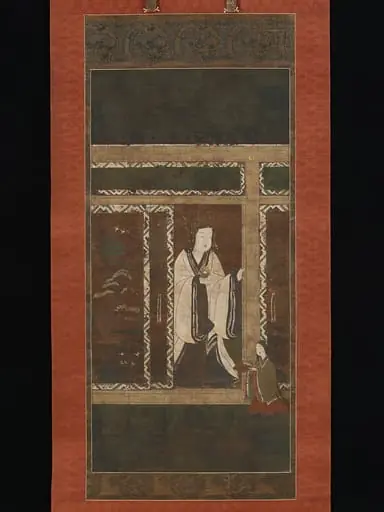 清滝権現像|Seiryū Gongen
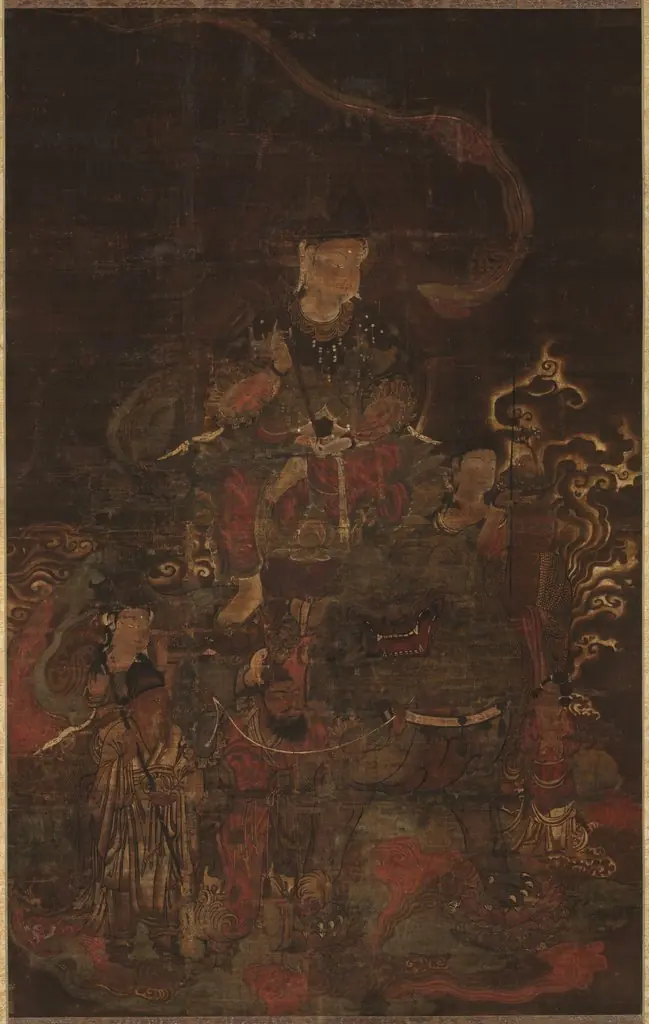 Monju Riding Lion with Attendants
 Monju Riding Lion with Attendants
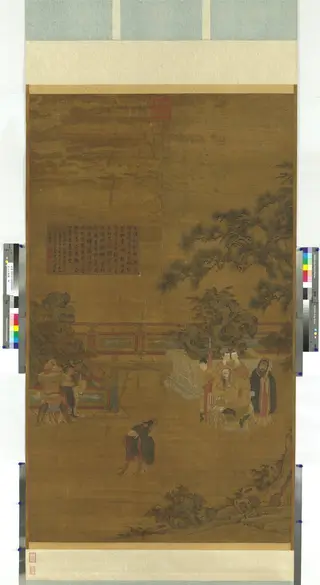 宋人折檻圖 軸
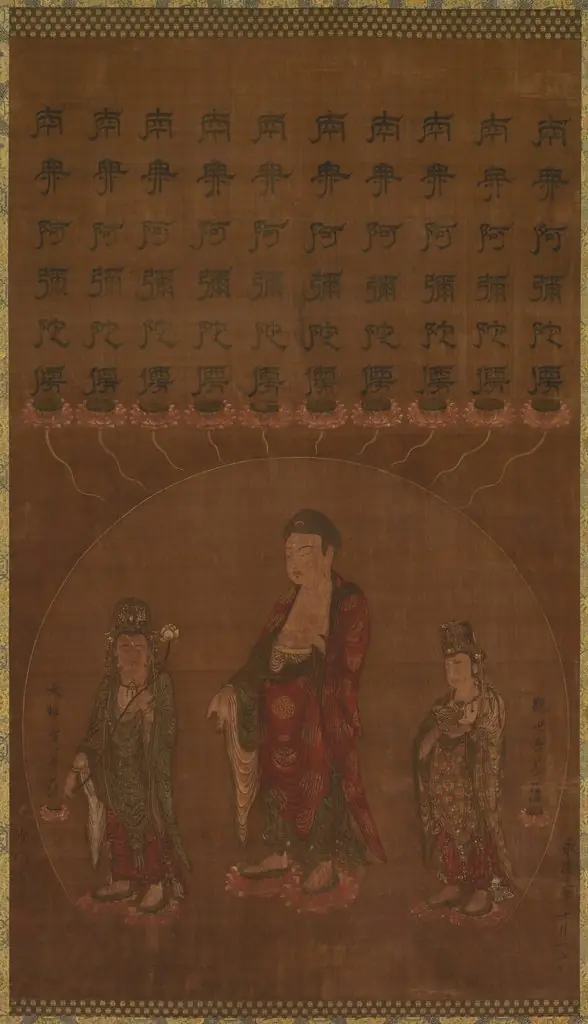 Buddha Amitābha with Two Attending Bodhisattvas
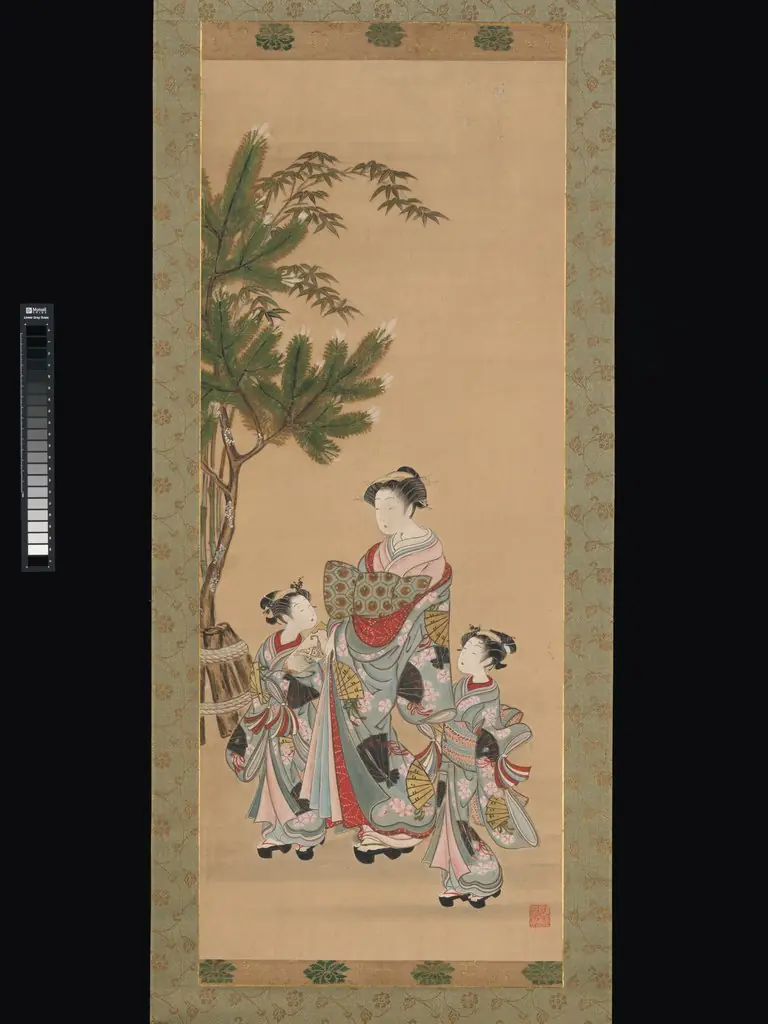 Courtesan and Two Attendants on New Year's Day
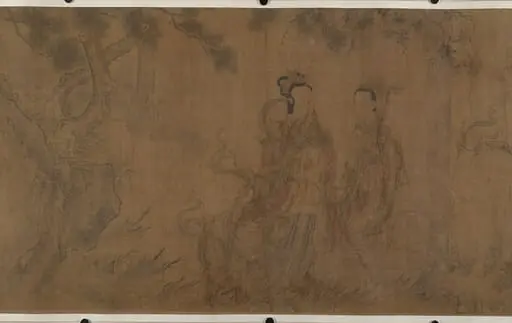 元? 佚名 仿李公麟 屈原九歌圖 卷|The Nine Songs: Illustrations to the poems of Qu Yuan (343–277 B.C.)
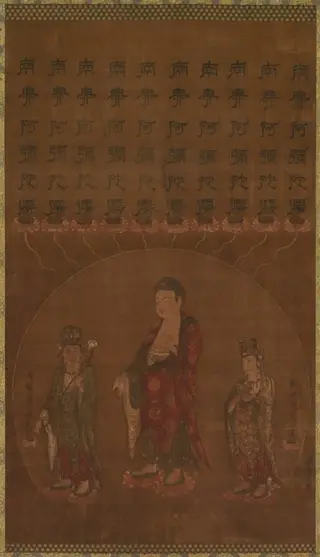 Buddha Amitābha with Two Attending Bodhisattvas
 狩野常信筆 楊貴妃吹笛図|Yang Guifei Playing a Flute
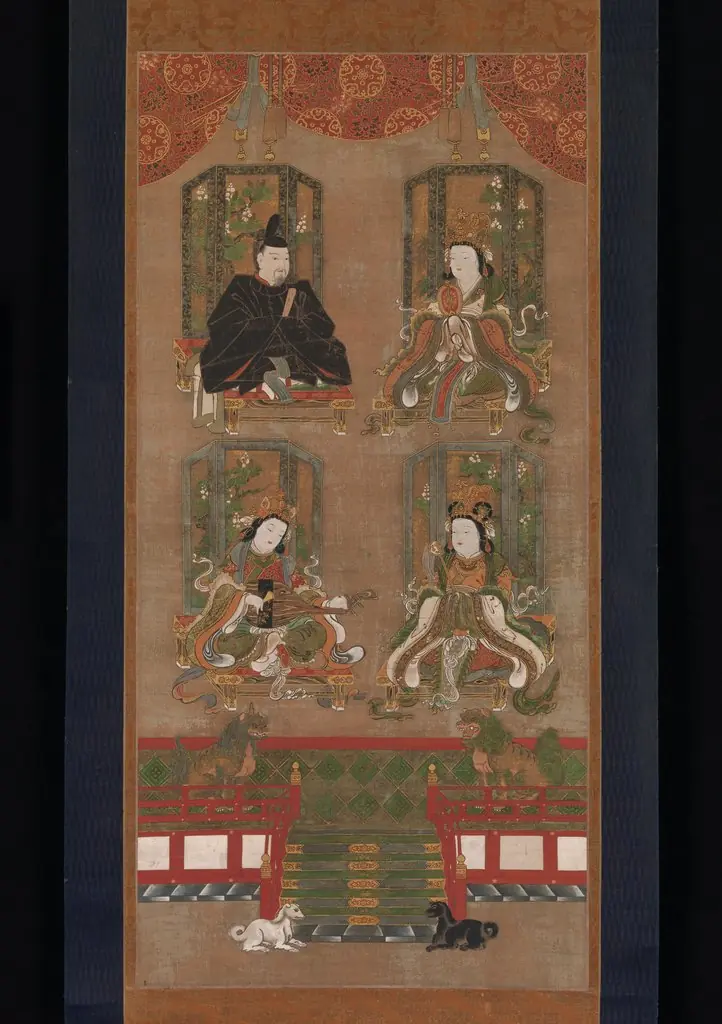 The Four Deities of Mount Kōya