Artwork
加藤信清筆 羅漢図|Ten Rakan Examining a Painting of White-Robed Kannon
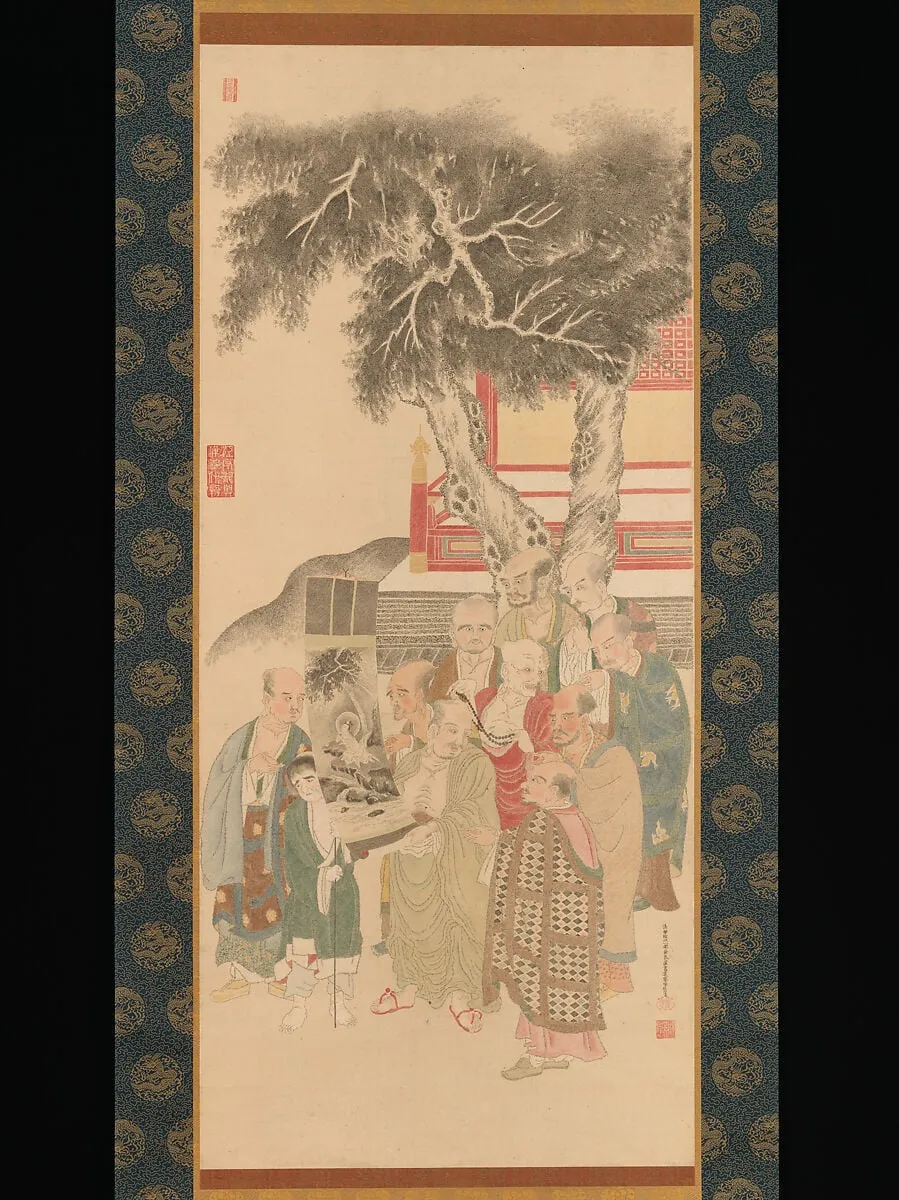
加藤信清筆 羅漢図|Ten Rakan Examining a Painting of White-Robed Kannon is an ink painting by the Nihonga artist Katō Nobukiyo. It dates from 1790 and is held in the collection of the Metropolitan Museum of Art.
About this work
Subject & Meaning
The painting portrays Ten Rakan, Buddhist arhats, examining a depiction of White-Robed Kannon.
The painting portrays Ten Rakan, Buddhist arhats, examining a depiction of White-Robed Kannon. Its iconography combines the group of arhats with the Kannon figure, both significant in Buddhist religious imagery, symbolizing devotion and the transmission of sacred visual teachings. Executed in 1790 as a hanging scroll in ink and color on paper, the work is classified as a religious painting and was produced in Japan, now held by the Metropolitan Museum of Art.
Technique & Style
The work is executed as a hanging scroll in ink and color on paper. Its religious genre and depiction of ten rakan (arhats) gathered around a painting of the White-Robed Kannon suggest a composition built around figural grouping and layered narrative space typical of Edo-period Buddhist painting. The use of color alongside ink indicates a polychrome technique rather than a monochrome ink-wash approach, allowing for differentiated robes, attributes, and the iconic white garment of the depicted Kannon image to stand out within the scene.
History & Provenance
The painting is held in the collection of the Metropolitan Museum of Art. The work is associated with the Metropolitan Museum of Art as both its collection and location, indicating that it is housed there. The painting's inception is dated to 1790, and it was made in Japan.
No specific inventory or accession number is provided in the available sources, and no exhibition history is documented.
Overview
This hanging scroll, titled Ten Rakan Examining a Painting of White-Robed Kannon, was created by the artist Katō Nobukiyo in 1790. Executed with ink and color on paper, this religious painting presents a scene of Buddhist saints engaged in a contemplative moment. It offers a glimpse into the artistic and spiritual interests prevalent during its creation period, serving as a significant example of devotional art from the late 18th century.
Artist & collection


 Untitled
 Untitled
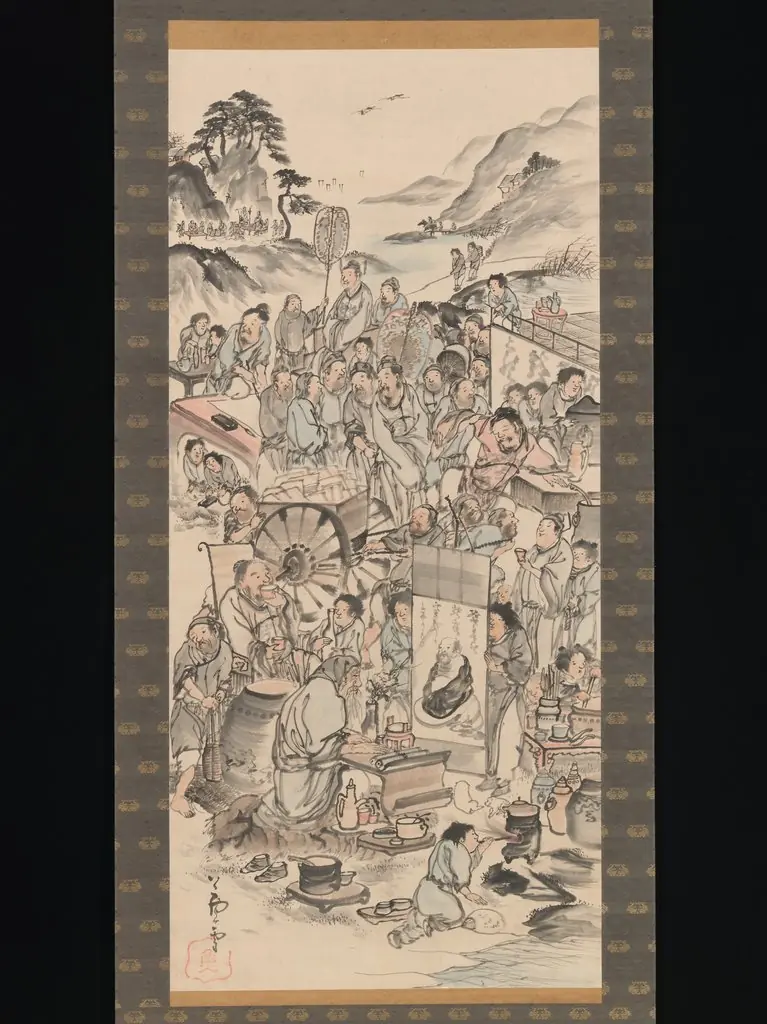 Drinking Festival of the Eight Immortals of the Wine Cup
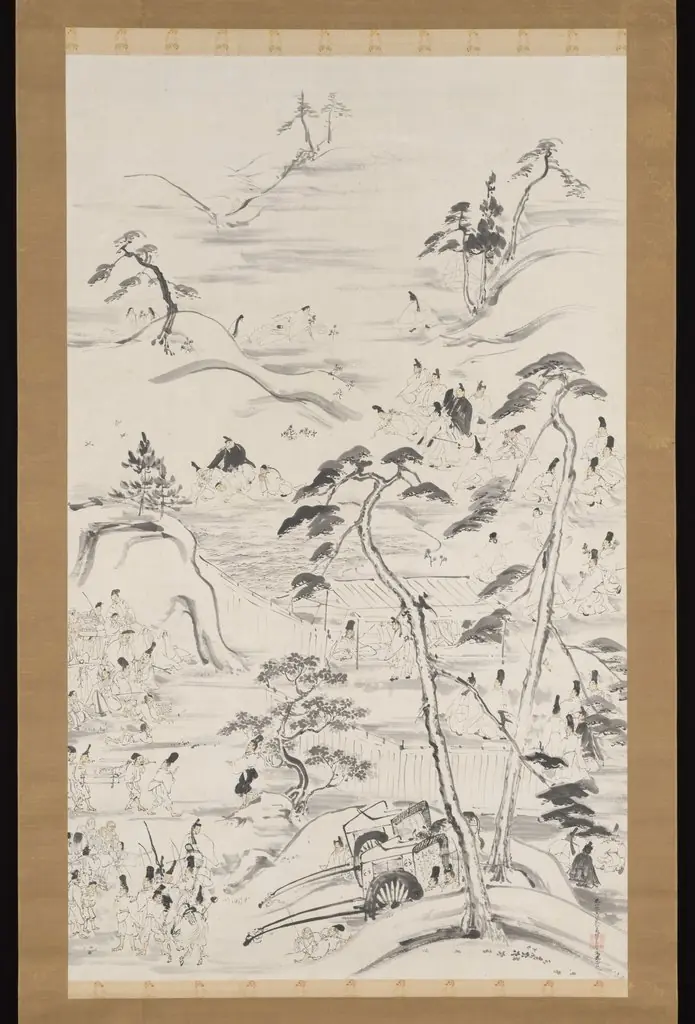 Emperor Enyū’s Outing to Funaokayama on the First Day of the Rat in the New Year
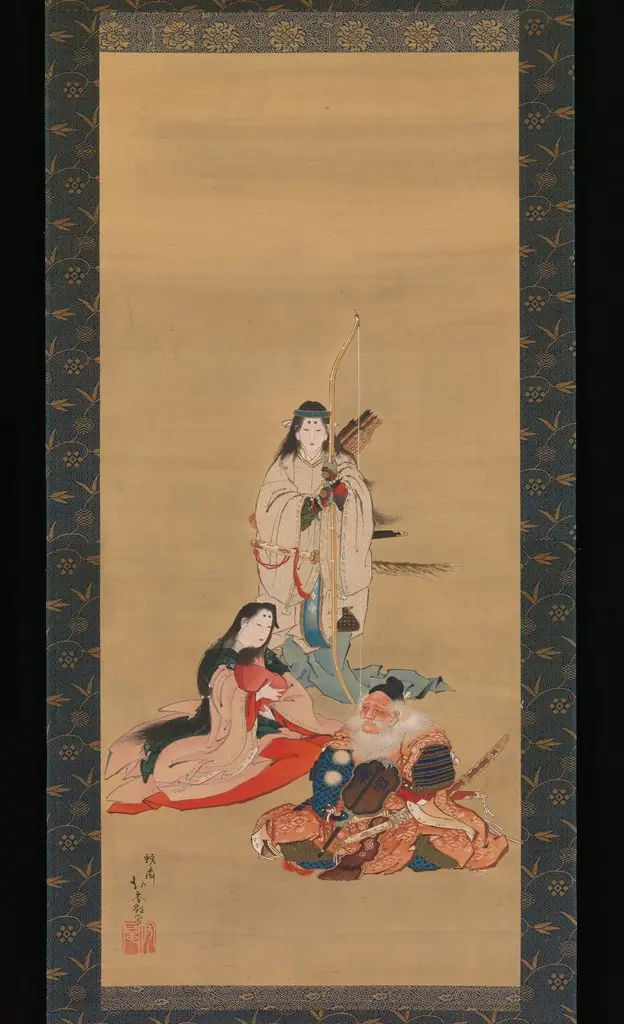 The Legendary Empress Jingū
 Untitled
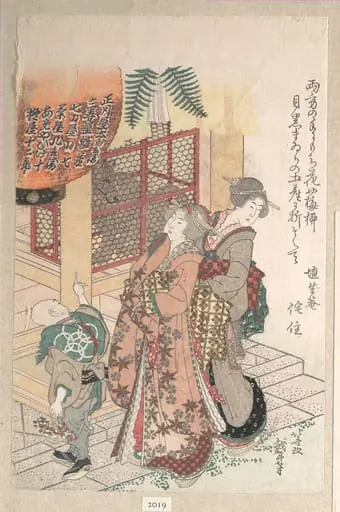 初詣|Young Women Visiting a Shinto Shrine
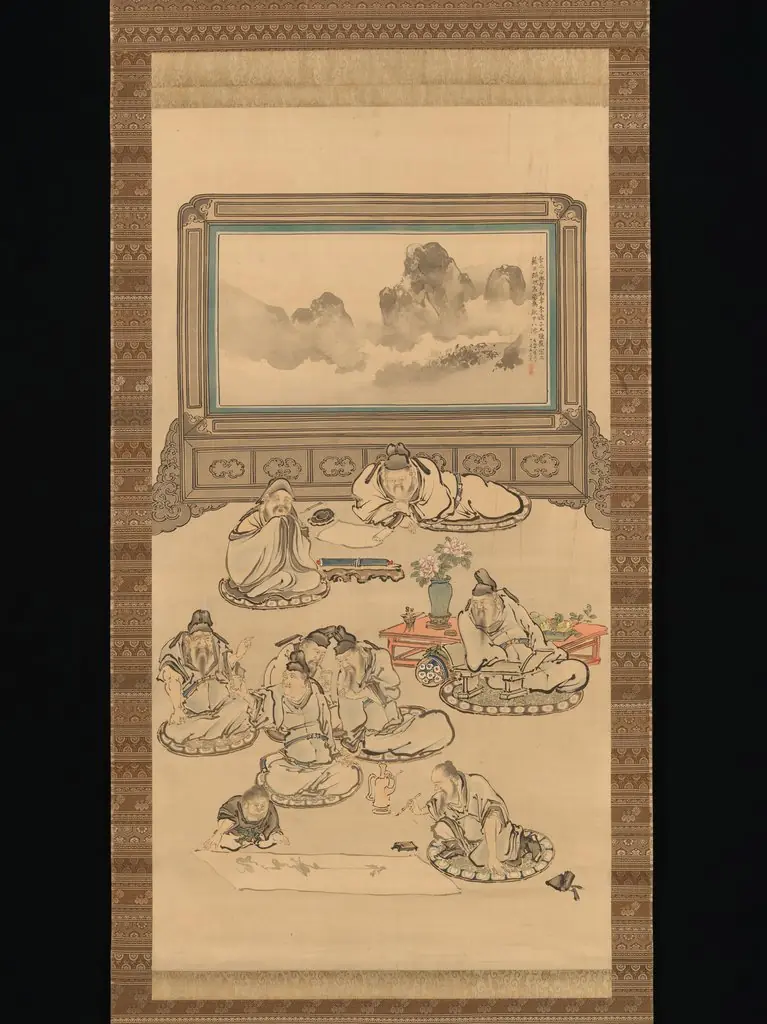 The Eight Immortals of the Wine Cup
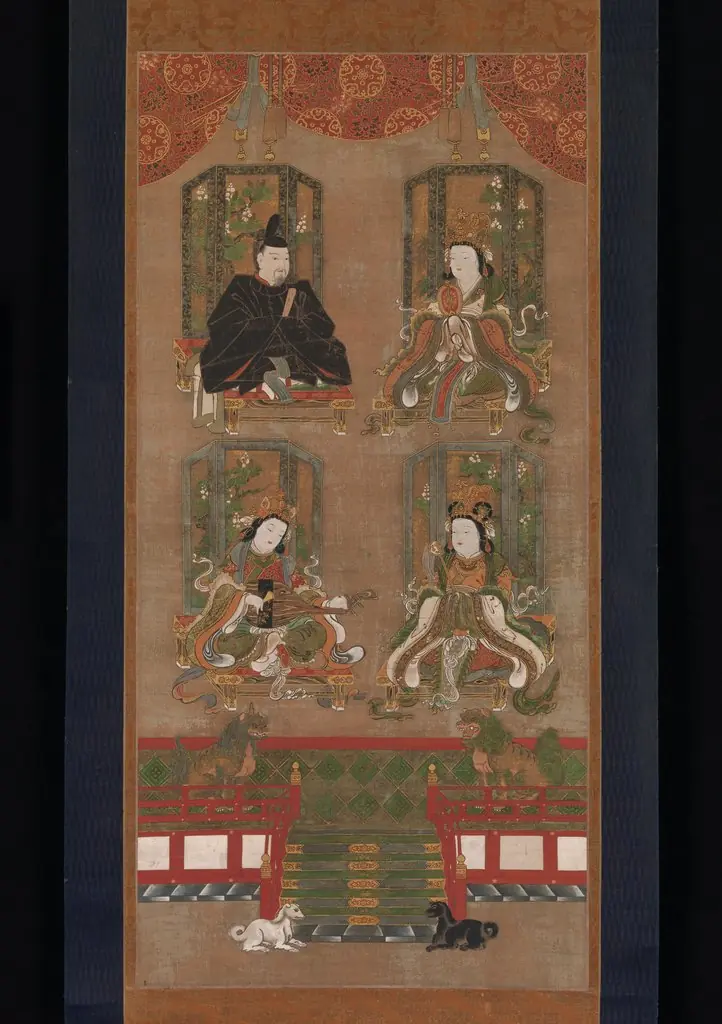 The Four Deities of Mount Kōya
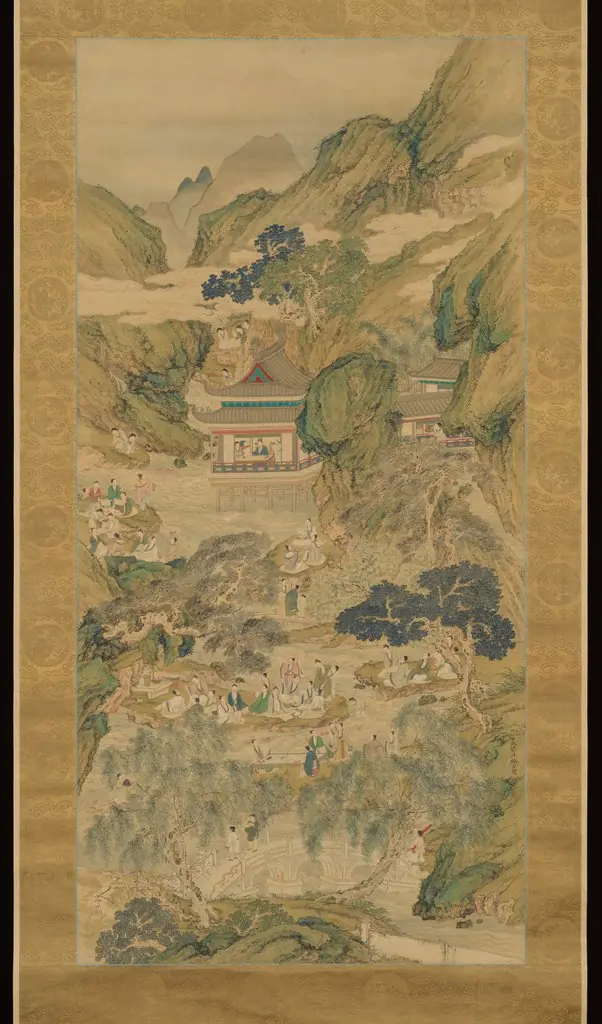 Lanting Gathering in Blue and Green 青緑蘭亭脩禊図 (Seiryoku rantei shūkei zu)
 The Eighteen Scholars
- 明 張路 觀畫圖 軸|Studying a painting