Artwork
Fată cu coif și cuirasă
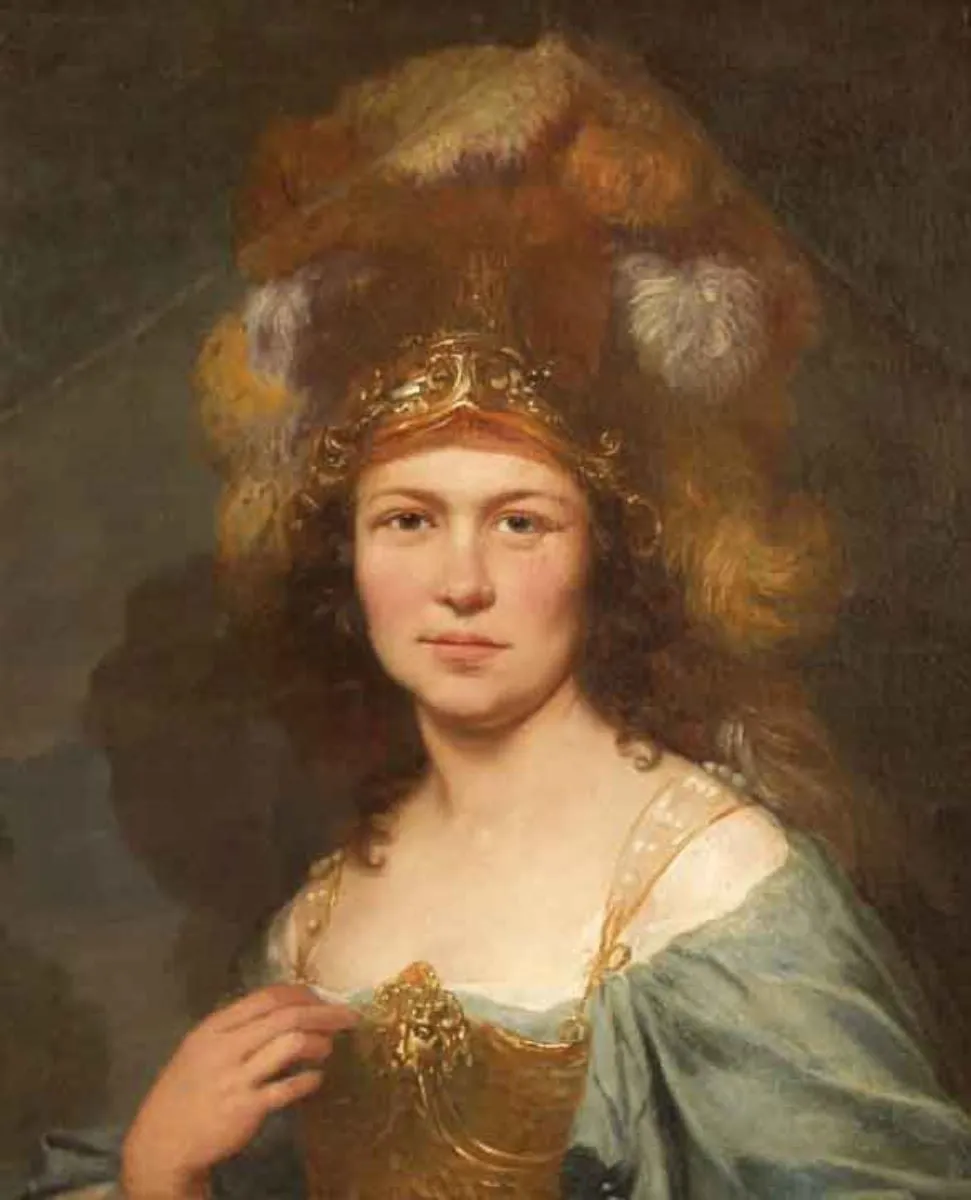
Fată cu coif și cuirasă is an unspecified painting by the Baroque artist Gerard de Lairesse. It dates from 1686 and is held in the collection of the Brukenthal National Museum.
About this work
Overview
Its composition, lighting and refined finish reflect the artist’s engagement with contemporary French classicism and the broader northern Renaissance tradition.
Created circa 1686 by the Dutch painter Gerard de Lairesse, Fată cu coif și cuirasă presents a single female figure rendered against a dark backdrop. The work exemplifies the late‑17th‑century shift toward classical allegory, merging portraiture with symbolic attire. Its composition, lighting and refined finish reflect the artist’s engagement with contemporary French classicism and the broader northern Renaissance tradition.
Subject & Meaning
The sitter is a young woman whose hair, a vivid reddish‑gold, is gathered under an ornate golden headpiece. She is dressed in a light greenish gown trimmed with a gold collar and bears a small, decorative object in her left hand, while a stylised helmet and cuirass suggest a martial or heroic allegory. Such attributes were typical of the period’s use of classical costume to convey virtues or mythic identities.
Technique & Style
De Lairesse employs a chiaroscuro scheme that isolates the figure from the surrounding darkness, allowing the illuminated skin and fabric to appear three‑dimensional. Soft, blended brushstrokes give the hair a luminous quality, while precise modeling of the dress and armor creates a smooth, lifelike surface. The palette balances warm golds with cool greens, reinforcing the contrast between light and shadow.
History & Provenance
The painting originates from de Lairesse’s mature phase, after his return to the Dutch Republic from Paris, when he was integrating French classicist ideals into his practice. Though specific ownership records are sparse, the work entered public awareness through 19th‑century collections of Dutch Golden Age art and has been cited in catalogues of de Lairesse’s oeuvre.
Context
At the time of its execution, Dutch artists were increasingly looking to French academic models and the theoretical writings of Cesare Ripa, whose Iconologia supplied a visual vocabulary for allegorical portraiture. De Lairesse, both painter and theorist, contributed to this cross‑cultural exchange, using the portrait format to explore classical themes within a Northern European visual language.
Artist & collection
Artist
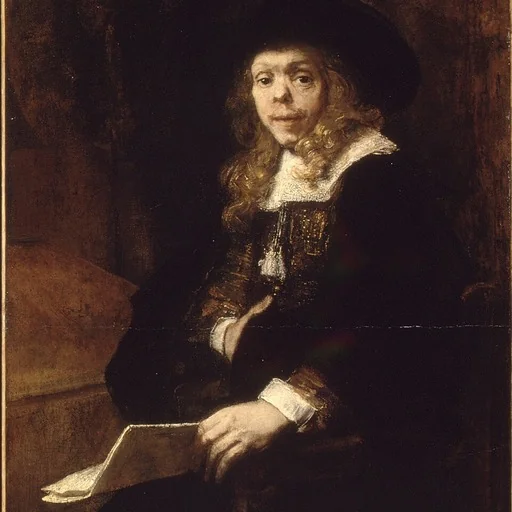
Gerard or Gérard (de) Lairesse (French pronunciation:; 11 September 1641 – June 1711) was a Dutch Golden Age painter and art theorist.

- Porträt der Varvara Shidlovskaya
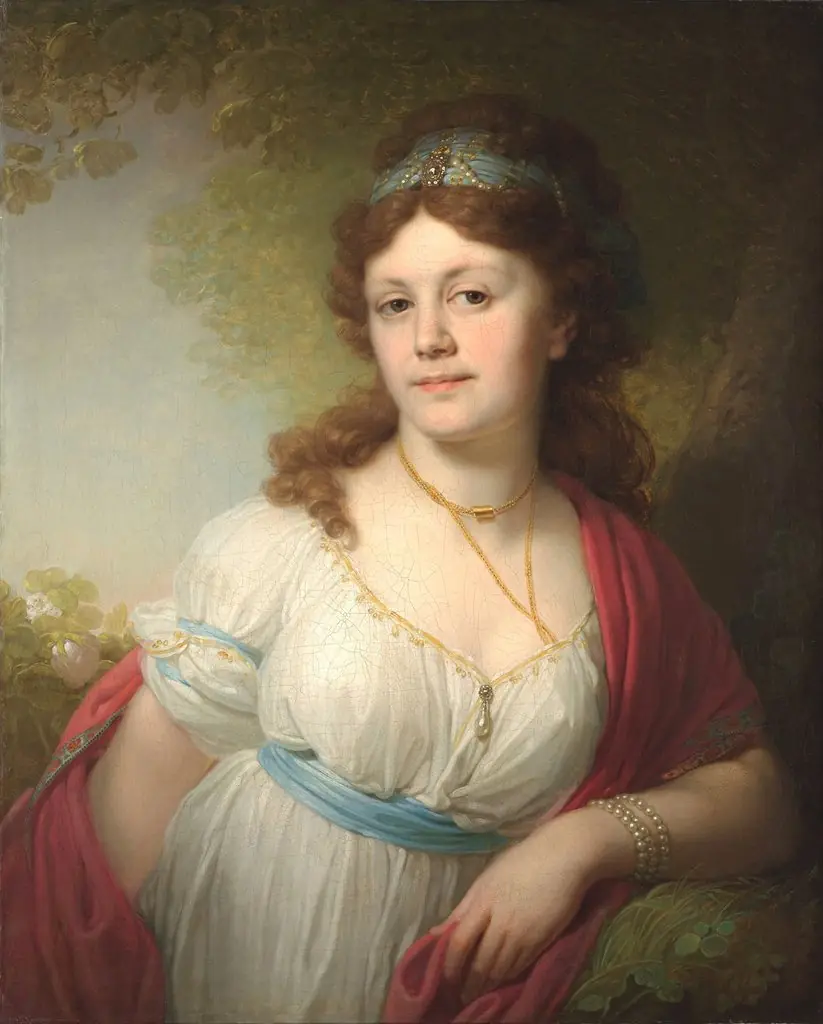 Porträt der Elizaveta Grigorevna Temkina (b.1775)
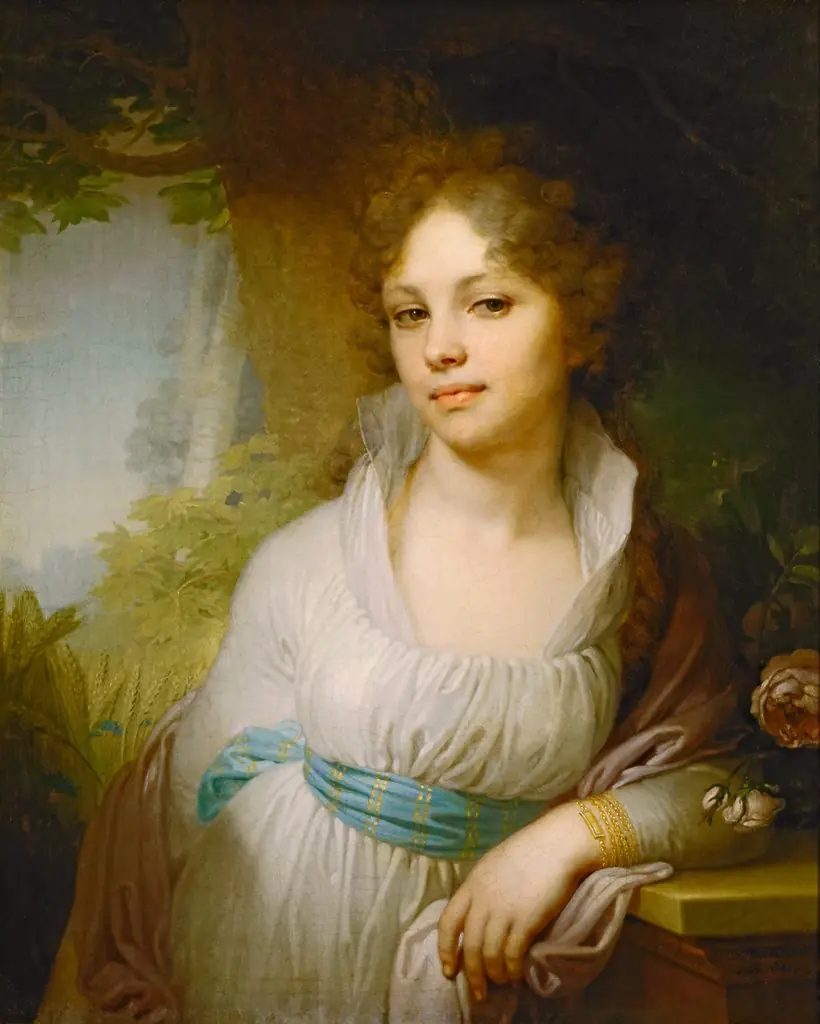 Portrait of Maria Ivanovna Lopukhina
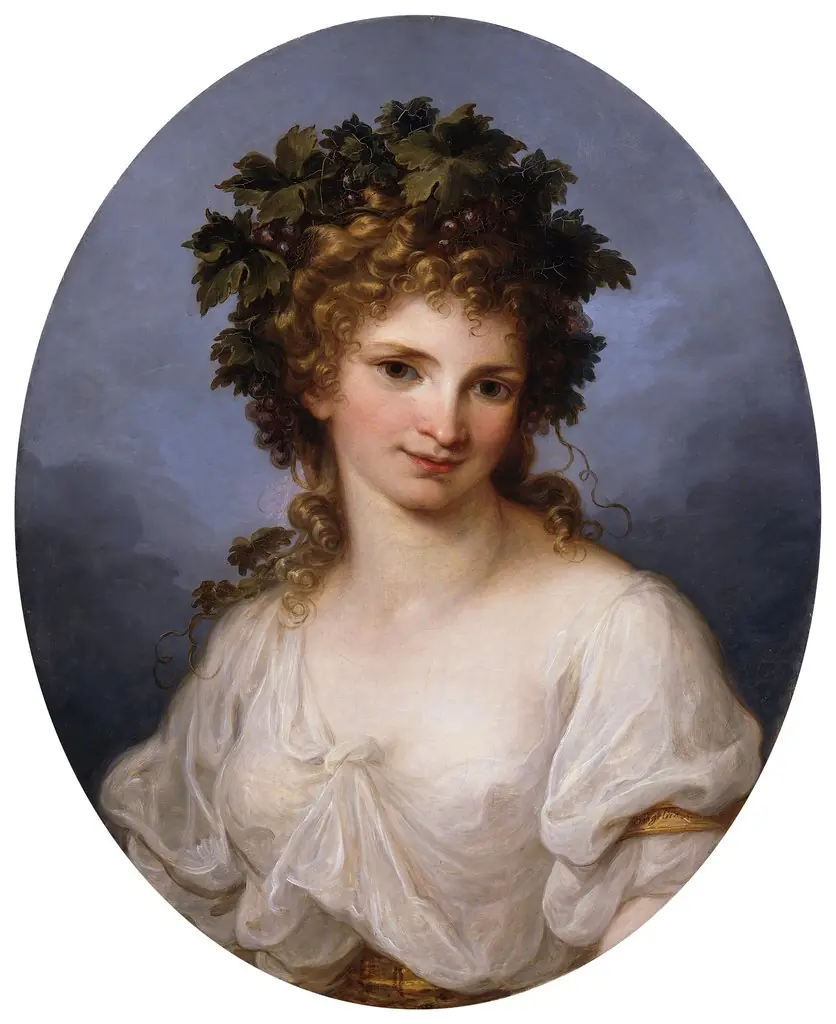 Bacchante
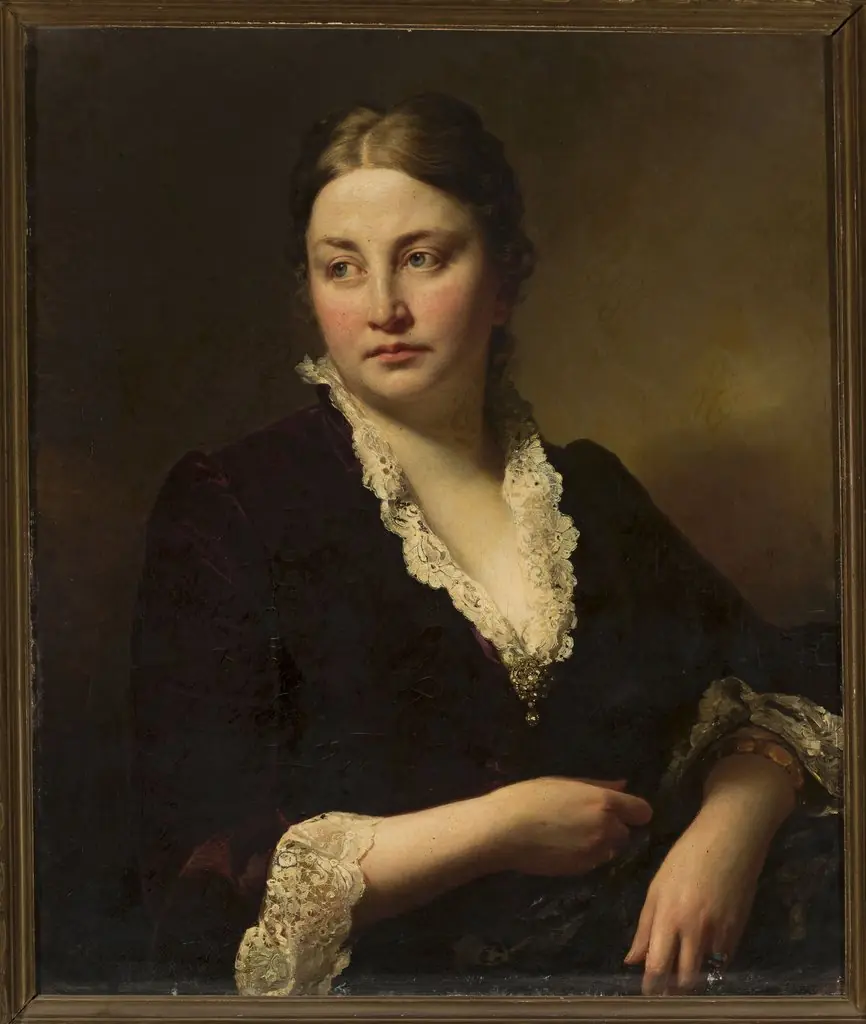 Portrait of a young woman – Johana Freün von Tschamer
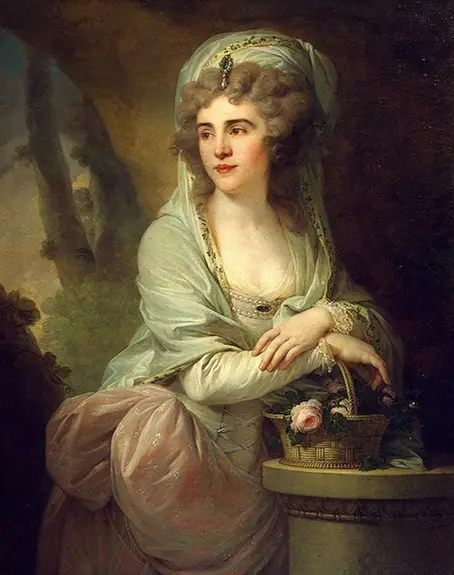 Portrait of Yekaterina Samoilova
 Portrait of a woman with a veil
 Portrait of a Lady in Blue Dress
 Marie Raffenberg, the Artist's Betrothed
 Self-Portrait
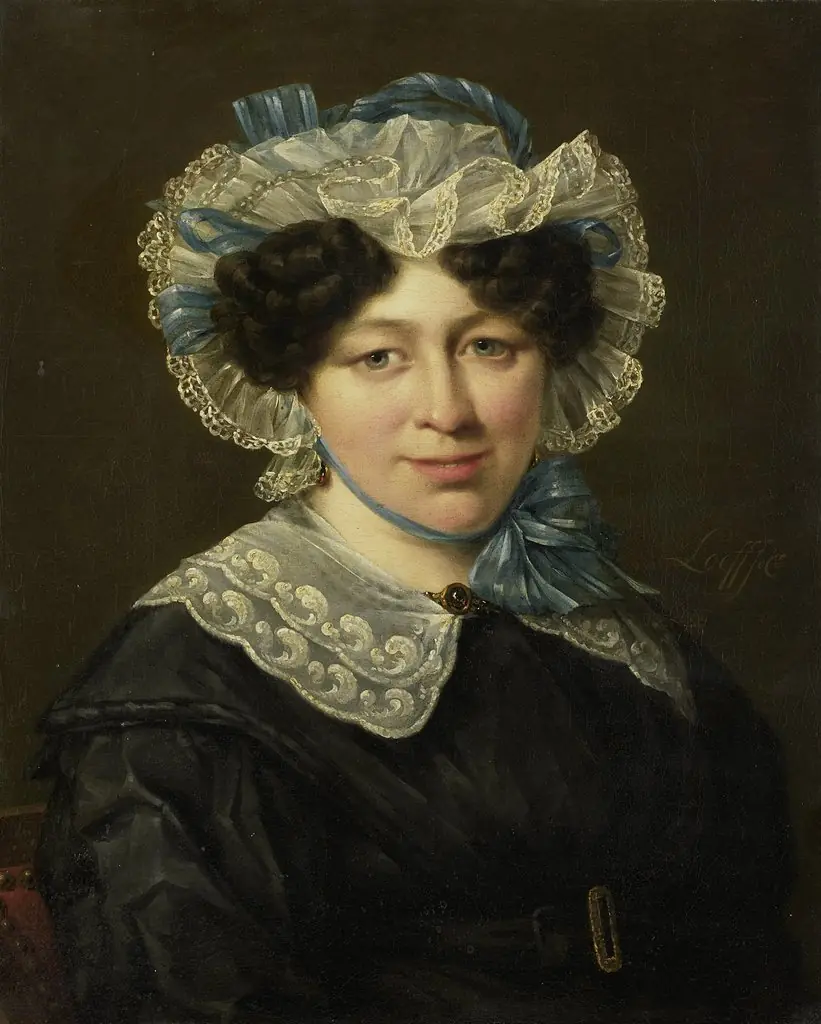 Portrait of Maria Adriana van der Sluys, Wife of Hermanus Martinus Eekhout
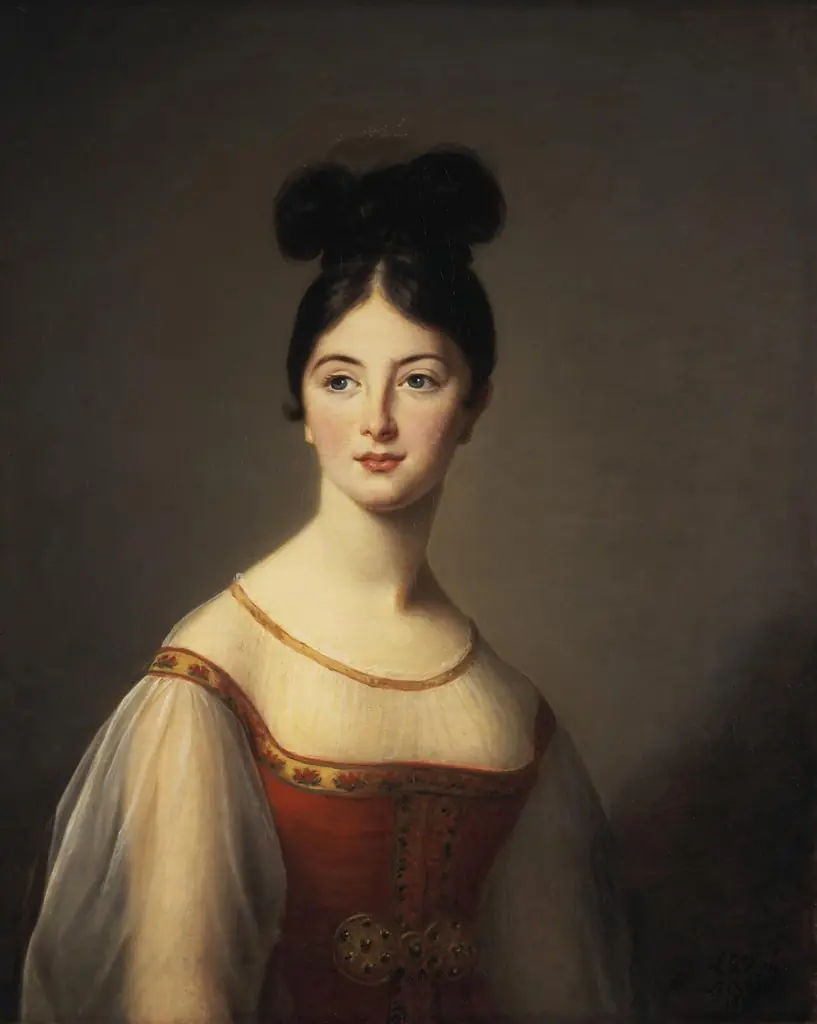 Portrait of Léontine de Rivière