Artwork
The Absinthe Drinker (Le buveur d'absinthe)
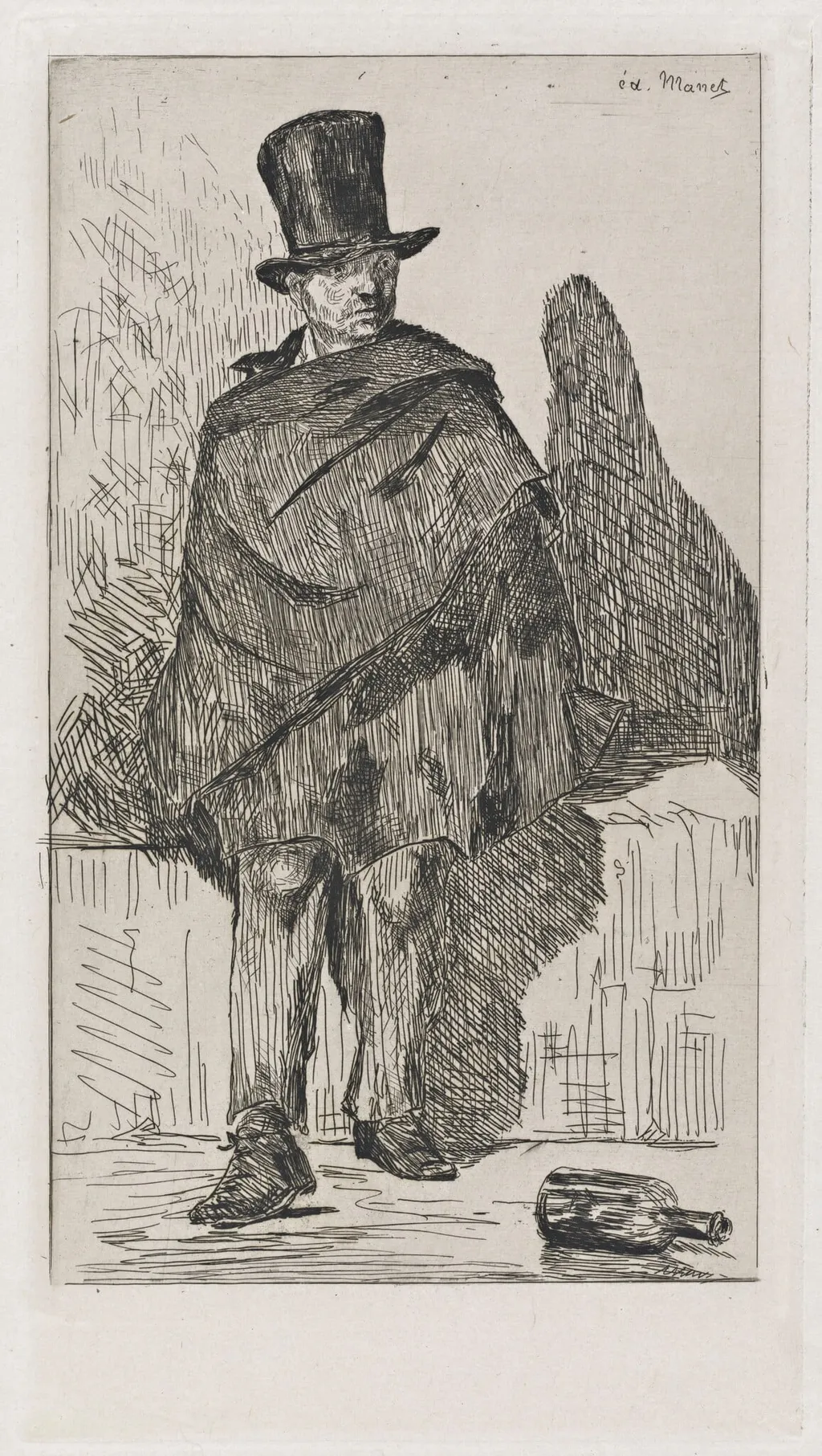
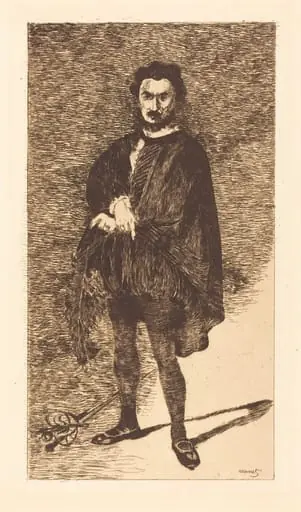
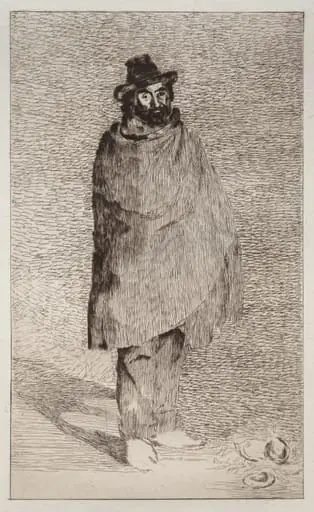
The Absinthe Drinker (Le buveur d'absinthe) is an ink print by the Impressionist artist Édouard Manet. It dates from 1862 and is held in the collection of the National Gallery of Art.
- Inscription
- Inscribed:in plate, in image, at upper right: ed. Manet.; upper right, in graphite by a later hand: M8
- Markings
- Marked:none
About this work
Overview
Manet’s use of loose, incised lines gives the image a spontaneous, almost sketchlike quality, distinguishing it from more polished prints of the period.
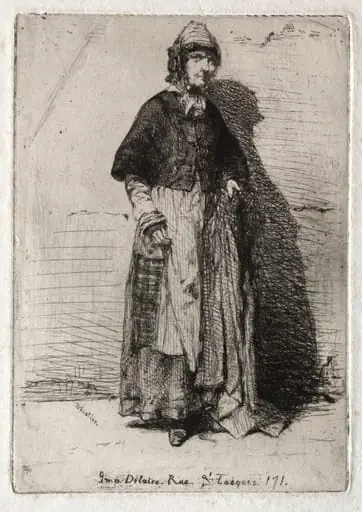
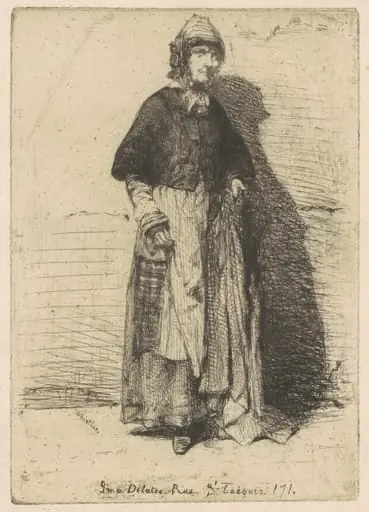
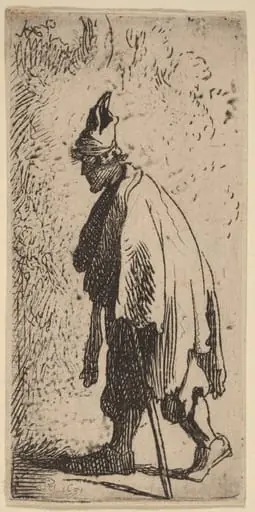
Created in 1862, The Absinthe Drinker is an etching by Édouard Manet on Chinese paper. It captures a solitary figure in a long coat and tall hat, leaning on a cane beside a small bottle. The composition is spare, focusing on the man’s posture and the object at his feet.
Manet’s use of loose, incised lines gives the image a spontaneous, almost sketchlike quality, distinguishing it from more polished prints of the period.
Subject & Meaning
The figure appears isolated, his expression somber and withdrawn. The bottle on the ground, likely containing absinthe, suggests a quiet moment of solitary consumption. Absinthe, associated with bohemian life and altered states, adds a subtle social layer.
Manet does not dramatize the scene but presents it with detached observation, inviting reflection on urban alienation rather than moral judgment.
Technique & Style
Manet employed etching to achieve a raw, linear texture, using quick, uneven strokes that mimic drawing. The lines are deliberately unrefined, avoiding the smooth finish typical of academic prints. The thin Chinese paper enhances the delicacy of the ink, allowing the scratchy marks to feel immediate. This approach reflects Manet’s interest in capturing transient moments and rejecting polished conventions.
History & Provenance
The print was made in 1862, during Manet’s early engagement with printmaking. It was not widely distributed at the time and survives in limited impressions. Its provenance traces through private collections and institutional holdings, primarily in Europe and North America. Unlike his painted works, this etching remained relatively obscure until later scholarly interest in his graphic output.
Context
In early 1860s Paris, absinthe was commonly consumed in cafés and among artists, often linked to intellectual circles and marginal lifestyles. Manet, observing urban life with a critical eye, turned to everyday figures as subjects. This print aligns with his broader interest in modernity, not as spectacle, but as quiet, unvarnished reality, echoing the realism of contemporary literature and photography.
Legacy
The Absinthe Drinker exemplifies Manet’s influence on modern printmaking by prioritizing expressive line over technical polish. It inspired later artists to embrace sketchlike etchings as vehicles for psychological depth. Though not widely known during his lifetime, the work is now recognized as an early example of how print could convey modern subjectivity with immediacy and restraint.
Artist & collection
Artist
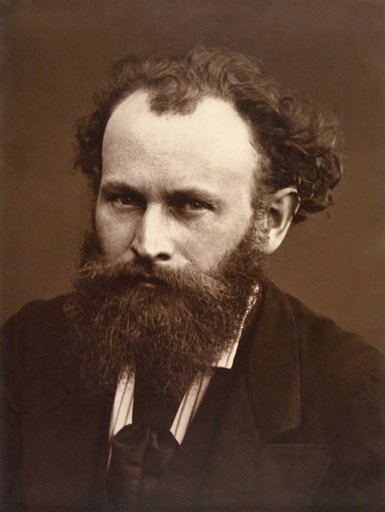
Édouard Manet was a French modernist painter. He was one of the first 19th-century artists to paint modern life, as well as a pivotal figure in the transition from Realism to Impressionism.