Artwork
April Showers
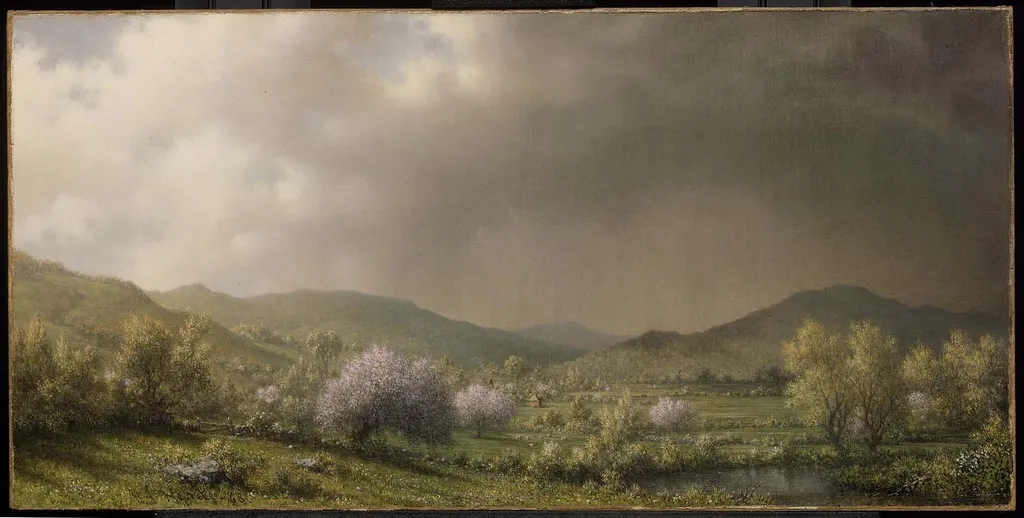
April Showers is an oil painting by the American Impressionist artist Martin Johnson Heade. It dates from 1868 and is held in the collection of the Museum of Fine Arts Boston.
About this work
Overview
The work belongs to a series of landscapes he produced during the mid-to-late 1860s, capturing subtle shifts in light and weather.
Martin Johnson Heade completed April Showers in 1868 using oil on canvas. The work belongs to a series of landscapes he produced during the mid-to-late 1860s, capturing subtle shifts in light and weather. Though often associated with American Impressionism, Heade’s approach was more contemplative and less focused on optical effects than later Impressionist painters. His interest in atmospheric conditions and quiet natural moments defined his unique contribution to 19th-century American art.
Subject & Meaning
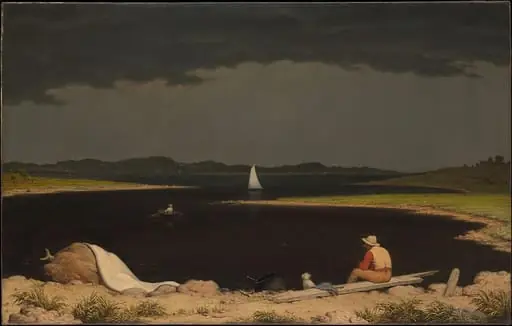
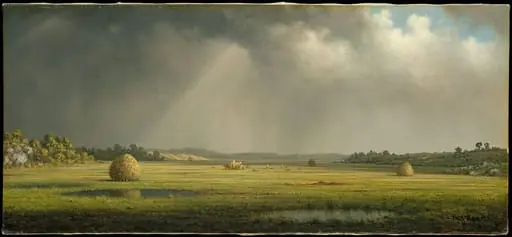
The painting portrays a quiet rural scene just before a spring rain. Rolling hills and distant mountains frame a grassy field dotted with flowering shrubs and slender trees whose leaves catch the dim light. A small pond reflects the overcast sky, reinforcing the sense of stillness.
The looming clouds suggest an imminent downpour, yet the scene remains tranquil, evoking a meditative pause between tension and release, reflecting Heade’s interest in nature’s quiet transitions.
Technique & Style
Heade applied oil paint with restrained brushwork, favoring soft transitions between tones over bold strokes. The sky is rendered in muted grays and blues, blending seamlessly into the hazy horizon. Foreground elements are detailed with delicate precision, individual petals and blades of grass are suggested rather than sharply defined.
This subtle handling creates a sense of intimacy, distinguishing his style from the more dramatic lighting of Hudson River School contemporaries.
History & Provenance
Painted in 1868, April Showers emerged during a period when Heade was living in New York and frequently visiting the Northeastern countryside. It was likely created in his studio from on-site sketches, as was his practice. The painting remained in private collections for much of the 20th century before entering a public museum collection. Its provenance reflects its modest reception during Heade’s lifetime, later gaining recognition for its quiet lyricism.
Context
In the 1860s, American landscape painting was dominated by grand, heroic visions of nature. Heade diverged by focusing on modest, everyday scenes, salt marshes, coastal light, and transient weather. His work resonated with European Romantic traditions but avoided idealization.
April Showers aligns with a growing interest in intimate, mood-driven landscapes, anticipating later developments in American tonalism and early Impressionism without fully embracing either movement.
Legacy
Though overlooked in his own time, Heade’s focus on atmospheric nuance and subdued color influenced 20th-century American painters drawn to quiet, introspective landscapes. April Showers exemplifies his ability to convey emotional resonance through minimal means. Today, his work is valued for its restraint and sensitivity to natural phenomena, offering a counterpoint to the more monumental landscapes of his contemporaries.
Artist & collection

Artist
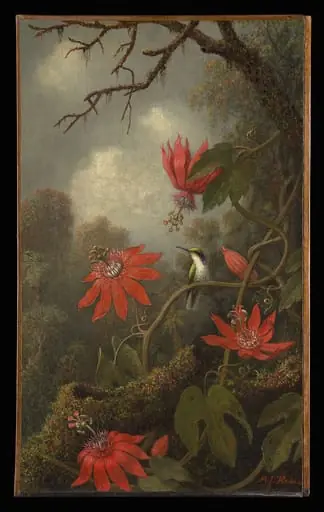
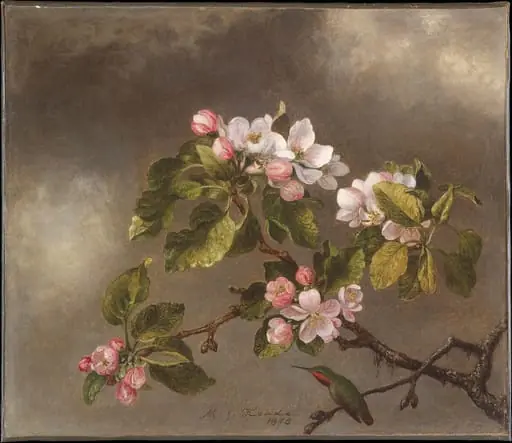
Martin Johnson Heade (August 11, 1819 – September 4, 1904) was an American painter known for his salt marsh landscapes, seascapes, and depictions of hummingbirds, often depicted with orchids, as well as lotus blossoms and other still lifes.

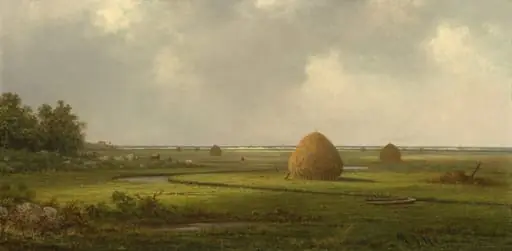
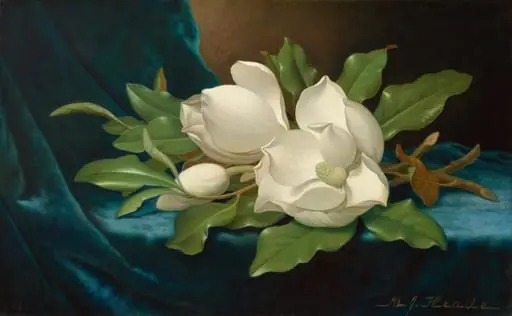
- Vue aux environs de Lyon
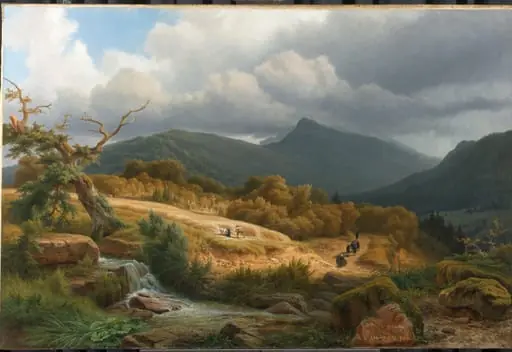 The Cemetery at Baden-Baden
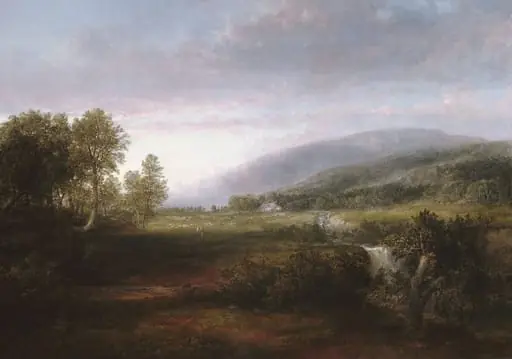 Spring Landscape
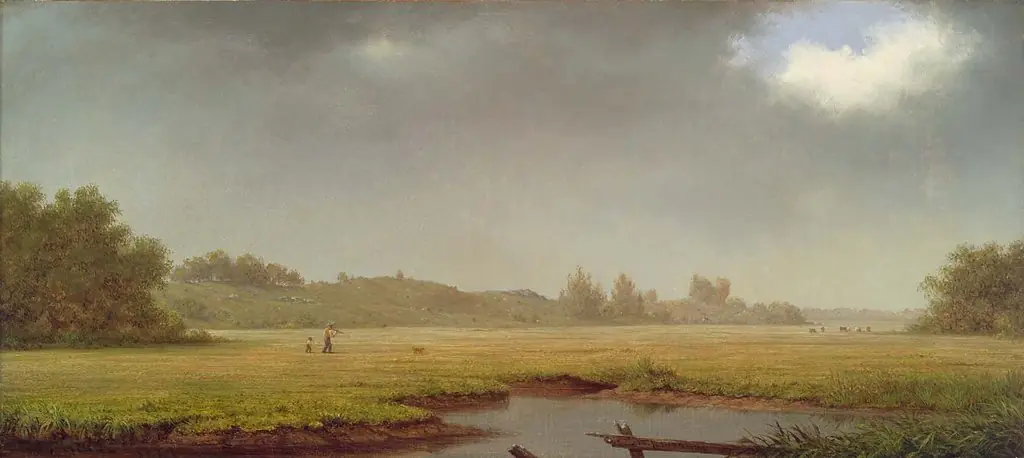 Cloudy Day, Rhode Island
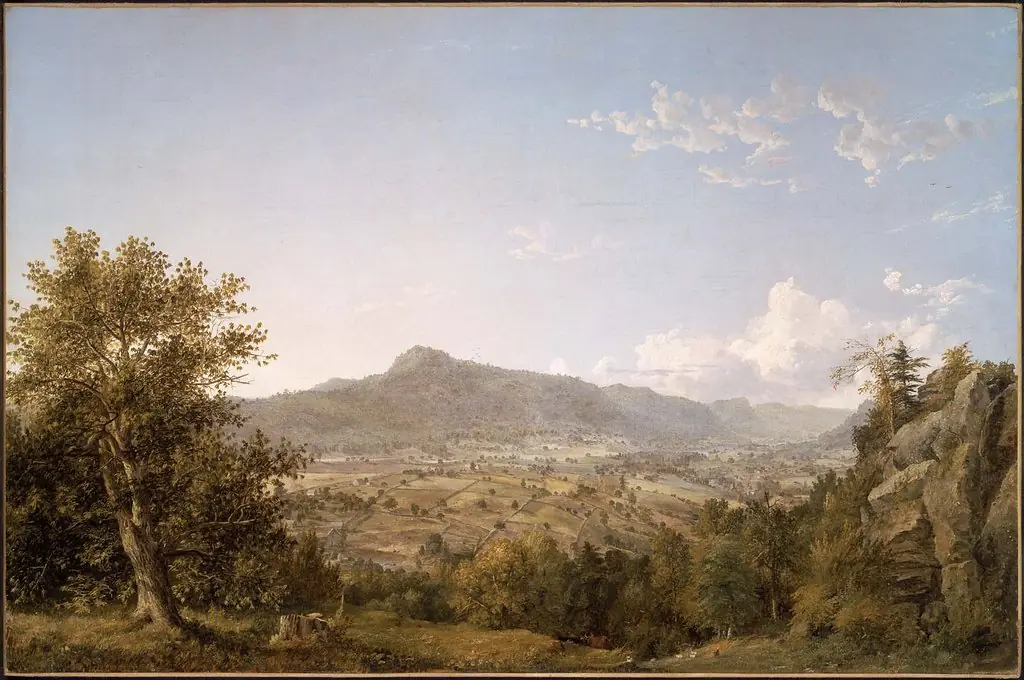 Schatacook Mountain, Housatonic Valley, Connecticut
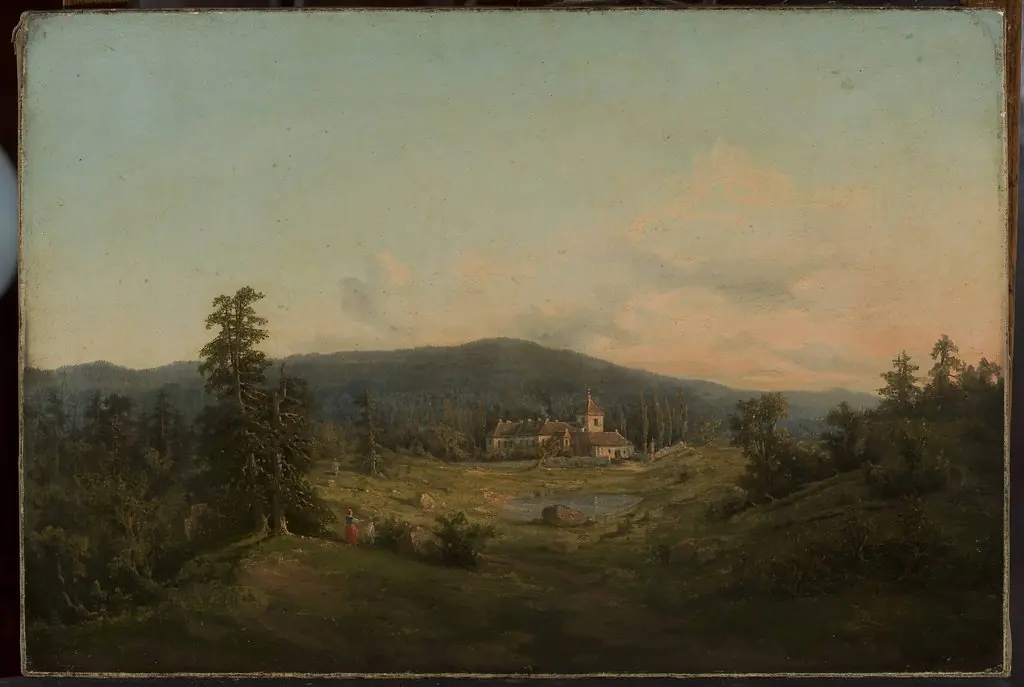 Mountain landscape with church and monastery
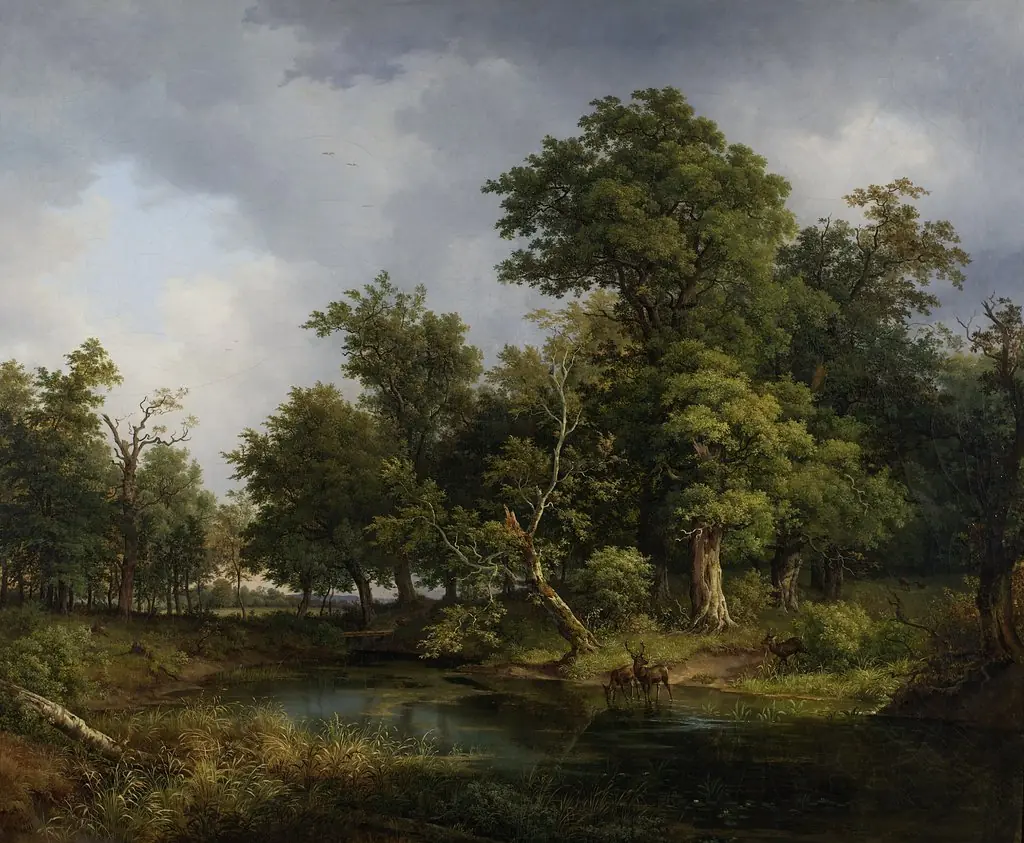 Waldlandschaft
 A Pastoral Scene
 Tågen letter over skovene ved Himmelbjerget. Tidlig efterårsmorgen
 View with a bridge over a creek
 Summer Showers