Artwork
Sea lions in the circus
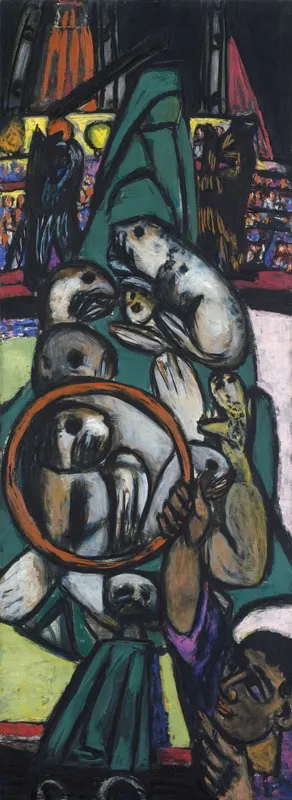
Sea lions in the circus is an oil painting by the German Expressionist artist Max Beckmann. It dates from 1928 and is held in the collection of the Hamburger Kunsthalle.
About this work
The painting is titled "Sea lions in the circus" by Max Beckmann. It's interesting that Beckmann created this work in 1928, a time when he was exploring different themes in his art. He was a German artist, and his work often reflected his experiences and interests. You can learn more about the artist's style and other works by looking up Max Beckmann.
Overview
Painted in 1928, Sea Lions in the Circus is an oil on canvas work by German artist Max Beckmann. Though often grouped with German Expressionism, Beckmann distanced himself from the movement’s label. The painting captures a circus scene with performers and sea lions, presenting a surface of spectacle that belies a deeper psychological tension characteristic of his postwar imagery.
Subject & Meaning
The scene shows circus performers interacting with sea lions, a seemingly whimsical subject. Yet Beckmann imbues it with unease: the animals’ postures are rigid, the figures appear detached, and the lighting casts long, unnatural shadows. Rather than celebrating entertainment, the painting suggests alienation and the fragility of human performance in a disordered world.
Technique & Style
Beckmann employs sharp contours, flattened space, and muted, earth-toned colors to construct a compressed, stage-like environment. Forms are angular and deliberately unnatural, rejecting naturalism in favor of symbolic structure. Brushwork is controlled yet expressive, emphasizing emotional weight over decorative flourish, aligning with his New Objectivity leanings.
History & Provenance
Created during Beckmann’s time in Frankfurt, the painting entered the collection of the Hamburger Kunsthalle in the 1930s. It survived the Nazi regime’s campaign against modern art, though Beckmann himself was dismissed from his teaching post and later exiled. The work remained in German public ownership, preserving its place in the national artistic record.
Context
In 1928, Germany was politically unstable, and cultural life oscillated between decadence and anxiety. Beckmann, having witnessed the trauma of World War I, turned to circuses and theaters as metaphors for societal roles and hidden suffering. His circus scenes were not nostalgic but critical, reflecting the performative nature of identity under strain.
Legacy
Sea Lions in the Circus exemplifies Beckmann’s unique synthesis of realism and psychological depth. It influenced later generations of artists interested in the uncanny within everyday settings. The painting remains a key example of how modernist painters used popular entertainment to explore existential themes, far removed from mere illustration.
Artist & collection
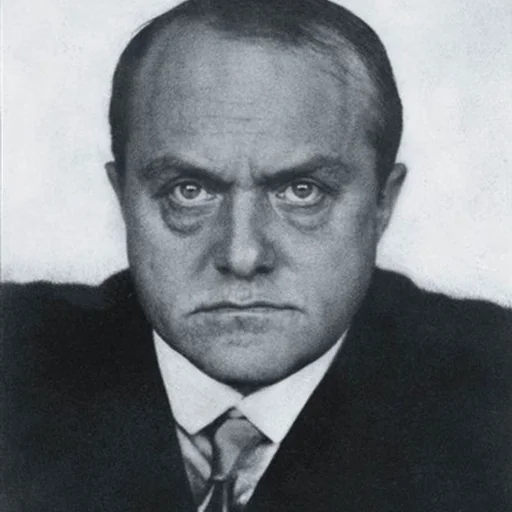
Artist
Max Carl Friedrich Beckmann (February 12, 1884 – December 27, 1950) was a German painter, draftsman, printmaker, sculptor, and writer.