Artwork
Woman with Snake
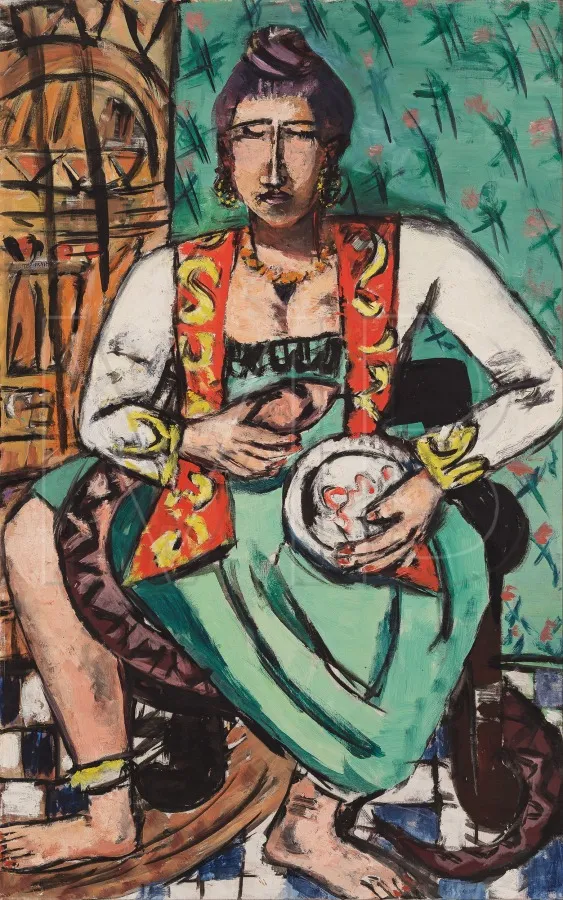
Woman with Snake is an oil painting by the German Expressionist artist Max Beckmann. It dates from 1940 and is held in the collection of the Kunsthaus Zürich.
About this work
Overview
The work reflects his mature style, figurative, psychologically charged, and formally complex, developed after his exile from Nazi Germany.
Max Beckmann completed Woman with Snake in 1940 using oil on canvas. Though often associated with German Expressionism, Beckmann distanced himself from such labels. The work reflects his mature style, figurative, psychologically charged, and formally complex, developed after his exile from Nazi Germany.
It resides in the Kunsthaus Zürich, part of a body of work produced during his years in Amsterdam and later the United States.
Subject & Meaning
The painting depicts a woman seated calmly, holding a snake with steady hands. Her direct gaze and composed posture suggest control rather than fear, transforming the snake from a symbol of danger into one of personal authority. The absence of narrative context invites interpretation: the snake may represent hidden knowledge, transformation, or inner resilience, echoing mythic and psychological themes Beckmann frequently engaged with in his later years.
Technique & Style
Beckmann employs bold, saturated colors and angular forms to create a sense of psychological tension. The woman’s vivid vest and green dress contrast with the muted, abstract background of browns and greens, which seems to vibrate with energetic lines. His brushwork is deliberate, neither loose nor hyperrealistic, balancing structural clarity with emotional ambiguity. The composition isolates the figure, intensifying her presence against an unstable, non-naturalistic space.
History & Provenance
Painted during Beckmann’s exile in Amsterdam, Woman with Snake emerged from a period of intense personal and political upheaval. After being labeled a degenerate artist by the Nazis and forced to leave Germany in 1937, he continued working in relative isolation. The painting entered the Kunsthaus Zürich’s collection in the postwar years, where it remains as part of a significant group of his works acquired by Swiss institutions during his lifetime.
Context
Beckmann’s work of the 1930s and 1940s reflects the dislocation and existential unease of his time. While earlier associated with New Objectivity, his later pieces moved beyond social critique into mythic and symbolic realms. Woman with Snake aligns with his interest in archetypes and inner states, resonating with broader European modernist trends that sought meaning beyond realism amid rising authoritarianism and cultural fragmentation.
Legacy
The painting exemplifies Beckmann’s enduring influence on postwar figurative art. His fusion of psychological depth with formal innovation inspired generations of artists grappling with trauma and identity. Though not widely exhibited during his lifetime, works like Woman with Snake have since become touchstones in discussions of 20th-century painting, valued for their unflinching introspection and resistance to easy interpretation.
Artist & collection
Artist
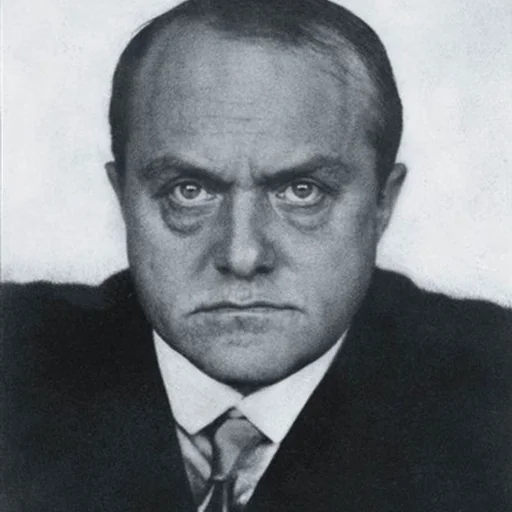
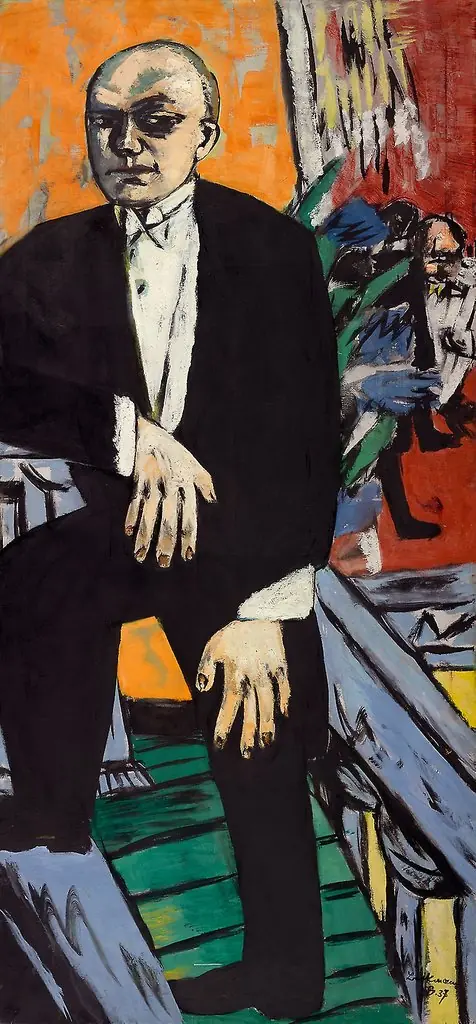
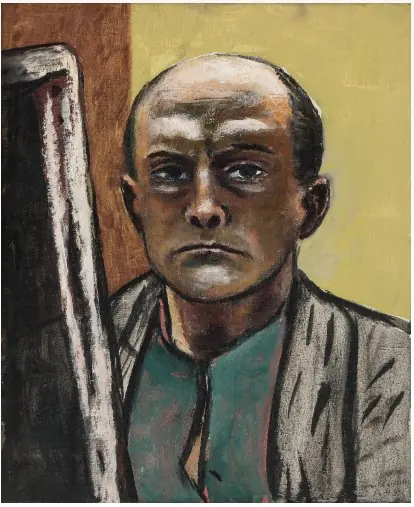
Max Carl Friedrich Beckmann (February 12, 1884 – December 27, 1950) was a German painter, draftsman, printmaker, sculptor, and writer.

 Seated Odalisque
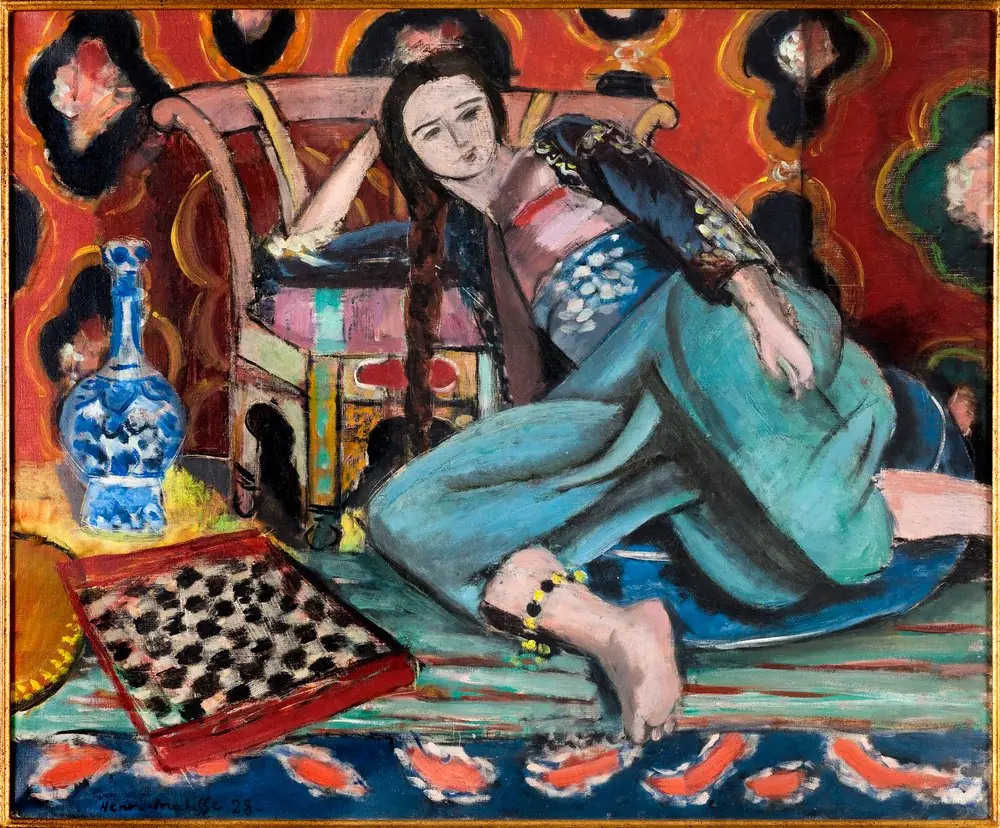 Odalisque au fauteuil
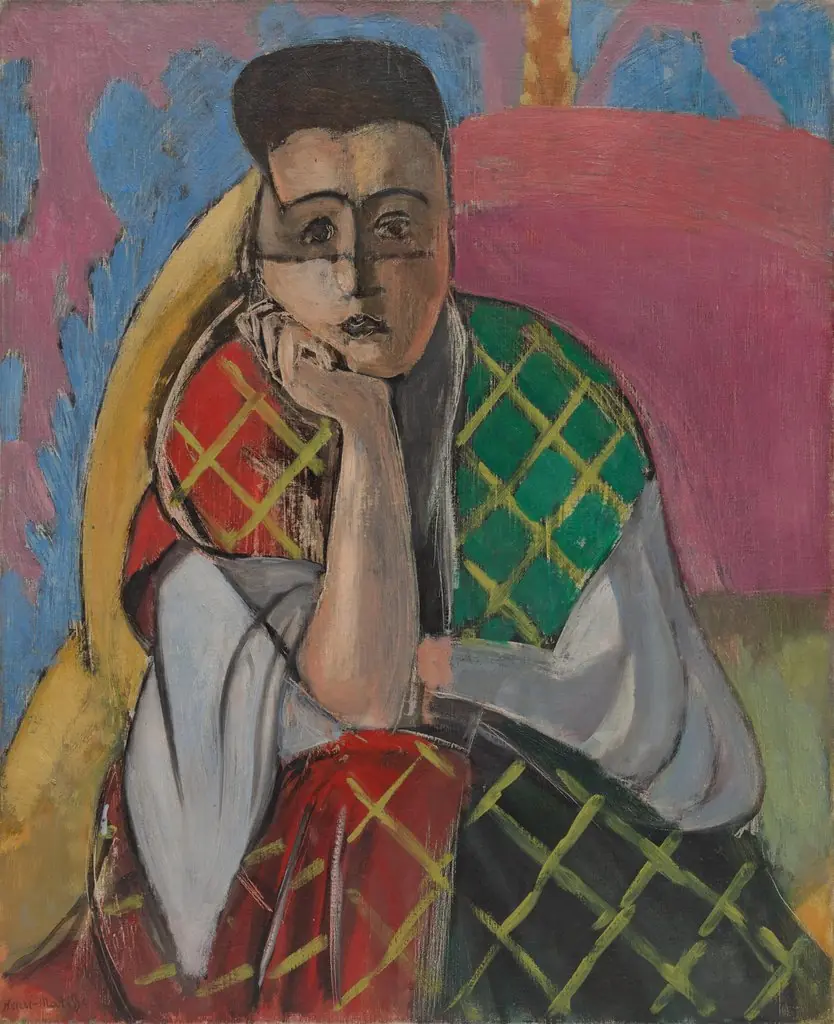 Woman with a Veil
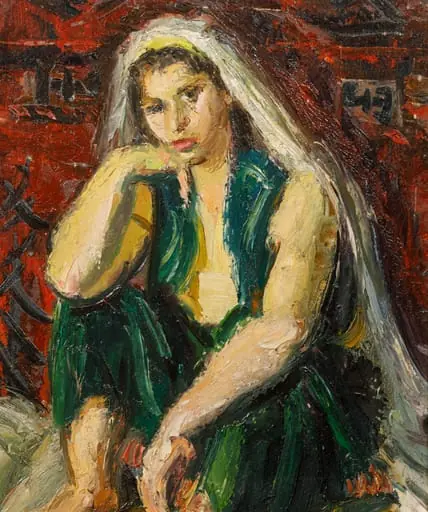 Odaliscă (Paulina)
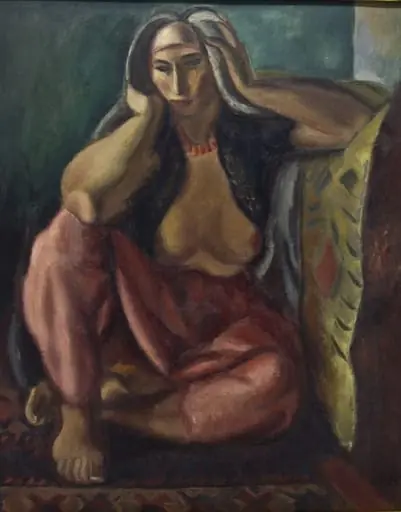 Turcoaică
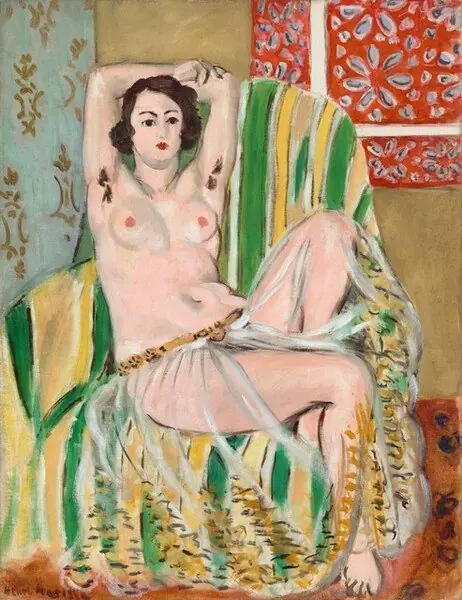 Odalisque with Raised Arms
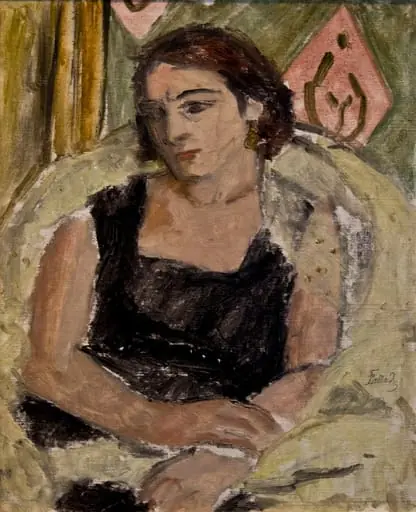 Femeie în rochie neagră
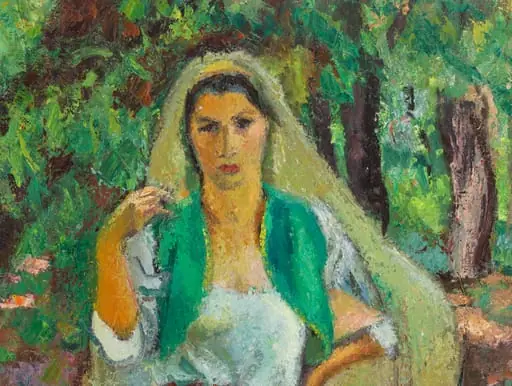 Turcoaică în plein-air - Paulina
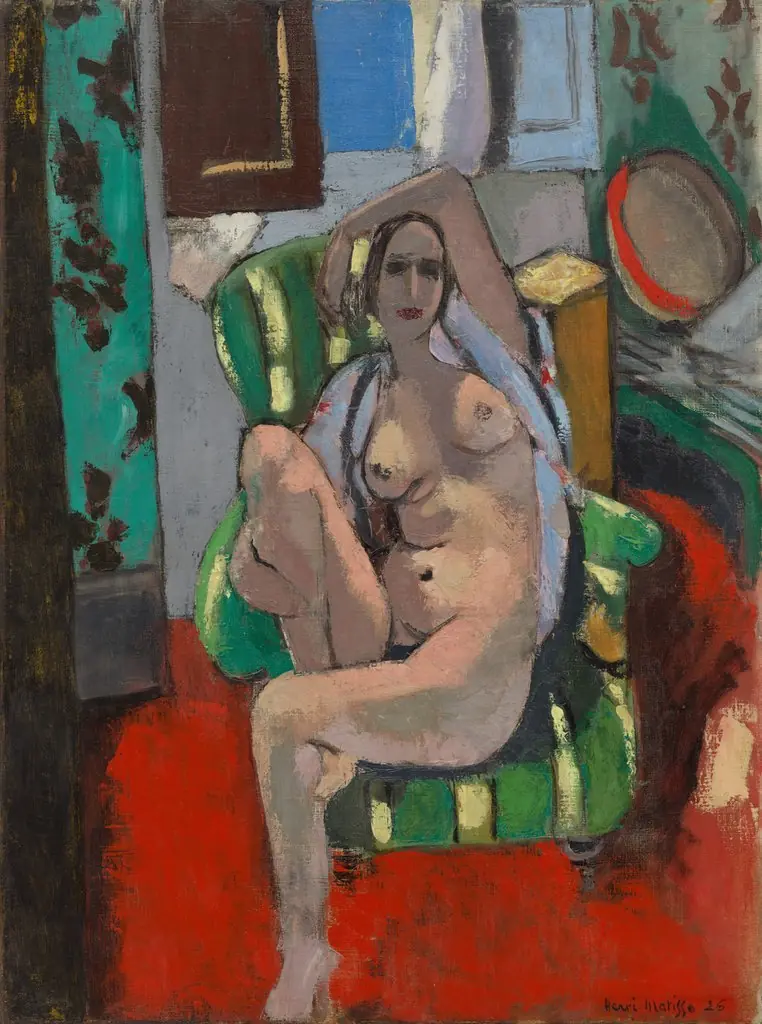 Odalisque with a Tambourine
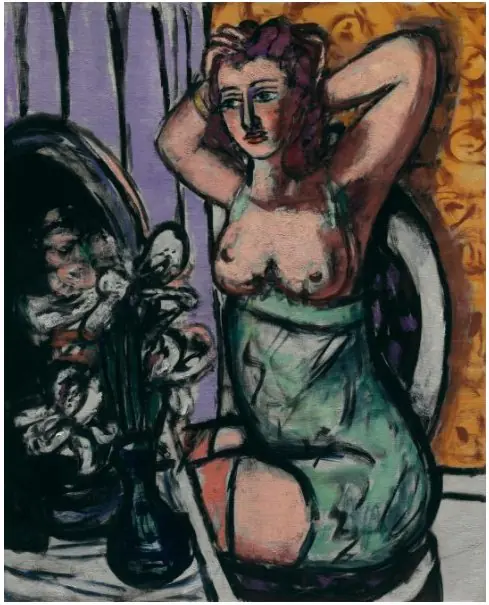 Woman with Mirror and Orchids
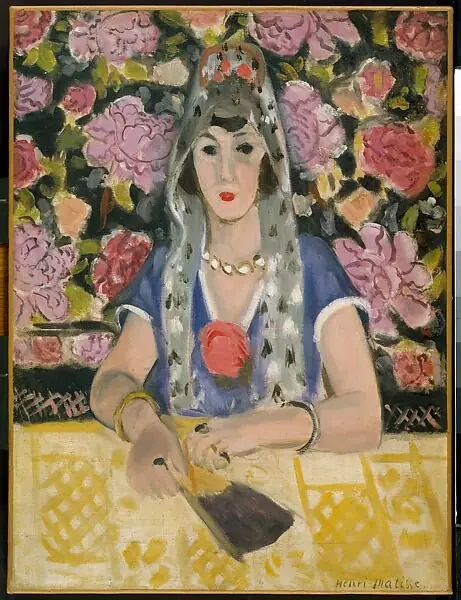 Espagnole: Harmonie en bleu (Spanish Woman: Harmony in Blue)
- Woman with Red Rooster