Artwork
Morning
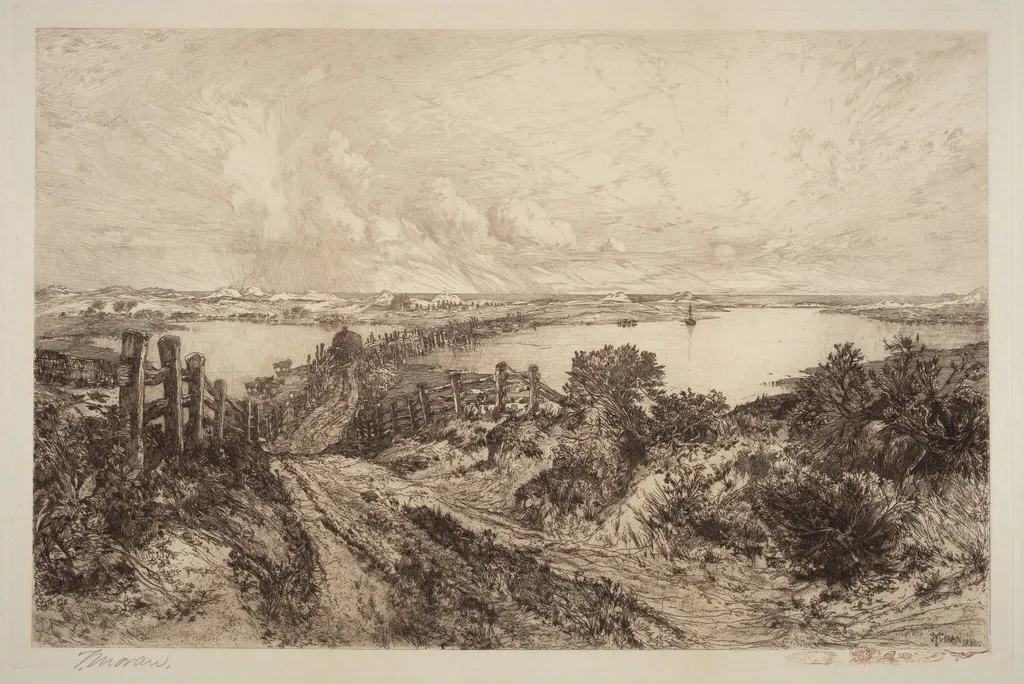
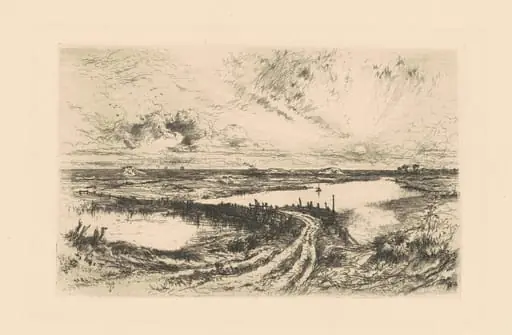
Morning is an ink print by the Impressionist artist Thomas Moran. It dates from 1886 and is held in the collection of the National Gallery of Art.
- Inscription
- Inscribed:lower right in plate: T Moran 1886; lower left in graphite: T. Moran.
About this work
Overview
This piece exemplifies his mastery of printmaking techniques, translating the quietude of natural scenes into nuanced tonal gradations without color.
Created in 1886, Morning is a black-and-white print by Thomas Moran, executed through etching, sandpaper ground, and roulette on wove paper. Though best known for his oil paintings of western landscapes, Moran also produced a significant body of graphic work. This piece exemplifies his mastery of printmaking techniques, translating the quietude of natural scenes into nuanced tonal gradations without color.
Subject & Meaning
The scene depicts a tranquil dawn landscape: foreground vegetation gives way to distant hills and a hazy sky. A still body of water reflects the muted light, reinforcing a sense of stillness. No human figures appear, emphasizing nature’s quiet presence. The composition invites contemplation, aligning with 19th-century American ideals of nature as a refuge from industrialization.
Technique & Style
Moran employed etching for fine lines, sandpaper ground to create broad, granular textures, and a roulette for dotted patterns mimicking foliage or rough terrain. These methods allowed him to build depth through varied surface treatments rather than color. The result is a richly layered monochrome image, where light and shadow suggest form and atmosphere with subtle precision.
History & Provenance
Moran produced Morning during a period of intense printmaking activity after his tenure as chief illustrator for Scribner’s Monthly. He often worked in his New York studio alongside family members, including his wife Mary Nimmo Moran, also an accomplished printmaker. The work reflects his shift from commercial illustration toward more personal, artistic expressions in graphic media.
Context
In the 1880s, American artists increasingly turned to printmaking as a means of reaching broader audiences and exploring aesthetic experimentation. Moran’s use of mixed techniques in Morning reflects this trend, blending traditional etching with tactile, experimental grounds. His work stood apart from European counterparts by focusing on distinctly American landscapes and light.
Legacy
Though less celebrated than his paintings, Moran’s prints influenced later American printmakers through their technical innovation and sensitivity to natural detail. Morning remains an example of how 19th-century artists used graphic media to convey emotional resonance without color, contributing to the broader recognition of printmaking as a serious artistic medium in the United States.
Own this work as a print
Artist & collection
Artist
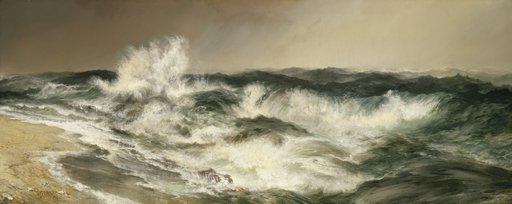
Thomas Moran (February 12, 1837 – August 25, 1926) was an American painter and printmaker of the Hudson River School in New York whose work often featured the Rocky Mountains.

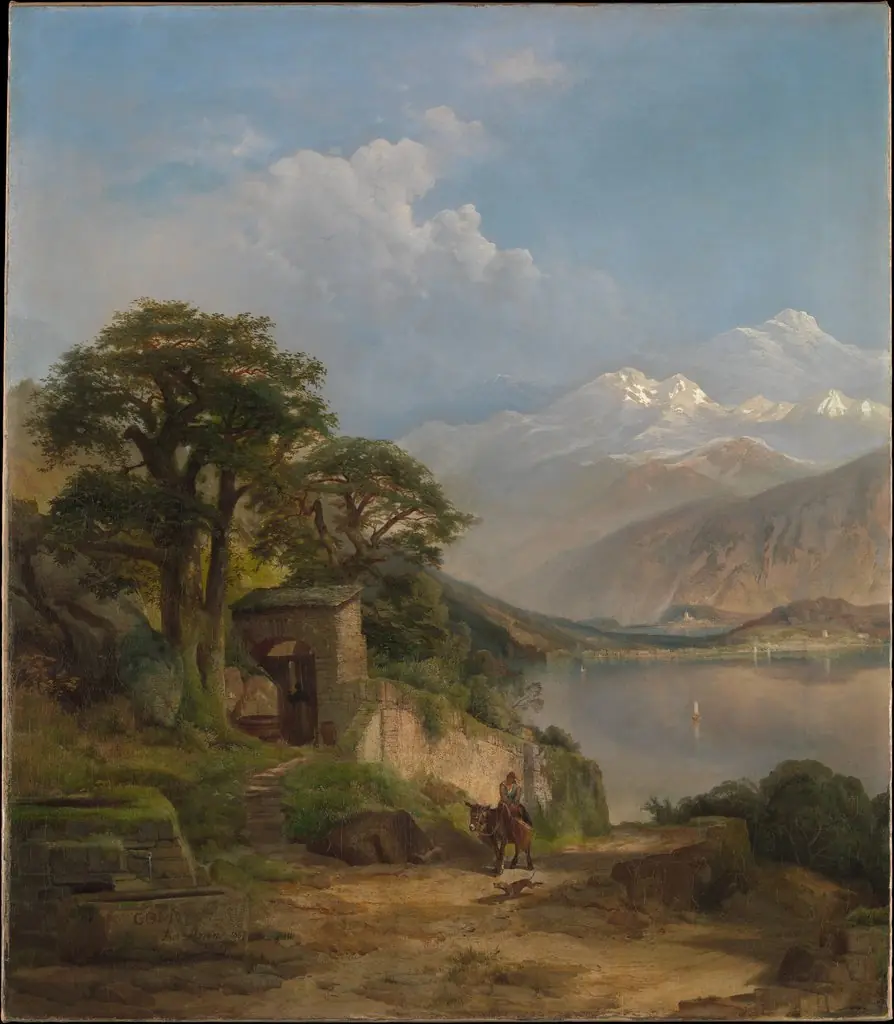
 Gardiner's Bay, Long Island, seen from Fresh Pond
 Sunrise—The Pond, Easthampton, Long Island
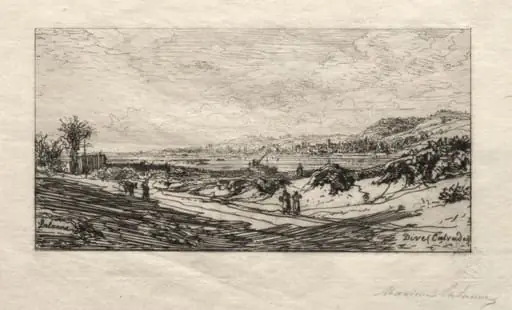 Dives (Calvados)
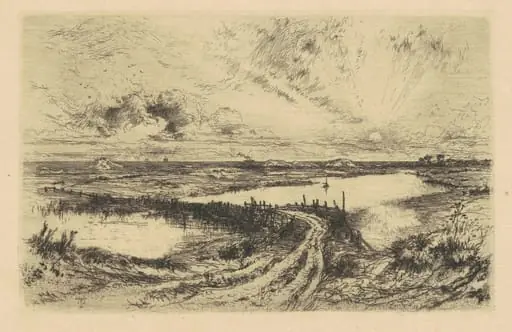 Sunrise—The Pond, Easthampton, Long Island
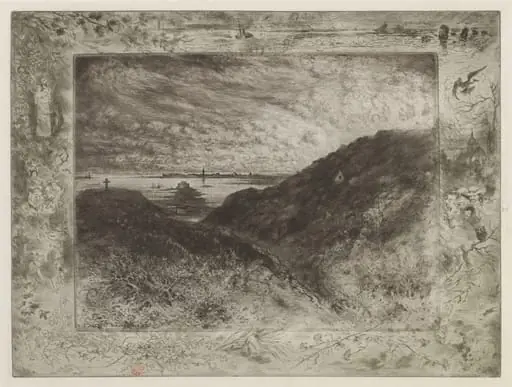 La Falaise: Baie de Saint-Malo (The Cliff: Saint-Malo Bay)
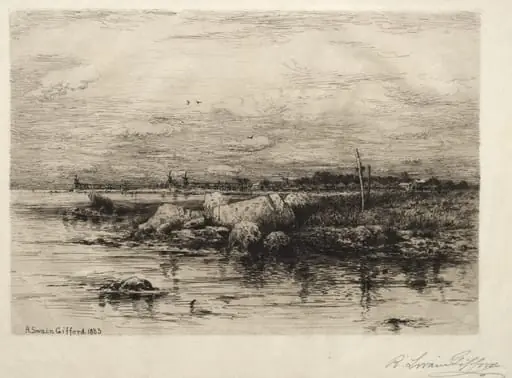 Mouth of the Apponaganasett River
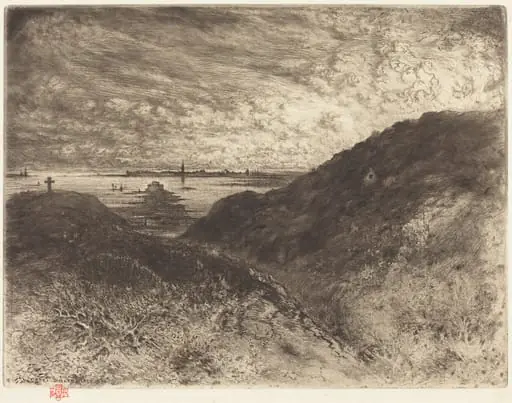 La Falaise: Baie de Saint-Malo (The Cliff: Saint-Malo Bay)
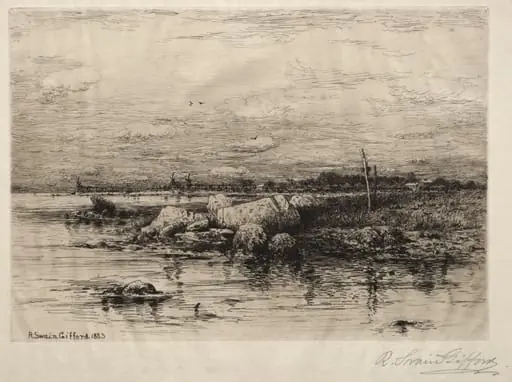 The Mouth of the Apponigansett
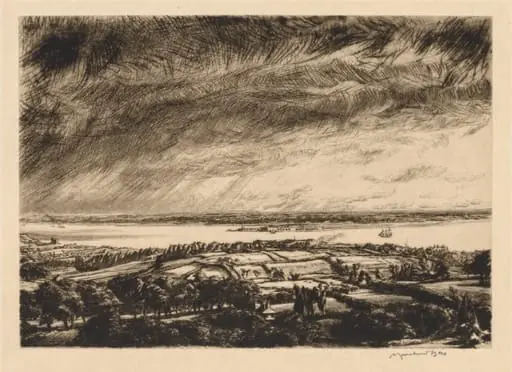 The Solent
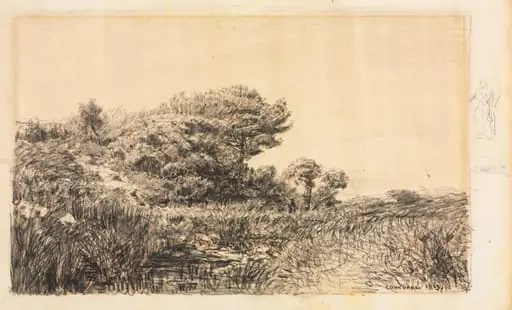 Edge of Marsh at Couronne
- Morning
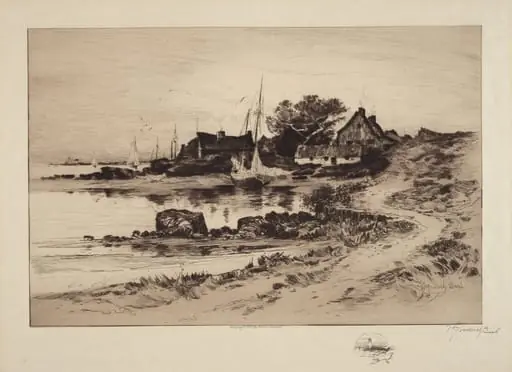 Old Gloucester Shore