Artwork
Portrait of a Man
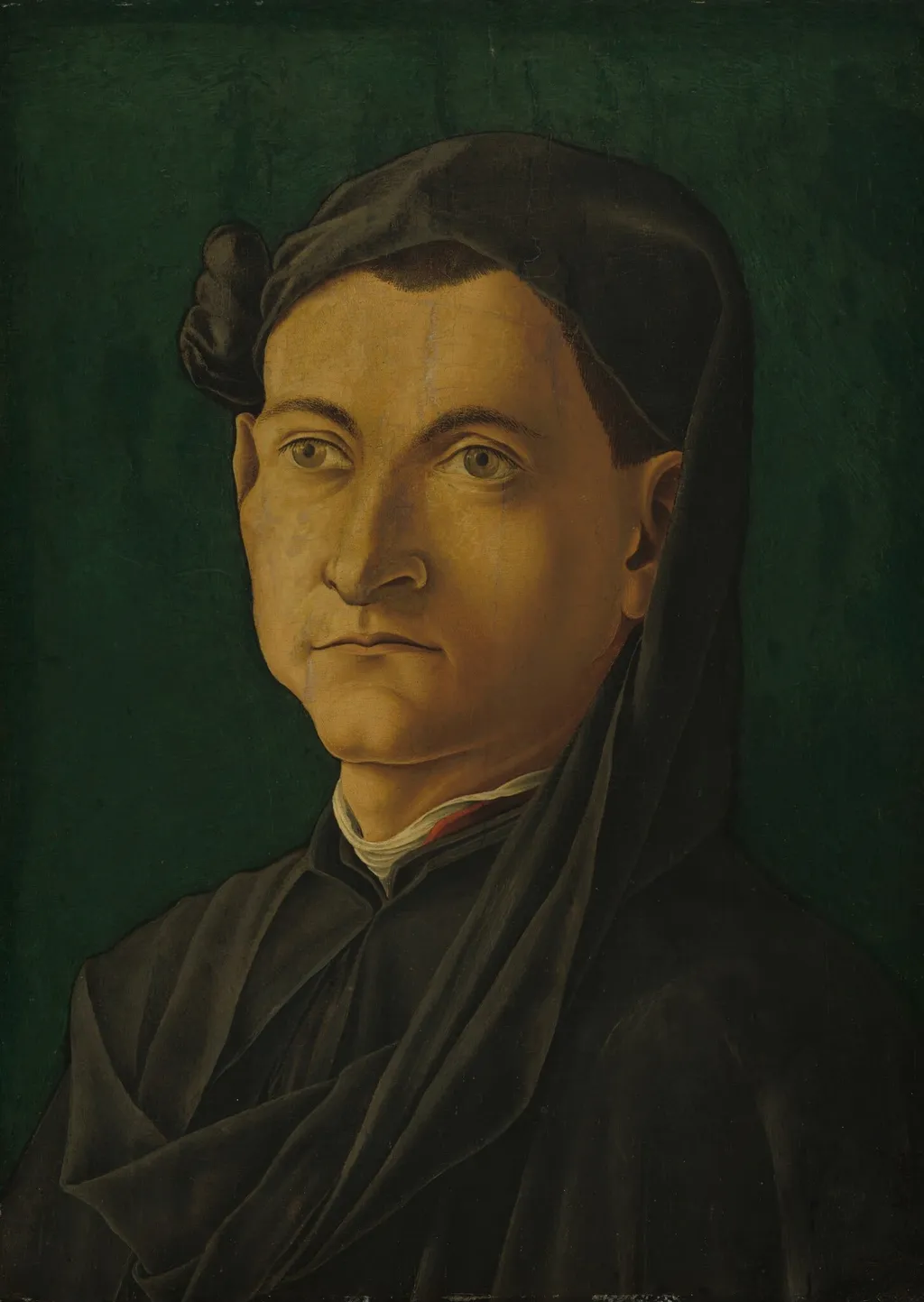
Portrait of a Man is a tempera painting. It is held in the collection of the National Gallery of Art.
About this work
Subject & Meaning
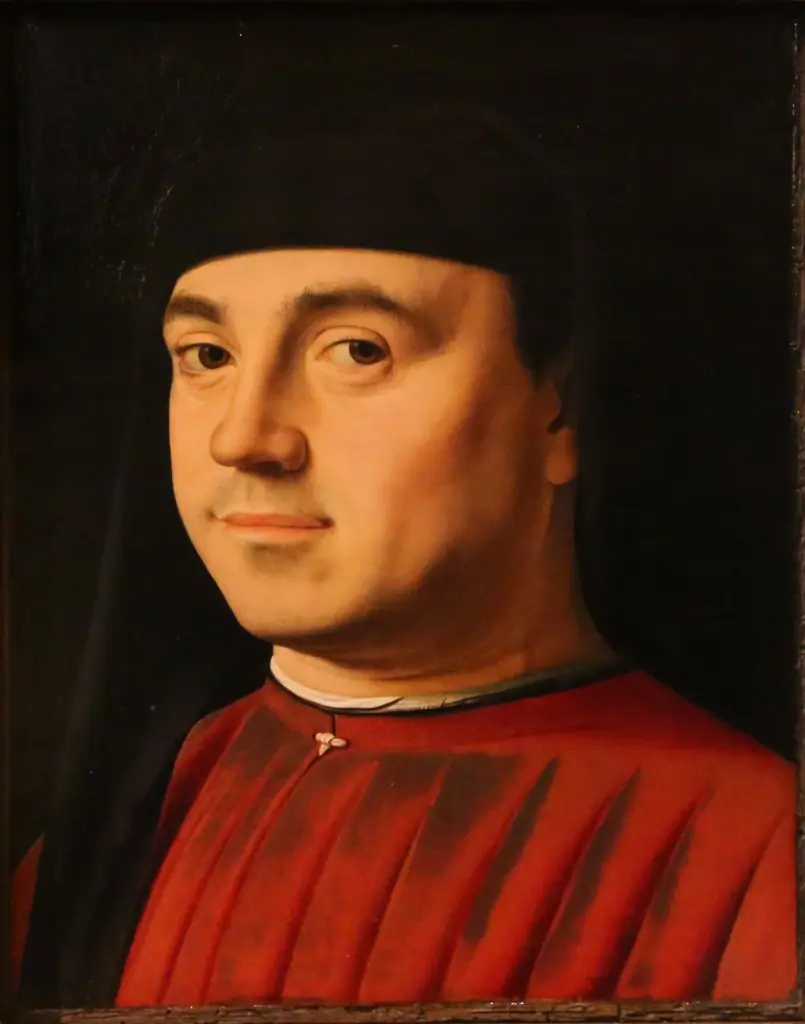
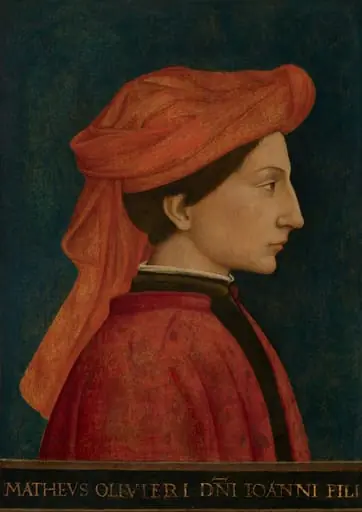
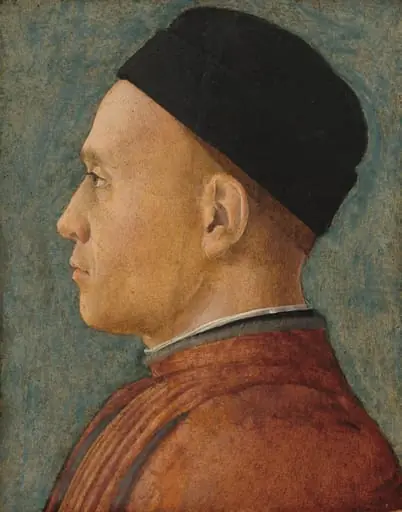
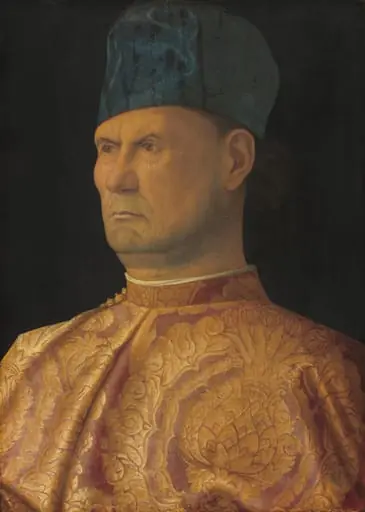
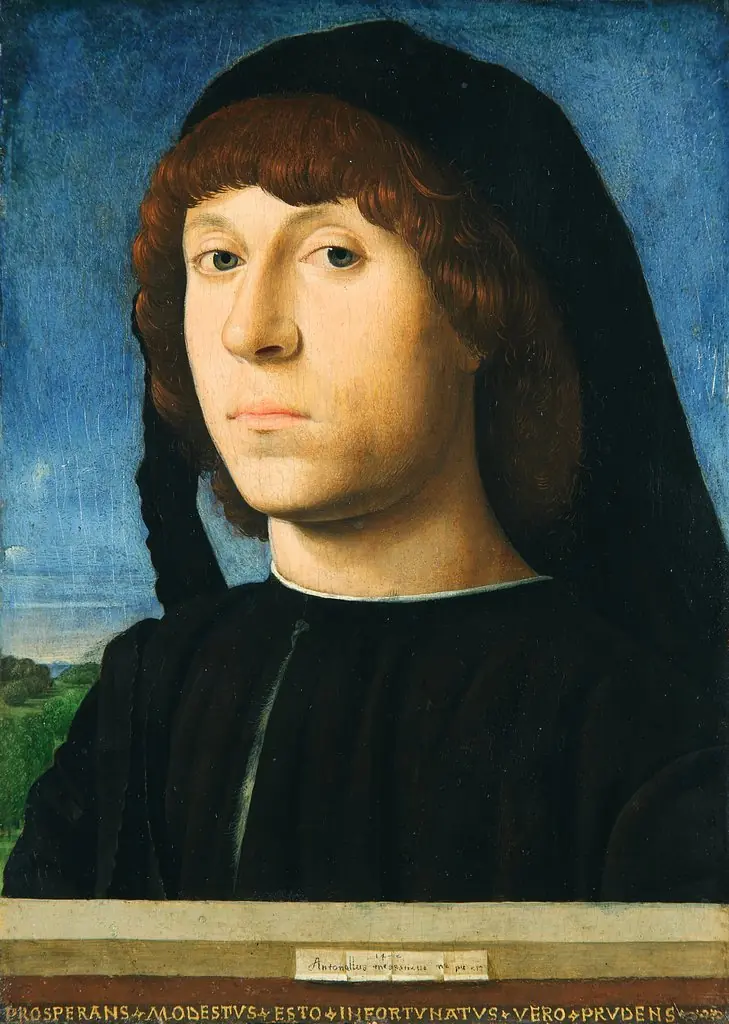
The painting is a portrait whose primary subject is a man. As a work within the portrait genre, it focuses on the representation of this individual, though the available records do not specify his identity or elaborate on additional iconographic or symbolic elements beyond the depiction of the male figure.
Technique & Style
The piece passed through several collections since at least 1929, including the Matthiesen Gallery and Duveen Brothers, before entering the Samuel H.
Executed around 1488, the Portrait of a Man is a tempera painting applied to a poplar panel support. The artwork measures 37 by 27 centimeters. As a product of the North Italian school of the 15th century, the portrait employs the traditional medium and support characteristic of the period's regional panel painting practices.
The formal qualities of the work align with the portraiture genre, centering on the depiction of a male subject. The piece passed through several collections since at least 1929, including the Matthiesen Gallery and Duveen Brothers, before entering the Samuel H. Kress Collection.
History & Provenance
The work titled Portrait of a Man is attributed to a North Italian artist of the fifteenth century and was created around 1488 using tempera on a poplar panel, portraying a male sitter. Its early ownership placed it with the Matthiesen Gallery in Berlin by 1929, and it entered the Duveen Brothers inventory by 1933. In March 1937 the painting was sold to the Samuel H. Kress Foundation, and in 1939 it was gifted to the National Gallery of Art, where it remains under accession number 1939.1.357.
The painting's exhibition history includes a 1933 exhibition in Ferrara, to which Duveen Brothers lent the work while it was in their possession.
Context
The critical reception of North Italian fifteenth-century portraits like this work has emphasized their role in bridging Northern European and Italian Renaissance traditions. Attribution of this panel remains debated within scholarship on the North Italian school. The work's inclusion in the 1933 Ferrara exhibition reinforced its association with Emilian artistic centers.
Its acquisition by the Samuel H. Kress Foundation (1937) and subsequent gift to the National Gallery of Art (1939) cemented its place in American museum collections, where it has been studied as a representative example of late Quattrocento portraiture, noting its tempera technique and poplar support as characteristic of the period.
Legacy
Portrait of a Man, a 15th-century North Italian tempera on poplar panel attributed to an anonymous master, entered the Samuel H. Kress Collection in 1939 after its display at the 1933 Ferrara exhibition and a sale by Duveen Brothers. Its inclusion in the Kress Collection, renowned for consolidating early Italian works in American museums, elevated the painting's scholarly visibility and contributed to the broader reassessment of North Italian portraiture in the mid-20th century. The work's provenance, Matthiesen Gallery, Berlin, then Duveen Brothers, highlights its documented journey from European private hands to a public museum, reinforcing its reputation as a representative example of early Renaissance portraiture.
Overview
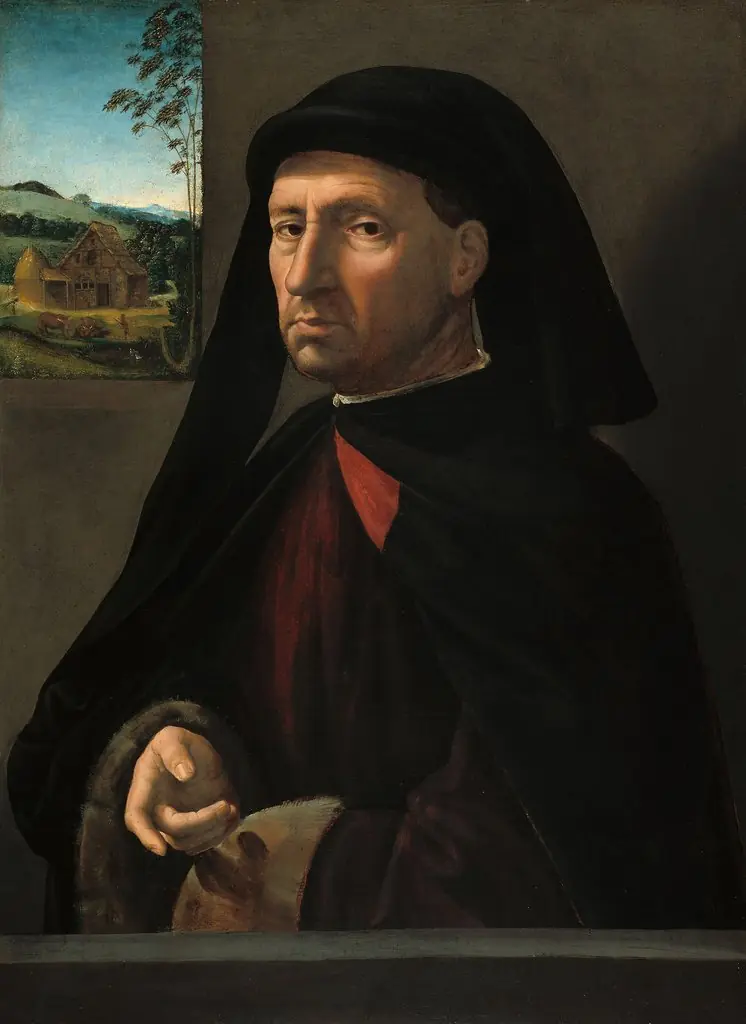
This painting, titled Portrait of a Man, presents a detailed rendering of a male subject. Executed in tempera on a poplar panel, the artwork depicts a man wearing unassuming attire and a hat. The artist's use of a restrained palette, dominated by browns and blacks, contributes to an overall impression of quietude and composure. The subject's direct gaze and still posture invite contemplation.
Artist & collection