Artwork
Seated Peasant
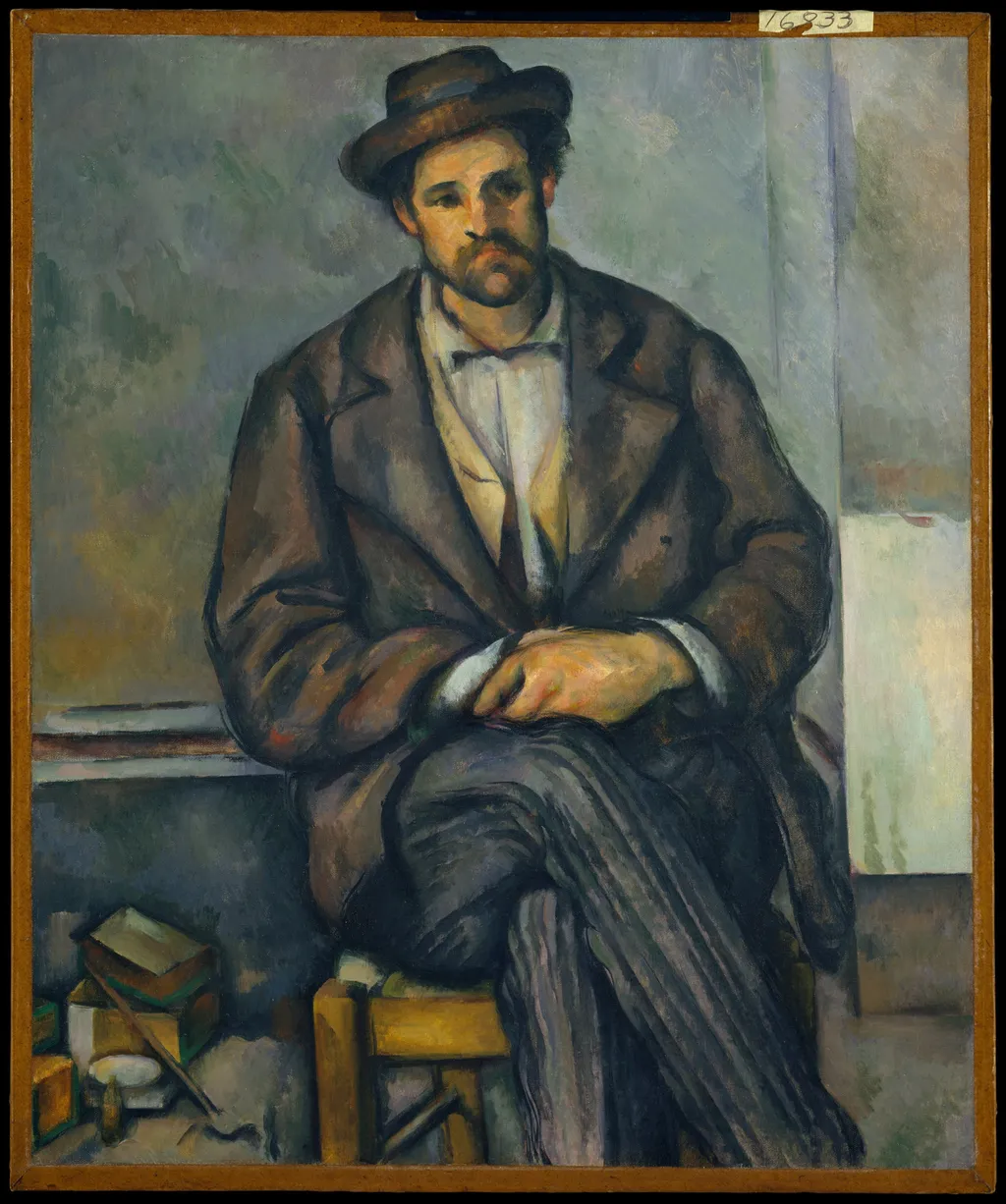
Seated Peasant is an oil painting by the Post-Impressionist artist Paul Cézanne. It dates from 1896 and is held in the collection of the Metropolitan Museum of Art.
About this work
Subject & Meaning
As a portrait genre painting, the subject represents the rural working class of late 19th-century France.
The work depicts a seated male figure identified as a peasant, likely a laborer from the Jas de Bouffan estate in Aix-en-Provence, which belonged to the artist's family. As a portrait genre painting, the subject represents the rural working class of late 19th-century France. While specific symbolic attributes are not detailed in the available records, the depiction of a local estate worker grounds the image in the artist's immediate environment and personal history.
The figure serves as a study of a specific individual rather than an allegorical character, reflecting Cézanne's focus on the dignity and presence of ordinary people within his provincial setting during the period between 1892 and 1896.
Technique & Style
Seated Peasant is executed in oil on canvas, a medium consistent with Cézanne's late practice. The canvas measures 54.6 by 45.1 centimeters, a modest, portrait-oriented format suited to a single seated figure. The work is classified as a painting within the portrait genre, and its handling reflects the post-impressionist concerns of Cézanne's late period, with the figure likely modeled on a worker at Jas de Bouffan. No specific condition reports or detailed formal analyses are documented in the available sources.
History & Provenance
Seated Peasant is an oil-on-canvas portrait by Paul Cézanne, likely depicting a laborer from the artist's family estate, Jas de Bouffan, in Aix-en-Provence. Scholarly consensus dates the work to the period between 1892 and 1896. It measures 54.6 × 45.1 cm and entered the Metropolitan Museum of Art in New York through the bequest of Walter H. Annenberg.
No specific accession number, earlier commission, or intermediate ownership prior to Annenberg is recorded in the available sources, and no exhibition history is noted.
Context
Seated Peasant (1896) exemplifies Cézanne’s late focus on rural labor, portraying a seated worker probably from his family estate at Jas de Bouffan in Aix‑en‑Provence. Executed in oil on canvas, the portrait reflects the artist’s sustained interest in the everyday life of Provence, situating the figure within a tradition of naturalistic representation while anticipating modernist concerns with structural simplification. The work entered the Metropolitan Museum of Art collection through the bequest of Walter Annenberg, underscoring its significance within the museum’s holdings of Cézanne’s oeuvre.
Scholarship places the painting between 1892 and 1896, marking a transitional phase in which Cézanne bridges impressionist technique and the emerging language of abstraction that would influence subsequent modern art movements.
Overview
Paul Cézanne's "Seated Peasant" is an oil on canvas painting from the late 19th century, credibly dated between 1892 and 1896. It depicts a man, likely a worker from the artist's family estate, in a moment of quiet reflection. This work is currently part of the Metropolitan Museum of Art's collection.
Own this work as a print
Artist & collection

Artist
Paul Cézanne ( say-ZAN, UK also siz-AN, US also say-ZAHN; French: ; Occitan: Pau Cesana; 19 January 1839 – 22 October 1906) was a French Post-Impressionist painter whose work introduced new modes of representation,…

 Harlequin
 The Card Players
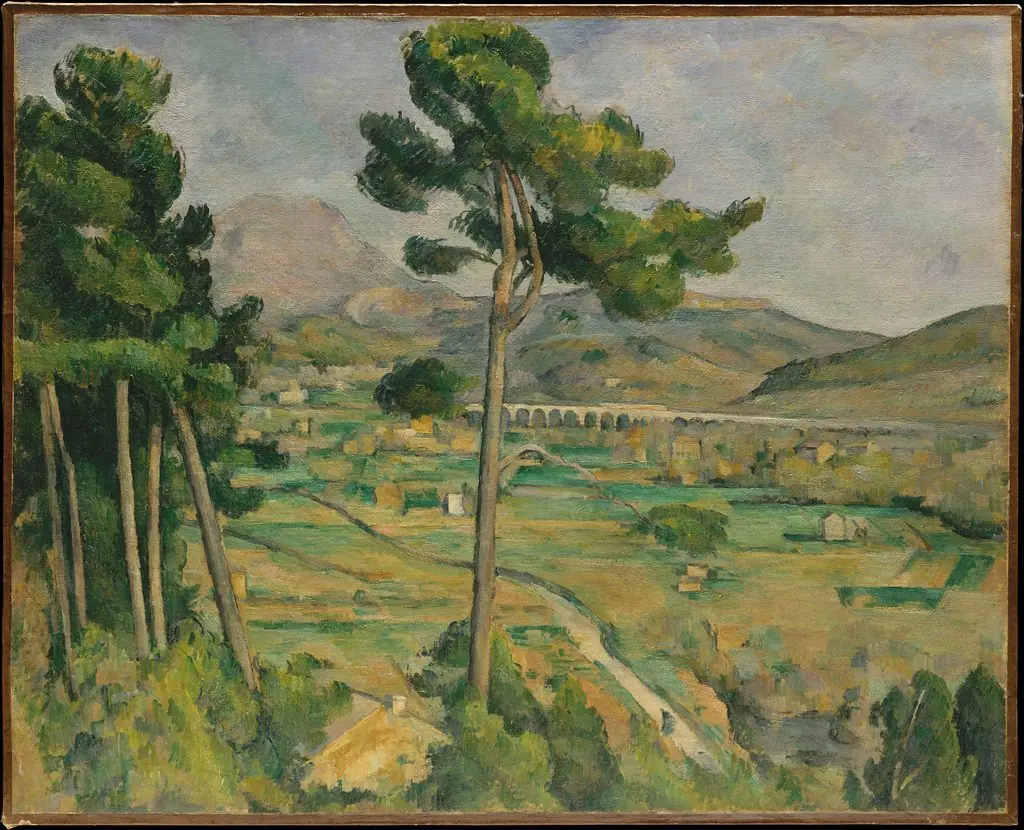 Mont Sainte-Victoire and the Viaduct of the Arc River Valley
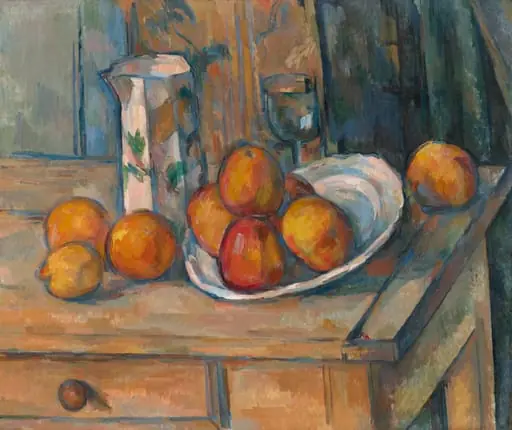 Still Life with Milk Jug and Fruit
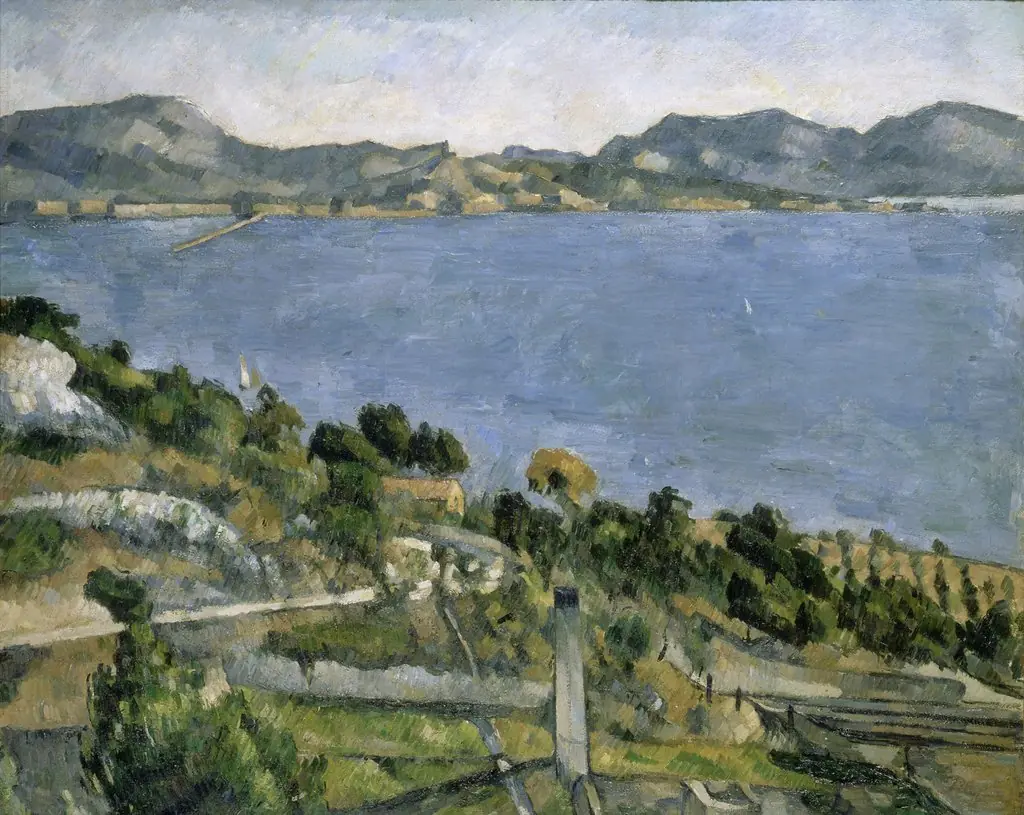 Le Golfe de Marseille vu de l'Estaque (The Gulf of Marseille Seen from L'Estaque)
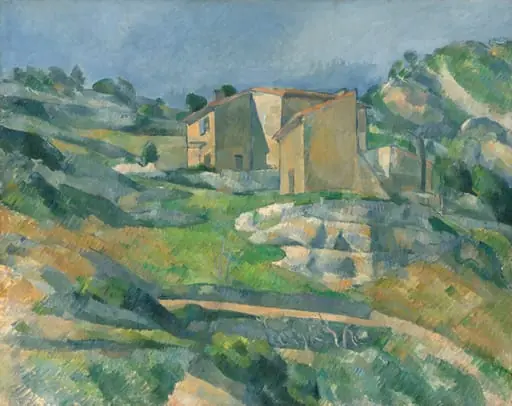 Houses in Provence: The Riaux Valley near L'Estaque
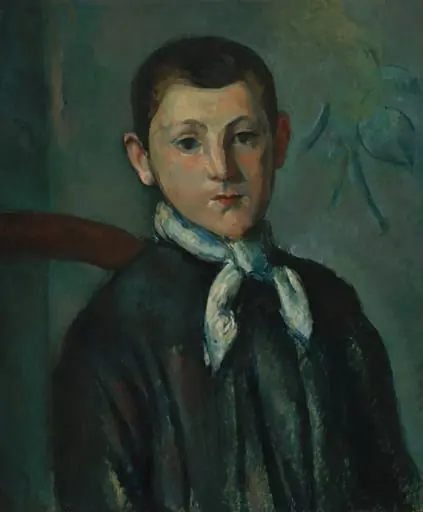 Louis Guillaume
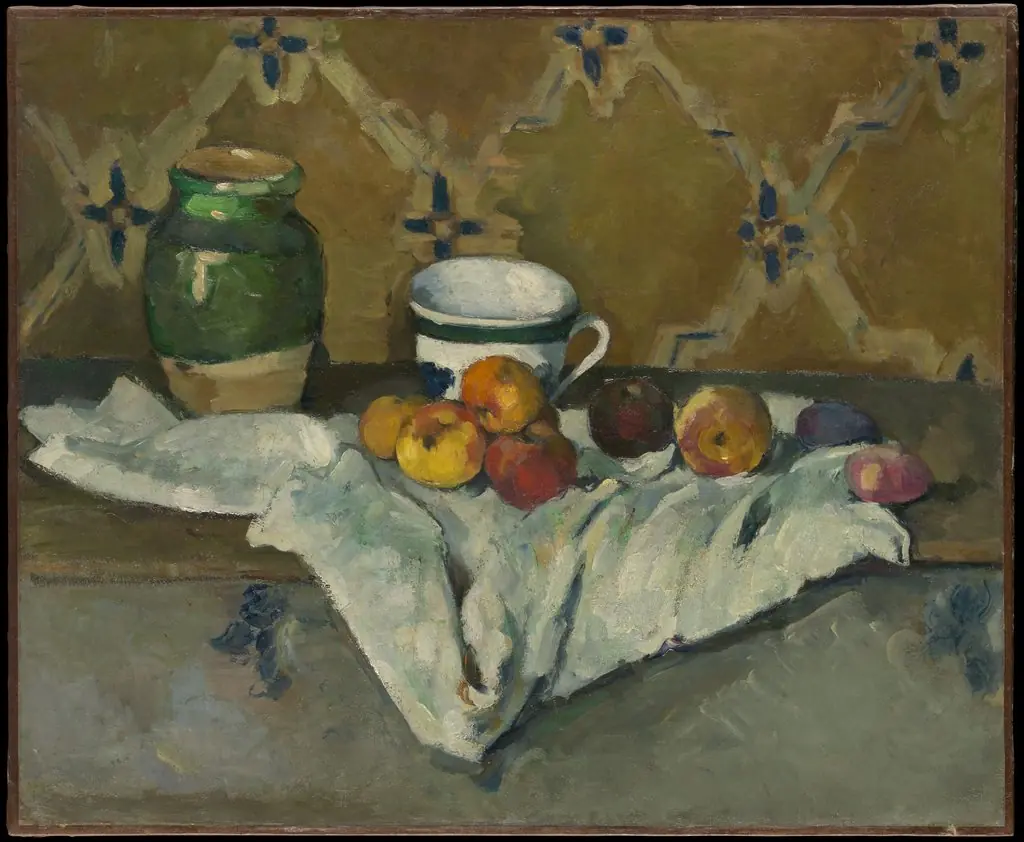 Still Life with Jar, Cup, and Apples
- Le Fumeur de pipe (The Smoker)
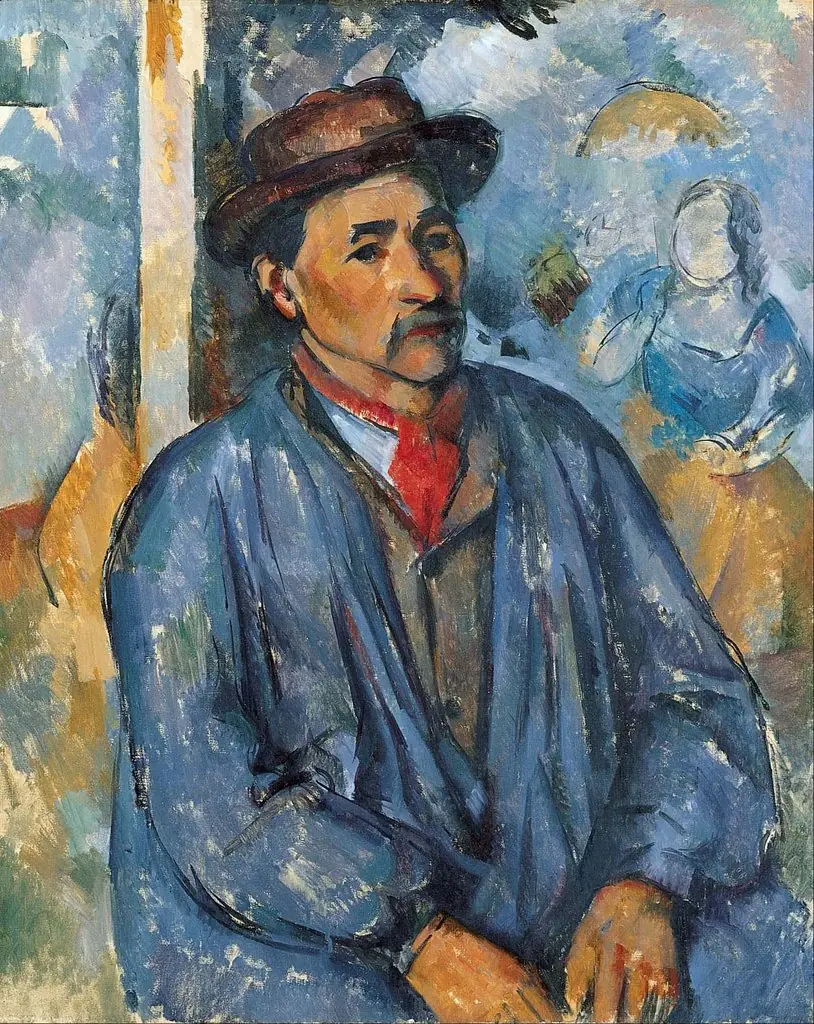 Man in a Blue Smock
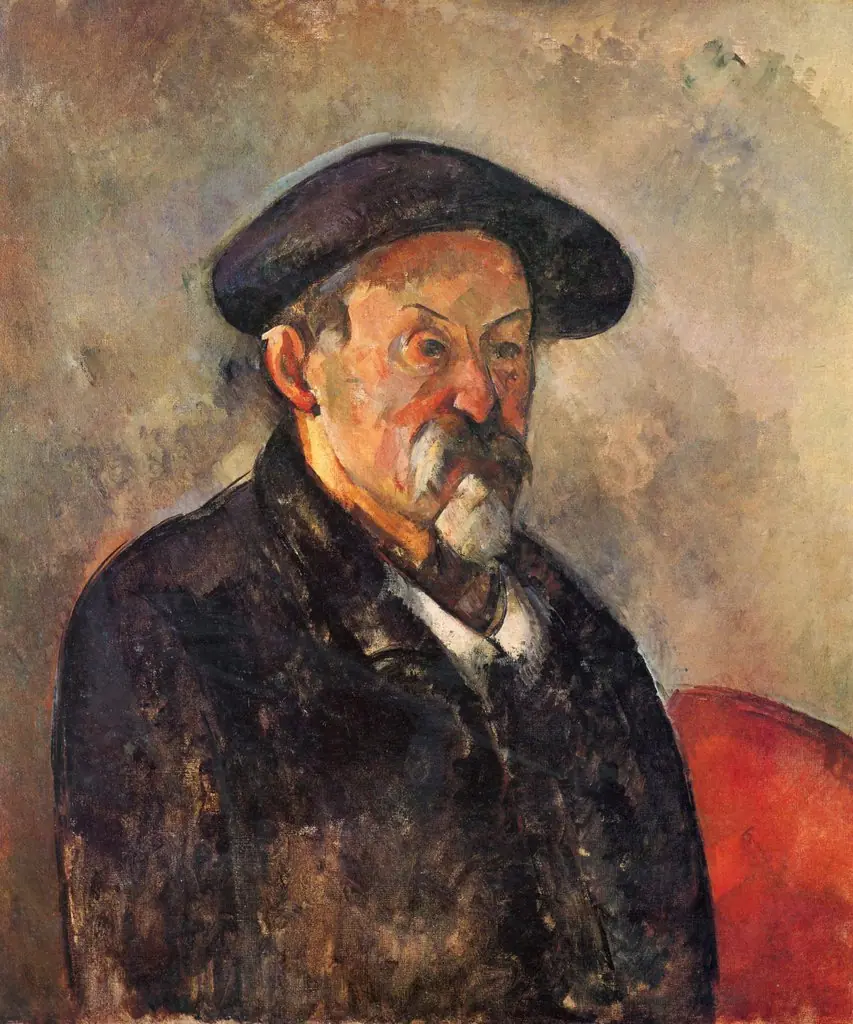 Autoportrait au béret (Self-Portrait with a Beret)
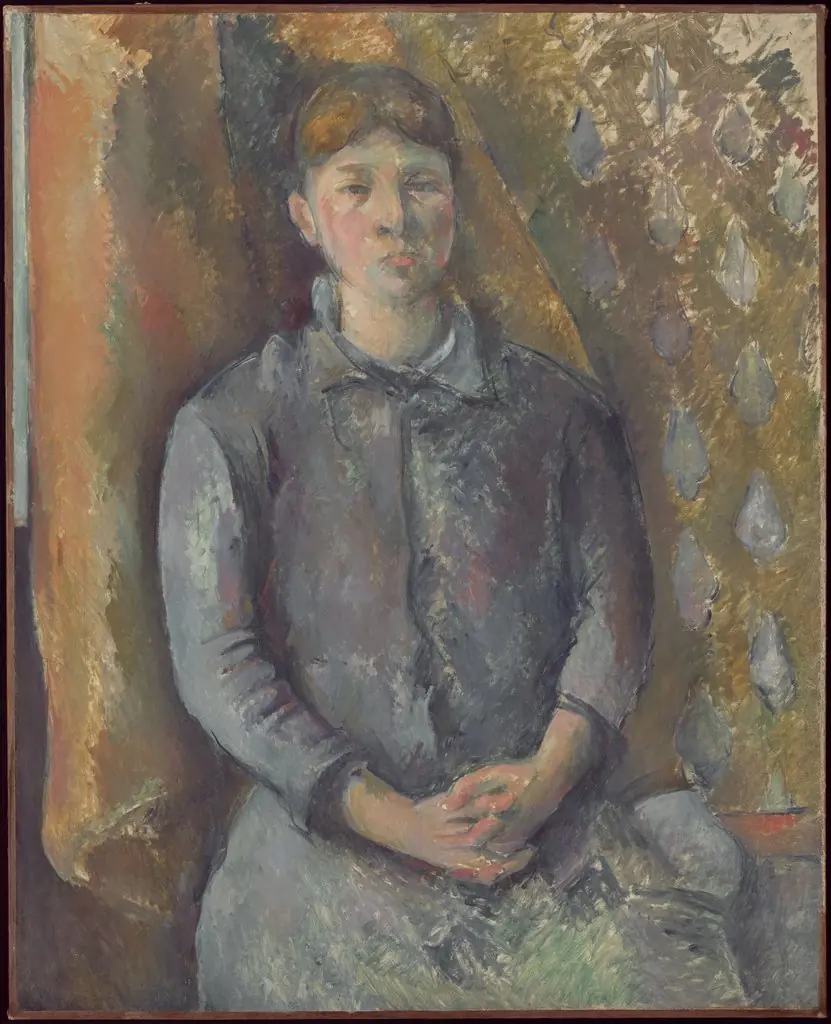 Portrait de madame Cézanne
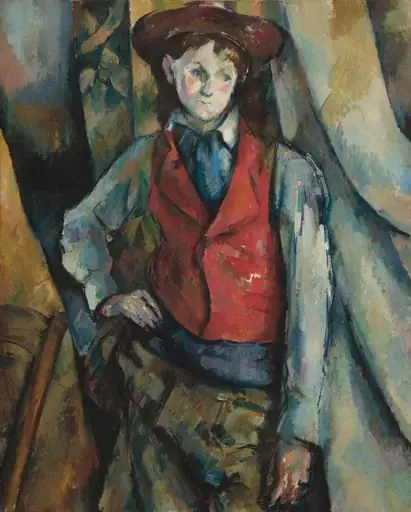 Boy in a Red Waistcoat
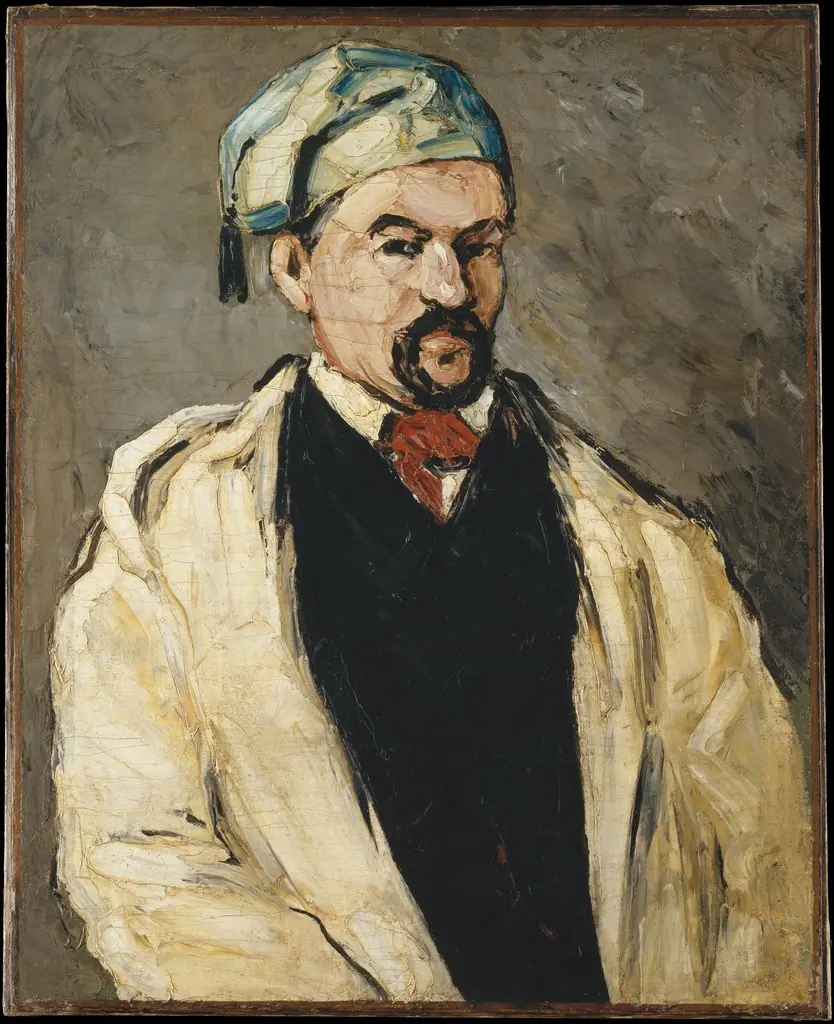 L'Homme au bonnet de coton (Antoine Dominique Sauveur Aubert, the Artist's Uncle)
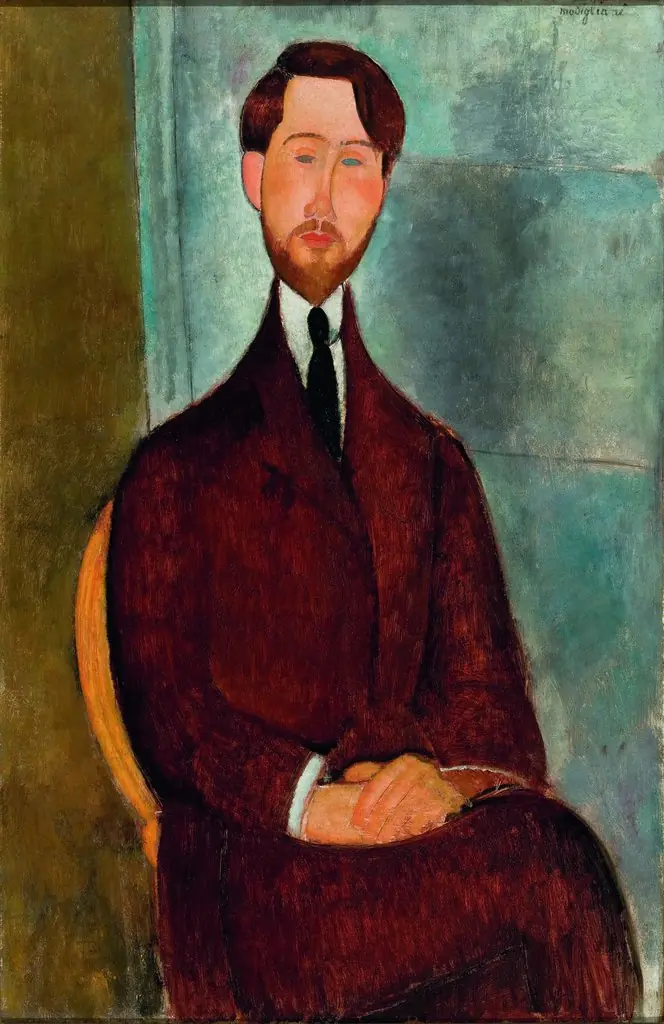 Portrait of Léopold Zborowski
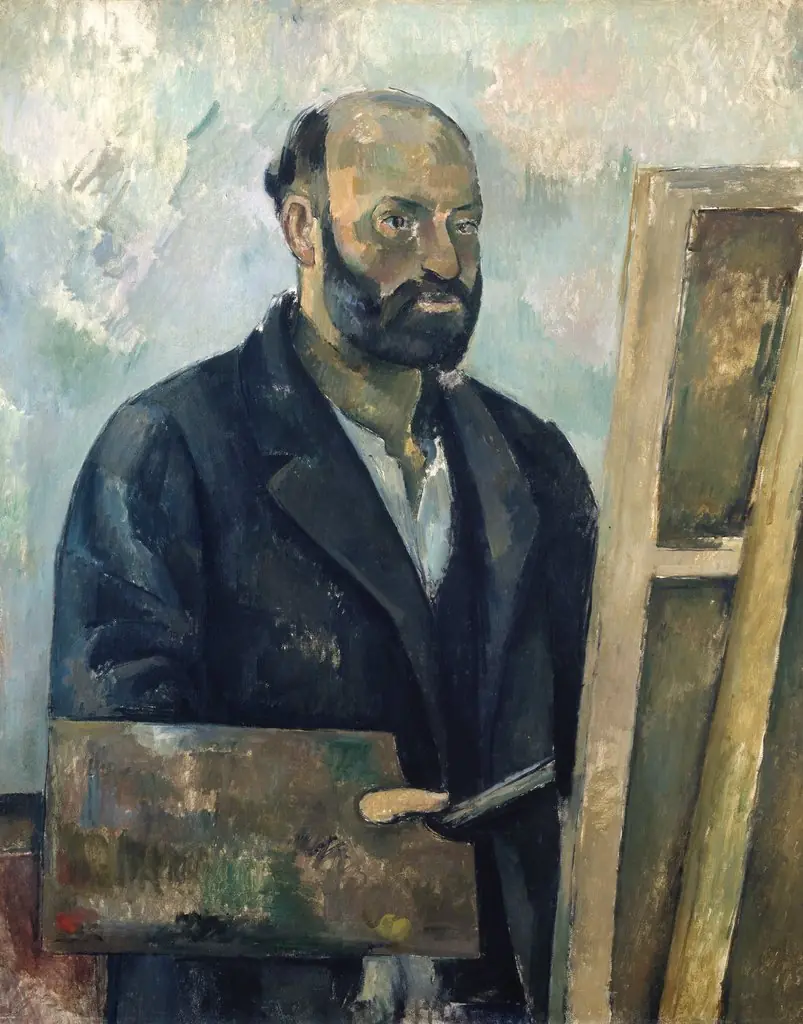 Self-Portrait with Palette
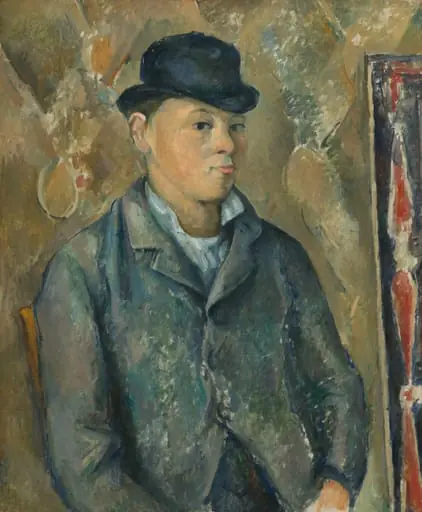 The Artist's Son, Paul
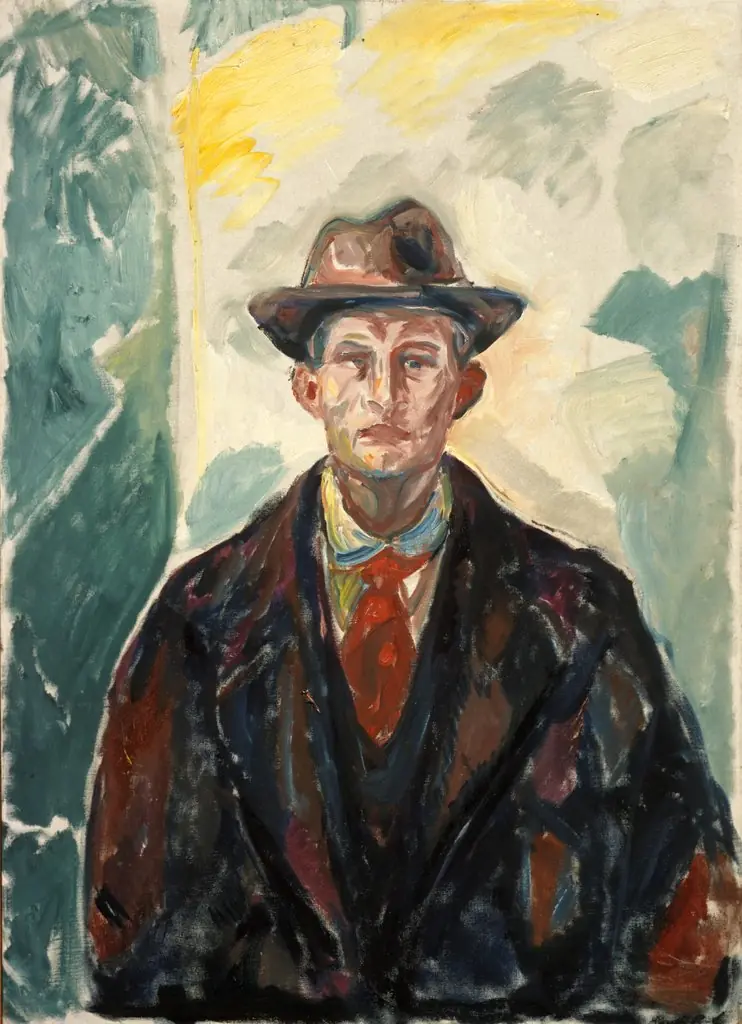 Self-Portrait with Hat and Red Tie
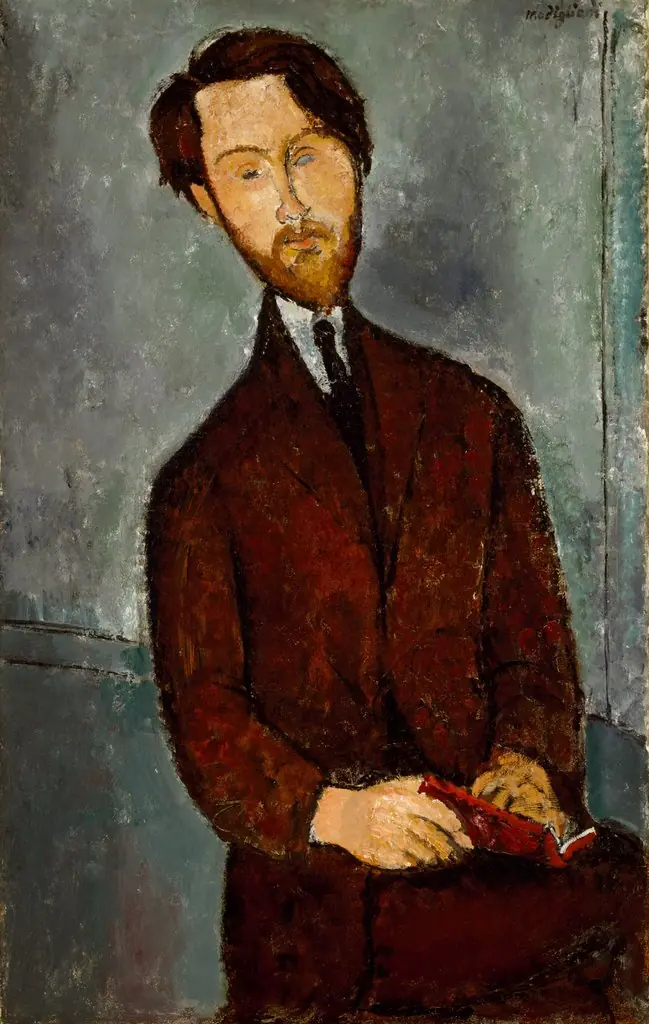 Léopold Zborowski
 Louis Valtat