Artwork
The Basket of Apples
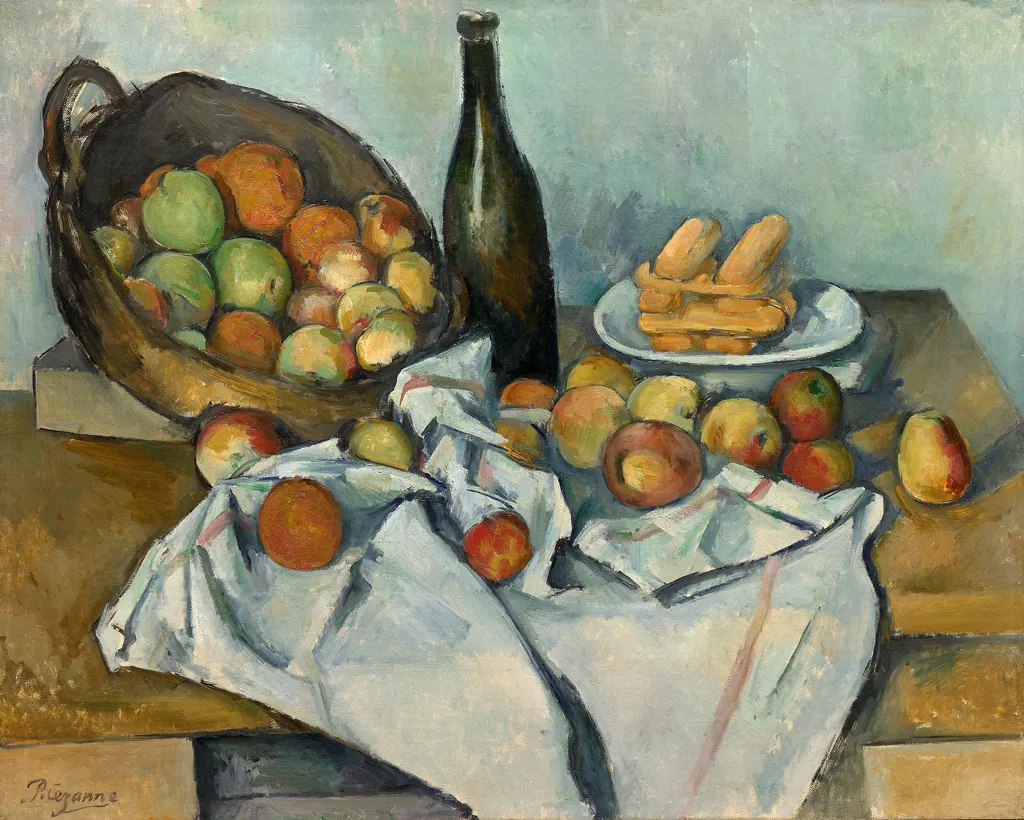
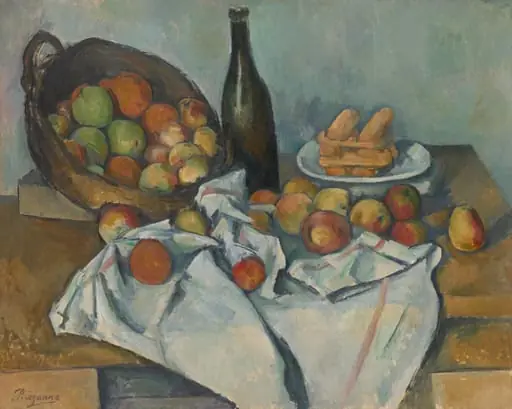
The Basket of Apples is an oil painting by the Post-Impressionist artist Paul Cézanne. It dates from 1897 and is held in the collection of the Art Institute of Chicago.
About this work
Overview
The Basket of Apples (French: Le panier de pommes) is an oil-on-canvas still life painted by the French artist Paul Cézanne around 1893.
The Basket of Apples (French: Le panier de pommes) is an oil-on-canvas still life painted by the French artist Paul Cézanne around 1893. Measuring 65 cm in height and 80 cm in width, the work is held in the Art Institute of Chicago as part of the Helen Birch Bartlett Memorial Collection, where it is displayed in Gallery 246. The painting occupies a pivotal position in art history as a foundational example of Cézanne's radical rethinking of pictorial space, employing multiple viewpoints and distorted perspective that would prove instrumental to the development of modern art movements including Fauvism and Cubism.
Subject & Meaning
The painting depicts a wooden table covered by a rumpled white cloth with faint pink and blue stripes, upon which rest three principal groupings of objects. On the left, a tilted wicker basket overflows with apples in green, yellow, and orange hues, positioned atop a thick book or box. At center stands a tall dark green bottle with a narrow neck. To the right, a white plate holds stacked elongated bread rolls or biscuits. Additional apples are scattered across the draped cloth. Cézanne's choice of still life carried deliberate significance. Since the Neoclassical era, still life had been dismissed as a trivial subject, inferior to religious, historical, and even landscape or portrait painting. Cézanne embraced this neglected genre precisely because its lack of established conventions offered him freedom to experiment. He treated still life as what he called a harmony running parallel to nature, using ordinary objects as vehicles for exploring structural and compositional relationships rather than mere realistic description.
Technique & Style
Executed in oil paint on canvas, The Basket of Apples displays Cézanne's characteristic handling: visible, layered brushwork with distinct patches of color that define rounded forms and folded fabric. Light falls from the upper left, casting soft shadows across the scene. The palette combines earthy browns and ochres with cool blues and greens against a muted blue捷lue wall. The most striking formal quality is the painting's deliberately disjointed perspective. The table itself is tilted, with no right angles, creating an impossible shape. The right side of the table surface does not lie in the same plane as the left, producing the effect of two simultaneous viewpoints. The basket tilts forward, apparently held in place by the bottle and the folds of the tablecloth. The cookies or biscuits appear seen from the side yet also slightly from above. Cézanne employed heavy brushstrokes to create a density greater than would be seen in real life, challenging the single-vantage-point linear perspective that had dominated Western art since the Early Renaissance. His goal was to represent sight in motion, with objects viewed from varying viewpoints, effectively deconstructing the image through carefully suggested multiple perspectives.
History & Provenance
The painting was created circa 1893 during a mature period of Cézanne's career. Its provenance traces through several notable dealers and collectors. It passed from the Galerie Vollard to the Galerie Bernheim-Jeune, then through the hands of Paul Cassirer and Jos Hessel, and later Paul Rosenberg before its acquisition by the Art Institute of Chicago. The work entered the museum's collection in 1926 as part of the Helen Birch Bartlett Memorial Collection, where it remains today. The painting is accessible to the public at the Art Institute of Chicago in Chicago, Illinois.
Context
Cézanne's still lifes emerged from a broader context of artistic reinvention. The neglect of still life in the academic tradition paradoxically made it attractive to Cézanne as a blank slate for experimentation. His analytical approach to form and space developed through sustained engagement with this genre, producing works that systematically dismantled Renaissance perspective conventions. The Basket of Apples exemplifies this project: rather than depicting objects from a frozen point in time, Cézanne sought to capture the complexity of human visual experience. Scholarly attention has focused on the painting's perspectival dislocations as evidence of Cézanne's radical break with naturalistic representation. Georges Braque later acknowledged this legacy explicitly, noting in 1957 that the hard-and-fast rules of perspective had been a ghastly mistake which took four centuries to redress, and that Paul Cézanne and after him Picasso and Braque himself could take a lot of credit for this correction.
Legacy
The Basket of Apples stands as a crucial bridge between Impressionism and Cubism, demonstrating how Cézanne employed multiple perspectives, a vivid color palette, and analytical brushwork to produce creative compositions in opposition to realistic depictions of everyday objects. His approach to distorting objects to create multiple perspectives directly influenced Pablo Picasso and Georges Braque in their development of Cubism, as well as Henri Matisse and the Fauvist movement. This foundational role has earned Cézanne the designation Father of Modern Art. The painting's influence extends beyond its immediate formal innovations to symbolize a broader epistemological broader shift in how artists understood the relationship between perception, representation, and the flat picture plane. Works such as The Basket of Apples effectively reinvented and reinvigorated the still life genre, transforming it from a marginal academic category into a central arena for modernist experimentation.
Own this work as a print
Artist & collection

Artist
Paul Cézanne ( say-ZAN, UK also siz-AN, US also say-ZAHN; French: ; Occitan: Pau Cesana; 19 January 1839 – 22 October 1906) was a French Post-Impressionist painter whose work introduced new modes of representation,…

 Harlequin
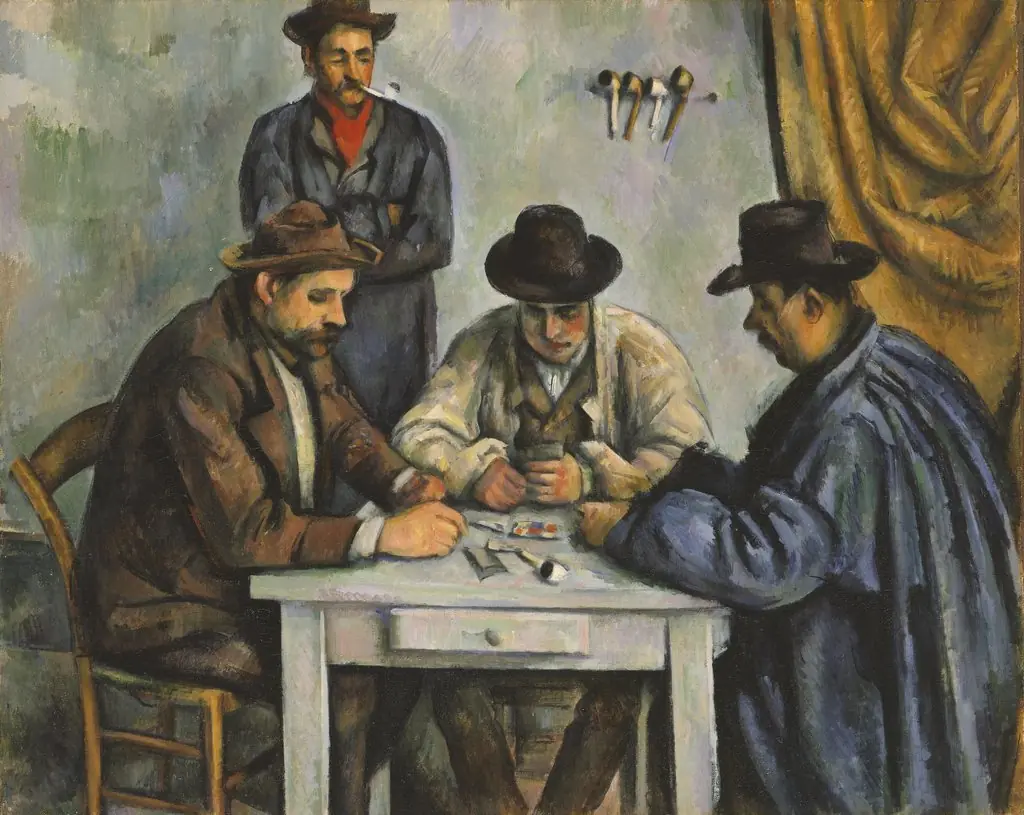 The Card Players
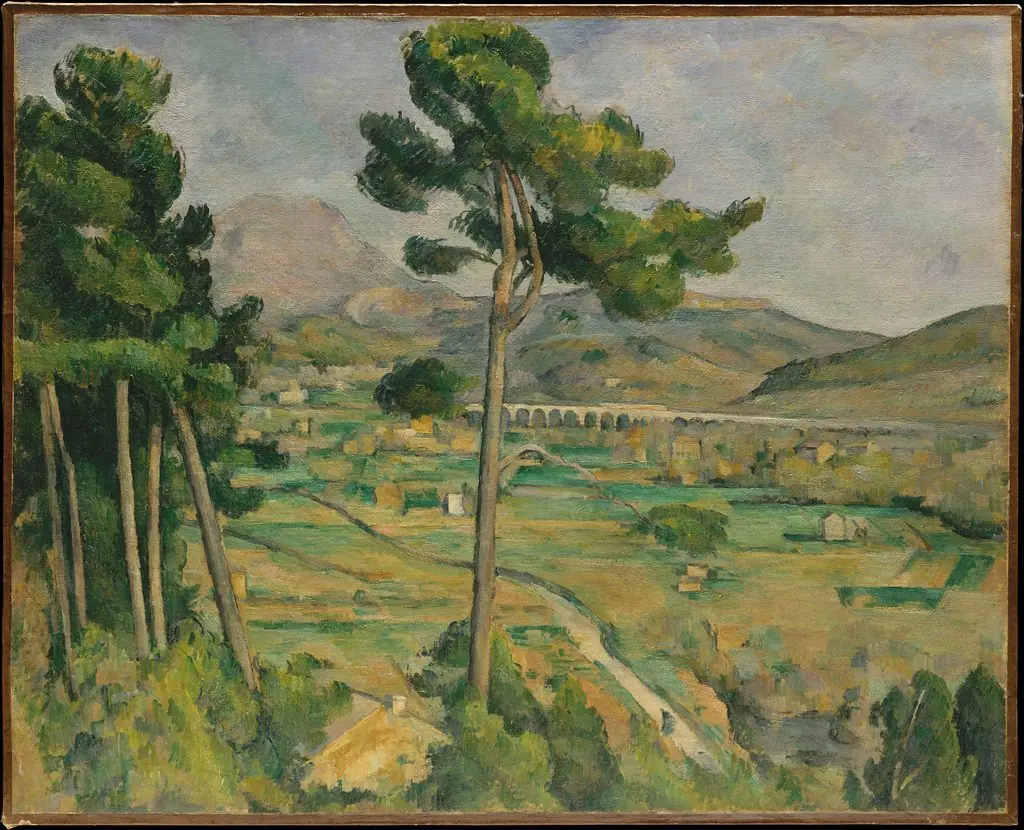 Mont Sainte-Victoire and the Viaduct of the Arc River Valley
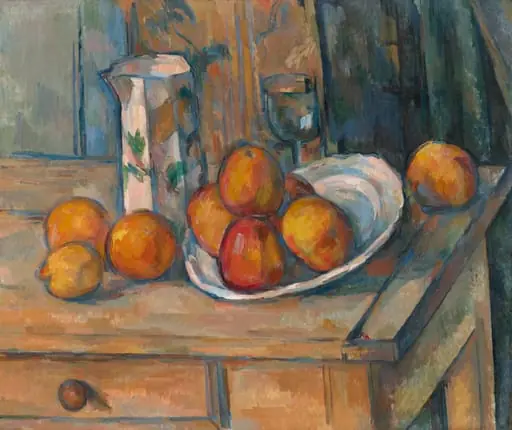 Still Life with Milk Jug and Fruit
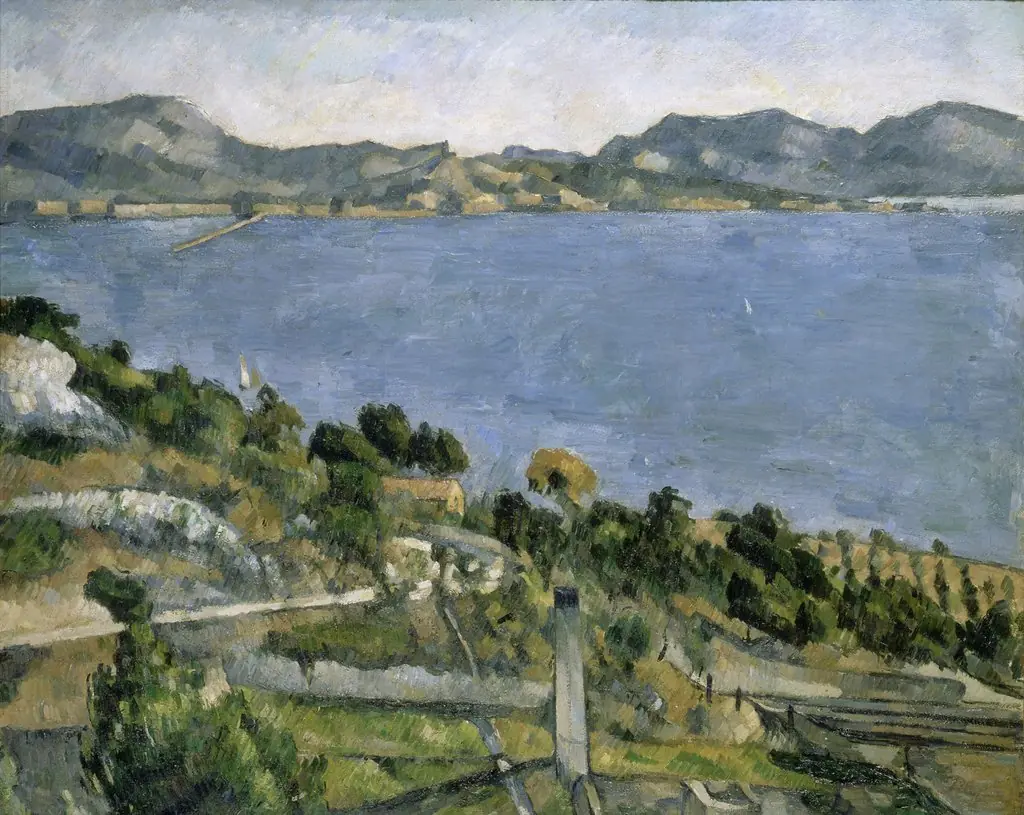 Le Golfe de Marseille vu de l'Estaque (The Gulf of Marseille Seen from L'Estaque)
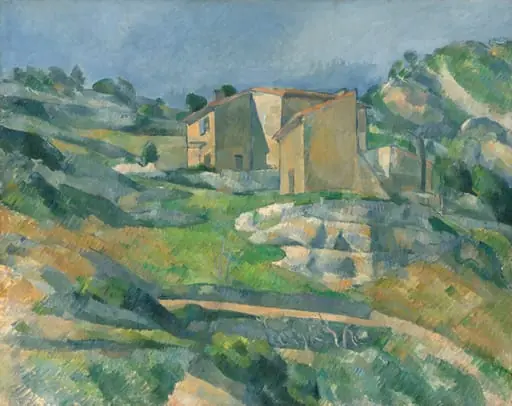 Houses in Provence: The Riaux Valley near L'Estaque
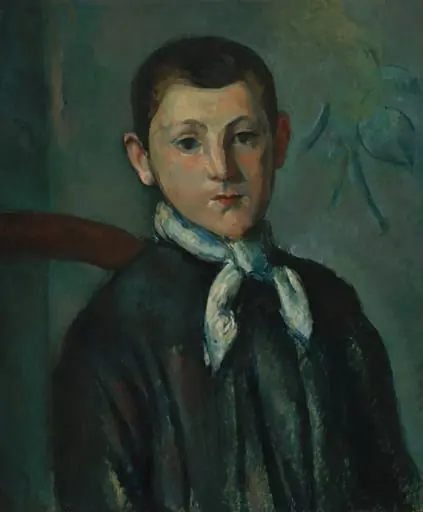 Louis Guillaume
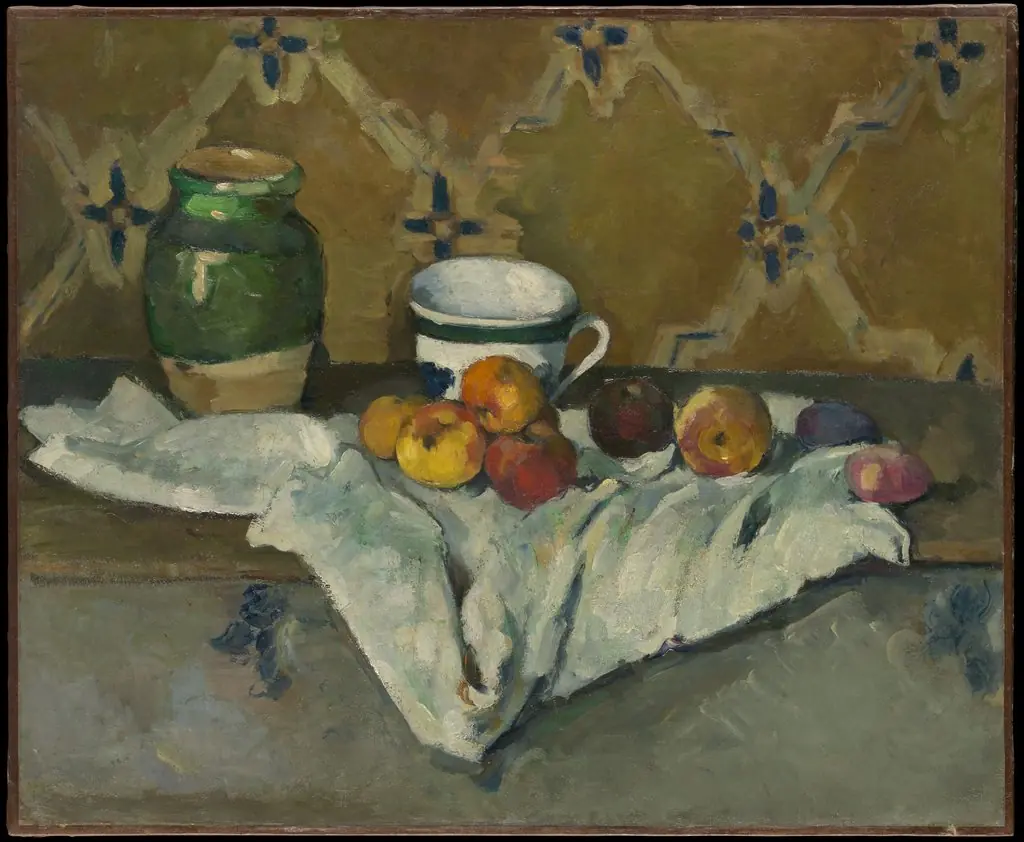 Still Life with Jar, Cup, and Apples