Artwork
Un peintre au travail
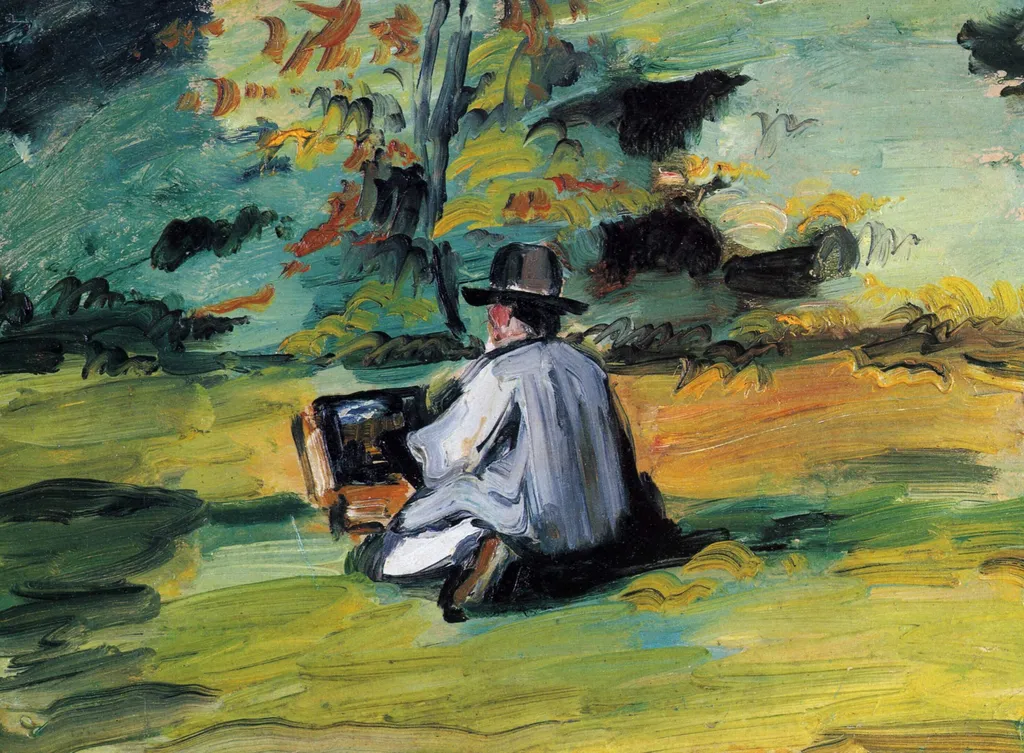
Un peintre au travail is an oil painting by the Impressionist artist Paul Cézanne. It dates from 1874 and is held in the collection of the Denver Art Museum.
About this work
Overview
The composition avoids theatricality, favoring quiet observation over narrative drama, reflecting Cézanne’s interest in the discipline of artistic labor.
Painted in 1874, Un peintre au travail is an oil on canvas work by Paul Cézanne, created during his engagement with the emerging Impressionist circle. It portrays a solitary figure absorbed in the act of painting, set against a natural landscape. The composition avoids theatricality, favoring quiet observation over narrative drama, reflecting Cézanne’s interest in the discipline of artistic labor.
Subject & Meaning
The figure, turned away from the viewer, is depicted as a working artist, hat on head, palette in hand, engaged in the physical act of creation. His anonymity emphasizes the universality of the artist’s routine rather than individual identity. The scene suggests introspection and concentration, framing painting not as spectacle but as a private, sustained effort rooted in observation and repetition.
Technique & Style
Cézanne employs thick, deliberate brushwork to build form through color planes rather than linear definition. The landscape is rendered with vibrant, unblended strokes of green, blue, and ochre, while the figure’s clothing is suggested with contrasting tones. This method prioritizes structural integrity over atmospheric effect, hinting at his later move toward geometric simplification and the foundations of Cubism.
History & Provenance
Created during Cézanne’s formative years in the 1870s, the painting emerged alongside his participation in early Impressionist exhibitions. It remained in private hands for much of the 20th century, with limited public exposure until later scholarly reassessments of his early work. Its provenance reflects its status as a lesser-known but significant study in the evolution of his visual language.
Context
In the mid-1870s, Cézanne was navigating between the spontaneity of Impressionism and his own pursuit of structural permanence. While contemporaries like Monet captured fleeting light, Cézanne sought to anchor perception in enduring form. This painting reflects that tension: a momentary scene treated with methodical brushwork, bridging the ephemeral and the essential.
Legacy
Though not widely exhibited in his lifetime, Un peintre au travail exemplifies Cézanne’s quiet revolution: elevating the artist’s process as subject, and redefining representation through color and structure. His approach here influenced later modernists, particularly Picasso and Braque, who saw in his method a path beyond illusion toward the architecture of vision.
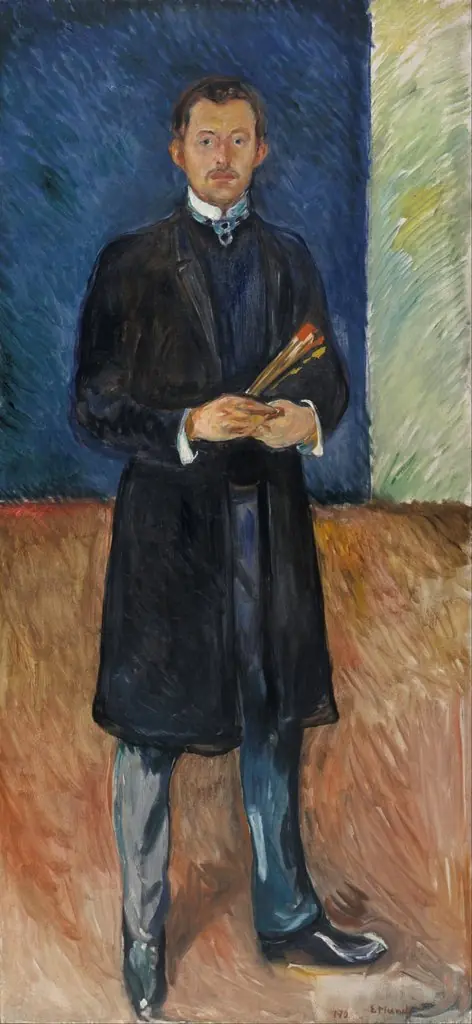
Own this work as a print
Artist & collection

Artist
Paul Cézanne ( say-ZAN, UK also siz-AN, US also say-ZAHN; French: ; Occitan: Pau Cesana; 19 January 1839 – 22 October 1906) was a French Post-Impressionist painter whose work introduced new modes of representation,…

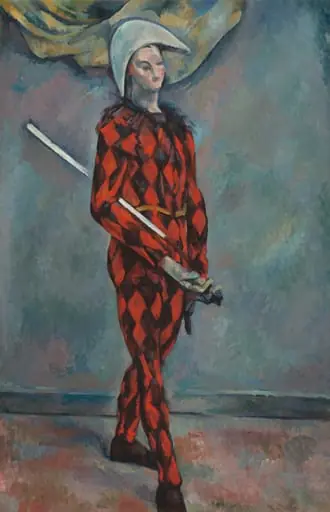 Harlequin
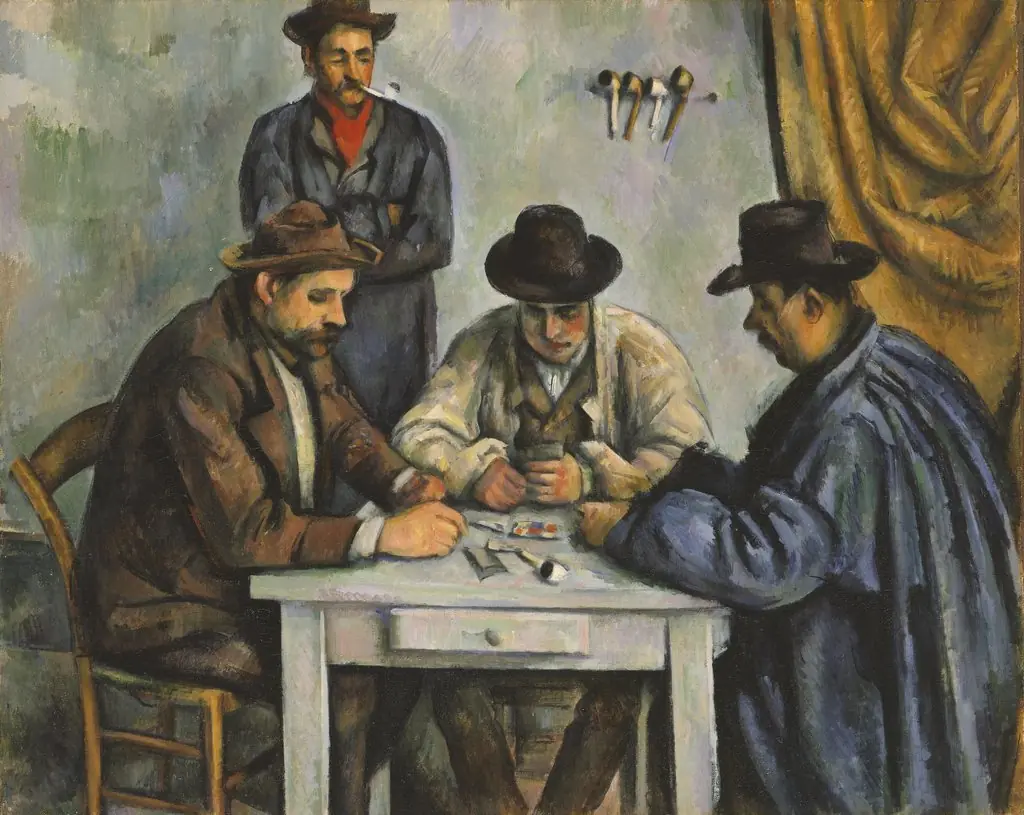 The Card Players
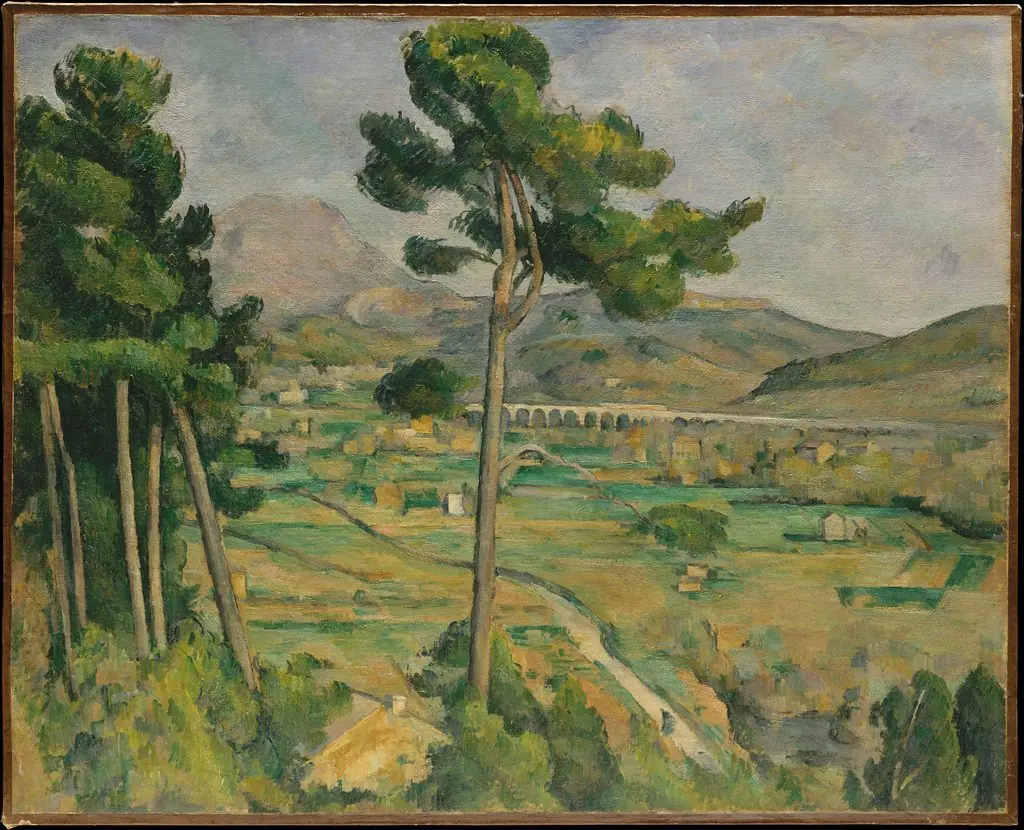 Mont Sainte-Victoire and the Viaduct of the Arc River Valley
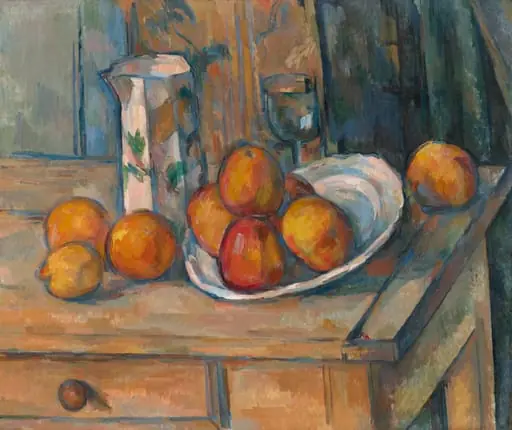 Still Life with Milk Jug and Fruit
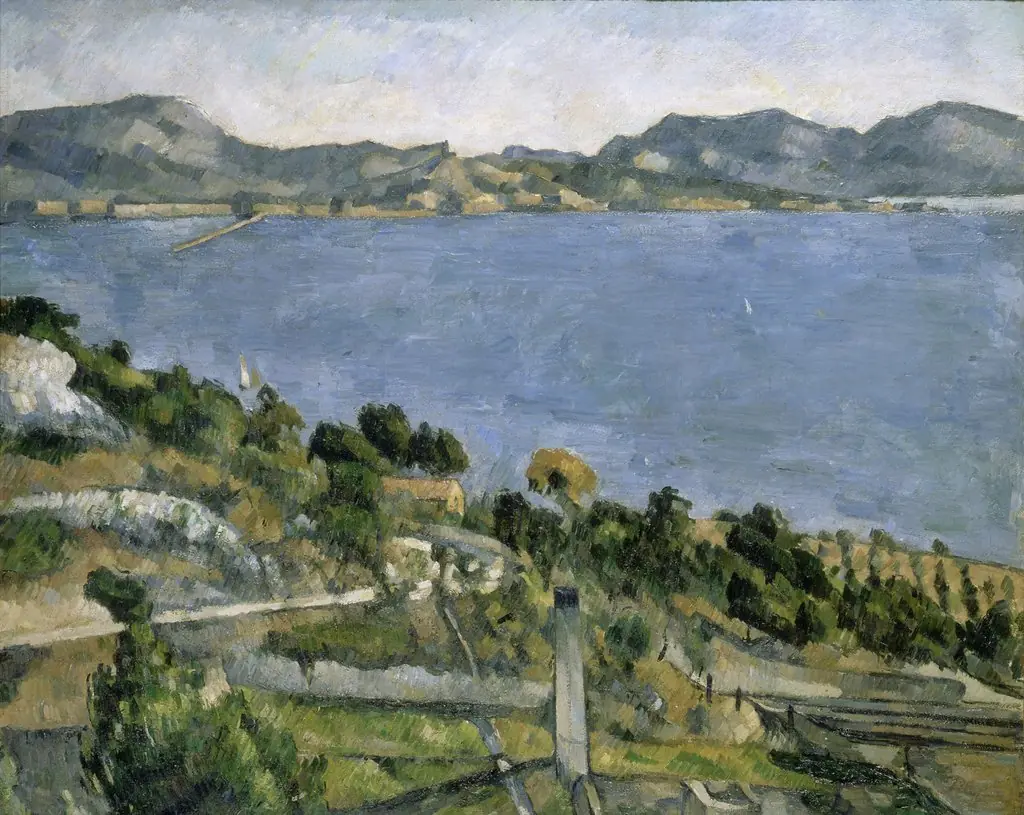 Le Golfe de Marseille vu de l'Estaque (The Gulf of Marseille Seen from L'Estaque)
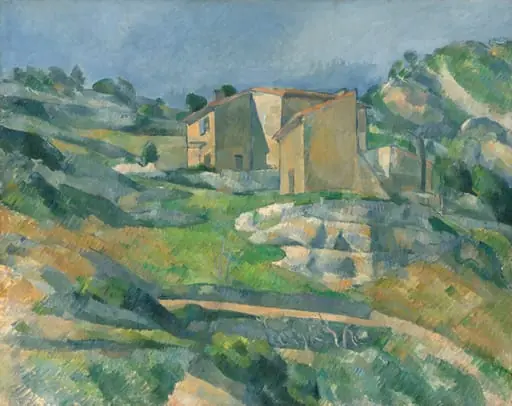 Houses in Provence: The Riaux Valley near L'Estaque
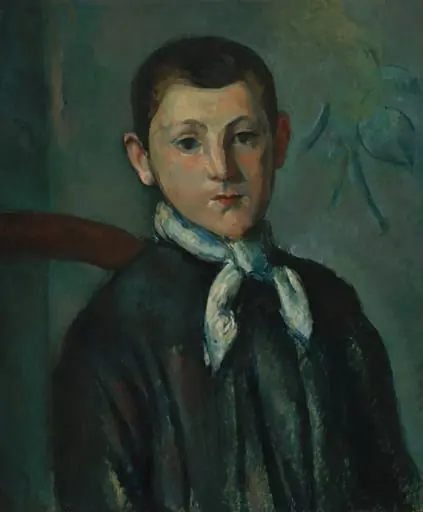 Louis Guillaume
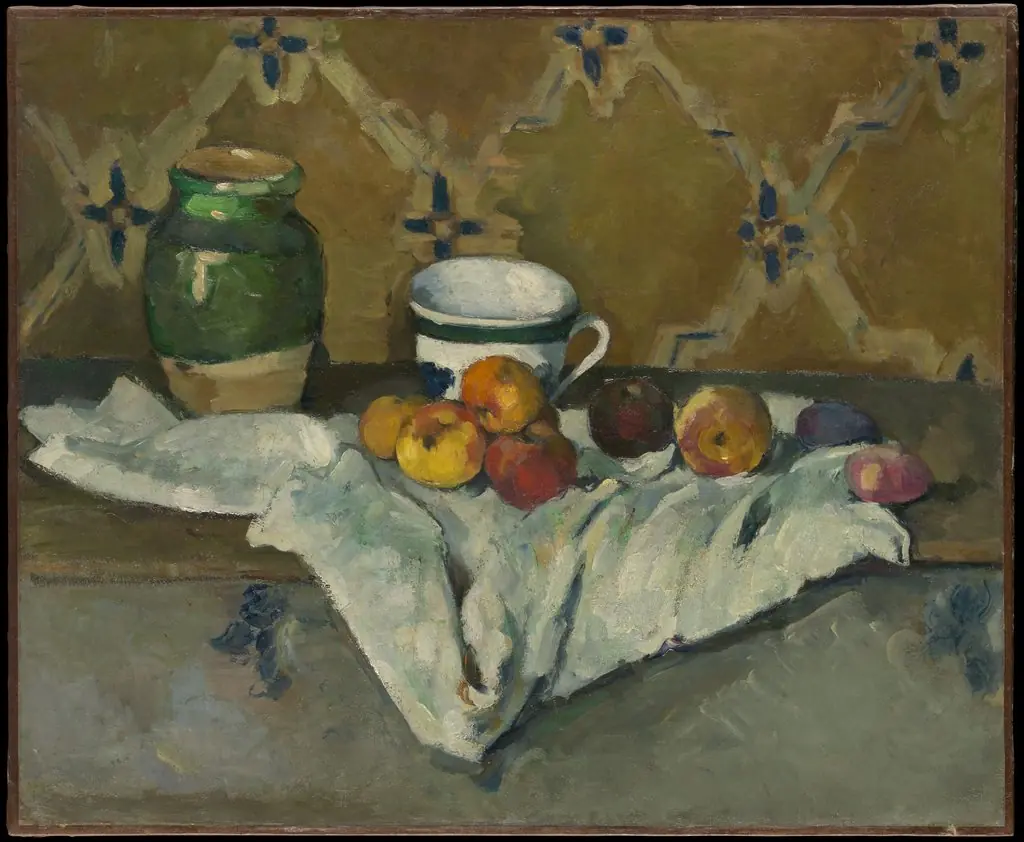 Still Life with Jar, Cup, and Apples