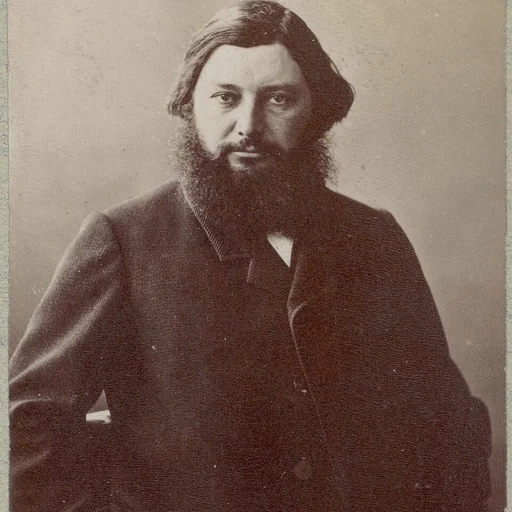
Subject
Painter
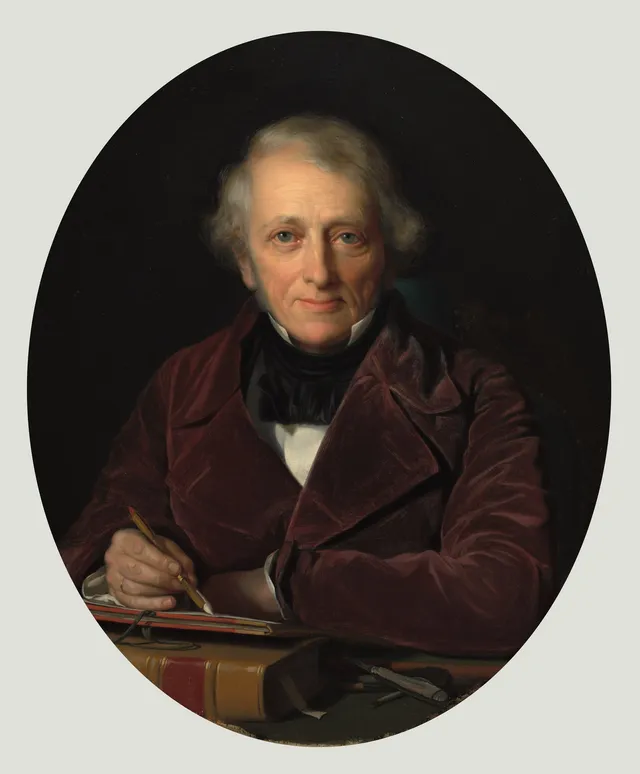
Painter is a subject in art. The gallery holds 43 works in this subject in art, including works by Gustave Courbet, Johannes Vermeer and Rembrandt van Rijn.
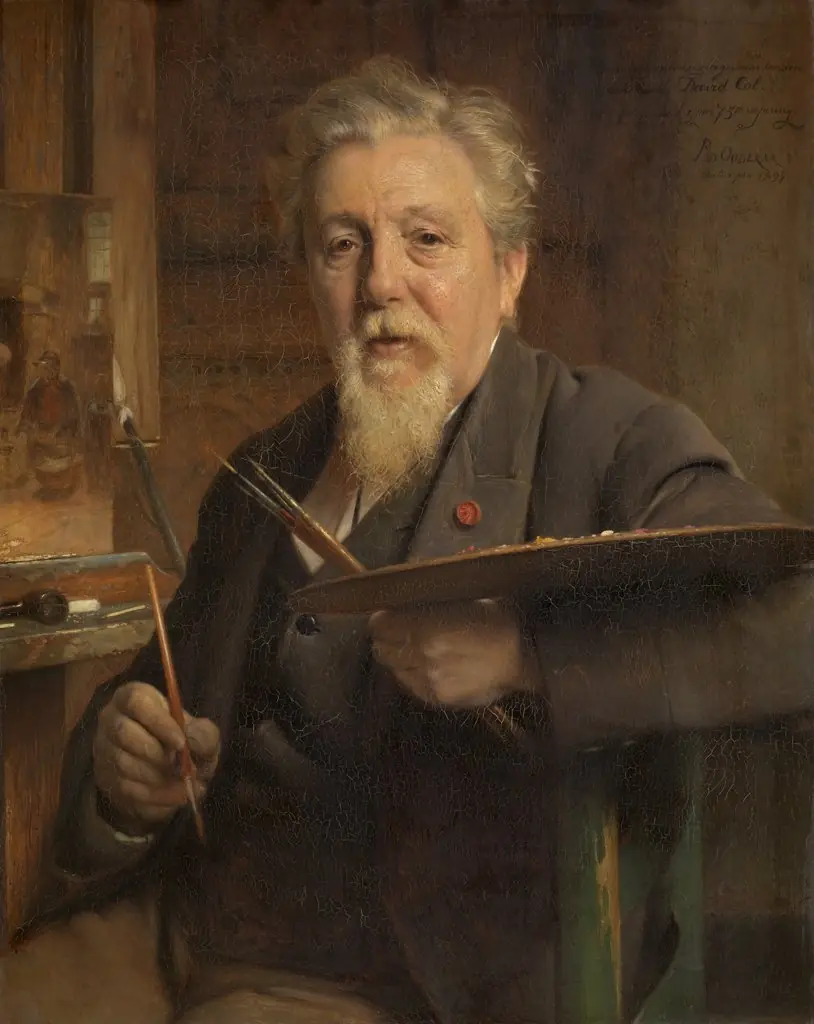
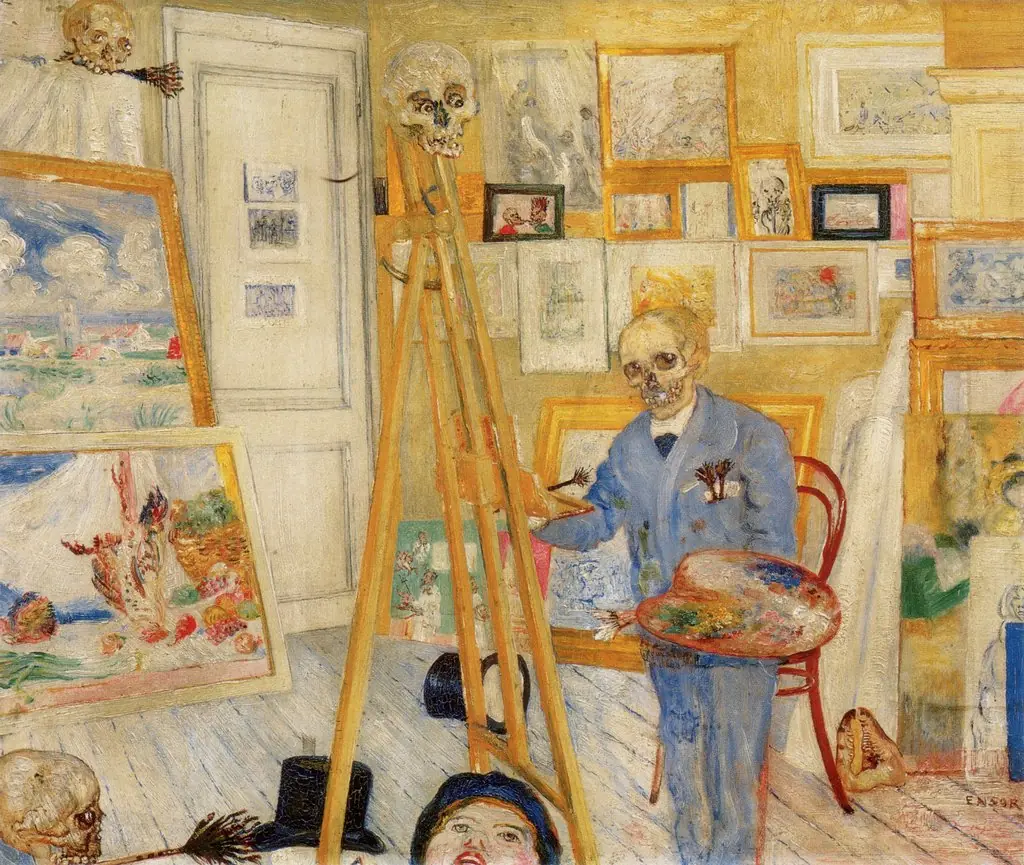
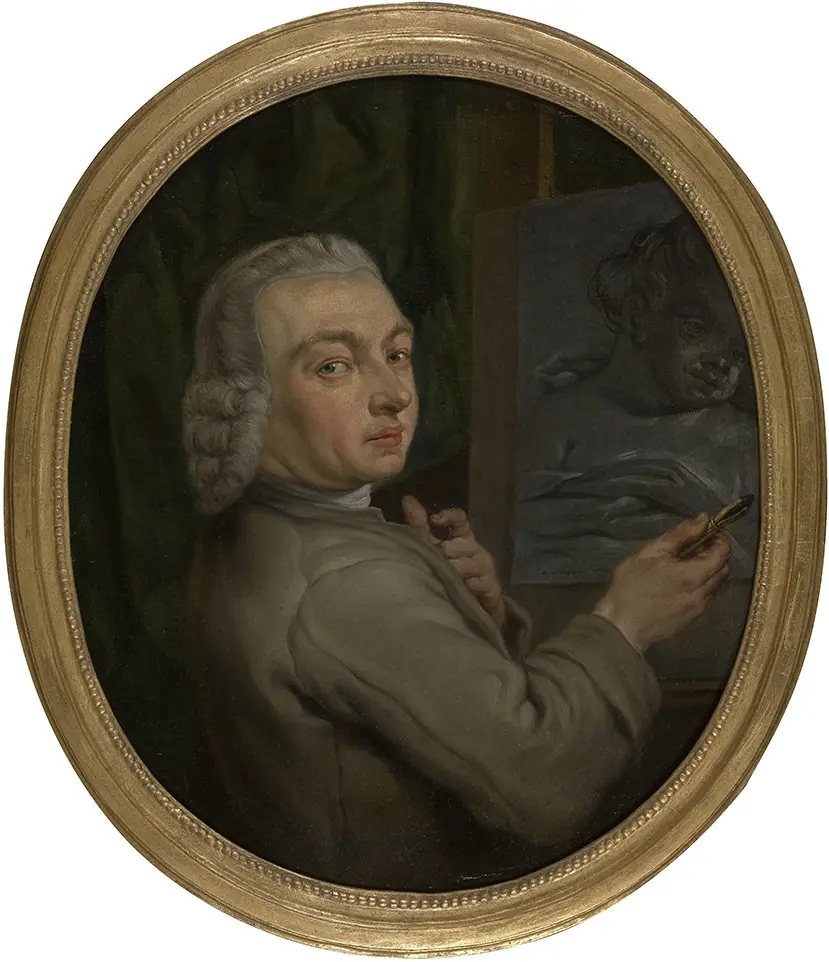
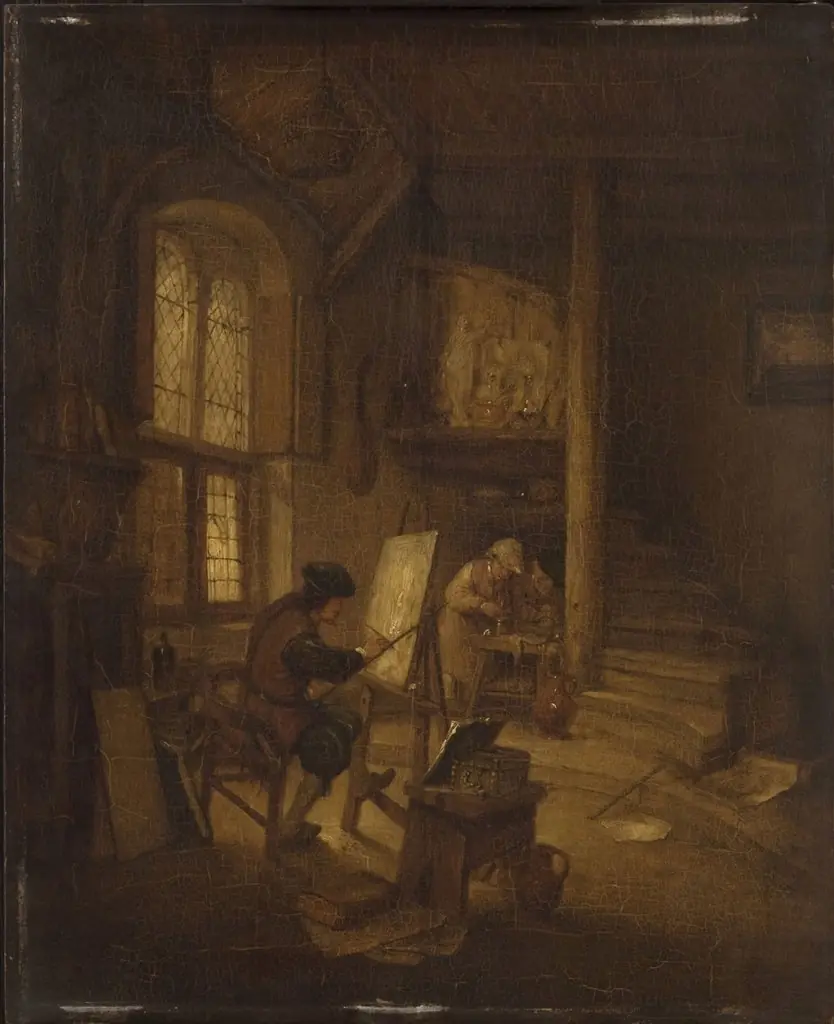
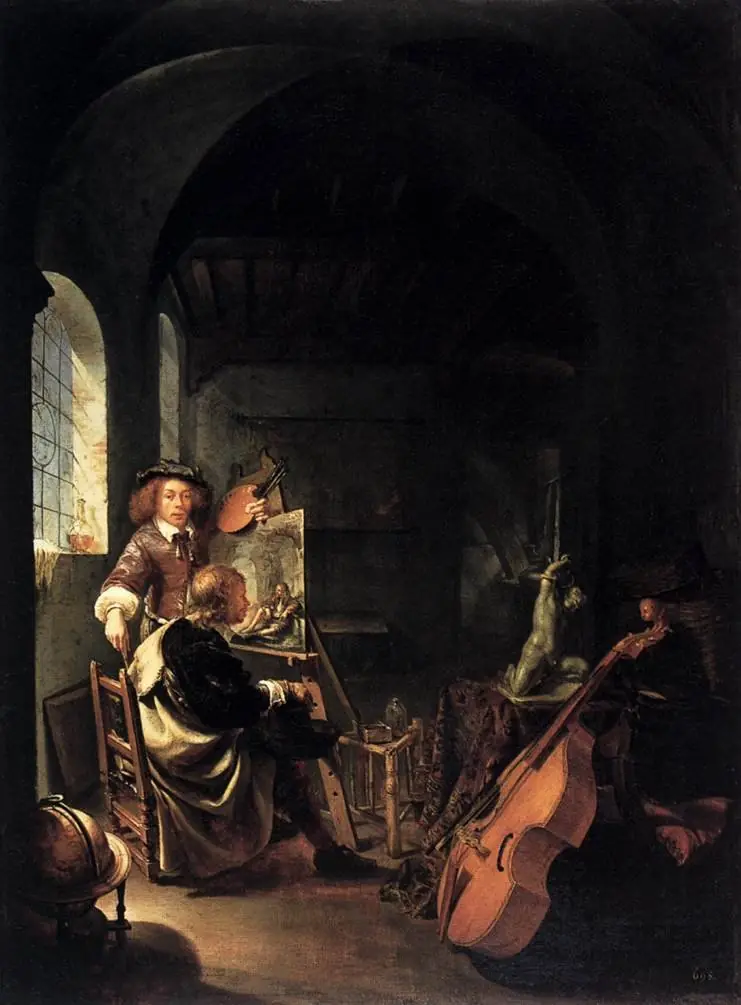
The painter at work—seated at the easel, palette and brushes in hand, surrounded by the apparatus of the studio—is one of art's most enduring self-reflexive subjects. Its rise is bound up with a shift in the artist's social standing. In the medieval period painters belonged to craft guilds and were ranked among artisans; with the Renaissance and its new fascination with individual genius, the maker began to claim intellectual prestige, and the act of painting itself became a worthy theme. The earliest known self-portrait of an artist actually at the easel is Catharina van Hemessen's of 1548, in which she presents herself, brush poised, as both a working professional and a person of standing. By the Baroque era nearly every established master had recorded his or her own likeness, often within the working environment.
The subject crystallised around a stable iconography: the easel and stretched canvas, the loaded palette, the maulstick steadying the hand, raking light falling across a cluttered atelier, and the painter caught between the viewer's space and the picture taking shape. Two registers coexist—the intimate studio scene observed almost as genre, and the grand allegory in which painting is exalted as a liberal art. The recurring "picture within a picture" lets the artist meditate openly on representation, illusion, and the labour of looking.
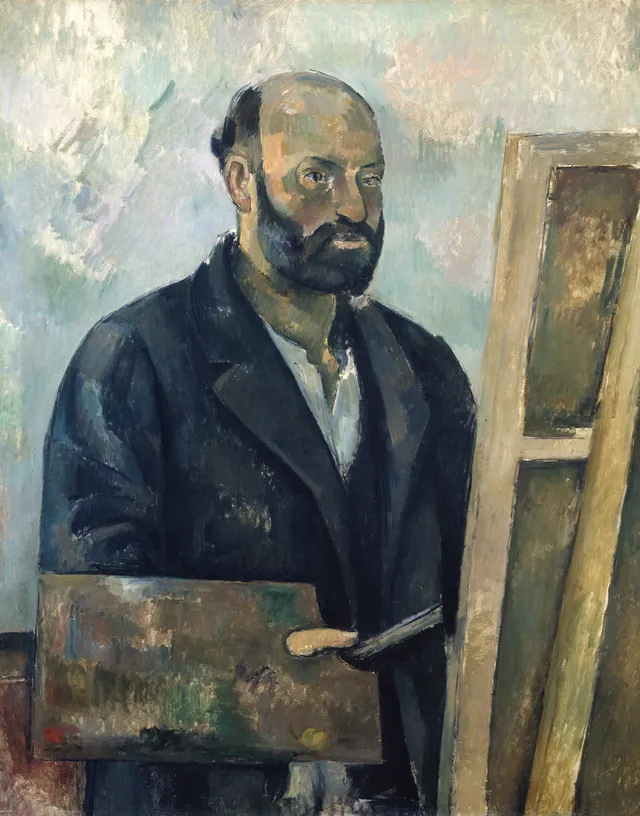
The canon is rich. Rembrandt's small, atmospheric *Artist in his Studio* (c. 1628, Museum of Fine Arts, Boston) confronts a figure with a looming blank panel; Velázquez's *Las Meninas* (1656, Prado) inserts the painter into the royal household and is often called "a painting about painting"; Vermeer's *The Art of Painting* (c. 1666–68) stages the craft as allegory. Gerrit Dou, Goya and others extended the tradition, while Courbet's monumental *The Painter's Studio: A Real Allegory* (1854–55, Musée d'Orsay) turned it into a manifesto of Realism. Our own holdings trace the theme across centuries—from Ludolf Bakhuizen's *An artist in his studio, painting the portrait of a lady* and Rembrandt's studio scene to Cézanne's *Self-Portrait with Palette* (c. 1890, Bührle Collection)—his sole portrait of himself explicitly as an artist—and Laurits Andersen Ring's quietly modern *The Painter in the Village*.
The motif's legacy is its self-consciousness: by making the means of art its content, it anticipated modern and contemporary preoccupations with process and authorship. It sits beside, and frequently overlaps, the neighbouring genres of formal self-portraiture, the domestic studio interior, and the allegory of the arts.
Key artists

Overview
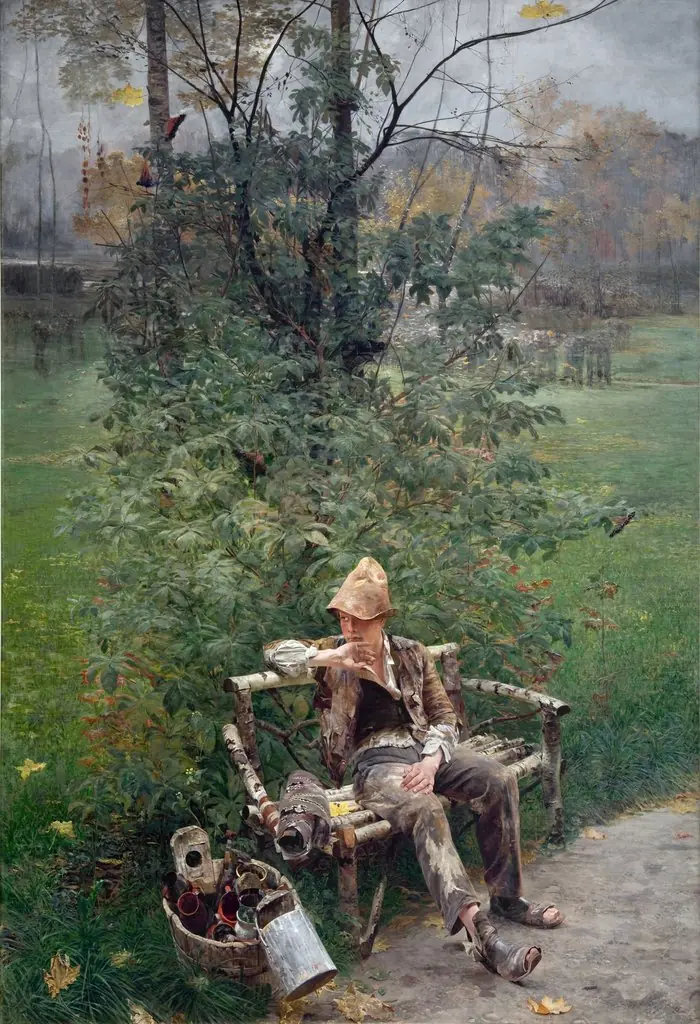
The figure of the painter, as both practitioner and subject, constitutes one of the most persistent and self-reflexive themes in the history of art. Defined as an artist who practices painting, the painter applies pigment, color, or other media to a solid support, most commonly with a brush though also with palette knives, sponges, airbrushes, or even gravity-driven dripping techniques. The term acquired particular disciplinary precision in France at the turn of the nineteenth century, when legislation of 22 October 1798 distinguished the artist peintre from the artisanal peintre en bâtiment or peintre décorateur, following the abolition of the guilds. This collection contains 178 works that depict the painter, ranging from studio interiors and self-portraits to allegorical representations, indicating the motif's sustained hold on artistic imagination across centuries.
Iconography & meaning
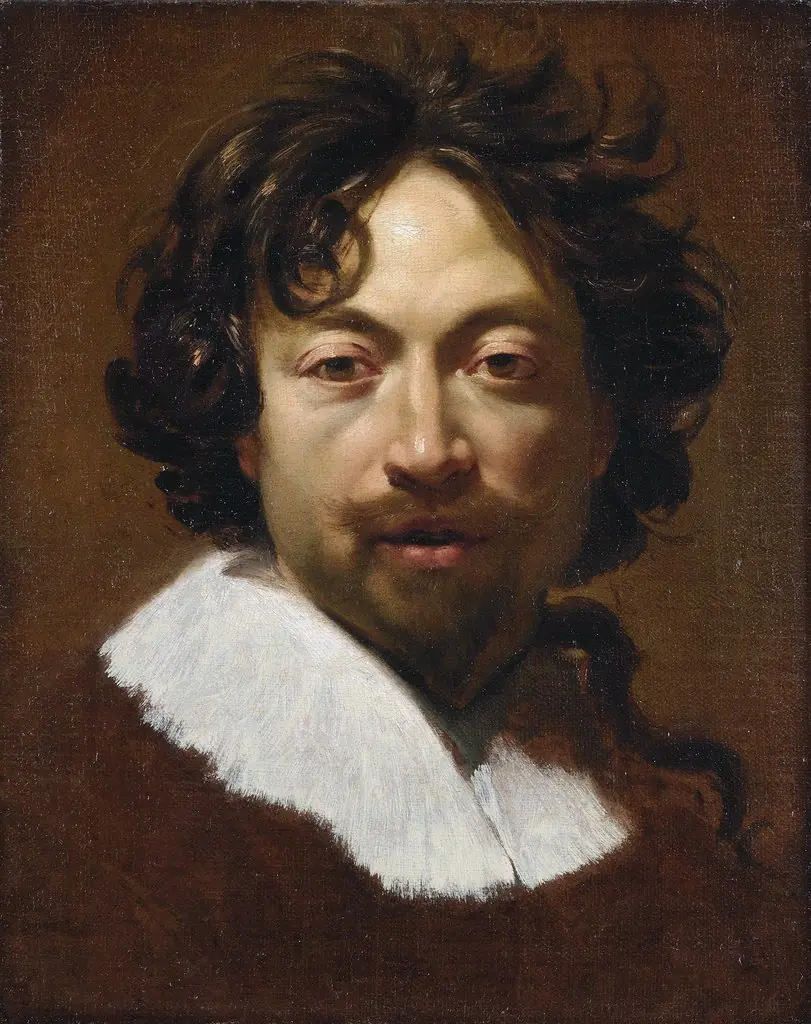
The iconography of the painter clusters around several recurrent attributes and scenarios that signal professional identity and creative labor. The palette, brushes, and easel function as the most immediate identifiers, often accompanied by the canvas or panel in progress. Studio settings dominate, as seen in titles such as Artist in his studio and An artist in his studio, painting the portrait of a lady, where the painter's environment becomes a stage for demonstrating technical skill and social status. Self-portraits with these attributes, such as Self-Portrait with Palette, assert the artist's identity through the very tools of production. Allegorical treatments, exemplified by The Art of Painting and Figure of Inspiration at an easel, elevate the painter to the realm of intellectual and even divine activity, echoing the third-century Greek writer Philostratos, who called painting an invention of the gods. The painter thus carries dual significance: as a manual laborer grounded in material practice, and as a witness and interpreter of contemporary life, society, and history.
Across movements & periods
The representation of the painter has shifted dramatically across movements and periods, reflecting changing conceptions of artistic labor and status. In prehistoric contexts, the earliest painters remain anonymous creators of cave art in Sulawesi, Indonesia, and the Maros-Pangkep karst, with recent discoveries in Leang Karampuang dating to approximately 51,200 years ago. Ancient Greek and Roman cultures valued painting highly, though Pliny the Elder lamented the decline from panel to wall painting. The medieval period saw painters organized in guilds such as the Guild of Saint-Luc, with many practitioners functioning as artisans, monks, or manuscript illuminators rather than independent artists. The Italian Renaissance marked a decisive elevation: in Florence, painters gained entry to the Arti maggiori, the major guilds, and Leonardo da Vinci was celebrated for liberating painting to achieve beauty. The post-revolutionary French context abolished guilds and established state institutions such as the École nationale supérieure des beaux-arts, while the annual Salons became essential venues for reputation and the developing art market. The invention of photography in 1829 progressively displaced painting's documentary function, prompting late nineteenth- and early twentieth-century movements, Impressionism through Dadaism, to redefine the painter's role toward aesthetic research and subjective expression. In the contemporary period, digital and photographic techniques have further expanded the field, even as traditional painting persists with undiminished vitality.
Legacy
The figure of the painter continues to occupy a central, if transformed, position in contemporary culture. The twenty-first century has witnessed what sources describe as the vitality and versatility of painting defying earlier declarations of its demise, with pluralism replacing any single representative style. The term artiste peintre has expanded to encompass plasticien, acknowledging practices that exceed traditional painting. Yet the historical tension between the painter as artisan and as autonomous artist persists. Feminist interventions since the 1960s have challenged the historical marginalization of women painters, while digital technologies have reconfigured the boundaries of painted practice. The painter as witness of their epoch, a role documented from Neolithic cave art through Goya's documentary drawings with their insistent 'Yo lo vi,' remains a potent model, even as photography and other media have assumed much of painting's former documentary burden. State support systems for painters, such as the Dutch arrangements from the Contraprestatieregeling of 1949 through various income provisions that ended in 2012, trace the ongoing negotiation between artistic practice and social infrastructure. The 178 depictions in this collection thus constitute not merely a record of a profession, but an archive of how that profession has been imagined, contested, and institutionalized across time.
Works
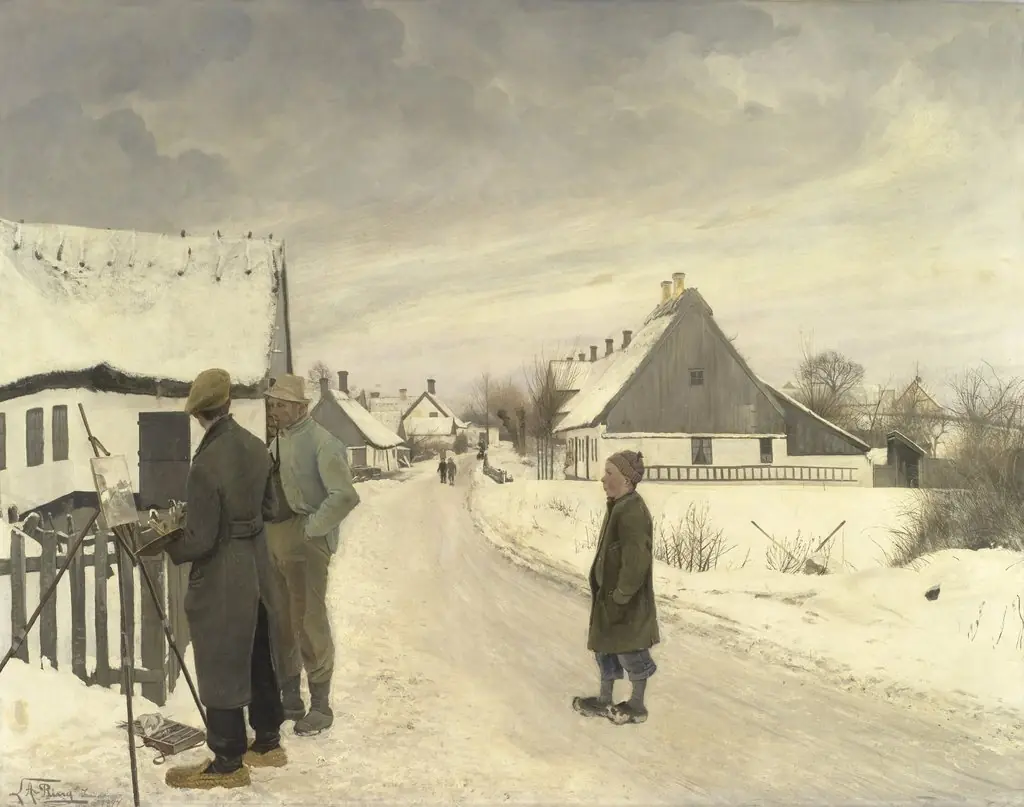 The Painter in the Village
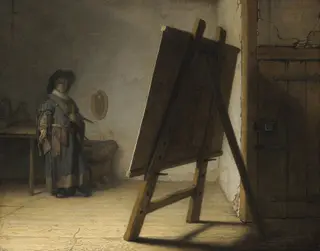 Artist in his studio
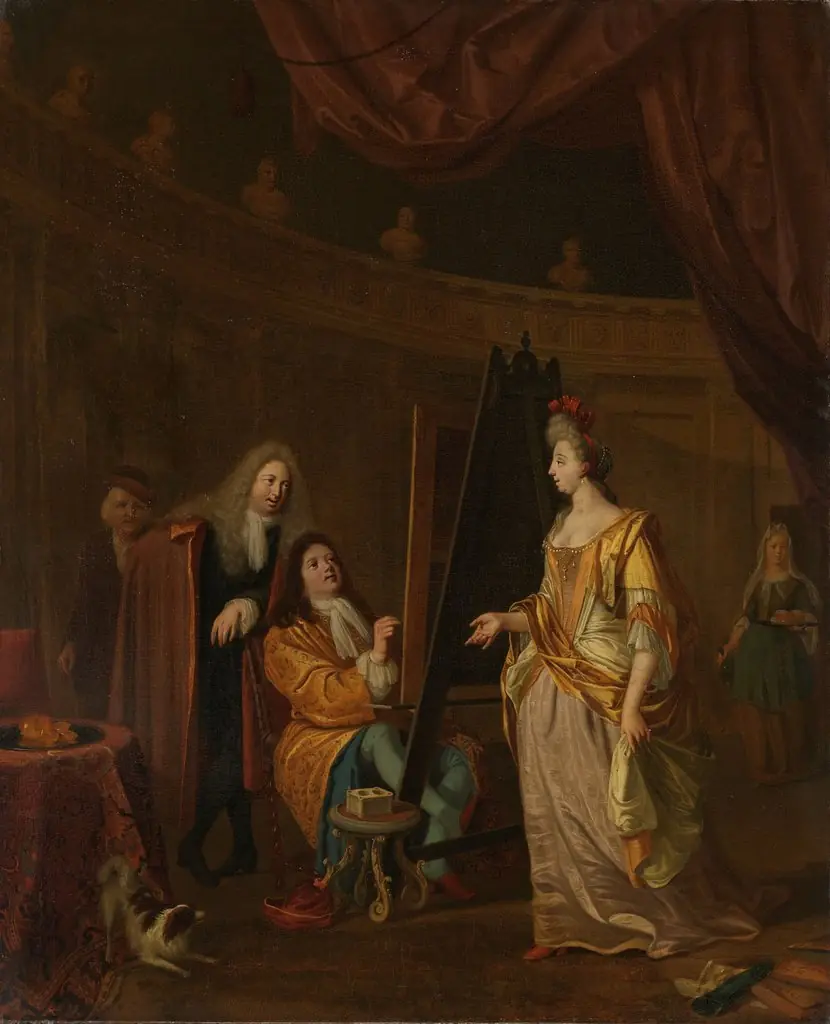 An artist in his studio, painting the portrait of a lady
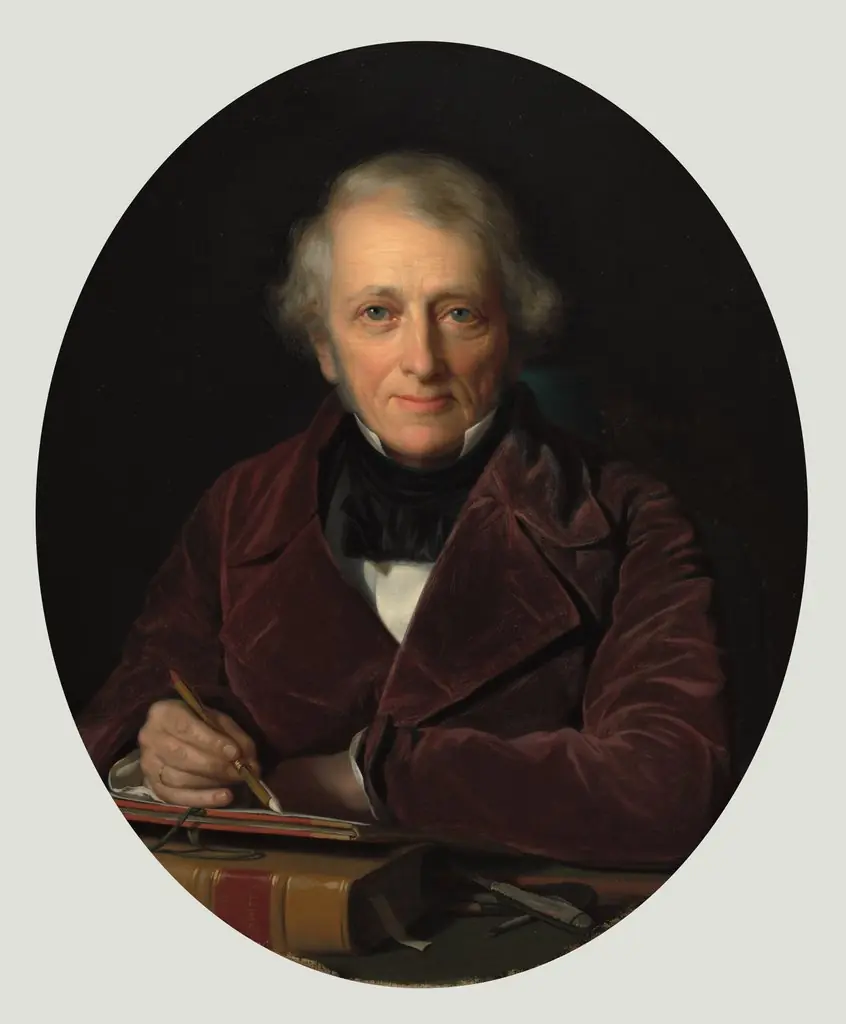 Leo Lehmann
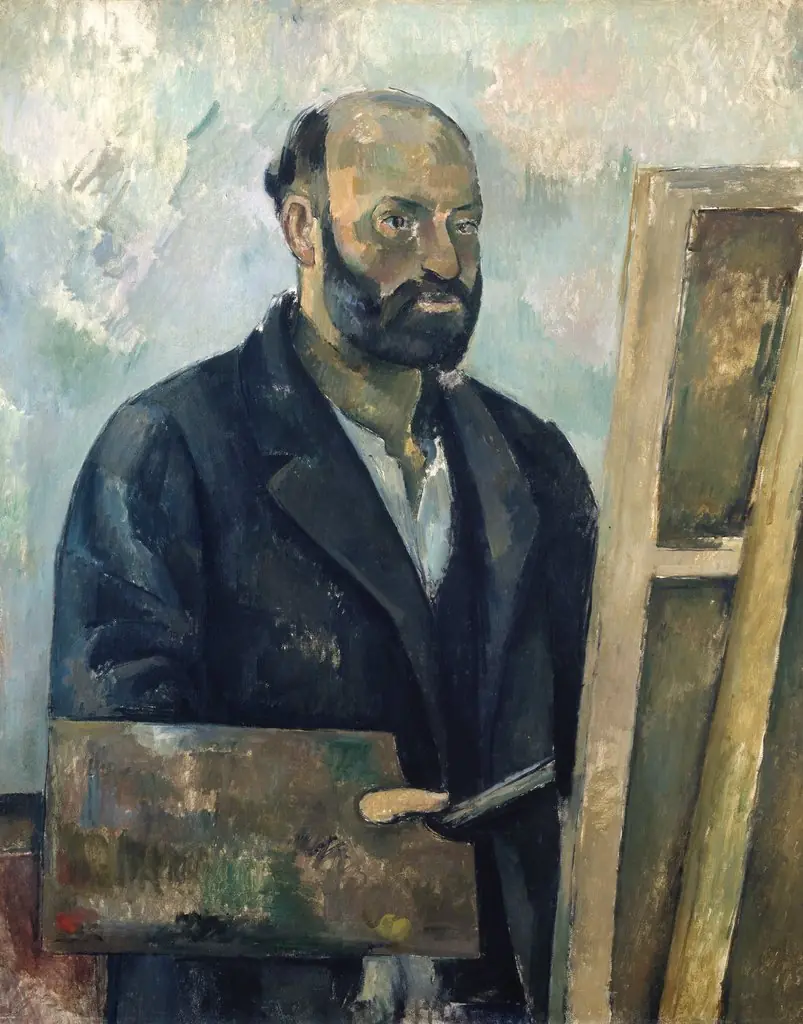 Self-Portrait with Palette
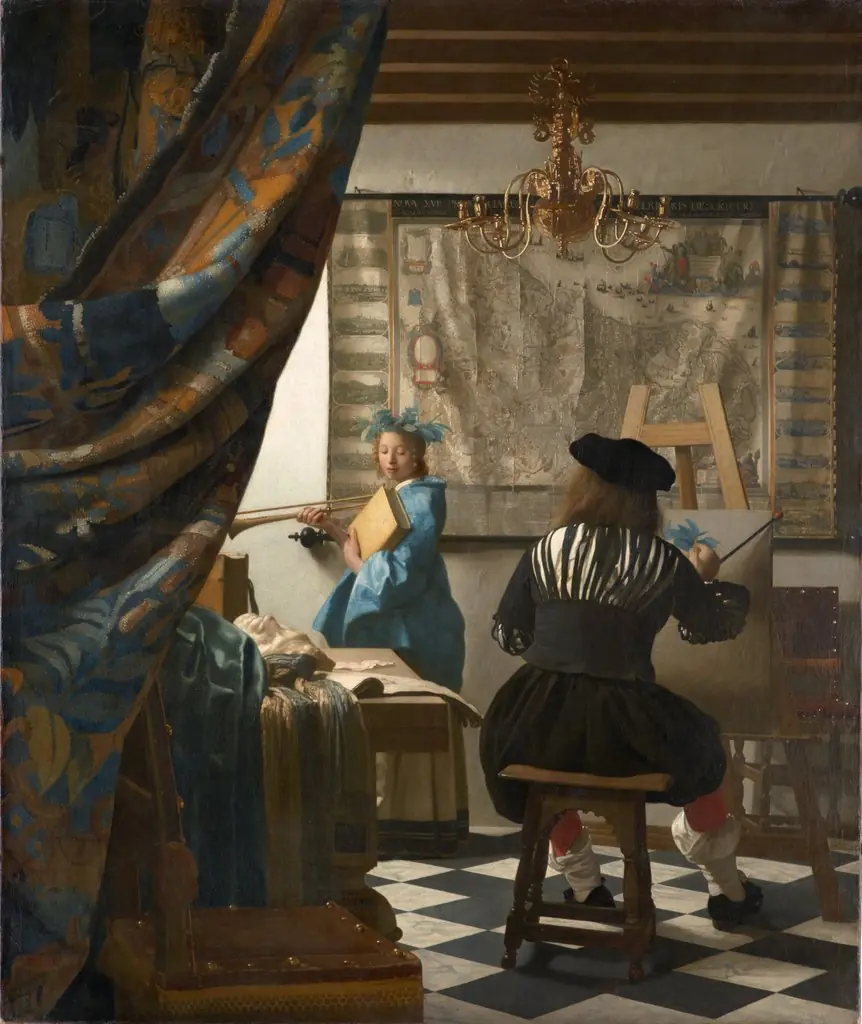 The Art of Painting
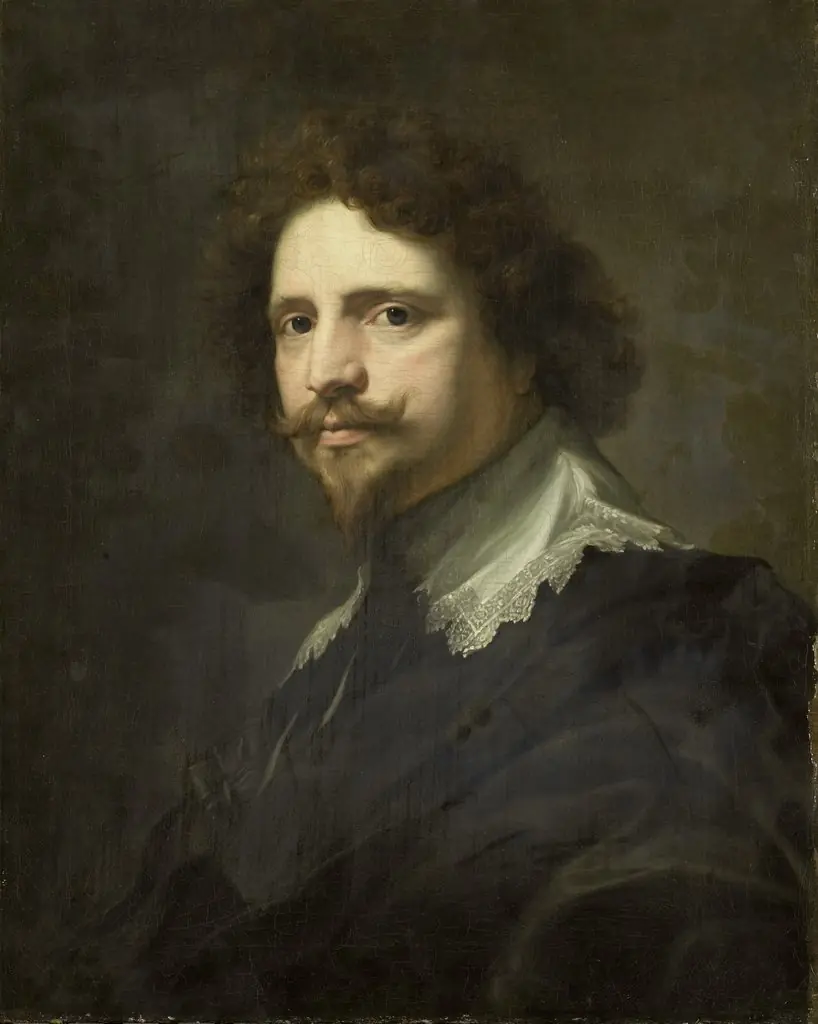 Portrait of Michel le Blon (1587-1657). Agent of Queen Christina of Sweden, goldsmith and engraver
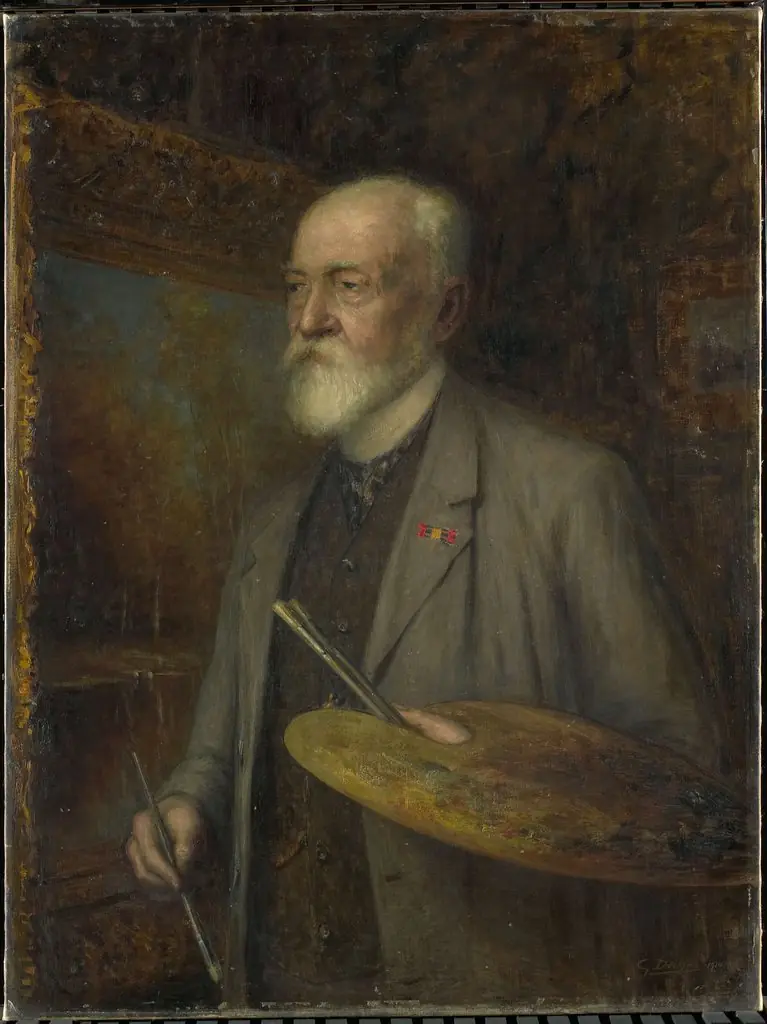 Johannes Gijsbert Vogel (1828-1915), Painter
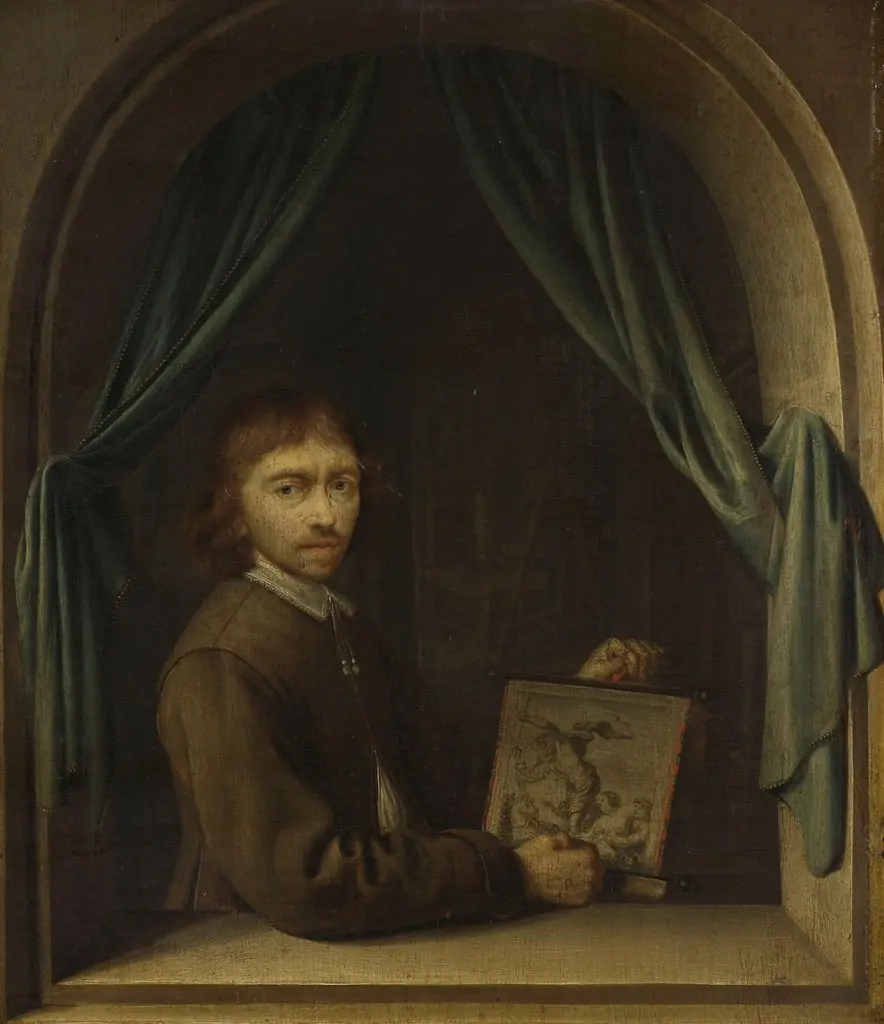 Portrait of a Painter
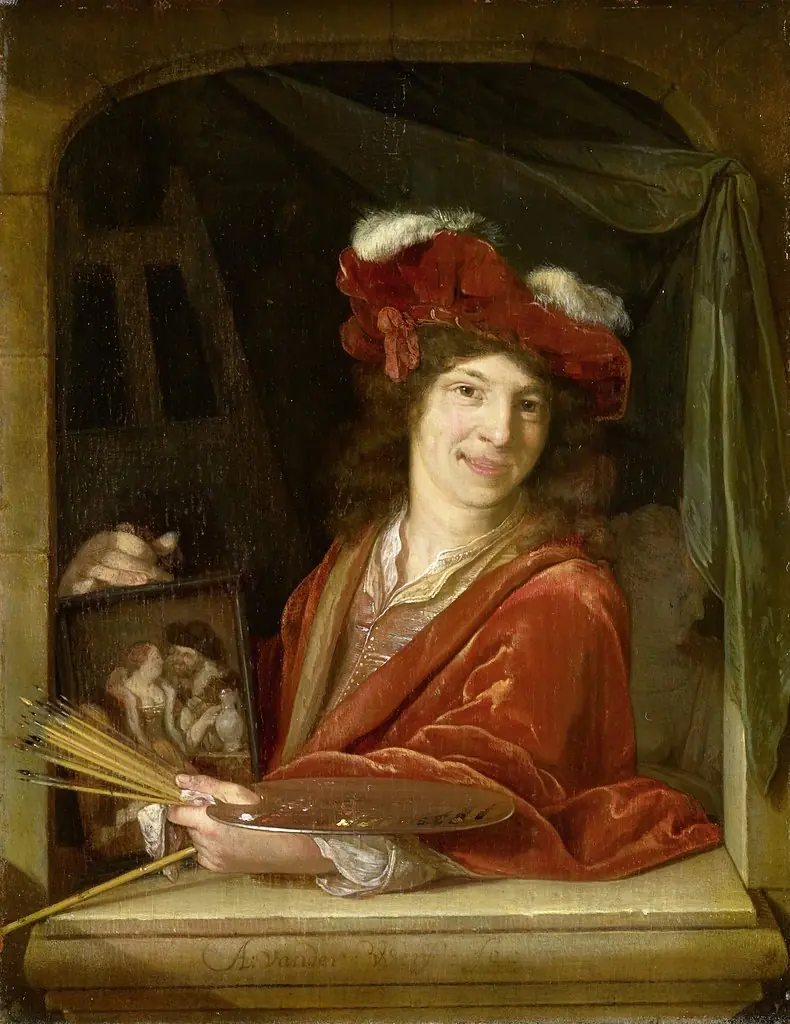 A young Painter
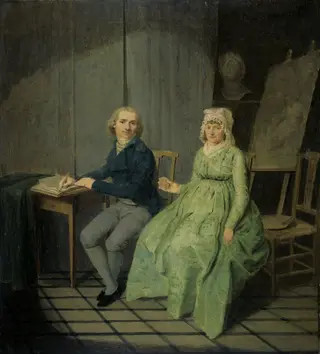 A Painter with his Wife
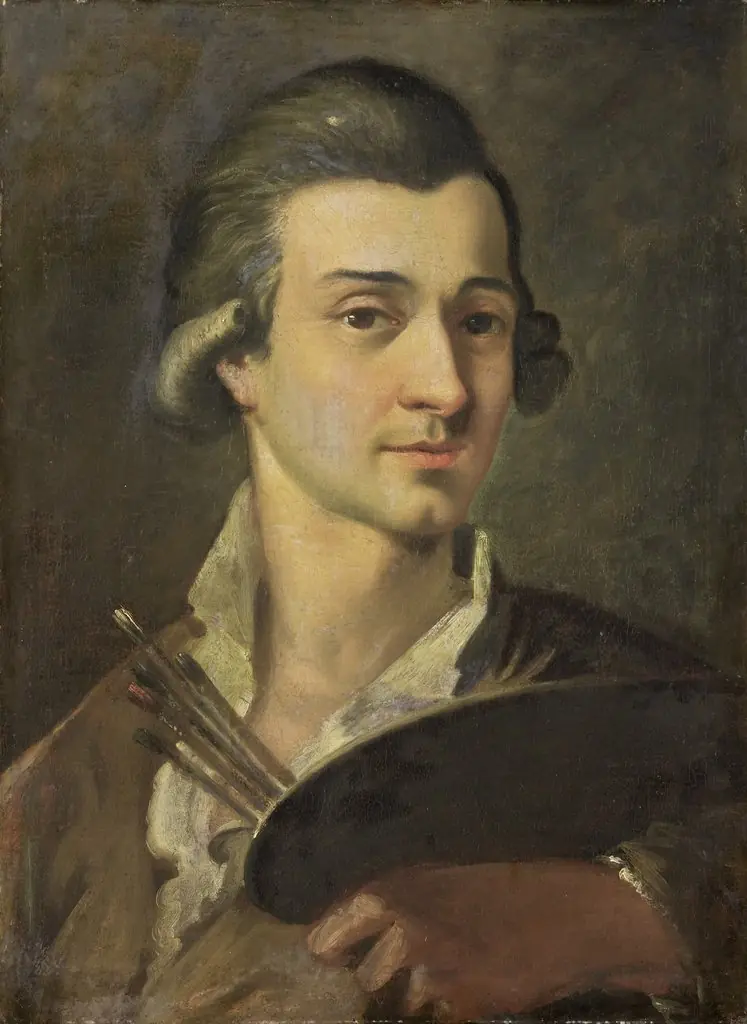 Portret van een schilder
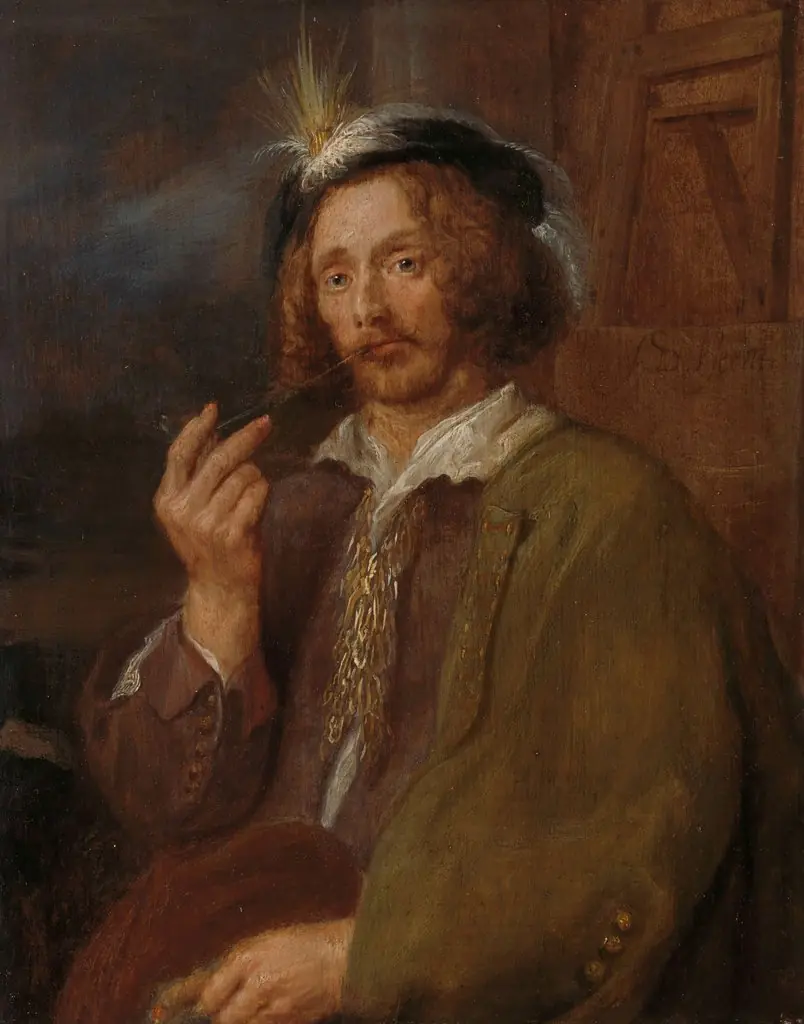 A Painter Smoking a Pipe
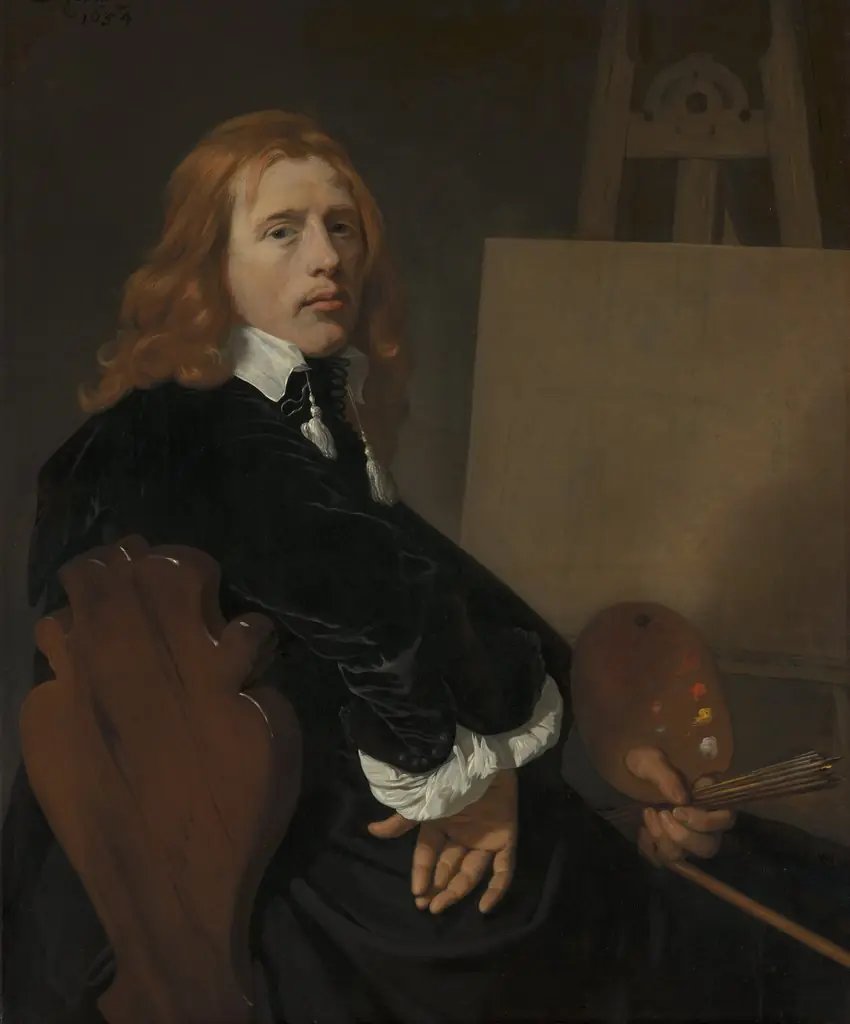 Portrait of Paulus Potter
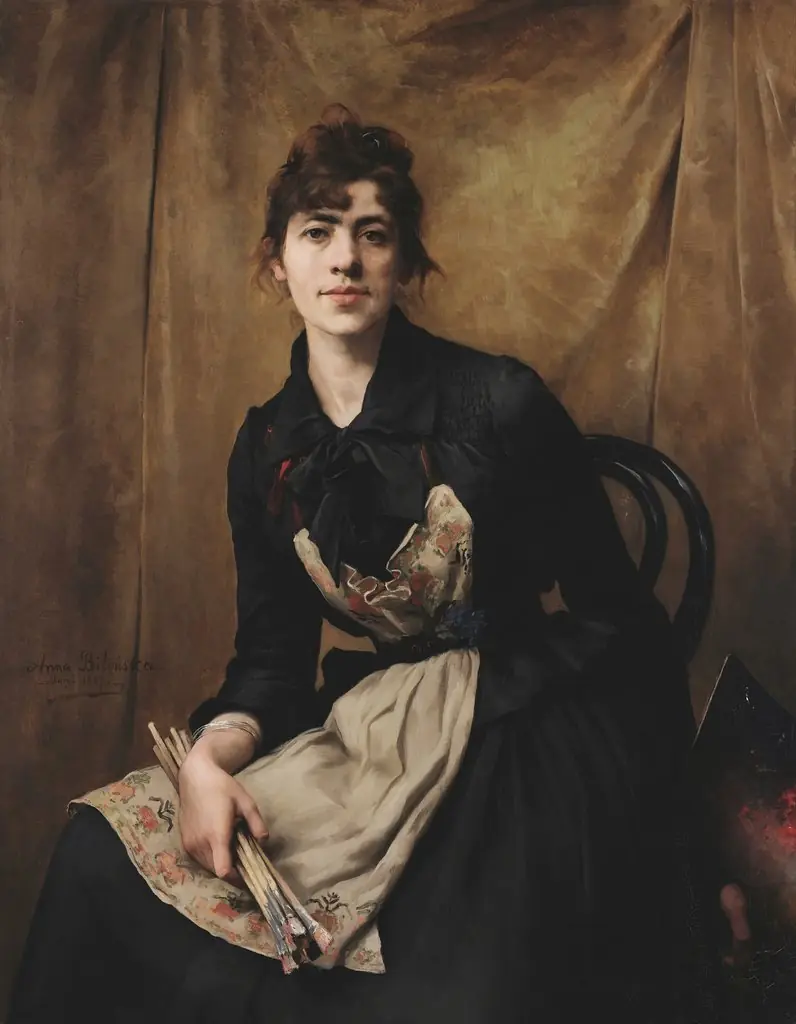 Self-Portrait with Apron and Brushes
 The Painter Jan David Col
 A Painter's Apprentice
 Skeleton Painter in his Studio
 Zelfportret
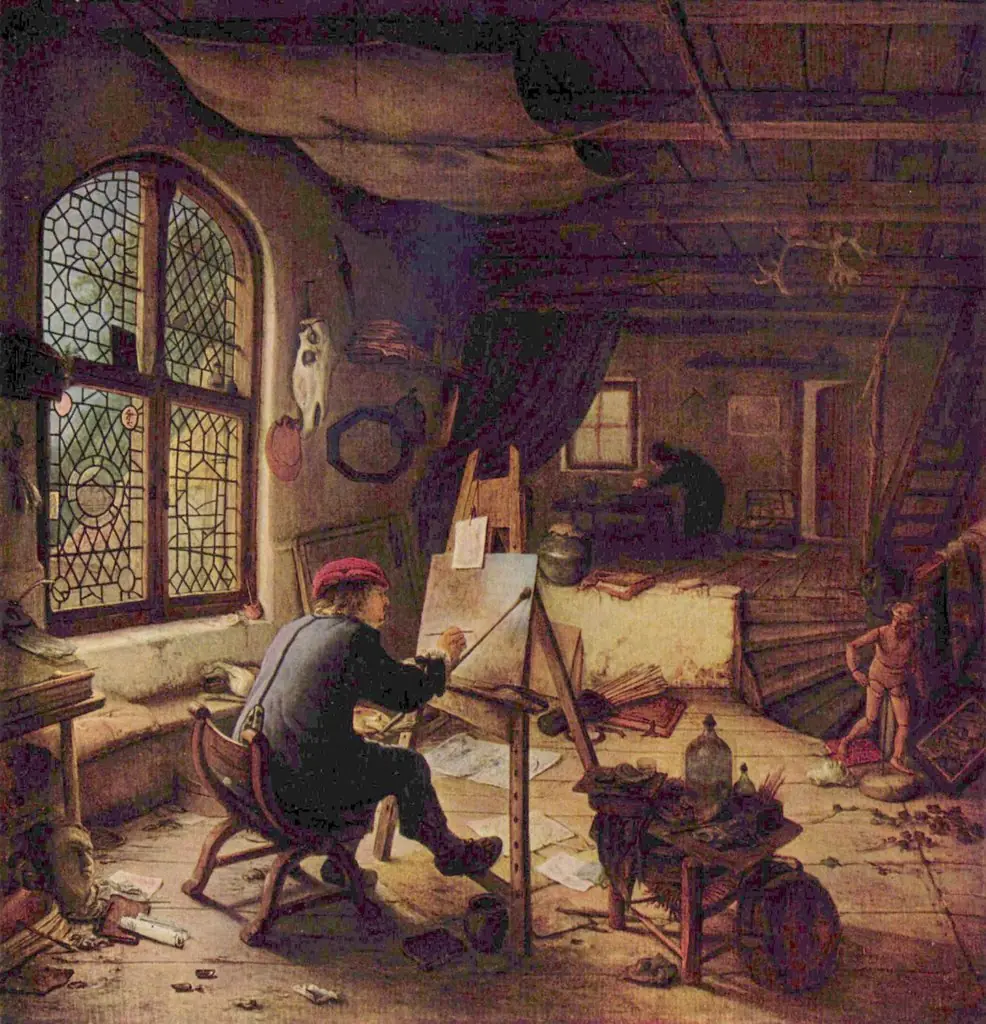 The painter in his studio
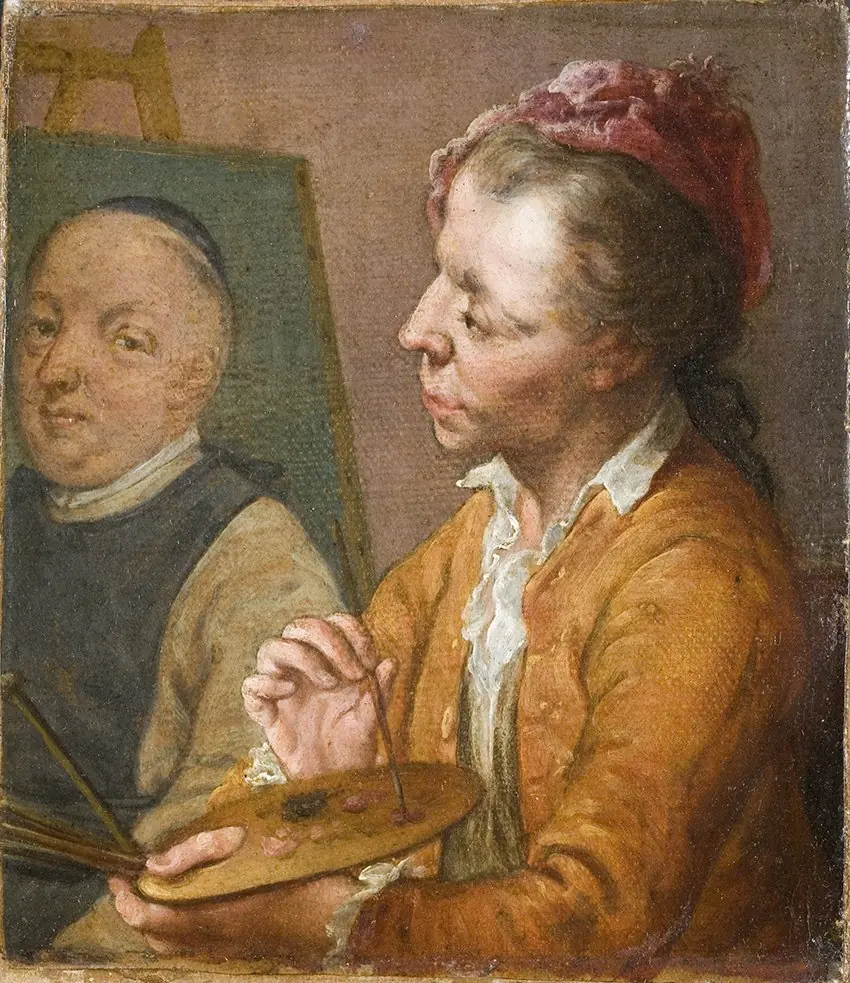 Een schilder aan het werk
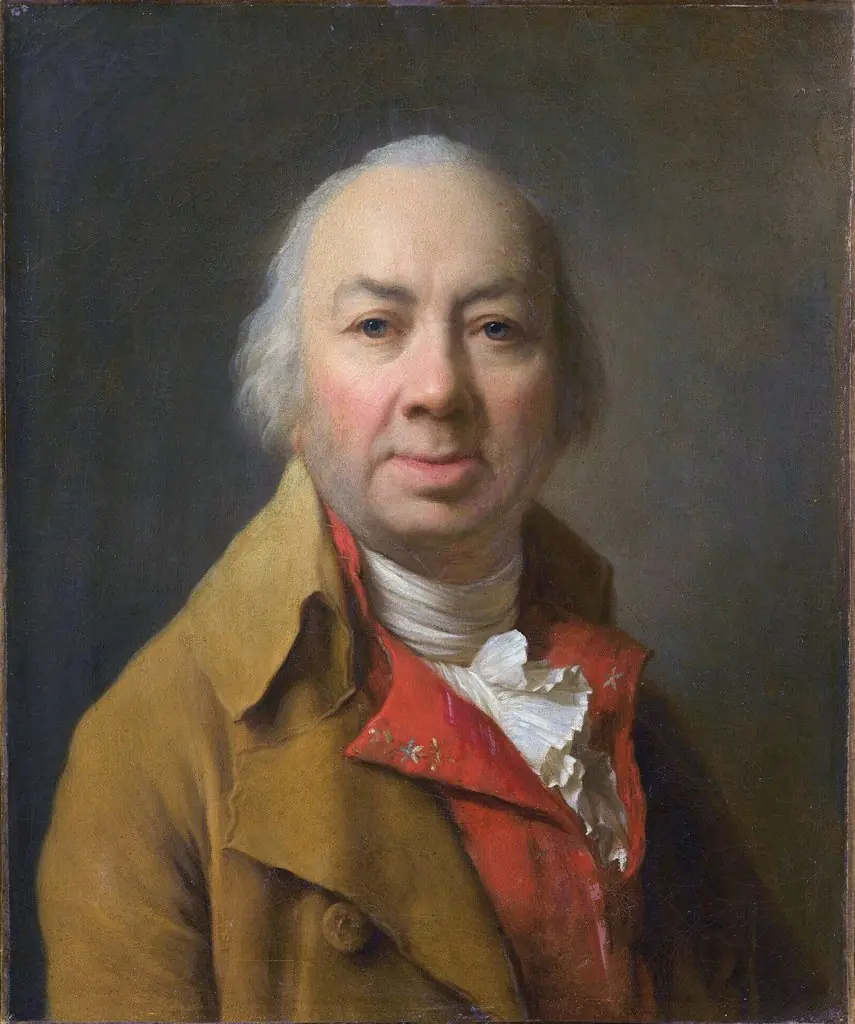 Self-Portrait
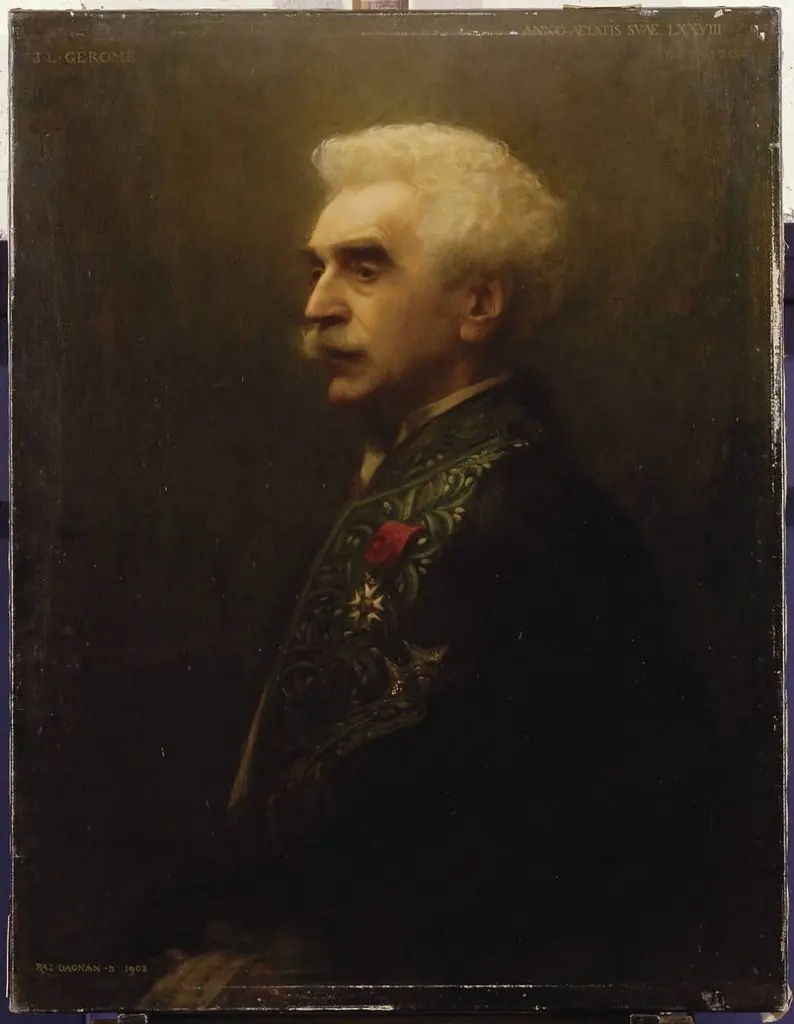 Portrait of Jean-Léon Gérôme
 Painter in His Studio
 The old painter
 The Painter in his Studio
 Self-portrait
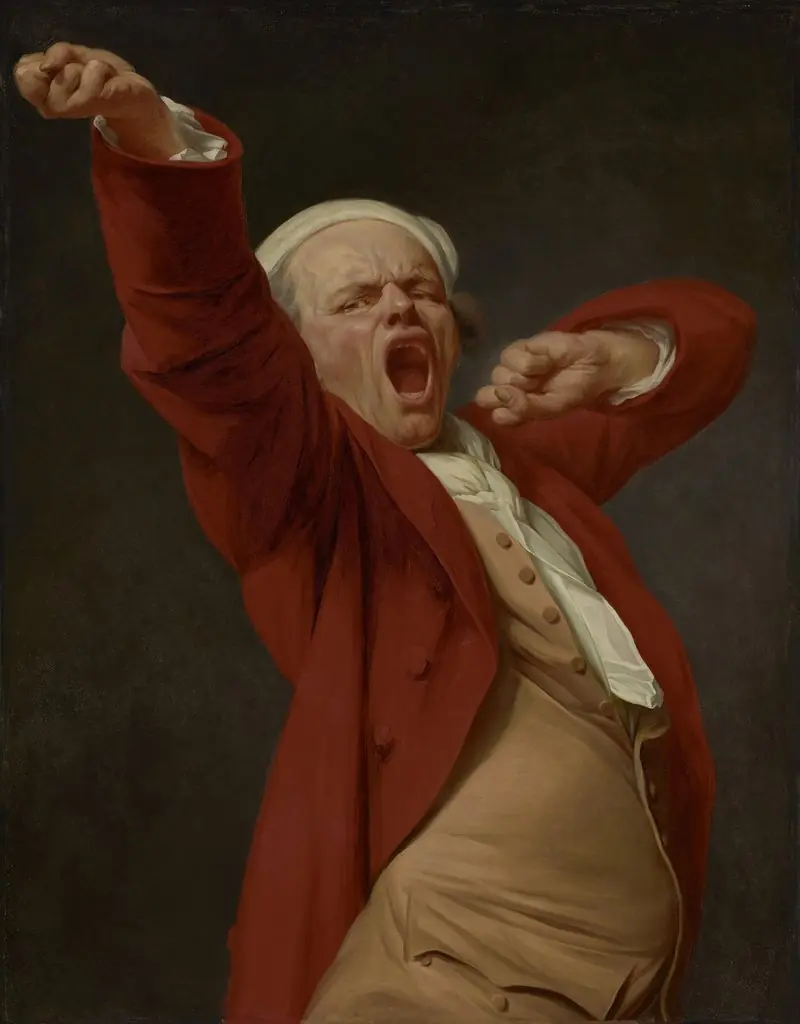 Self-Portrait, Yawning
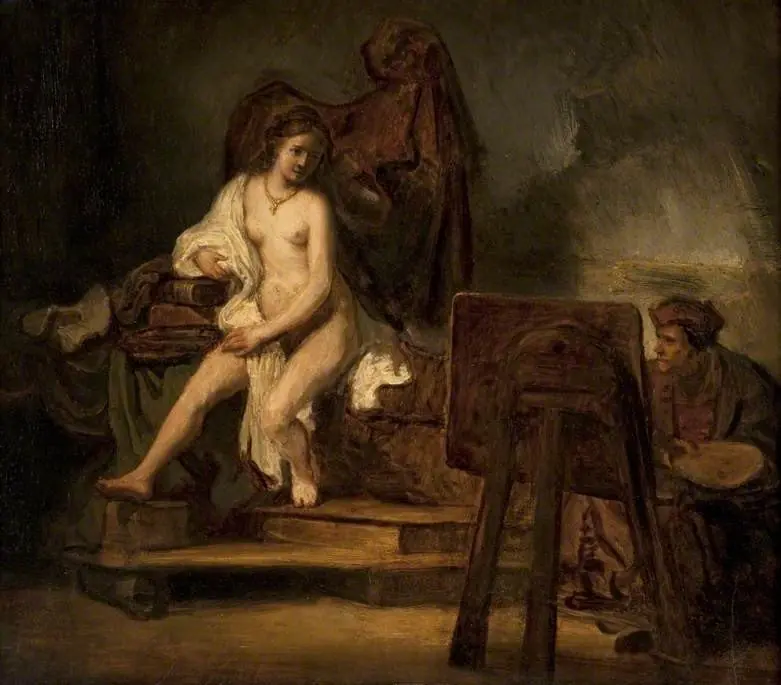 Portrait of Rembrandt painting Hendrickje as his Model
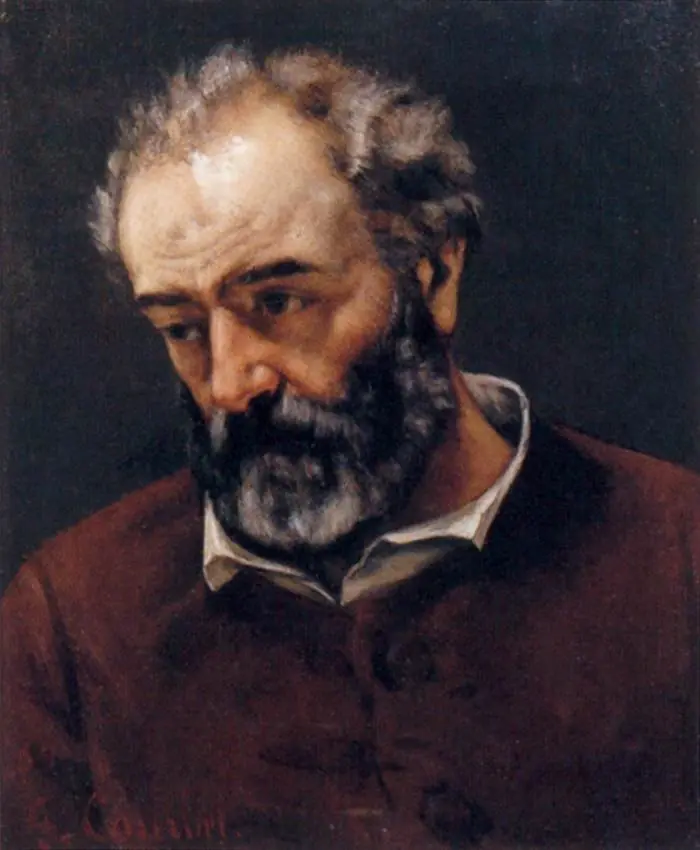 Portrait of Paul Chenavard
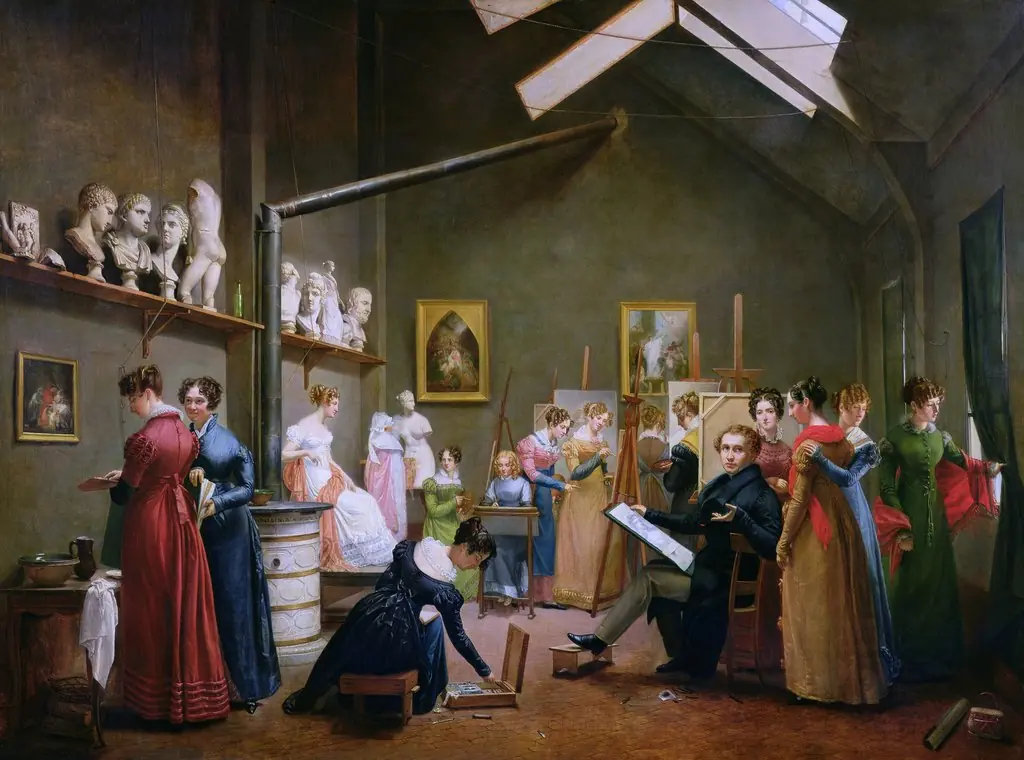 The Studio of Abel de Pujol
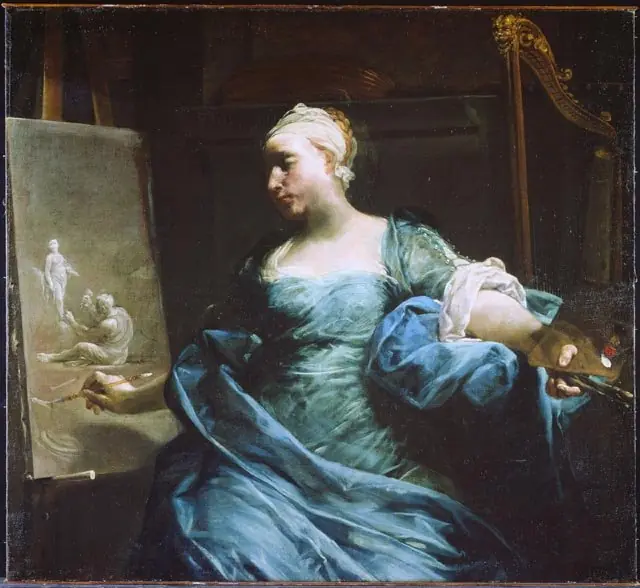 An Allegory of the Arts
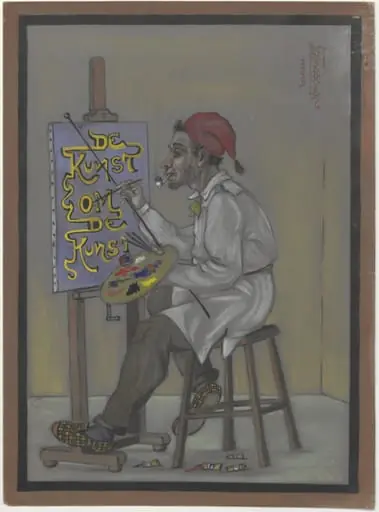 Artist at work, painting the sentence 'De kunst om de kunst'
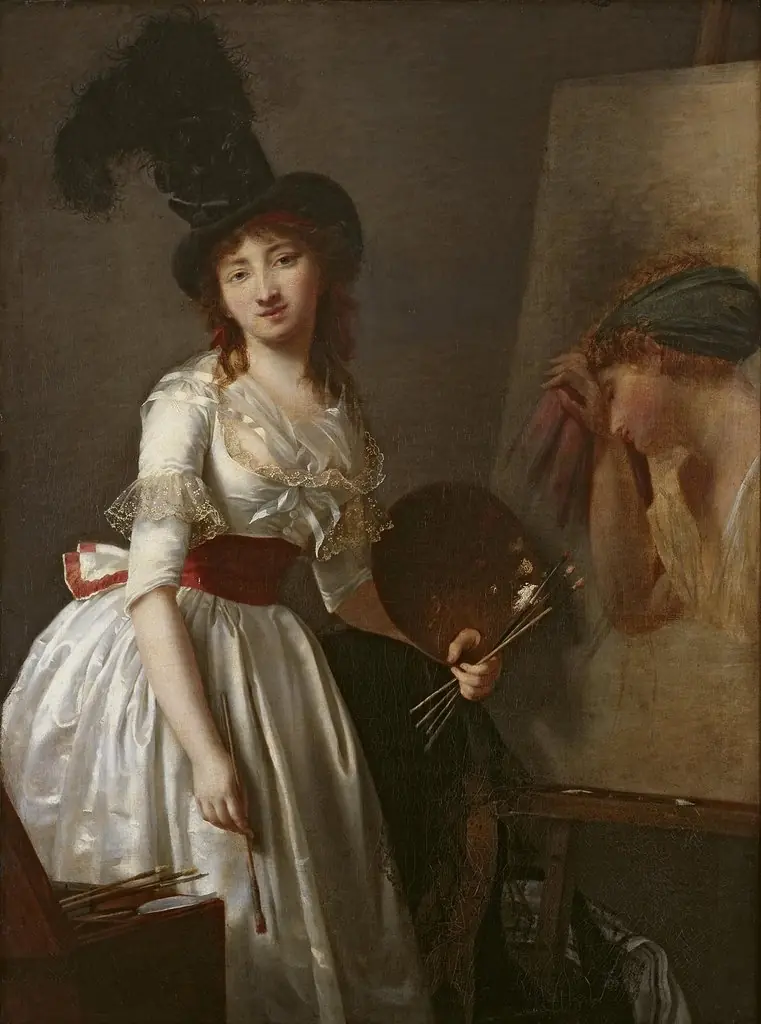 Portrait of a Female Painter, Pupil of David
 Peisaj citadin din Armenia
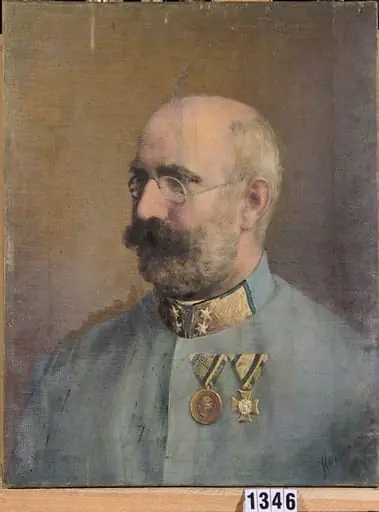 Locotenent colonel Grosschmidt
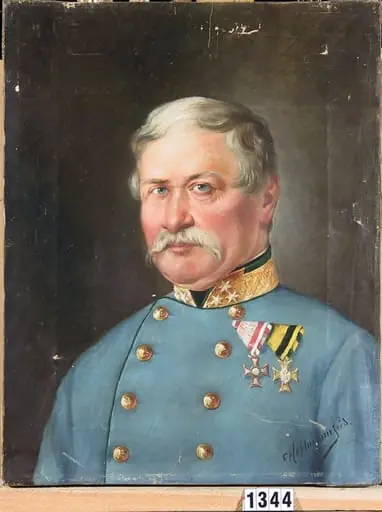 Colonelul Grossmann
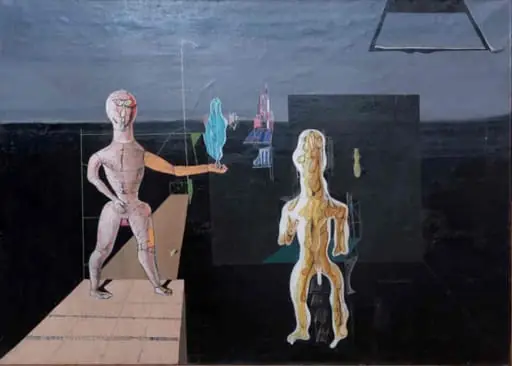 Flacăra albastră
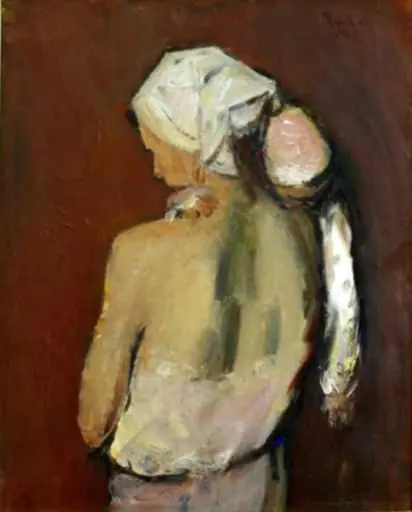 Maternitate
 Peisaj
 Autoportret
 Fată în curte
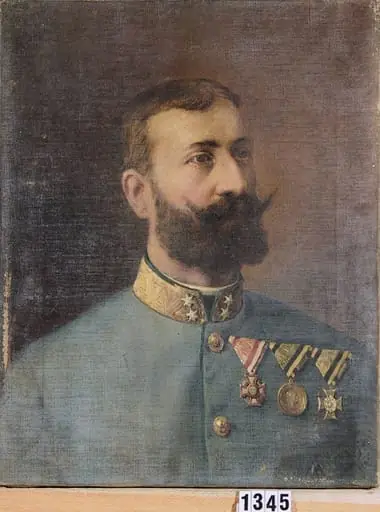 Locotenent colonel Baitz
Frequently asked questions
What is Painter?
Painter is a subject in art. Painting is a visual art, characterized by the practice of applying paint, pigment, color, or other medium to a solid surface.
How many Painter works does Artifact World Gallery have?
Artifact World Gallery holds 43 public-domain Painter works, all free to view and download.
Who are the key Painter artists?
Key Painter artists in the collection include Gustave Courbet, Johannes Vermeer and Rembrandt van Rijn.
Where can I see Painter works?
Painter works in the collection are held by Rijksmuseum, Brukenthal National Museum and Groeningemuseum.