Artwork
Martinique Landscape
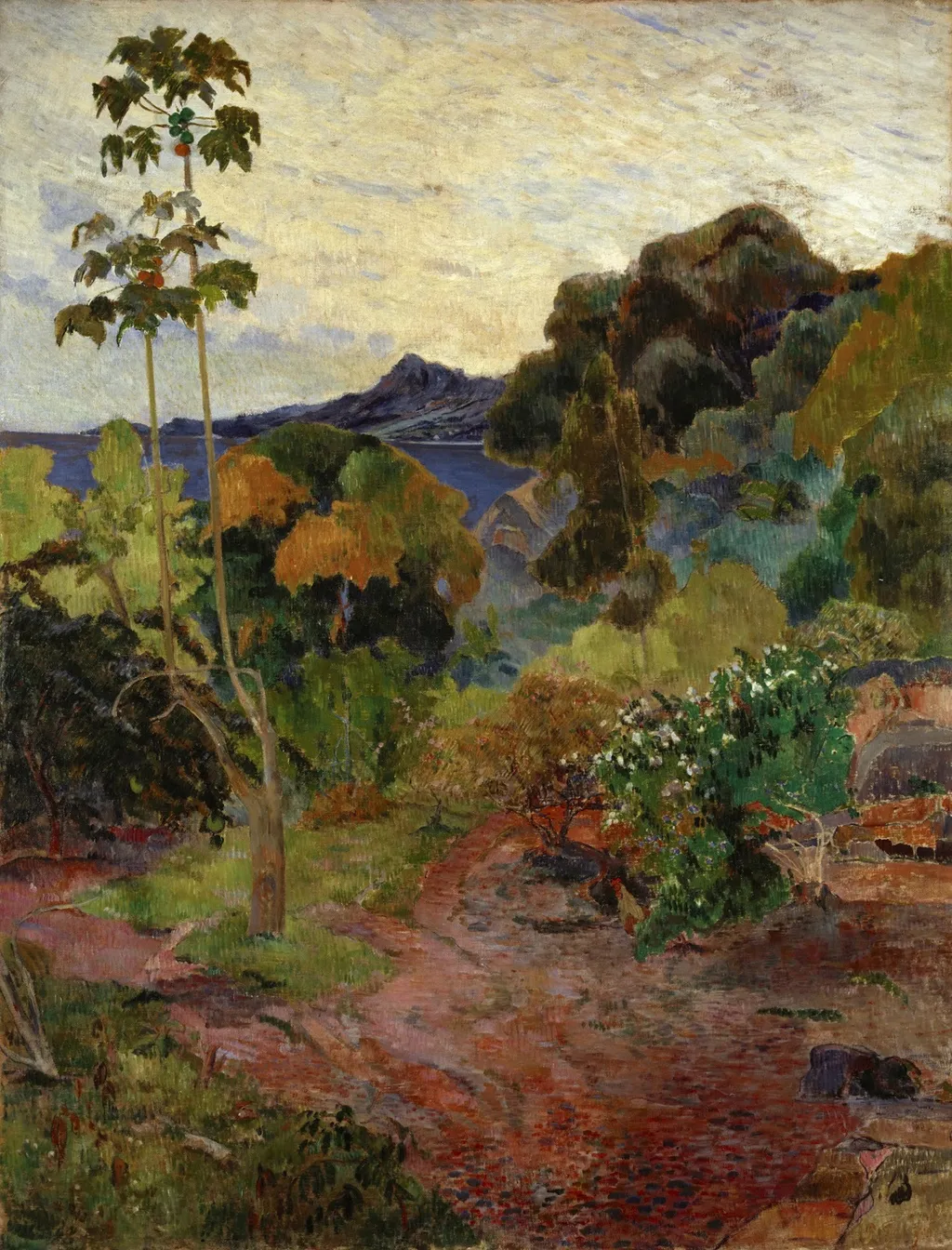
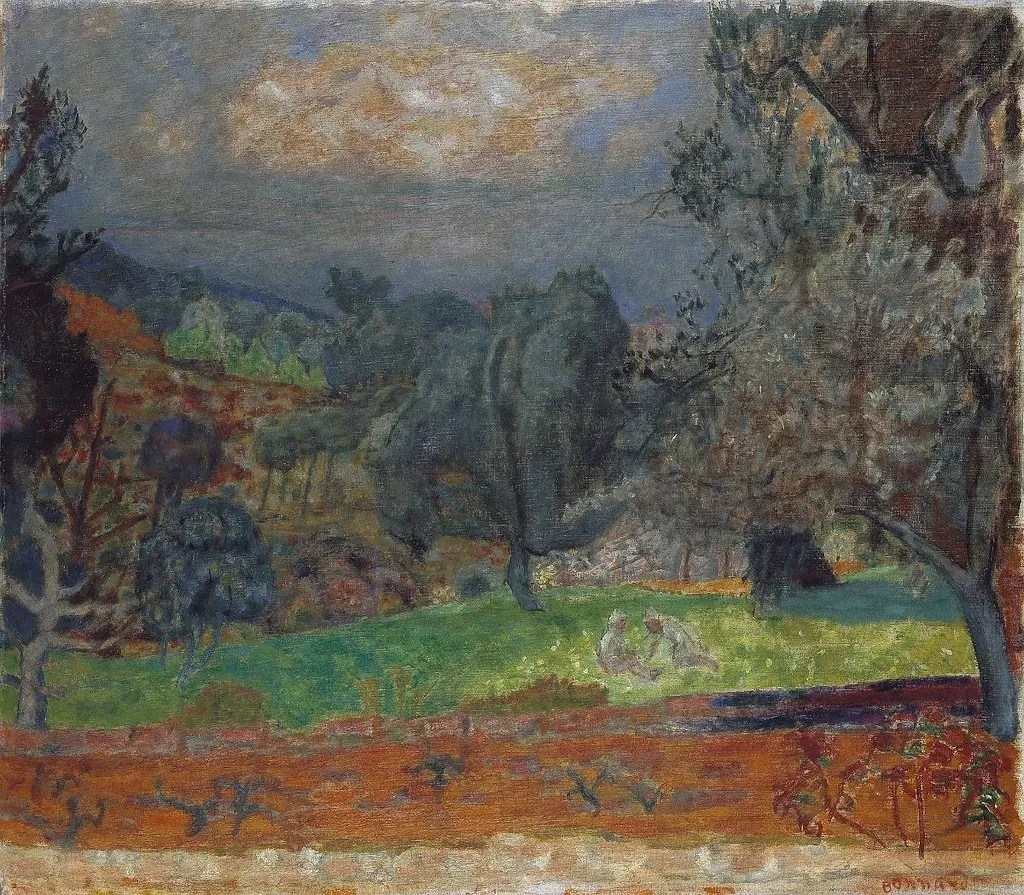
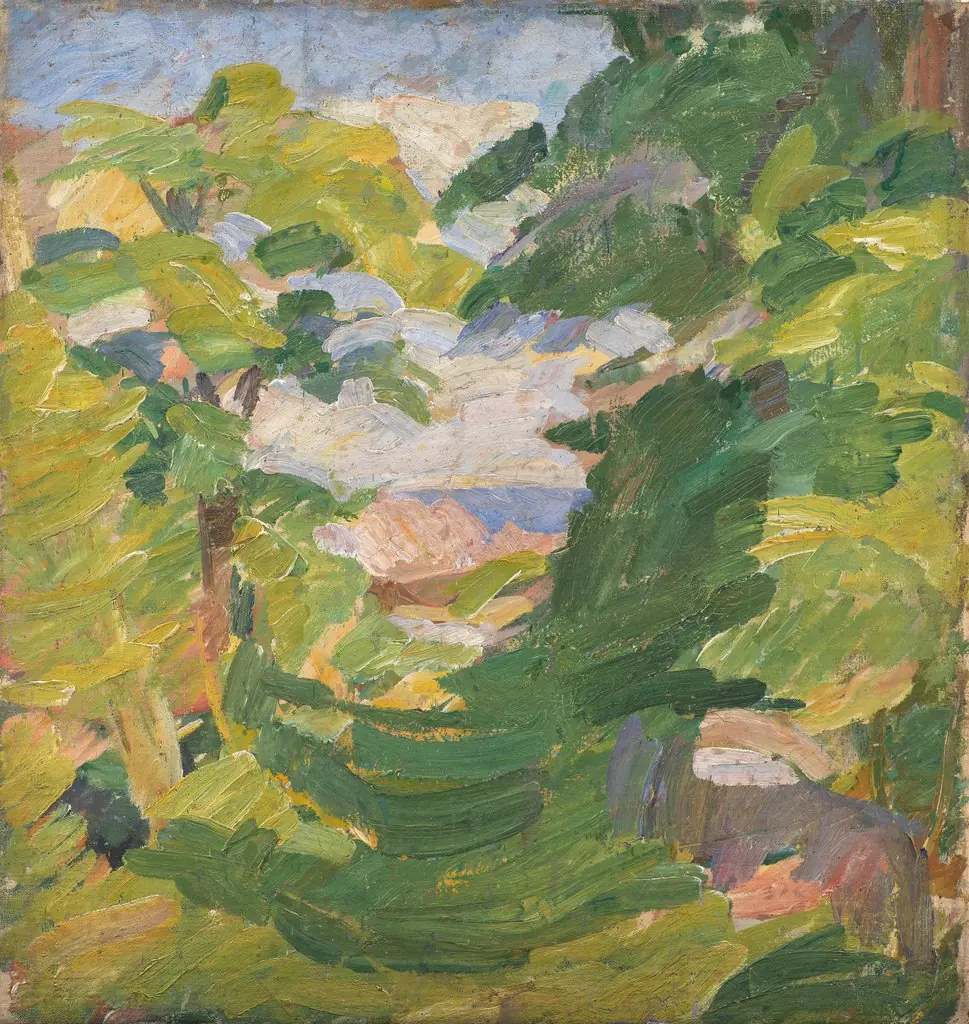
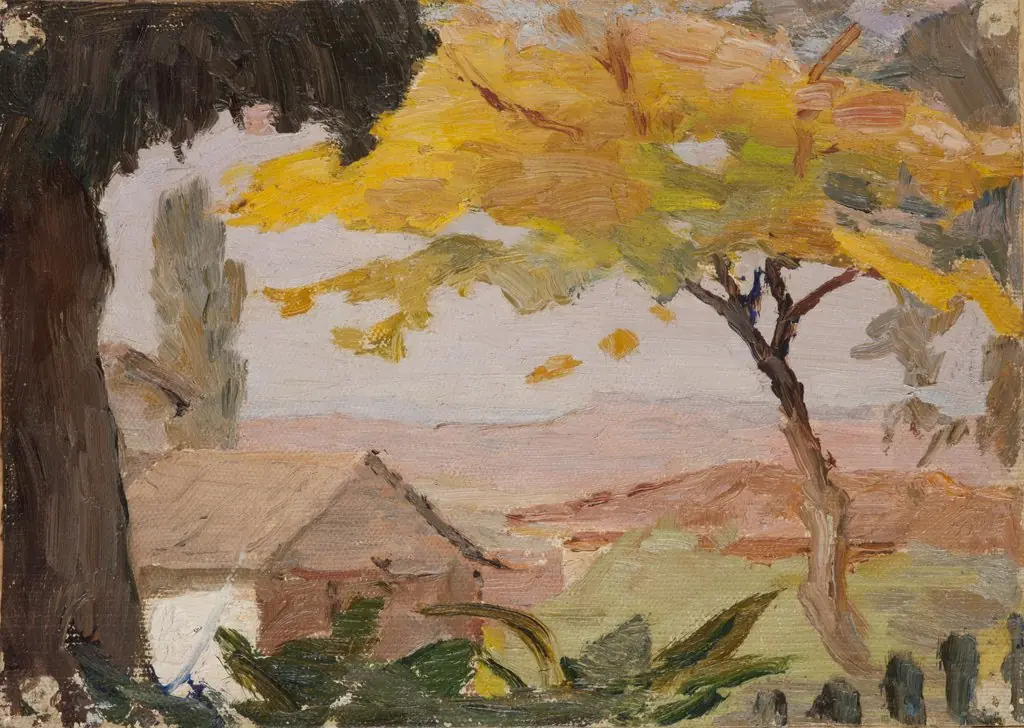
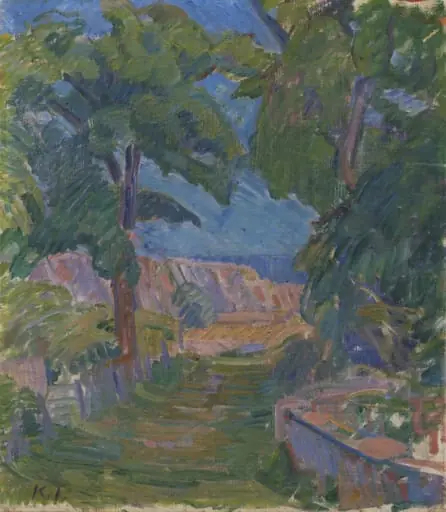
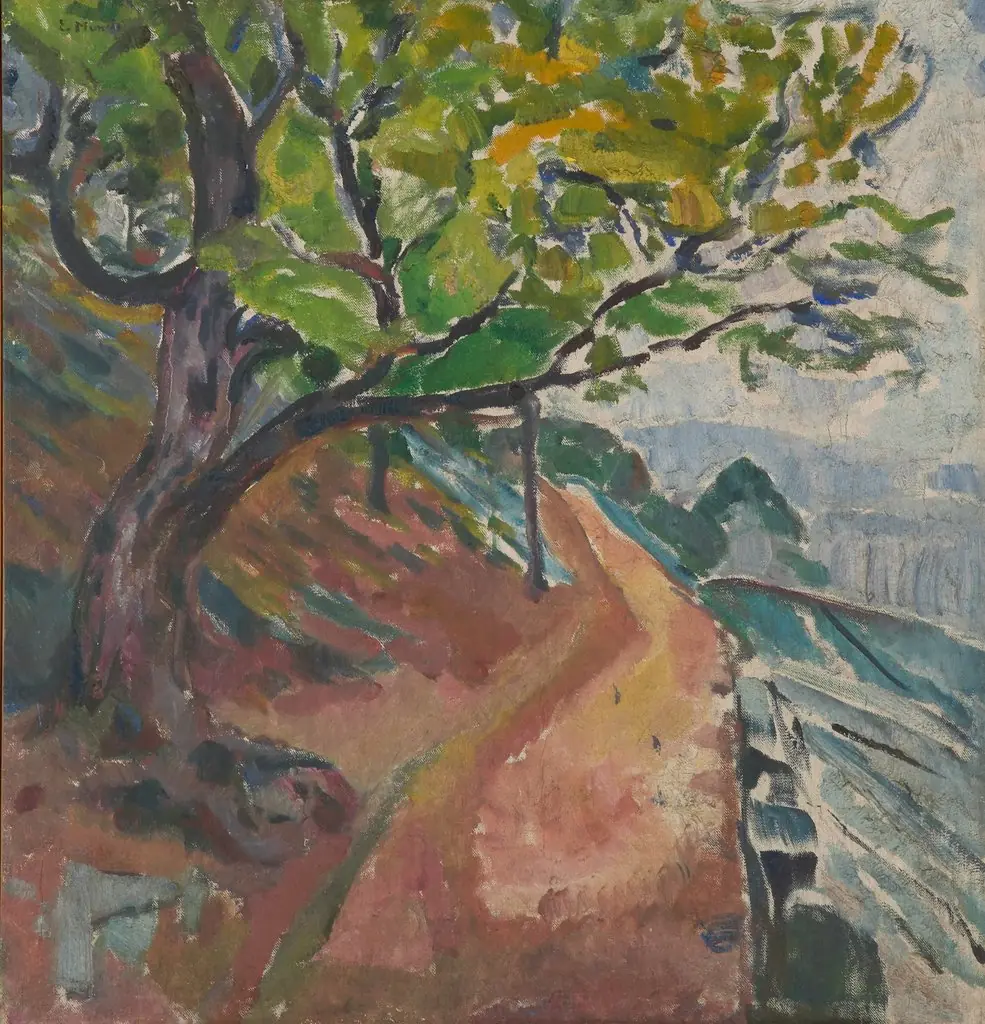
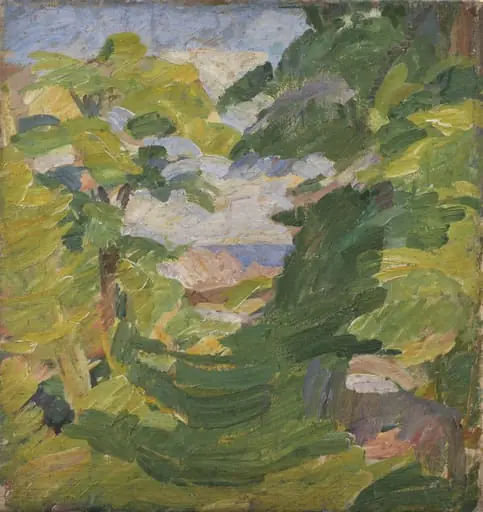
Martinique Landscape is an oil painting by the Post-Impressionist artist Paul Gauguin. It dates from 1894 and is held in the collection of the National Galleries Scotland.
About this work
Overview
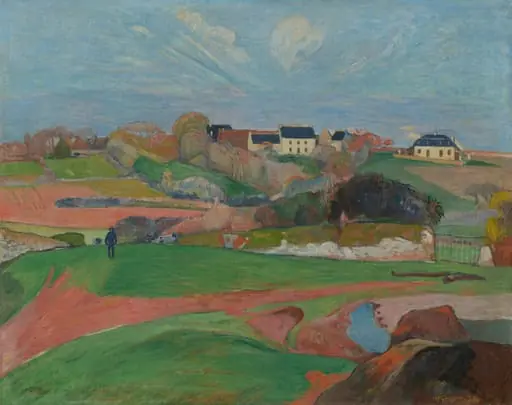
Created in 1894, this oil painting by Paul Gauguin portrays the coastal area of Saint‑Pierre Bay on the island of Martinique. Executed in a Post‑Impressionist manner, the work combines vivid coloration with a flattened spatial treatment, reflecting Gauguin’s departure from traditional Impressionist techniques.
Subject & Meaning
The canvas presents a sun‑lit tropical landscape where a meandering dirt track cuts through a grove of trees displaying green and orange foliage. Beyond the vegetation, a calm expanse of water merges with distant mountains beneath a pale sky, suggesting a tranquil yet exotic environment that intrigued the artist during his Caribbean stay.
Technique & Style
Gauguin applied thick, visible brushstrokes that give the surface a tactile, impasto quality, emphasizing the materiality of the paint. The use of bold, non‑naturalistic colors and simplified forms aligns with his Synthetist approach, a hallmark of his Symbolist and Post‑Impressionist practice.
History & Provenance
After its completion, the painting entered the European art market and eventually became part of the Scottish National Gallery’s collection, where it remains on display. Its acquisition reflects the institution’s interest in representing pivotal works from the late 19th‑century avant‑garde.
Context
Gauguin painted this scene during his 1894 sojourn in Martinique, a period marked by his exploration of non‑European locales as sources of artistic inspiration. The work exemplifies his search for new visual vocabularies that contrasted with the industrialized scenes favored by many of his contemporaries.
Own this work as a print
Artist & collection
Artist
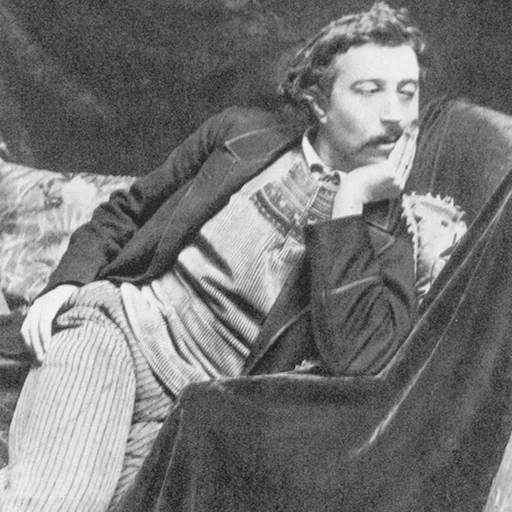
Eugène Henri Paul Gauguin (; French:; 7 June 1848 – 8 May 1903) was a French painter, sculptor, printmaker, ceramist, and writer, whose work has been primarily associated with the Post-Impressionist and Symbolist movements.