Artwork
Tahitians
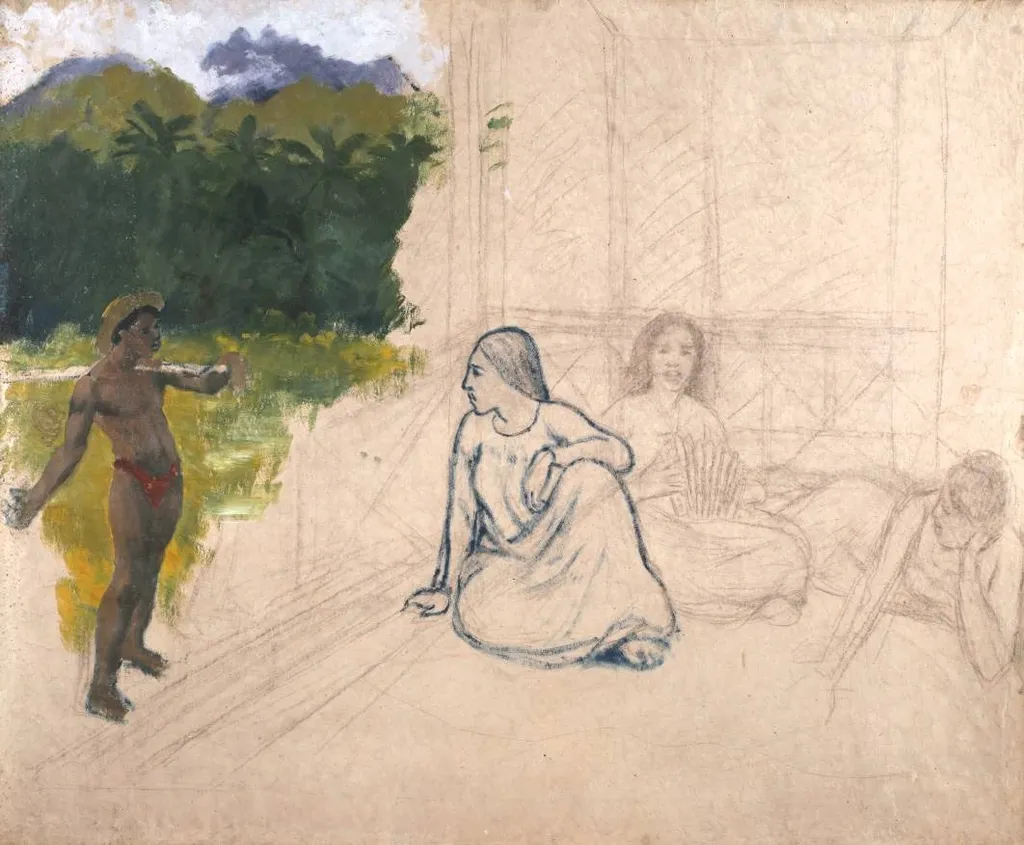
Tahitians is an unspecified painting by the Post-Impressionist artist Paul Gauguin. It dates from 1896 and is held in the collection of the Tate Modern.
About this work
Overview
A backdrop of tropical foliage and distant mountains frames the scene, emphasizing the island’s natural environment.
Created in 1896, Tahitians is a canvas by Paul Gauguin executed during his second residence on the island. The work presents a small group of figures set against a dense, verdant landscape, with a prominent woman seated on the ground and a standing man in a loincloth gesturing toward her. A backdrop of tropical foliage and distant mountains frames the scene, emphasizing the island’s natural environment.
Subject & Meaning
The composition juxtaposes human presence with the surrounding jungle, suggesting a dialogue between the figures and their environment. Gauguin’s portrayal blends direct observation of Tahitian life with a personal, imaginative lens, hinting at themes of cultural encounter and the artist’s own search for an unspoiled, primitive ideal beyond European conventions.
Technique & Style
Employing the Synthetist approach that characterizes Gauguin’s later period, the painting relies on broad, flat areas of saturated color rather than nuanced tonal modeling. Bold greens dominate the palette, while simplified outlines and reduced detail convey a sense of immediacy and symbolic resonance, moving the work away from Impressionist concerns with fleeting light toward a more structured, expressive visual language.
History & Provenance
Gauguin completed the piece while residing in Tahiti for the second time, a period marked by his deliberate withdrawal from Western society. After its creation, the canvas entered private collections before being acquired by a public institution in the early twentieth century, where it has remained accessible to scholars and visitors interested in Post‑Impressionist developments.
Context
Tahitians belongs to the broader Post‑Impressionist movement, which sought to expand the expressive possibilities of painting beyond the optical focus of Impressionism. Gauguin’s work from this era reflects his fascination with non‑European cultures and his desire to construct a visual language rooted in symbolism, color, and form, influencing subsequent modernist artists.
![Two Tahitians Gathering Fruit [verso]](https://artifactworldgallery.com/img/paul-gauguin--two-tahitians-gathering-fruit-verso--ef5e2a907ac6dad1-w320.webp)
Artist & collection
Artist
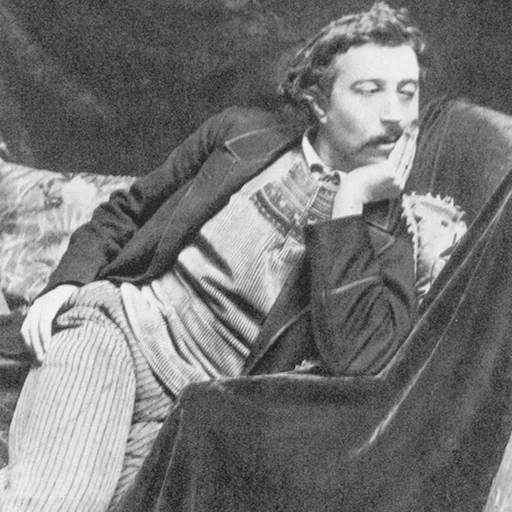
Eugène Henri Paul Gauguin (; French:; 7 June 1848 – 8 May 1903) was a French painter, sculptor, printmaker, ceramist, and writer, whose work has been primarily associated with the Post-Impressionist and Symbolist movements.

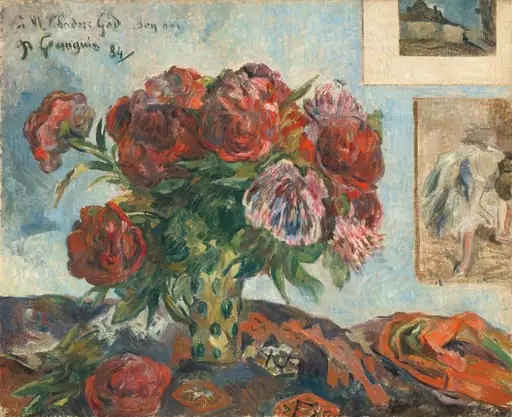
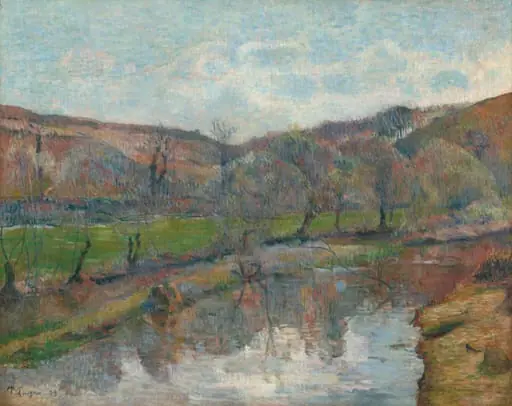
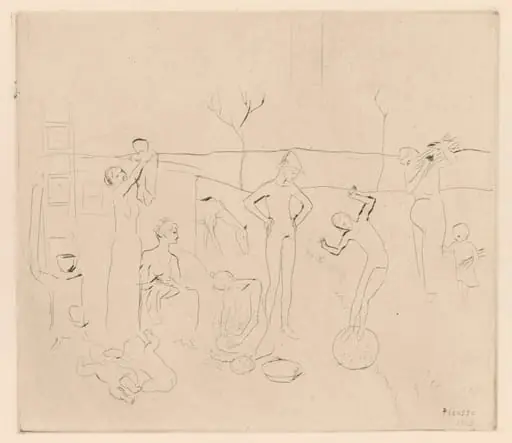 The Saltimbanques
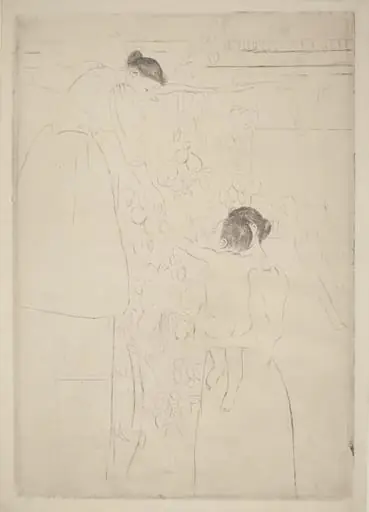 Gathering Fruit
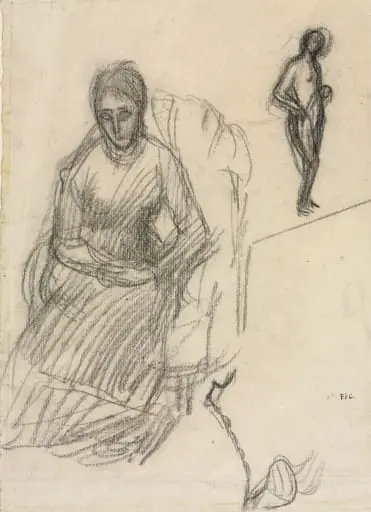 Study of Madame Marie Cantacuzène; Study of Standing Female Nude
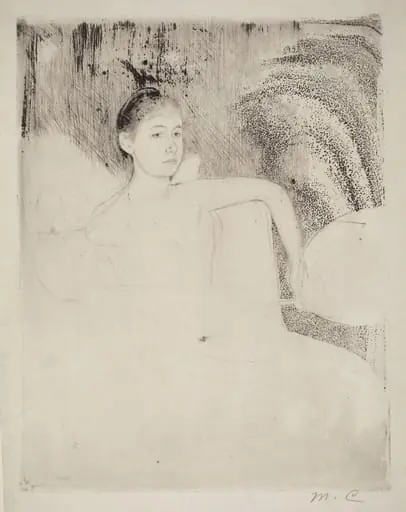 Mimi Holding a Japanese Fan
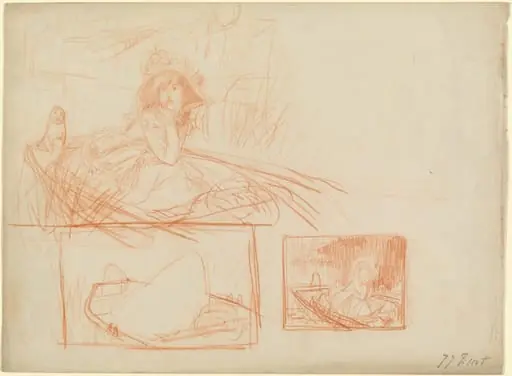 Pensive Girl Adrift in a Boat
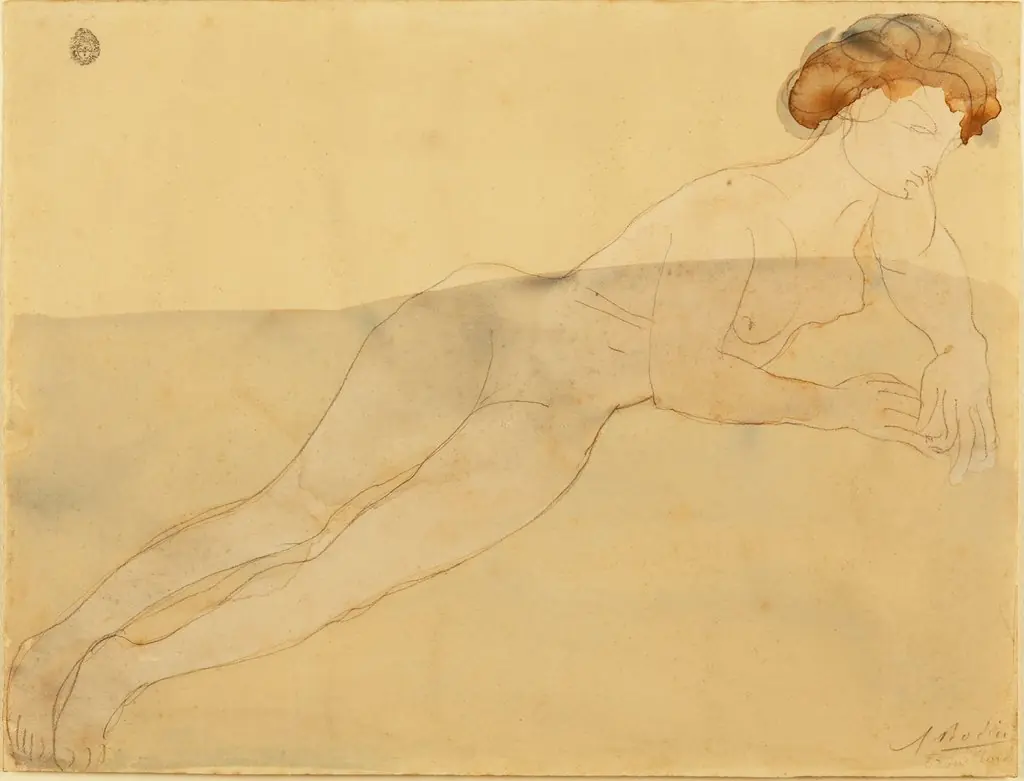 Nude female, reclining
![The Fitting [recto], by Mary Cassatt](https://artifactworldgallery.com/img/mary-cassatt--the-fitting-recto--bdf1c75791eec1a5-w320.webp) The Fitting [recto]
The Fitting [recto]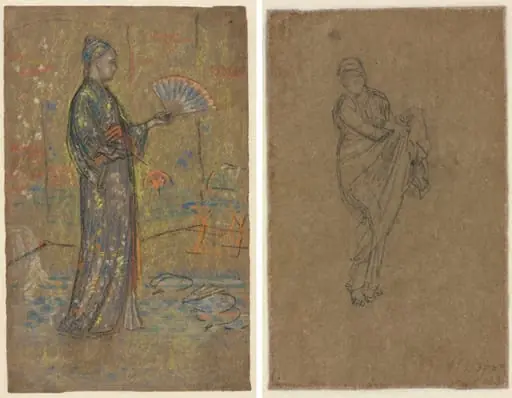 Japanese Woman Painting a Fan (recto); Standing Woman Holding Up Her Dress (verso)
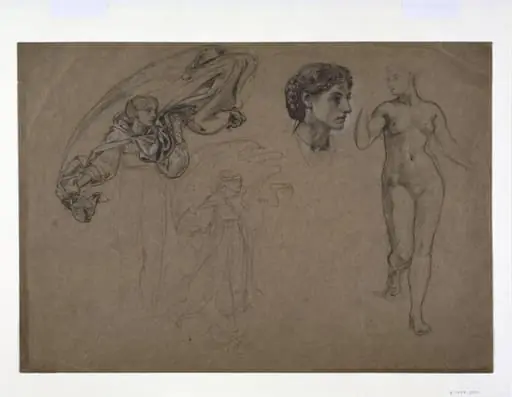 October
![A Breton Woman and a Standing Man; Head and Hand of a Monkey [recto], by Paul Gauguin](https://artifactworldgallery.com/img/paul-gauguin--a-breton-woman-and-a-standing-man-head-and-hand-of-a-monkey--e35c46eb8cb6c297-w320.webp) A Breton Woman and a Standing Man; Head and Hand of a Monkey [recto]
A Breton Woman and a Standing Man; Head and Hand of a Monkey [recto]![Studies of Peasants [verso], by John Singer Sargent](https://artifactworldgallery.com/img/john-singer-sargent--studies-of-peasants-verso--8cb9afaeacce3227-w320.webp) Studies of Peasants [verso]
Studies of Peasants [verso]- Two Tahitians Gathering Fruit [verso]