Artwork
The Call
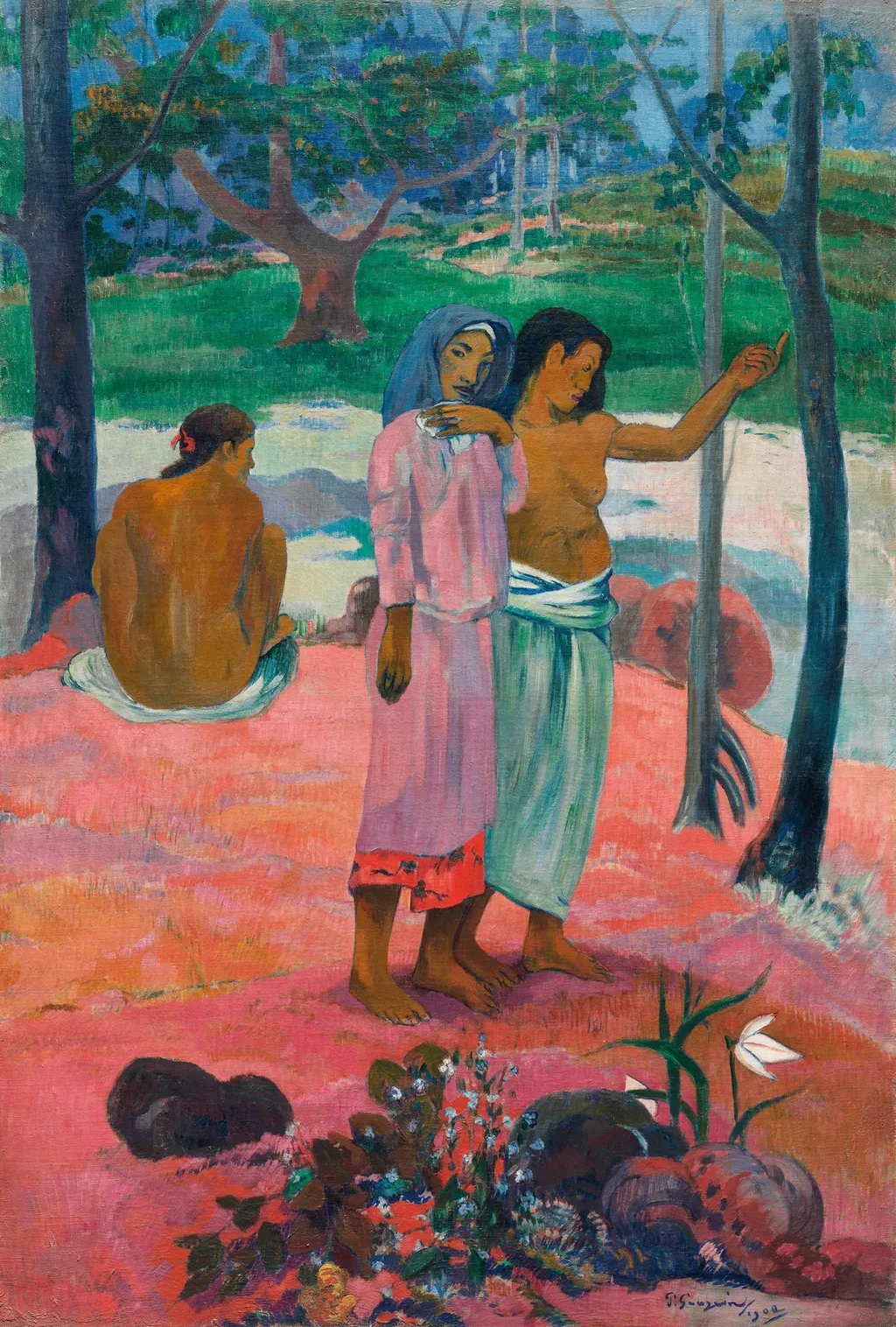
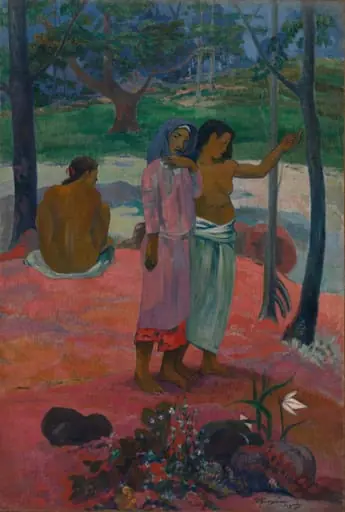
The Call is an oil painting by the Post-Impressionist artist Paul Gauguin. It dates from 1902 and is held in the collection of the Cleveland Museum of Art.
About this work
Subject & Meaning
Together these elements convey Gauguin's quest for a pure, sacred ideal, merging indigenous Polynesian life with an allusion to timeless, heroic gestures.
The Call shows two or three Polynesian women in a lush setting of vegetation, a stream, and a tree. The figure on the right extends her hand in a pose Gauguin adapted from a Parthenon frieze, linking the scene to classical antiquity. The two central barefoot figures gesture as if standing on consecrated ground, suggesting a religious vocation or spiritual calling, while a third woman sits beside the stream.
Together these elements convey Gauguin's quest for a pure, sacred ideal, merging indigenous Polynesian life with an allusion to timeless, heroic gestures.
Technique & Style
Executed in 1902 during Paul Gauguin's residence in the Marquesas Islands, The Call is an oil painting on canvas. The work measures 131.3 by 89.5 centimetres and depicts a Polynesian landscape featuring vegetation, a stream, and trees. The composition centers on two barefoot female figures whose gestures suggest a religious vocation, alongside a third woman seated near the water.
The pose of the woman on the right, extending her hand, references a Parthenon frieze. Created shortly before the artist's death, the piece combines these classical allusions with a scene of local life.
History & Provenance
The Call was painted by Paul Gauguin in 1902 during his final period in the Marquesas Islands, completed roughly a year before his death in 1903. It is held in the collection of the Cleveland Museum of Art under accession number 1943.392, a number indicating the museum acquired the painting in 1943. The sources do not document the earlier ownership chain, the circumstances of any commission, or intermediate owners between the artist's estate and the museum, nor do they record an exhibition history.
Overview
Paul Gauguin's 1902 oil painting, The Call, represents a significant work from the artist's final years. Executed in the Marquesas Islands, this piece was completed just a year before Gauguin's death in 1903. It encapsulates the aesthetic concerns and thematic interests that defined his late period in Polynesia. The painting is now part of the permanent collection at the Cleveland Museum of Art.
Context
Gauguin spent his last years in the remote Marquesas Islands, where he was deeply influenced by the local environment and its inhabitants. This period marked a profound shift in his artistic focus, leading him to extensively depict Polynesian landscapes and people. The Call, like many of his later works, features prominent and lush vegetation, underscoring his immersion in the natural world of the South Pacific.
Own this work as a print
Artist & collection
Artist
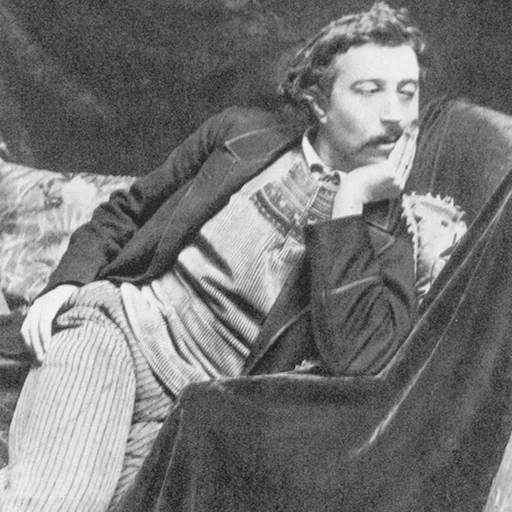
Eugène Henri Paul Gauguin (; French:; 7 June 1848 – 8 May 1903) was a French painter, sculptor, printmaker, ceramist, and writer, whose work has been primarily associated with the Post-Impressionist and Symbolist movements.