Artwork
Adoration of the Magi
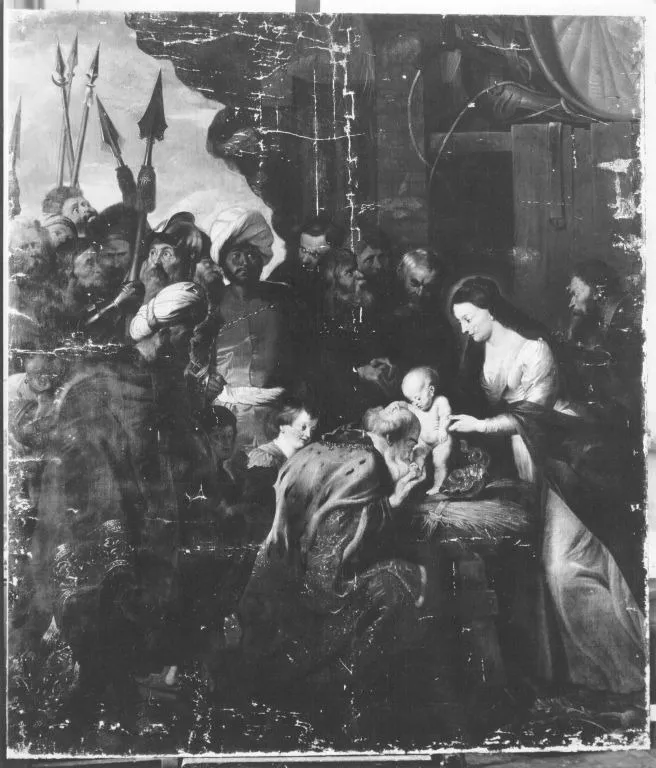
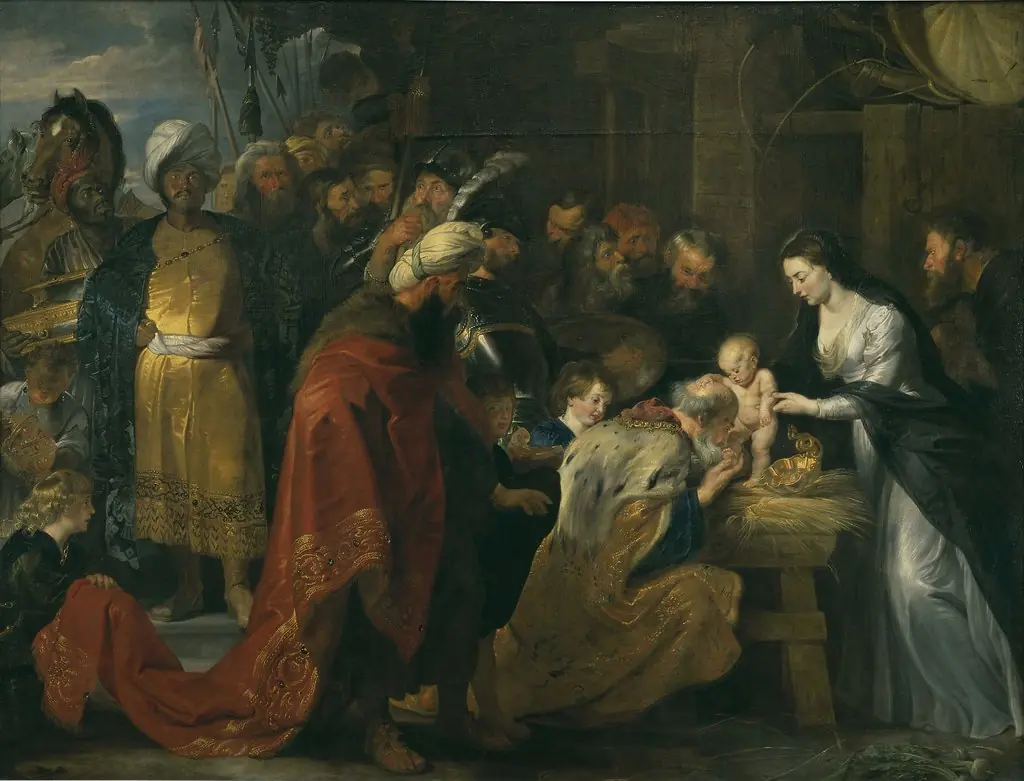
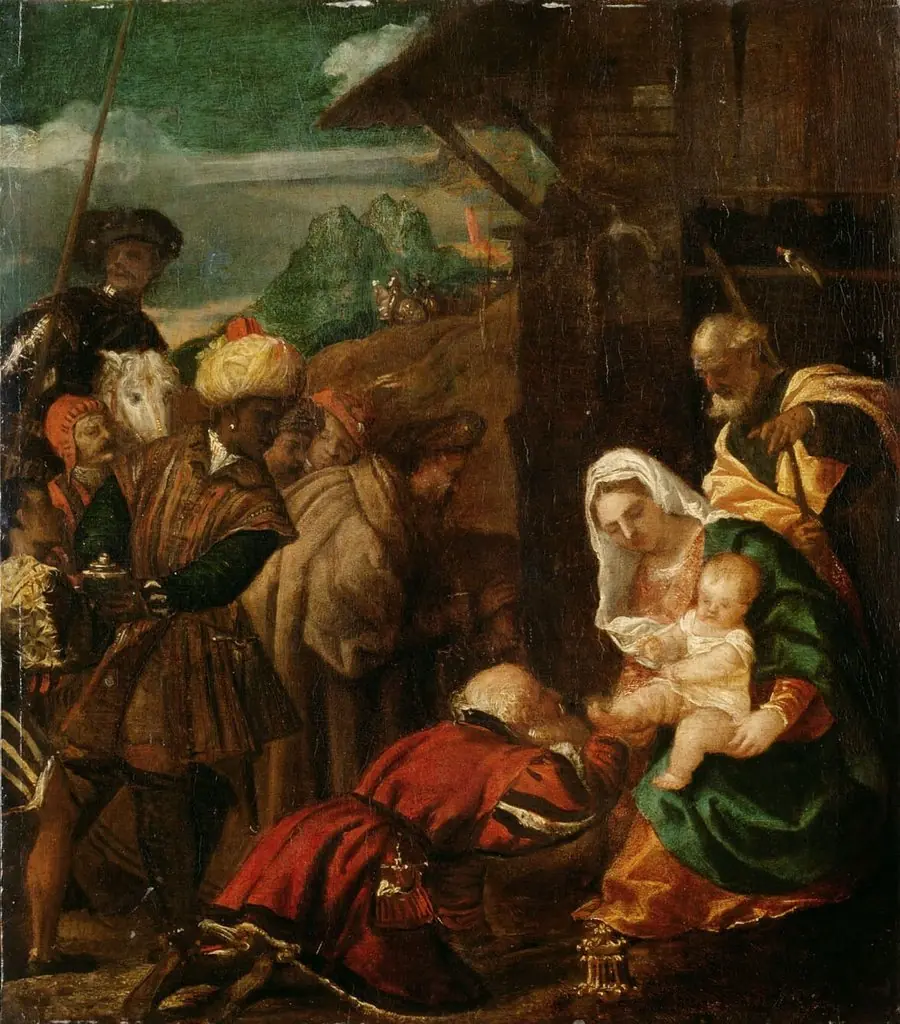
Adoration of the Magi is an unspecified painting by the Flemish Baroque painting artist Peter Paul Rubens. It dates from 1608 and is held in the collection of the Bavarian State Painting Collections.
About this work
Subject & Meaning
Peter Paul Rubens's 1608 painting depicts the Adoration of the Magi, a central theme in Christian religious art.
Peter Paul Rubens's 1608 painting depicts the Adoration of the Magi, a central theme in Christian religious art. The work illustrates the biblical narrative of the three kings visiting the newborn Jesus, with the Christ Child serving as the primary focal point of the composition. As a piece of religious genre painting, the image represents the moment of divine recognition by earthly rulers, a subject frequently explored to convey themes of humility and universal worship within the Christian tradition.
Technique & Style
The Adoration of the Magi is a religious painting by Peter Paul Rubens, dated 1608, and held by the Alte Pinakothek in Munich. The work is executed on a large-scale support measuring 276.7 cm in height by 239.6 cm in width. As a Rubens composition, the painting employs the dynamic handling of figures, dramatic lighting, and rich coloration characteristic of his early Baroque religious works, depicting the Christ Child as the focal point of the adoration scene.
History & Provenance
Peter Paul Rubens created the religious painting Adoration of the Magi in 1608. The work was produced during the artist's early career, establishing its inception in the first decade of the seventeenth century. Today, the canvas is held within the Bavarian State Painting Collections.
It is permanently installed and displayed at the Alte Pinakothek in Munich, where it remains a significant example of Rubens' treatment of biblical subjects.
The Adoration of the Magi by Peter Paul Rubens is held by the Alte Pinakothek in Munich, as part of the Bavarian State Painting Collections. The work, dated 1608, is catalogued within that institution's holdings.
No exhibition history is documented in the available sources.
Overview
Created in 1608 by the Flemish painter and diplomat Peter Paul Rubens, the Adoration of the Magi is an oil work that belongs to the collection of Munich’s Alte Pinakothek. The composition presents a nocturnal gathering around the infant Christ, rendered with the vigorous energy and saturated palette typical of early Baroque religious art.
Context
The work reflects the Counter‑Reformation’s demand for visually compelling religious imagery that could engage the faithful. Rubens’ dynamic composition, rich coloration, and emotive figures align with the Catholic Church’s strategy to inspire devotion through art that combined theological clarity with theatrical intensity.
Artist & collection
Artist
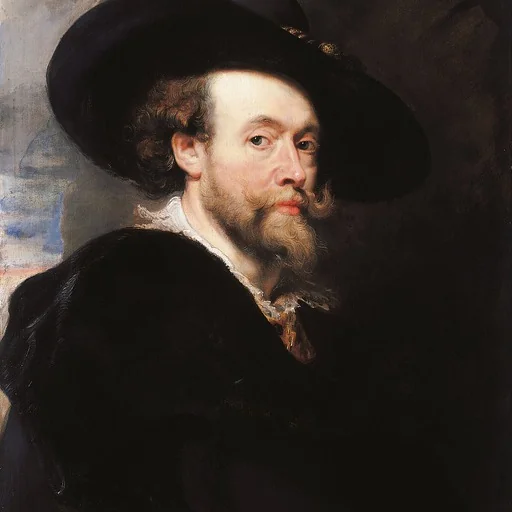
Sir Peter Paul Rubens ( ROO-bənz; Dutch:; 28 June 1577 – 30 May 1640) was a Flemish artist and diplomat.

- Adoration of the Magi
 Adoration of the Magi
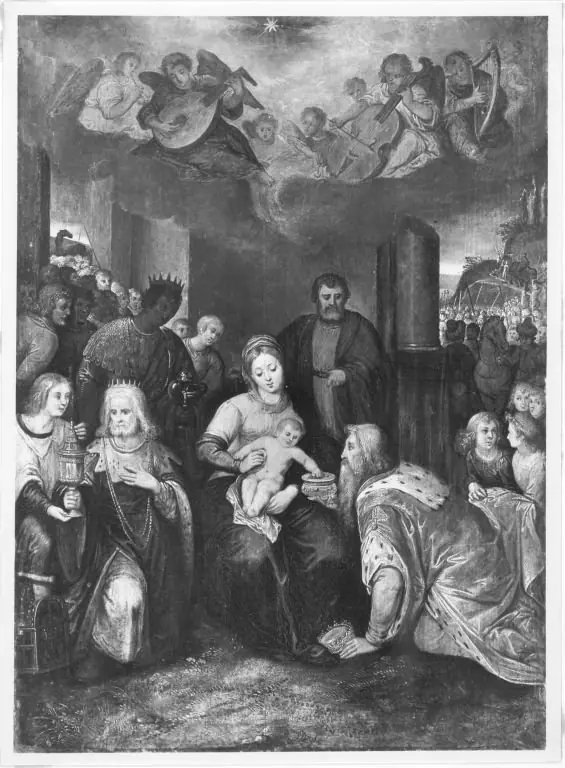 Anbetung der Könige
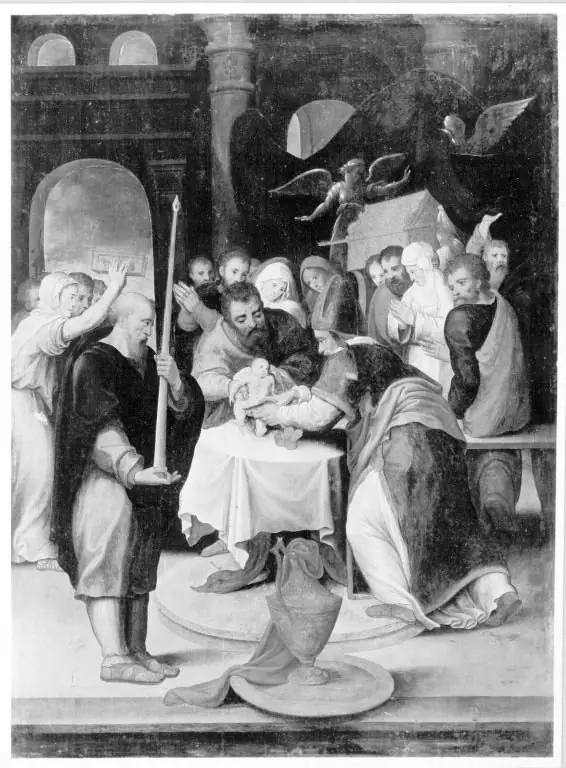 Beschneidung Christi (zugeschrieben)
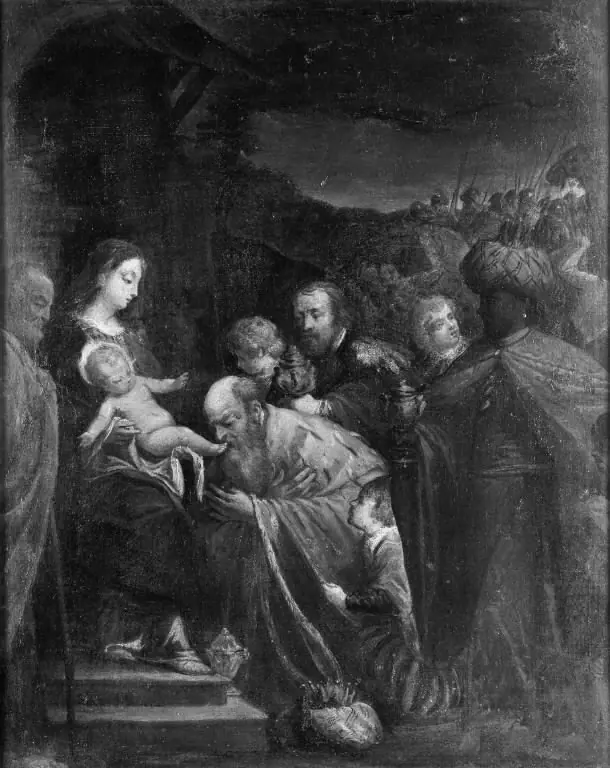 The Adoration of the Kings
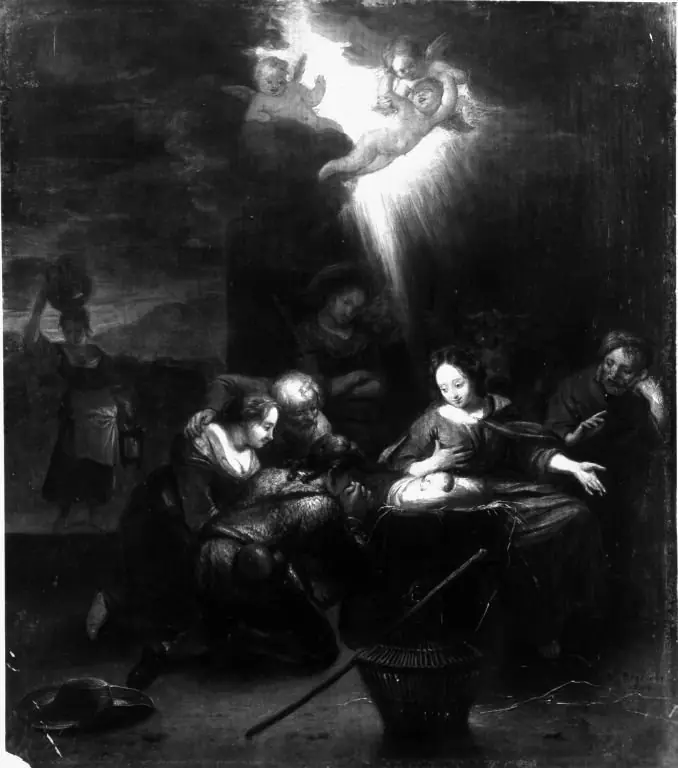 Anbetung der Hirten
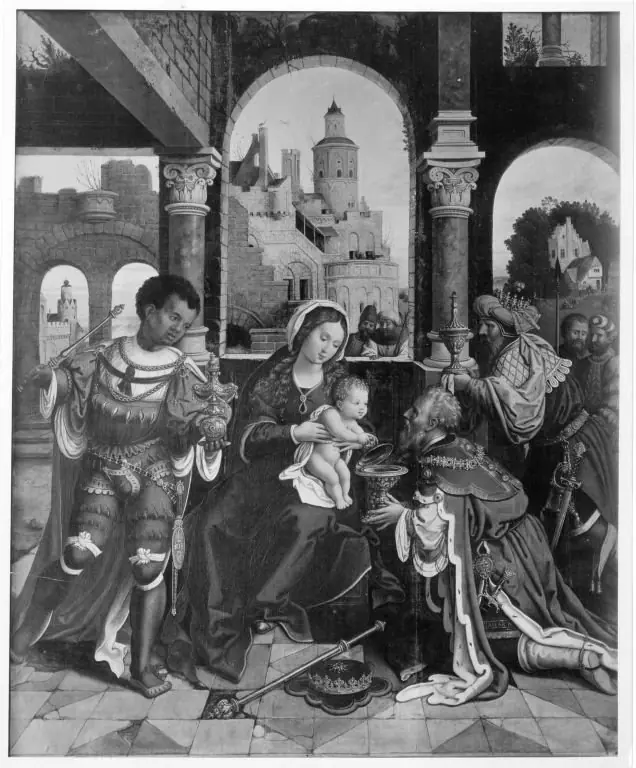 The Adoration of the Magi
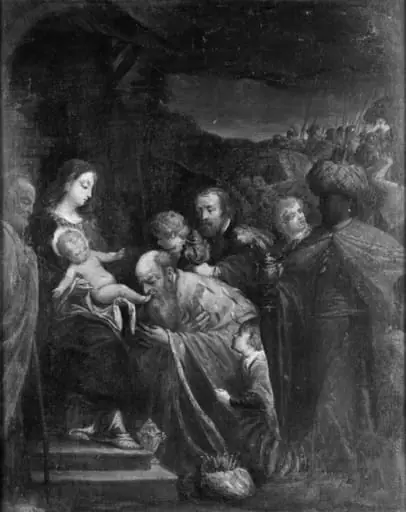 The Adoration of the Kings
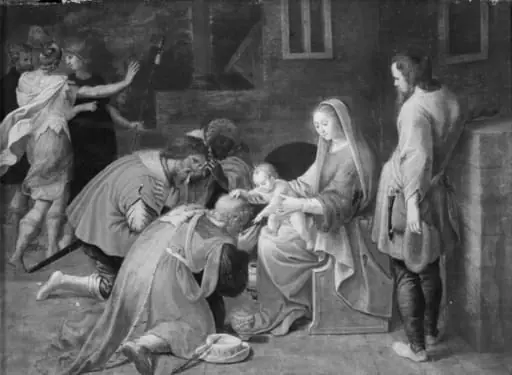 The Adoration of the Kings
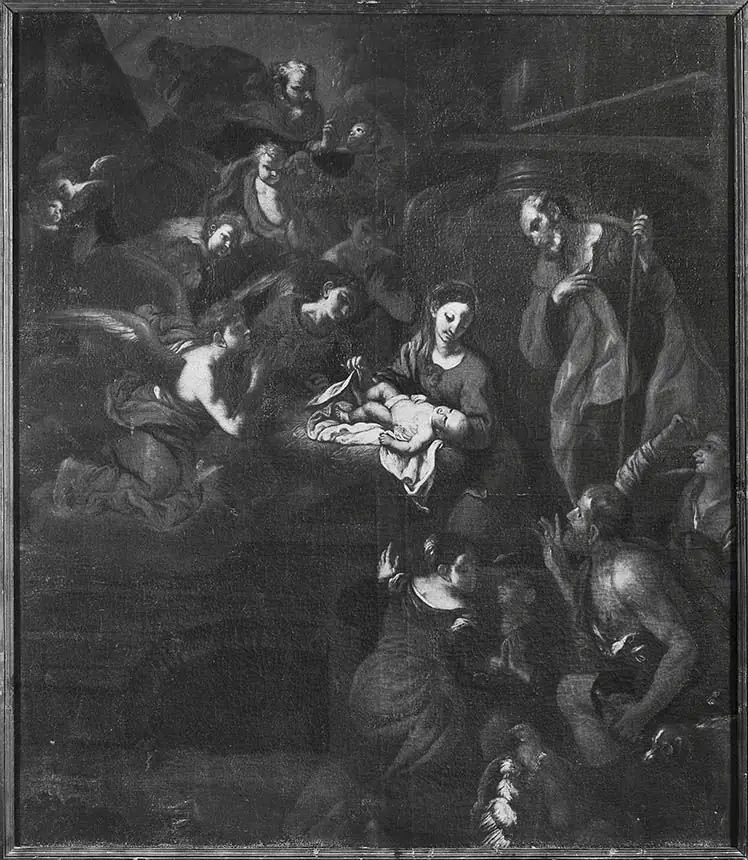 Anbetung der Hirten (Schule)
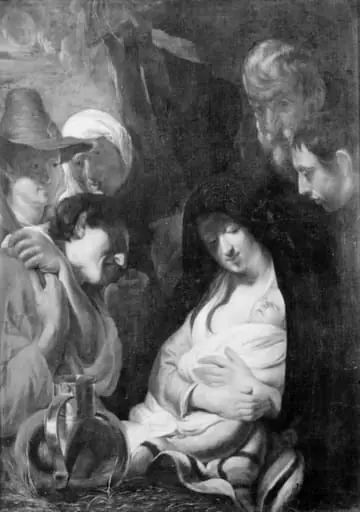 The Adoration of the Shepherds
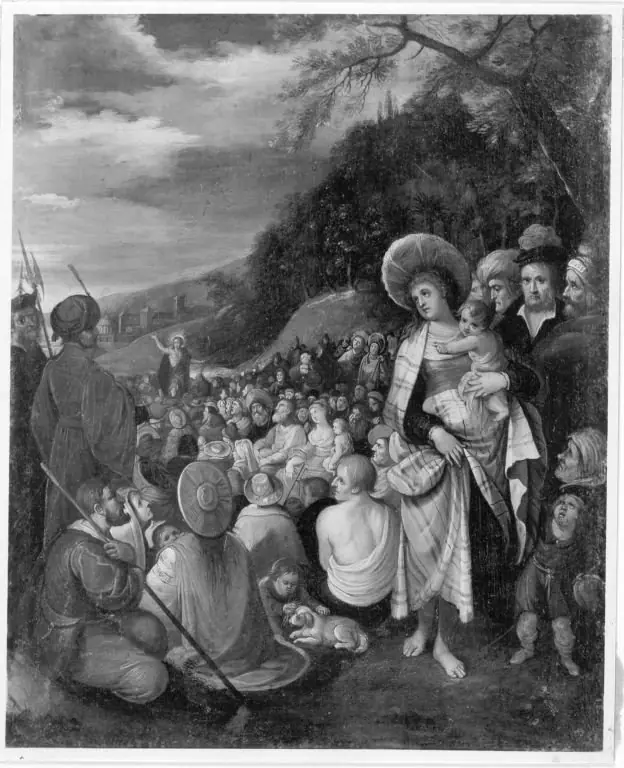 Johannes predigt in der Wüste