Artwork
Coronation of the Virgin
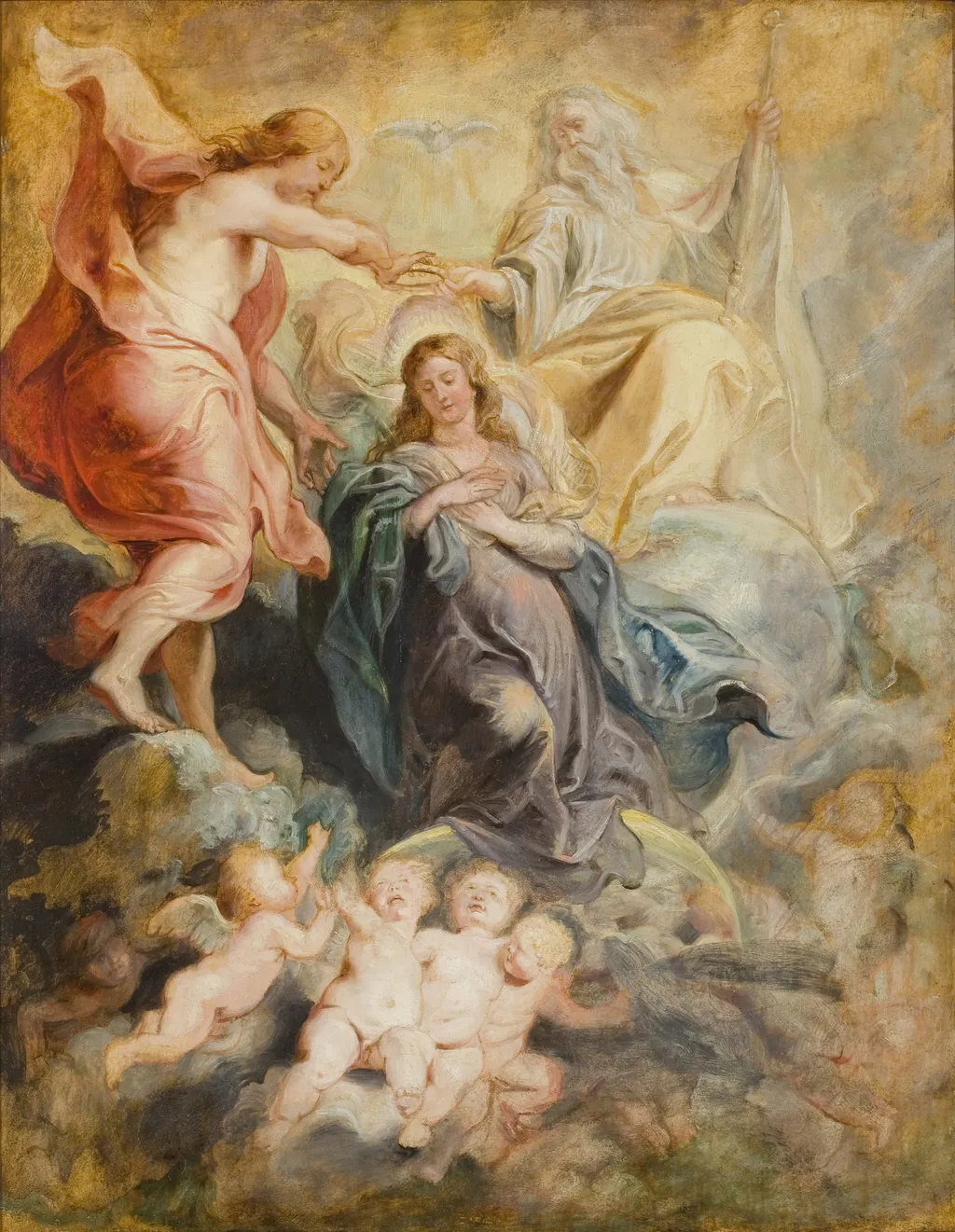
Coronation of the Virgin is an oil painting by the Flemish Baroque painting artist Peter Paul Rubens. It dates from 1625 and is held in the collection of the Museum of Fine Arts Boston.
About this work
Subject & Meaning
The painting depicts the Coronation of the Virgin, a central theme in religious art where the Virgin Mary is crowned as Queen of Heaven.
The painting depicts the Coronation of the Virgin, a central theme in religious art where the Virgin Mary is crowned as Queen of Heaven. The composition features Mary as the main subject, shown receiving her coronation amidst a gathering that includes cherubs. This imagery symbolizes her exaltation and role in Christian theology following her assumption.
As a work of religious art created in 1625, the piece visualizes the celestial honor bestowed upon Mary, emphasizing her significance within the faith through the specific depiction of the coronation event.
History & Provenance
The oil-on-panel painting Coronation of the Virgin by Peter Paul Rubens was created in 1625. It currently resides in the collection of the Museum of Fine Arts, Boston, where it is held within the Susan and Matthew Weatherbie Collection. The work measures 66.1 cm in height and 51.1 cm in width.
No specific details regarding the original commission, the identity of the initial patron, or the precise chain of ownership prior to its arrival at the Boston museum are provided in the available records.
The painting Coronation of the Virgin by Peter Paul Rubens, created in 1625, is held in the collection of the Museum of Fine Arts, Boston. Specifically, it belongs to the Susan and Matthew Weatherbie Collection within the museum. The work is an oil on panel measuring 66.1 cm in height and 51.1 cm in width.
While the provided sources confirm its current location and collection details, they do not contain information regarding a specific inventory or accession number, nor do they list any exhibition history for the artwork.
Context
The Coronation of the Virgin, painted by Peter Paul Rubens in 1625, is a prominent example of Baroque religious art and exemplifies the dynamism characteristic of his mature period. Executed in oil on panel, the work measures 66.1 cm by 51.1 cm and depicts the Virgin Mary being crowned by celestial figures amid a host of angels. It belongs to the genre of religious painting and is housed in the Museum of Fine Arts Boston, where it is part of the Susan and Matthew Weatherbie Collection.
Scholars have highlighted its compositional complexity and emotional intensity as key factors in understanding Rubens' influence on 17th-century devotional imagery.
Overview
Peter Paul Rubens painted the Coronation of the Virgin in 1625, employing oil on canvas. The work exemplifies the Flemish Baroque style, noted for its dynamic composition and rich coloration. It is part of the permanent collection of the Museum of Fine Arts in Boston.
Technique & Style
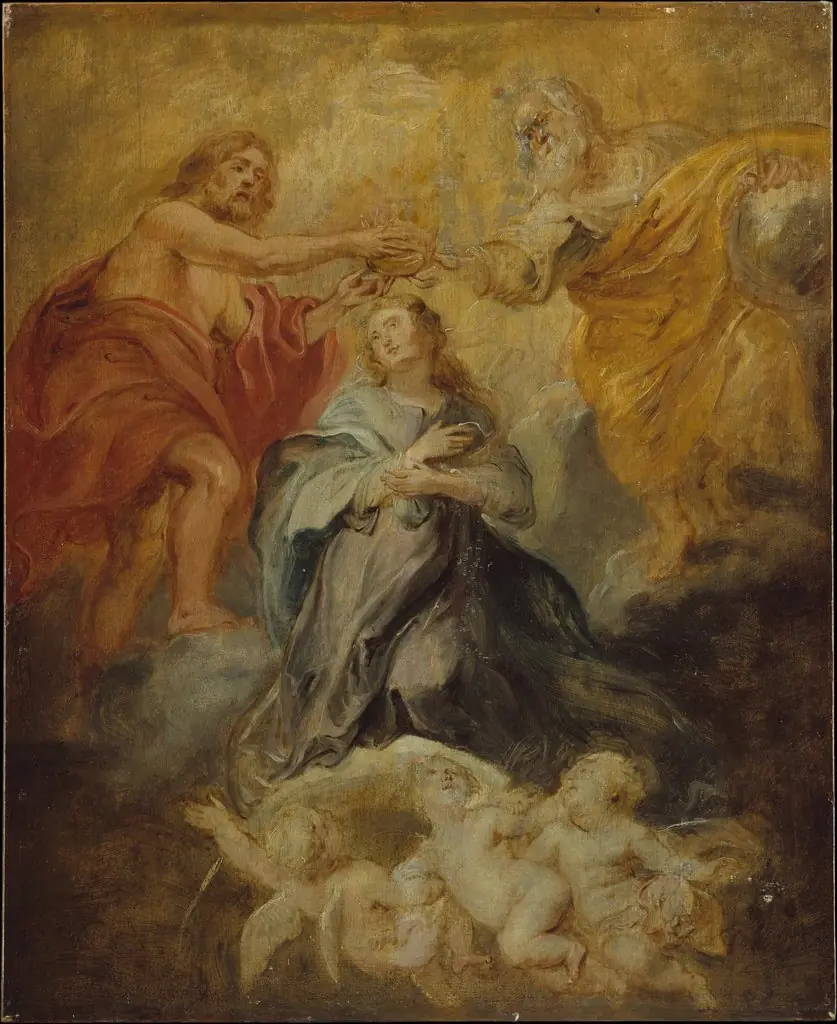
Rubens utilizes a warm palette dominated by gold, brown and beige tones, creating a luminous atmosphere. Strong chiaroscuro models the figures, giving them three‑dimensional presence against a softer, muted background. The brushwork is fluid, and the composition balances movement with a tranquil, reverent mood.
Own this work as a print
Artist & collection
Artist
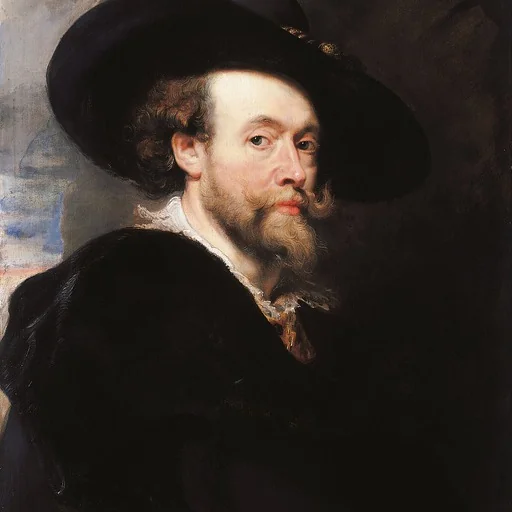
Sir Peter Paul Rubens ( ROO-bənz; Dutch:; 28 June 1577 – 30 May 1640) was a Flemish artist and diplomat.

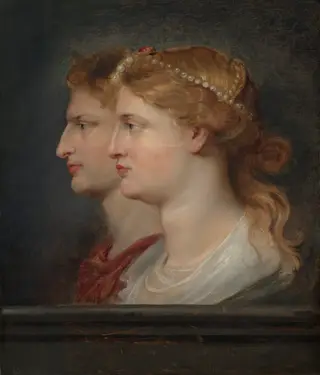

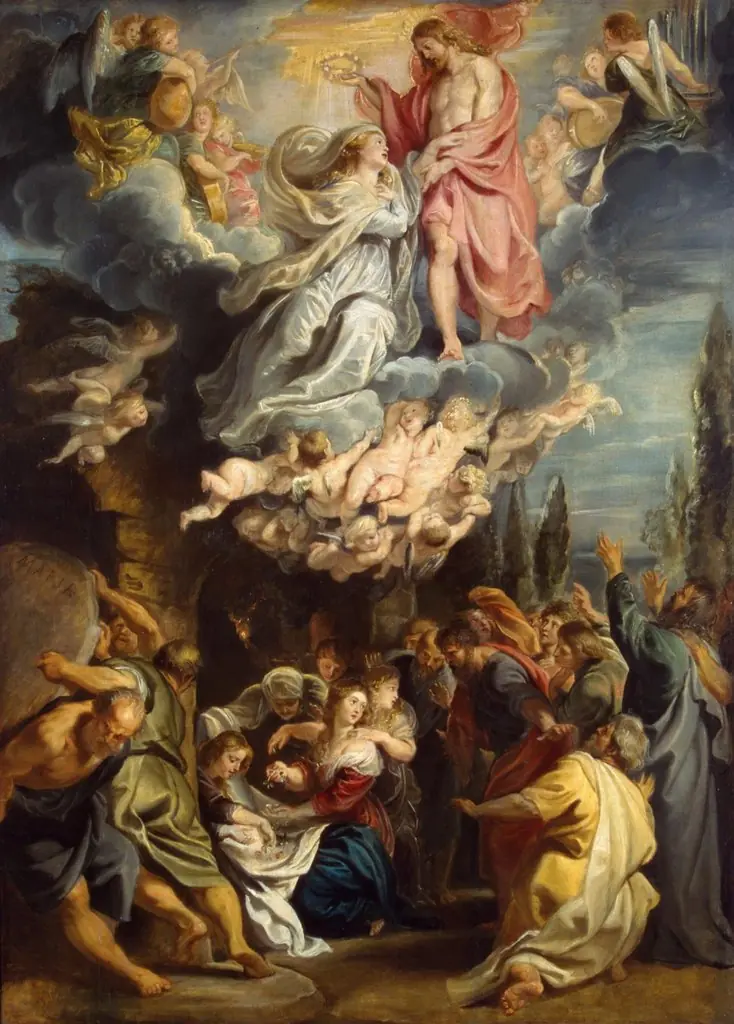 Coronation and Assumption of the Virgin
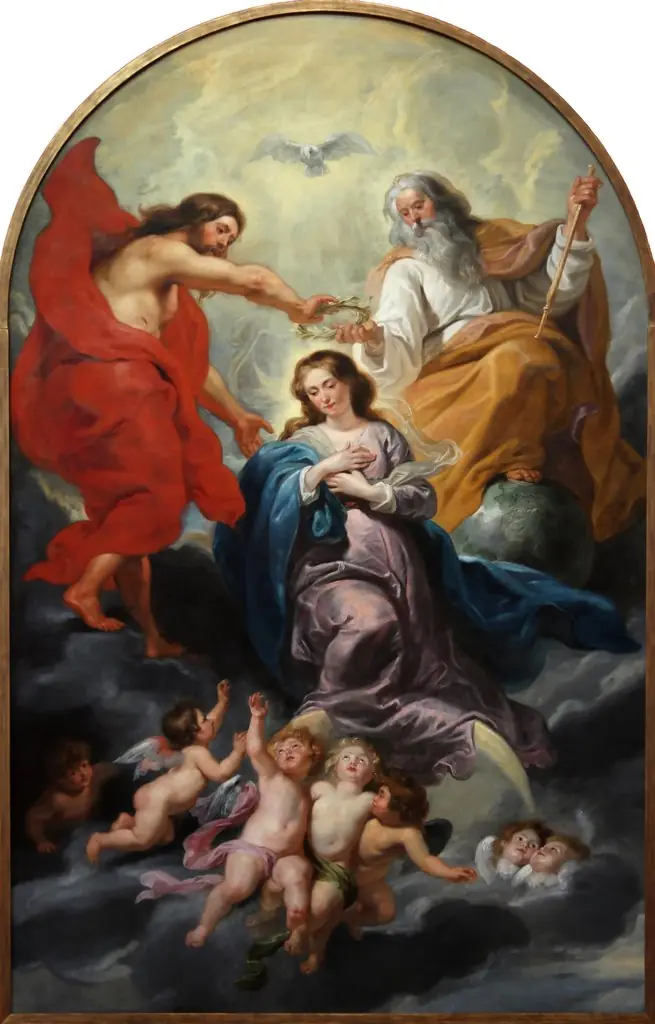 Coronation of the Virgin Mary
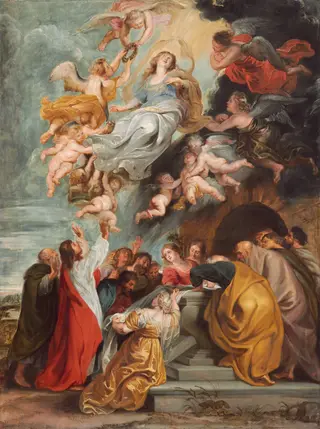
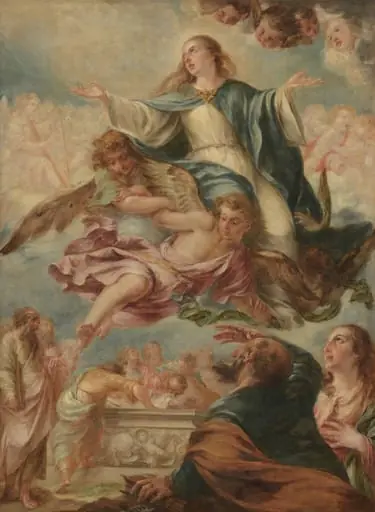 The Assumption of the Virgin
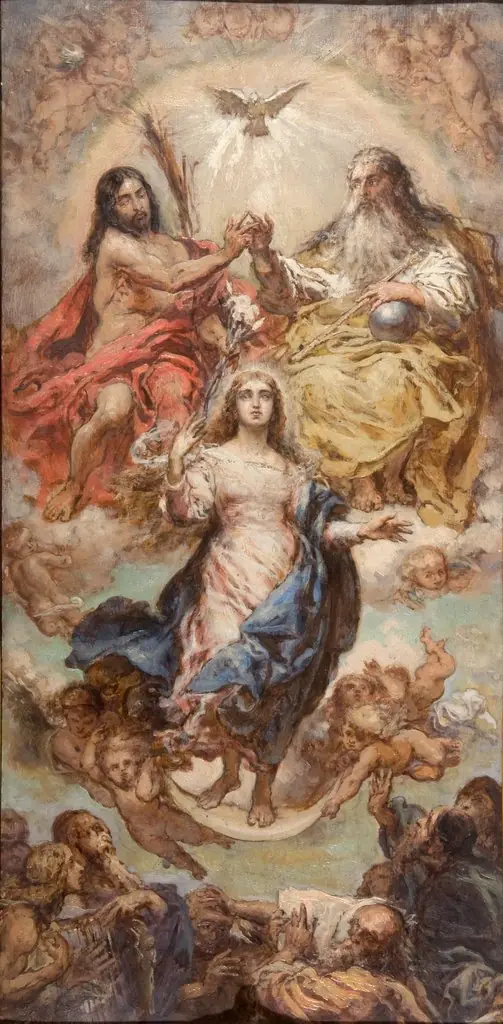 Wniebowzięcie Najświętszej Marii Panny
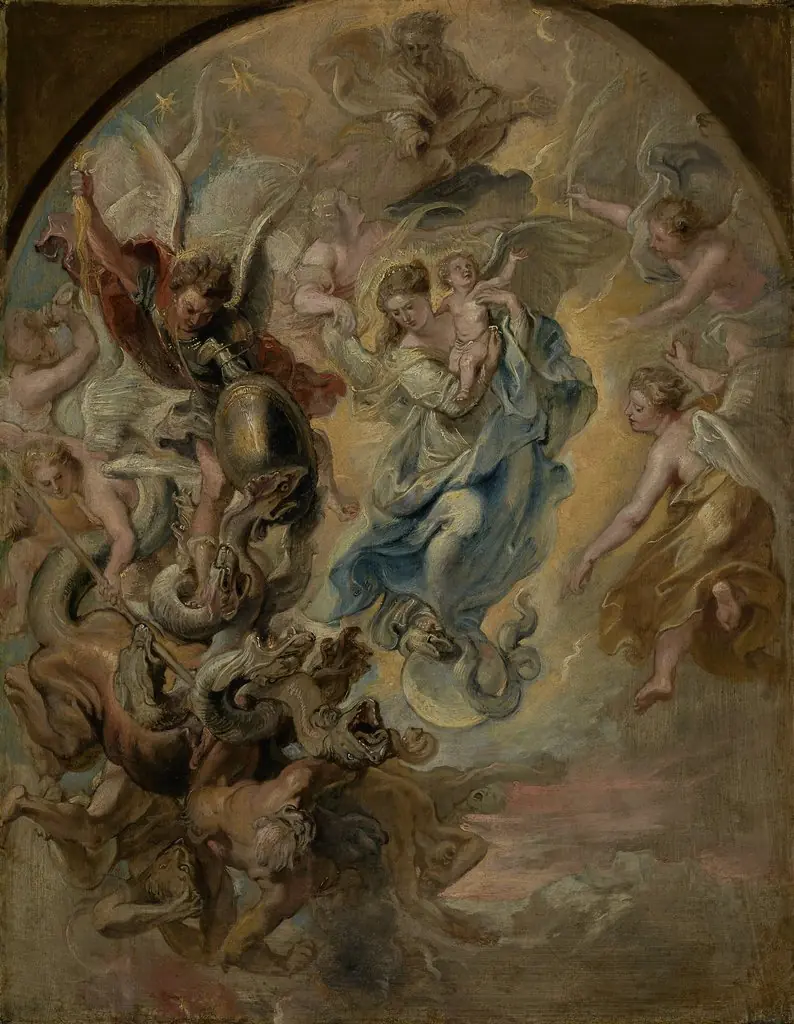 The Virgin as the Woman of the Apocalypse
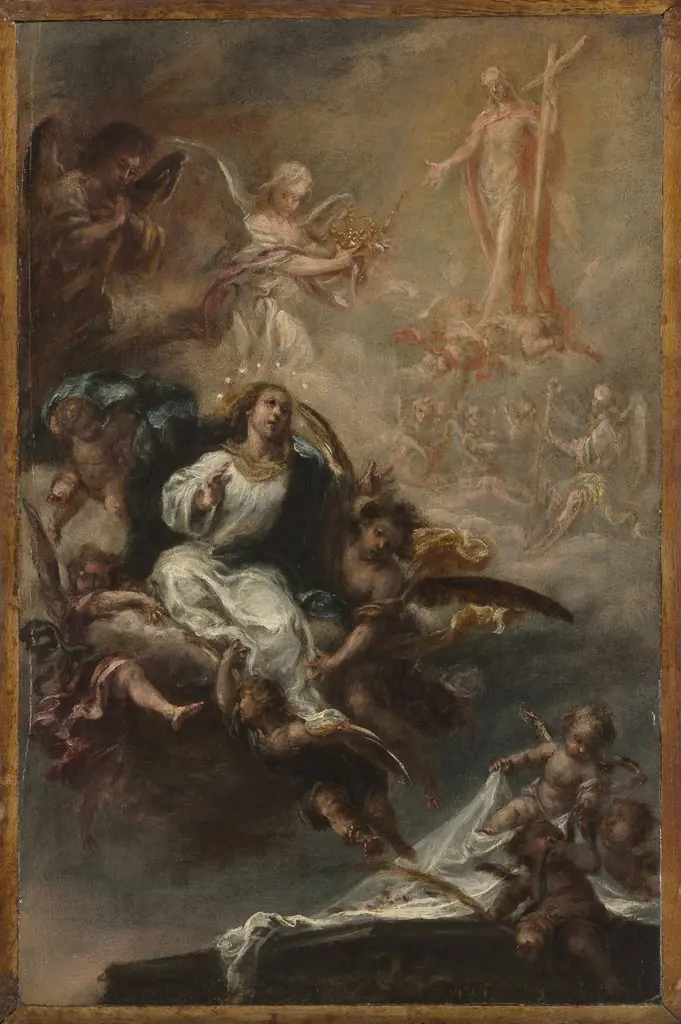
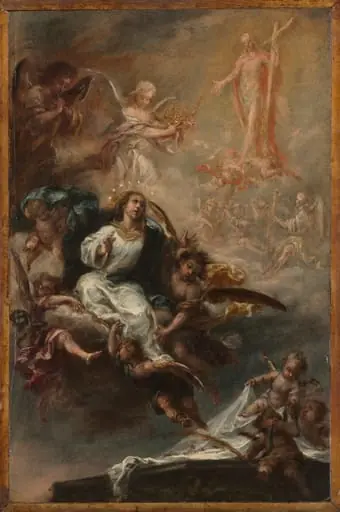 Study for "The Assumption of the Virgin" for San Augustín, Seville
 Study for "The Assumption of the Virgin" for San Augustín, Seville
 The Assumption of the Virgin
 Assumption of Mary