Artwork
Landscape with Philemon and Baucis
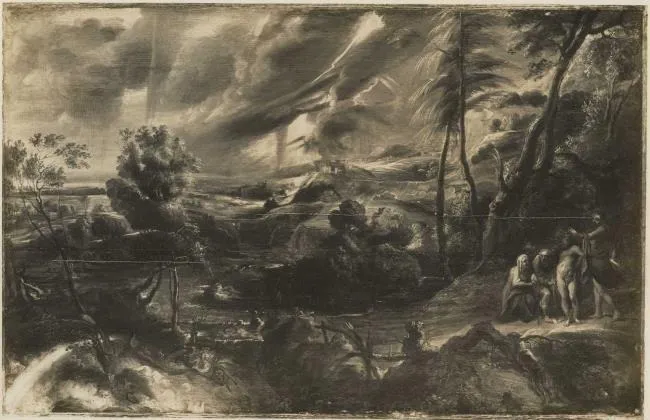
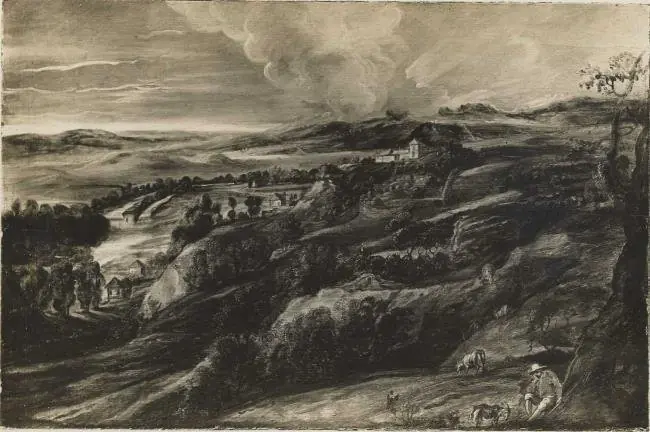
Landscape with Philemon and Baucis is an oil painting by the Flemish Baroque painting artist Peter Paul Rubens. It dates from 1630 and is held in the collection of the Philadelphia Museum of Art.
About this work
Overview
Painted in 1630 by Peter Paul Rubens, this oil-on-canvas work presents a mythological narrative embedded within a tranquil natural setting.
Painted in 1630 by Peter Paul Rubens, this oil-on-canvas work presents a mythological narrative embedded within a tranquil natural setting. As a Flemish Baroque artist, Rubens combined classical storytelling with landscape painting, a practice that reflected both his training and the cultural interests of his patrons. The piece is now held in the Philadelphia Museum of Art, where it contributes to the museum’s collection of European Old Master paintings.
Subject & Meaning
The painting illustrates the myth of Philemon and Baucis, an elderly couple honored by the gods for their hospitality. In Ovid’s account, they are transformed into intertwined trees after their death. Rubens captures them in a quiet, pre-transformation moment, standing beside their humble home, the woman holding a vessel as if offering drink.
The scene emphasizes virtue and divine reward, rendered without overt drama, aligning with the moral tone of the original tale.
Technique & Style
Rubens employed oil paint to achieve rich textures and subtle transitions between light and shadow. Chiaroscuro enhances the spatial depth of the landscape, guiding the viewer’s eye from the foreground figures to the distant hills and soft, cloud-dappled sky. The brushwork is fluid yet controlled, blending naturalistic detail with a sense of idealized harmony. Figures are integrated into the environment rather than dominating it, reflecting a mature approach to landscape composition.
History & Provenance
Commissioned during Rubens’s later years, the painting reflects his continued engagement with classical themes after his diplomatic service. It entered the Philadelphia Museum of Art’s collection in the early 20th century, likely through a private acquisition or bequest. Its presence in the museum underscores its recognition as a significant example of Baroque narrative landscape painting in American collections.
Context
In early 17th-century Flanders, mythological landscapes were popular among elite collectors who valued intellectual and aesthetic refinement. Rubens, influenced by his travels in Italy and his study of ancient texts, frequently merged classical narratives with natural settings. This painting aligns with a broader trend among Northern European artists to elevate landscape beyond mere backdrop, infusing it with moral and poetic resonance.
Legacy
Rubens’s integration of myth and nature in this work influenced later landscape painters who sought to convey narrative through environment. While not among his most widely reproduced pieces, it remains a key example of how Baroque artists reinterpreted classical stories with psychological subtlety and compositional balance. Its preservation in a major American institution ensures continued scholarly and public engagement with its quiet, enduring vision.
Artist & collection
Artist
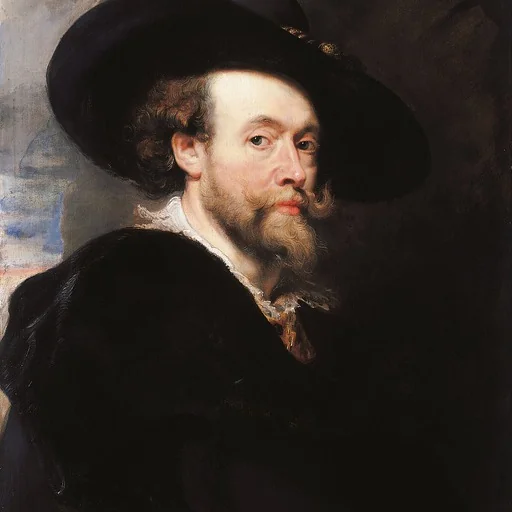
Sir Peter Paul Rubens ( ROO-bənz; Dutch:; 28 June 1577 – 30 May 1640) was a Flemish artist and diplomat.