Artwork
Madonna and Child with Saint Elizabeth and the Young Saint John
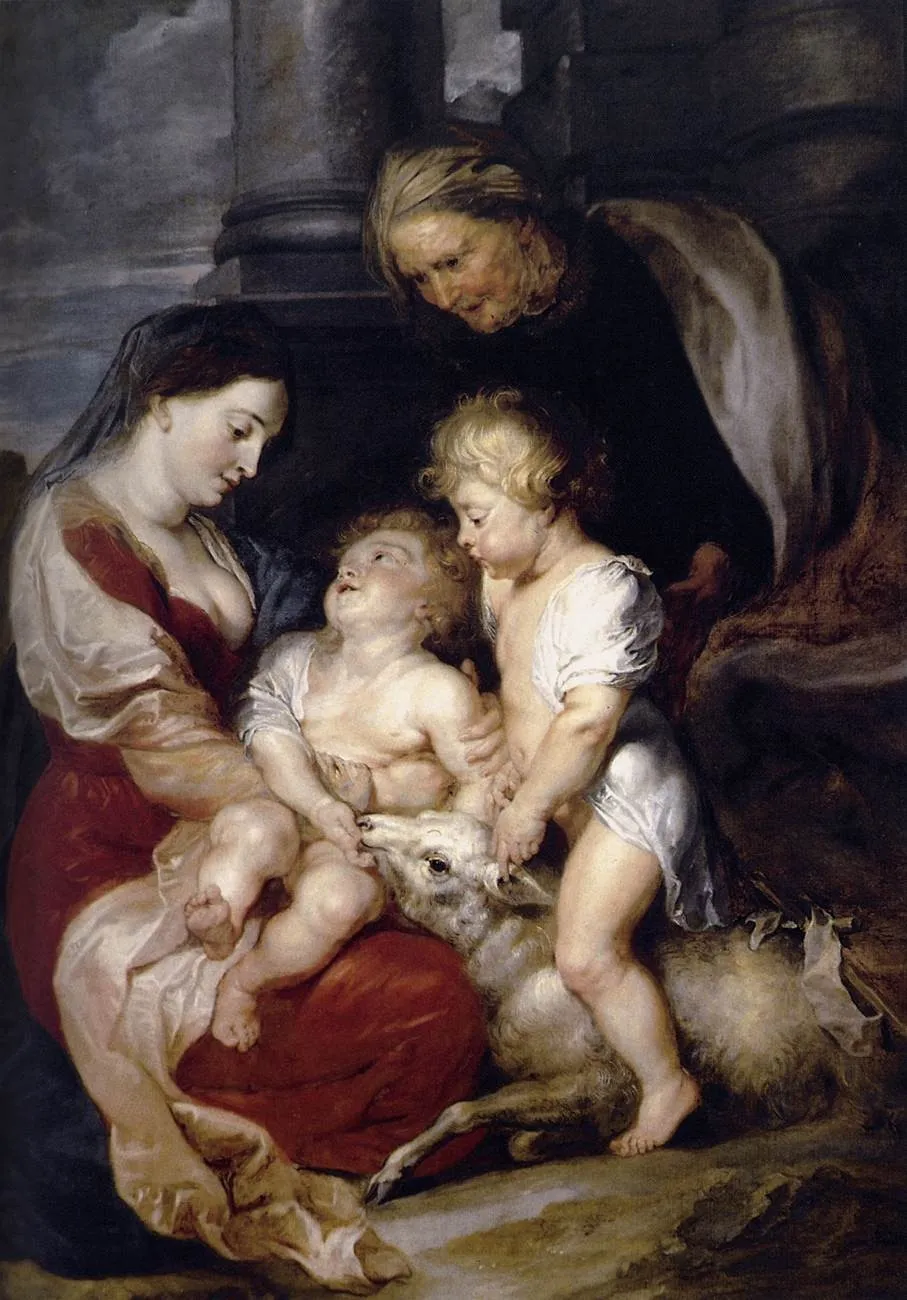
Madonna and Child with Saint Elizabeth and the Young Saint John is an oil painting by the Flemish Baroque painting artist Peter Paul Rubens. It dates from 1618 and is held in the collection of the Thyssen-Bornemisza Museum.
About this work
Subject & Meaning
The lamb is a traditional attribute of John the Baptist, alluding to his later proclamation of Christ as the Lamb of God and foreshadowing the Crucifixion.
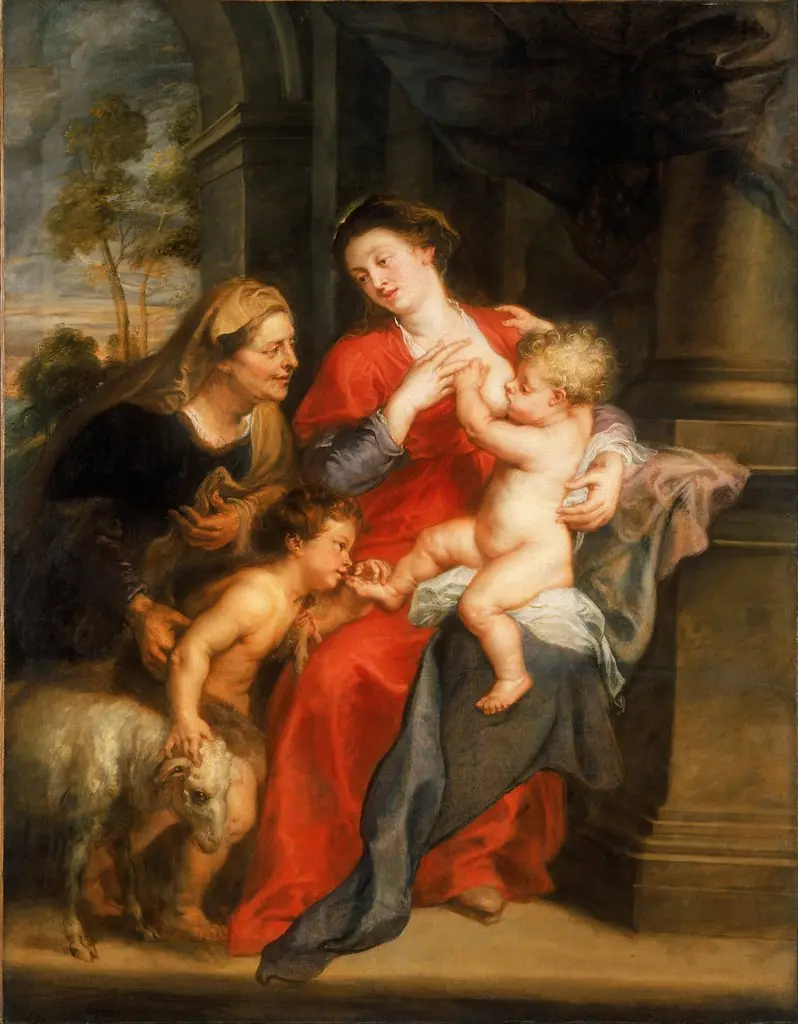
The painting presents a religious subject centered on the Madonna and Child, accompanied by Saint Elizabeth and the young Saint John the Baptist. According to the work's iconographic program, it depicts Mary, the Christ Child, the infant Saint John, and Elizabeth, along with the symbolic lamb. The lamb is a traditional attribute of John the Baptist, alluding to his later proclamation of Christ as the Lamb of God and foreshadowing the Crucifixion.
The grouping of Mary, Elizabeth, and their children reflects the Holy Family theme, a popular devotional subject that emphasizes the sacred kinship between the mothers and the messianic destiny of their sons.
The composition unites tenderness with theological meaning: the Christ Child and the young John are presented together in a manner that signals John's role as precursor to Christ, while Elizabeth's presence reinforces the New Testament episode of the Visitation and the shared holy lineage.
Technique & Style
Executed in 1618, this religious work by Peter Paul Rubens is an oil painting on canvas. The composition measures 151 cm in height and 113 cm in width. Visually, the piece depicts a sacred grouping featuring the Virgin Mary and the Christ Child alongside Saint Elizabeth and the young Saint John the Baptist.
A lamb is also included within the scene, contributing to the iconography of the Holy Family. The handling of the oil medium allows for the rendering of these figures in a manner characteristic of the artist's approach to religious subjects during this period.
History & Provenance
Created in 1618, this oil-on-canvas painting by Peter Paul Rubens depicts the Madonna and Child alongside Saint Elizabeth and the young Saint John the Baptist. The work's ownership history includes James Lowther, 1st Earl of Lonsdale, and later Hans Heinrich Thyssen-Bornemisza. It is currently associated with the Thyssen-Bornemisza family Collection and the Thyssen-Bornemisza Museum, while also being held by the Museu Nacional d'Art de Catalunya.
The painting is held in the collection of the Thyssen-Bornemisza Museum, having previously been part of the Thyssen-Bornemisza family Collection and the Museu Nacional d'Art de Catalunya. Its ownership history includes Hans Heinrich Thyssen-Bornemisza and James Lowther, 1st Earl of Lonsdale. Created in 1618, the work measures 151 cm in height and 113 cm in width.
No specific inventory numbers or details regarding its exhibition history are provided in the available sources.
Legacy
The composition of Madonna and Child with Saint Elizabeth and the Young Saint John has been widely studied for its synthesis of High Renaissance ideals and Baroque dynamism, influencing religious painting across Europe. Its depiction of the Holy Family in an intimate domestic setting contributed to the development of devotional imagery in the 17th century, inspiring artists such as Diego Velázquez and later reinterpretations by modernists including Peter Paul Rubens' own workshop. The work's provenance through prominent collectors, including Hans Heinrich Thyssen-Bornemisza, elevated its status in private collections, reinforcing its reputation as a benchmark of Rubens' mature religious output.
Today, it remains a key piece in discussions of Counter-Reformation art and familial holiness in Baroque visual culture.
Overview
Created in 1618 by the Flemish painter Peter Paul Rubens, this oil on canvas belongs to the Baroque period and is part of the collection of the Museu Nacional d'Art de Catalunya. The work brings together the Virgin Mary, the infant Christ, Saint Elizabeth and the young Saint John in a compact, dramatic grouping.
Context
During the early 1600s Rubens was active as both an artist and diplomat, producing works that combined religious devotion with the dramatic visual language favored by Counter‑Reformation patrons. This piece reflects his synthesis of classical composition with the emotional intensity characteristic of his contemporaries.
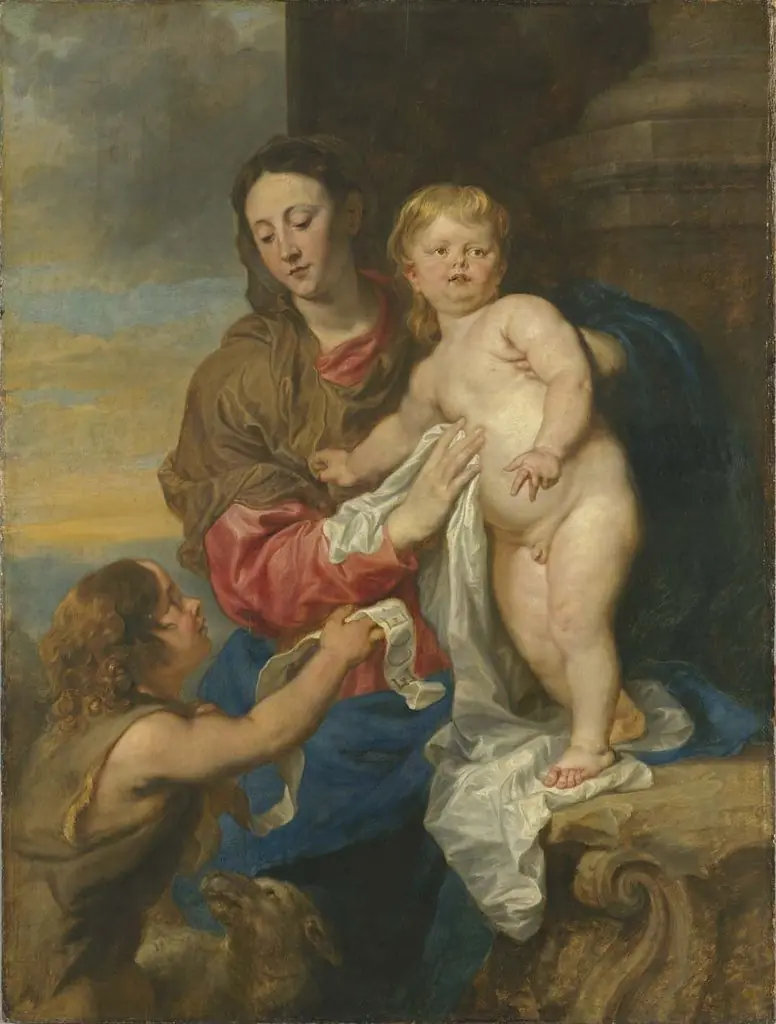
Artist & collection
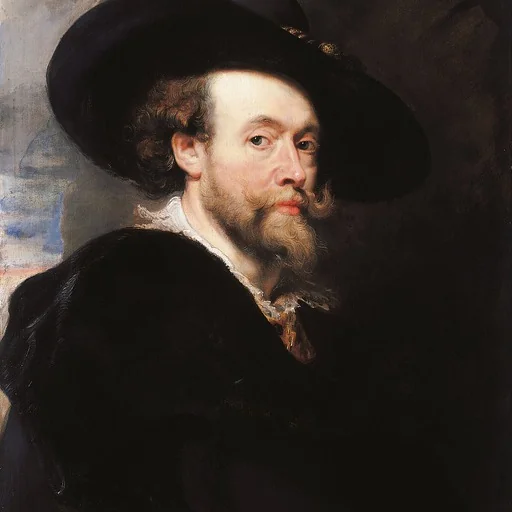
Artist
Sir Peter Paul Rubens ( ROO-bənz; Dutch:; 28 June 1577 – 30 May 1640) was a Flemish artist and diplomat.

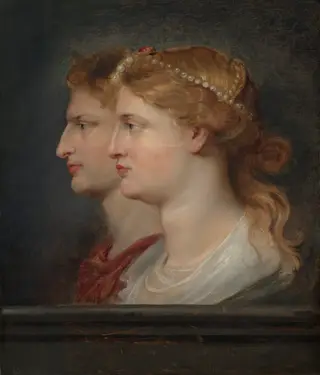
 The Virgin and Child with Sts. Elizabeth and John the Baptist
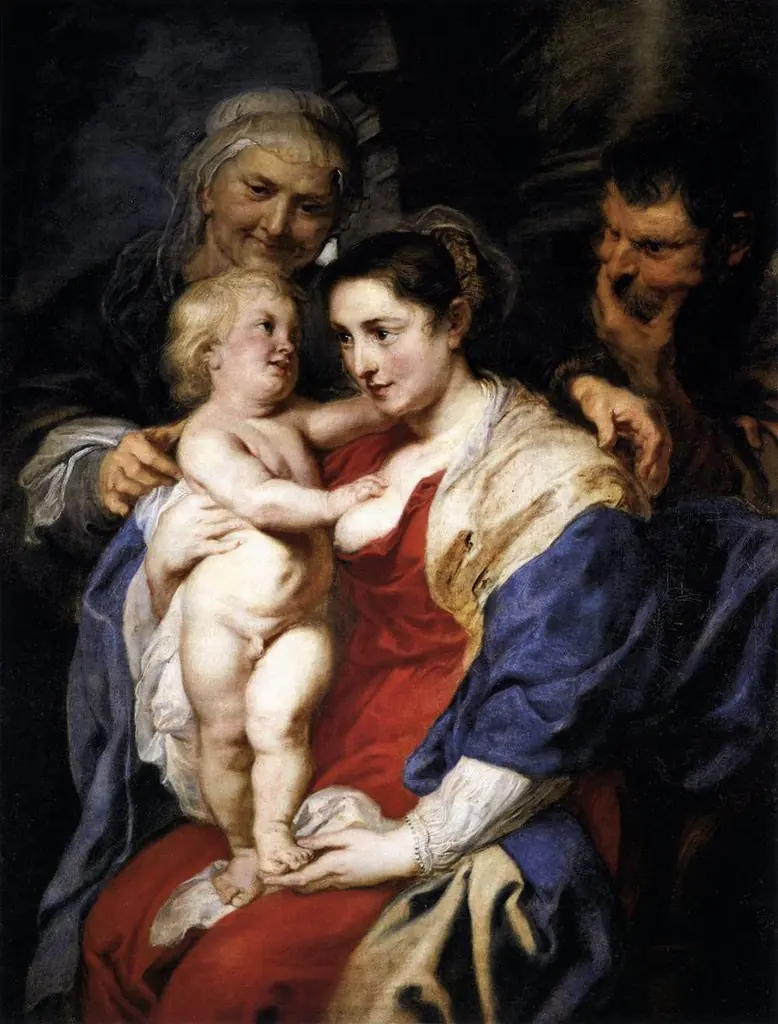 The Holy Family with Saint Anne
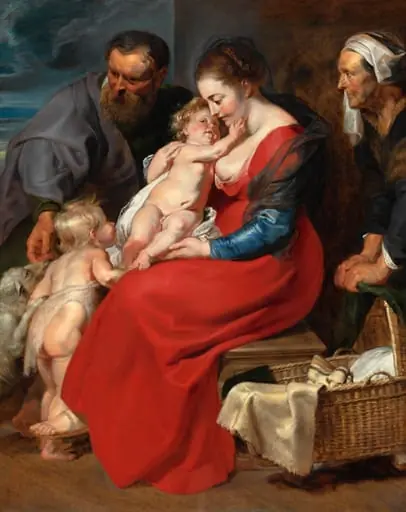 The Holy Family with Saints Elizabeth and John the Baptist
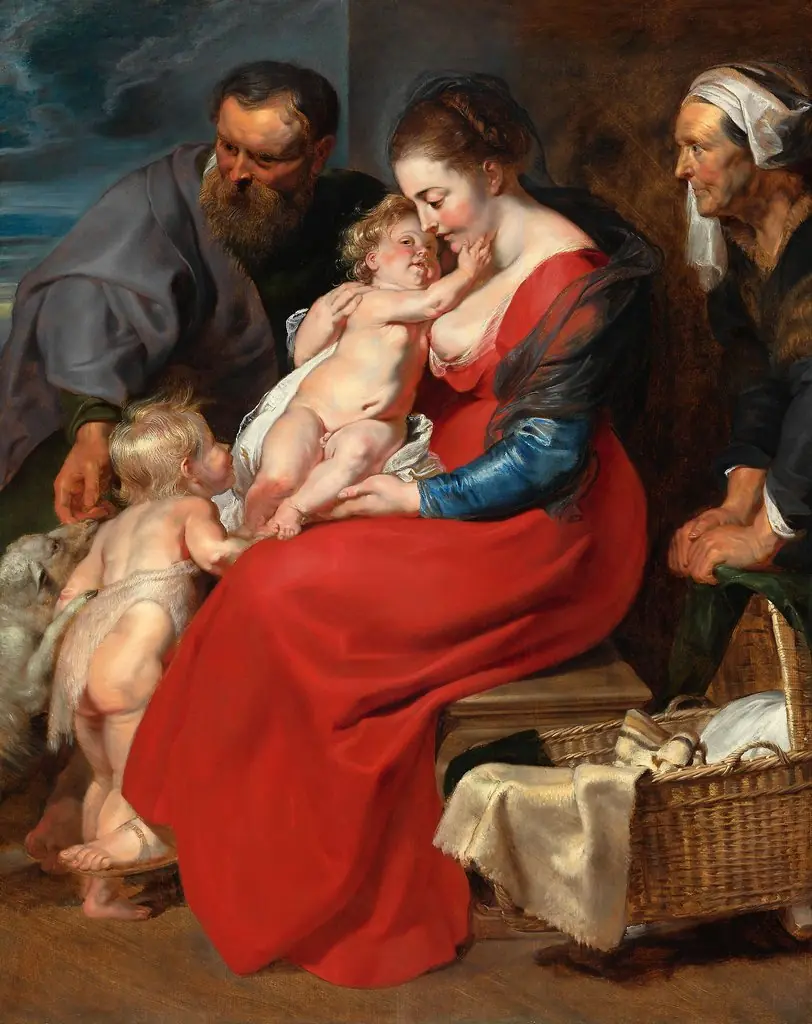 The Holy Family with Saint Elizabeth and Saint John
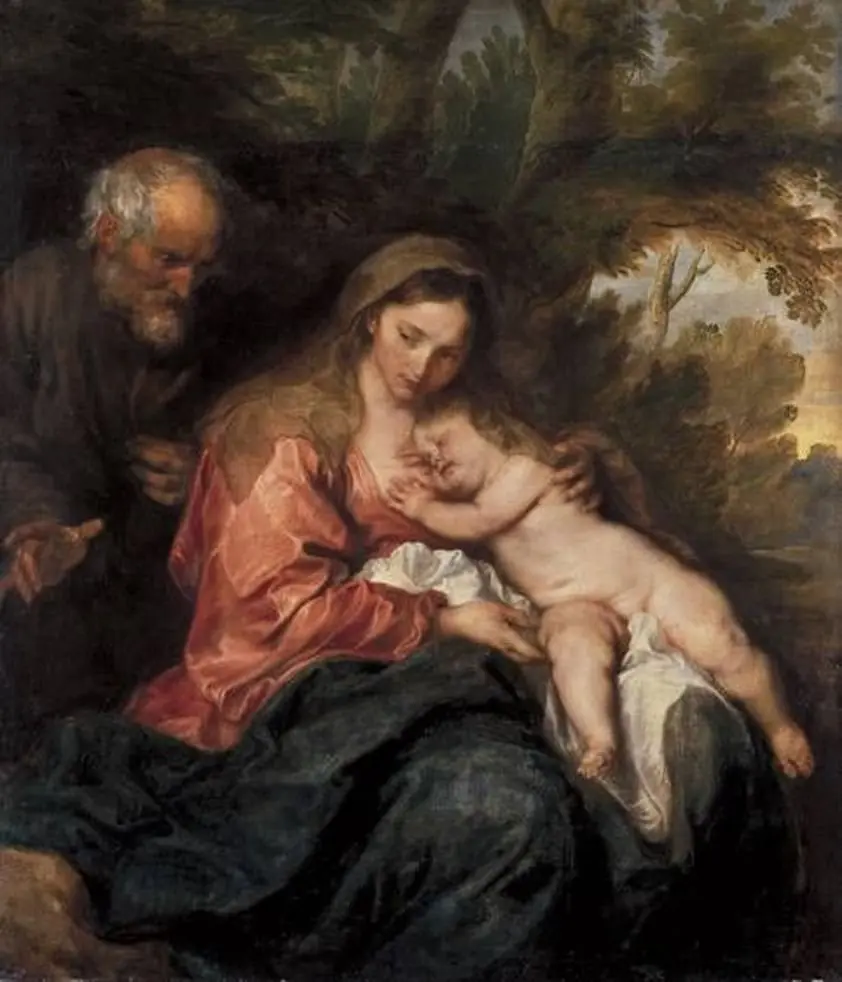 Rest on the Flight to Egypt
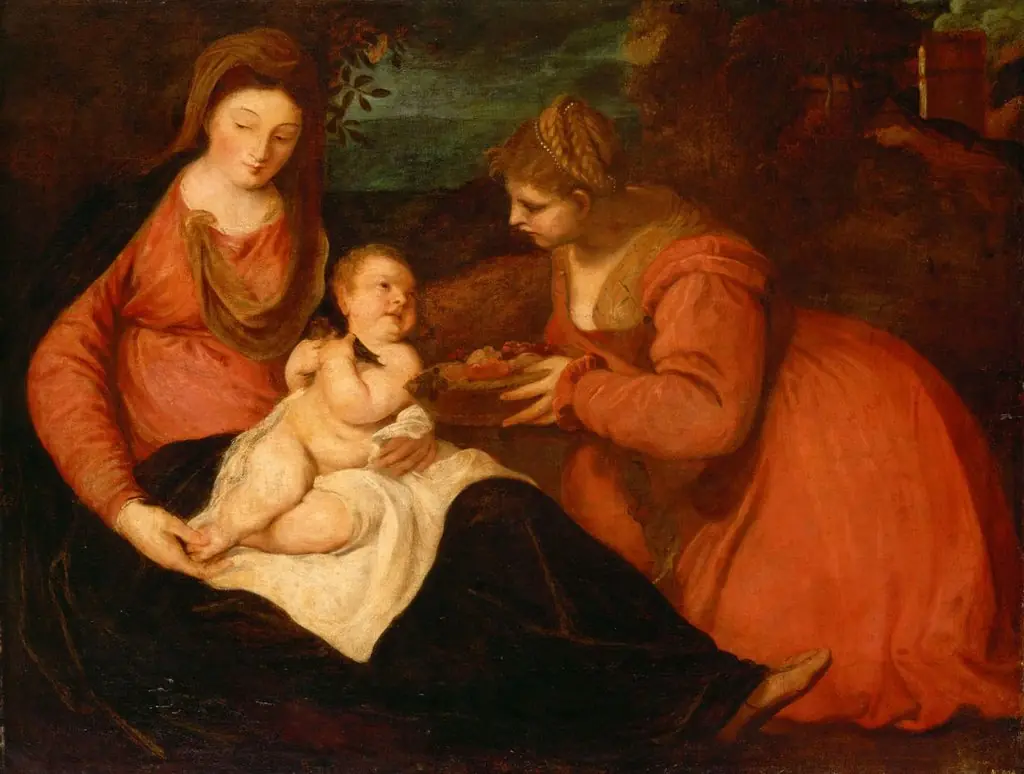 Madonna and Child with Saint Dorothy
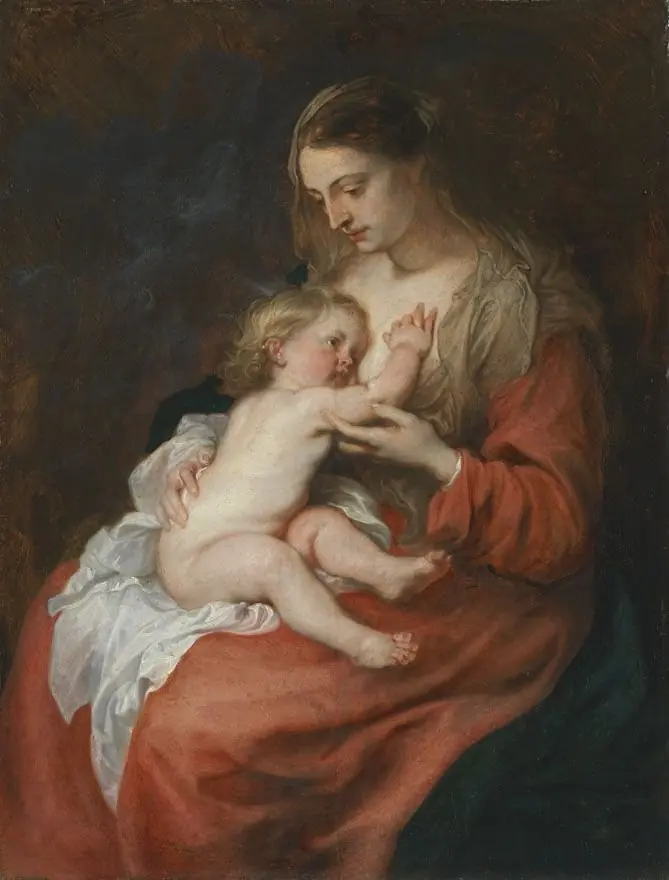 Madonna and Child
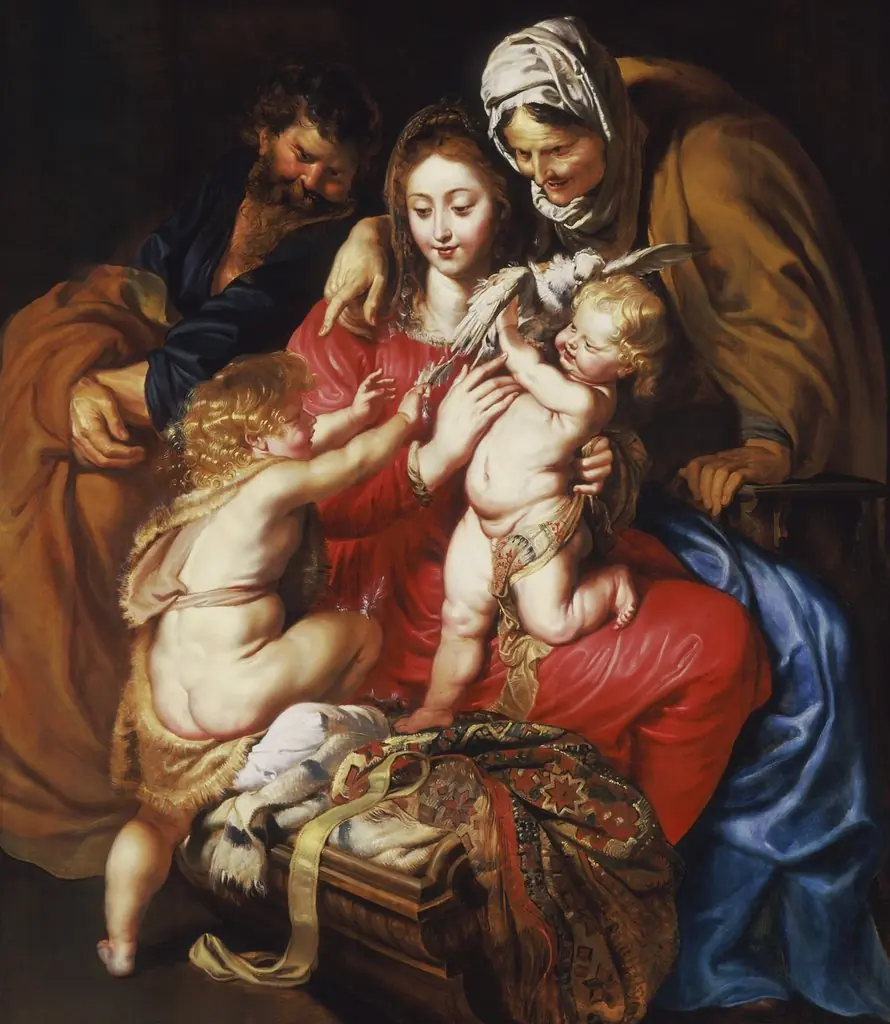 The Holy Family with St. Elizabeth, St. John, and a Dove
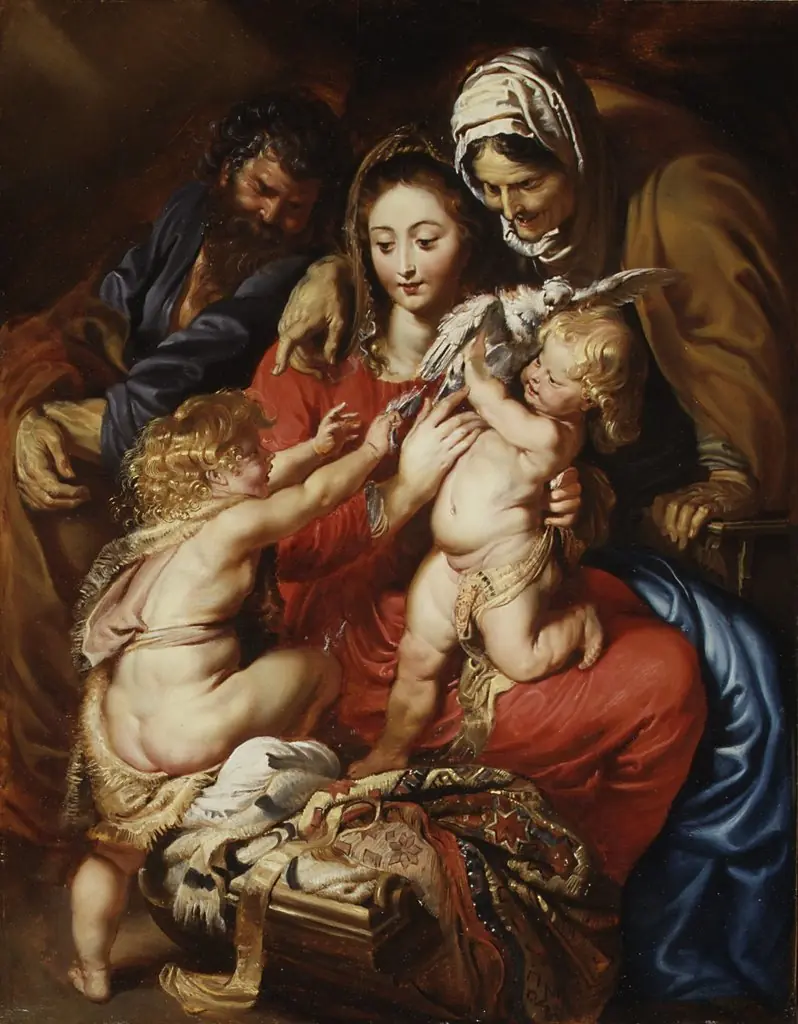 The Holy Family with Saint Elizabeth, Saint John, and a Dove
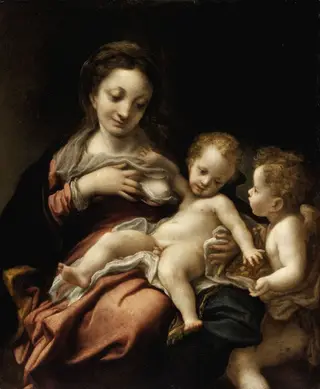 Virgin and Child with an Angel (Madonna del Latte)