Artwork
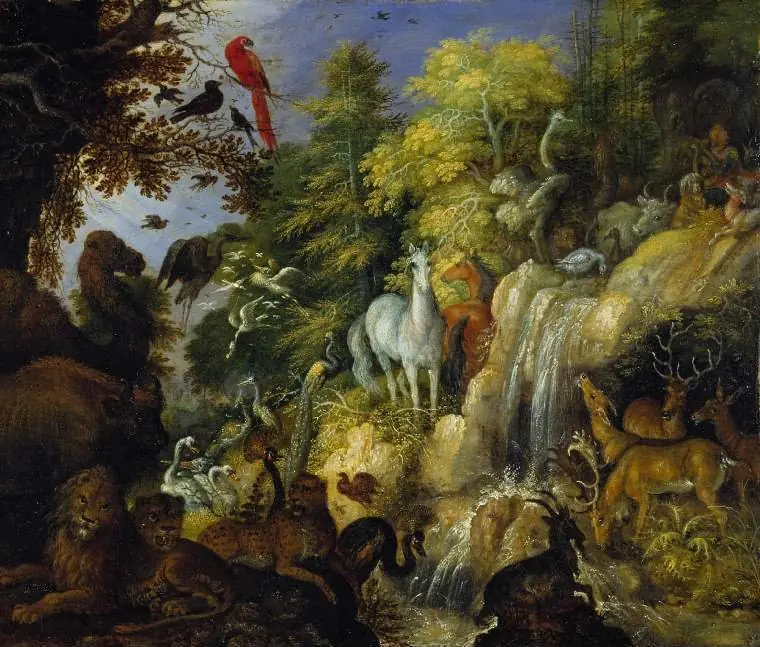
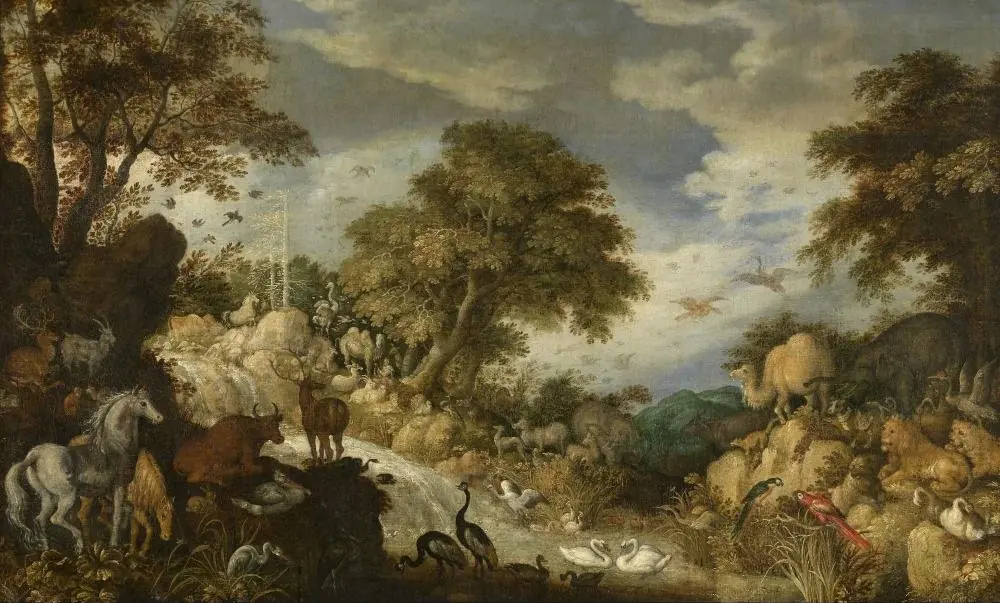
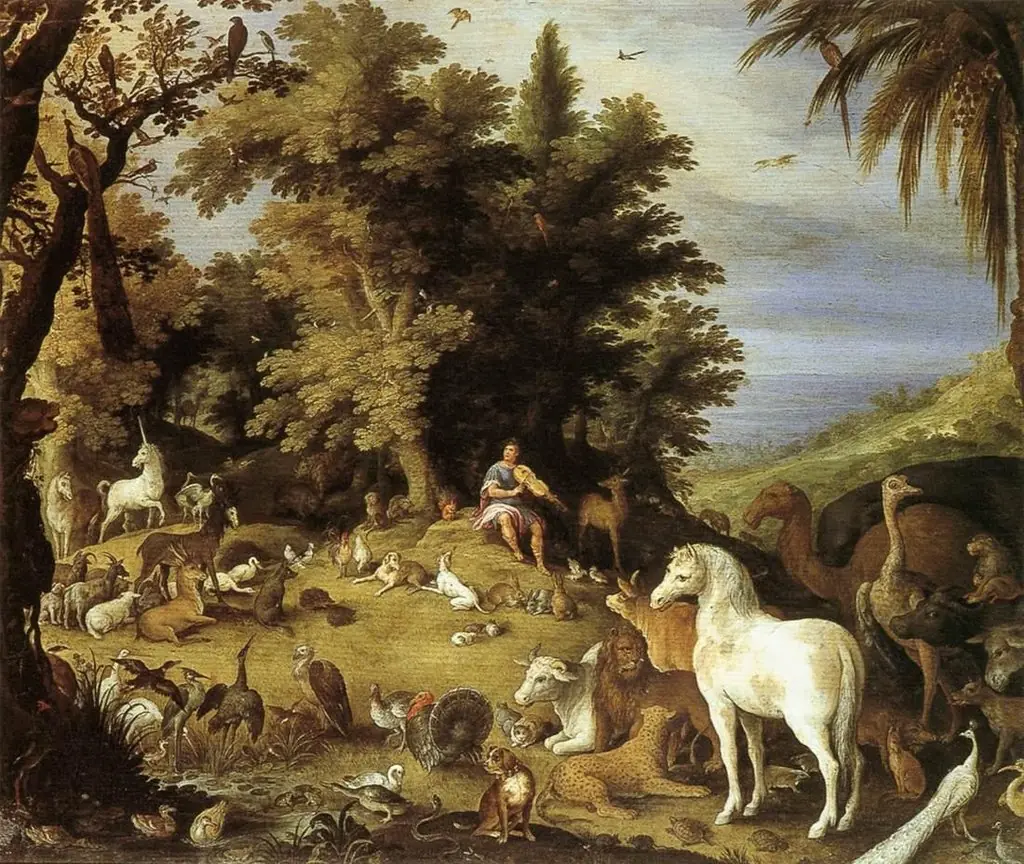
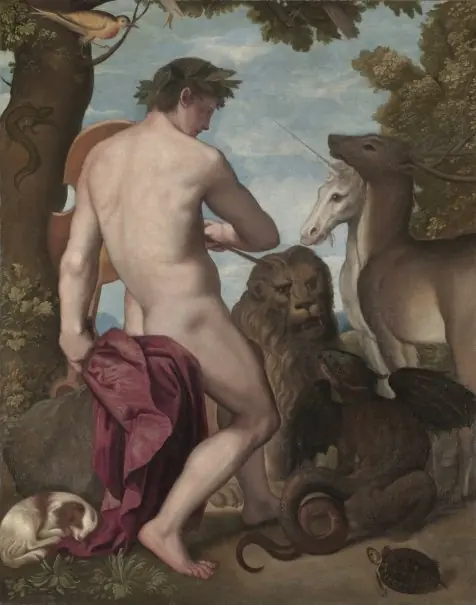
Orpheus and the animals
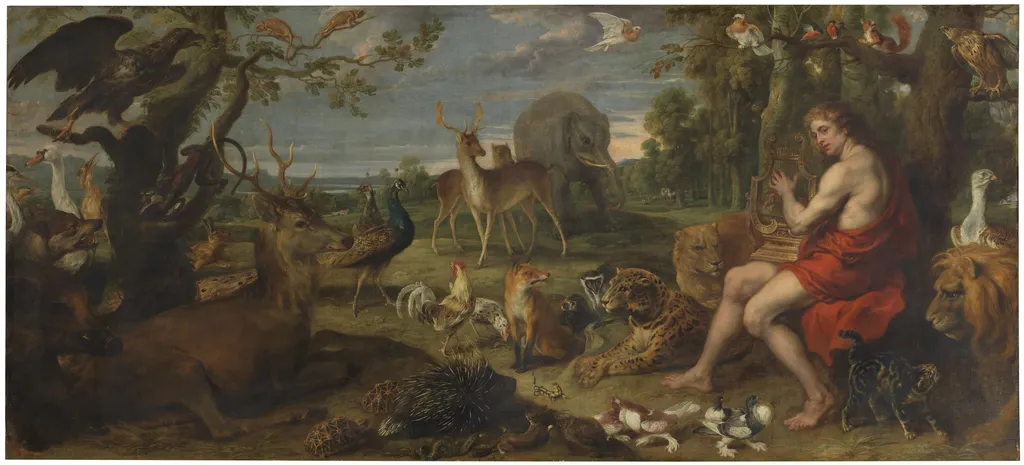
Orpheus and the animals is an oil painting by the Flemish Baroque painting artist Peter Paul Rubens. It dates from 1636 and is held in the collection of the Museo del Prado.
About this work
Subject & Meaning
The painting depicts the mythological figure Orpheus playing his lyre, a scene that draws upon classical legends of the poet's power to charm nature with music.
The painting depicts the mythological figure Orpheus playing his lyre, a scene that draws upon classical legends of the poet's power to charm nature with music. The work is categorized as a mythological painting, illustrating the narrative moment where Orpheus captivates the surrounding animals through his art. This subject matter highlights the symbolic theme of harmony between humanity and the natural world, as well as the enchanting force of music.
The composition, created in 1636, centers on Orpheus as the focal point around whom the animal figures are gathered, reinforcing the story's core message of artistic transcendence over wild instinct.
Technique & Style
The painting is executed in oil on canvas, measuring 195 cm in height by 432 cm in width. The work is a mythological painting depicting Orpheus, and is classified within the genre of mythology. The collaborative nature of the piece, involving Frans Snyders, Peter Paul Rubens, and Paul de Vos, suggests a division of labor typical of Flemish Baroque workshop practice, with specialists contributing to different elements of the composition.
The large scale of the canvas indicates it was conceived as a substantial narrative work, likely intended for a significant architectural setting.
History & Provenance
The painting Orpheus and the animals is dated to 1636 and is attributed to Peter Paul Rubens, with Frans Snyders and Paul de Vos also credited as contributors.
The work entered the collection of the Museo del Prado in Madrid, where it remains. According to museum records, it was previously owned by Ferdinand VII of Spain before becoming part of the Prado’s holdings.
The painting Orpheus and the animals is held in the collection of the Museo del Prado in Madrid, where it is located within the Royal Palace of Madrid. The work, executed in oil on canvas, was originally owned by Ferdinand VII of Spain. While the piece is attributed to Frans Snyders with contributions from Peter Paul Rubens and Paul de Vos, the sources do not provide a specific inventory or accession number for the artwork. Additionally, the provided materials contain no information regarding a history of exhibitions for this painting.
Legacy
The work's later influence and legacy are rooted in its mythological subject and collaborative creation between Rubens and Snyders, reflecting the dynamic exchange of artistic talent in 17th-century Europe. Its depiction of Orpheus resonated within mythological painting traditions, contributing to the broader cultural appreciation of classical narratives in visual art. The painting's inclusion in the collection of Ferdinand VII of Spain and its display at the Museo del Prado underscore its historical significance and enduring presence in institutional memory.
As a mythological painting, it exemplifies the synthesis of Rubens' compositional mastery and Snyders' animal depiction, a partnership that informed later interpretations of Orpheus-themed works. The piece remains a reference point for studies on mythological genre and Baroque-era collaborations, as evidenced by its continued attribution and scholarly attention.
This legacy is further evidenced by its ongoing relevance in art historical discourse, particularly in analyses of mythological painting and the artistic networks of Rubens and his workshop.
Overview
Peter Paul Rubens painted Orpheus and the Animals in 1636, employing oil on canvas to portray the legendary musician surrounded by a menagerie of creatures. The work is part of the Prado Museum’s collection and exemplifies the artist’s engagement with classical myth as a subject for large‑scale history painting.
Artist & collection
Artist
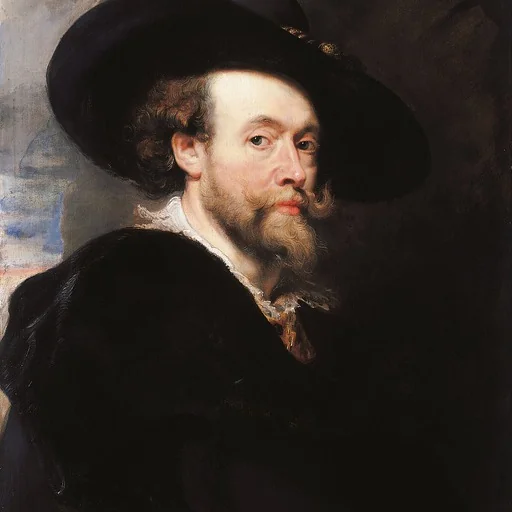
Sir Peter Paul Rubens ( ROO-bənz; Dutch:; 28 June 1577 – 30 May 1640) was a Flemish artist and diplomat.