Artwork
Philip the Handsome
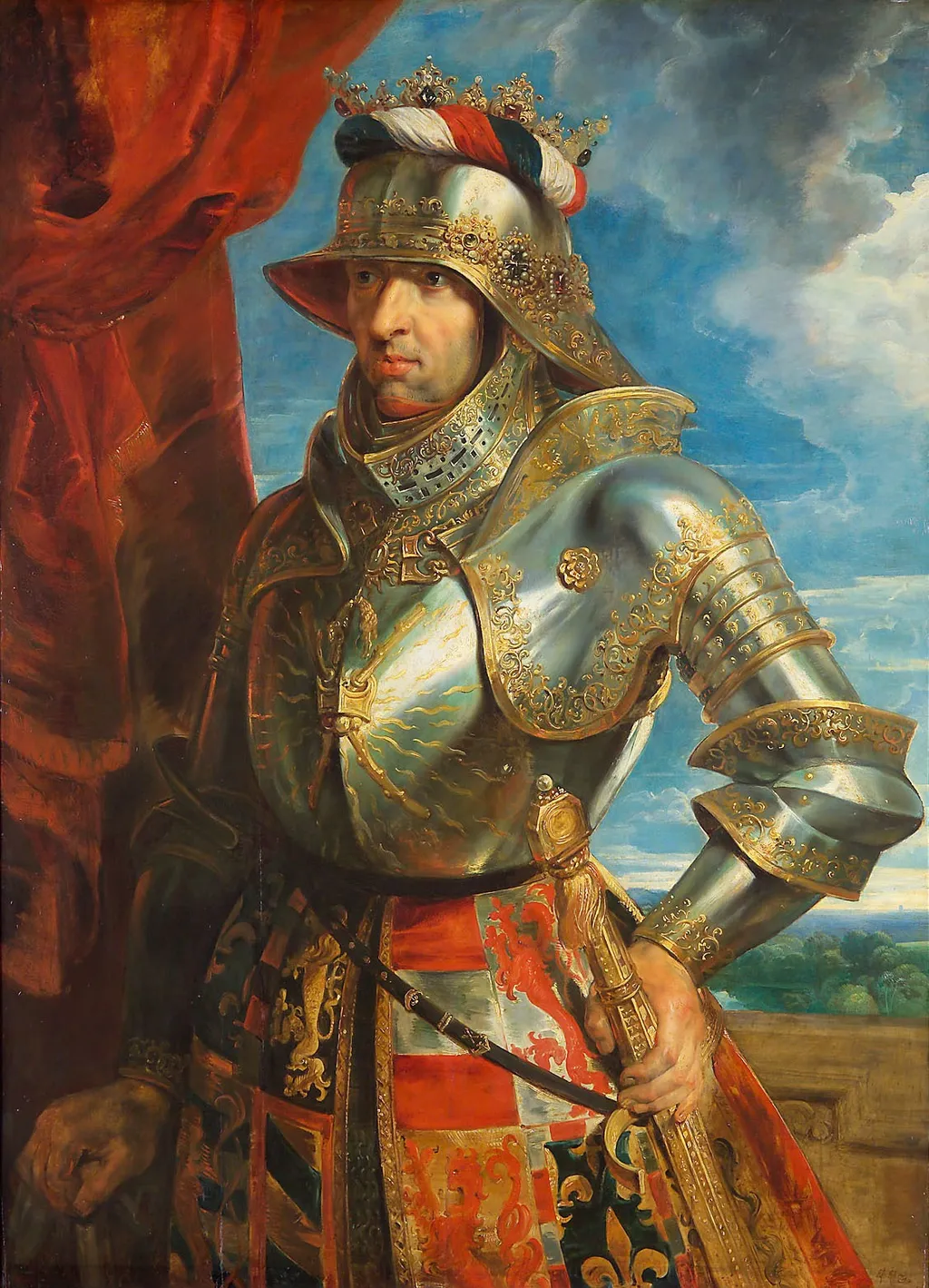
Philip the Handsome is an oil painting by the Flemish Baroque painting artist Peter Paul Rubens. It dates from 1618 and is held in the collection of the Kunsthistorisches Museum.
About this work
Technique & Style
Its formal qualities reflect the Baroque emphasis on rich coloration and dynamic modeling characteristic of Peter Paul Rubens' mature portraiture.
The work is an oil painting executed on wood panel, measuring 140.5 cm in height by 101.5 cm in width. Its formal qualities reflect the Baroque emphasis on rich coloration and dynamic modeling characteristic of Peter Paul Rubens' mature portraiture. The composition depicts Philip I of Castile alongside attributes of Maximilian I, including a helmet, crown, and knightly imagery, reinforcing the sitter's political lineage and status.
The handling of oil paint demonstrates Rubens' adeptness at rendering texture and volume, while the stylistic treatment aligns with the portrait genre prevalent in early 17th‑century European art.
History & Provenance
Philip the Handsome was painted by Peter Paul Rubens in 1618 and depicts Maximilian I. It measures 140.5 cm by 101.5 cm and is executed in oil paint on panel. The work belongs to the portrait genre and was created as a representation of the Habsburg figure. Its creation history is tied to Rubens' activity at the Spanish court, where he produced several portraits of members of the royal family.
The painting has been part of the collection of the Kunsthistorisches Museum since its acquisition, remaining there through successive ownership within the Habsburg lineage. Its dating is confirmed by archival records and stylistic analysis, situating its production firmly in the early 17th century.
The painting is held in the collection of the Kunsthistorisches Museum. According to the available records, the work is associated with that institution's holdings, with no separate accession number provided in the sources.
No exhibition history is documented in the available sources.
Overview
Peter Paul Rubens created the oil portrait titled Philip the Handsome in 1618. The work presents the Habsburg ruler Maximilian I, also known as Philip I of Castile, in full armor with a sword, crowned helmet, and a richly ornamented breastplate. The figure stands before a stone wall that suggests a castle, with a clear blue sky visible beyond. The painting is part of the permanent collection of Vienna’s Kunsthistorisches Museum.
Subject & Meaning
The portrait emphasizes the sovereign’s martial authority and dynastic prestige. By showing the king in elaborate armor and a crown‑adorned helmet, Rubens underscores both his role as a warrior and his royal lineage. The neutral, solemn expression conveys a sense of controlled power, aligning with the early‑modern ideal of a ruler who embodies both strength and dignified restraint.
Artist & collection
Artist
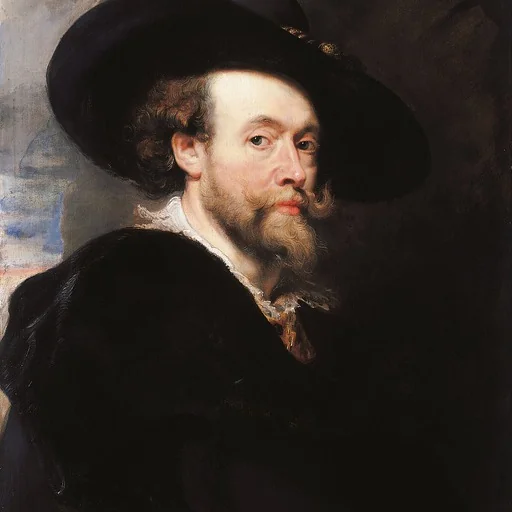
Sir Peter Paul Rubens ( ROO-bənz; Dutch:; 28 June 1577 – 30 May 1640) was a Flemish artist and diplomat.

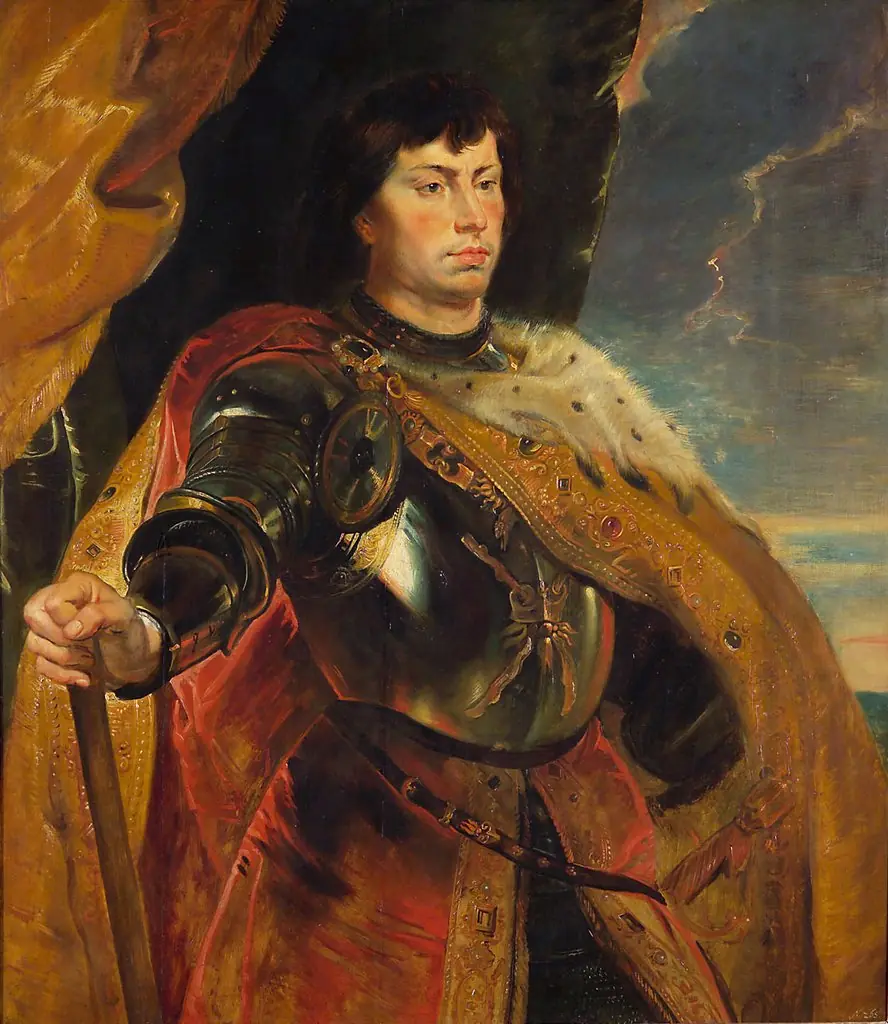
- Charles the Bold
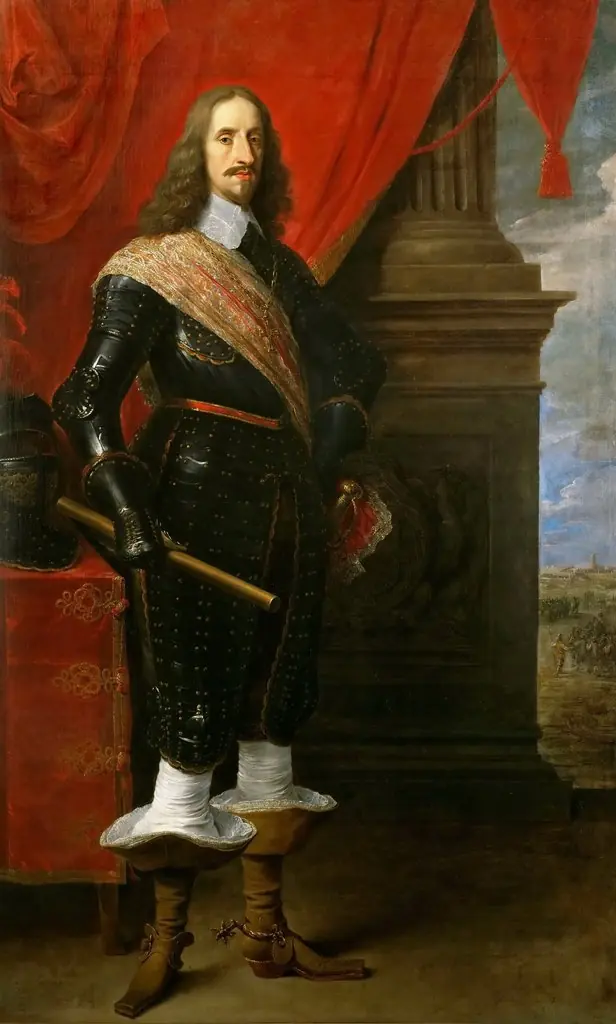 Archduke Leopold Wilhelm, with the Siege of Gravelingen in the background
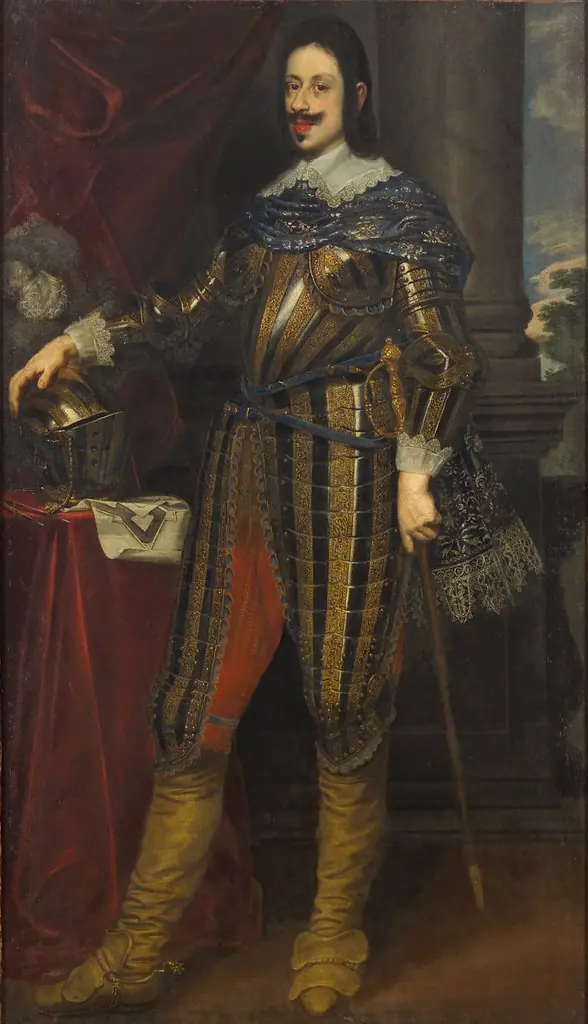 Grand-duke Ferdinand II of Tuscany (1610-1670) in Armour
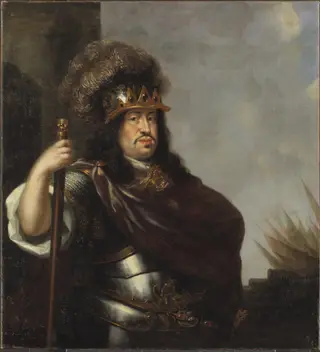 King Charles X Gustavus
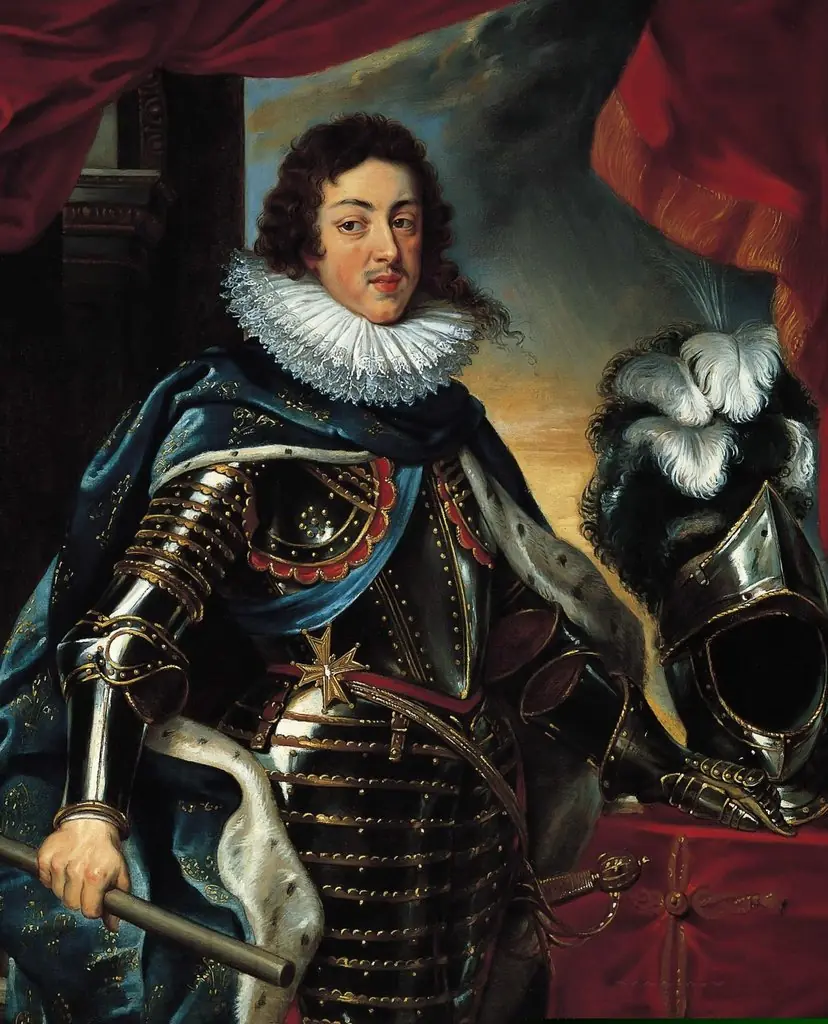 Portrait of Louis XIII in Armour
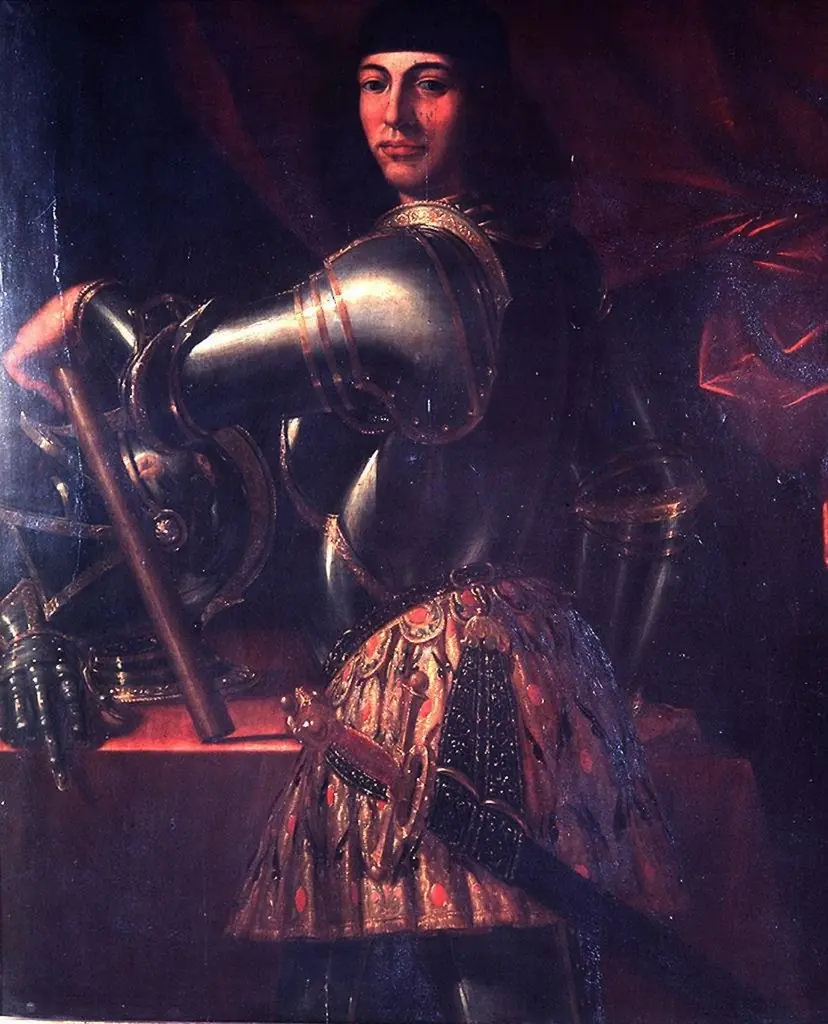 Portrait of Piero di Lorenzo de' Medici
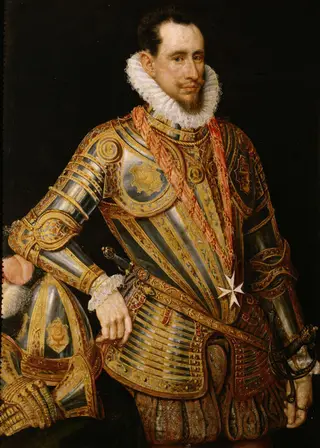 Bildnis eines Malteserritters
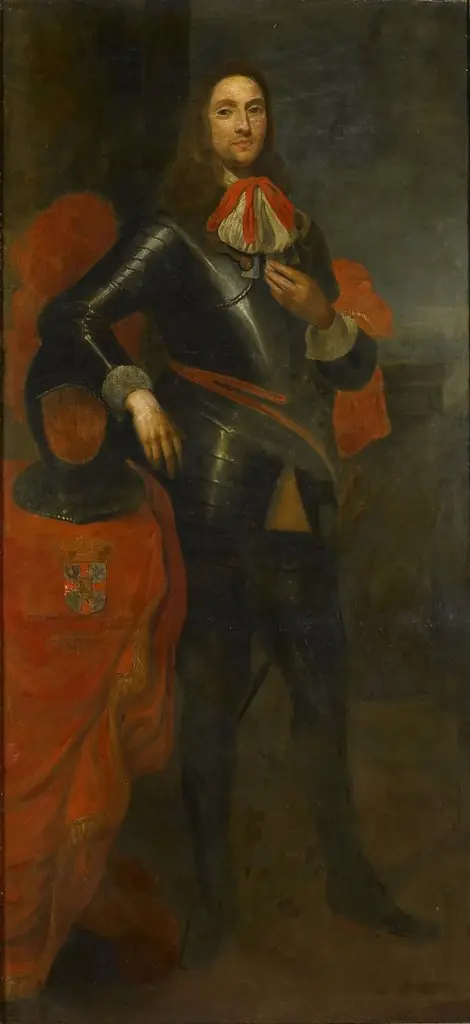 Portrait of Ferdinand Carolus Gonzaga Duke of Mantua (1652-1708)
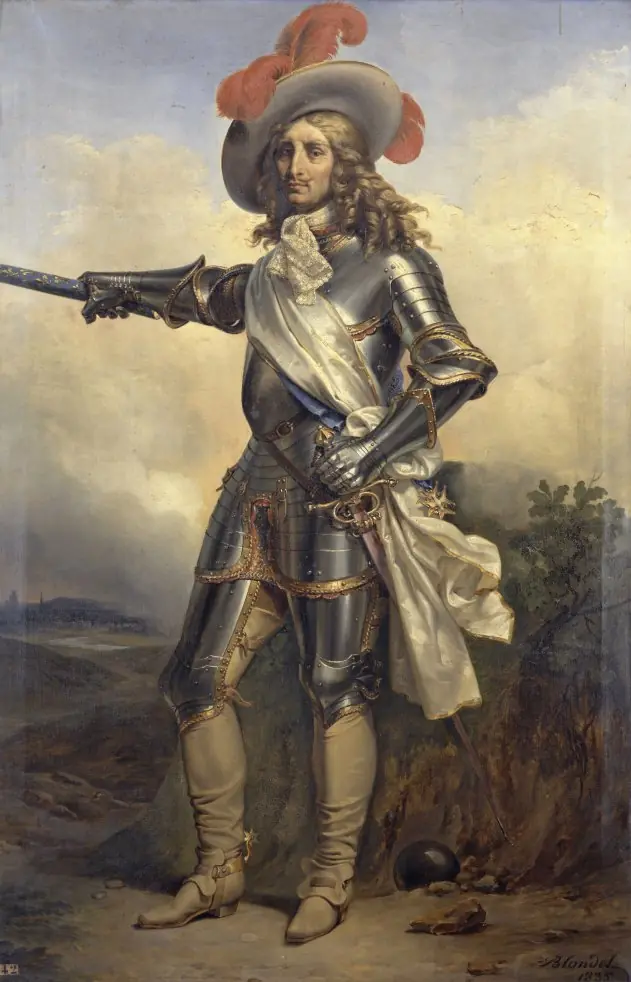 Portrait of Guy Aldonce de Durfort de Lorges (1630-1702)
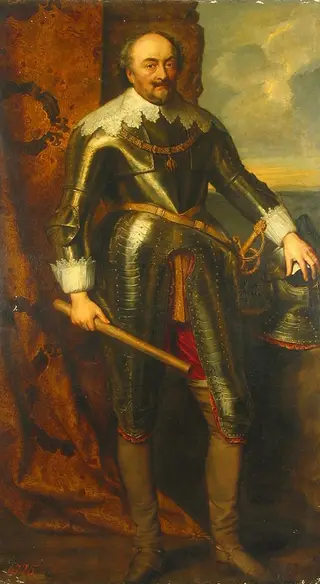 Portrait of Johan, Count of Nassau-Siegen (1583-1638)
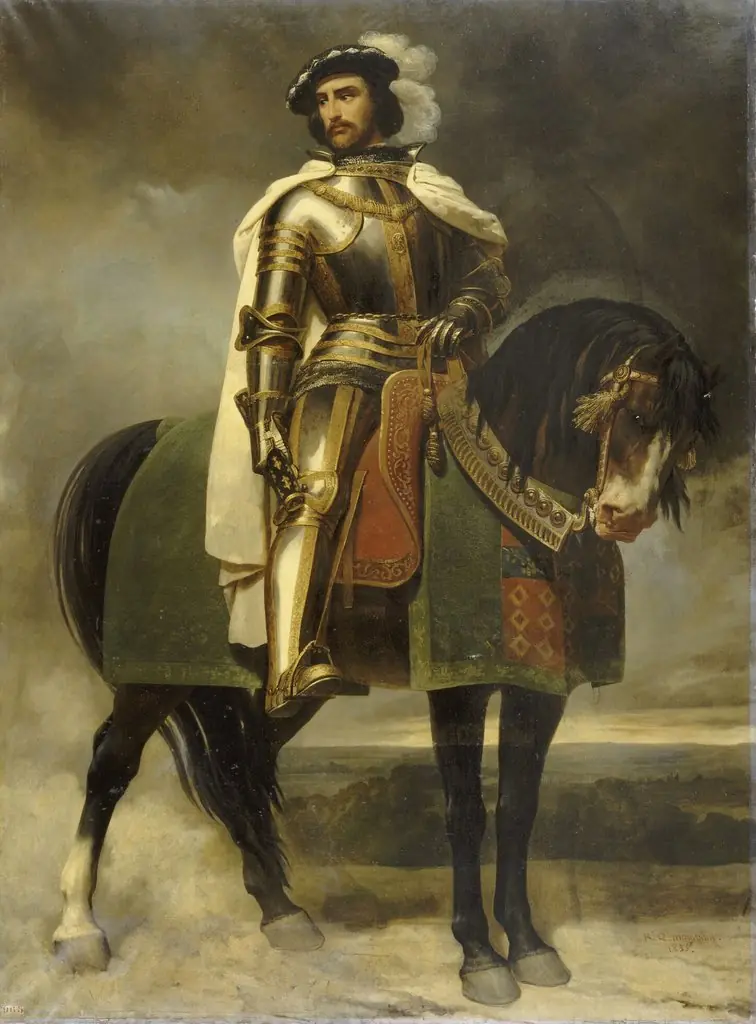 Pierre de Rohan, seigneur de Gye
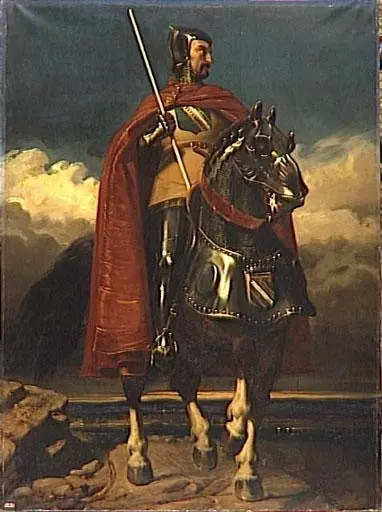 Louis de Champagne, comte de Sancerre, connétable de France en 1397