Artwork
Saint Matthew
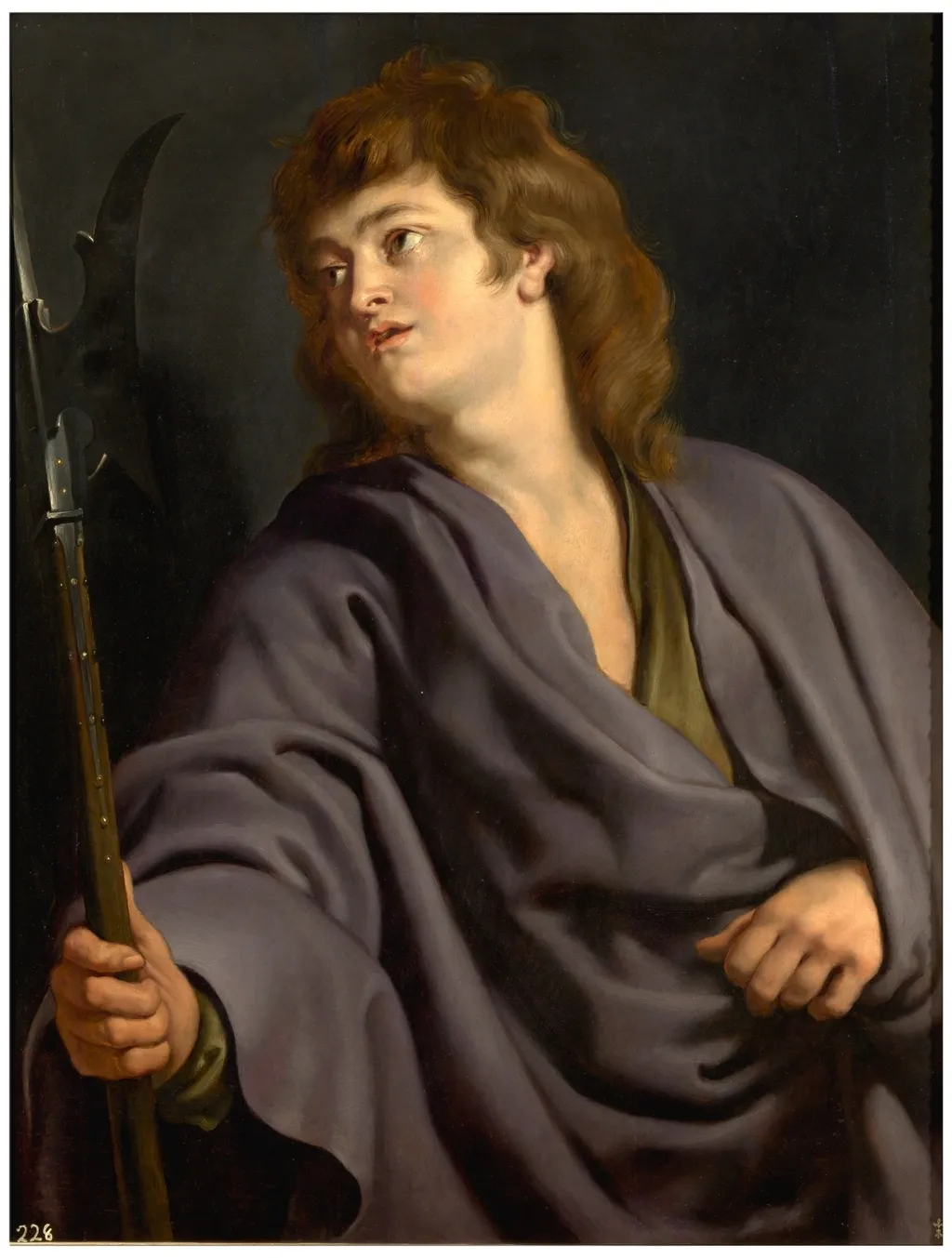
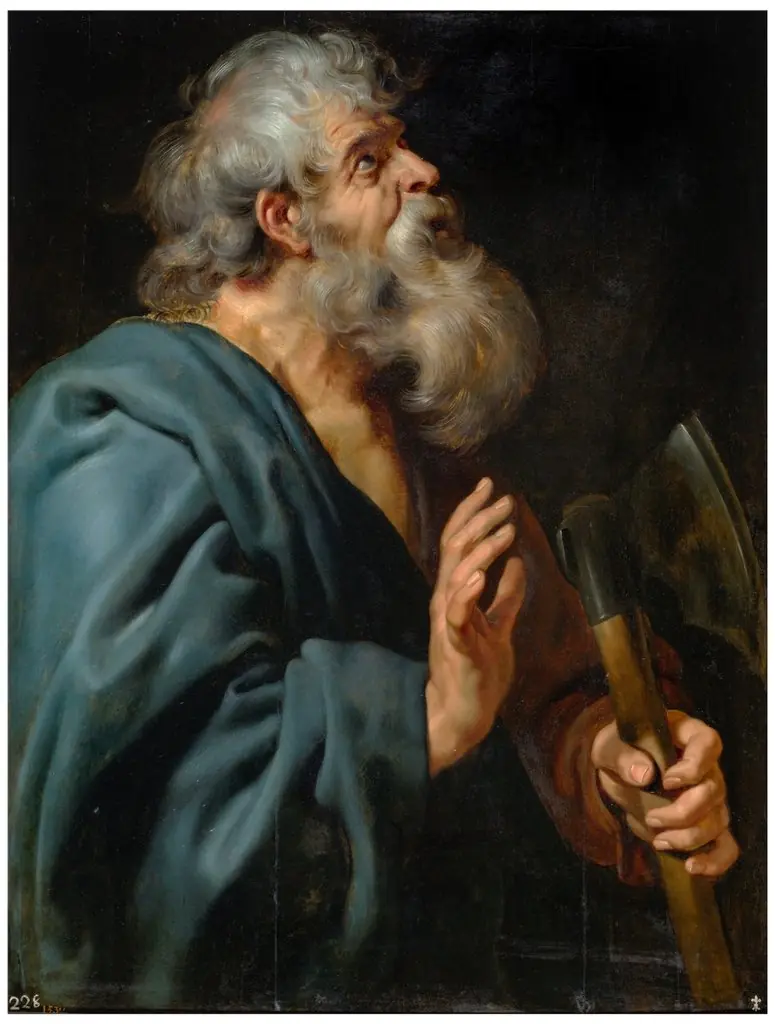
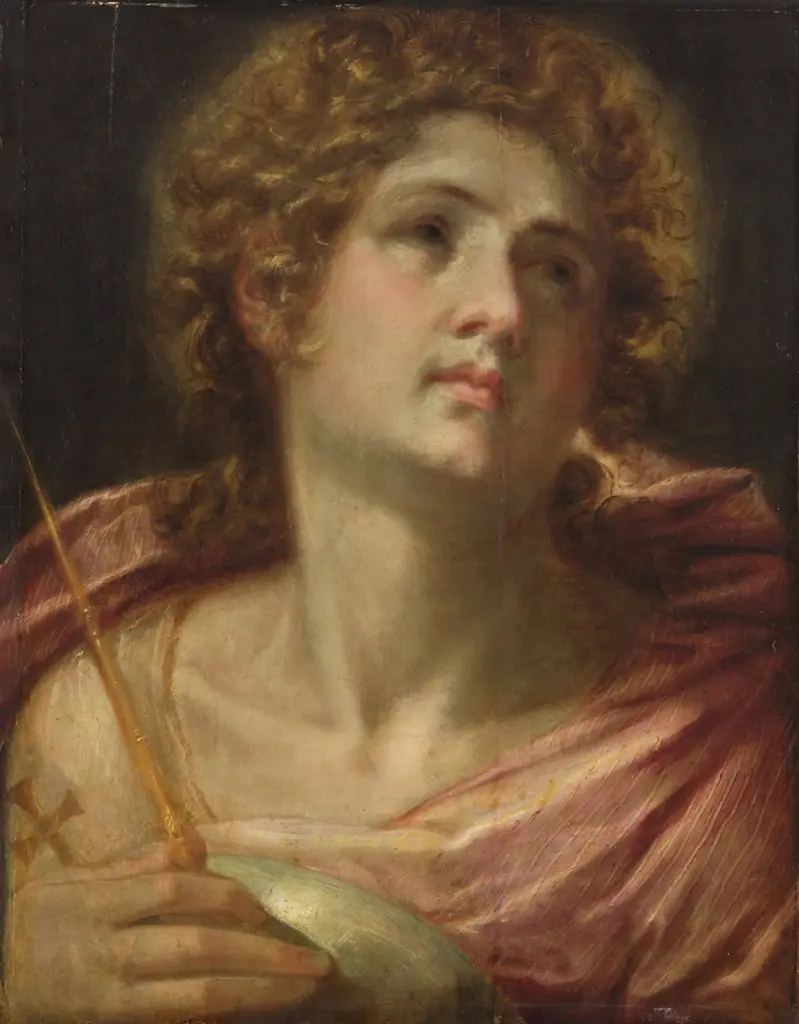
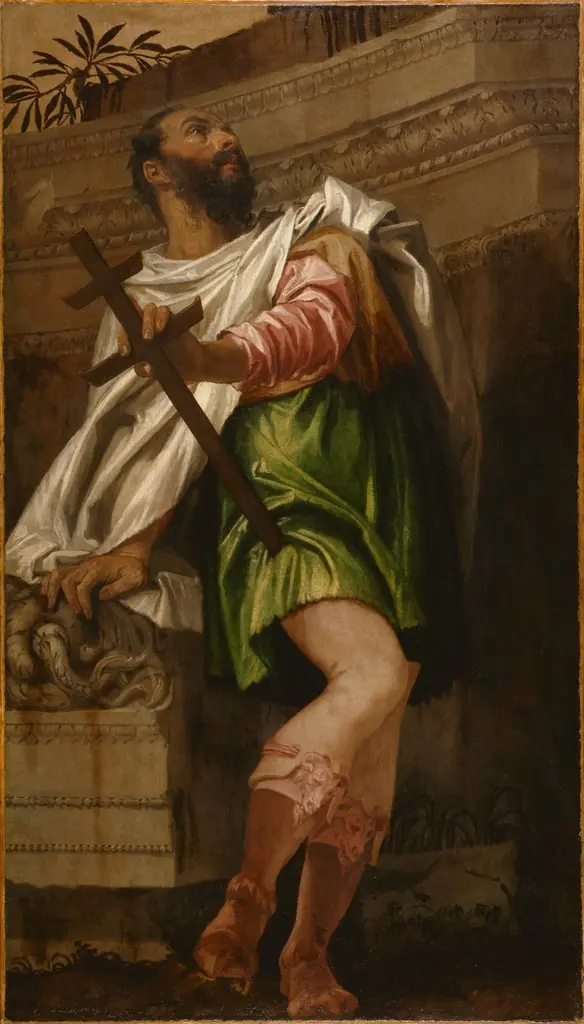
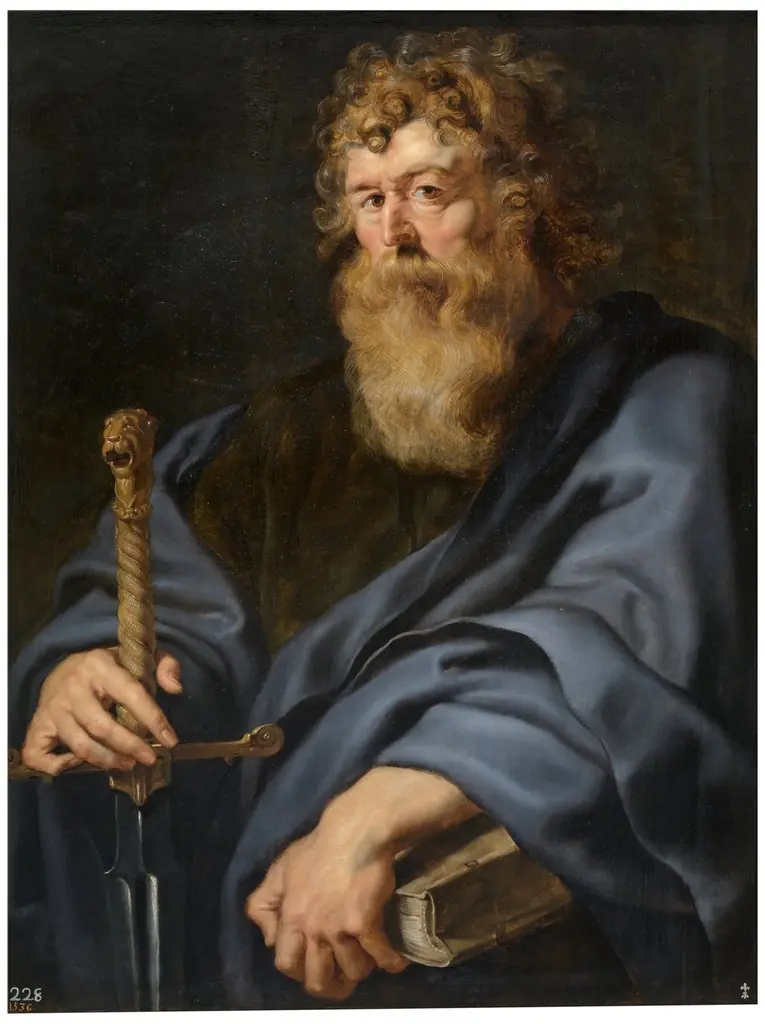
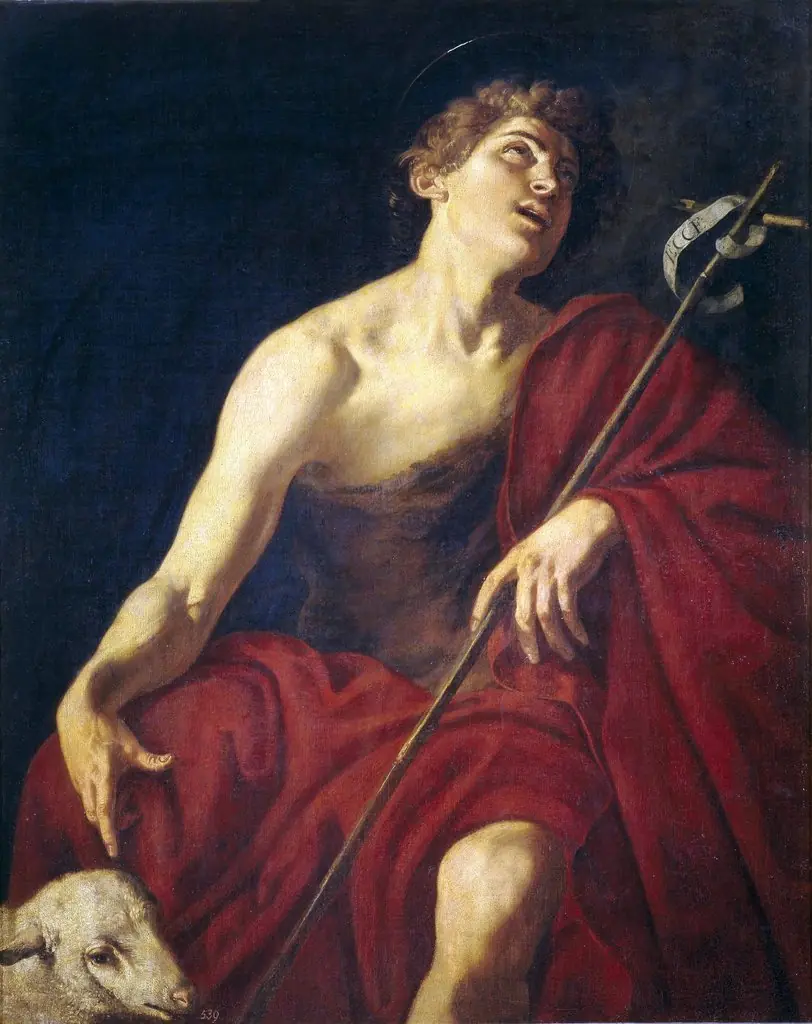
Saint Matthew is an oil painting by the Flemish Baroque painting artist Peter Paul Rubens. It dates from 1610 and is held in the collection of the Museo del Prado.
About this work
Technique & Style
The palette relies on warm ochres and deep crimson, with cooler accents in the sky and background to focus attention on the figure.
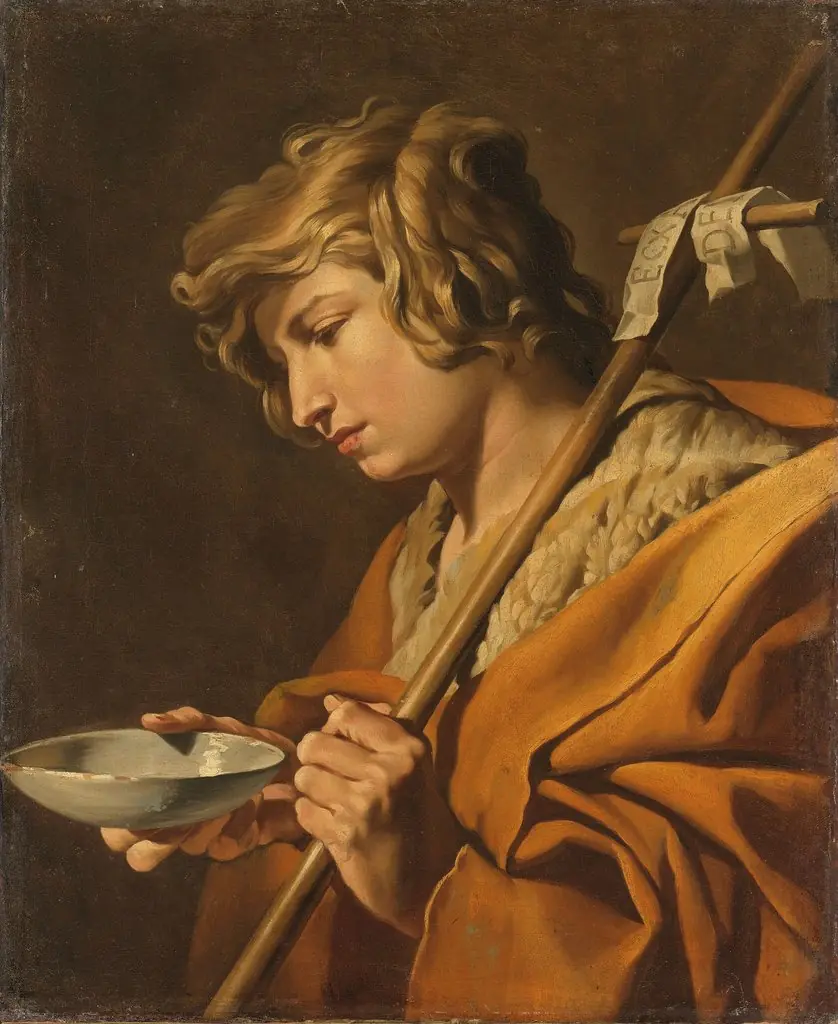
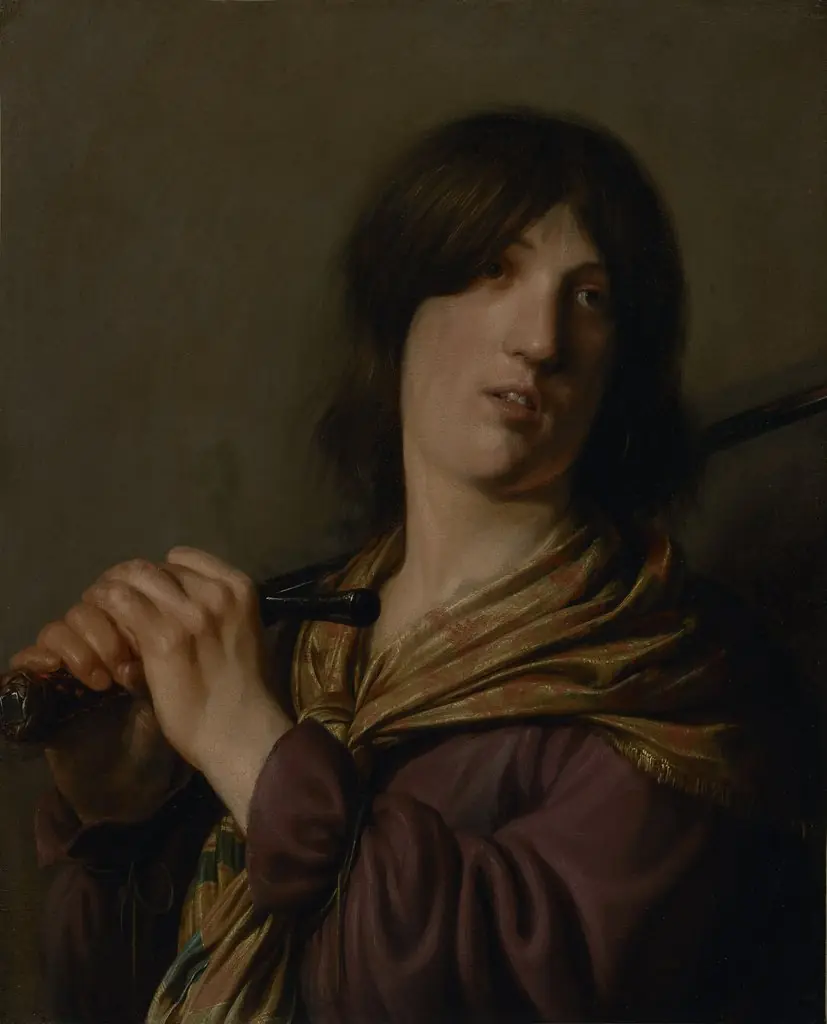
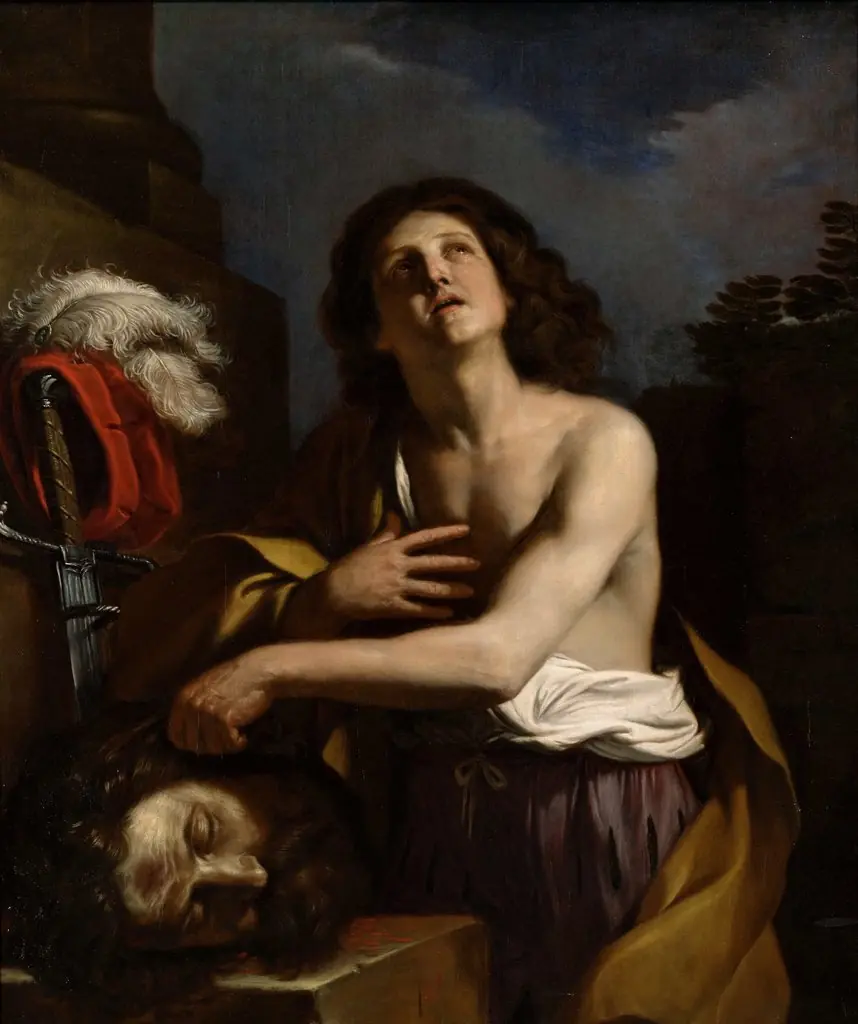
The painting is executed in oil on canvas, a medium characteristic of Rubens’s early seventeenth-century Antwerp practice. The handling combines fluid, broad brushwork with finely modulated passages, especially in the face and drapery, where translucent glazes define form and volume. Compositionally, the apostle is posed in dynamic contrapposto, his gaze directed upward and his attribute, a halberd, rendered with sharp realism against softly modeled flesh and drapery.
The palette relies on warm ochres and deep crimson, with cooler accents in the sky and background to focus attention on the figure.
No technical or condition reports are provided in the cited sources.
History & Provenance
Peter Paul Rubens painted Saint Matthew in 1610, an oil on canvas work measuring 106.5 cm by 82 cm. The painting entered the Spanish royal collection, initially owned by Ferdinand VII before passing to Charles III, then to his wife Elisabeth Farnese, and finally to Philip V. It remains in the Museo del Prado, where it has been displayed since its acquisition.
The work depicts Matthew the Apostle holding an axe, reflecting its religious subject matter.
The work is held by the Museo del Prado, where it is recorded under the inventory number P00968. It entered the Spanish royal collection through the patronage of Ferdinand VII, later passing to Charles III and Elisabeth Farnese before being assigned to Philip V. The painting has been part of several exhibitions at the Prado, most recently featured in the 2011 retrospective of Rubens' religious works. It is displayed in the museum's main gallery, catalogue reference P00968.
Overview
Saint Matthew is a 1610 oil painting by Sir Peter Paul Rubens, exemplifying the Flemish Baroque style with its expressive and dynamic approach.
Subject & Meaning
The painting portrays the Apostle Matthew with an axe, a traditional Christian attribute, symbolizing his martyrdom. The subject's intense, serious expression and the axe underscore the narrative of his eventual beheading.
Context
As a leading Flemish Baroque artist, Rubens' work, including Saint Matthew, contributed to the movement's emphasis on vivid color and dynamic composition, blending religious and classical elements.
Legacy
Saint Matthew demonstrates Rubens' impactful style, which widely influenced subsequent artistic developments, particularly in the use of expressive lighting and intense emotional portrayal.

Own this work as a print
Artist & collection
Artist
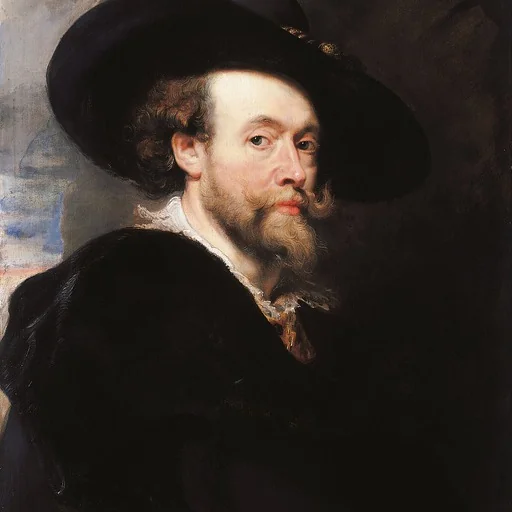
Sir Peter Paul Rubens ( ROO-bənz; Dutch:; 28 June 1577 – 30 May 1640) was a Flemish artist and diplomat.