Artwork
Saint Philip
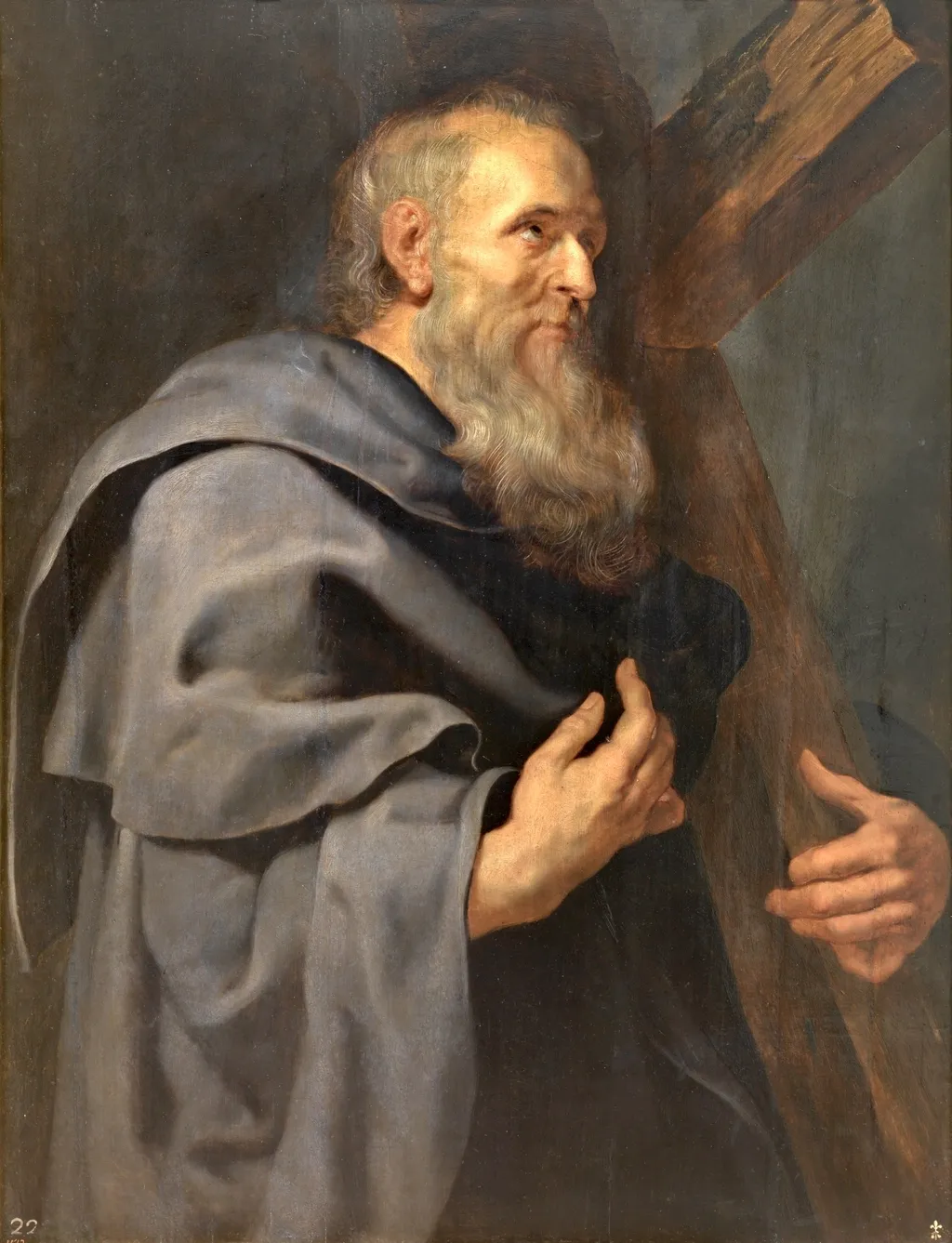
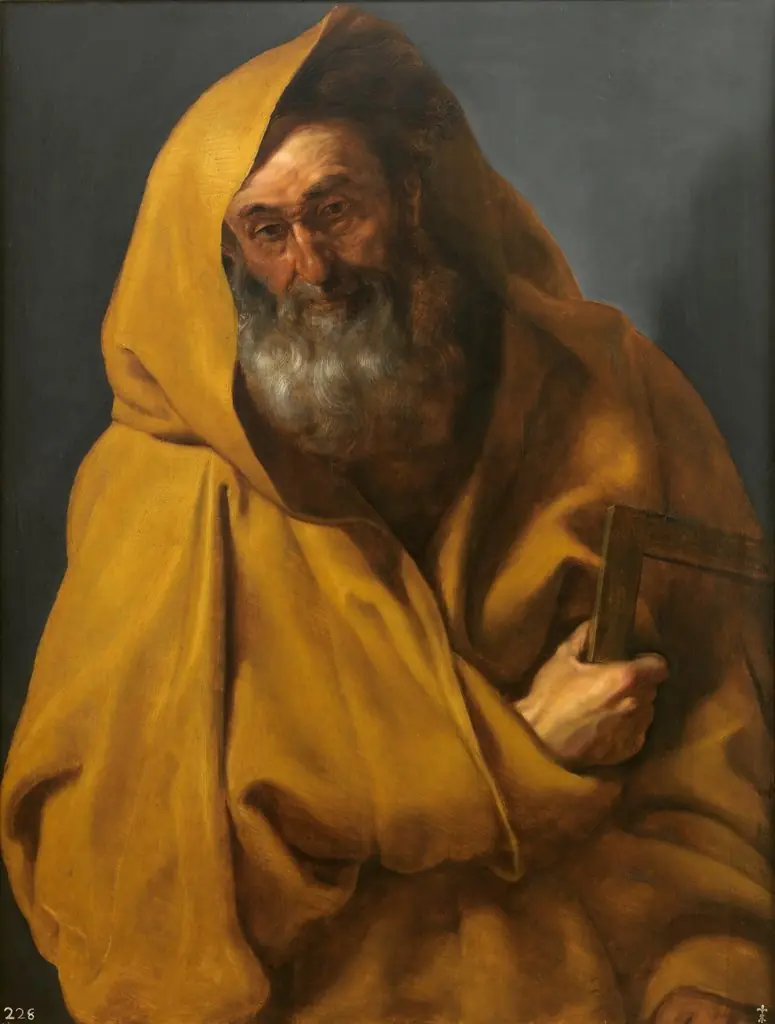
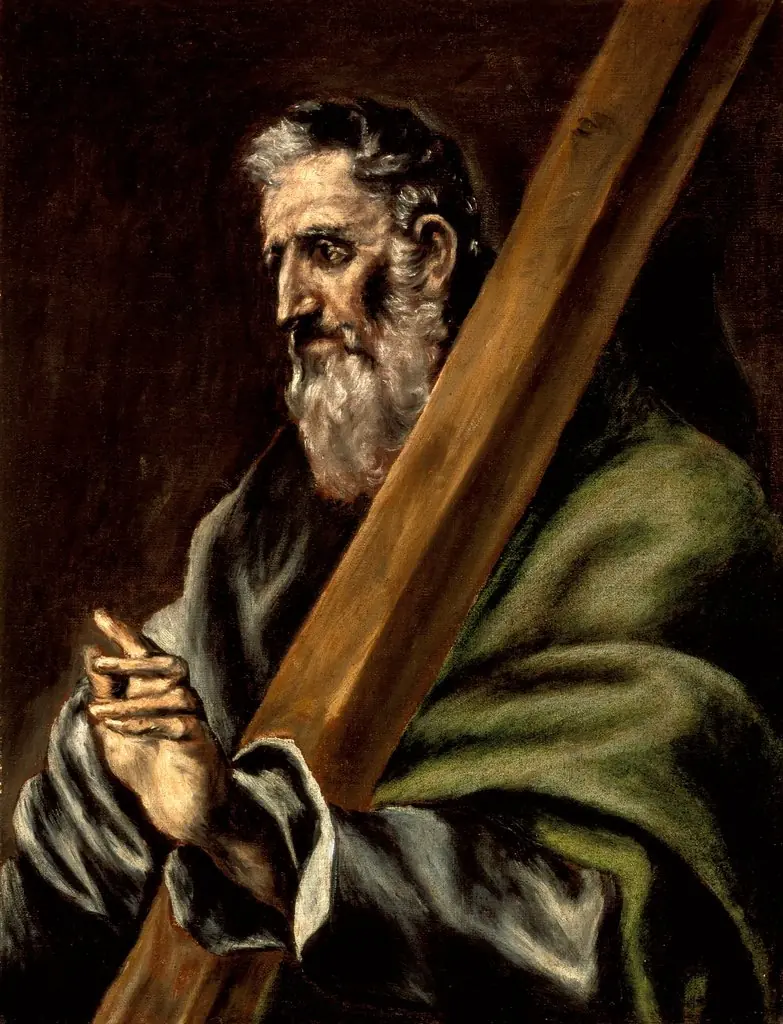
Saint Philip is an oil painting by the Flemish Baroque painting artist Peter Paul Rubens. It dates from 1610 and is held in the collection of the Museo del Prado.
About this work
Subject & Meaning
The painting portrays the Apostle Philip, identified by the cross he holds, a traditional attribute linking him to his martyrdom.
The painting portrays the Apostle Philip, identified by the cross he holds, a traditional attribute linking him to his martyrdom. It was created in 1610 by Peter Paul Rubens for the Spanish royal collection, reflecting the devotional emphasis on apostolic sacrifice in Counter‑Reformation art. The work entered the Museo del Prado after being owned by several Bourbon monarchs, including Ferdinand VII and Charles III.
Technique & Style
Created in 1610, Saint Philip is an oil painting executed on a canvas support. The work measures 107 cm in height and 82.5 cm in width. As a religious composition by Peter Paul Rubens, the piece depicts the apostle Philip alongside a cross.
The medium of oil paint allows for the characteristic handling associated with the artist's early Baroque style, though specific brushwork details are not elaborated in the provided records. The painting remains in the collection of the Museo del Prado.
History & Provenance
The painting Saint Philip was created by Peter Paul Rubens in 1610 as an oil on canvas work measuring 107 cm by 82.5 cm. It was commissioned as part of a religious series and originally entered the Spanish royal collection, passing through the ownership of Ferdinand VII, Charles III, Elisabeth Farnese, and Philip V. The work remained in the royal palaces of Aranjuez and La Granja de San Ildefonso before being transferred to the Museo del Prado, where it is currently housed.
The work is held in the collection of the Museo del Prado. It carries the inventory of the Spanish royal household, having been owned by Ferdinand VII of Spain, Charles III of Spain, Elisabeth Farnese, and Philip V of Spain. Its exhibition history includes display at the Royal Palace of Aranjuez and the Royal Palace of La Granja de San Ildefonso.
Context
The work is a pivotal example of Rubens' mature religious oeuvre, demonstrating his synthesis of Counter-Reformation dynamism with Venetian coloristic mastery. Scholarship emphasizes its significance within Rubens' broader corpus of apostle depictions, particularly highlighting the nuanced portrayal of Philip's gesture that bridges traditional iconography with heightened emotional realism. The painting's provenance through Spanish royal collections underscores its political resonance in 17th-century Europe, while its current housing in the Museo del Prado situates it within a critical lineage of Baroque religious art that informed later European interpretations of apostolic narratives.
Overview
Saint Philip, painted in 1610 by the Flemish artist Peter Paul Rubens, is an oil on canvas work that exemplifies the Baroque sensibility of the early seventeenth century. The composition centers on an elderly, bearded figure bearing a wooden cross, set against a deep, shadowed backdrop that isolates the saint’s visage and garments.

Own this work as a print
Artist & collection
Artist
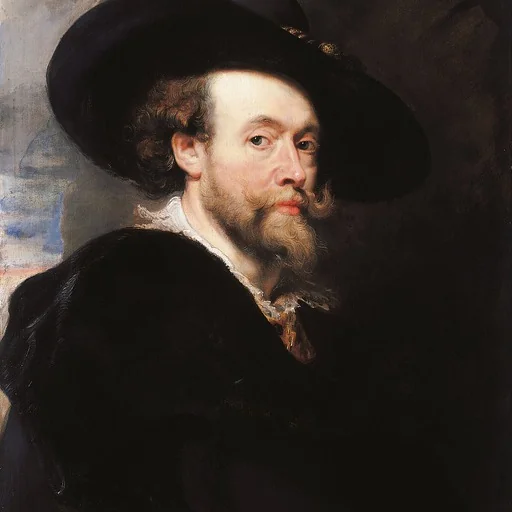
Sir Peter Paul Rubens ( ROO-bənz; Dutch:; 28 June 1577 – 30 May 1640) was a Flemish artist and diplomat.