Artwork
Stanislaus Kostka in prayer
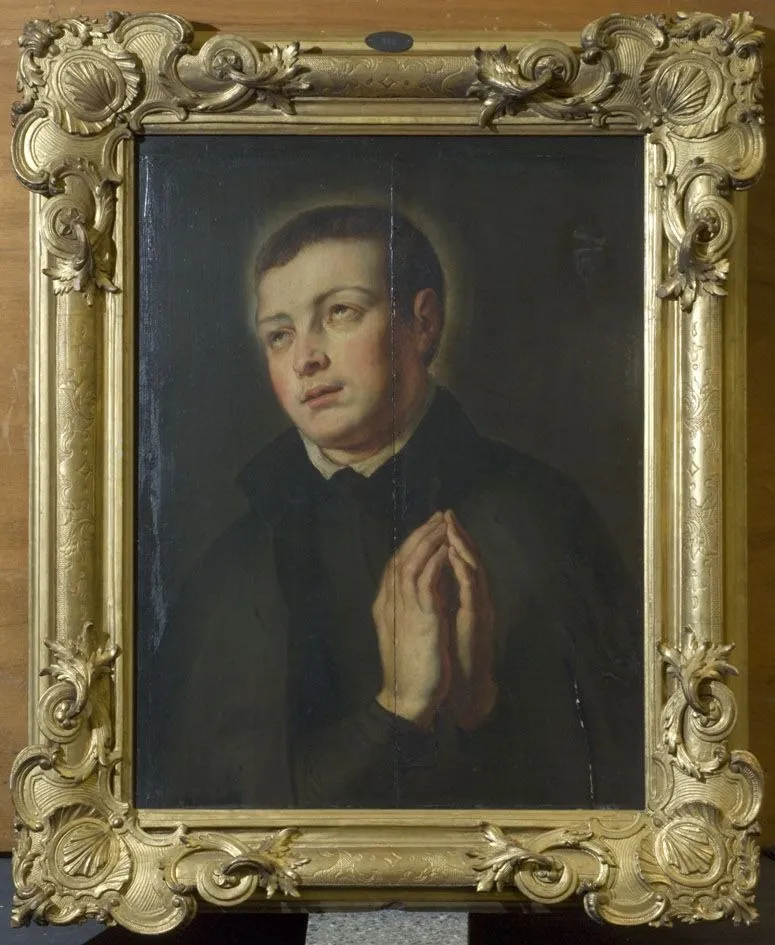
Stanislaus Kostka in prayer is an unspecified painting by the Early Baroque Italian artist Peter Paul Rubens. It dates from 1608 and is held in the collection of the Bavarian State Painting Collections.
About this work
Subject & Meaning
The composition functions as a visual representation of piety, highlighting Kostka's spiritual dedication through the singular gesture of prayer.
This religious painting depicts Stanislaus Kostka engaged in prayer, serving as the work's primary subject. Created in 1608, the image focuses entirely on the saint's act of devotion, reflecting the genre of religious art prevalent during the period. The composition functions as a visual representation of piety, highlighting Kostka's spiritual dedication through the singular gesture of prayer.
As a piece attributed to Peter Paul Rubens, the work utilizes this specific iconography to convey the sanctity associated with the Jesuit novice.
History & Provenance
The painting was created in 1608 as a religious work by Peter Paul Rubens. It entered the collection of the Bavarian State Painting Collections and remains on display at the Alte Pinakothek in Munich. The artwork measures 68.8 cm in height and 50.8 cm in width.
The painting is housed in the Bavarian State Painting Collections and is on display at the Alte Pinakothek in Munich. Its inventory number is not specified in the source material. The work was created in 1608 and has been part of the Alte Pinakothek's collection since its inception, remaining on view as part of the museum's permanent religious art displays.
Legacy
Stanislaus Kostka in prayer has been recognized as a significant example of Counter-Reformation devotional painting, influencing later interpretations of saintly penitence in Baroque art. Its presence in the Bavarian State Painting Collections at the Alte Pinakothek has ensured continued scholarly attention to Rubens' role in shaping visual narratives of sainthood, particularly through compositions that blend naturalism with spiritual intensity. The work's technical precision and emotional depth have been cited in studies of Rubens' workshop practices and the dissemination of his imagery across 17th-century European religious art circles.
Overview
Created in 1608, this oil painting by Peter Paul Rubens portrays the Polish saint Stanislaus Kostka in a moment of prayer. Executed during Rubens’s early Baroque period, the work exemplifies the artist’s transition toward the dramatic lighting and emotional intensity that would define his later output. It is part of the religious genre and currently resides in the Alte Pinakothek in Munich.
Technique & Style
Rubens employs a stark chiaroscuro, using a dark, undefined background to isolate the saint’s pale complexion and illuminated face. The subtle gradations of light create a gentle glow around the features, while the rich textures of the fabric are rendered with fine brushwork. This handling of light and shadow reflects the influence of Italian Baroque masters such as Caravaggio, filtered through Rubens’s Flemish sensibility.
Context
Rubens’s depiction of Stanislaus Kostka aligns with Counter‑Reformation efforts to promote models of personal sanctity. By presenting the saint in a contemplative pose, the work reinforces the era’s emphasis on interior devotion. Though not among Rubens’s most frequently reproduced images, it illustrates his early mastery of dramatic illumination, a technique that would influence subsequent Baroque painters throughout the continent.
Artist & collection
Artist
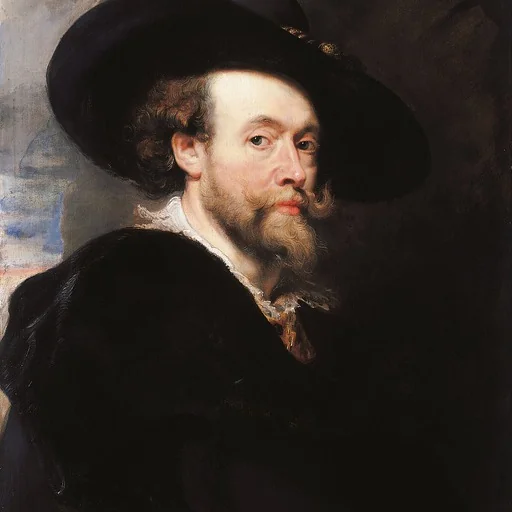
Sir Peter Paul Rubens ( ROO-bənz; Dutch:; 28 June 1577 – 30 May 1640) was a Flemish artist and diplomat.

- Saint Nicholas of Tolentino
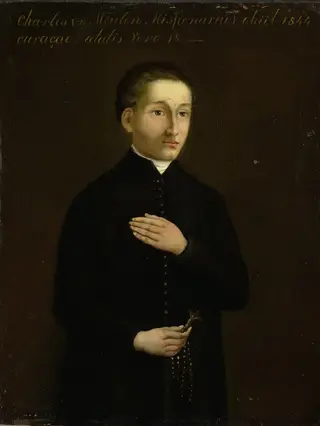 Portrait of Charles van der Meulen, Missionary to Curaçao
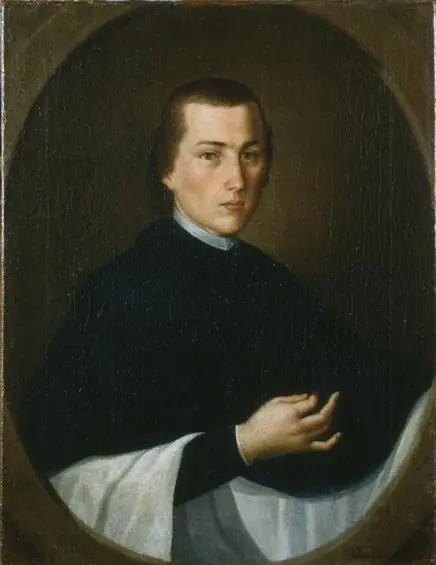 Retrato do Padre Guilherme Archer
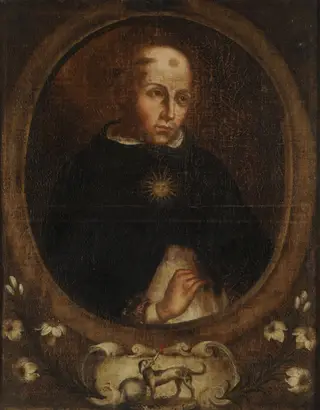 Saint Thomas Aquinas
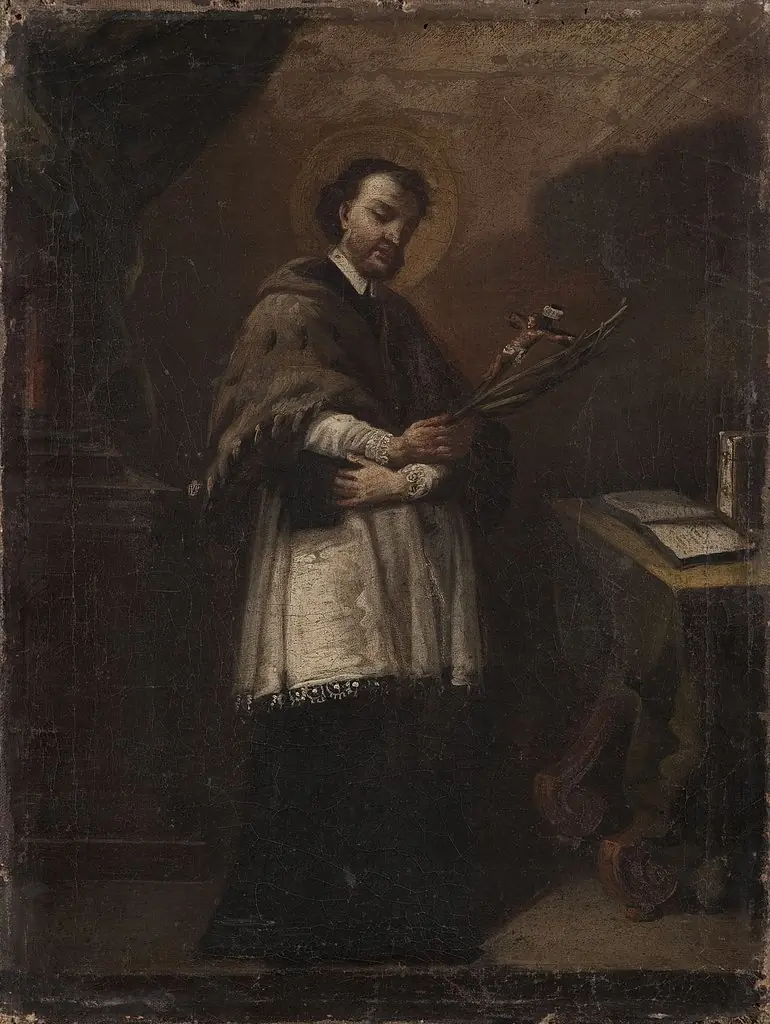 St. John Nepomucene
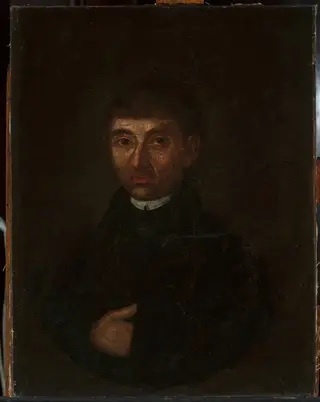 Portrait of Fr. Ksawery Szaniawski
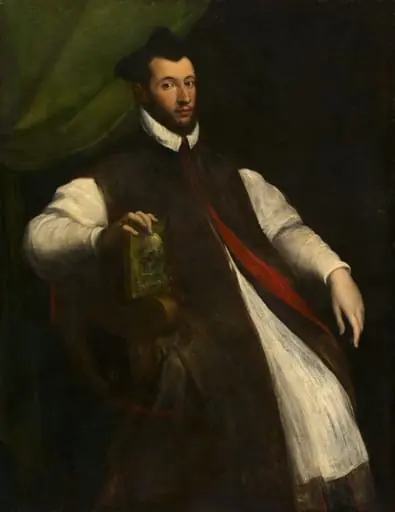 Portrait of a Prelate
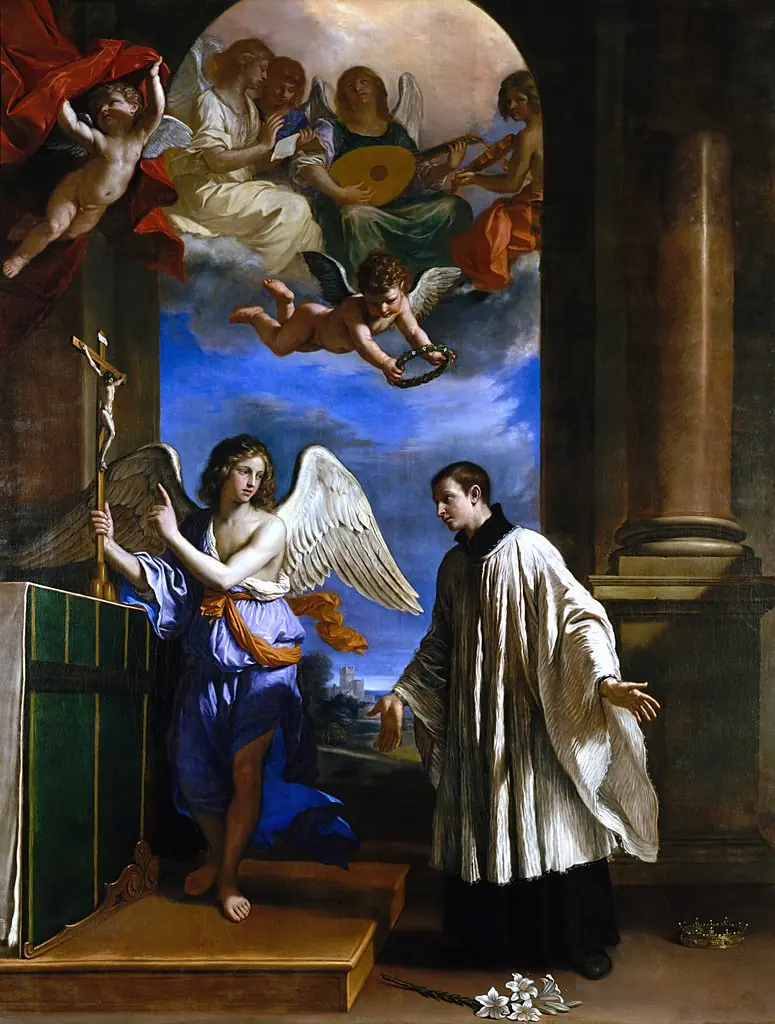 The Vocation of Saint Aloysius (Luigi) Gonzaga
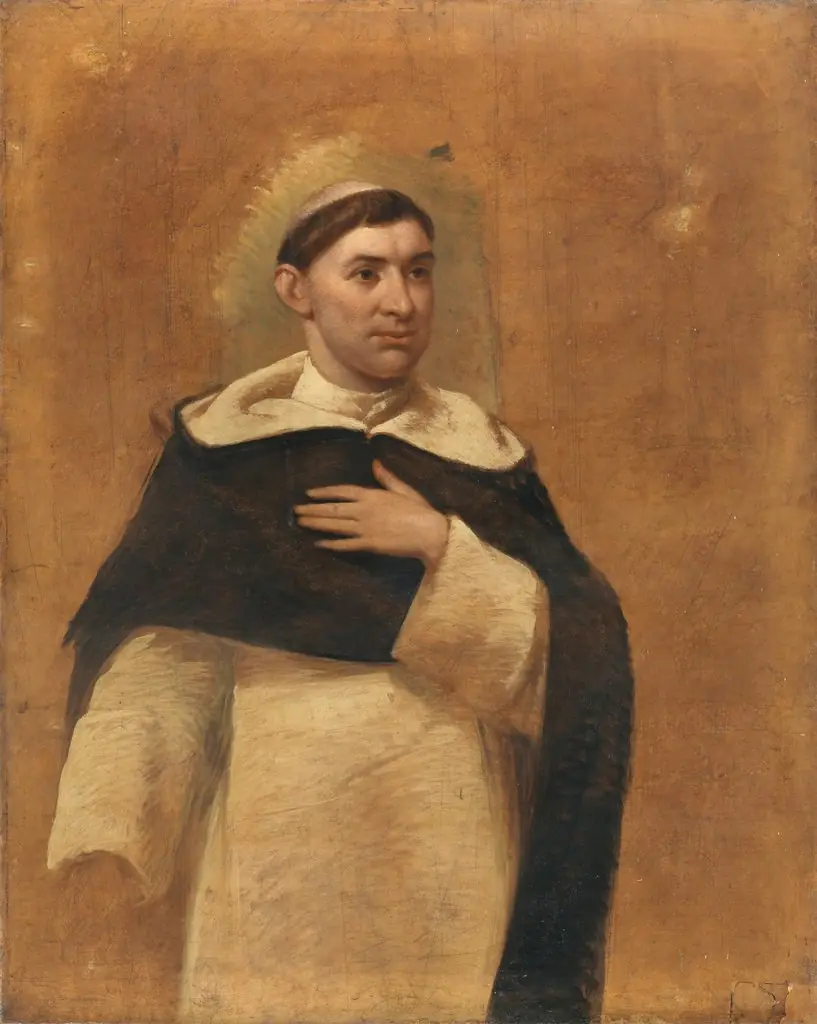 Portrait of Reverend Thomas Burke (1830-1883)
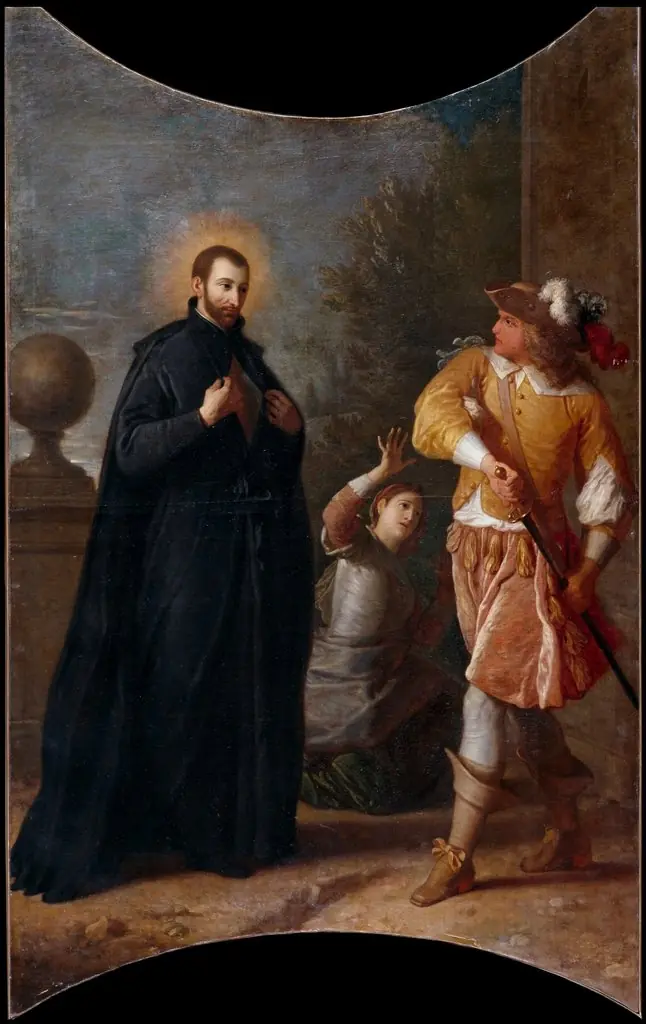 Milagro de san Francisco de Regis
 St. Stephen the Martyr
 Saint Francis of Assisi kneeling in meditation