Artwork
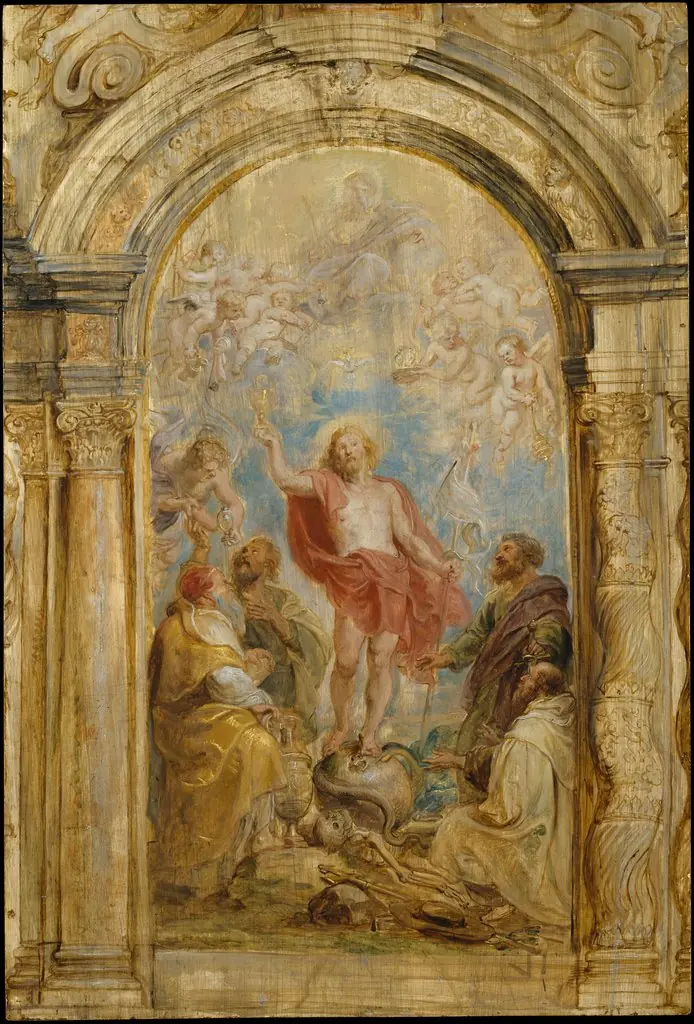
The Adoration of the Eucharist
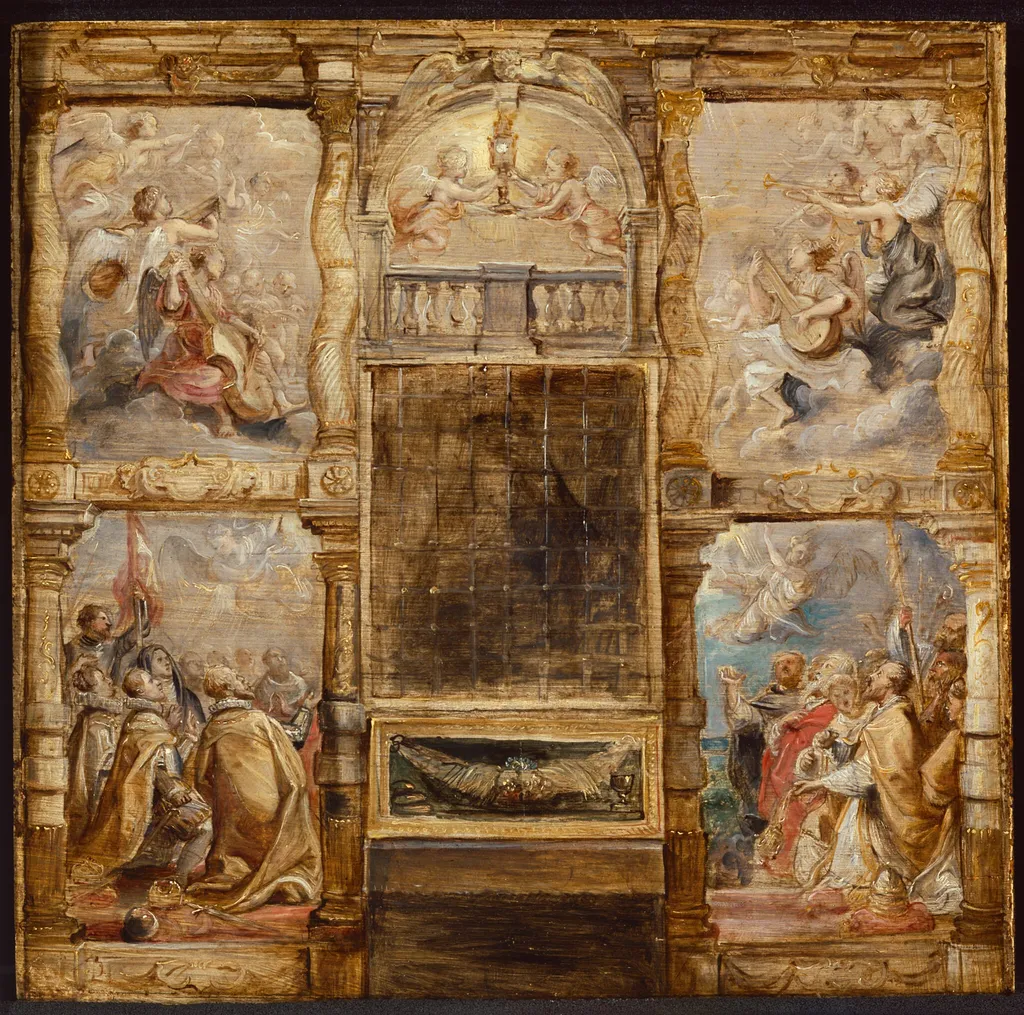
The Adoration of the Eucharist is an oil painting by the Baroque artist Peter Paul Rubens. It dates from 1626 and is held in the collection of the Art Institute of Chicago.
- Accession no.
- 25790
- Credit line
- Mr. and Mrs. Martin A. Ryerson Collection
About this work
Overview
This oil sketch by Peter Paul Rubens was prepared as a model for a tapestry series commissioned for the Convent of Las Descalzas Reales in Madrid.
This oil sketch by Peter Paul Rubens was prepared as a model for a tapestry series commissioned for the Convent of Las Descalzas Reales in Madrid. It depicts a hierarchical vision of the Eucharist’s adoration, divided into celestial and terrestrial realms. The central focus is a luminous host suspended by angels beneath an arch, surrounded by figures from both spiritual and earthly orders, reflecting the sacrament’s theological significance in Counter-Reformation Catholicism.
Subject & Meaning
The painting presents the Eucharist as the focal point of divine and human reverence. Above, heavenly figures incline toward the sacred host, while below, earthly worshippers, including nobility and clergy, offer their devotion. The inclusion of Archduchess Isabella Clara Eugenia in nun’s attire subtly asserts her piety and political stature, aligning her personal devotion with the Habsburg dynasty’s religious authority without overt display.
Technique & Style
Rubens employs chiaroscuro to model forms with dramatic light and deep shadow, enhancing the ethereal glow of the Eucharist and the solidity of the figures. The composition is carefully layered, with the upper register receding into soft atmospheric tones and the lower tier rendered with greater detail and texture. His brushwork balances fluidity with precision, characteristic of his preparatory sketches for large-scale textile works.
History & Provenance
Commissioned by Archduchess Isabella Clara Eugenia, the tapestry series was intended to adorn the convent she founded and supported. This oil sketch served as a full-scale cartoon for weavers in Brussels, guiding the translation of painted imagery into wool and silk. The work remained in Spanish royal collections, preserving its connection to Habsburg patronage and religious devotion in the early 17th century.
Context
Created during the height of the Counter-Reformation, the image responds to Catholic efforts to reaffirm the doctrine of transubstantiation through visual culture. Tapestries were favored in Spanish convents for their durability and grandeur, making them ideal for conveying theological messages to cloistered communities. Rubens’s design merges Italianate composition with Northern attention to detail, reflecting his unique position between European artistic traditions.
Legacy
Though the tapestries themselves are now dispersed or lost, this sketch endures as a key example of Rubens’s role as a designer for textile arts. It illustrates how religious imagery was adapted for specific devotional spaces and how patronage could be encoded in subtle visual cues. The work remains a vital reference for understanding the intersection of art, faith, and political identity in Habsburg Spain.
Own this work as a print
Artist & collection
Artist
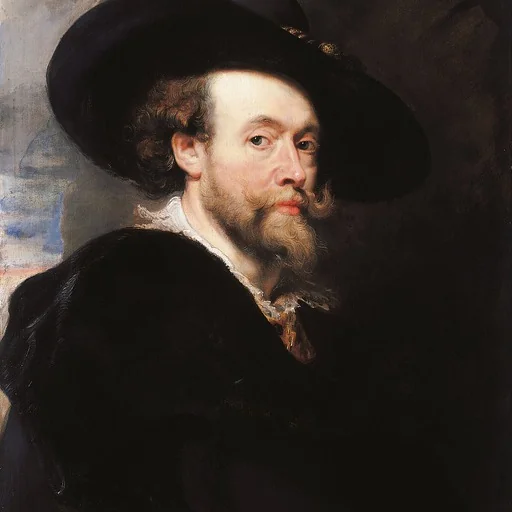
Sir Peter Paul Rubens ( ROO-bənz; Dutch:; 28 June 1577 – 30 May 1640) was a Flemish artist and diplomat.

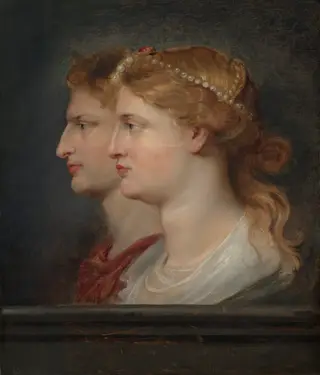
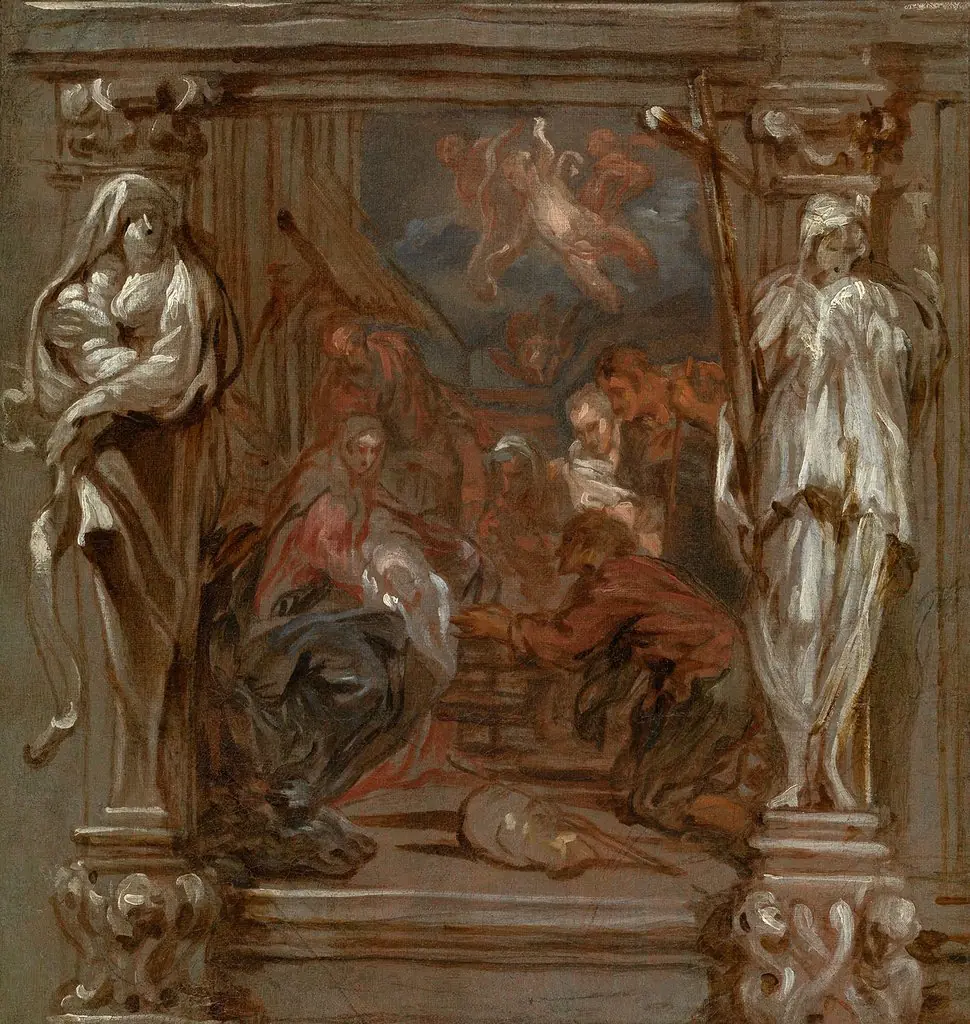 Adoration of the shepherds
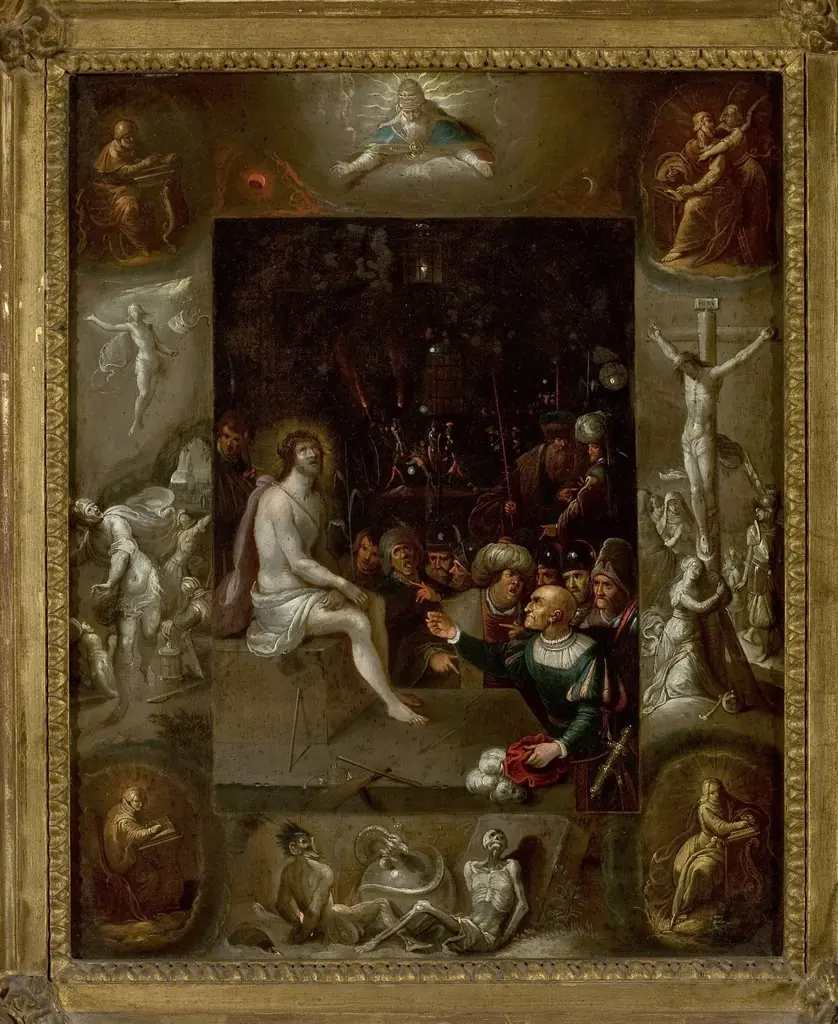 Mocking of Christ surrounded by images of the Evangelists and scenes from the Passion of Christ
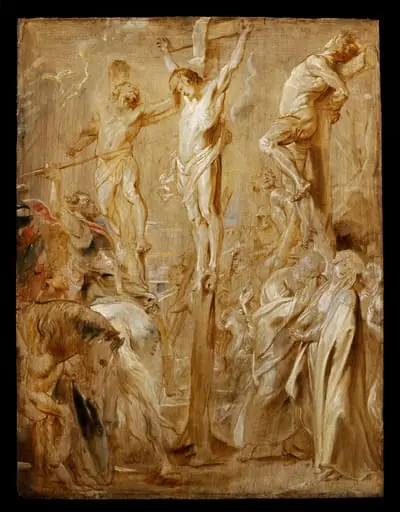 The Coup de Lance
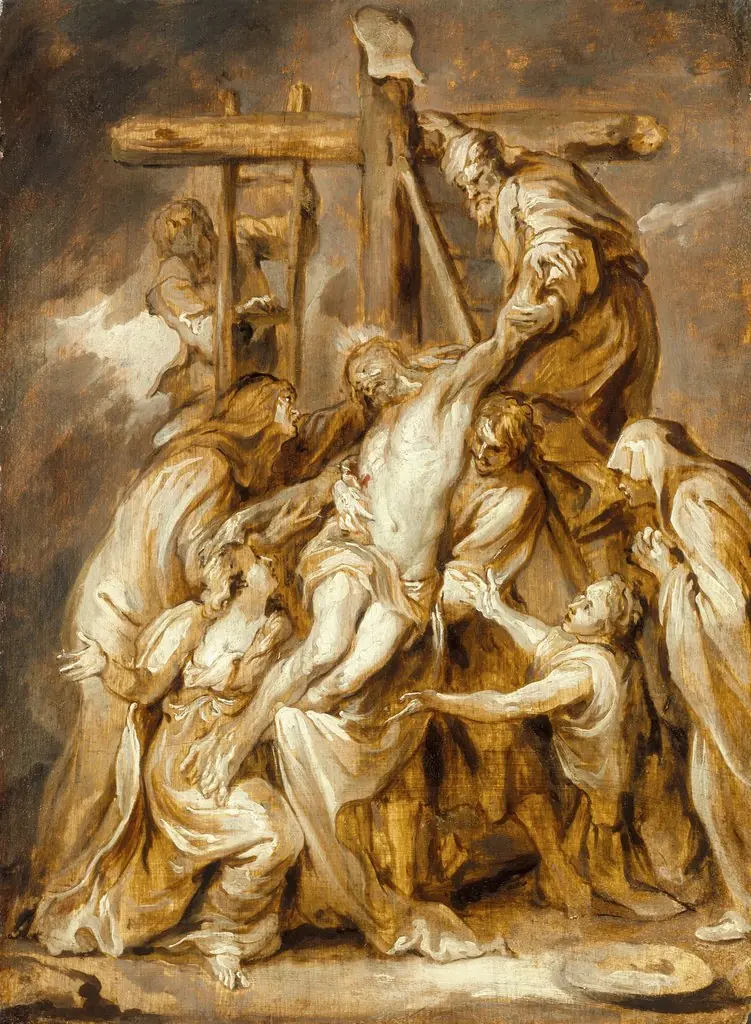 The Deposition
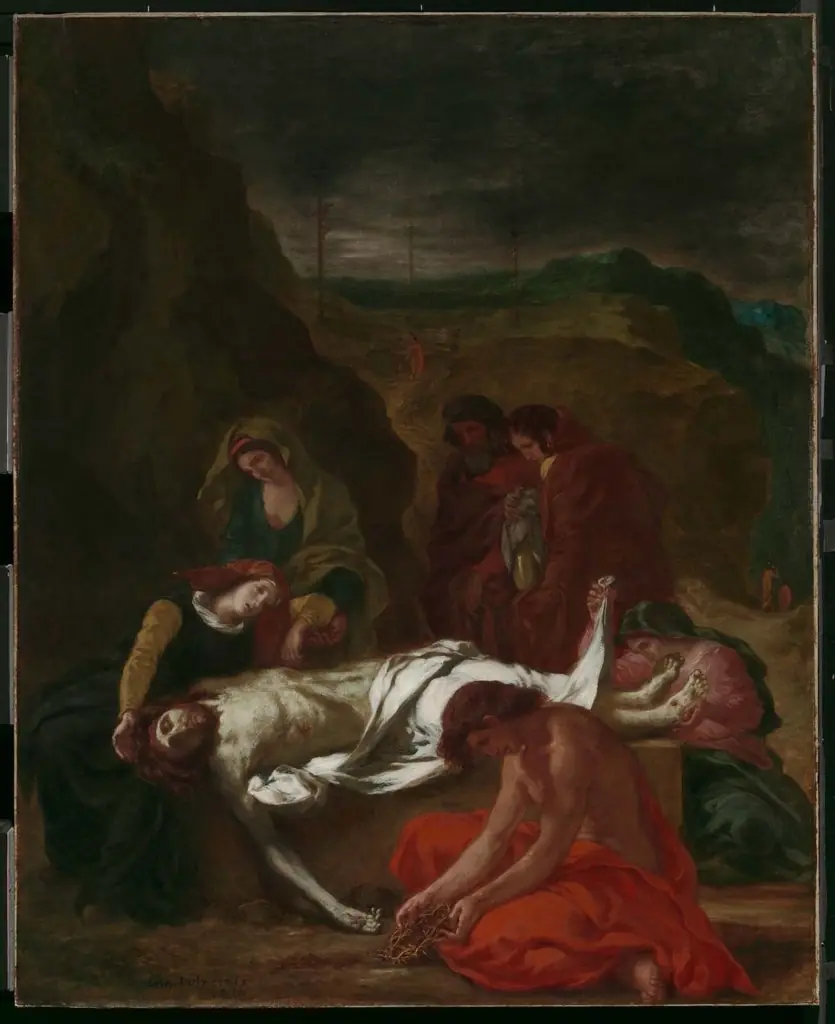 The Lamentation (Christ at the Tomb)
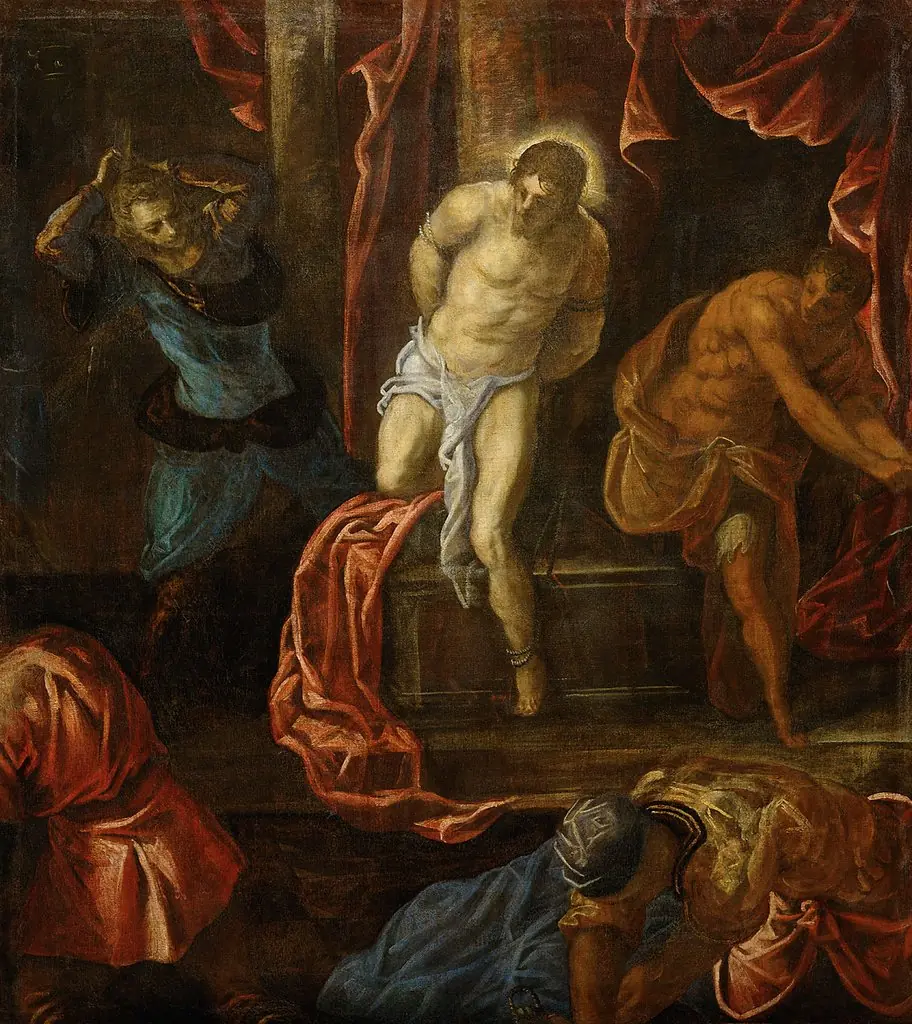 Geisselung Christi
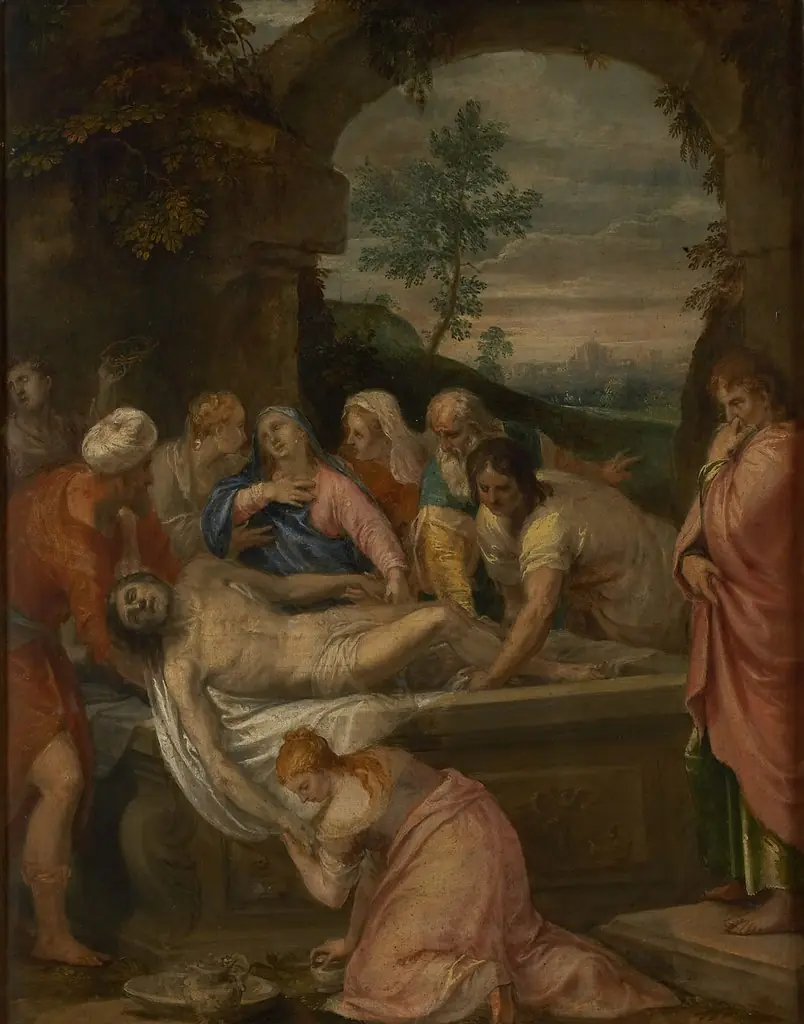 Entombment of Christ
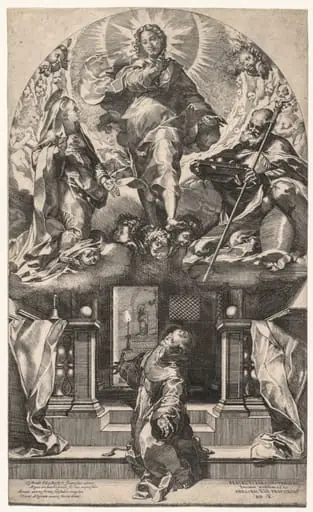 The Vision of St. Francis
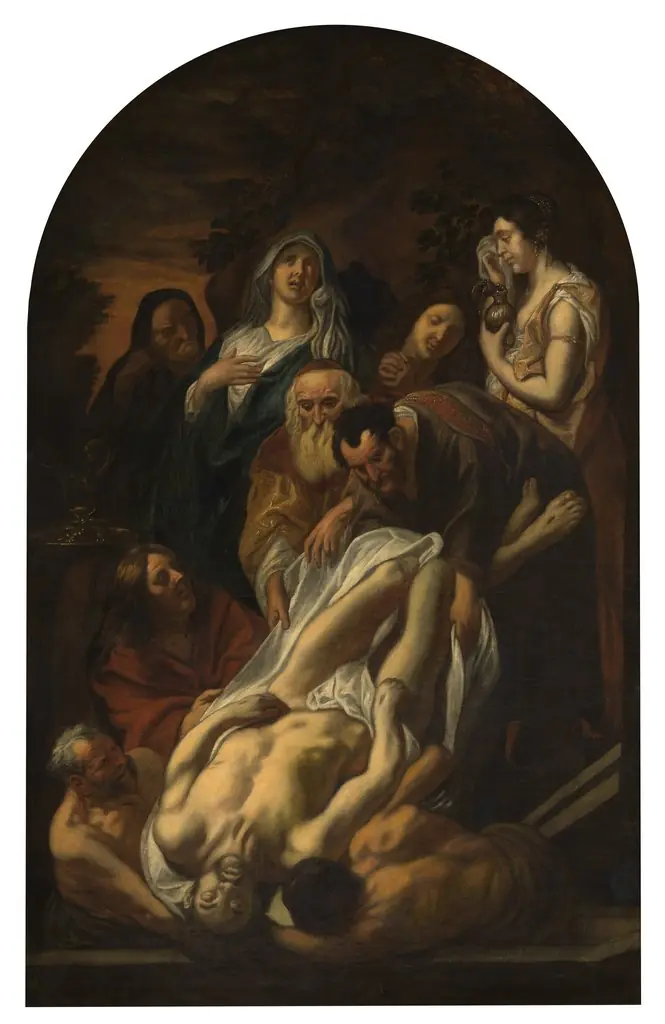 Christ's Entombment
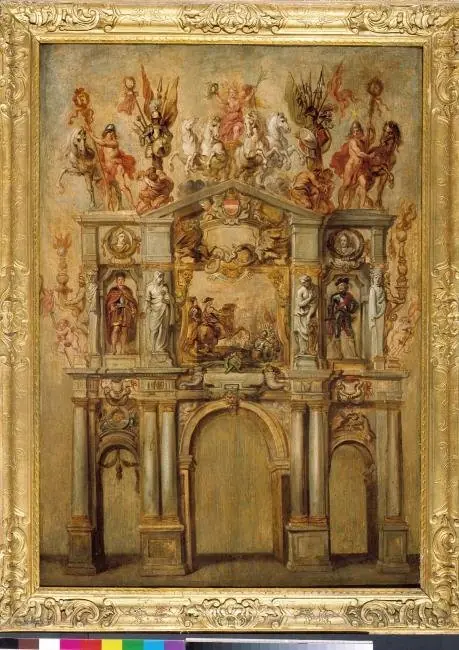 Sketch of the front of the triumphal arch of the Cardinal-Infant Ferdinand