Artwork
The Adoration of the Eucharist
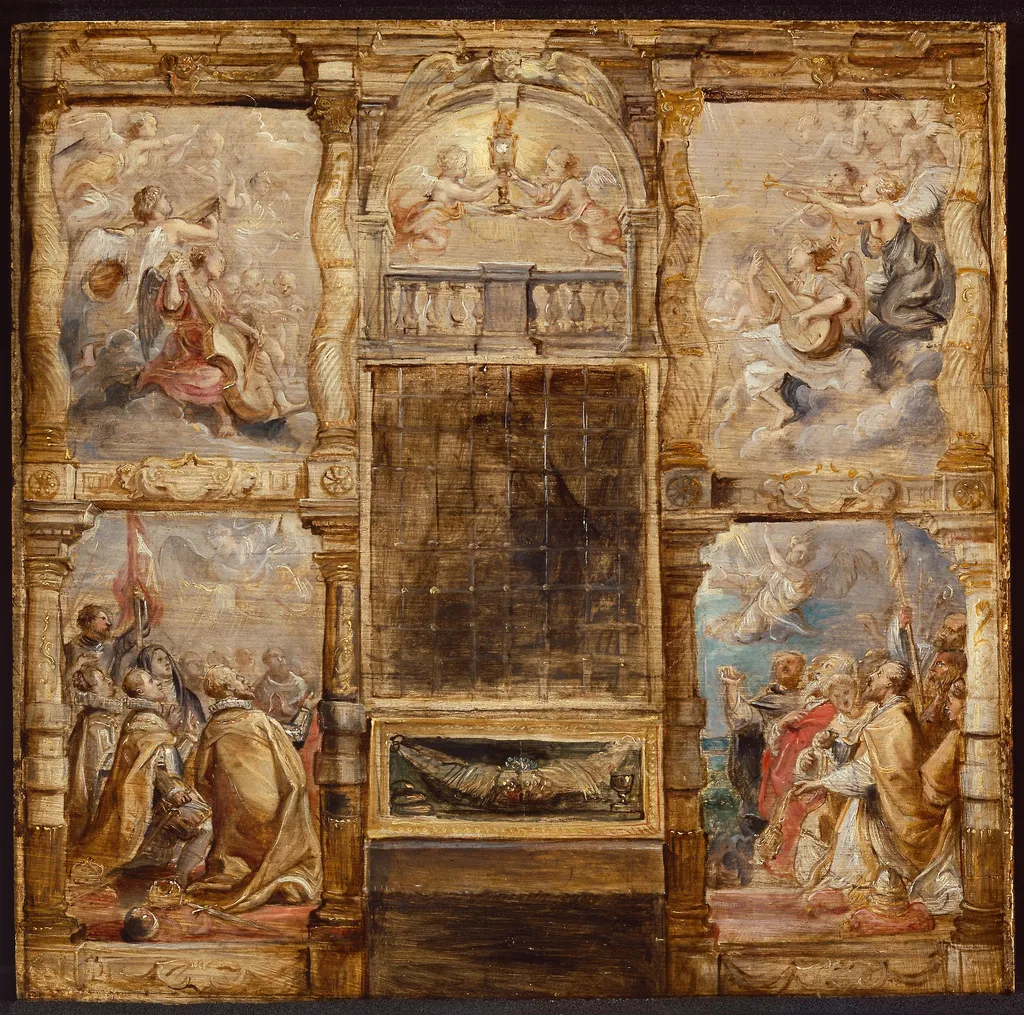
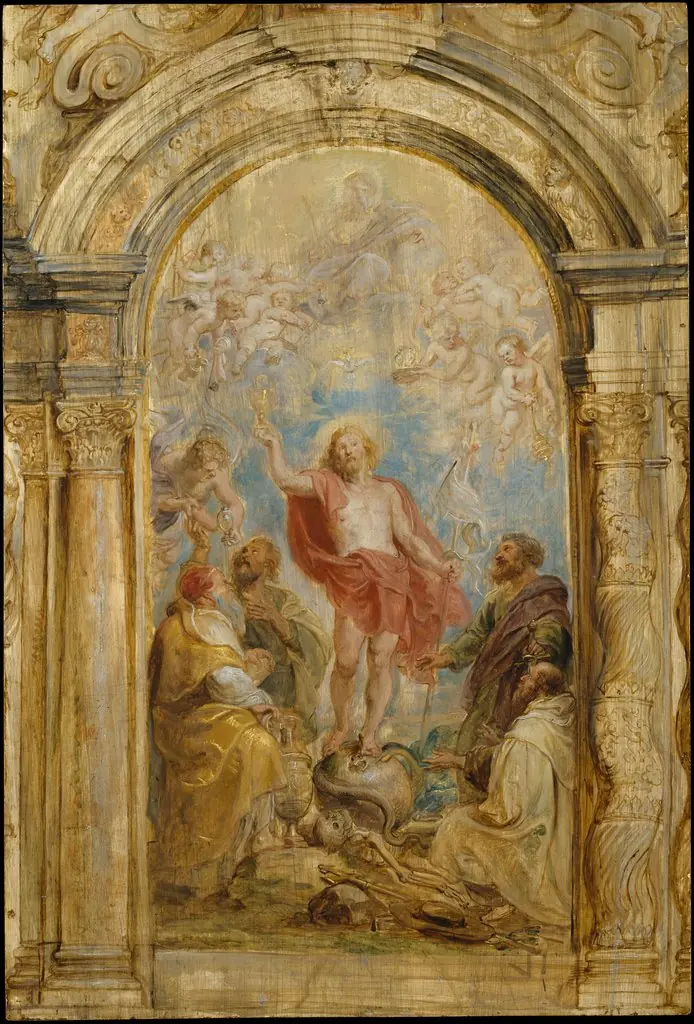
The Adoration of the Eucharist is an oil painting by the Flemish Baroque painting artist Peter Paul Rubens. It dates from 1626 and is held in the collection of the Art Institute of Chicago.
About this work
Subject & Meaning
The painting functions as a religious work centered on the veneration of the Eucharist.
The painting functions as a religious work centered on the veneration of the Eucharist. It depicts the Secular Hierarchy in Adoration and the Princes of the Church Adoring the Eucharist, representing both lay and ecclesiastical authorities paying homage to the consecrated host. Accompanying these earthly and clerical figures, the composition includes Music Making Angels, who symbolize divine celebration and the sacred atmosphere surrounding the sacrament.
Technique & Style
The Adoration of the Eucharist is executed in oil paint on a wooden panel support, a combination consistent with Rubens's small-scale cabinet pictures of the mid-1620s. The support measures 31.5 cm in height by 32 cm in width, producing a nearly square format suited to intimate devotional viewing.
Stylistically, the work is a religious composition in which the secular hierarchy, the princes of the Church, and music-making angels are shown in adoration of the Eucharist. The handling reflects Rubens's mature Baroque approach, with richly modeled figures arranged in a hierarchical, ceremonial grouping centered on the sacramental subject. Painted in 1626, the panel belongs to the Art Institute of Chicago's collection, where its oil-on-panel technique and compact dimensions remain defining features of the object.
History & Provenance
The painting is held by the Art Institute of Chicago. Its accession number is 1956.135.
The work was exhibited in 1956 as part of the museum's acquisition display and again in 2017 as part of the exhibition "Rubens: The Centaur’s Feast," where it was shown alongside other works by the artist.
Context
Created in 1626, The Adoration of the Eucharist stands as a significant example of Peter Paul Rubens's religious output during the Counter-Reformation era. Executed in oil on panel, the work measures 31.5 cm by 32 cm and is currently held in the collection of the Art Institute of Chicago. The painting depicts a complex theological hierarchy, featuring the Secular Hierarchy and Princes of the Church in adoration of the Eucharist, accompanied by music-making angels.
This composition reflects Rubens's ability to integrate dynamic Baroque movement with precise religious iconography. The work's inclusion in major institutional collections underscores its recognized value within the canon of seventeenth-century Flemish art.
Overview
Created in 1626 by Peter Paul Rubens, The Adoration of the Eucharist is a Flemish Baroque oil painting characterized by a vibrant, densely populated scene. The work conveys a moment of profound reverence, blending earthly and celestial figures within an imposing architectural backdrop.
Own this work as a print
Artist & collection
Artist
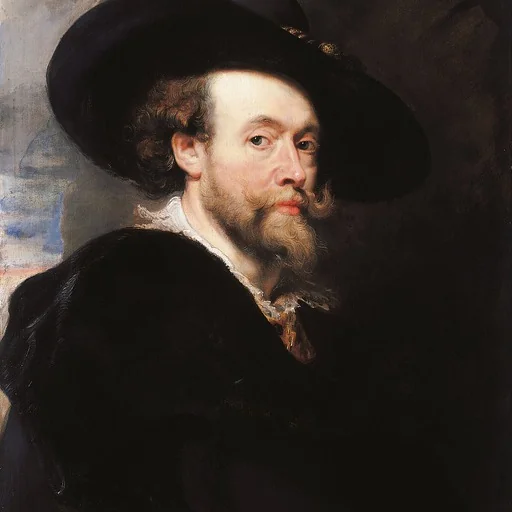
Sir Peter Paul Rubens ( ROO-bənz; Dutch:; 28 June 1577 – 30 May 1640) was a Flemish artist and diplomat.

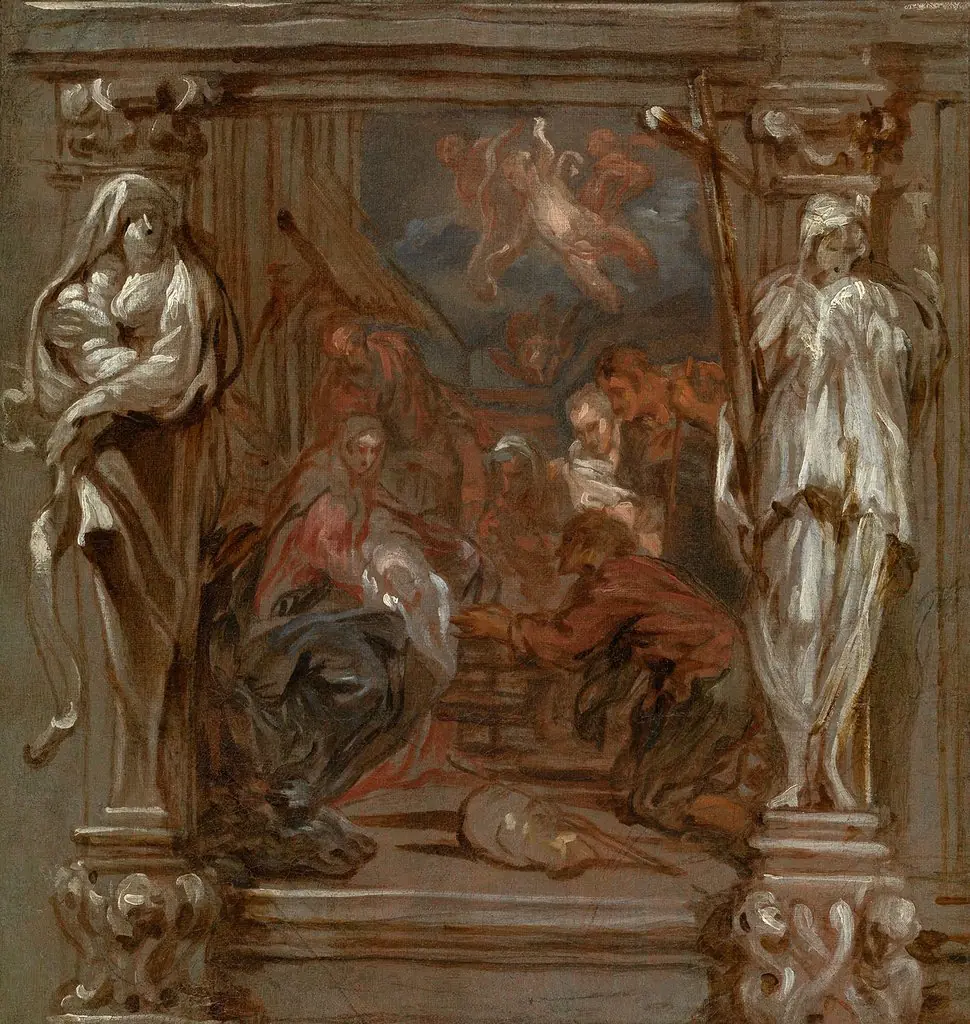 Adoration of the shepherds
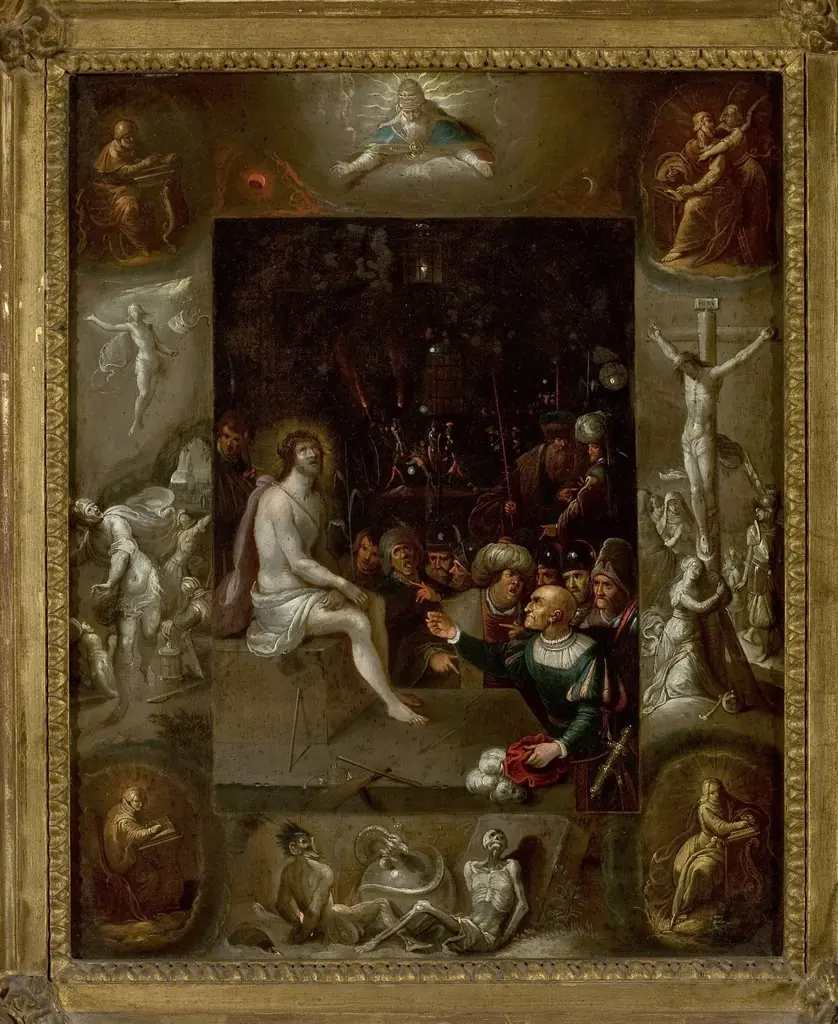 Mocking of Christ surrounded by images of the Evangelists and scenes from the Passion of Christ
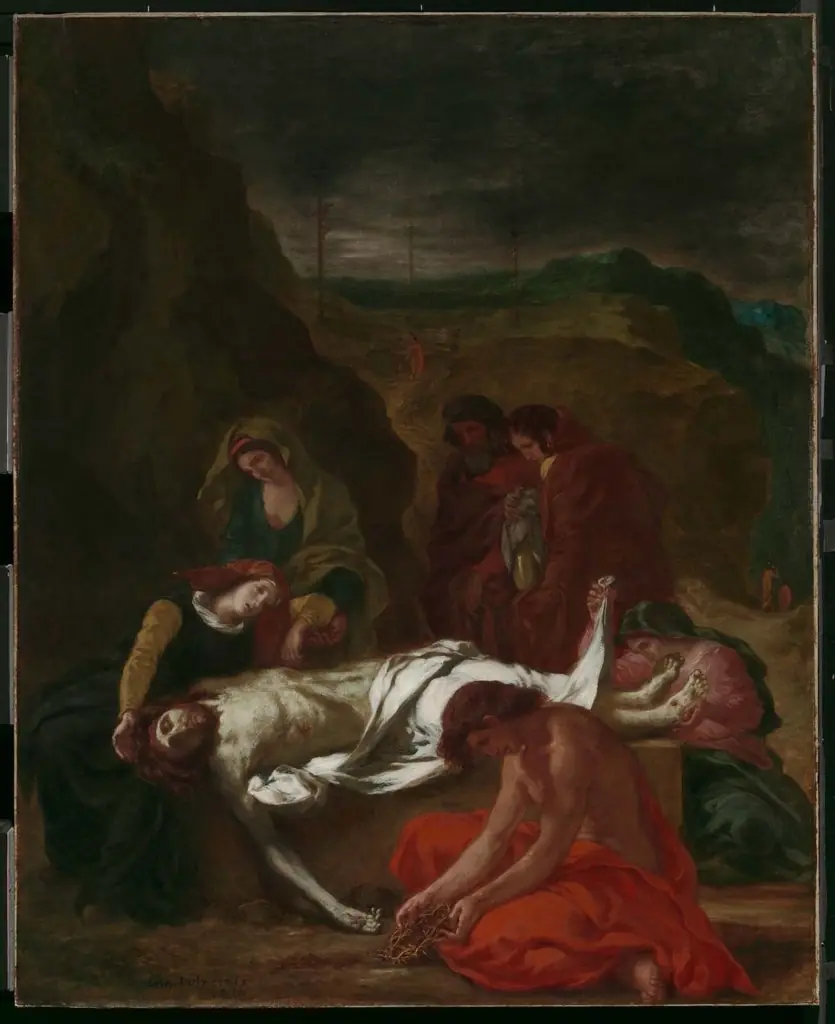 The Lamentation (Christ at the Tomb)
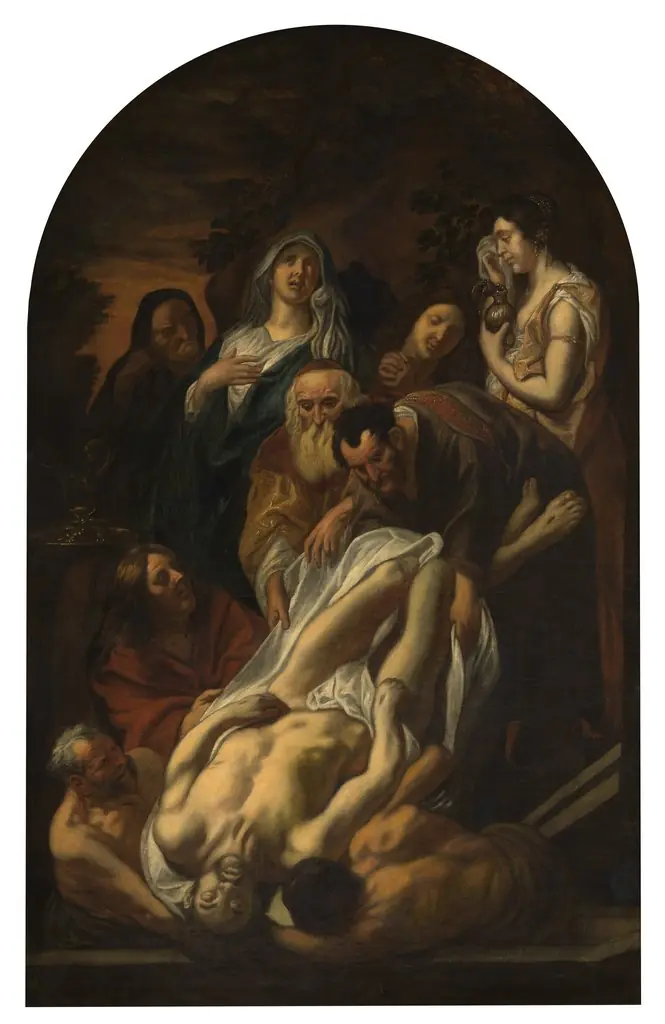 Christ's Entombment
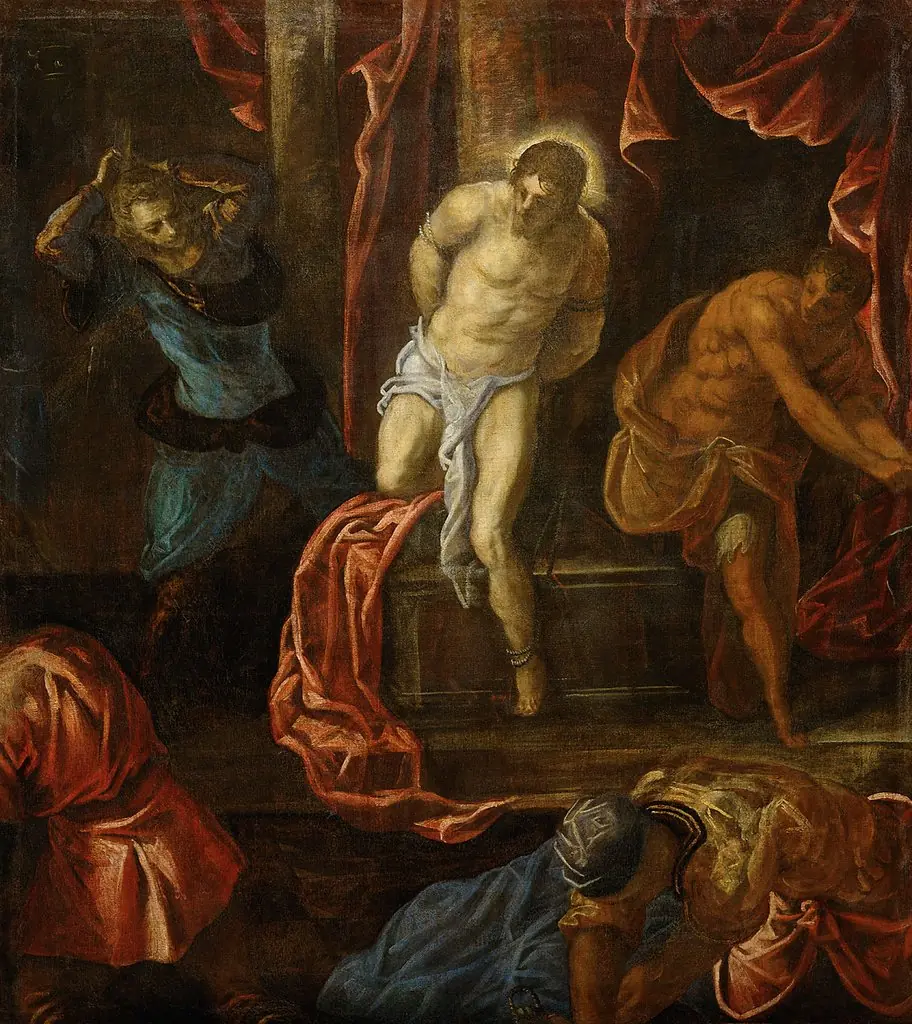 Geisselung Christi
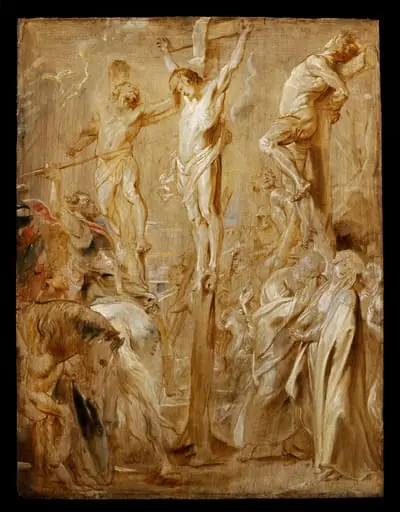 The Coup de Lance
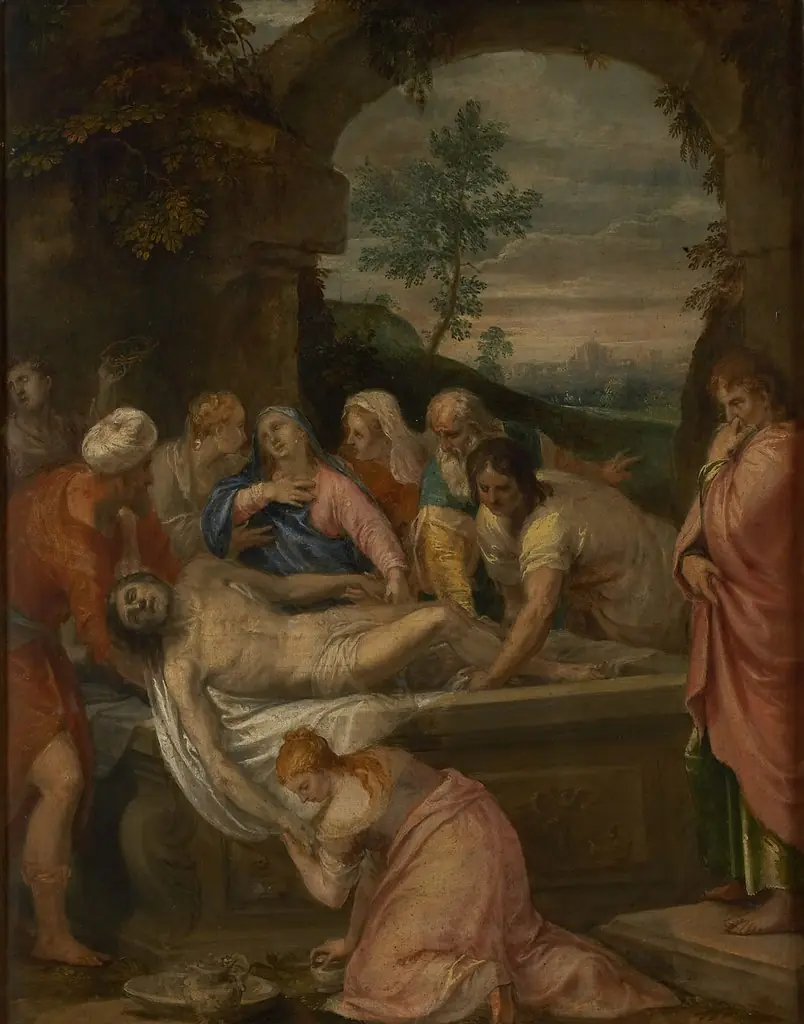 Entombment of Christ
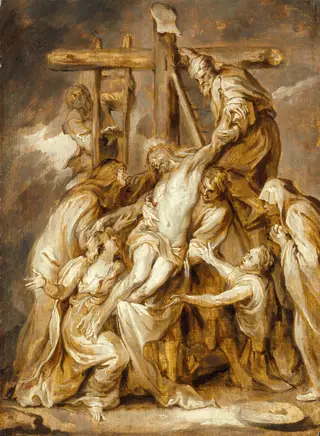 The Deposition
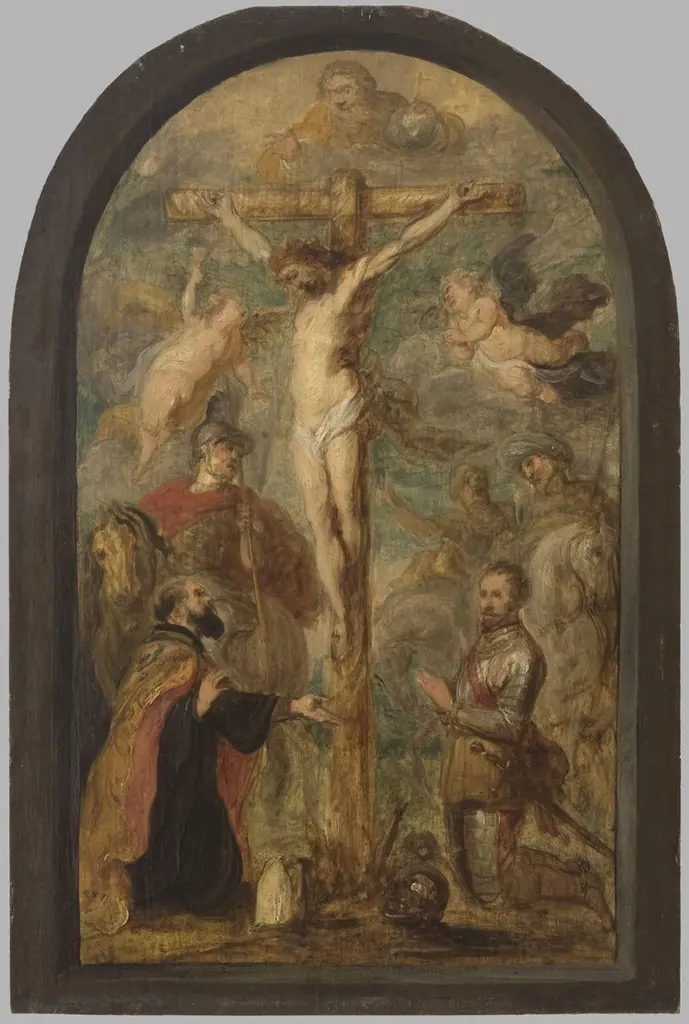 The Crucifixion, with a Bishop, a Saint, and a Donor in Armor
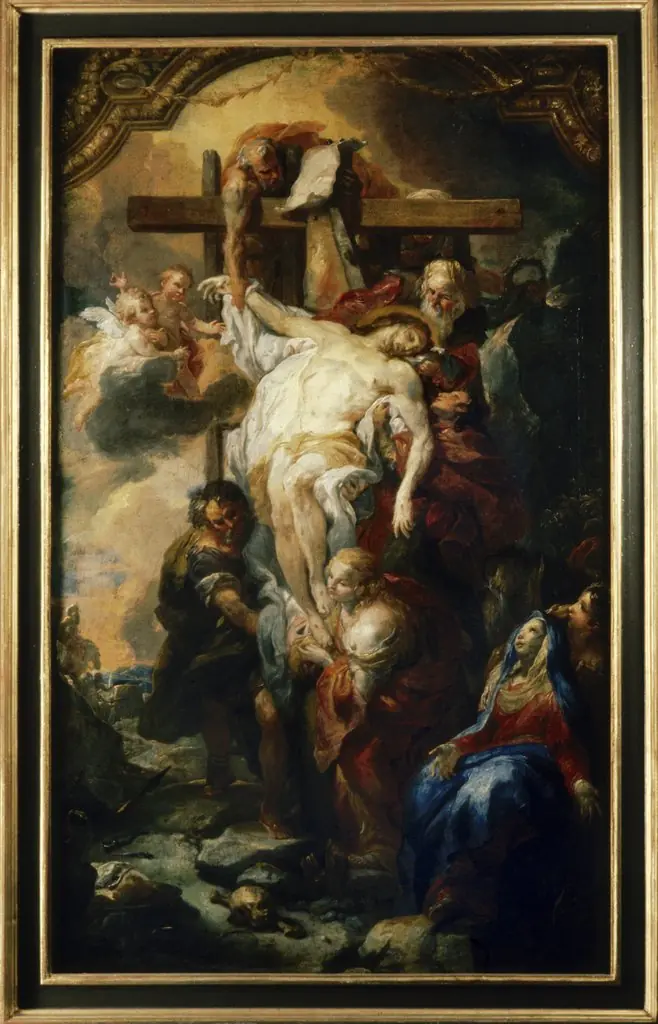 The Deposition from the Cross