Artwork
The Lion Hunt
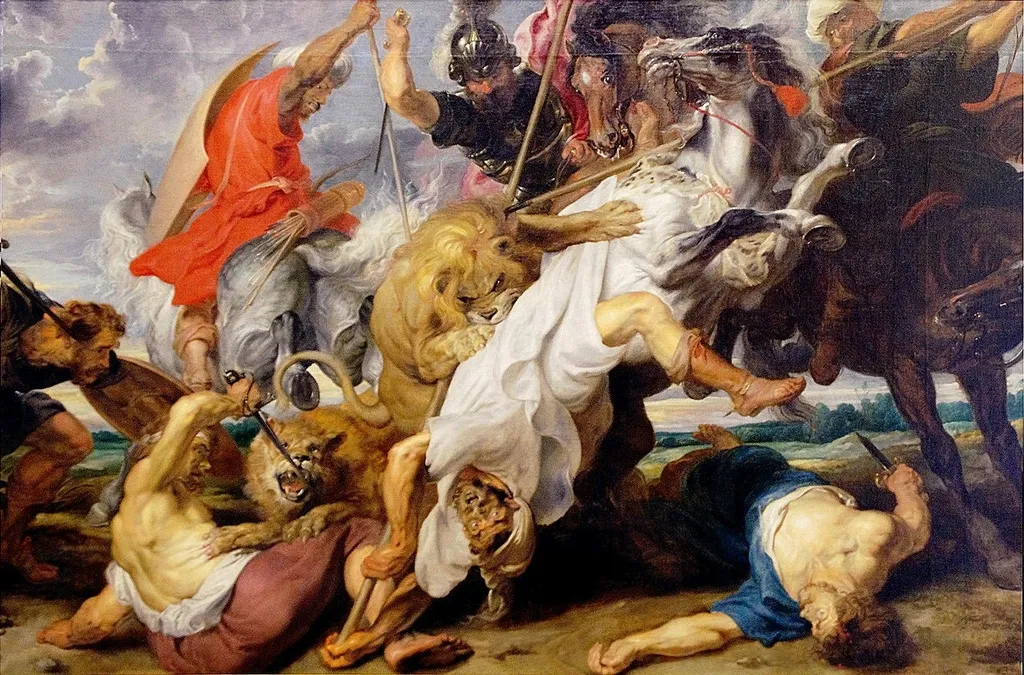
The Lion Hunt is an oil painting by the Flemish Baroque painting artist Peter Paul Rubens. It dates from 1621 and is held in the collection of the Bavarian State Painting Collections.
About this work
Technique & Style
The painting is executed in oil medium on canvas support and is housed in the Alte Pinakothek in Munich.
The Lion Hunt is an oil painting on canvas created by Peter Paul Rubens in 1621. It measures 248.7 cm in height and 377.3 cm in width, as recorded in the Bavarian State Painting Collections catalog. The work depicts a dramatic hunting scene with four riders and three foot soldiers engaged in combat with a lion and lioness, featuring dynamic movement, chiaroscuro, and a composition that emphasizes muscular tension and animal anatomy characteristic of Rubens' Baroque style.
The painting is executed in oil medium on canvas support and is housed in the Alte Pinakothek in Munich.
History & Provenance
The painting titled The Lion Hunt was created in 1621 by Peter Paul Rubens. It was commissioned as part of Rubens's intensive hunting-themed series produced between 1616 and 1621, reflecting the artist's creative peak in this genre. The work entered the collection of the Bavarian State Painting Collections and has been housed in the Alte Pinakothek in Munich since its acquisition.
Its dimensions are 248.7 cm in height and 377.3 cm in width. The painting depicts a dramatic scene of hunters on horseback and foot engaging two lions, with a central figure on a turban being unseated, surrounded by dynamic action involving lancers, swordsmen, and a fallen combatant. The provenance indicates continuous ownership by the Alte Pinakothek from its creation to the present.
The Lion Hunt is held in the Alte Pinakothek in Munich under inventory number 2584. It was painted by Peter Paul Rubens in 1621. The work has been exhibited in the Alte Pinakothek since its acquisition and was featured in the 1969 exhibition "Rubens's Munich Lion Hunt: Its Sources and Significance" at the College Art Association.
It has also been included in scholarly exhibitions on Rubens' hunting series, notably referenced in Balis's 1986 Corpus Rubenianum publication.
Context
The Lion Hunt (1621) is widely regarded as the culmination of Rubens’s early hunting scenes, marking the close of an intensive creative phase begun in 1616. Scholars such as Arnout Balis identify this work as the apogee of a first period distinguished by dynamic compositions and deliberate emulation of courtly imagery, where hunting symbolized aristocratic status and territorial power. David Rosand’s 1969 study situates the painting within Rubens’s broader engagement with the genre, analyzing its sources and significance as a synthesis of classical motifs and Baroque dynamism.
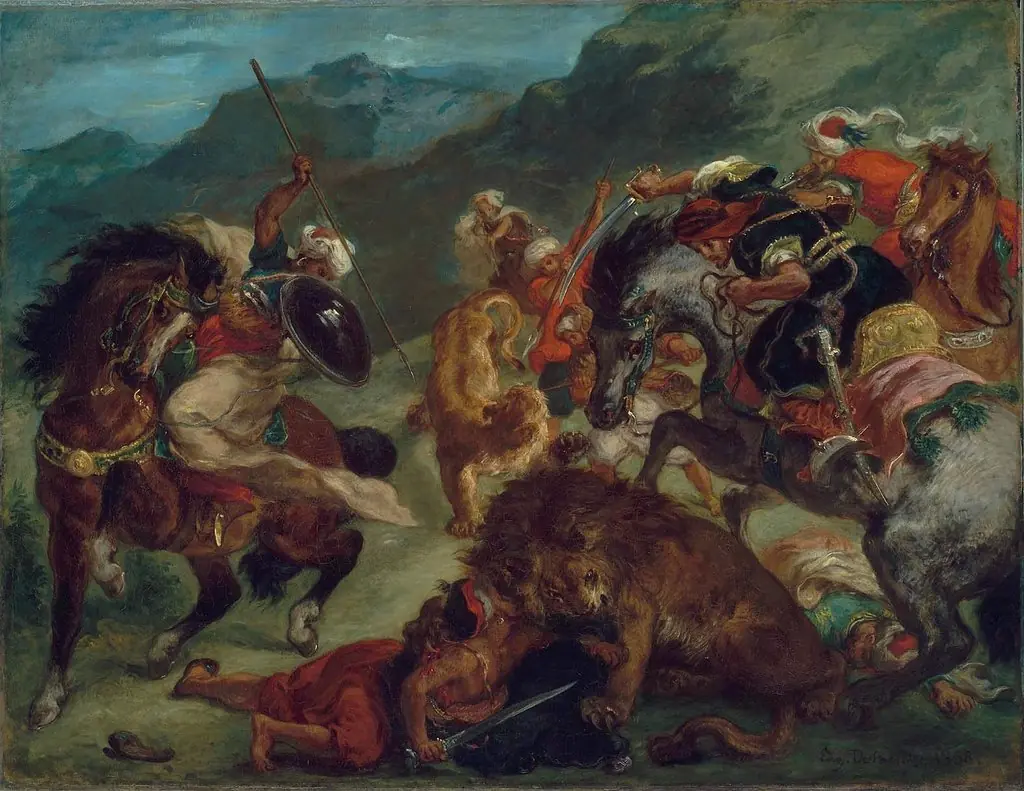
The canvas also entered the canon of admired works, cited by later artists including Eugène Delacroix, and has prompted extensive scholarly literature and numerous copies, underscoring its lasting influence on European battle and hunt imagery.
Legacy
The Lion Hunt has been repeatedly cited as the culmination of Rubens’s early hunting scenes and has generated substantial scholarly literature, including a dedicated study by David Rosand that analyzes its sources and broader significance within the artist’s oeuvre.
Its dramatic composition and virtuoso handling have attracted sustained admiration; the French Romantic painter Eugène Delacroix is recorded among its notable admirers. Copies of the work proliferated, underscoring its influence on later artists and its status as a touchstone for the genre of dynamic animal combat scenes in seventeenth-century painting.
Overview
Created in 1621, this large oil painting by Peter Paul Rubens measures roughly 3.77 m by 2.49 m. It is part of the collection of the Alte Pinakothek in Munich. The composition presents a dramatic chase in which two lions are pursued by a mixed group of mounted and on‑foot hunters.
Subject & Meaning
The work captures a moment of violent confrontation: hunters on horseback and on foot thrust spears and swords at two lions, which rear and struggle against the assault. Rubens emphasizes the tension between human mastery and wild ferocity, a common motif in his series of hunting scenes.
Artist & collection
Artist
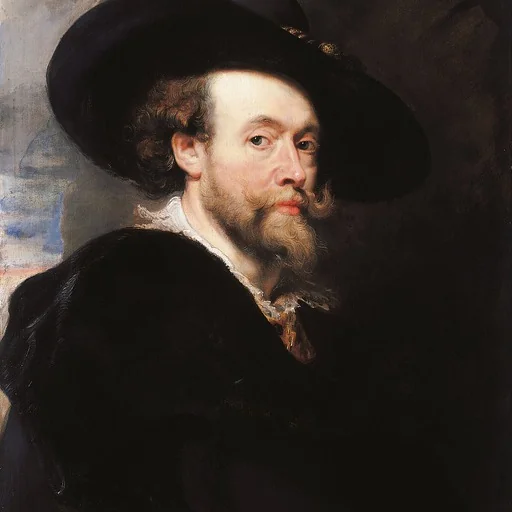
Sir Peter Paul Rubens ( ROO-bənz; Dutch:; 28 June 1577 – 30 May 1640) was a Flemish artist and diplomat.

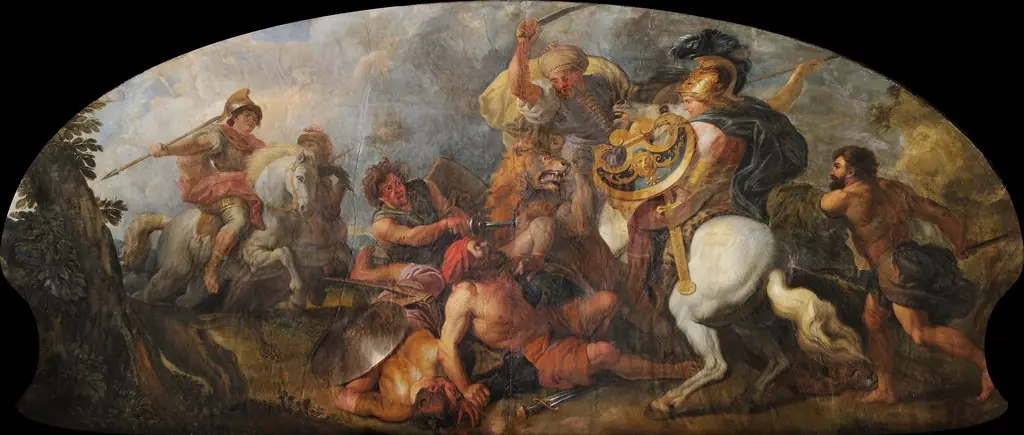 Alexander the Great hunting Lions
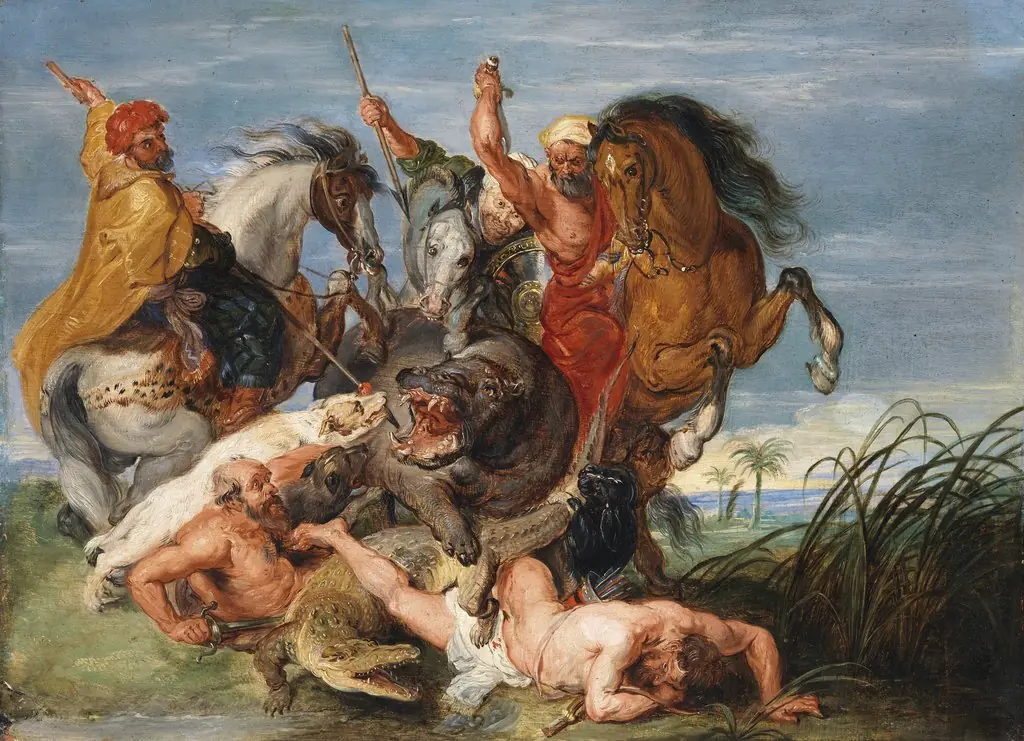 A Hippopotamus and Crocodile Hunt
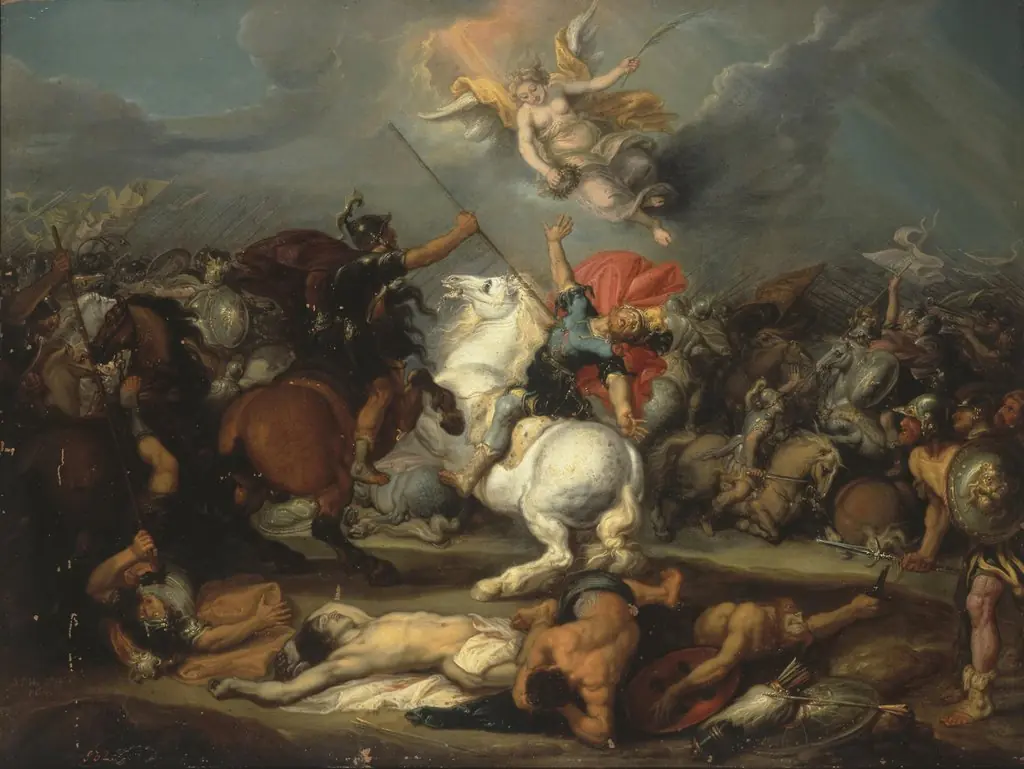 Death of Decius Mus
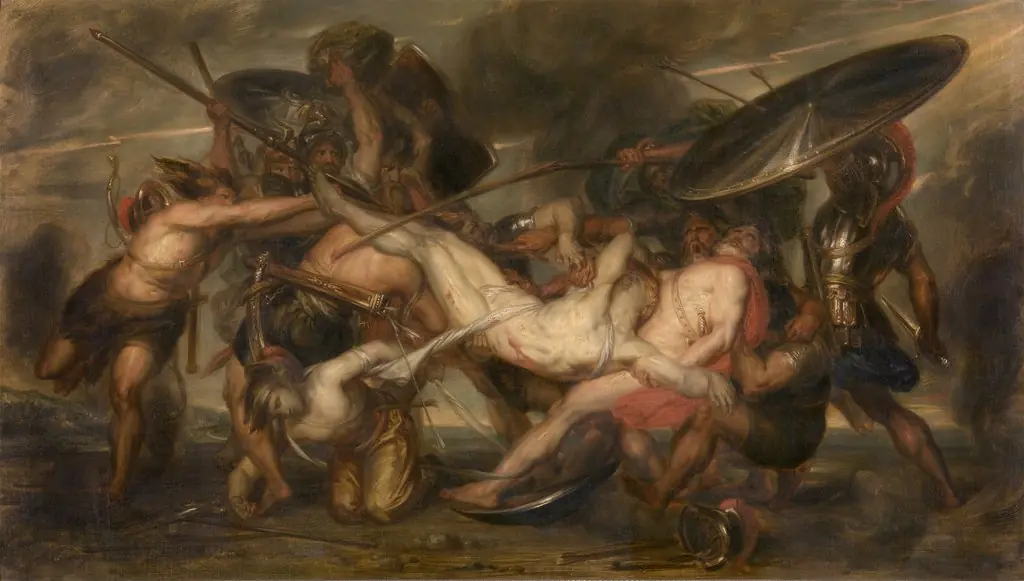 The Greeks and the Trojans Fighting over the Body of Patroclus
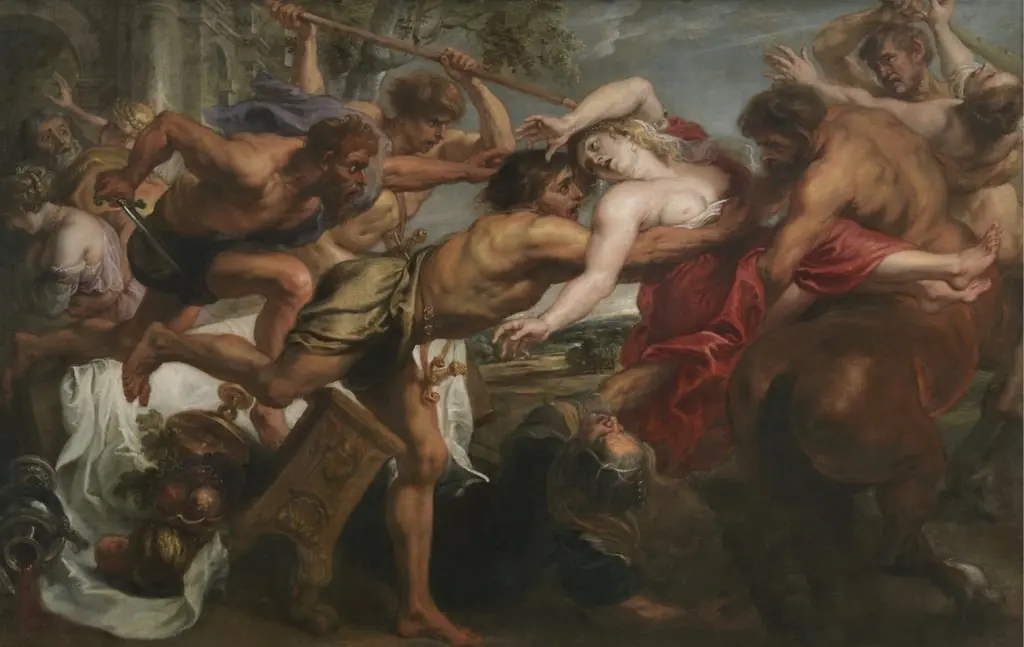 Rape of Hippodamia
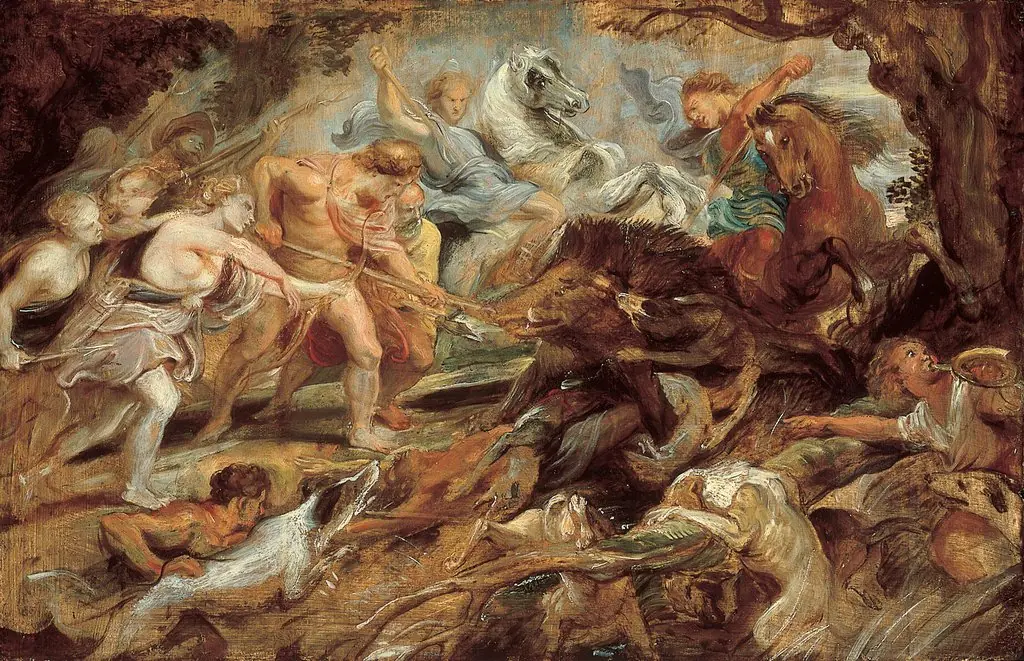 Meleager and Atalanta and the Hunt of the Calydonian Boar
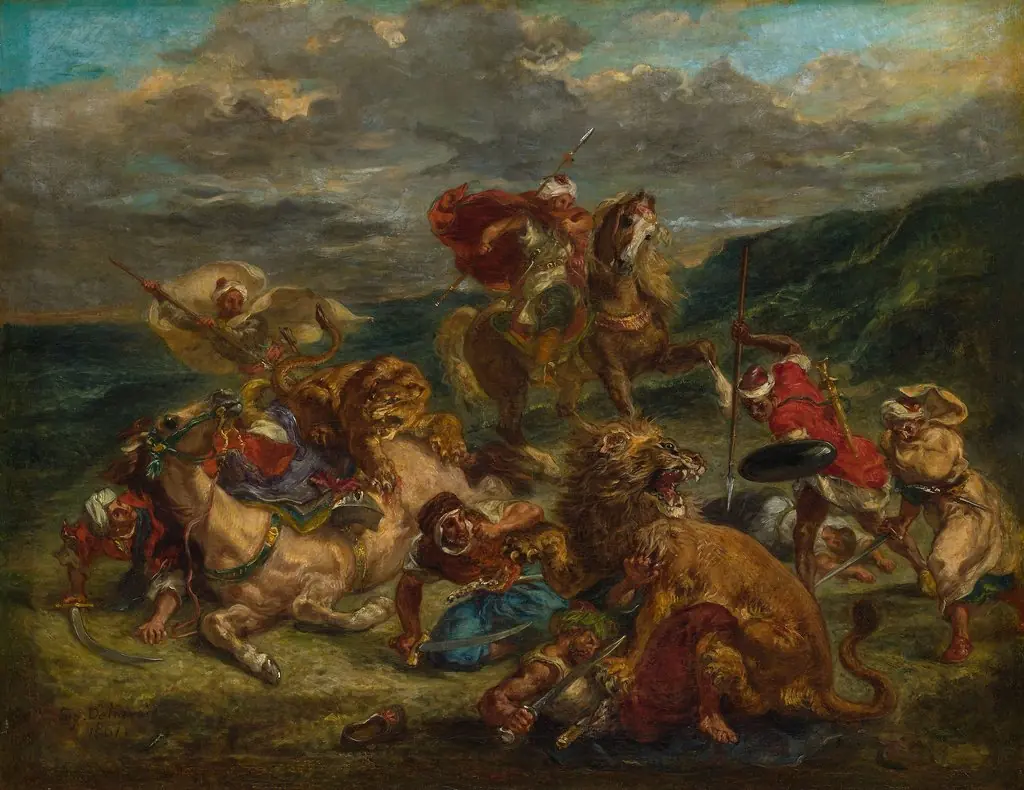 La Chasse aux lions au Maroc
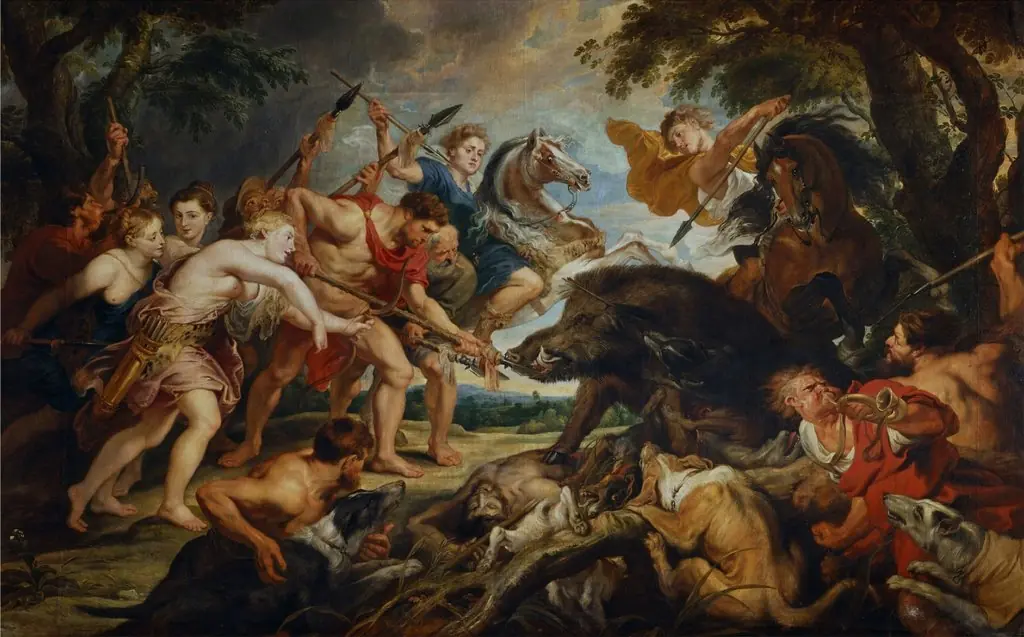 The hunt of Meleagros and Atalante
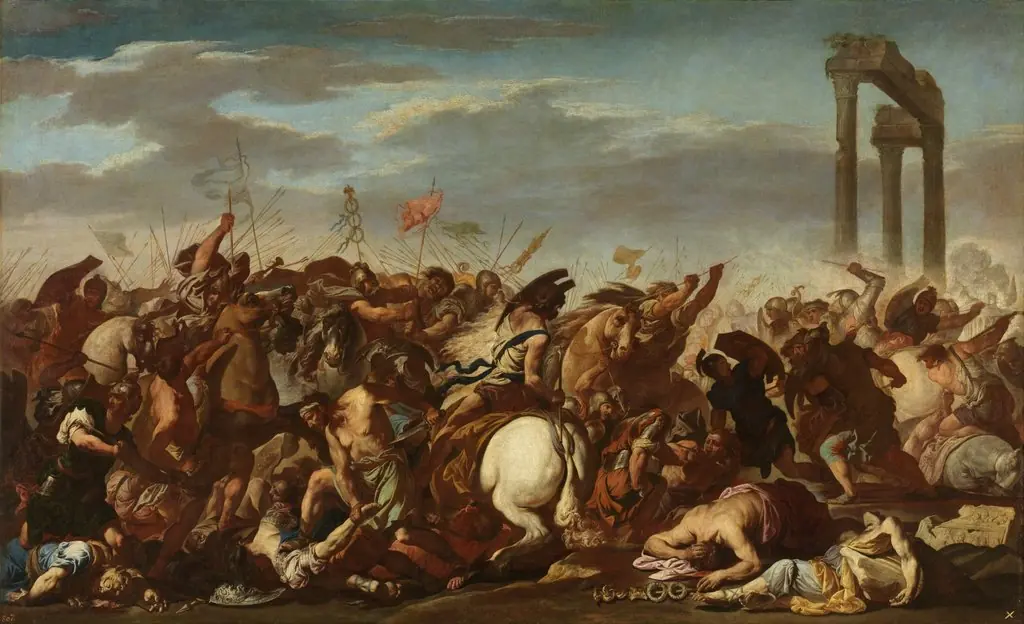 Batalla
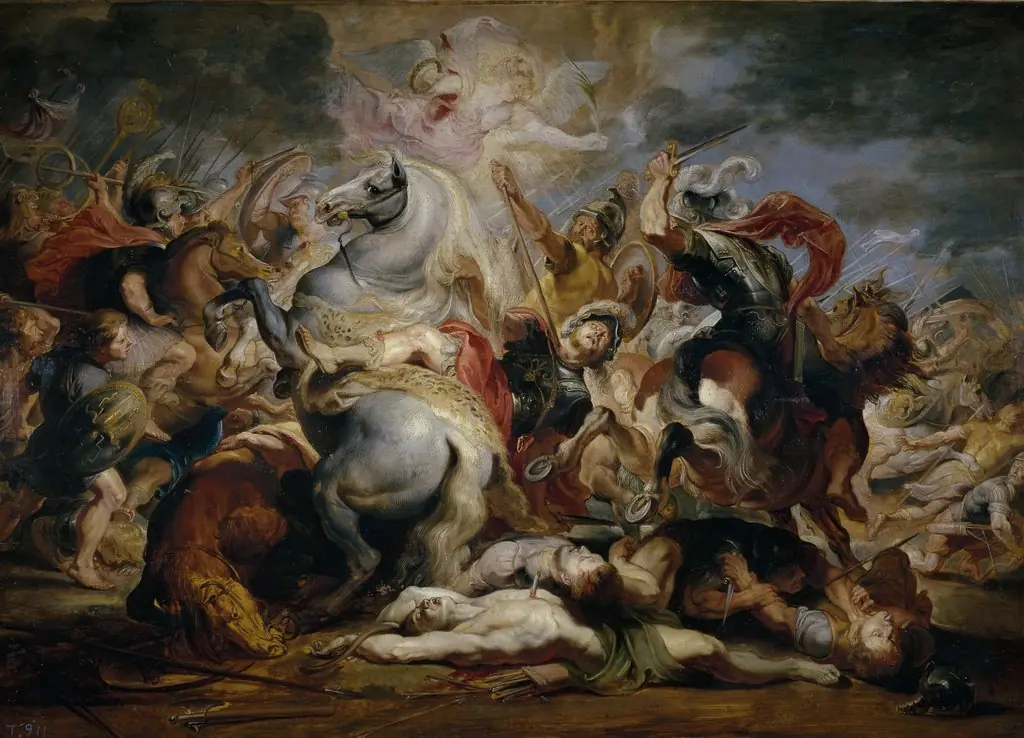 The Death of the Consul Decius