Artwork
The Death of the Consul Decius
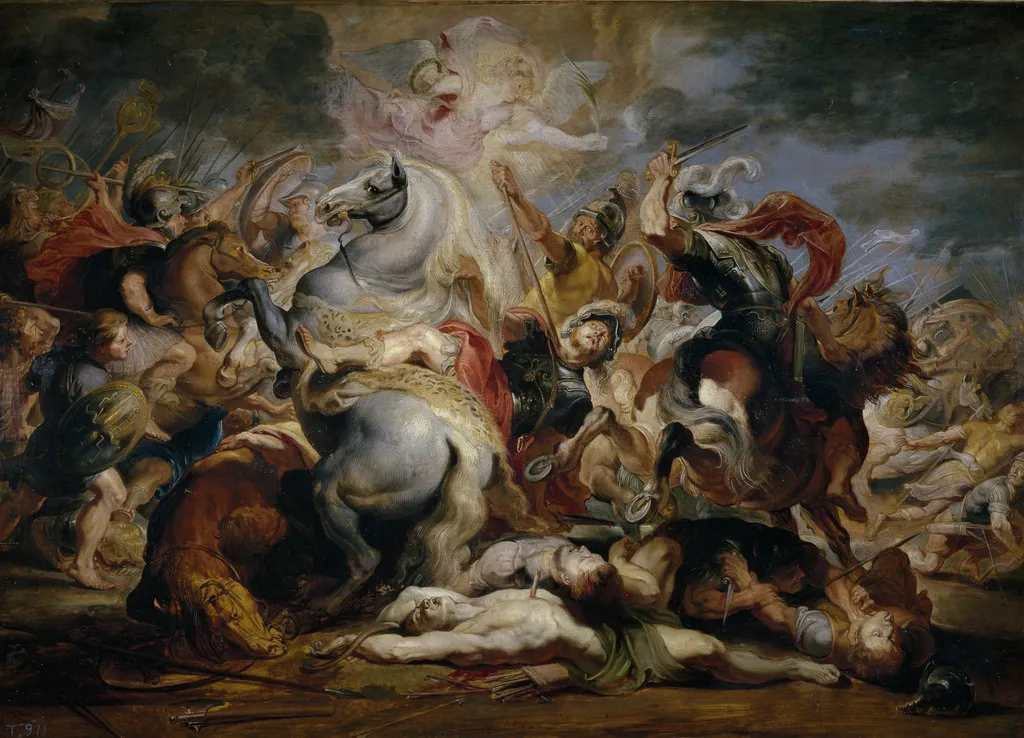
The Death of the Consul Decius is an oil painting by the Flemish Baroque painting artist Peter Paul Rubens. It dates from 1616 and is held in the collection of the Museo del Prado.
About this work
Subject & Meaning
The scene captures the specific historical moment of Decius's death, utilizing these iconographic details to convey the gravity and heroism of the subject.
Peter Paul Rubens's 1616 history painting depicts the Roman consul Publius Decius Mus, a figure central to the narrative of self-sacrifice for the state. The composition focuses on the consul in the presence of body armor and a natural trumpet, visual elements that underscore the martial context of his final moments. As a work of history painting, the piece represents the classical ideal of civic duty and the ultimate offering of one's life for the Republic.
The scene captures the specific historical moment of Decius's death, utilizing these iconographic details to convey the gravity and heroism of the subject.
Technique & Style
The painting is executed in oil on canvas, measuring 100 cm by 140.5 cm. Rubens renders the scene with a dynamic composition that emphasizes the fallen consul's armor and the dramatic gesture of the trumpet, creating a stark contrast between martial valor and tragic mortality. The handling of light accentuates the textures of metal and fabric, while the stylized realism of the horse and armor reflects Baroque emphasis on anatomical precision and theatrical drama.
History & Provenance
The work was created in 1616, as indicated by the date associated with the painting in museum records and Rubens's oeuvre.
Provenance records trace the painting to the Museo del Prado, where it remains held. The canvas measures 140.5 cm in width and 100 cm in height according to the museum's documentation.
Legacy
The Death of the Consul Decius holds an enduring place in art-historical discourse on Baroque history painting. Its dramatic composition and depiction of a Roman consul's self-sacrifice have been cited in analyses of Rubens's engagement with classical themes. Its presence in the Museo del Prado's collection has reinforced its scholarly visibility, contributing to discussions of Rubens's treatment of political virtue in early modern art.
Overview
Created in 1616 by the Flemish painter and diplomat Peter Paul Rubens, this oil on canvas presents a dramatic historical episode rendered in the vigorous language of the Baroque. The composition centers on a mounted figure amid a tumultuous battlefield, rendered with a palette of deep shadows punctuated by striking reds and golds. The work belongs to the collection of the Museo del Prado in Madrid.
Context
Rubens’s choice of a Roman consul as subject reflects the early 17th‑century fascination with classical antiquity and its moral exempla. By portraying Decius Mus in the heat of battle, Rubens aligns the ancient narrative with contemporary notions of heroic leadership, a theme resonant in the political and diplomatic circles in which he moved.
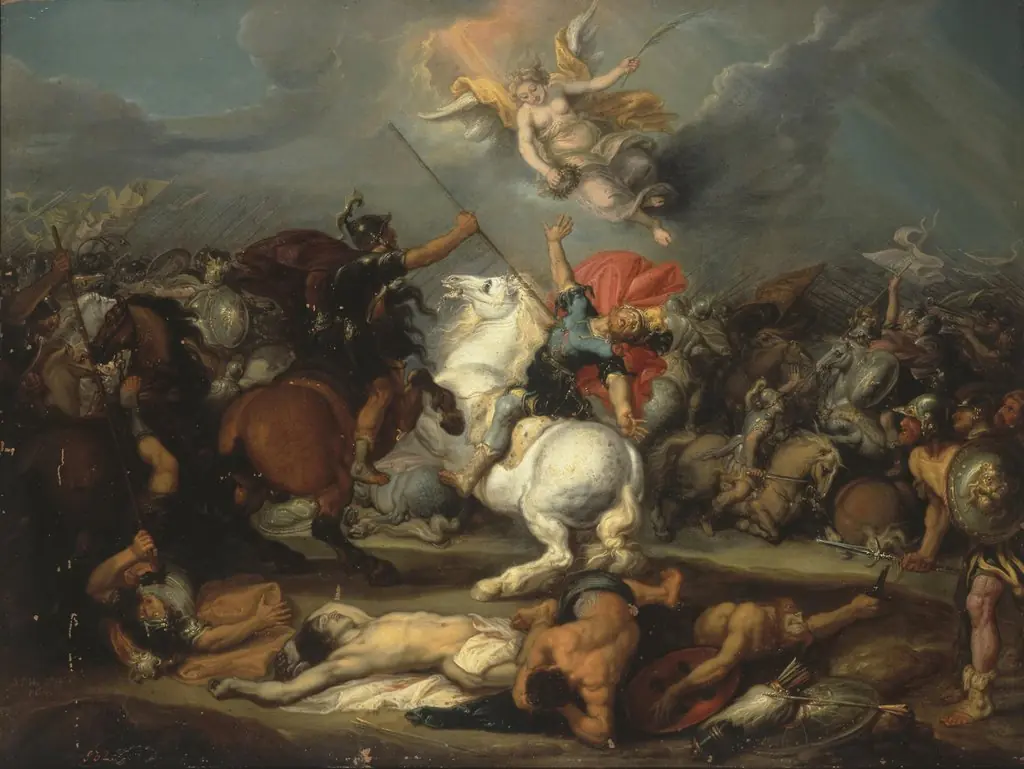
Own this work as a print
Artist & collection
Artist
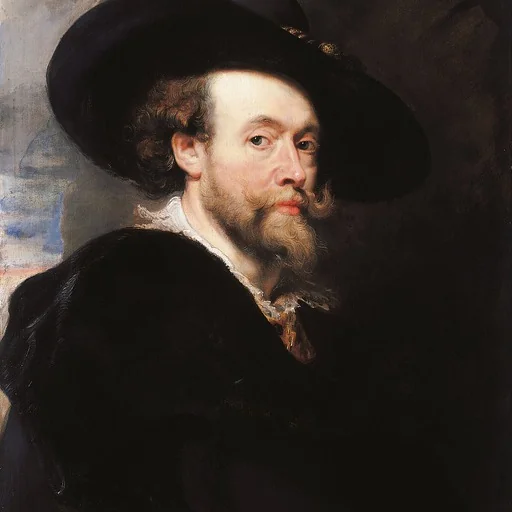
Sir Peter Paul Rubens ( ROO-bənz; Dutch:; 28 June 1577 – 30 May 1640) was a Flemish artist and diplomat.

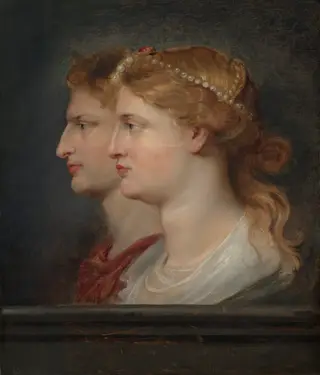
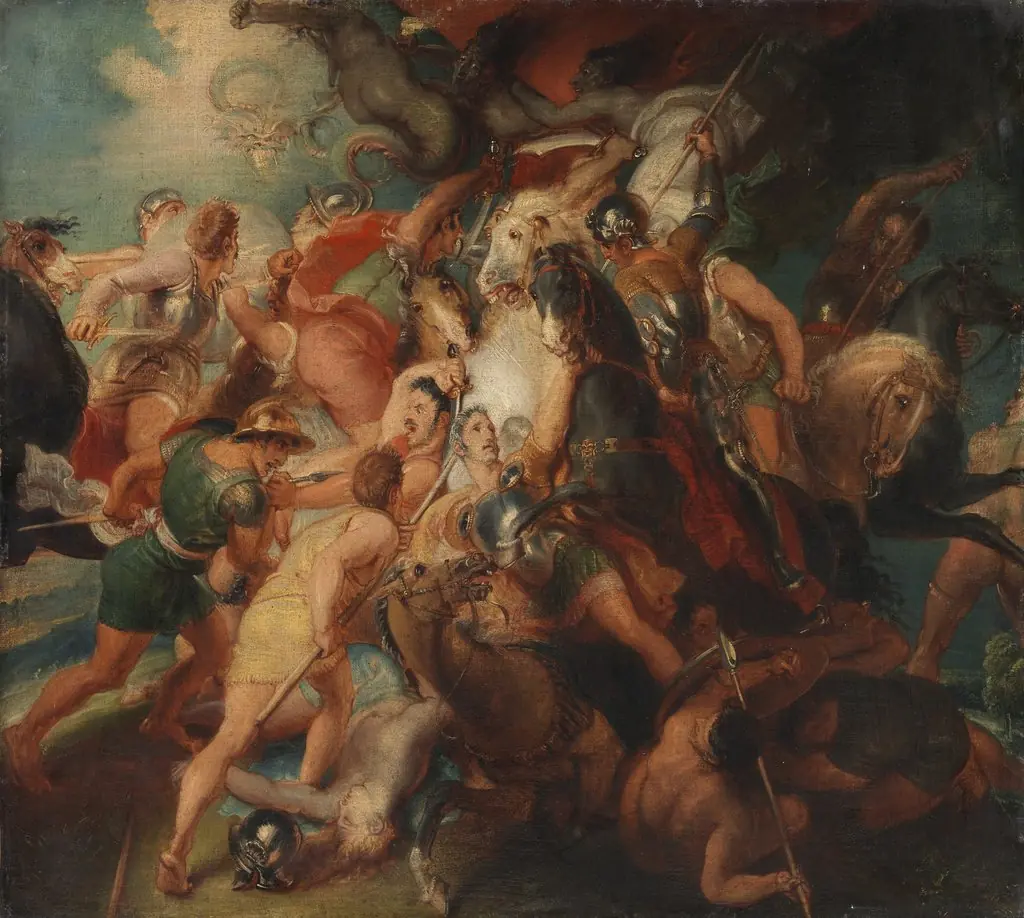 The Horrors of War, Sketch for Burghley House Mural
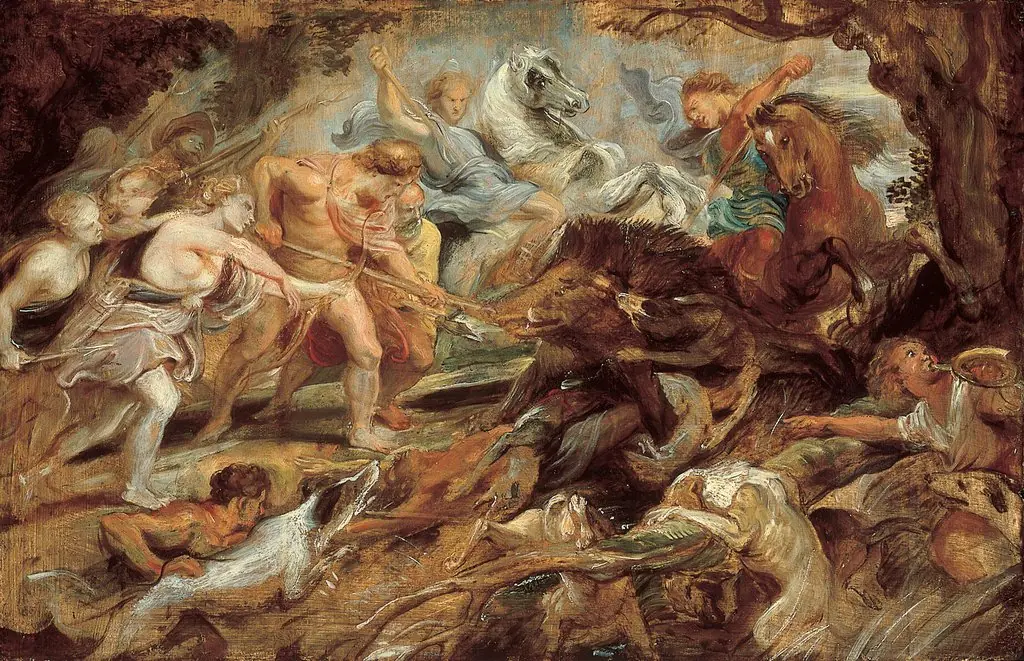 Meleager and Atalanta and the Hunt of the Calydonian Boar
 The Fall of Phaeton
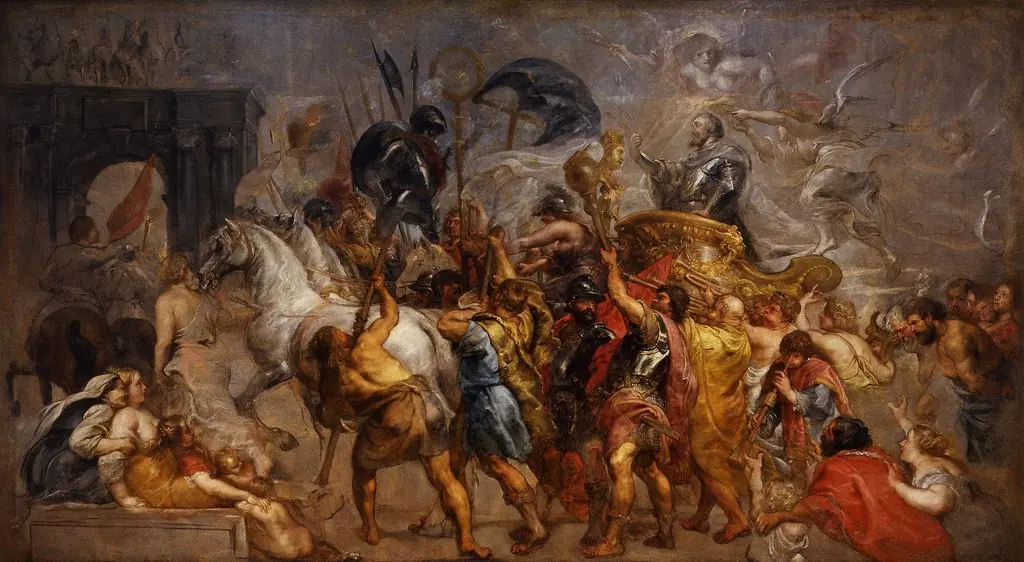 The Triumphal Entry of Henry IV into Paris
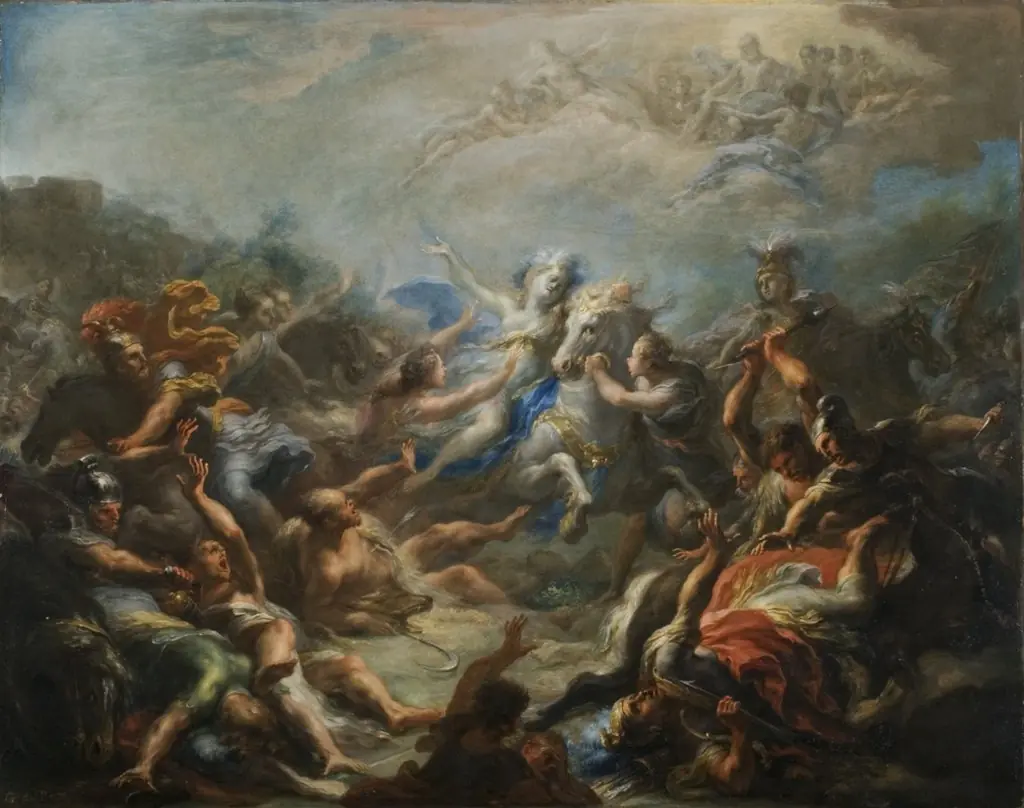 Camillia at War from Virgil's Aeneid
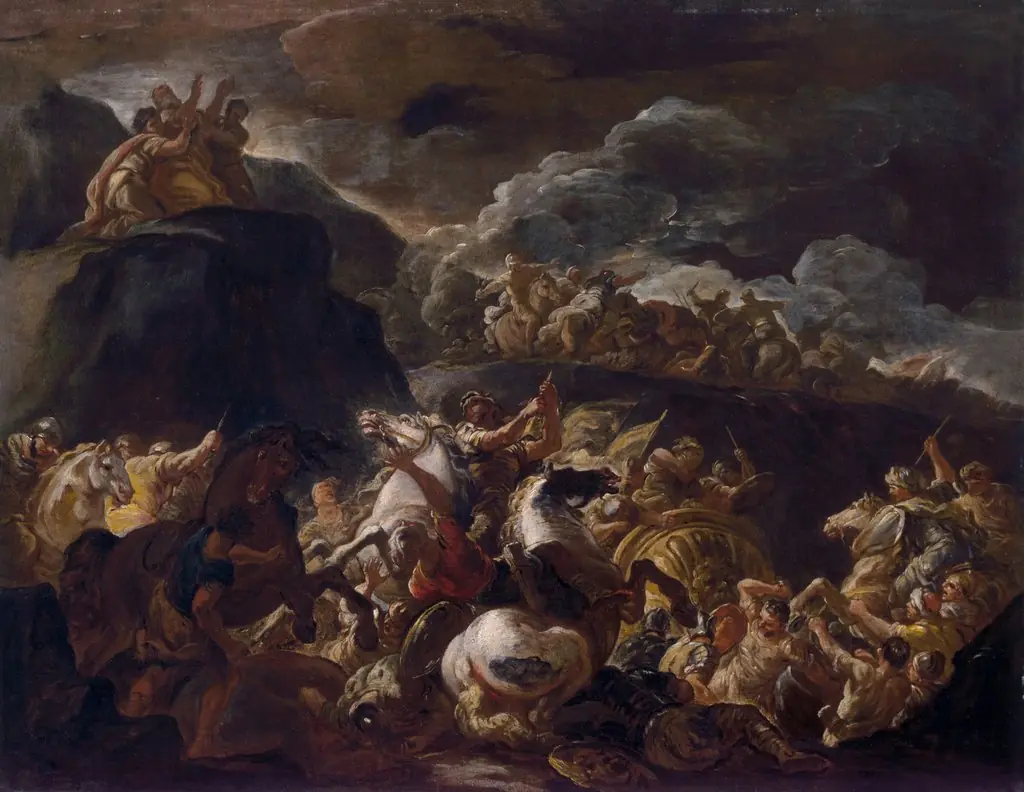 The Battle of Israel and Amalek
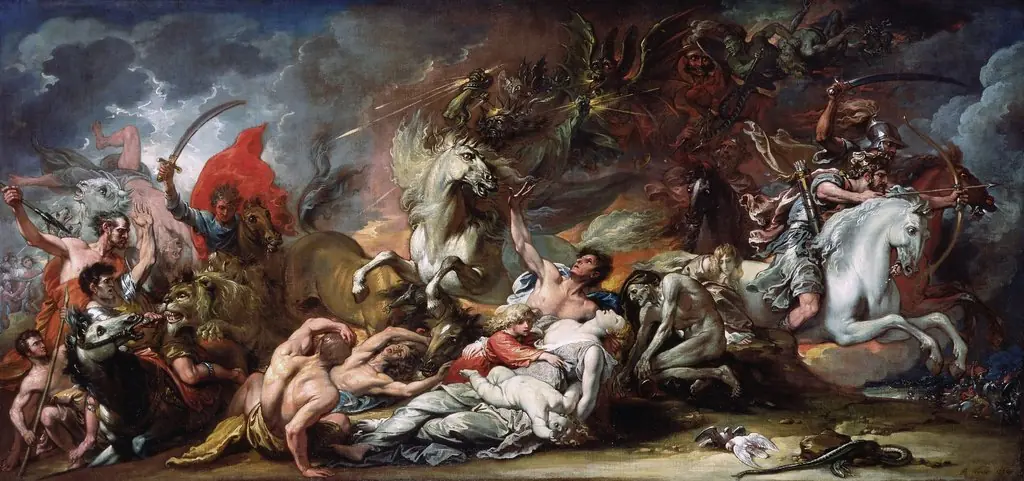 Death on the Pale Horse
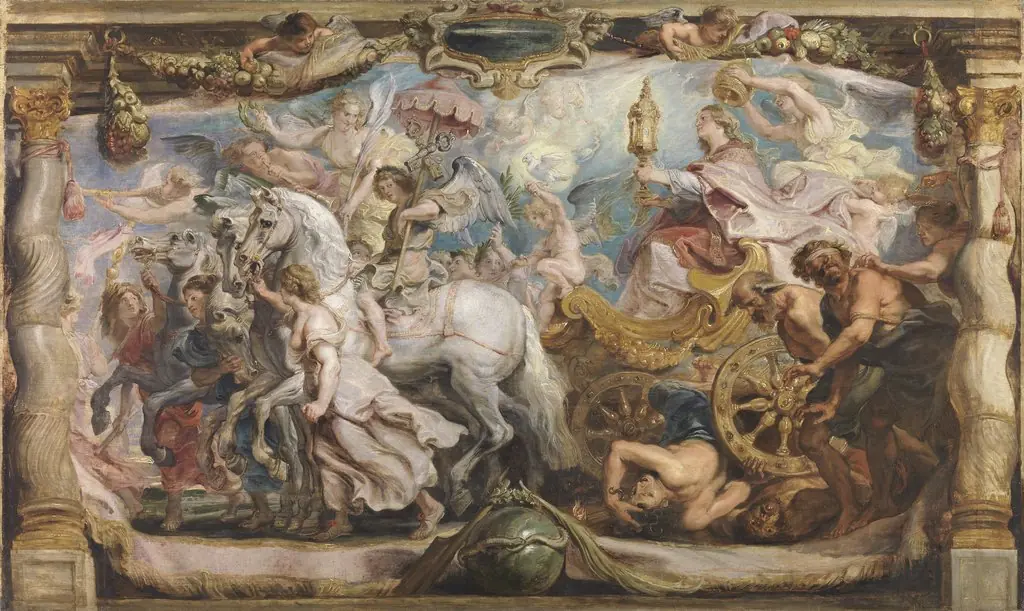 The Triumph of the Church
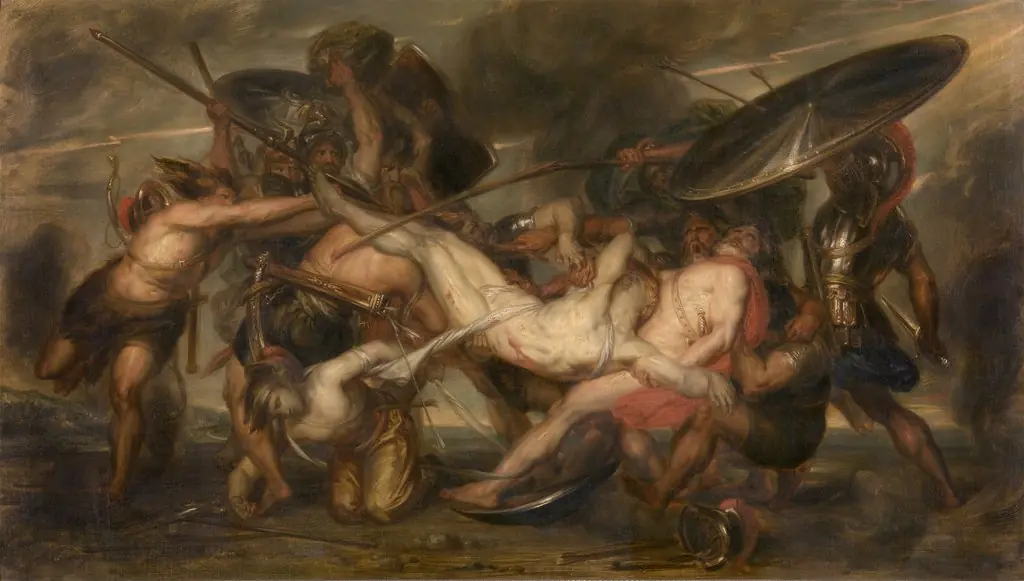 The Greeks and the Trojans Fighting over the Body of Patroclus
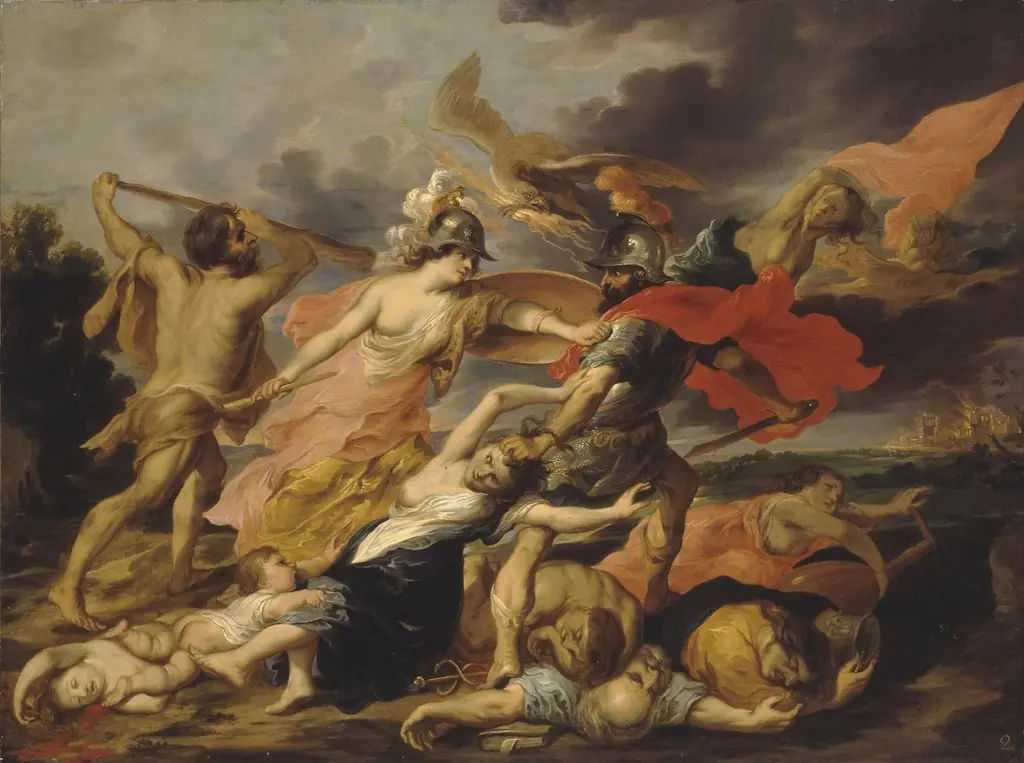 Hercules and Minerva Expelling Mars
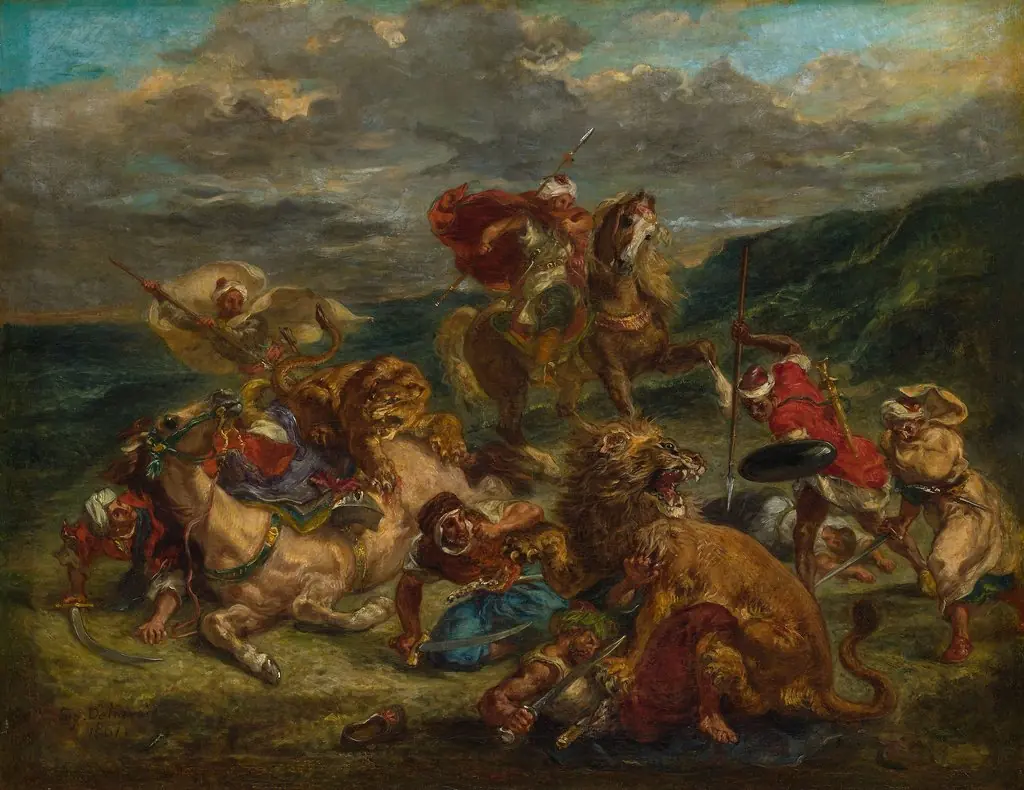 La Chasse aux lions au Maroc
- Death of Decius Mus