Artwork
The Martyrdom of St Livinus
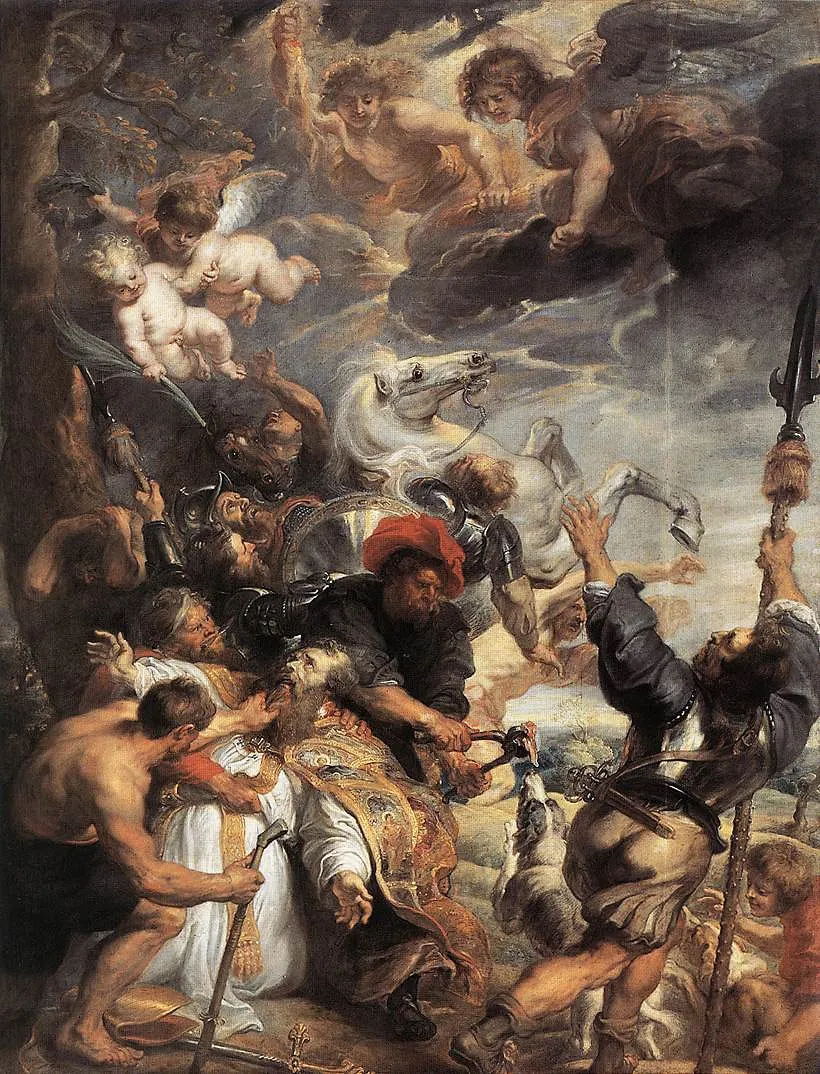
The Martyrdom of St Livinus is an oil painting by the Flemish Baroque painting artist Peter Paul Rubens. It dates from 1633 and is held in the collection of the Royal Museums of Fine Arts of Belgium.
About this work
Overview
The Martyrdom of St Livinus is a 1633 oil painting by Peter Paul Rubens, a prominent Flemish artist. It is a representative work of the Flemish Baroque style, known for its dramatic and emotionally charged compositions.
Subject & Meaning
The painting depicts the violent martyrdom of St Livinus, a Christian saint. The scene shows the saint being attacked by a group of armed figures, while angels observe from the background, underscoring the saint's divine significance.
Technique & Style
The work showcases Rubens' mastery of chiaroscuro, with stark contrasts between light and dark areas creating a sense of tension. The muted color palette, dominated by browns and grays, adds to the dramatic effect, while bold brushstrokes convey the energy and turmoil of the scene.
History & Provenance
The Martyrdom of St Livinus is now part of the collection at the Royal Museums of Fine Arts of Belgium, a testament to its enduring significance in the art historical canon.
Artist & collection
Artist
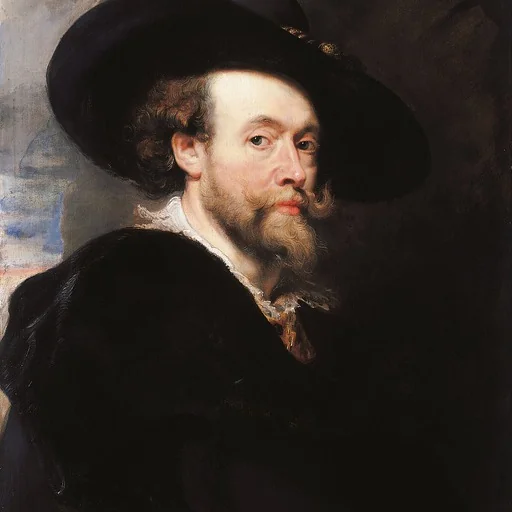
Sir Peter Paul Rubens ( ROO-bənz; Dutch:; 28 June 1577 – 30 May 1640) was a Flemish artist and diplomat.

Museum
Royal Museums of Fine Arts of Belgium
Continue through works from the same source collection.
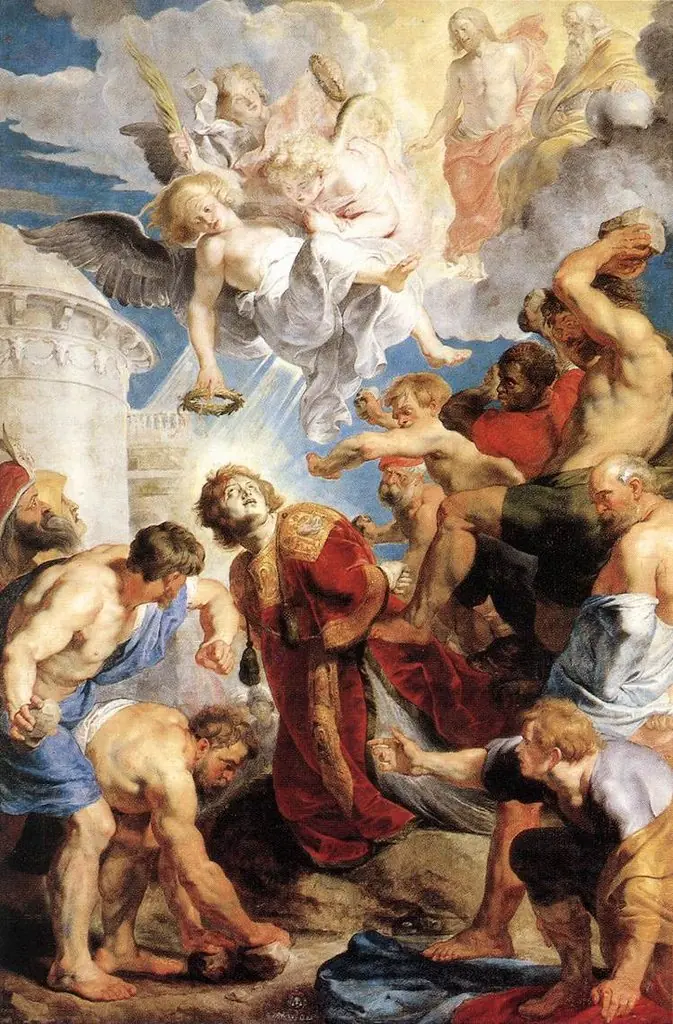
- Martyrdom of Saint Stephen (central panel)
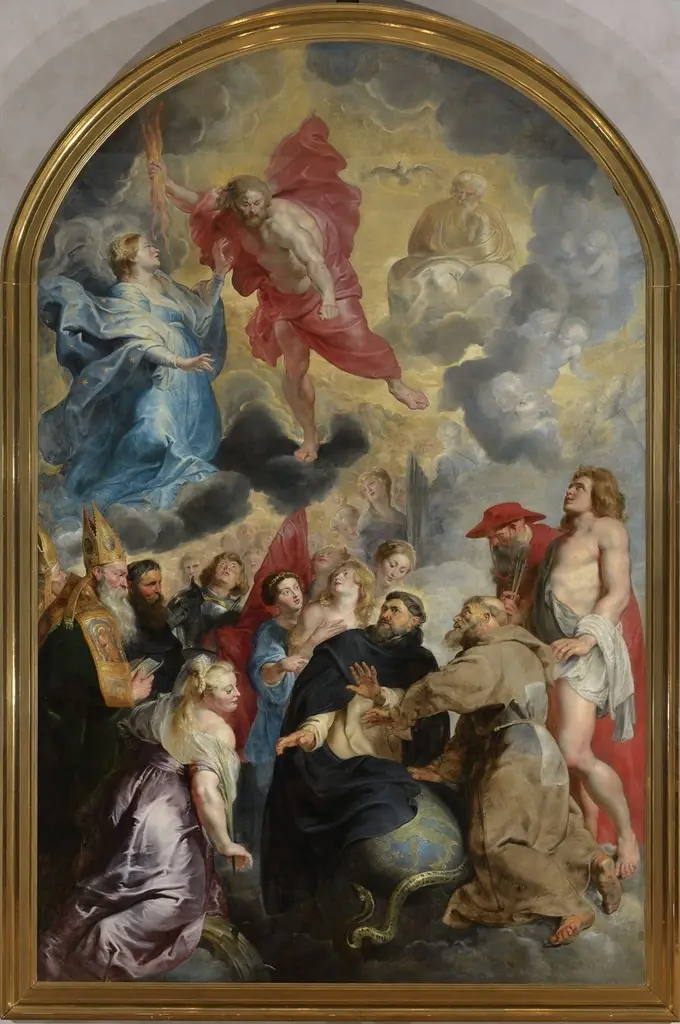 Saint Dominic and Saint Francis Protecting the World from the Wrath of Christ
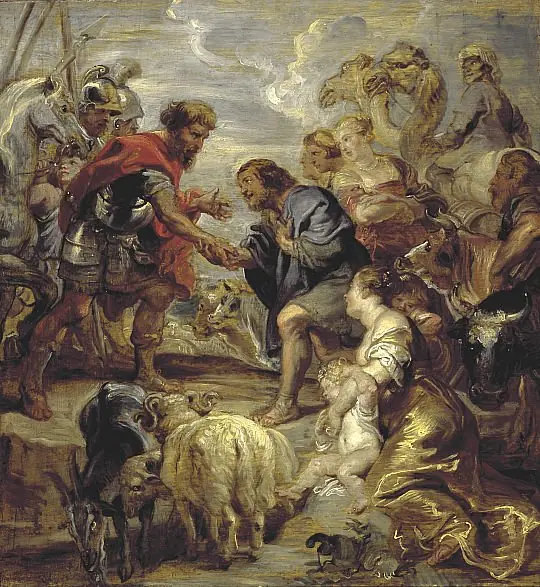 The Reconciliation of Jacob and Esau
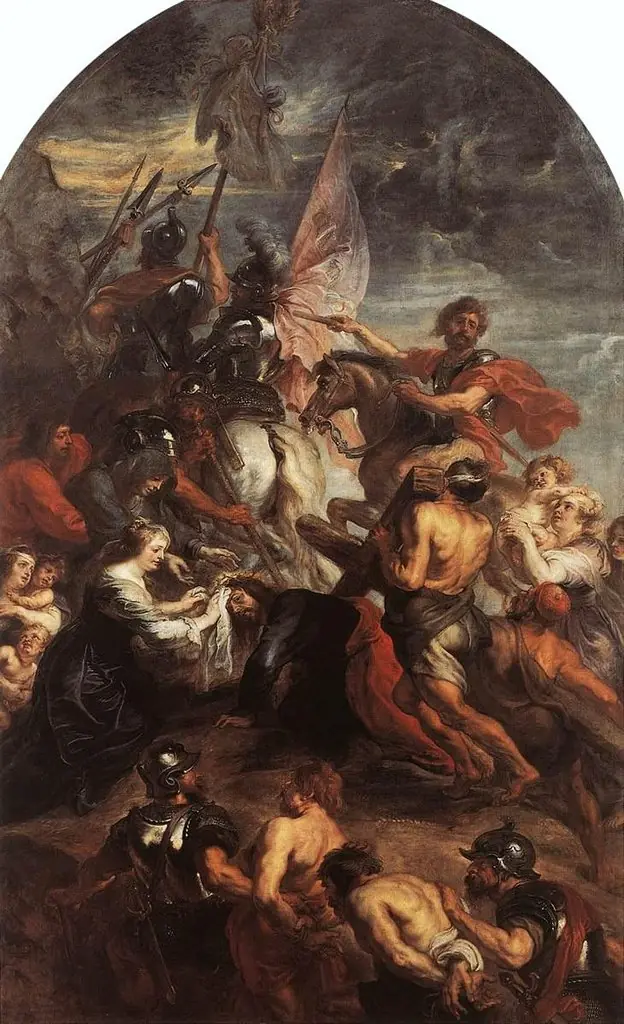 The Road to Calvary
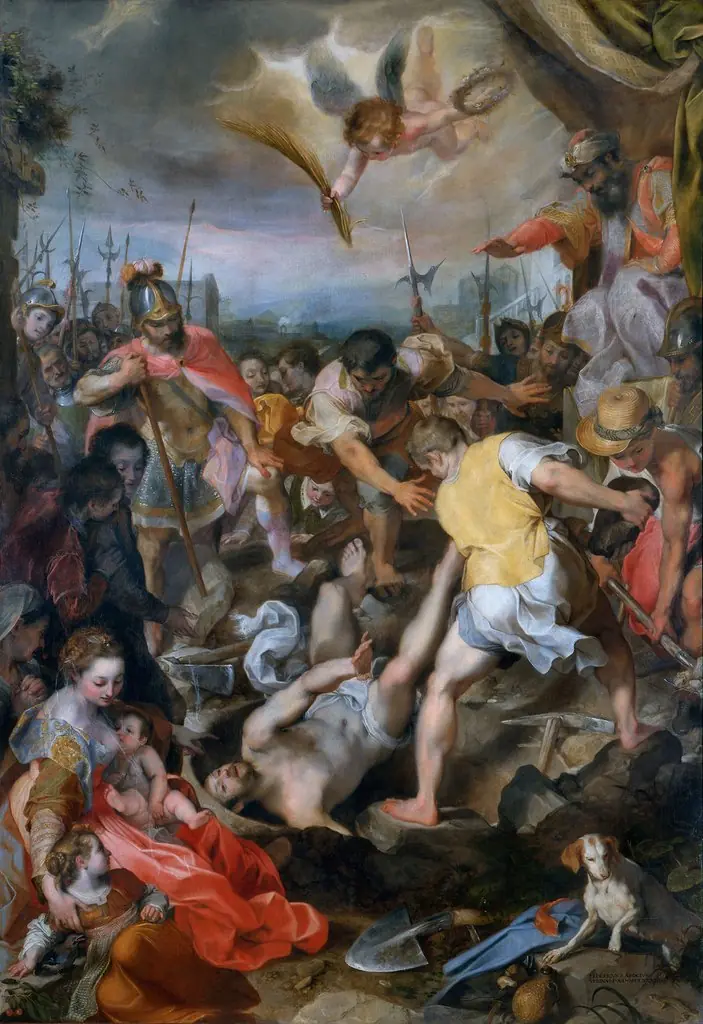 Martirio di san Vitale
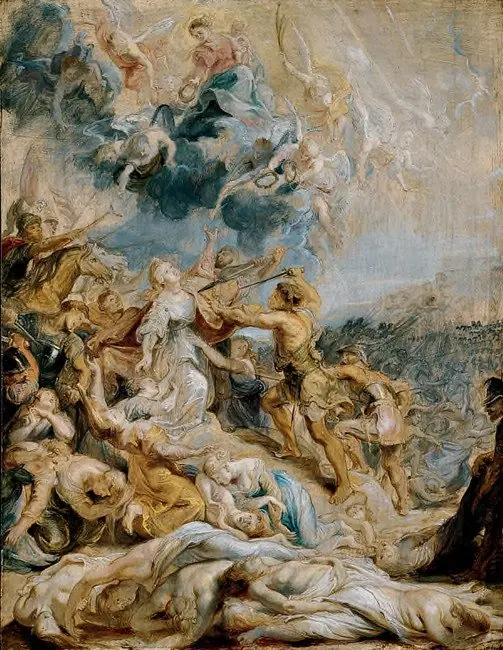 Martyrdom of St. Ursula
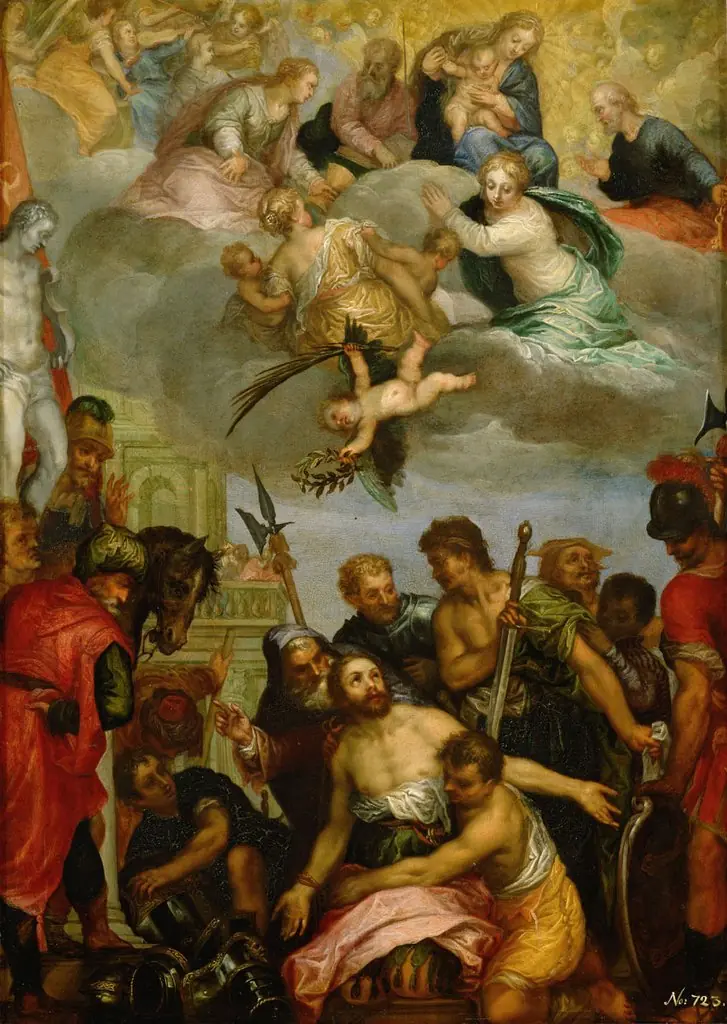 Martyrium des Hl. Georg
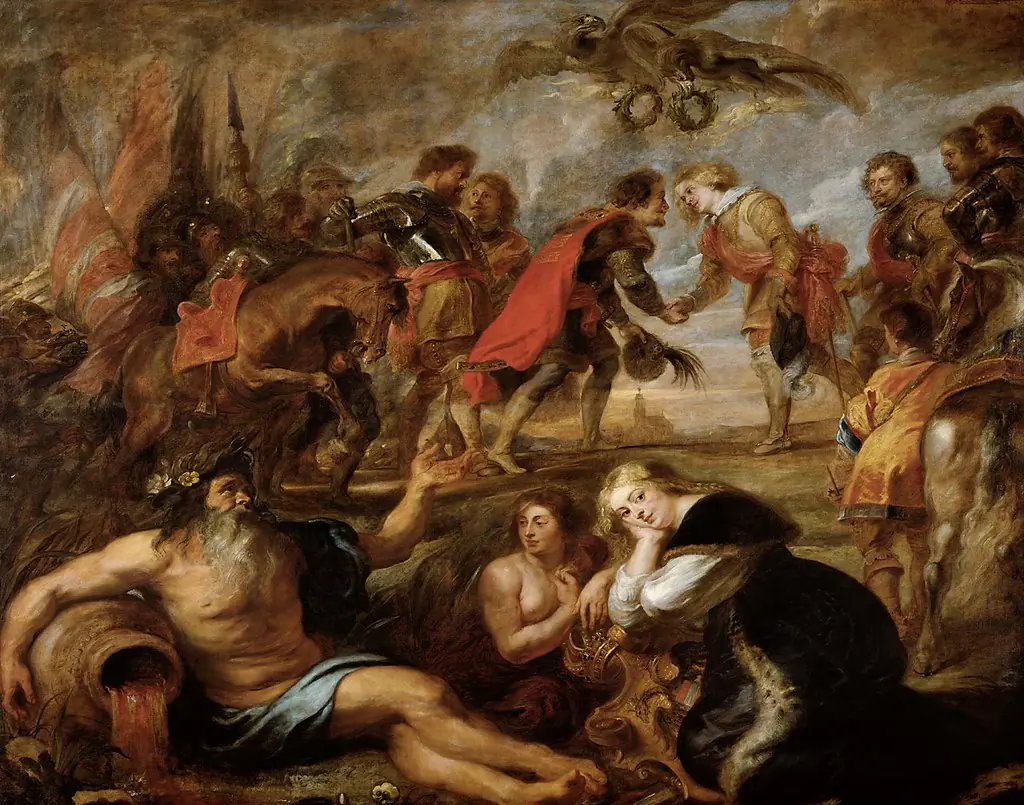 Meeting of King Ferdinand and Cardinal-infante Ferdinand at Nördlingen
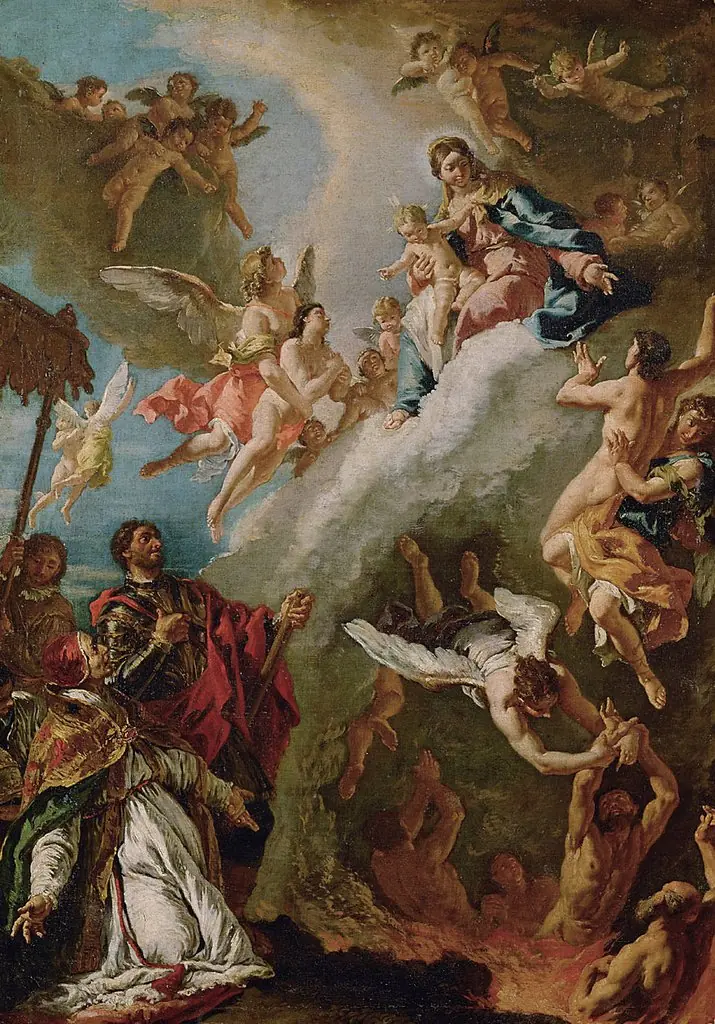 Papst Gregor I. und der Hl. Vitalis bitten die Madonna für die Seelen im Fegefeuer
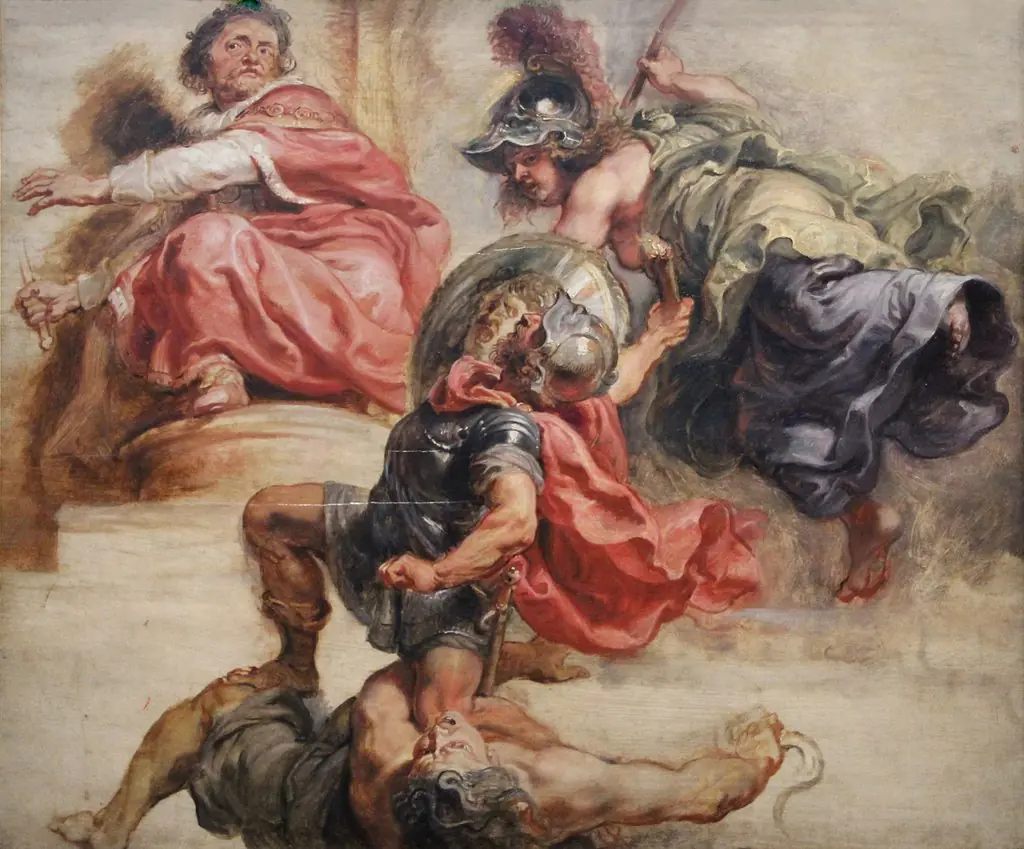 Wisdom triumphant over war and discord under the government of James I of England
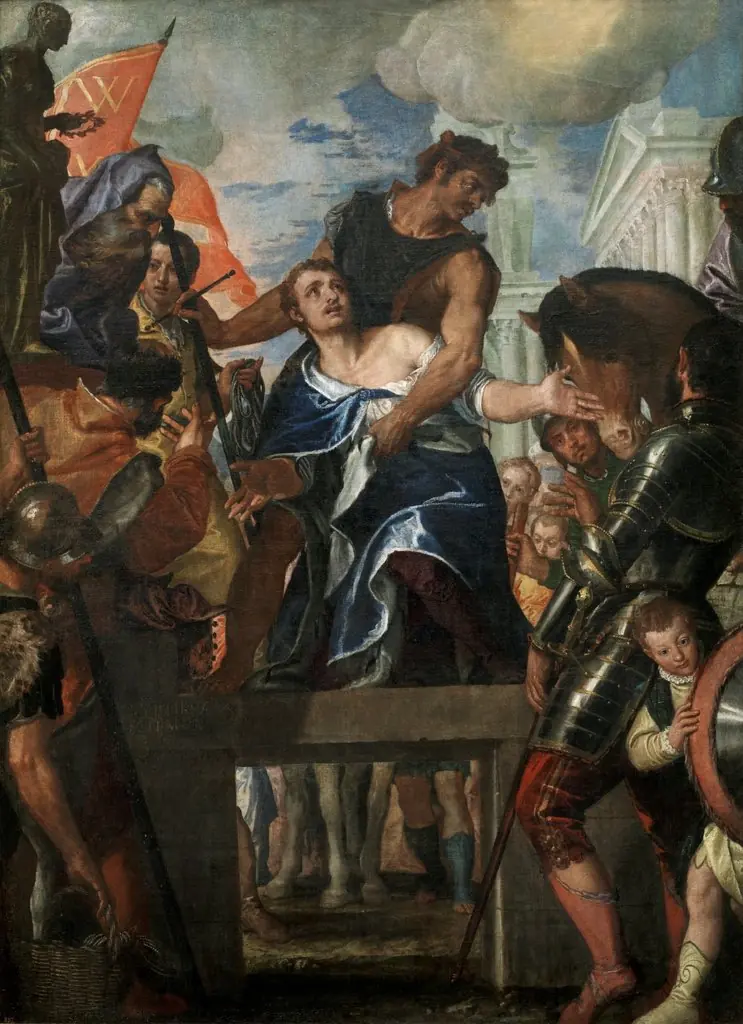 The Martyrdom of Saint Mennas
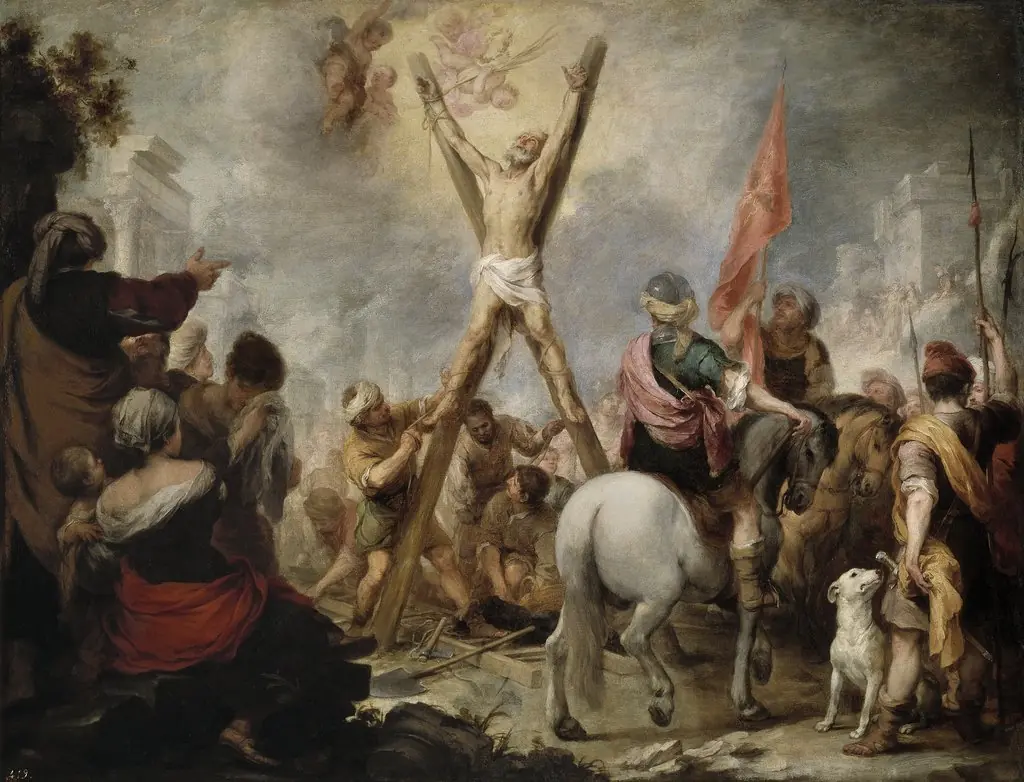 The Martyrdom of St. Andrew