Artwork
The Wedding of Peleus and Thetis
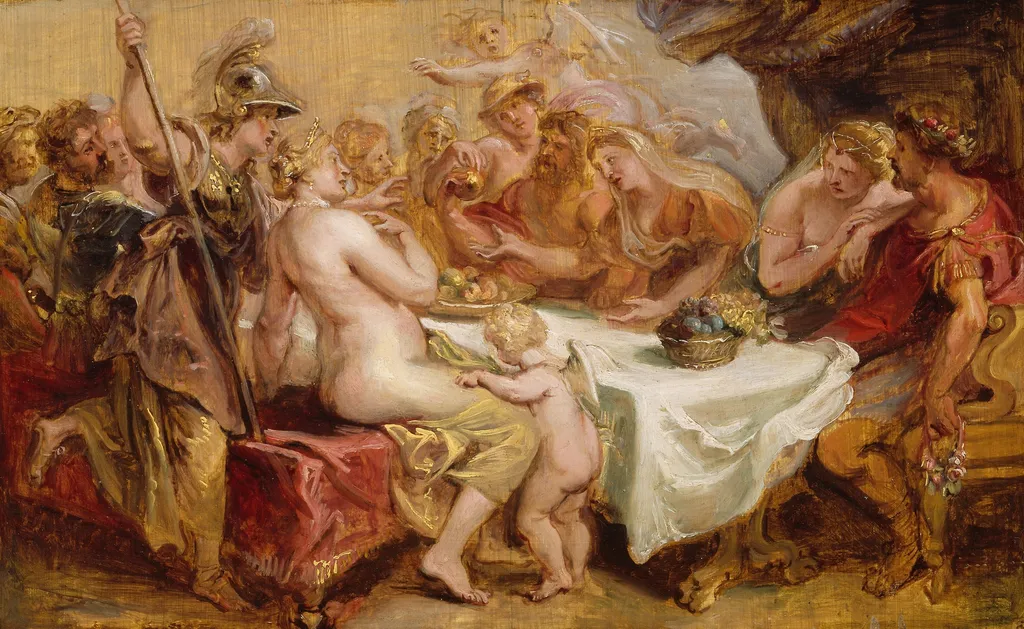
The Wedding of Peleus and Thetis is an oil painting by the Flemish Baroque painting artist Peter Paul Rubens. It dates from 1636 and is held in the collection of the Art Institute of Chicago.
About this work
Technique & Style
The composition depicts the principal figures of the myth, including Athena, Thetis, Peleus, and other Olympian deities.
The Wedding of Peleus and Thetis is an oil painting on a wooden panel created in 1636. The work measures roughly 27 × 42.6 cm and belongs to the mythological genre. Its material consists of oil paint applied to a panel support.
The composition depicts the principal figures of the myth, including Athena, Thetis, Peleus, and other Olympian deities. No specific information regarding its current condition or handling history is recorded in the sources.
History & Provenance
Painted in 1636 and attributed to Peter Paul Rubens, The Wedding of Peleus and Thetis is an oil on panel measuring about 27 × 42.6 cm, executed late in the artist's career. It depicts the mythological marriage of the mortal Peleus and the sea nymph Thetis, attended by Olympian deities. The available sources do not reliably document the work's early provenance or the chain of ownership leading to its present location.
Overview
Peter Paul Rubens, a leading figure in the Flemish Baroque tradition, completed The Wedding of Peleus and Thetis in 1636. This oil painting captures a vibrant mythological narrative, characteristic of his work. The artwork, which exemplifies Rubens's influential style, is currently part of the collection at the Art Institute of Chicago.
Subject & Meaning
The painting illustrates a pivotal moment from Greek mythology: the feast celebrating the marriage of Peleus and Thetis. Key figures such as Aphrodite, Athena, and Eros are depicted, alongside the fateful Apple of Discord. This golden apple, inscribed "To the Fairest," was thrown into the gathering, ultimately sparking the divine dispute that led to the Trojan War.
Context
As a key figure in the Flemish Baroque, Rubens's artistic output often reflected the period's religious and political currents. His work, including this mythological scene, resonated with the Counter-Reformation's call for art that could directly stir emotion and convey powerful narratives. This approach made complex stories accessible and visually compelling to a wide audience, reinforcing cultural values.
Own this work as a print
Artist & collection
Artist
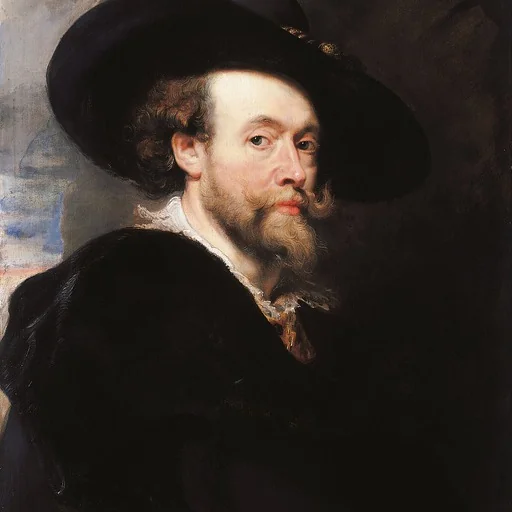
Sir Peter Paul Rubens ( ROO-bənz; Dutch:; 28 June 1577 – 30 May 1640) was a Flemish artist and diplomat.

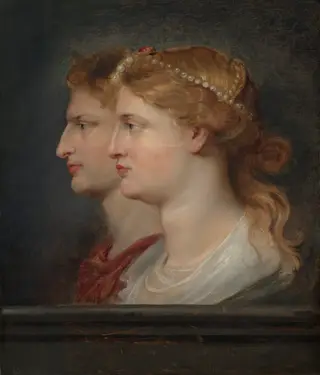
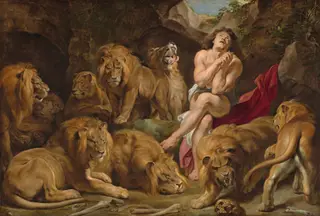
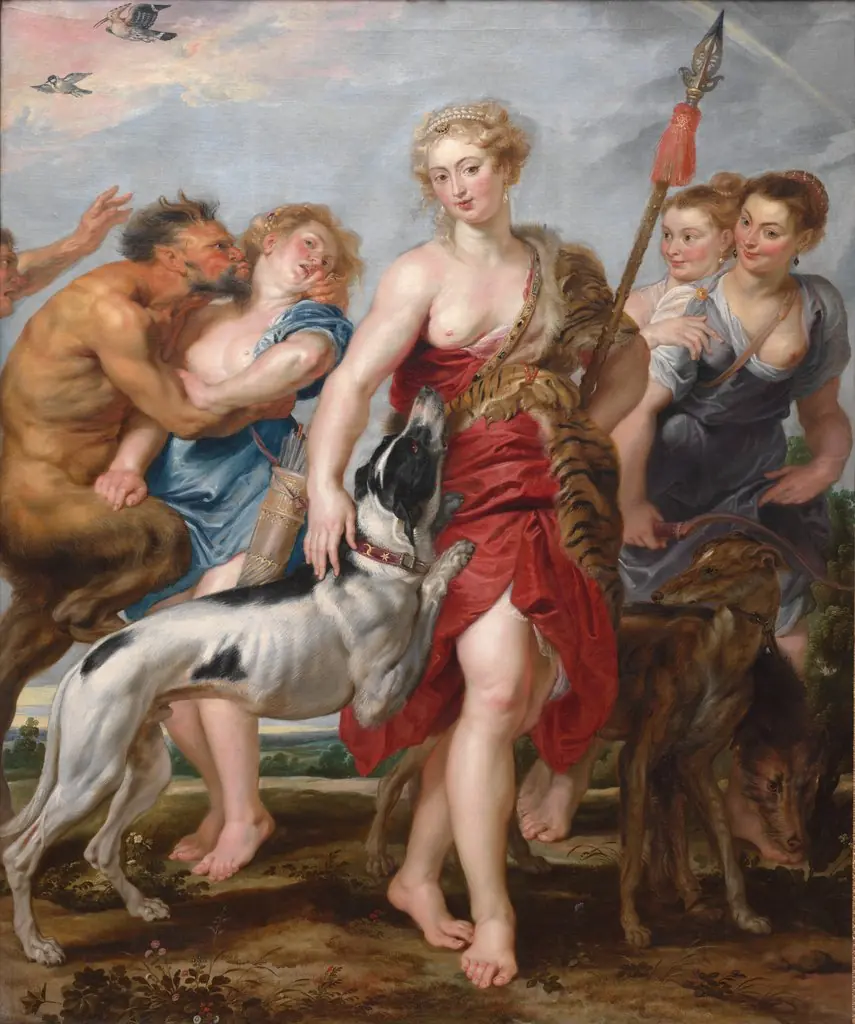
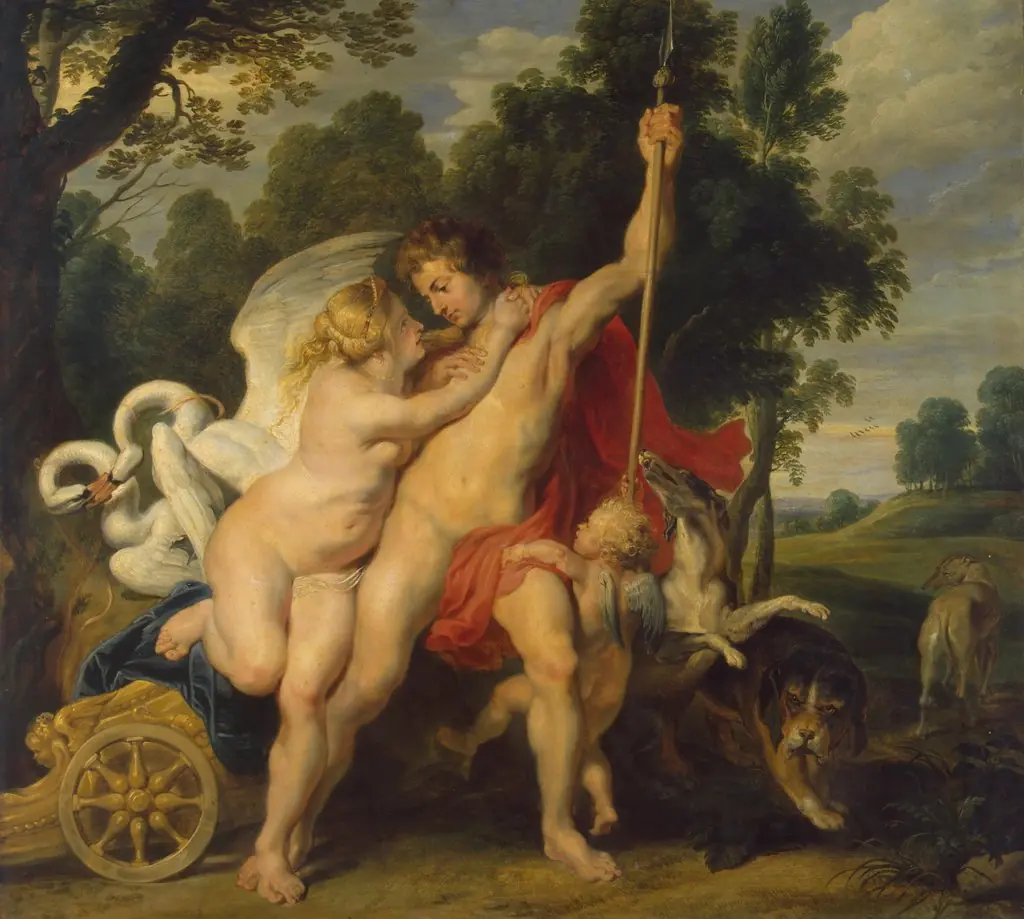
- The wedding of Thetis and Peleus
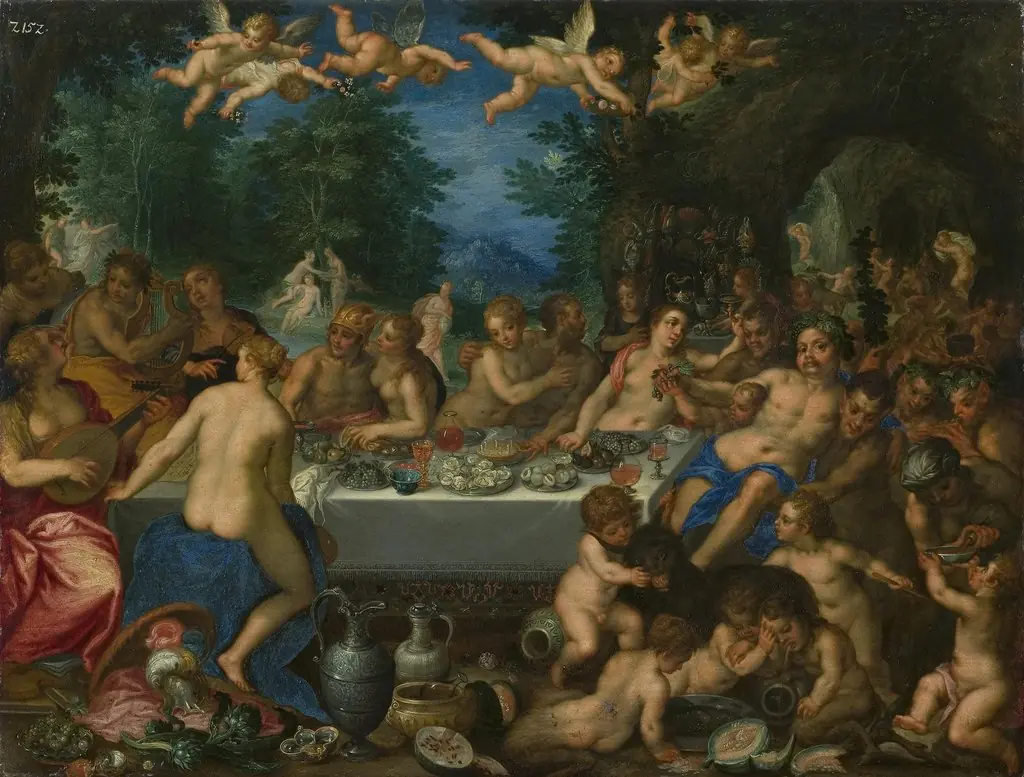 Feast of the Gods - The Marriage of Peleus and Thetis
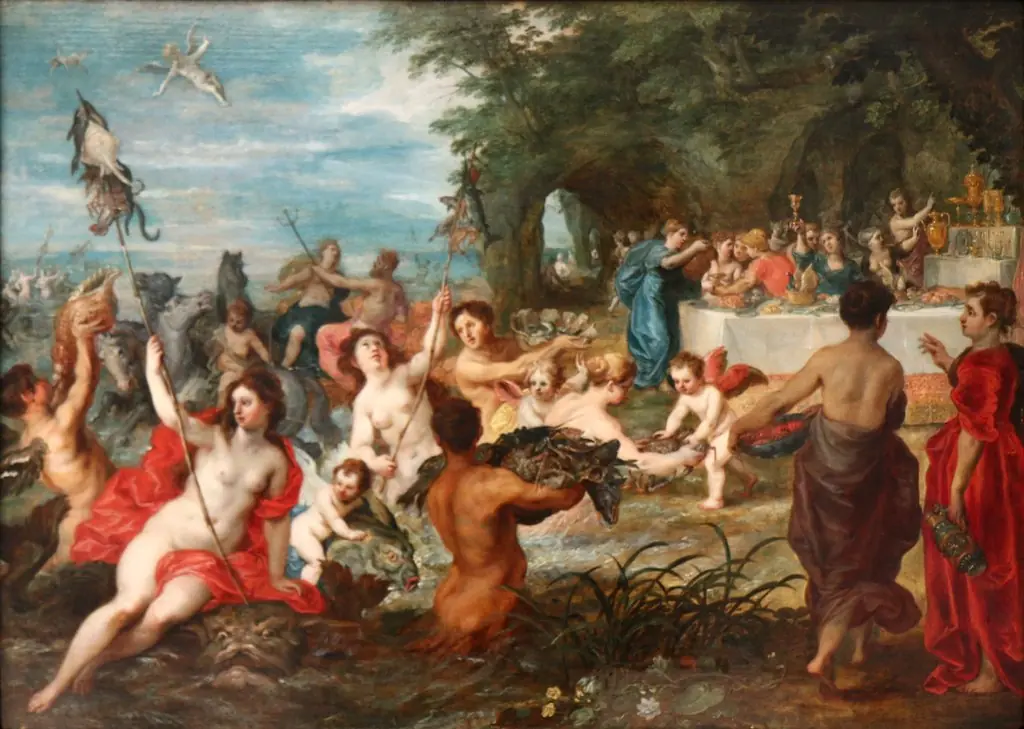 The wedding of Thetis and Peleus
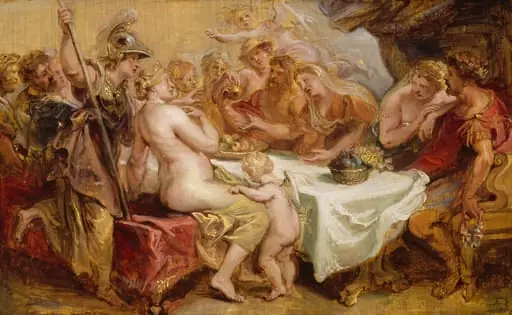 The Wedding of Peleus and Thetis
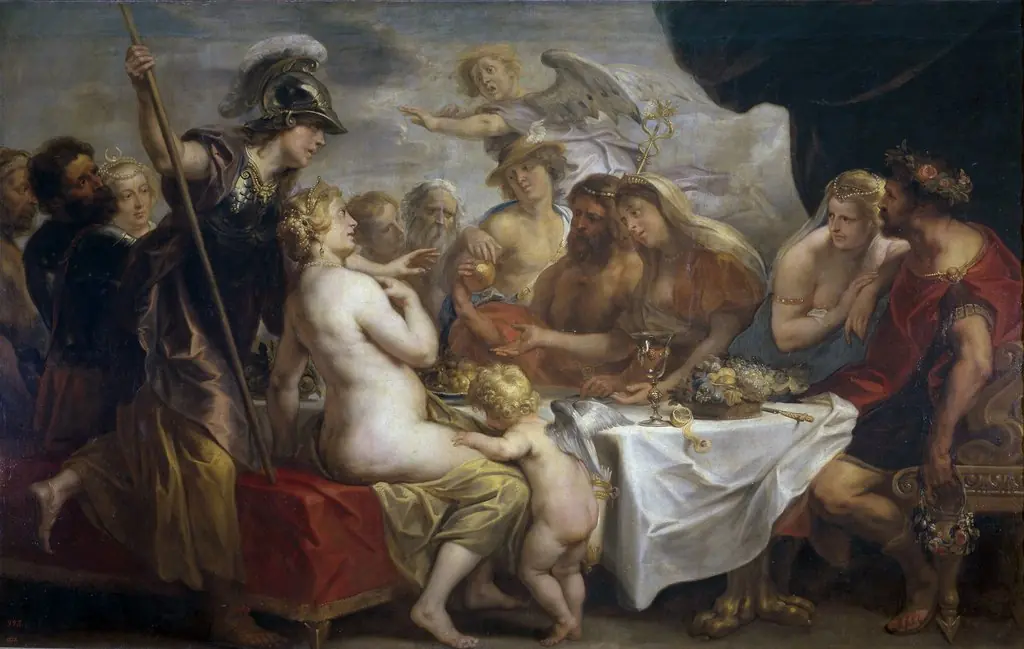
 The Feast of the Gods. The Wedding of Peleus and Thetis
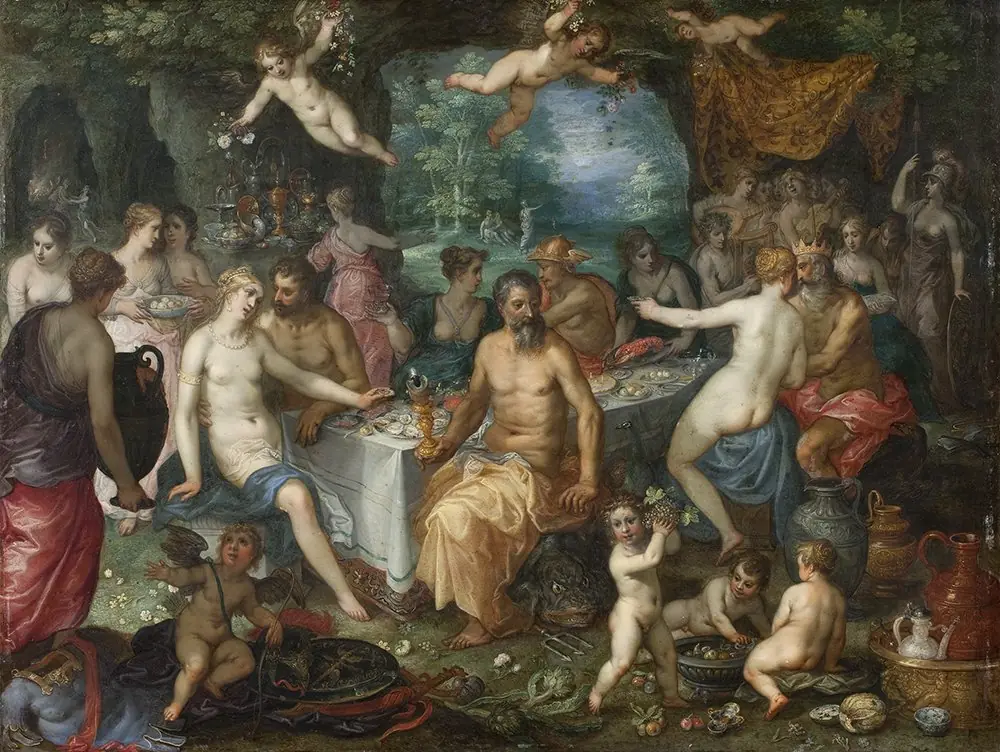 The Feast of the Gods. The Wedding of Peleus and Thetis
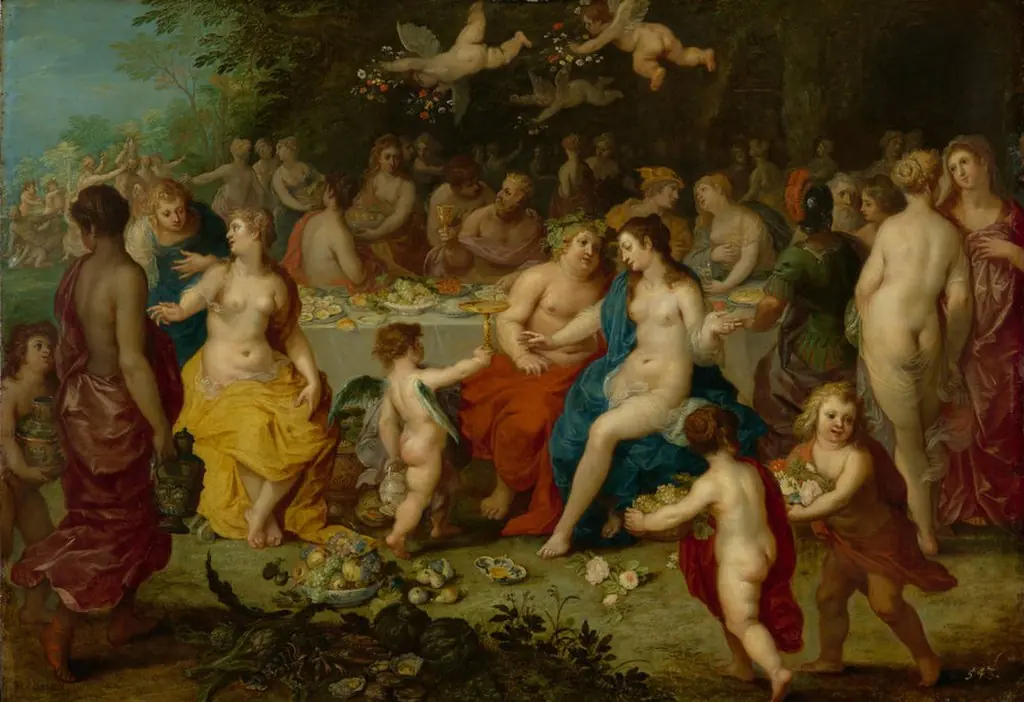 The wedding banquet of Bacchus and Ariadne
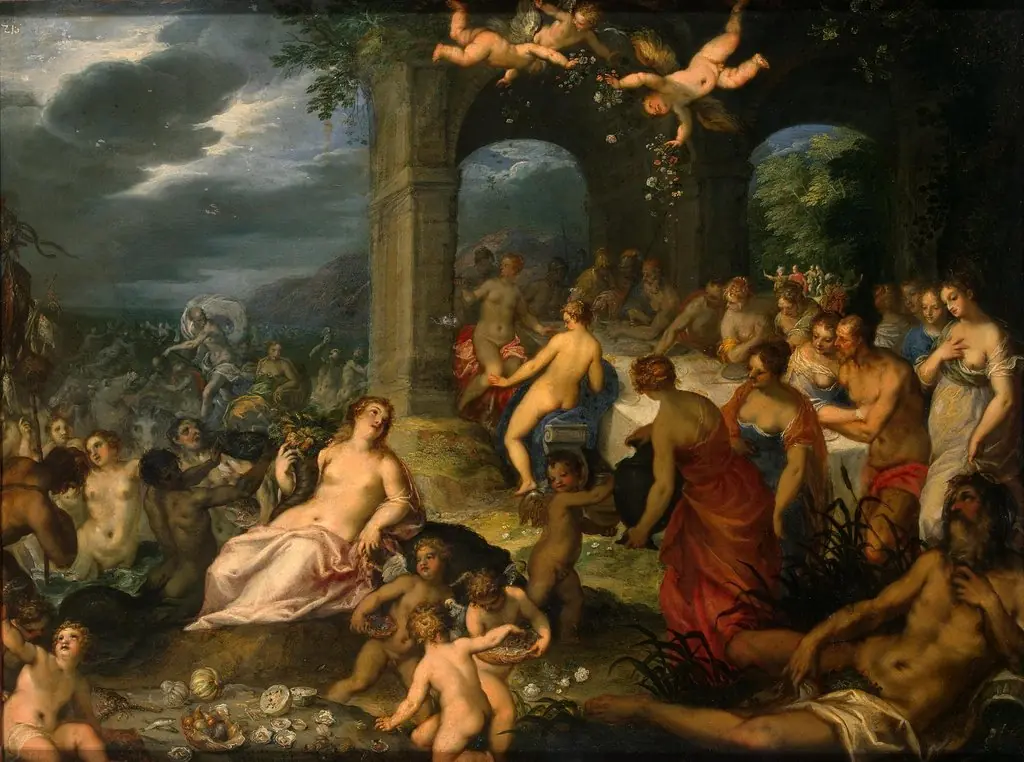 Feast of the Gods (The Marriage of Peleus and Thetis)
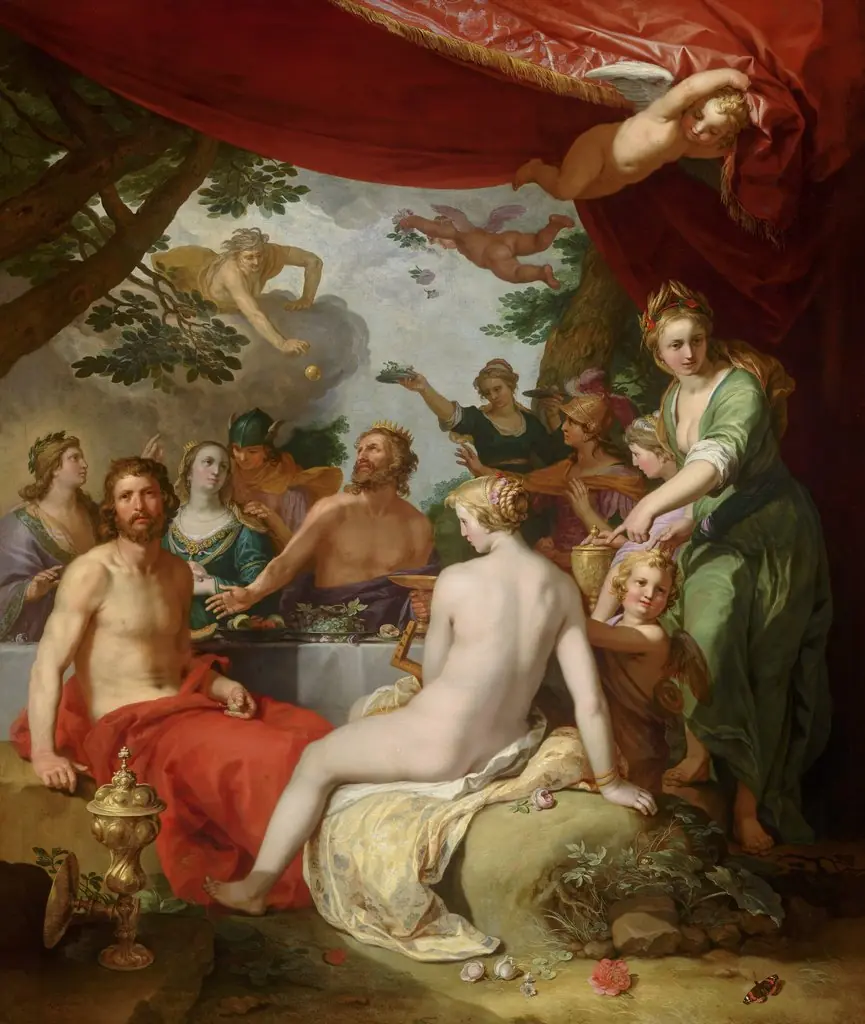 The feast of the gods at the wedding of Peleus and Thetis