Artwork
Virgin and child
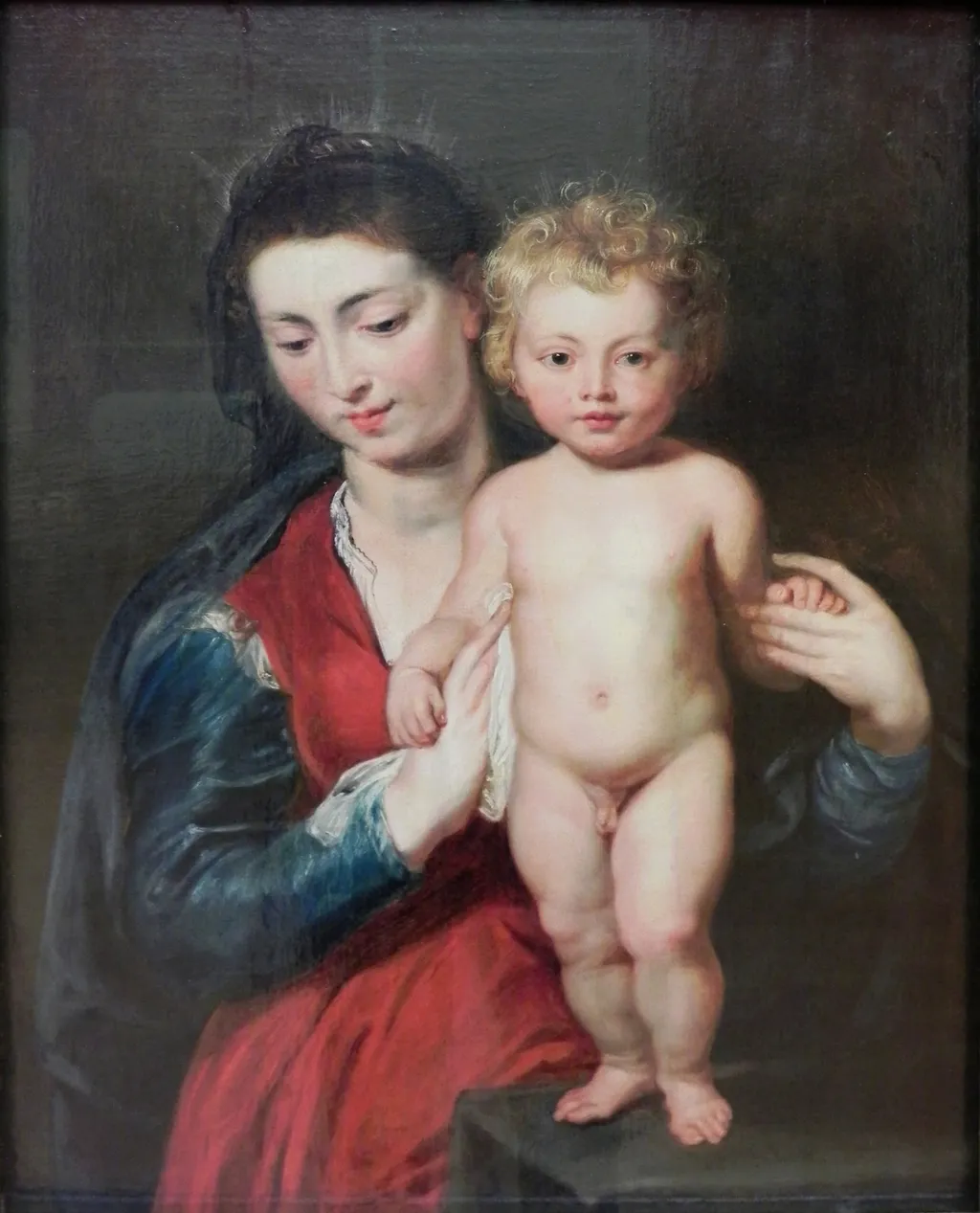
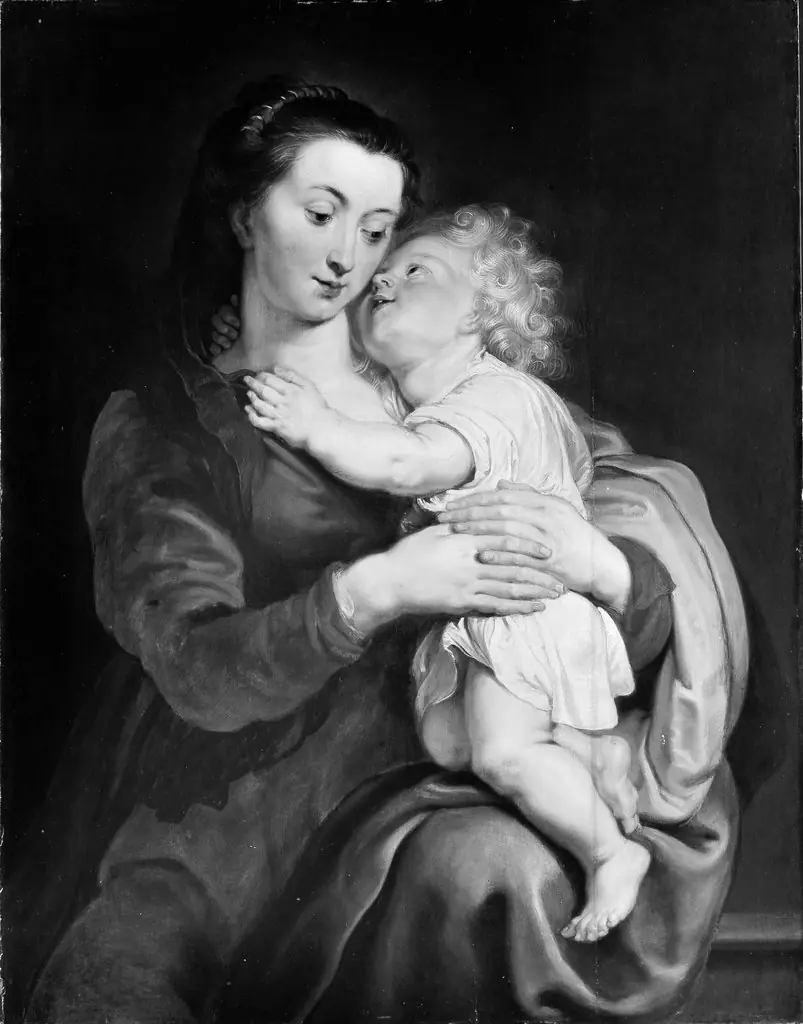
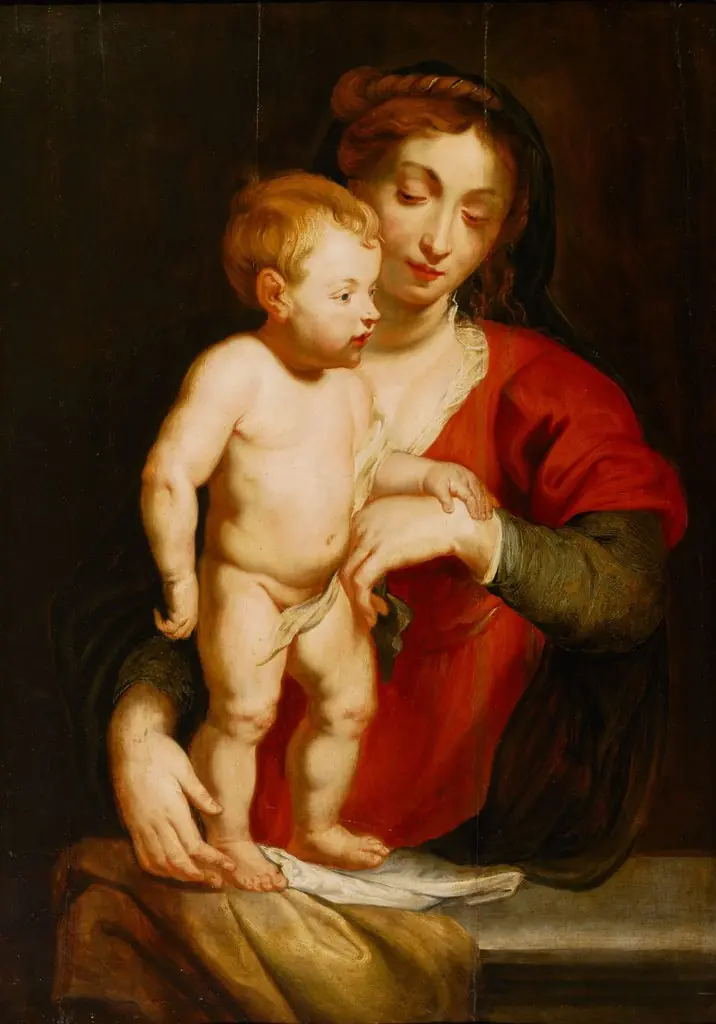
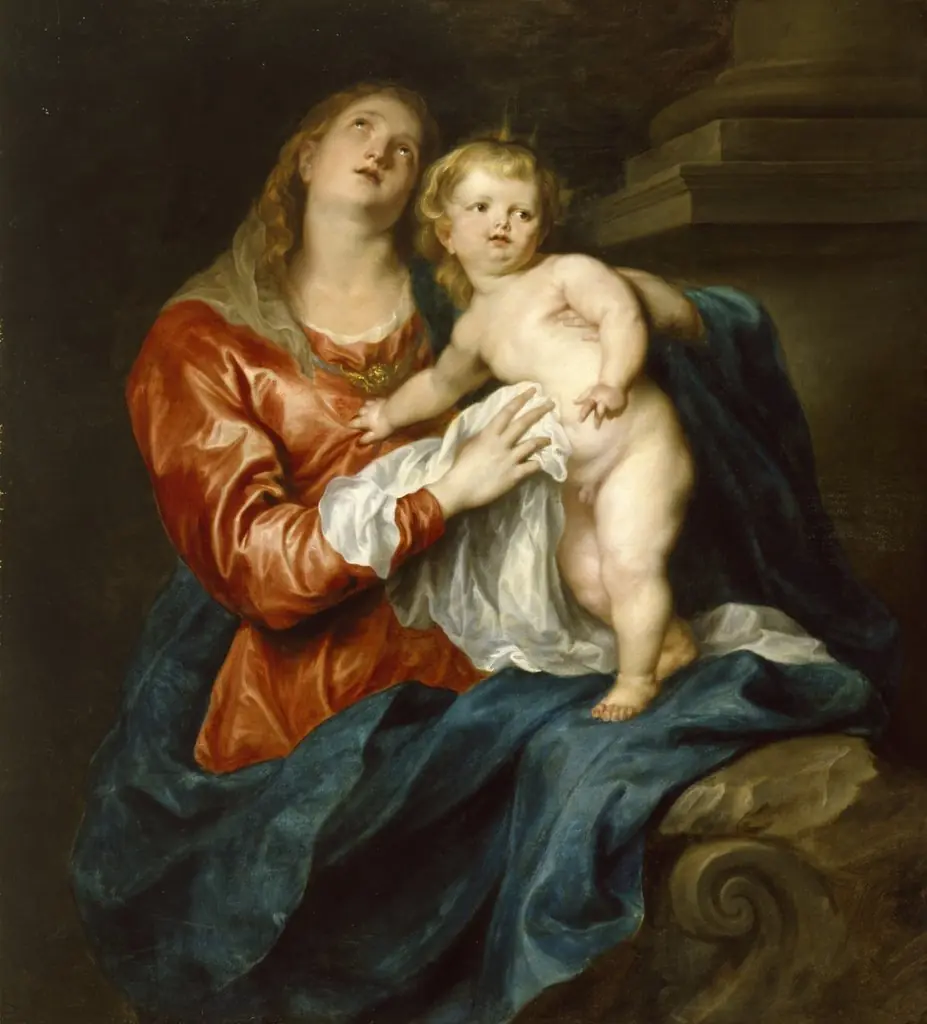
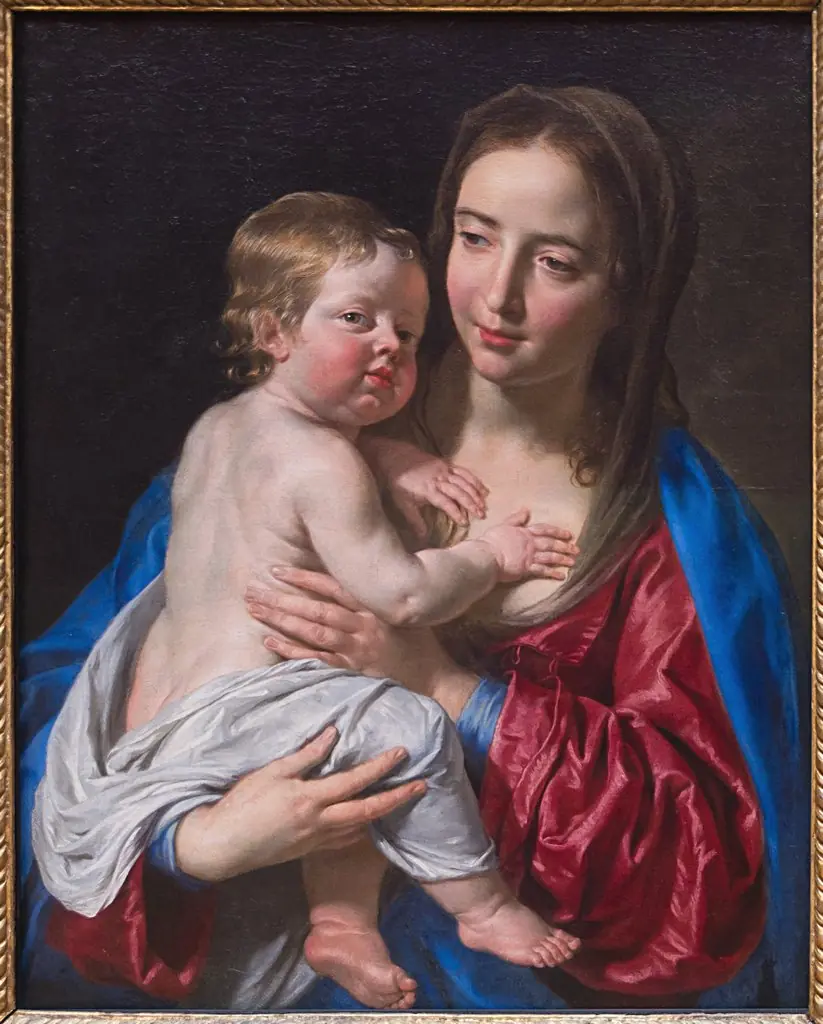
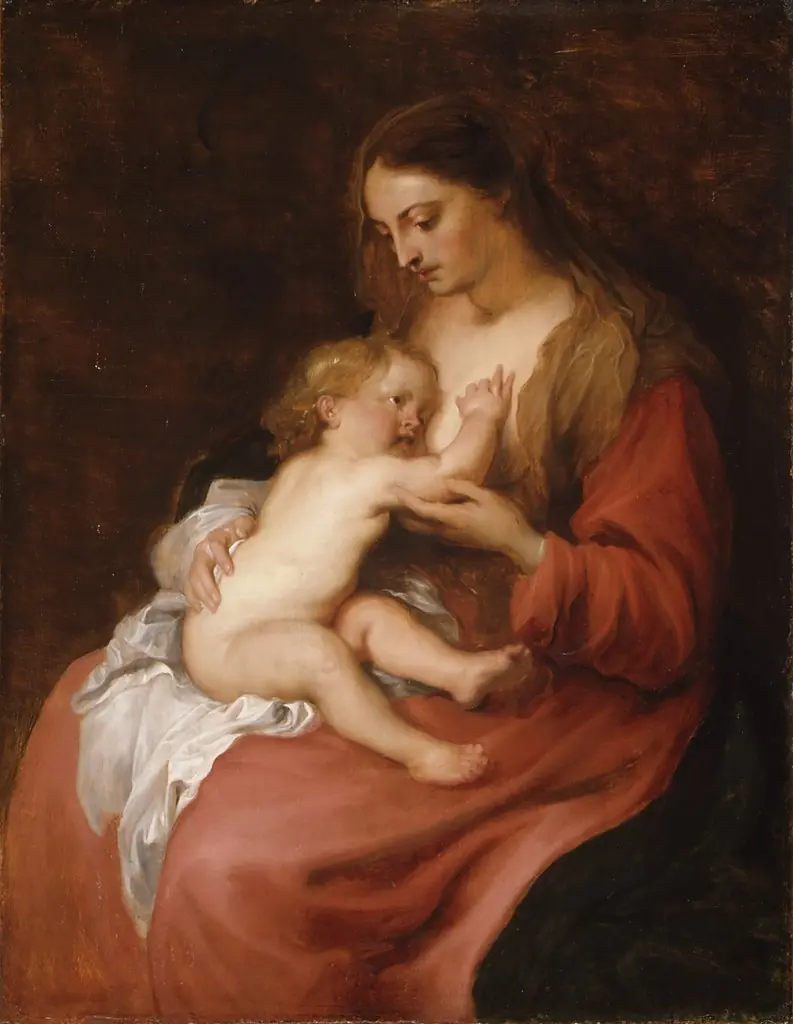
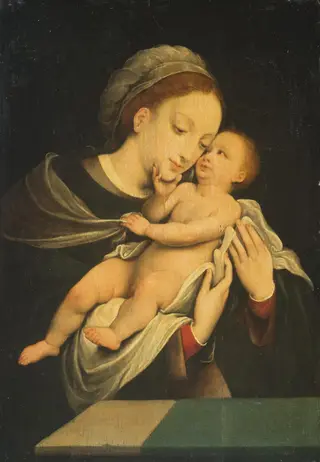
Virgin and child is an oil painting by the Flemish Baroque painting artist Peter Paul Rubens. It dates from 1630 and is held in the collection of the Hermitage Museum.
About this work
Subject & Meaning
5 cm by 49 cm and resides in the Landesmuseum Hannover, reflecting its religious significance and devotional purpose in early‑17th‑century European art.
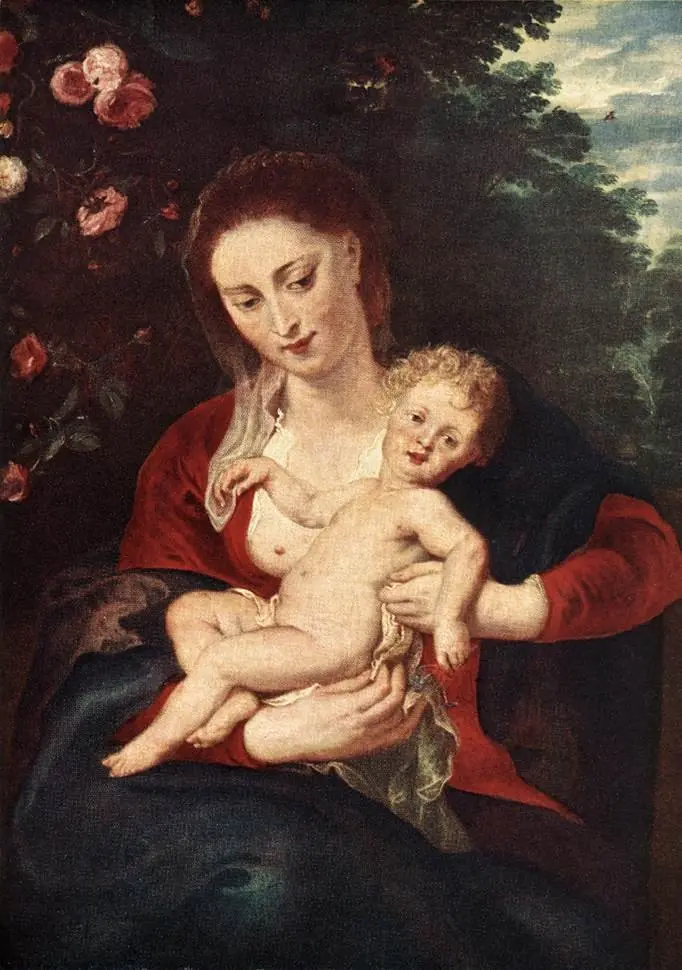
The subject depicts the Virgin Mary holding the infant Christ, embodying maternal tenderness and divine protection within a sacred narrative. The composition draws on traditional iconography of the Madonna in a floral wreath, symbolizing purity and the theological concept of the Incarnation. Rendered in oil on panel, the work measures 62.5 cm by 49 cm and resides in the Landesmuseum Hannover, reflecting its religious significance and devotional purpose in early‑17th‑century European art.
Technique & Style
The painting is executed in oil on a poplar panel, a support commonly used by Rubens in the 1620s–1630s for devotional works of this scale. Handling is characteristic of his mature Antwerp period, with fluid, layered brushwork that builds luminous flesh tones and delicate drapery through translucent glazes over a warm imprimatura. The composition centers on a softly modeled Virgin cradling the Christ Child, whose rounded, fleshy forms and tender interaction align with Rubens’s late devotional style. Subtle pentimenti around the Child’s head suggest minor adjustments during execution rather than later alterations.
History & Provenance
The painting titled Virgin and Child, attributed to Peter Paul Rubens, dates to 1630. Executed in oil paint on panel, the work measures 62.5 cm in height and 49 cm in width. It is a religious composition depicting the Madonna and Child, specifically based on Rubens's Madonna in floral wreath.
The piece is currently associated with the collections of the Landesmuseum Hannover and the Hermitage Museum, with the latter location noted in some records while the former is identified as the primary current location.
Context
The Virgin and Child painting attributed to Peter Paul Rubens, created in 1630 as an oil on panel work, occupies a significant position within his mature religious output, reflecting his engagement with devotional imagery during the later phase of his career. Its thematic focus on the Madonna and Child aligns with Counter-Reformation sensibilities while demonstrating Rubens' characteristic dynamism and emotional resonance in sacred subjects. The work's classification as religious art and its inclusion in major institutional collections, such as the Landesmuseum Hannover and the Hermitage Museum, underscore its enduring scholarly and curatorial relevance, situating it within broader discussions of 17th-century European painting and the transmission of Rubens' workshop practices.
Overview
Created in 1630 by the Flemish painter and diplomat Peter Paul Rubens, this oil painting presents a seated Virgin with the infant Jesus. The composition is dominated by a deep, almost black background that isolates the figures, allowing their forms and colors to stand out sharply. The work is part of the State Hermitage Museum’s collection in St. Petersburg.
Own this work as a print
Artist & collection
Artist
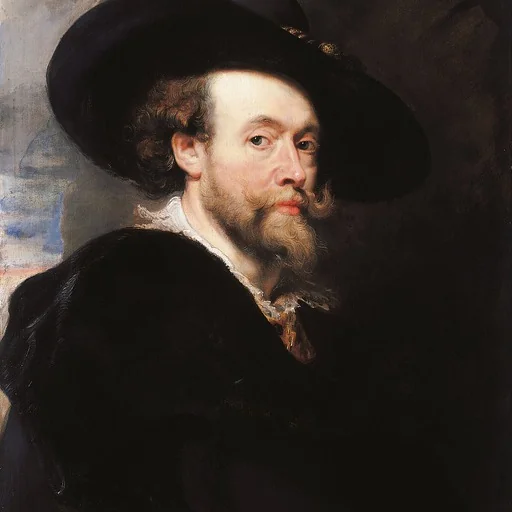
Sir Peter Paul Rubens ( ROO-bənz; Dutch:; 28 June 1577 – 30 May 1640) was a Flemish artist and diplomat.