Artwork
Portrait of a Man
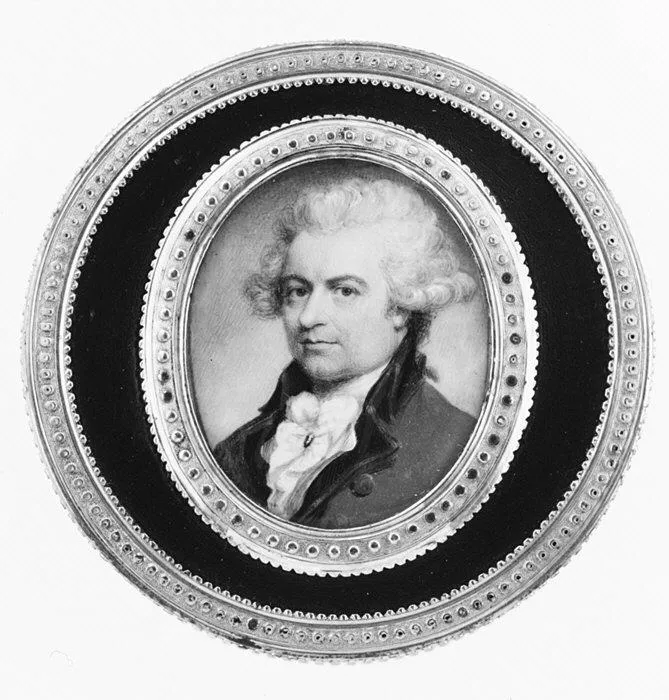
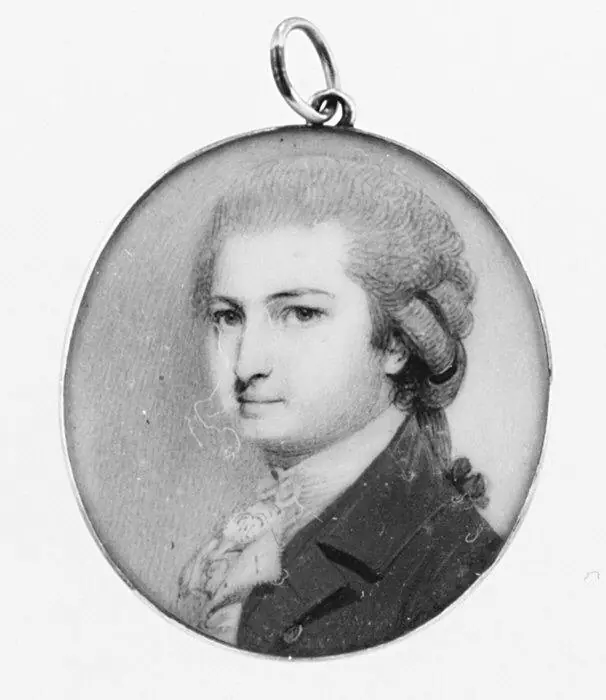
Portrait of a Man is an unspecified painting by the Rococo painting artist Philip Jean. It dates from 1794 and is held in the collection of the Metropolitan Museum of Art.
About this work
Subject & Meaning
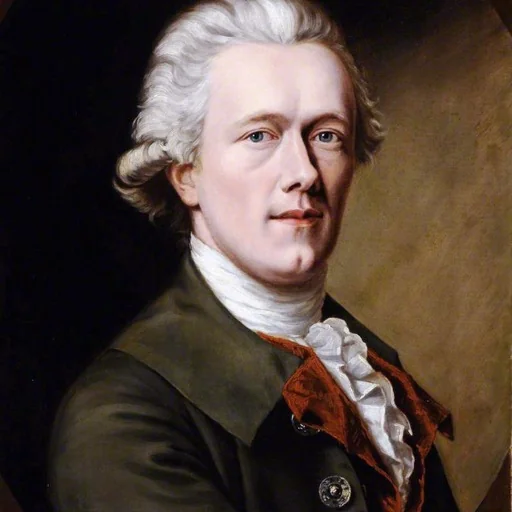
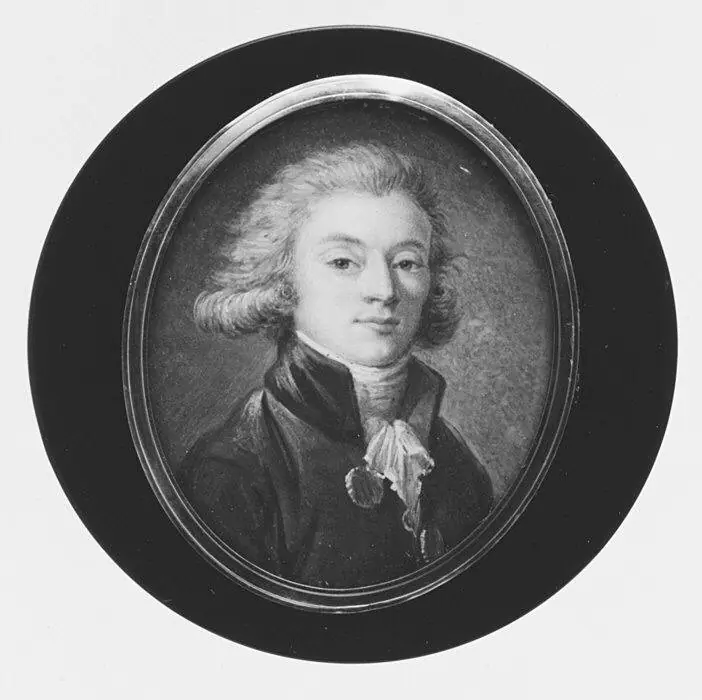
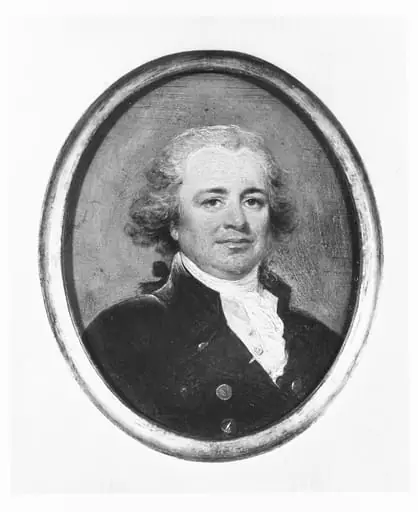
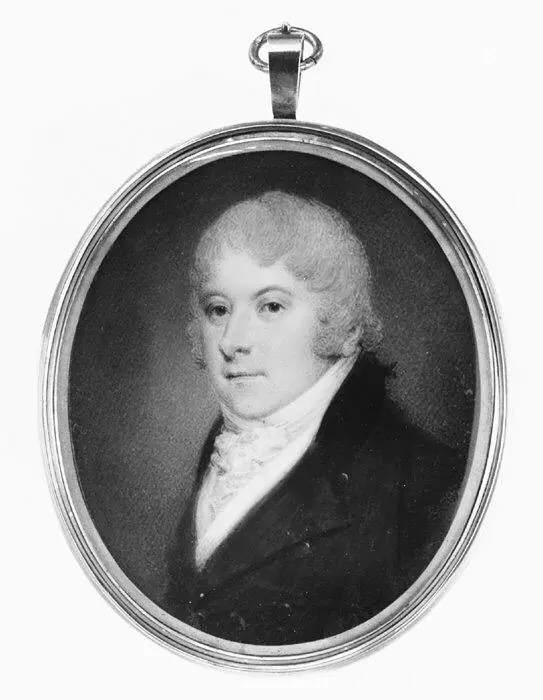
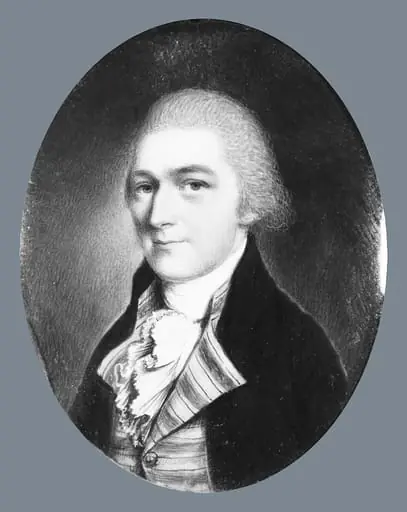
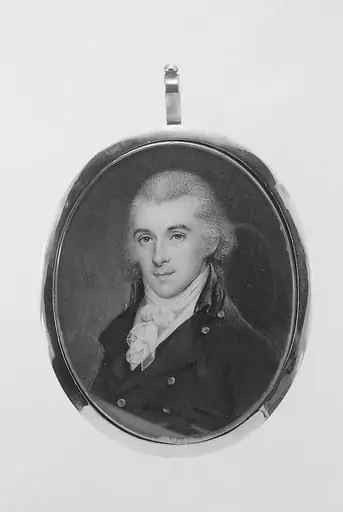
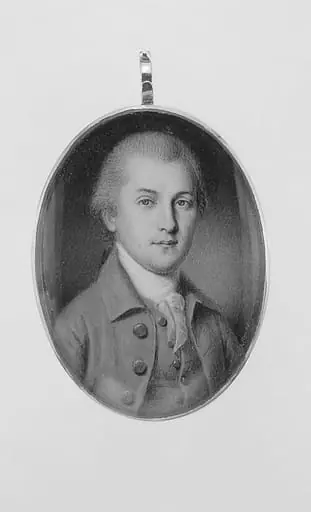
The painting titled "Portrait of a Man" depicts a male sitter, as indicated by its classification as a portrait.
The painting titled "Portrait of a Man" depicts a male sitter, as indicated by its classification as a portrait. Attributed to Philip Jean and dated 1794, the work functions as a conventional late eighteenth-century portrait, serving to record the appearance of an individual and convey his presence within the visual culture of the period. The piece is part of the Metropolitan Museum of Art's collection.
History & Provenance
The portrait is attributed to Philip Jean and dated 1794, aligning with the artist's active period in late eighteenth-century Britain. It was created during Jean's mature phase. The work entered the collection of the Metropolitan Museum of Art, where it remains.
While a specific accession number is not detailed in the available records, the museum is confirmed as the institution housing the piece. The available sources do not contain information regarding exhibition history or past display dates for this painting.
Overview
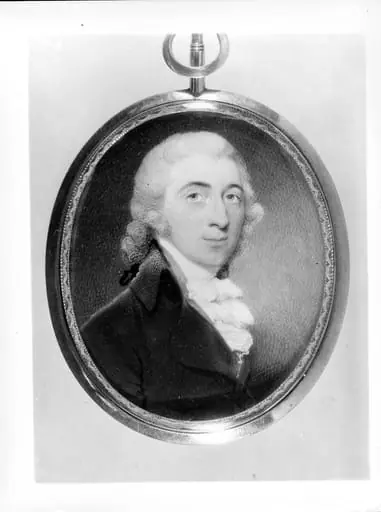
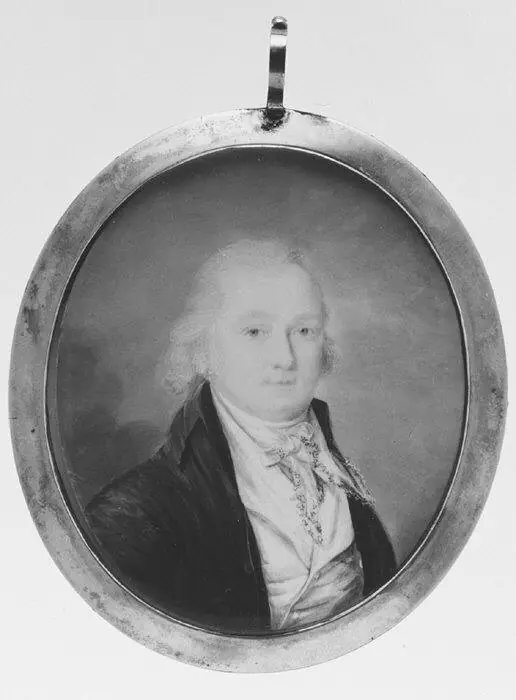
Philip Jean's "Portrait of a Man," created in 1794, is a small, circular painting depicting an unidentified male sitter. This work is characterized by its intimate scale and the subject's formal attire, reflecting the fashion of the late 18th century. The portrait is presently housed in the collection of The Metropolitan Museum of Art, where it represents a facet of European portraiture from the period.
Technique & Style
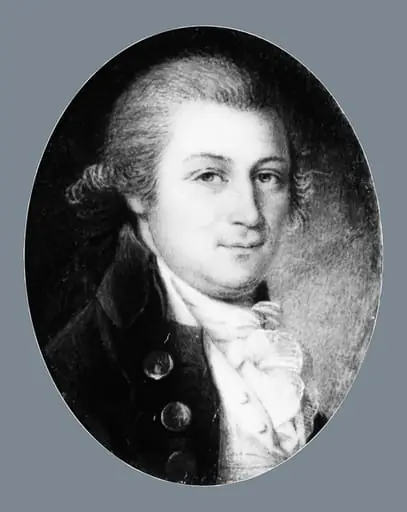
Rendered in a small, round format, the portrait is encased within a heavy metal rim adorned with small dots along its edge, typical of miniature or locket-style paintings. Jean's approach emphasizes the sitter's features and formal attire, using a subdued palette to create a sense of gravitas. The artist's attention to detail in the wig and cravat highlights the prevailing fashion and social conventions of the era.
Artist & collection