Artwork
Portrait of a woman with a ruby pendant
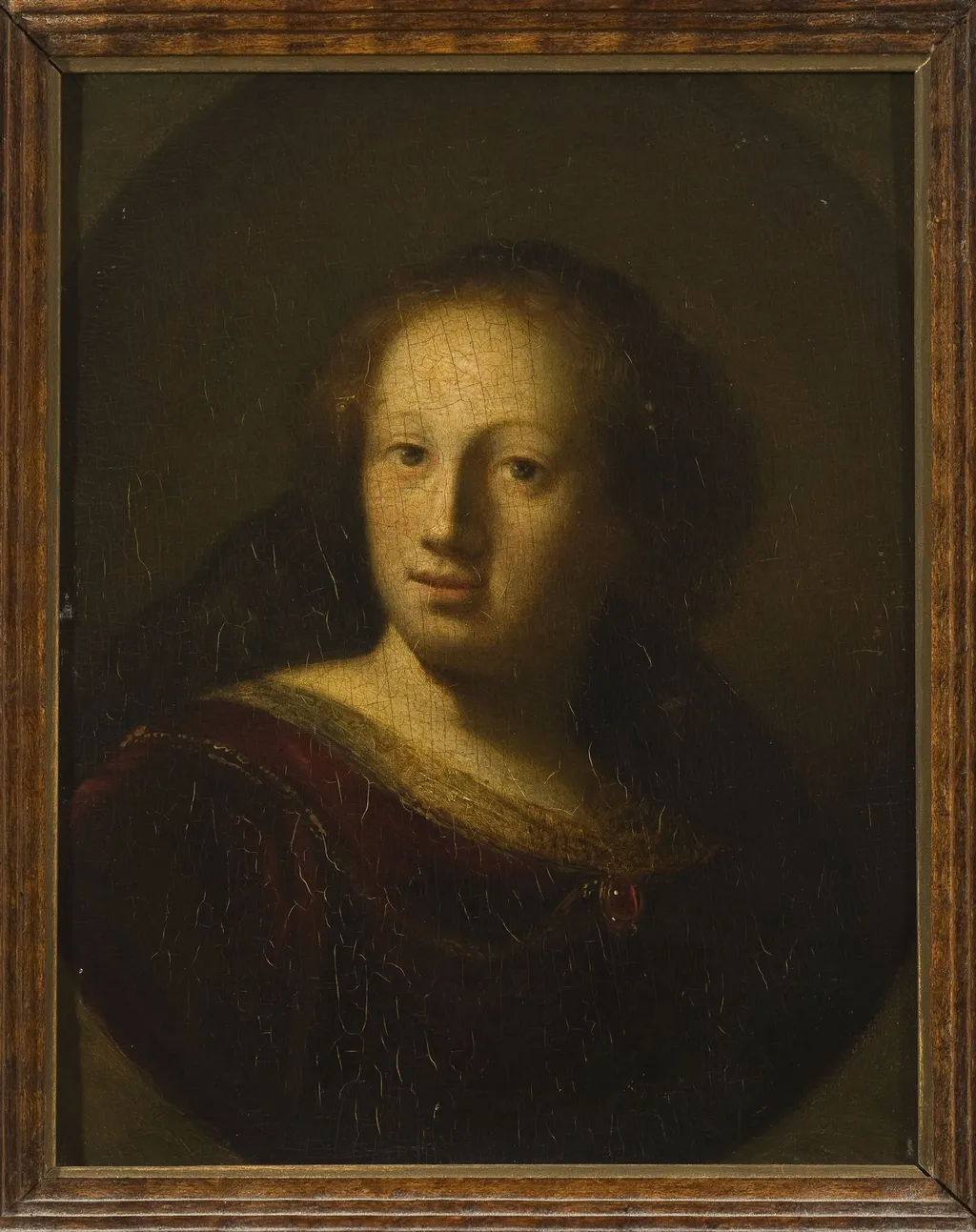
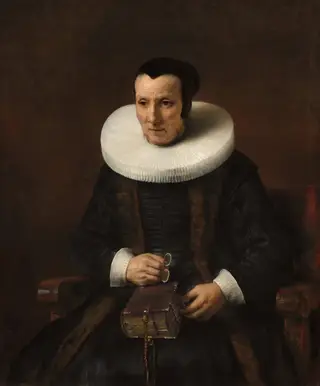
Portrait of a woman with a ruby pendant is an oil painting by the Dutch Golden Age artist Rembrandt van Rijn. It dates from 1647 and is held in the collection of the National Museum in Warsaw.
About this work
If you're interested in learning more about the artist's use of light and shadow, you might want to explore his technique of chiaroscuro.
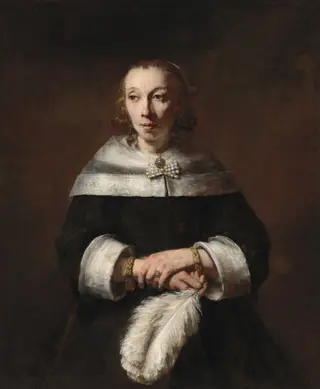
This portrait features a woman with a ruby pendant, rendered in oil paint. Her dark attire is accentuated by the pendant, which draws attention to her chest. The woman's gaze is directed slightly to her right, and her dark hair is pulled back, revealing her face. The background of the painting is dark, which helps to focus the viewer's attention on the subject.
The woman's attire and the style of the painting suggest that it may have been created in the 17th century. The use of chiaroscuro, a technique that emphasizes contrasts between light and dark, adds depth and dimension to the portrait.
The painting is a fine example of Rembrandt's work, showcasing his skill in capturing the subtleties of human expression. If you're interested in learning more about the artist's use of light and shadow, you might want to explore his technique of chiaroscuro.
Overview
Created circa 1647, this oil portrait by Rembrandt van Rijn depicts a seated woman wearing a dark garment and a striking ruby pendant. The composition is dominated by a deep, muted background that isolates the figure, while her gaze turns slightly to the right, lending a quiet immediacy to the work.
Subject & Meaning
The sitter is presented in modest attire, her hair pulled back to reveal a composed face. The luminous ruby pendant at her chest serves as the focal point, suggesting both personal wealth and a possible symbolic reference to love or status, typical of 17th‑century Dutch portraiture.
Technique & Style
Rembrandt employs chiaroscuro, contrasting the illuminated flesh and pendant with the surrounding darkness. His brushwork renders the textures of fabric and skin with subtle gradations, while the handling of light creates a three‑dimensional presence that draws the eye toward the woman's features.
History & Provenance
The painting entered the collection of the National Museum in Warsaw, where it remains on display. Its attribution to Rembrandt aligns with the artist’s mature period, when his portraiture combined technical mastery with psychological depth.
Context
Produced during the Dutch Golden Age, the work reflects the era’s flourishing portrait market, where affluent patrons commissioned likenesses that emphasized individuality and social standing. Rembrandt’s approach, however, often infused such commissions with a nuanced, introspective quality.
Own this work as a print
Artist & collection

Artist
Rembrandt Harmenszoon van Rijn, known mononymously as Rembrandt, was a Dutch Golden Age painter, printmaker, and draughtsman.

- A Young Man with a Chain
 Portrait of a Man
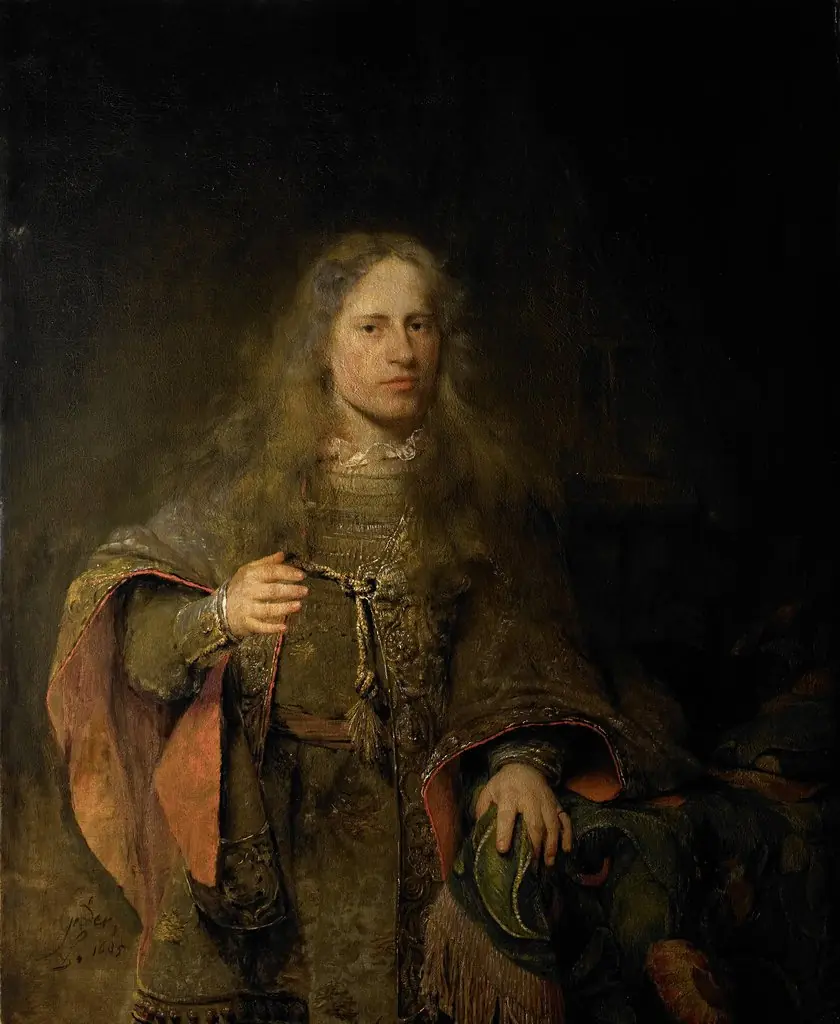 Portrait of Ernest de Beveren, Lord of West-IJsselmonde and De Lindt
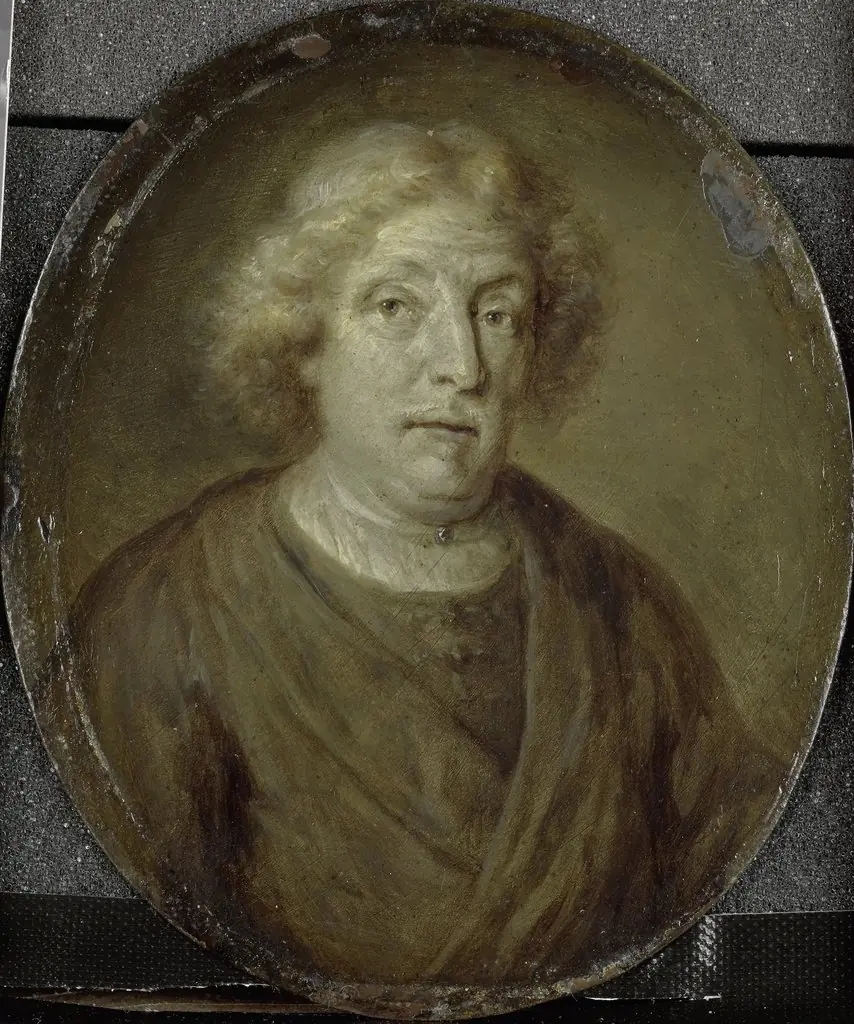 Portrait of Jacob Lescailje, Bookdealer and Poet in Amsterdam
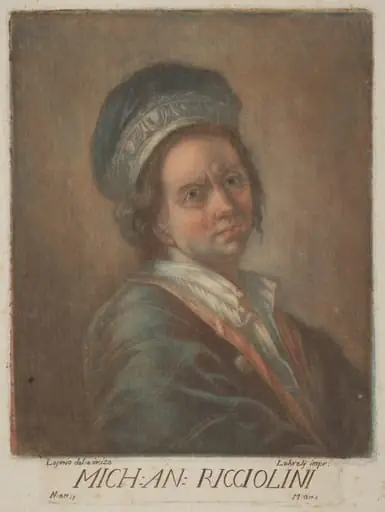 Michelangelo Ricciolini
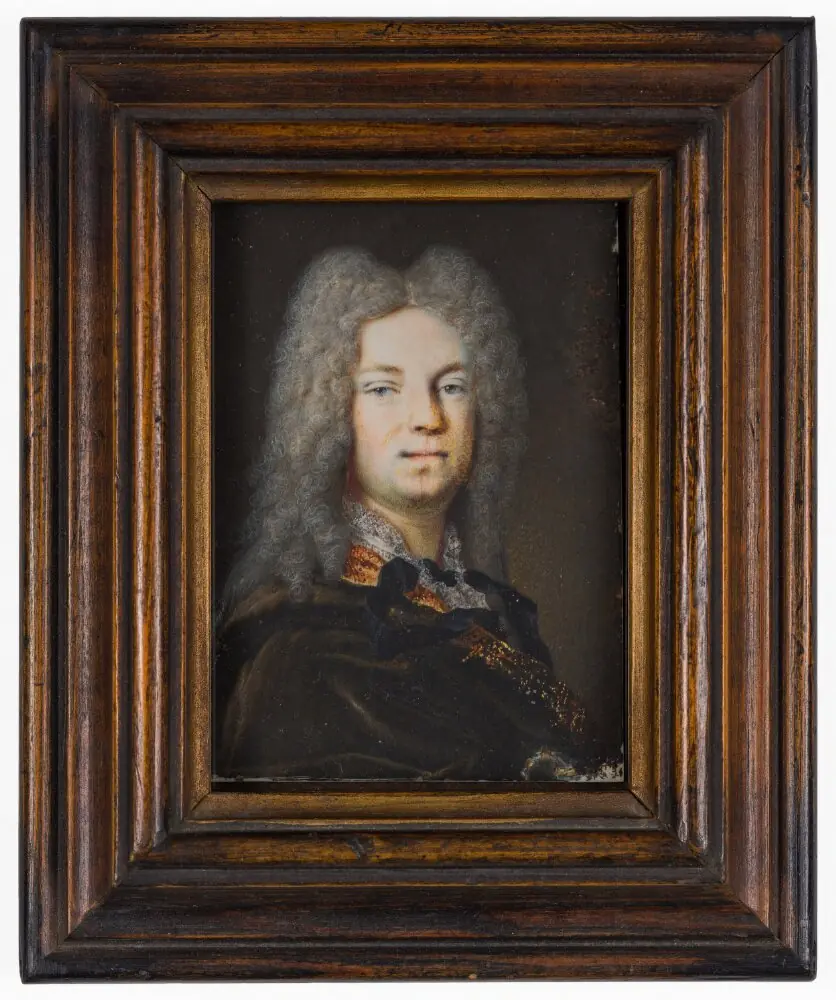 Portrait av Fabian Wrede af Elimä (1694-1768)
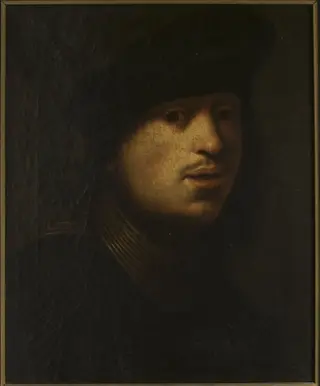 Self-portrait
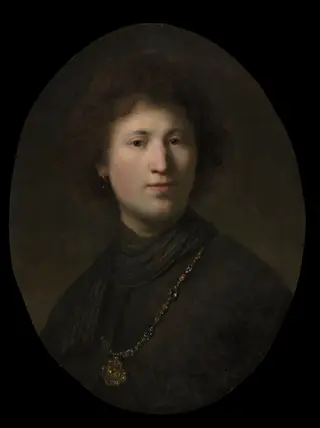 A Young Man with a Chain
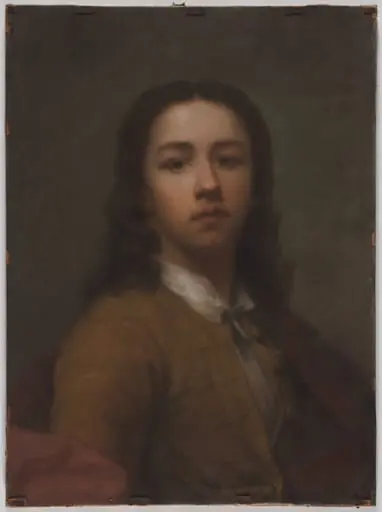 Self-Portrait
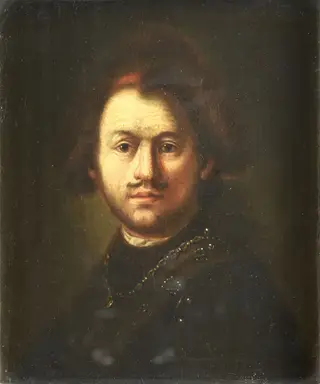 Portrait of Rembrandt
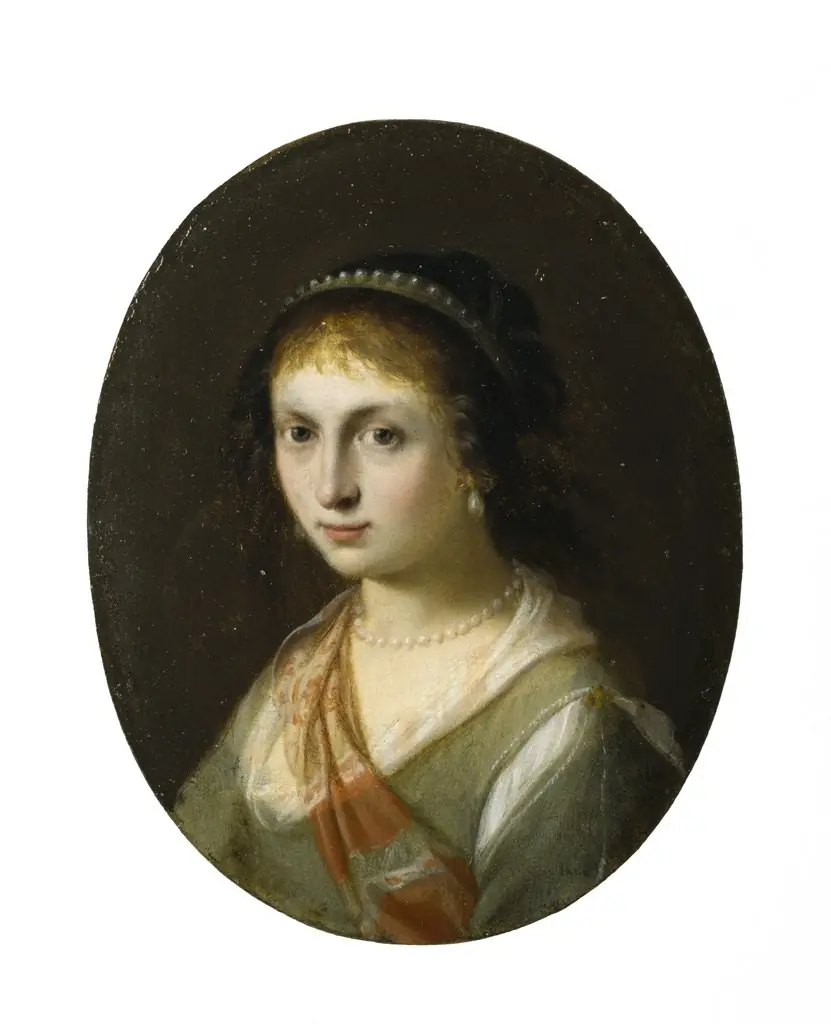 Portrait of Susanna van Collen
 Bildnis eines Malers