Artwork
Portrait of a Young Warrior
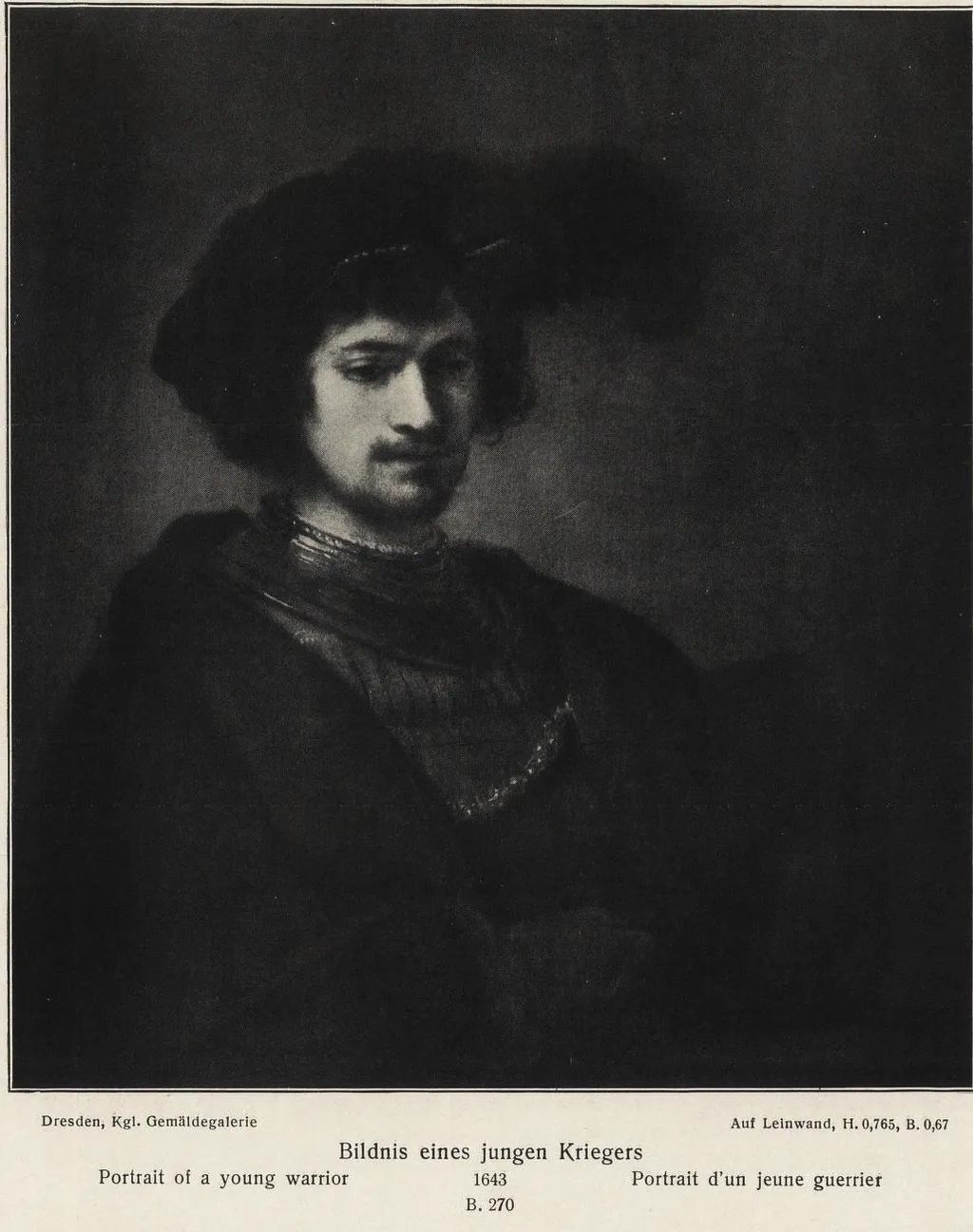
Portrait of a Young Warrior is an oil painting by the Dutch Golden Age artist Rembrandt van Rijn. It dates from 1643 and is held in the collection of the Staatliche Kunstsammlungen Dresden. Painted in 1643 by Rembrandt Harmenszoon van Rijn, this oil-on-canvas portrait captures a young man in military attire.
About this work
Overview
It is part of the Gemäldegalerie Alte Meister’s permanent collection in Dresden, where it has been held since the 18th century.
Painted in 1643 by Rembrandt Harmenszoon van Rijn, this oil-on-canvas portrait captures a young man in military attire. Executed during the height of the Dutch Golden Age, the work reflects Rembrandt’s mastery in conveying psychological presence through subtle lighting and restrained composition. It is part of the Gemäldegalerie Alte Meister’s permanent collection in Dresden, where it has been held since the 18th century.
Subject & Meaning
The figure is a young man dressed in dark, possibly ceremonial, armor with a broad-brimmed hat, suggesting a noble or officer status. His gaze is inward, avoiding direct engagement with the viewer, evoking a mood of solemn reflection rather than martial bravado. The absence of overt symbols of rank or victory shifts focus to his inner state, inviting interpretation as a meditation on youth, duty, or the weight of responsibility.
Technique & Style
Rembrandt employs chiaroscuro to model the figure’s face and shoulders, using deep shadows to define form and draw attention to the contours of the hat and collar. The brushwork varies, smooth on the skin, more textured in fabric, creating tactile contrast. The dark, undefined background isolates the subject, enhancing the intimacy of the portrayal. This restrained palette and focused lighting reflect his mature style, prioritizing emotional resonance over decorative detail.
History & Provenance
The painting entered the Saxon royal collection in the early 1700s, likely acquired through diplomatic or artistic networks connecting the Netherlands and Saxony. It remained in the Dresden galleries through political upheavals, including the Napoleonic Wars and the division of Germany. Its continuous presence in institutional hands has preserved its attribution to Rembrandt without significant scholarly dispute.
Context
Created during a period when Dutch portraiture emphasized individuality over idealization, this work aligns with a broader trend of introspective likenesses among the burgher and military classes. Unlike grand historical scenes, Rembrandt’s focus on quiet demeanor reflects the cultural value placed on personal dignity and inner life in mid-17th-century Holland, even among those in uniform.
Legacy
Though less widely known than Rembrandt’s self-portraits or biblical scenes, this painting exemplifies his ability to convey psychological depth with minimal means. It has influenced later artists interested in the expressive potential of shadow and stillness. Its enduring presence in a major European collection underscores its role as a quiet but significant example of Dutch portraiture at its most contemplative.
Artist & collection

Artist
Rembrandt Harmenszoon van Rijn, known mononymously as Rembrandt, was a Dutch Golden Age painter, printmaker, and draughtsman.

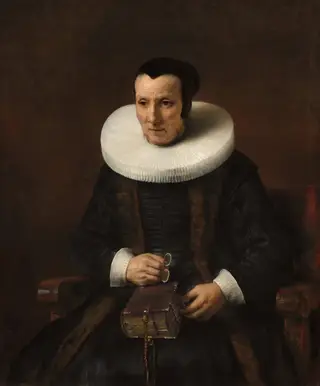
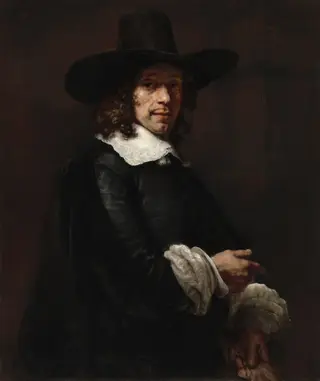
- Rembrandt
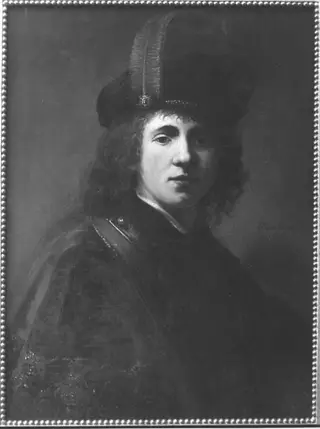 Ein junger Mann (Werkstatt)
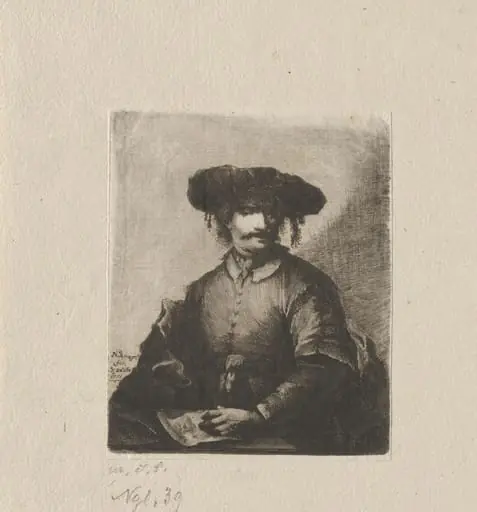 Self-Portrait
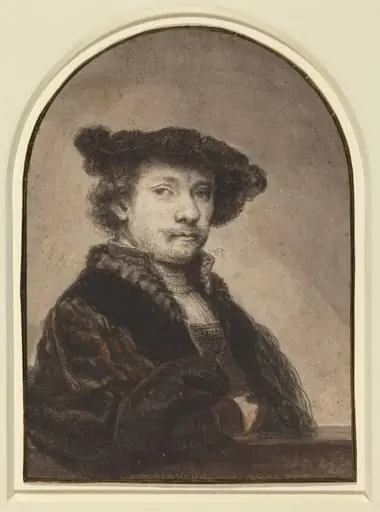 Rembrandt van Rijn
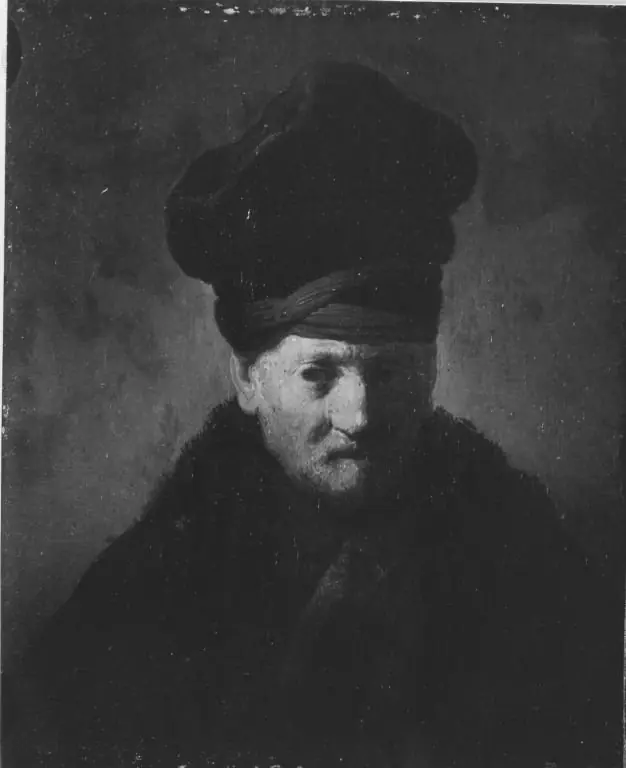 Bildnis eines alten Mannes (Kopie nach Rembrandt)
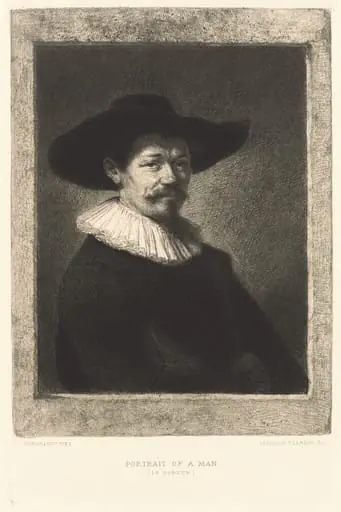 Portrait of a Man (Le Doreur)
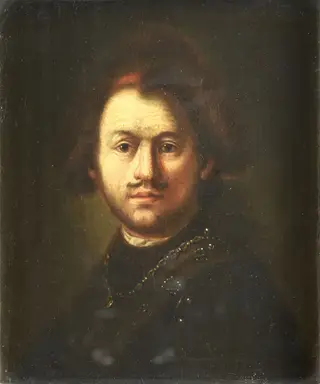 Portrait of Rembrandt
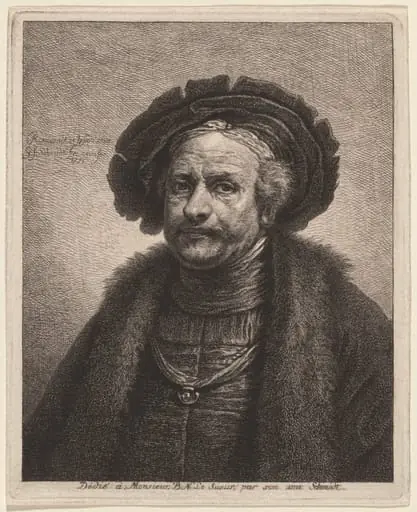 Self-Portrait of Rembrandt
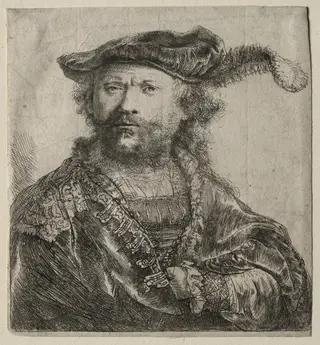 Self-Portrait in Velvet Cap with Plume
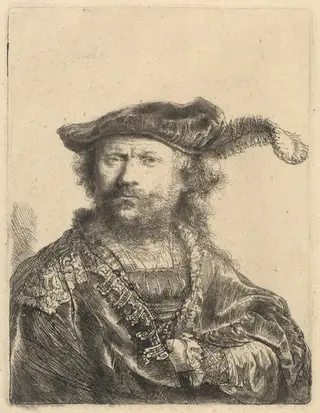 Self-Portrait in a Velvet Cap with Plume
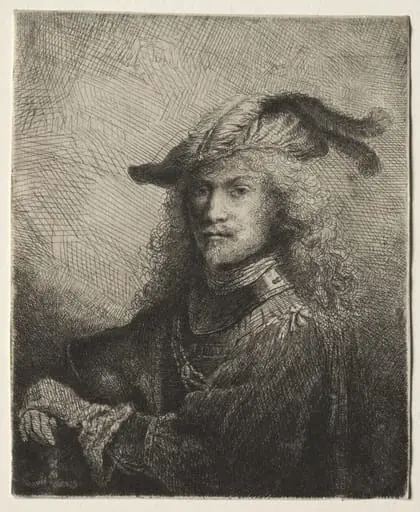 Portrait of an Officer
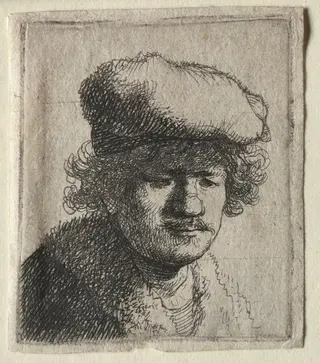 Self-Portrait with Cap Pulled Forward