Artwork
The Skater
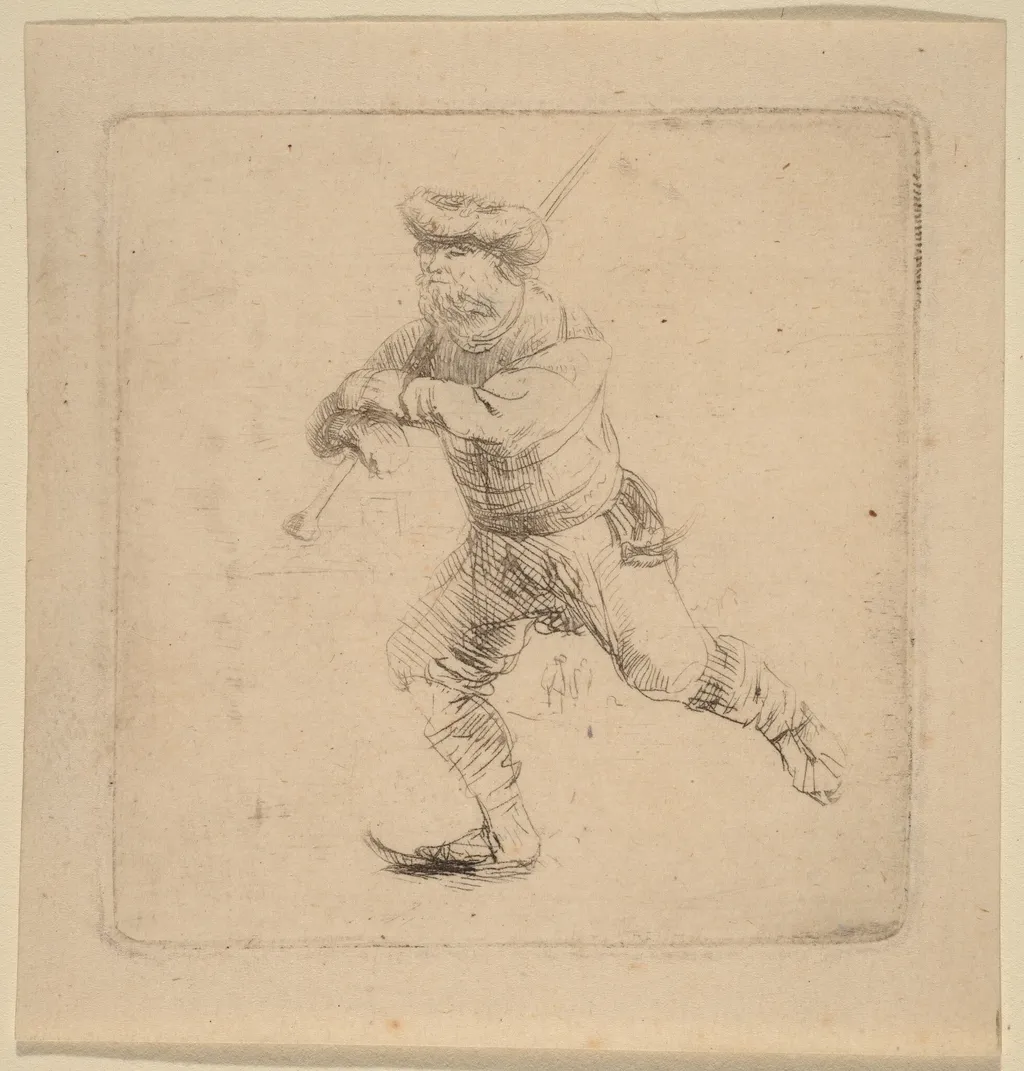
The Skater is an ink print by the Baroque artist Rembrandt van Rijn. It dates from 1639 and is held in the collection of the National Gallery of Art. Created around 1639, this print combines etching with drypoint to portray a lone figure gliding on ice.
About this work
Overview
Created around 1639, this print combines etching with drypoint to portray a lone figure gliding on ice. The composition is anchored by a stark, light‑toned background that isolates the skater, emphasizing his movement and attire typical of mid‑17th‑century Dutch dress.
Subject & Meaning
The work captures a moment of everyday recreation: a man, hat tipped back, coat and breeches, balances on a single blade while gripping a staff in his right hand. The extended left leg and bent right knee convey forward momentum, suggesting both the physical skill and the leisure pursuits of the period.
Technique & Style
Rembrandt’s hand is evident in the fine, incised lines of the drypoint that define the skater’s outline, while broader etched areas render the smooth expanse of ice. The contrast between sharply rendered figure and the softened background demonstrates his mastery of tonal variation within printmaking.
History & Provenance
The piece belongs to Rembrandt’s early print oeuvre, produced during a prolific phase when he explored genre scenes of Dutch life. Though specific ownership records are limited, the work has been catalogued among his known prints and appears in major collections of 17th‑century graphic art.
Own this work as a print
Artist & collection

Artist
Rembrandt Harmenszoon van Rijn, known mononymously as Rembrandt, was a Dutch Golden Age painter, printmaker, and draughtsman.

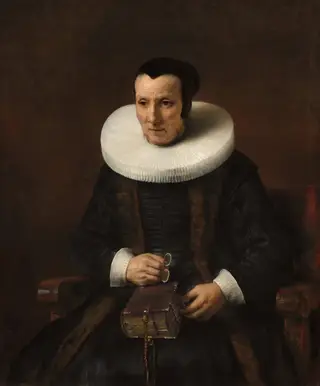
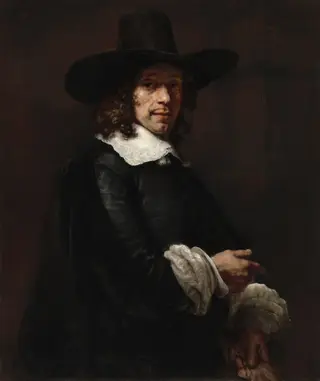
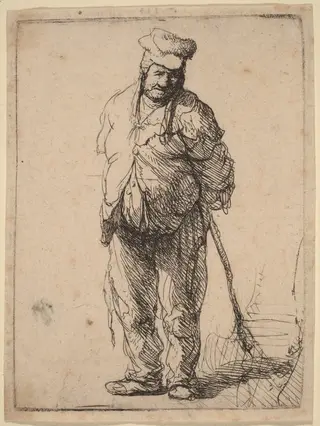
- Ragged Peasant with His Hands behind Him, Holding a Stick
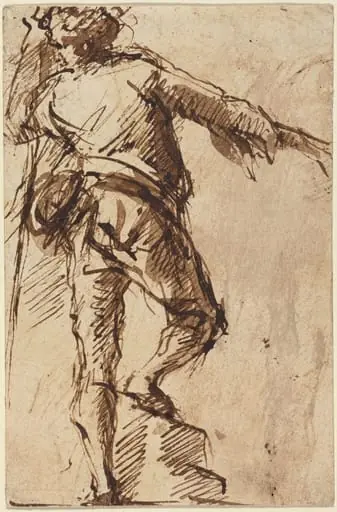 A Young Man with a Staff
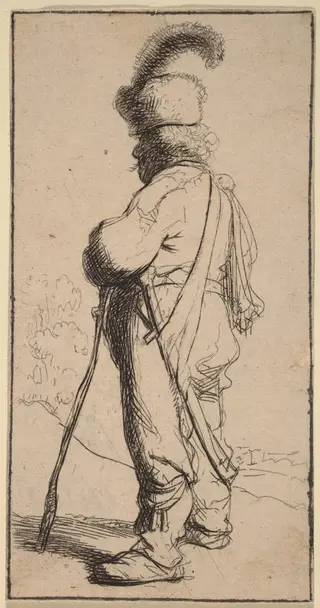 Polander Leaning on a Stick
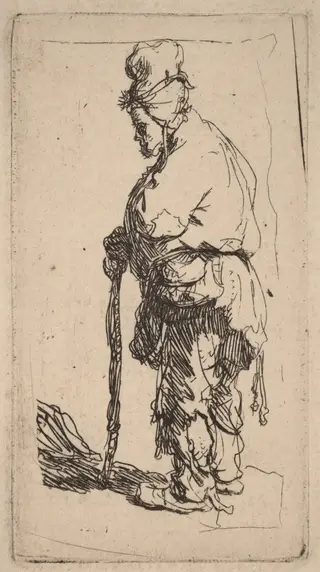 Beggar Leaning on a Stick, Facing Left
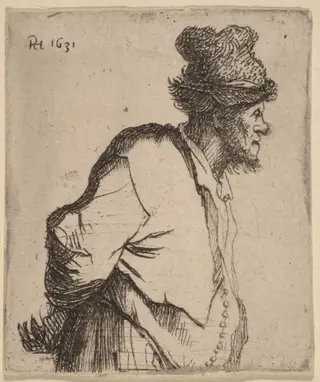 Peasant with His Hands behind His Back
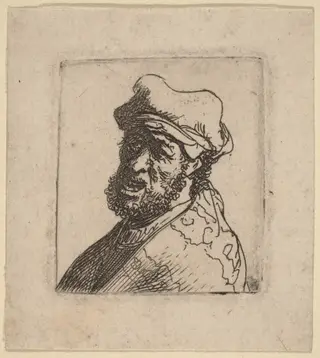 Man Crying Out, Three-Quarters Left
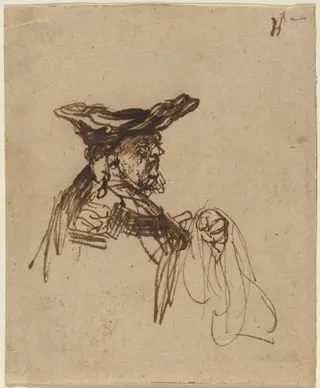 Bust of an Elderly Man in a Flat Cap
 Man in a Short Cloak
 The Quacksalver
 Beggar Woman Playing the Violin
 Old Beggar Woman with a Gourd
 Sheet of Etchings