Artwork
Venus and Amor and the Castle of Love
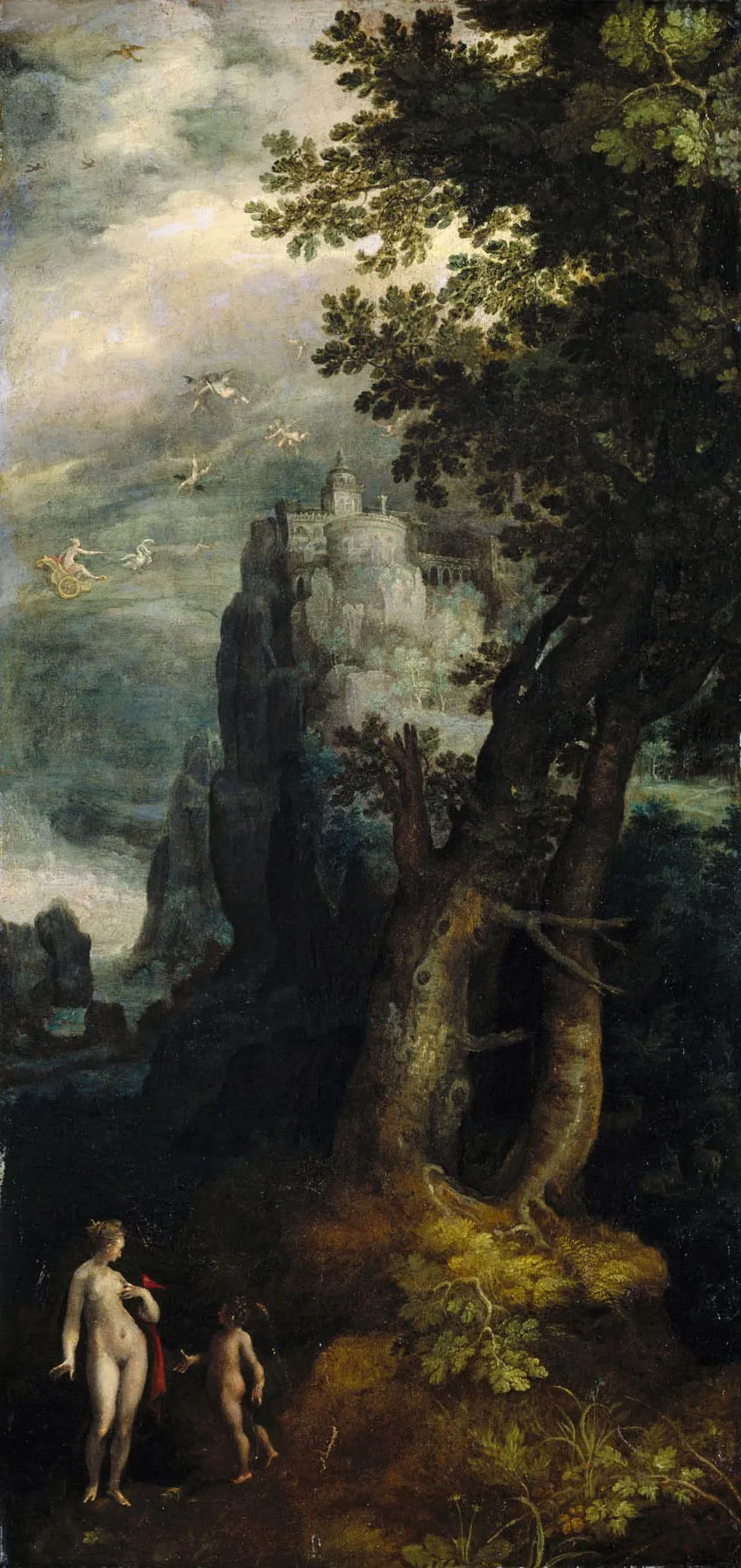
Venus and Amor and the Castle of Love is an unspecified painting by the Dutch Golden Age artist Roelant Savery. It dates from 1605 and is held in the collection of the Kunsthistorisches Museum.
About this work
Subject & Meaning
This interpretation aligns with contemporary understandings of mythological paintings as moral and philosophical teachings about love's nature.
The painting shows Venus, the goddess of love, gently embracing the infant Amor, god of love, within a symbolic garden setting that includes a small castle, representing the idealized realm of love. The work allegorizes the harmonious union of earthly and divine love, reflecting the mythological theme of love's power to create a protected sanctuary of affection. This interpretation aligns with contemporary understandings of mythological paintings as moral and philosophical teachings about love's nature.
The imagery draws on classical mythology to convey that love, embodied by Venus and Amor, establishes a fortified sanctuary of affection, a concept emphasized in Renaissance art theory.
The work is part of the Kunsthistorisches Museum's collection, underscoring its significance as a mythological painting from 1605.
The painting measures 135 cm in height and 63.5 cm in width.
Technique & Style
The work is executed in oil on panel, measuring 135 cm in height and 63.5 cm in width. The paint is applied with a smooth, blended handling that emphasizes delicate modeling of the figures and subtle gradations of light and shadow. Formal qualities include a balanced composition where Venus and Amor are positioned within an imagined fortified garden, rendered in a precise, almost botanical detail characteristic of Northern Renaissance style. The palette combines muted earth tones with soft blues and pinks, contributing to an overall ethereal atmosphere.
History & Provenance
The painting titled Venus and Amor and the Castle of Love was created in 1605. The work is attributed to the artist Roelant Savery and is classified as a mythological painting. It currently resides in the collection of the Kunsthistorisches Museum, where it is held as part of their holdings.
The dimensions of the panel are recorded as 135 cm in height and 63.5 cm in width. No further details regarding specific commissions, previous owners, or the transfer history leading to its current location are provided in the available records.
Overview
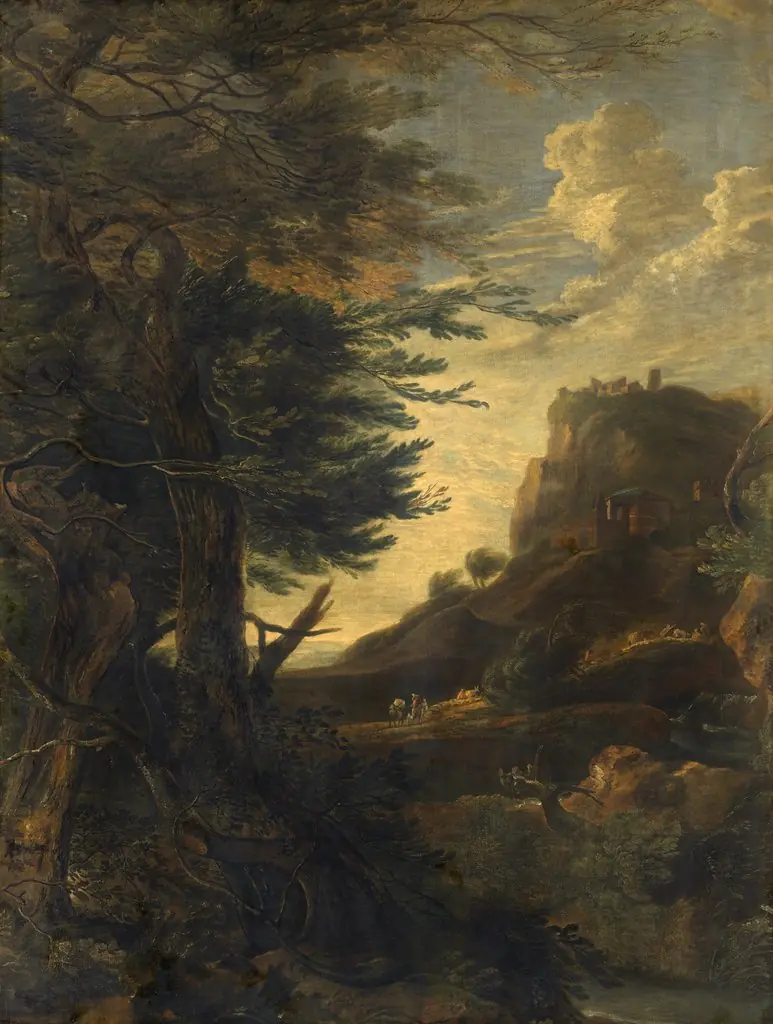
Created in 1605 by the Flemish-born painter Roelant Savery, this oil work belongs to the Dutch Golden Age. It portrays the Roman deity Venus together with her son Amor, set against a rocky landscape that culminates in a distant castle. The painting is part of the permanent collection of the Kunsthistorisches Museum in Vienna.
Artist & collection
Artist
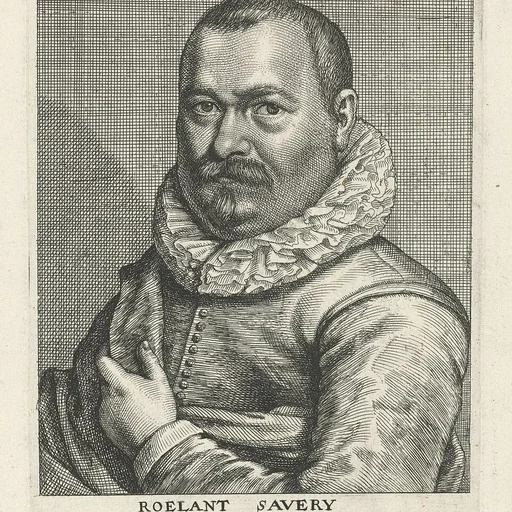
Roelant Savery (or Roeland(t) Maertensz Saverij, or de Savery, or many variants; 1576 – buried 25 February 1639) was a Flanders-born Dutch Golden Age painter.

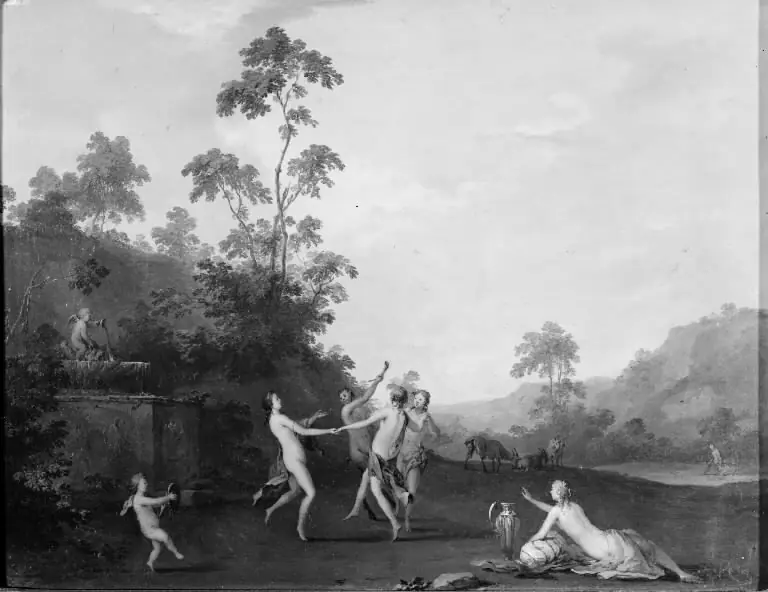
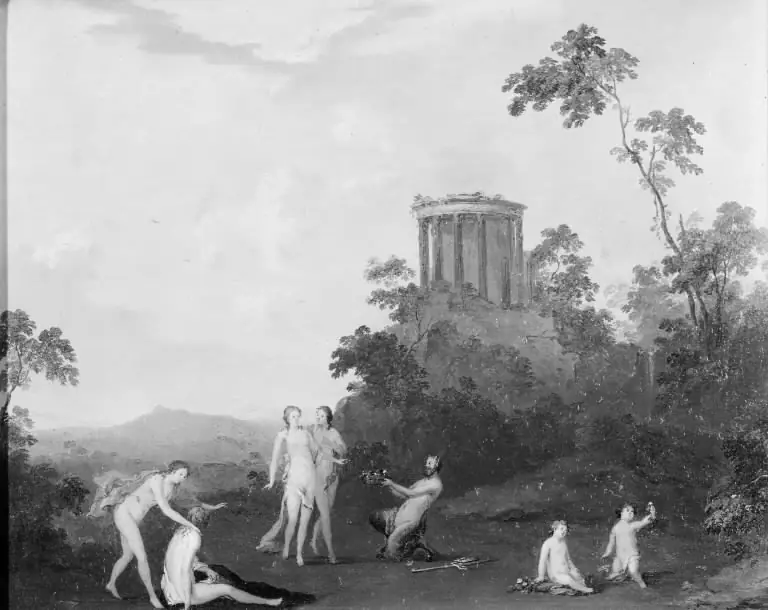
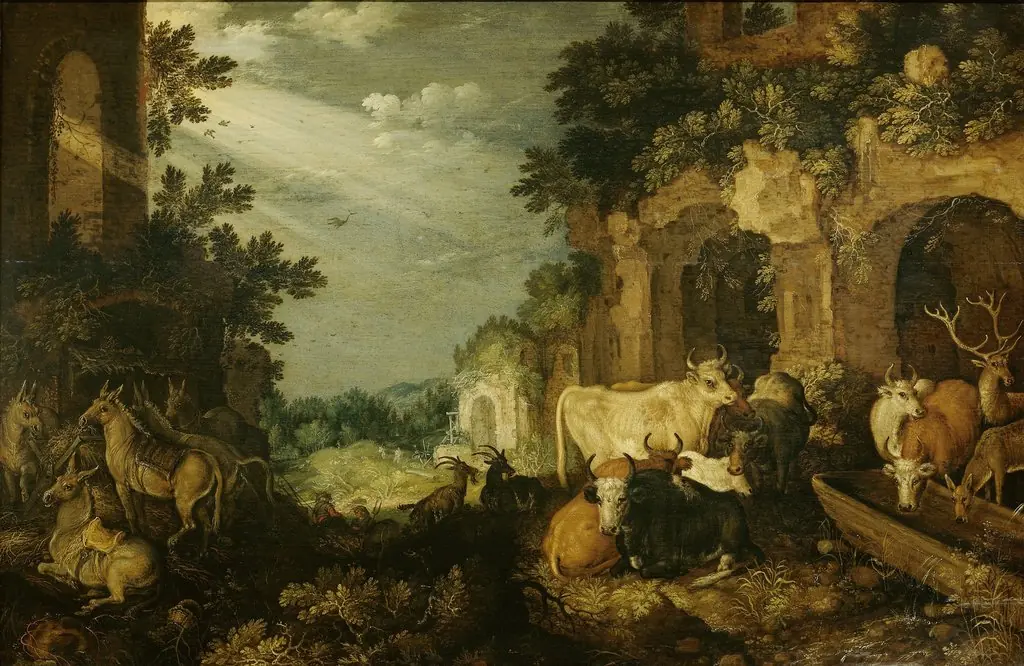
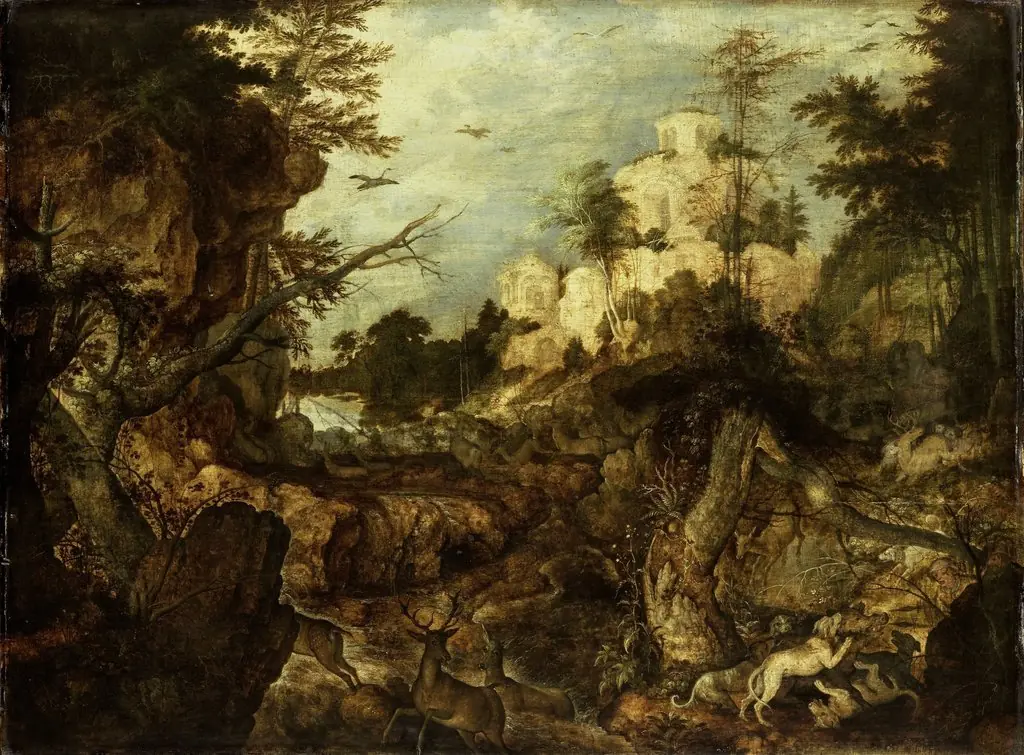
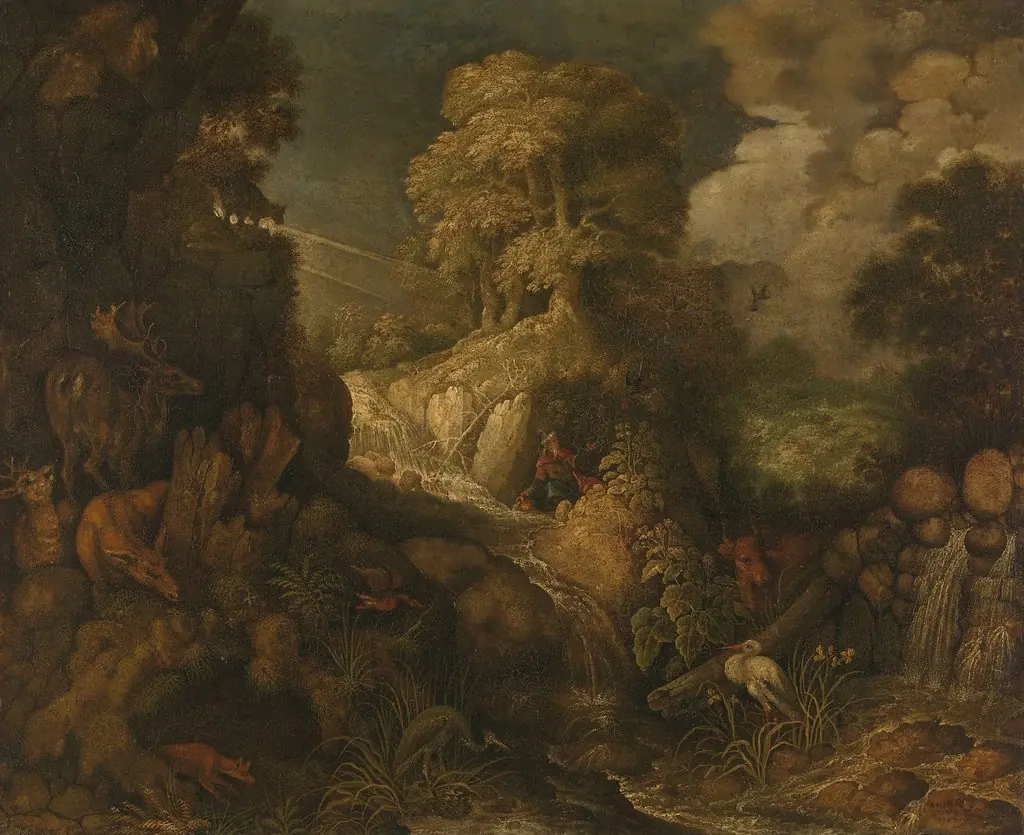
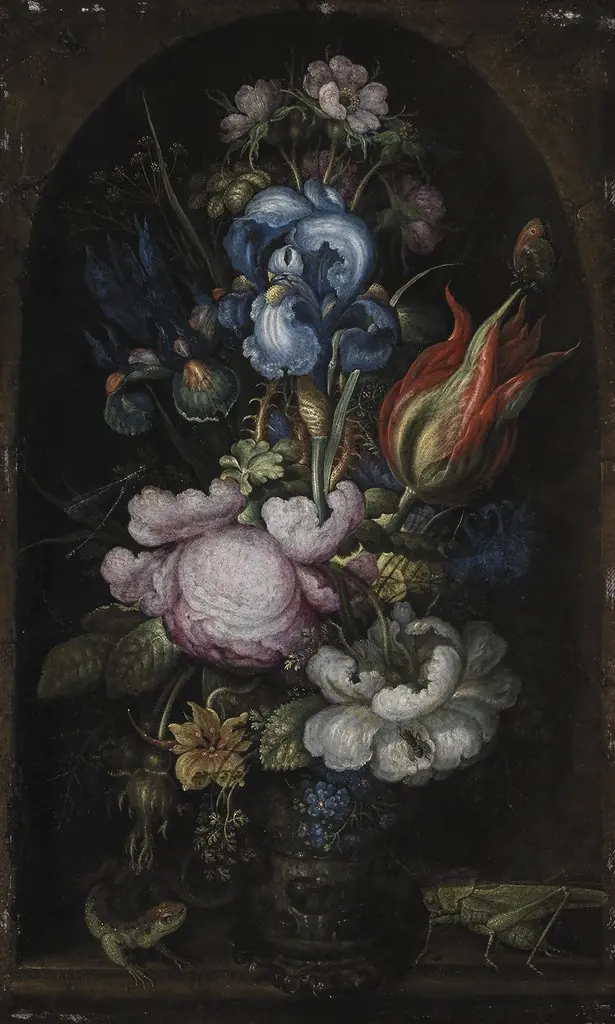
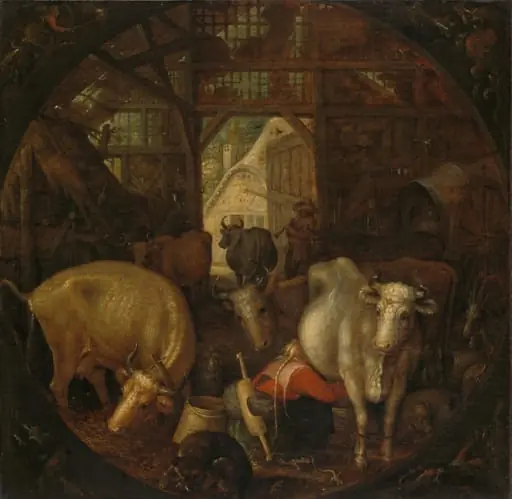
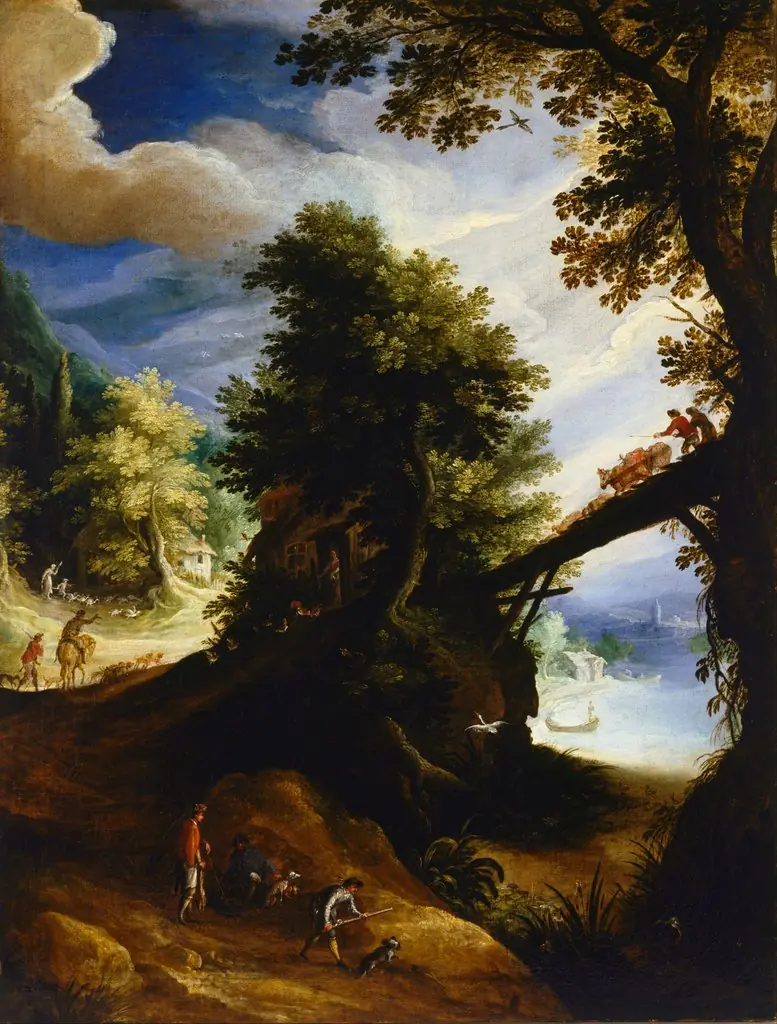
- A wooded landscape with a bridge and sportsmen at the edge of the river
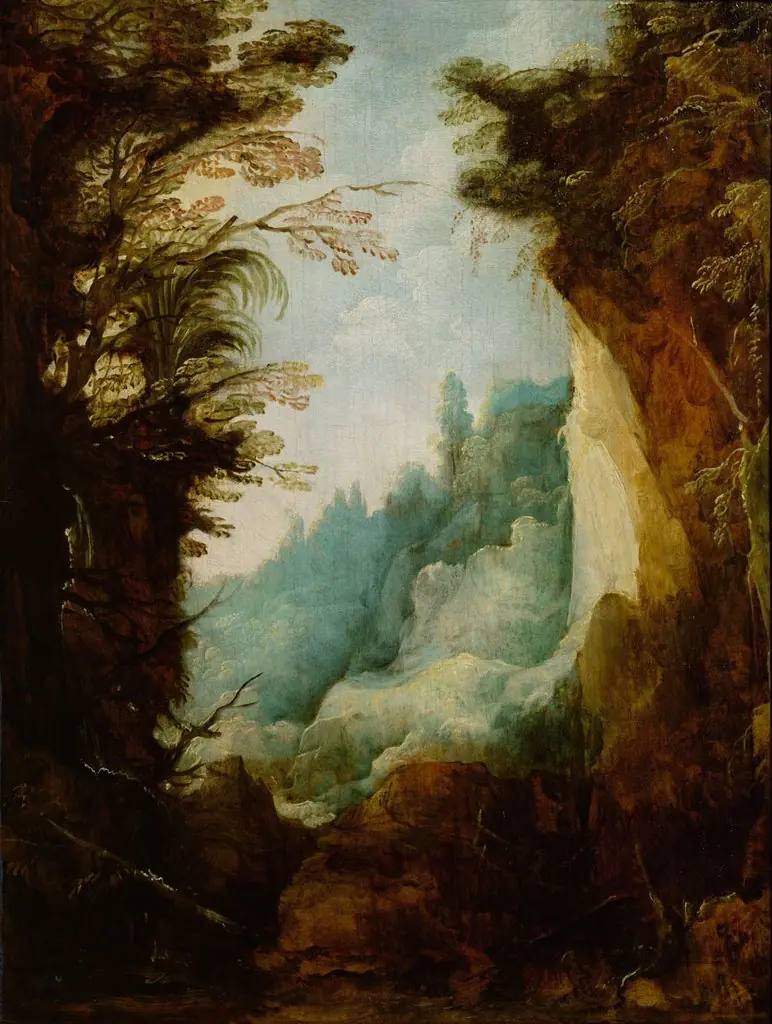 Waldige Felsschlucht
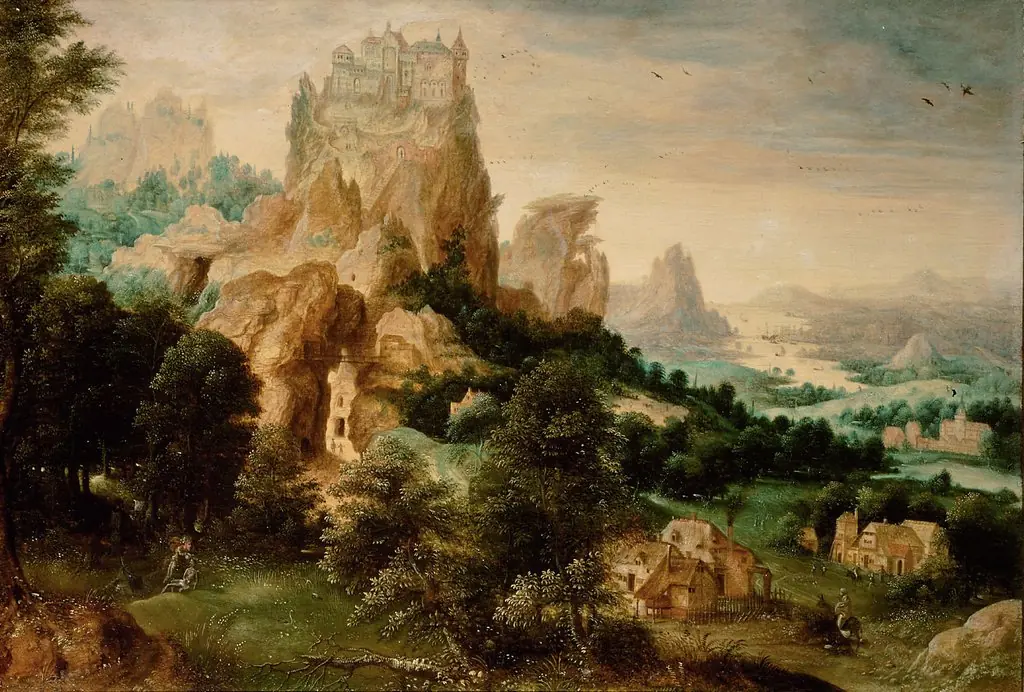 Hilly landscape with the story of the Good Samritan (Luke 10:25-37)
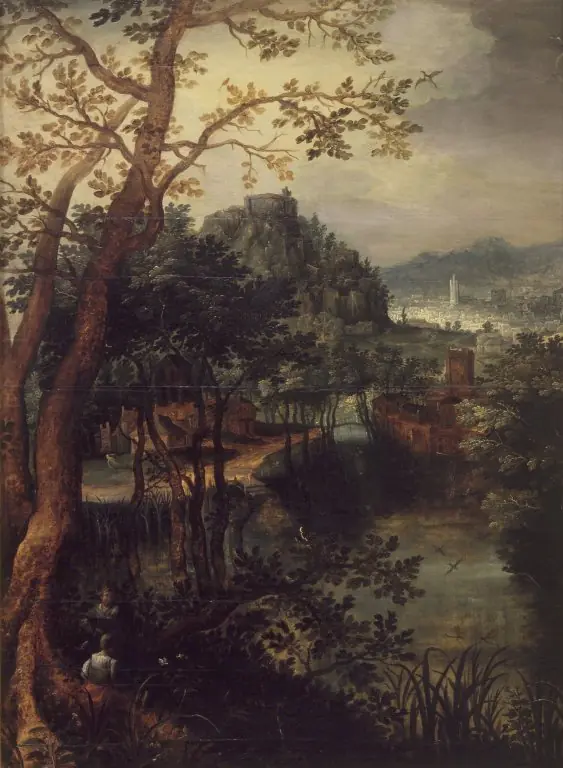 Landscape
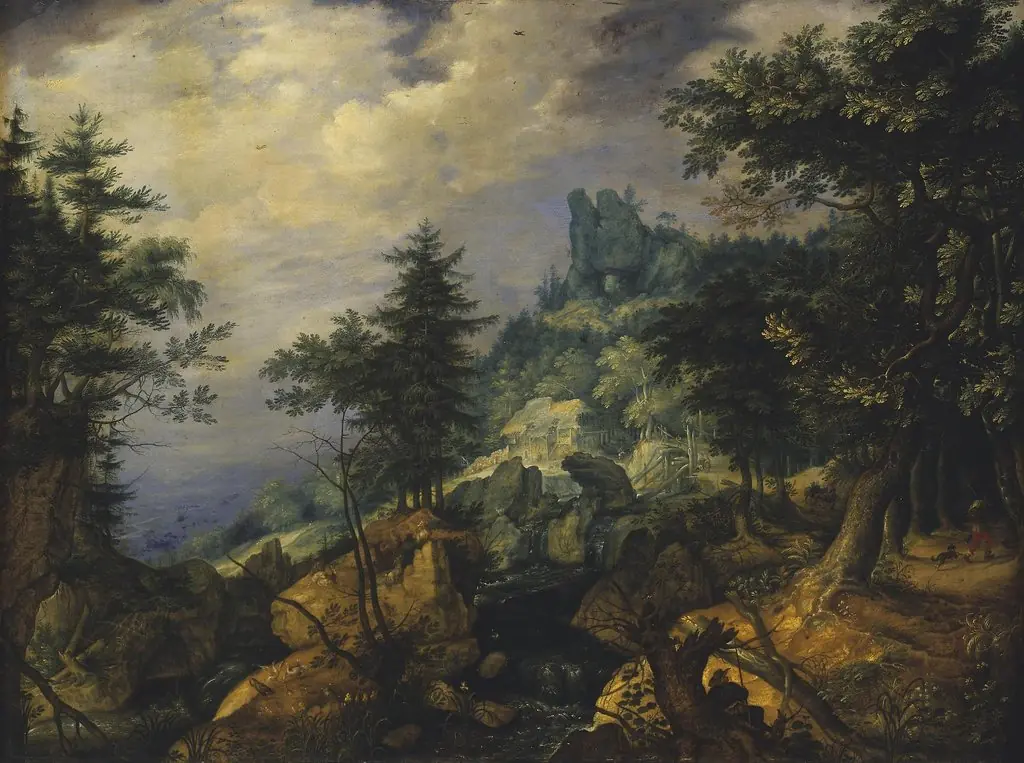 Tyrolean Landscape (The Flight into Egypt)
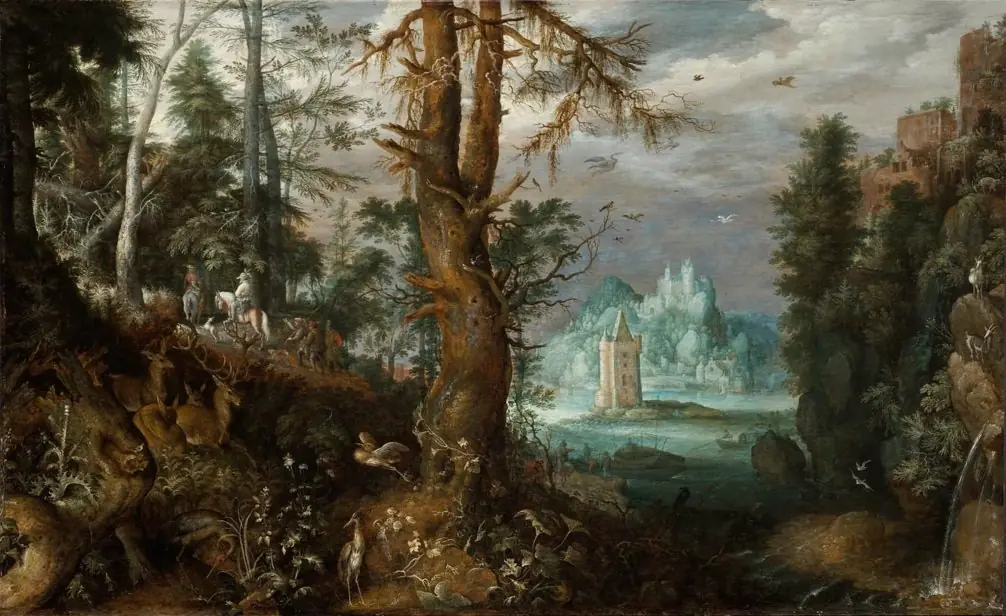 Forest Scene with Hunters
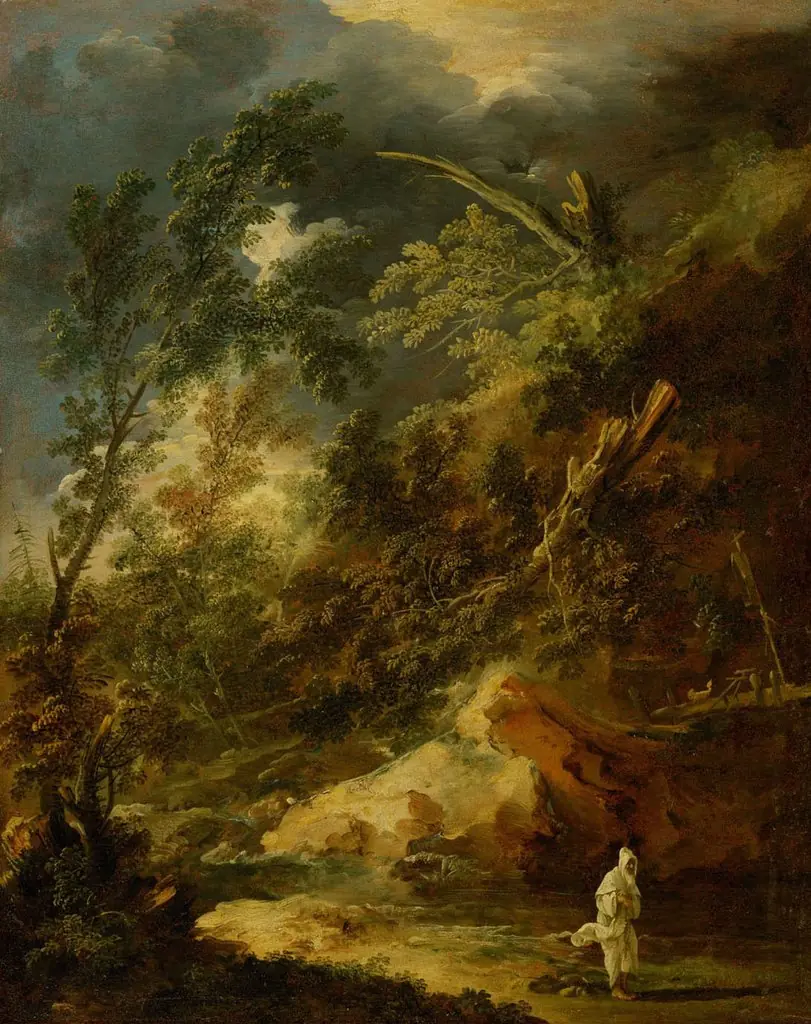 Landschaft mit einem Mönch im Wettersturm
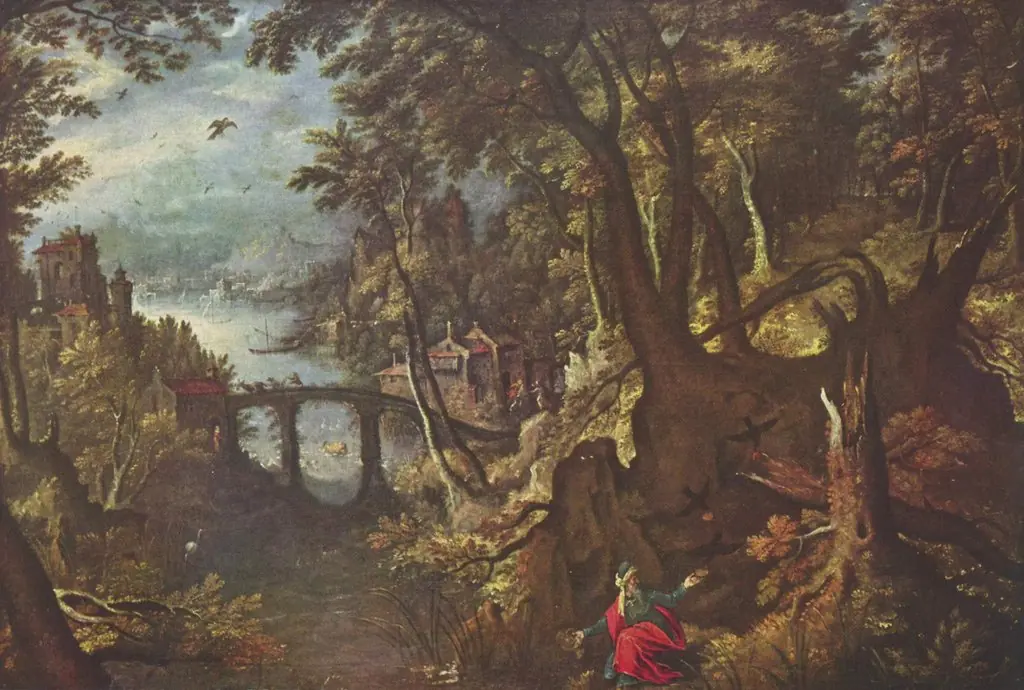 Elijah fed by the raven
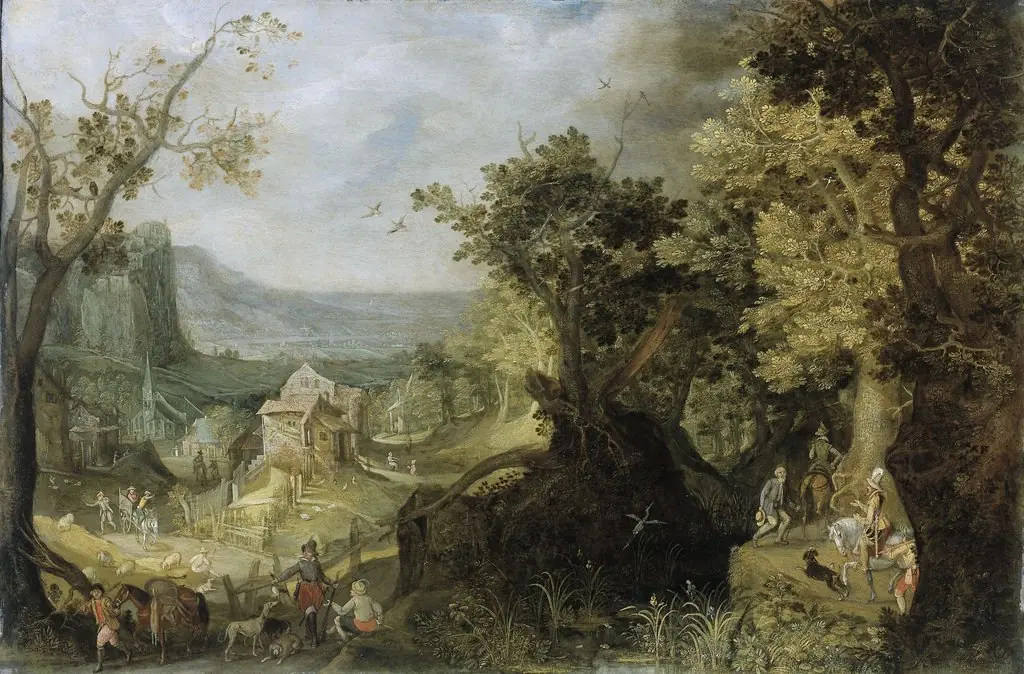 Wooded Landscape
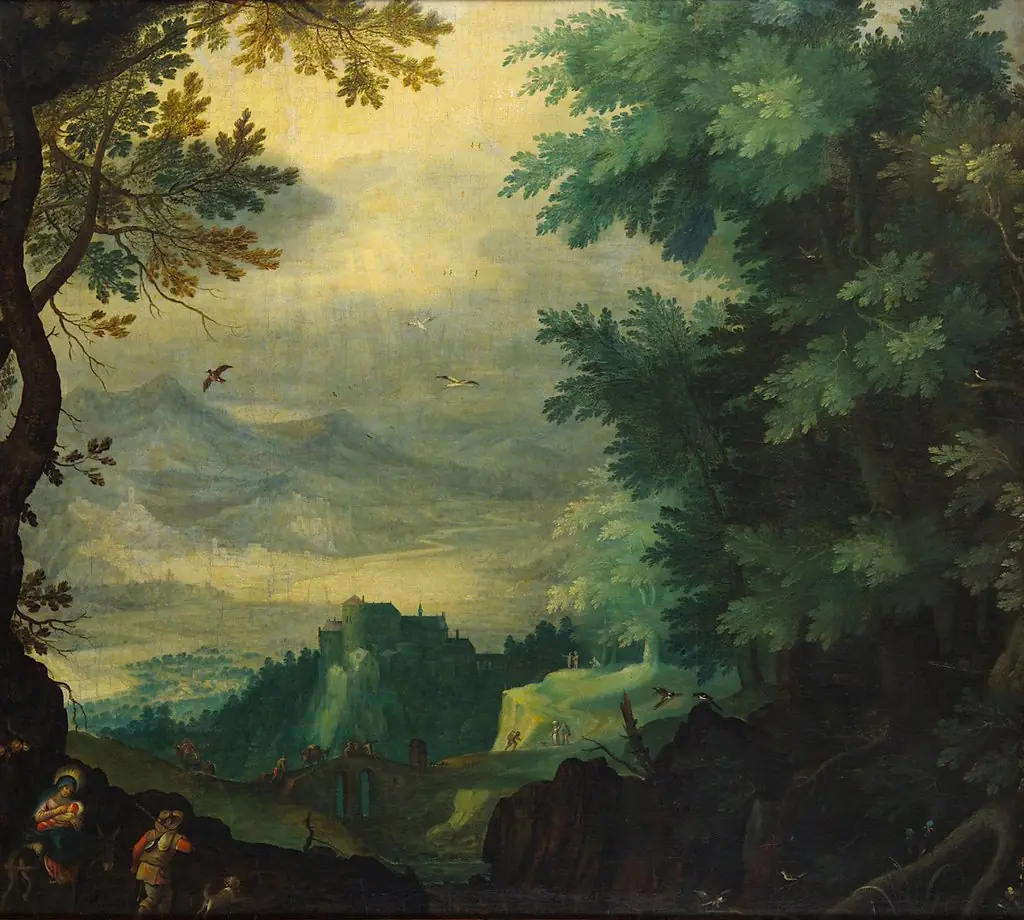 Landscape with the Flight into Egypt
 Landscape