Artwork
Untitled
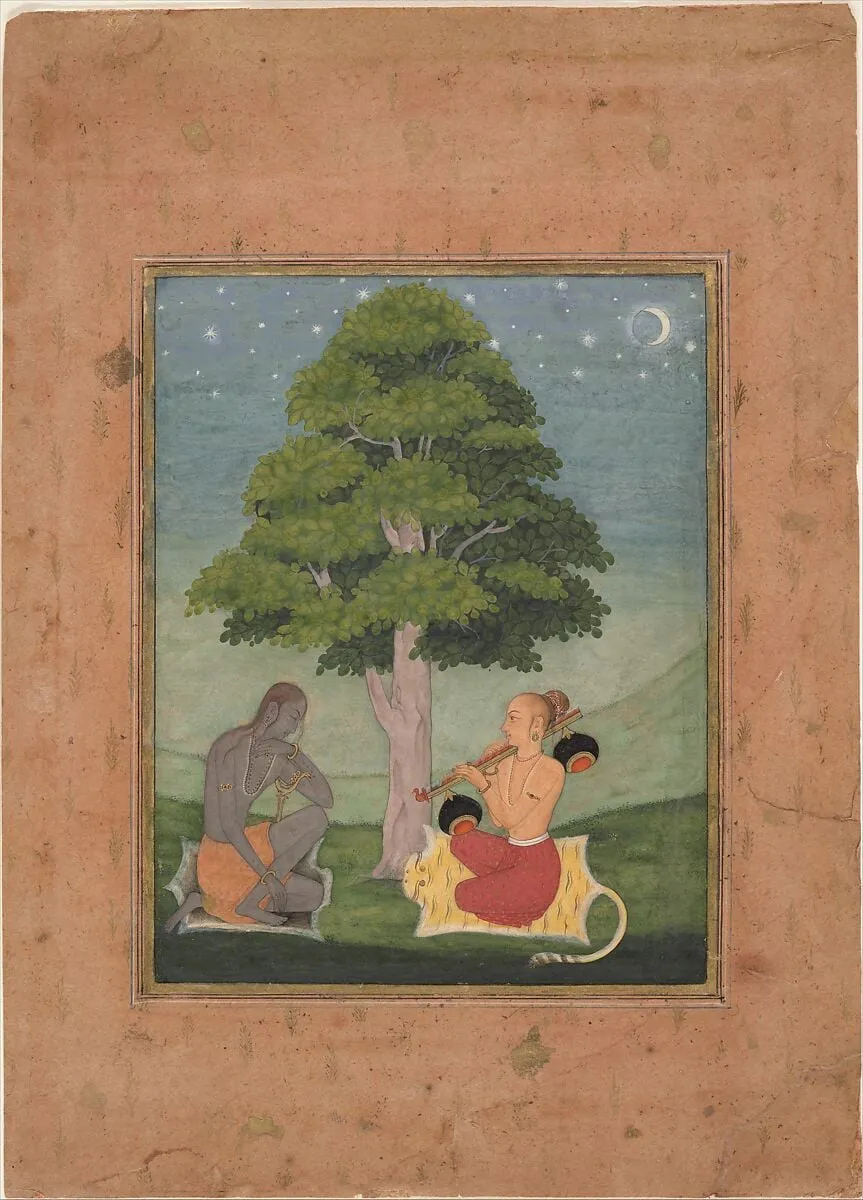
Untitled is a watercolor painting by the Baroque artist Ruknuddin. It dates from 1692 and is held in the collection of the Metropolitan Museum of Art.
About this work
Subject & Meaning
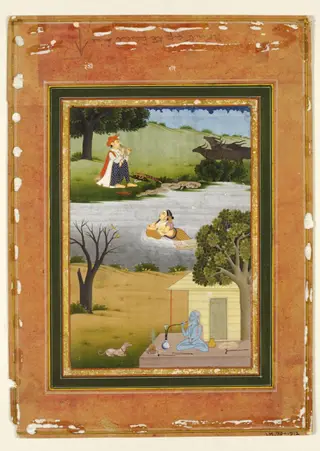
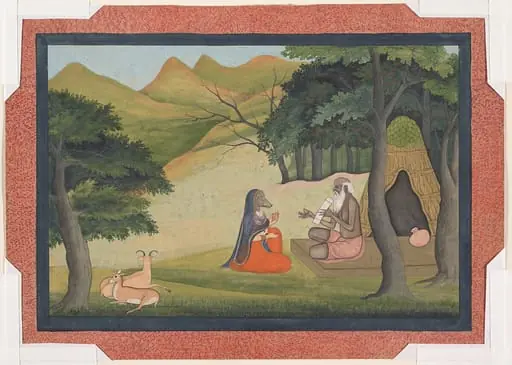
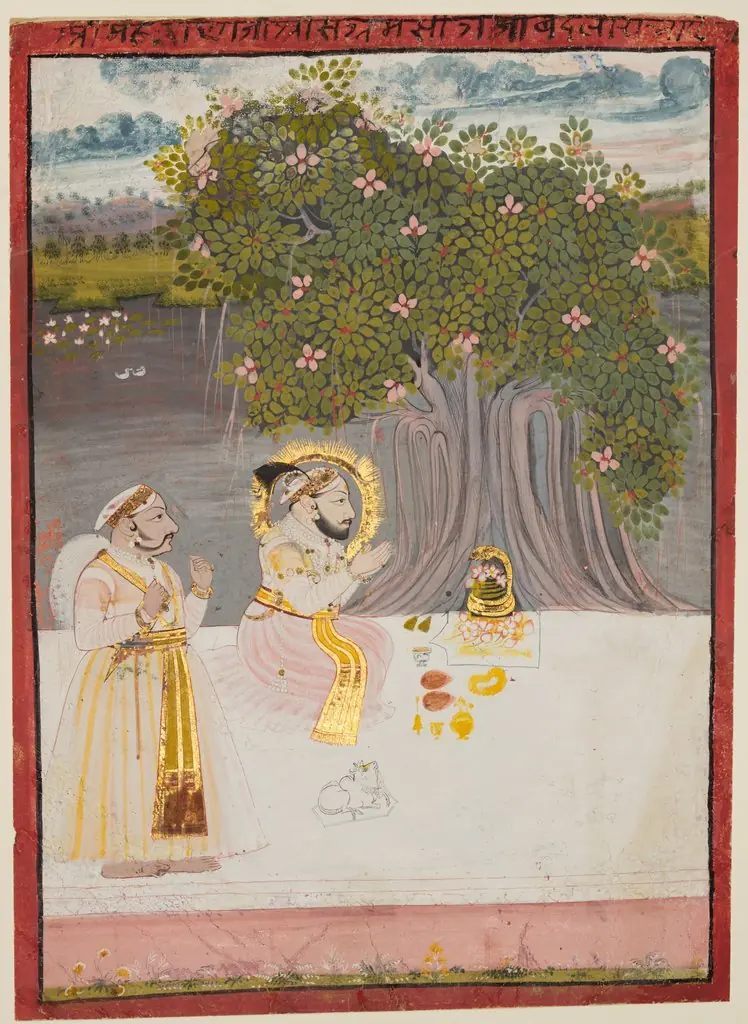
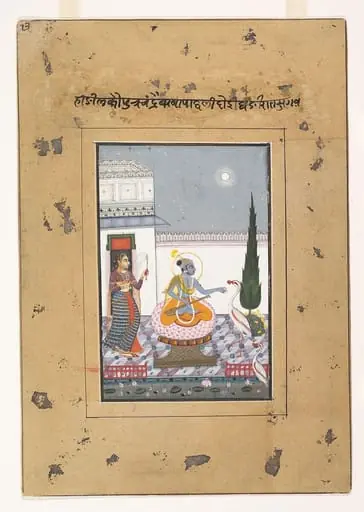
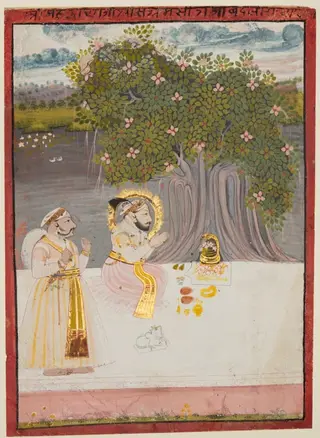
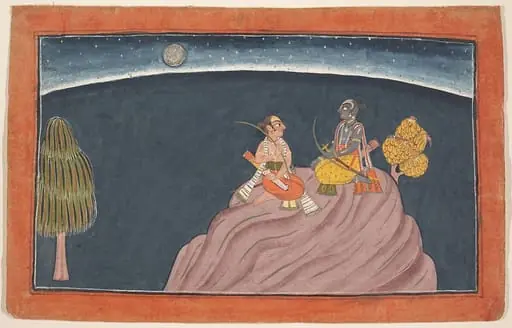
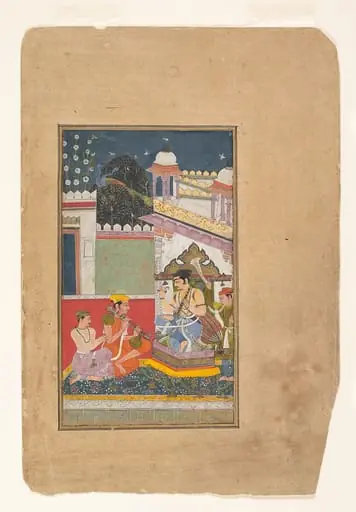
The work titled Untitled, painted by Ruknuddin in 1692, portrays a landscape that includes a crescent moon, a solitary man, a tree, and a musical instrument.
The work titled Untitled, painted by Ruknuddin in 1692, portrays a landscape that includes a crescent moon, a solitary man, a tree, and a musical instrument. These motifs function as iconographic elements within the composition, each rendered in opaque watercolor and ink on paper. The moon and tree situate the scene in a nocturnal, natural setting, while the figure and instrument introduce a human presence and suggest possible ritual or ceremonial activity.
As a landscape genre painting housed in the Metropolitan Museum of Art, the piece exemplifies Indian artistic practice of the late 17th century.
Technique & Style
The work is painted in opaque watercolor heightened with ink on paper, a medium typical of late seventeenth-century Indian ateliers. The composition depicts an attenuated figure seated beneath a tree, with a crescent moon, a musical instrument, and foliage completing the nocturnal scene. The attenuated proportions of the figure align with the refined, Mughal-influenced idiom current in late-17th-century India. No specific information on surface handling, palette, or condition is recorded in the available sources.
History & Provenance
The work titled Untitled was created in 1692 in India by the painter Ruknuddin as an opaque watercolor and ink composition on paper, depicting a moon, a man with a musical instrument, and a tree. It belongs to the landscape genre and is now held in the collection of the Metropolitan Museum of Art. No documentation of a specific commission or subsequent owners is provided in the available sources, and the work remains untitled.
Context
Ruknuddin's Untitled (1692) exemplifies the landscape genre within Indian painting of the late 17th century, combining opaque watercolor and ink to render a nocturnal scene with a tree, a man, a musical instrument and the moon. The work's inclusion in the Metropolitan Museum of Art underscores its significance as a documented example of artistic production in India during this period, offering a concrete reference for studying regional variations in composition and symbolism. Its depiction of natural and cultural motifs aligns with broader trends observed in contemporary Indian artworks, while its provenance highlights the movement of such pieces into Western collections.
Overview
Created in 1692 by the artist Ruknuddin, this untitled landscape is an opaque watercolor and ink work on paper originating from the Bikaner court in Rajasthan. The composition depicts a nocturnal scene featuring three men gathered in a garden, engaged in playing stringed instruments. The setting is defined by tall, slender trees that frame the figures against a dark sky.
A defining characteristic of the piece is the treatment of the moon, rendered as a perfect circle of gold leaf applied directly to the paper, which illuminates the scene with a distinct metallic luster. This work exemplifies the specific stylistic traditions of the Bikaner school during the late seventeenth century, where artists blended indigenous Rajput sensibilities with Mughal influences. The use of gold leaf for celestial bodies and the intimate, musical subject matter reflect the courtly tastes of the region's royal patrons.
Ruknuddin's execution demonstrates a mastery of the medium, utilizing the contrast between the flat, dark background and the luminous gold to create a serene, atmospheric effect typical of the period's landscape paintings.
Artist & collection