Artwork
Allegory of Abundance
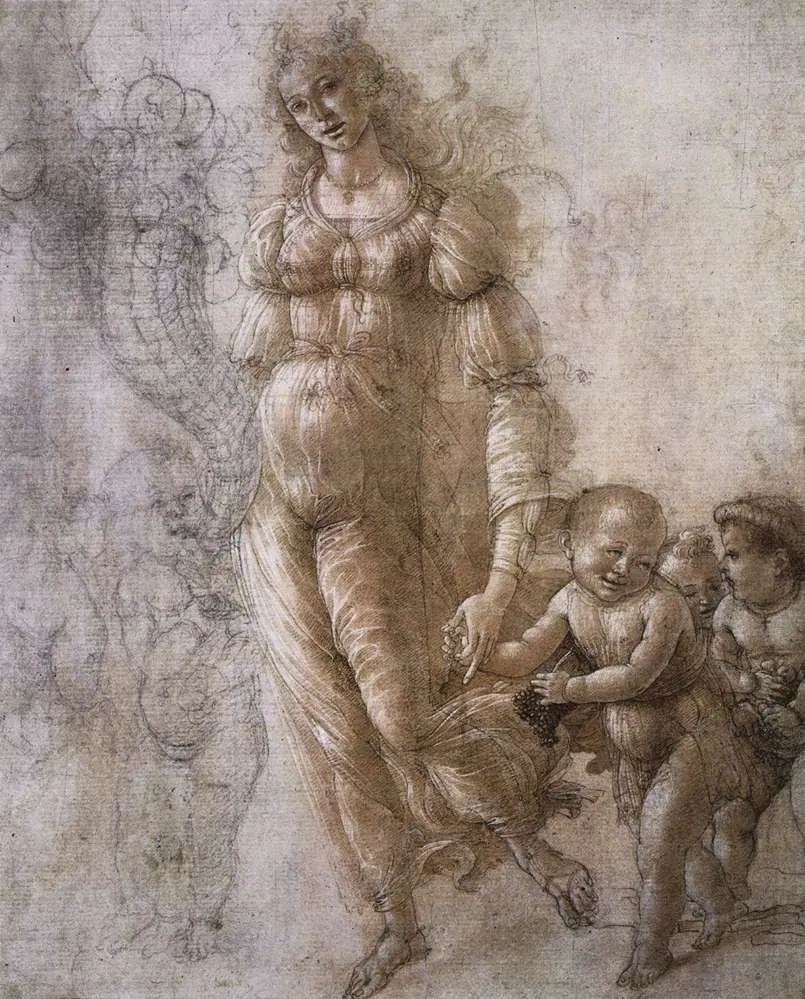
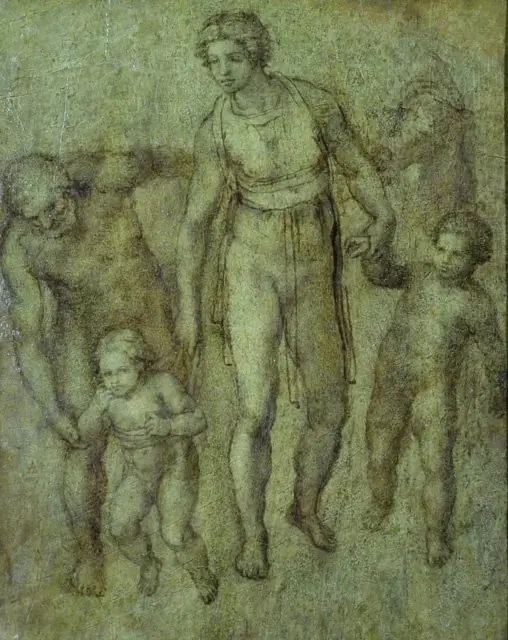
Allegory of Abundance is an ink painting by the High Renaissance artist Sandro Botticelli. It dates from 1490 and is held in the collection of the British Museum.
About this work
Subject & Meaning
She holds the hand of a smiling cherub who runs beside her carrying a bunch of grapes, while a second putto holds a cornucopia, the primary symbol of abundance.
The work depicts the goddess of Abundance moving with a soft, dance-like step to the left, her hair fluttering in the wind. She holds the hand of a smiling cherub who runs beside her carrying a bunch of grapes, while a second putto holds a cornucopia, the primary symbol of abundance. A third putto is partially visible, with only its head shown.
The drawing is unfinished, leaving the cornucopia and the putti on the left in charcoal. Art historian Bernard Berenson praised the figure's soft textures and the way her garments adhere to her slender body, accentuating her movement as if pushed by a breeze.
Technique & Style
The Allegory of Abundance is a pen drawing on paper executed by Sandro Botticelli. The artist created the image using pen and brown ink, applying brown wash for shading and heightening details with white. The background consists of a red lead wash, while specific elements such as the cornucopia and putti to the left remain as unfinished charcoal underdrawings.
Stylistically, the work depicts a goddess moving with a soft, dancing step that causes her hair and dress to flutter. Her slender form is revealed through soft drapery that adheres to her body, accentuating movement against the breeze. The composition includes a smiling cherub carrying grapes and additional figures holding fruit or partially visible.
History & Provenance
The Allegory of Abundance is a pen and ink drawing on paper executed by Sandro Botticelli, currently held in the collection of the British Museum in London. Art historian Bernard Berenson dated the work to the same period as the frescoes originally located at Villa Lemmi, now housed in the Louvre. The piece is considered one of approximately thirty surviving drawings by the artist and is described as unfinished, with specific elements such as the cornucopia and certain putti remaining in charcoal. The drawing was featured in exhibitions in London in 2010 and subsequently in Florence in 2011.
The drawing is held in London at the British Museum and also appears in the Museo del Prado collection in Madrid. Its inventory number is not specified in the sources. It was featured in exhibitions in London in 2010 and in Florence in 2011.
Context
Botticelli’s Allegory of Abundance is situated within the late fifteenth-century Florentine Renaissance, where allegorical imagery flourished alongside humanist patronage and classical revival. The drawing’s unfinished state and refined execution have long drawn scholarly attention, particularly from Bernard Berenson, who ranked it among Botticelli’s supreme achievements, equating it with masterpieces such as Primavera and The Birth of Venus. Berenson’s emphasis on the figure’s rhythmic movement and tactile drapery underscores the work’s continuity with contemporary fresco cycles, notably the Villa Lemmi lunettes in the Louvre, reinforcing its place in Botticelli’s oeuvre of the 1480s.
The work’s allegorical vocabulary, cornucopia, putti, and the flowing drapery of the goddess, aligns with Renaissance ideals of abundance and grace, reflecting the period’s engagement with classical motifs reinterpreted through Christian and civic frameworks. Its survival as a drawing, rather than a painted panel, situates it within Botticelli’s graphic practice, a corpus numbering fewer than thirty extant sheets. Exhibitions in London (2010) and Florence (2011) further attest to its enduring significance within the broader canon of Italian Renaissance draftsmanship.
Legacy
The Allegory of Abundance is widely recognized as one of the most beautiful surviving drawings by Sandro Botticelli, with approximately thirty such works attributed to his hand. Art historian Bernard Berenson elevated the piece to the status of a great masterpiece, ranking it alongside the artist's famous paintings, Primavera and the Birth of Venus. Berenson praised the drawing for capturing the essence of Botticelli's art, describing the female figure's movement and the way her garments reveal her form.
The work's reputation was further solidified through its exhibition in London in 2010 and in Florence in 2011, confirming its enduring significance within Renaissance art history.
Overview
Allegory of Abundance, attributed to Sandro Botticelli, is a small-scale work executed on copper. The piece measures roughly a hand‑sized panel and depicts a serene, pregnant female figure surrounded by infants and fruit, embodying themes of fertility and plenty. It resides in the British Museum, London, and forms part of a limited group of Botticelli drawings that have survived.
Artist & collection
Artist
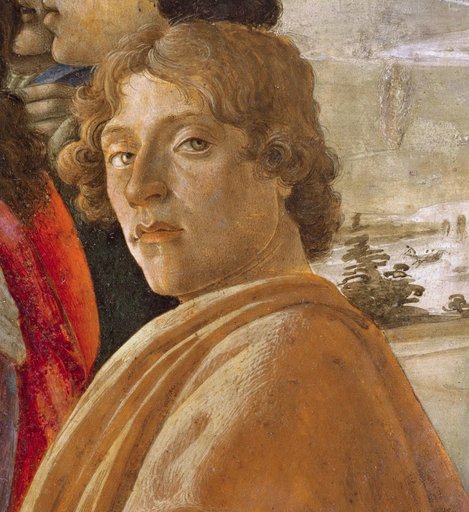
Alessandro di Mariano di Vanni Filipepi, better known as Sandro Botticelli or simply Botticelli, was an Italian painter of the Early Renaissance.

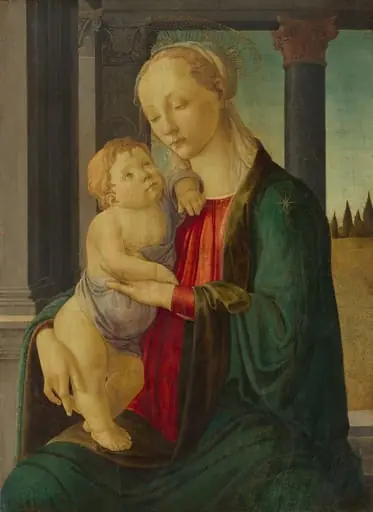
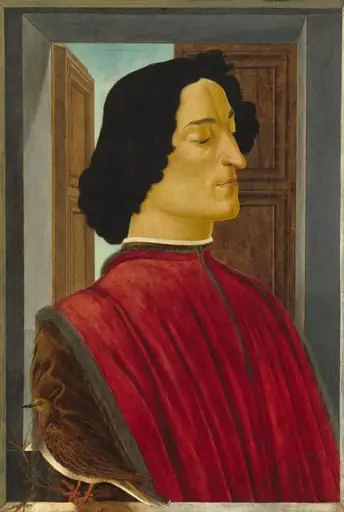
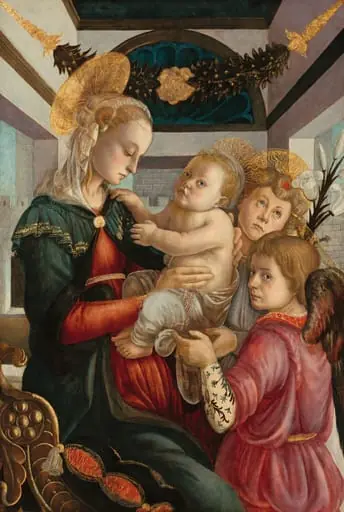
- The Virgin and Child
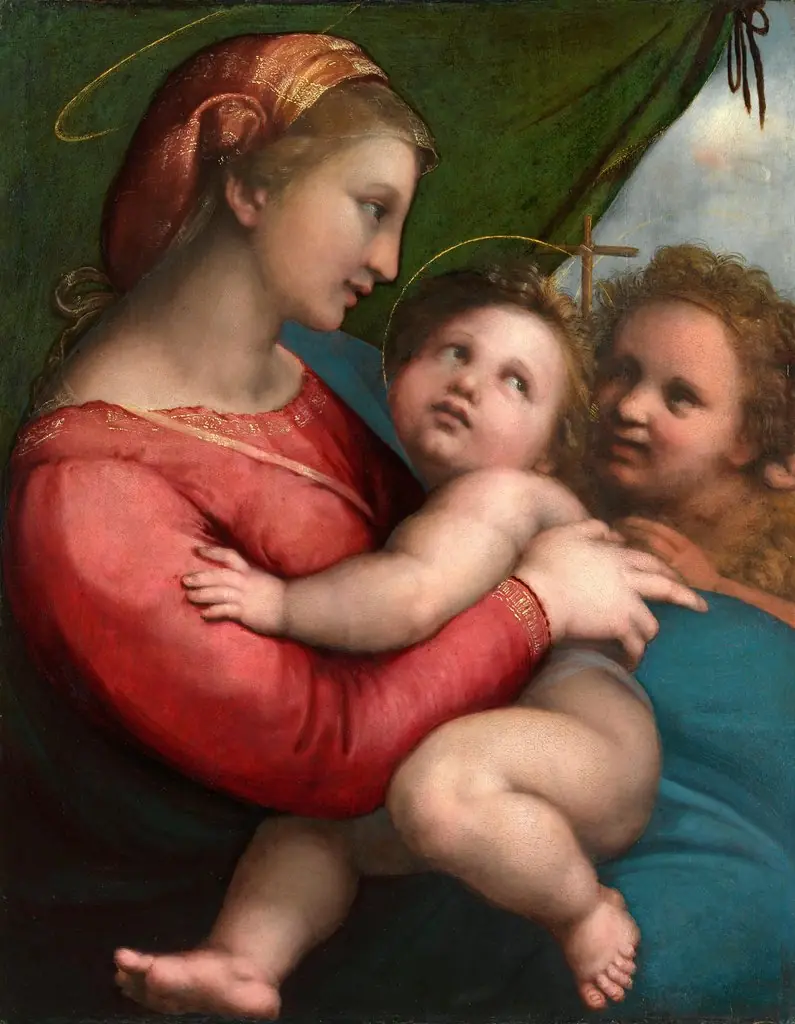 Madonna della tenda
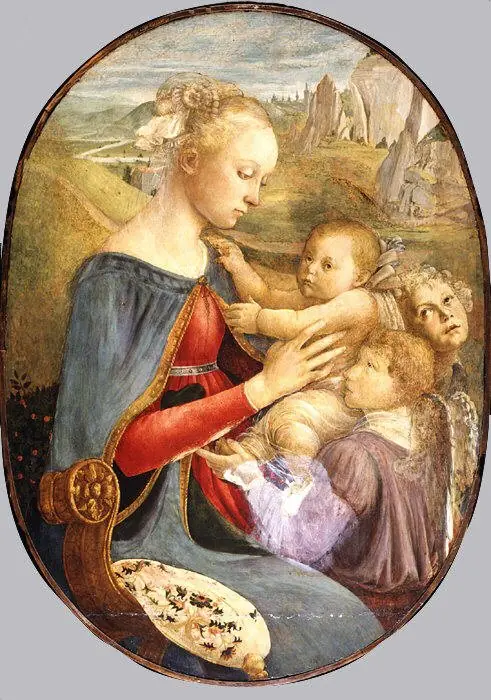
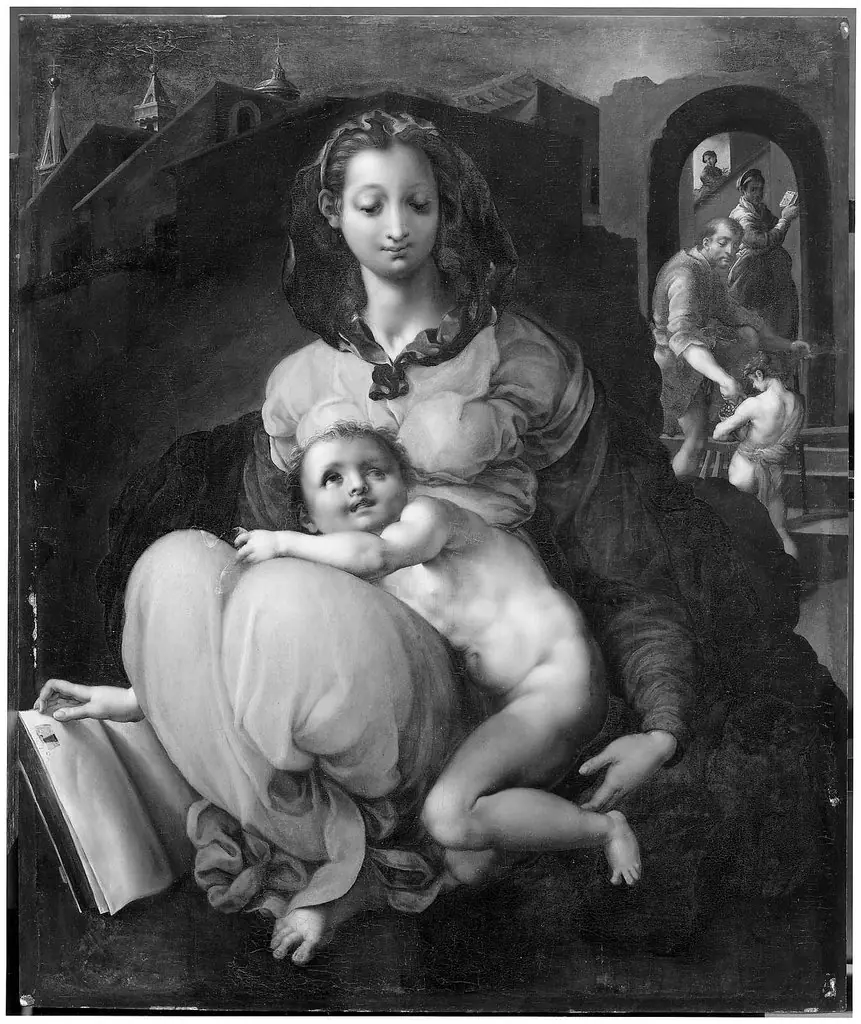 Virgin and Child
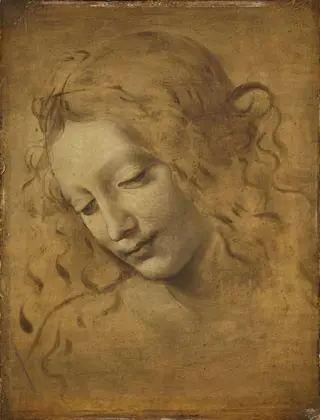 Head of a Woman
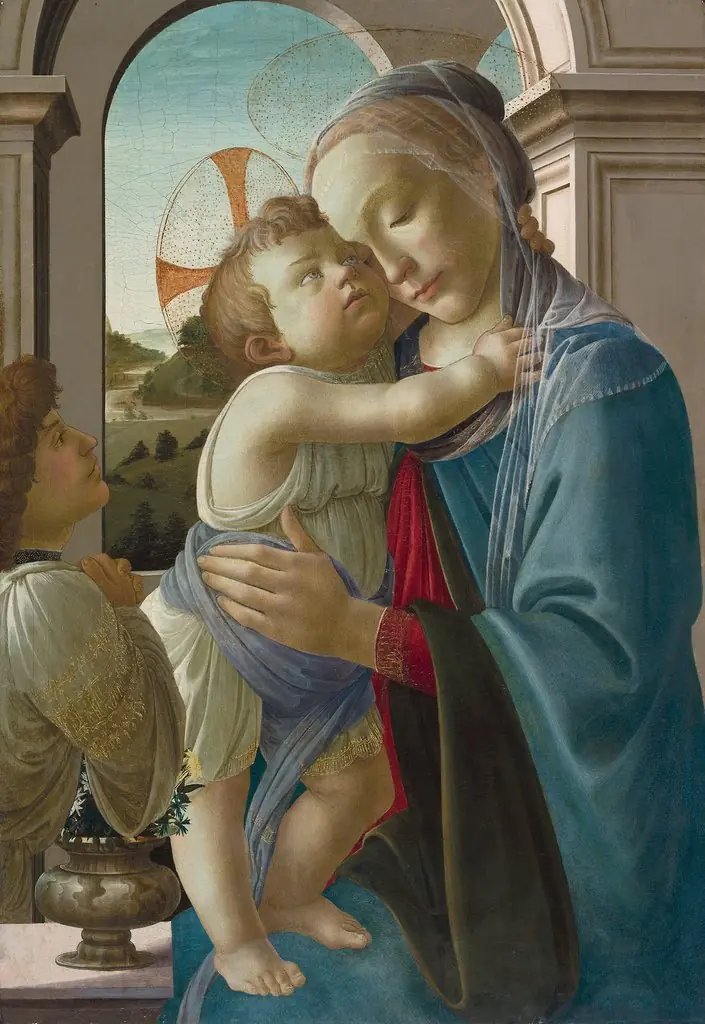 Virgin and Child with an Angel
 Virgin and Child with an Angel
 The Holy Family with Saint John the Baptist
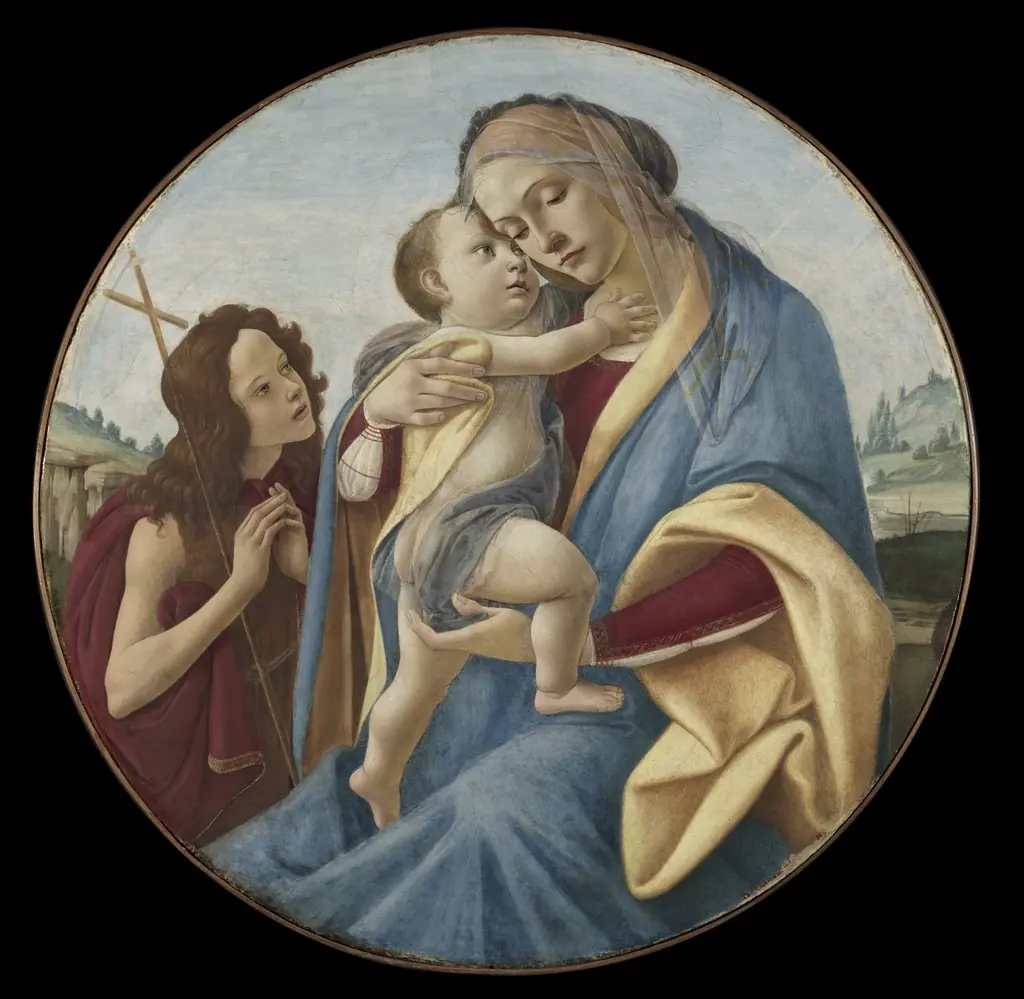
 Madonna and Child with the Young Saint John the Baptist
 Madonna and Child with infant St John the Baptist
 The Niccolini-Cowper Madonna
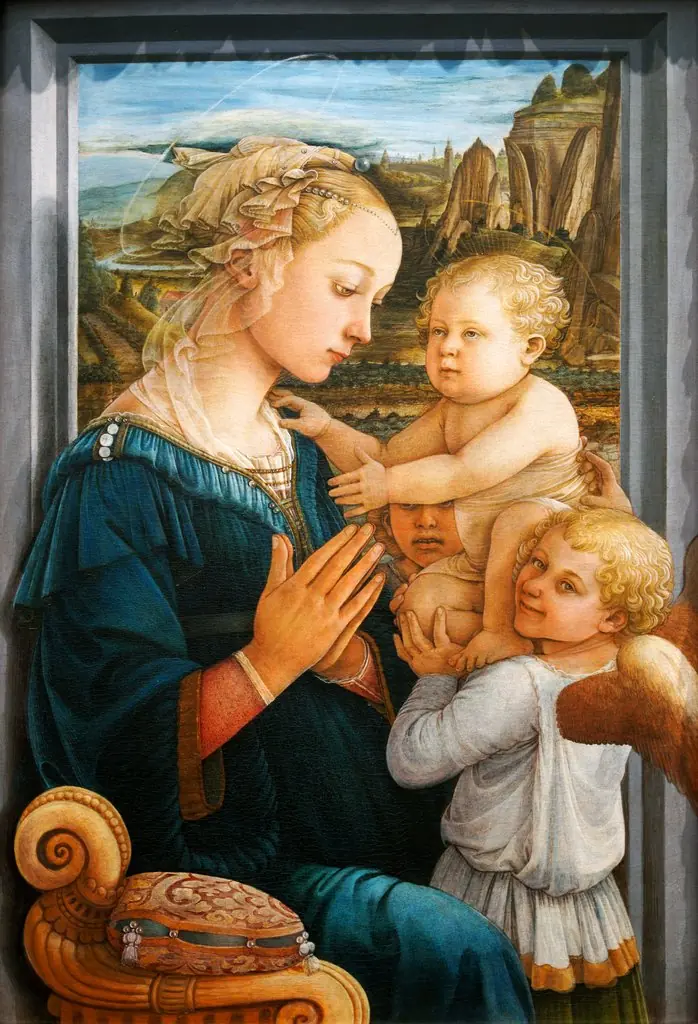 Madonna and Child